Momoya SoHo
Our verdict
Momoya SoHo on Prince Street sits within a SoHo dining corridor that has grown considerably more competitive over two decades of Japanese restaurant expansion in Manhattan. The address places it between the neighborhood's design boutiques and cast-iron loft buildings, where Japanese cuisine ranges from fast-casual to refined omakase. A meal here follows the familiar arc of modern Japanese-American dining, with approachable formats suited to the neighborhood's mixed crowd of residents and gallery visitors.

Pearl is the En Primeur Club membership app, where members save venues, book tables and use the concierge.
The menu
What to order
- Kiwami Zensai
- Awabi Shiogama Yaki
- A5 Miyazaki Wagyu
Japanese Dining in SoHo: A Neighborhood in Transition
Manhattan's Japanese restaurant scene has stratified sharply over the past two decades. At one end sit the allocation-only omakase counters, counters like Masa, where the prix-fixe price point alone filters the room, and at the other end sit the accessible, neighborhood-facing restaurants that built their reputations on consistency rather than ceremony. Momoya SoHo, at 47 Prince Street in the heart of SoHo, occupies the latter register. It is part of a small New York group that opened its first location in Chelsea before extending to this address, and it represents the kind of Japanese restaurant Manhattan's dining culture has historically supported well: technically grounded, menu-driven, and designed for repeat visits rather than singular occasions.
SoHo's dining corridor along Prince and Spring Streets has shifted considerably since the neighborhood's gallery era. The cast-iron district that once drew artists now draws a clientele of design professionals, weekend visitors from elsewhere in the city, and tourists with enough editorial literacy to avoid the more cynical tourist traps. Japanese restaurants have proliferated here partly because the neighborhood's demographics skew toward diners who are already comfortable with Japanese formats, izakaya, robata, sushi, and the kind of hybrid Japanese-American menus that have become a fixture of urban dining from San Francisco to New York.
Where Momoya SoHo Sits in the Competitive Set
New York's Japanese dining options now span a range that few other cities can match. The best of that range is occupied by Michelin-starred counters and progressive tasting menus. At the other extreme, fast-casual conveyor-belt and bento operations serve lunch crowds efficiently. Momoya SoHo fits into the middle tier: a sit-down restaurant with a full menu, a dining room suited to groups and couples alike, and price points that do not require the planning or commitment of an omakase reservation.
That middle tier is, in many ways, the most contested space in New York's Japanese dining scene. It competes not just with other Japanese restaurants but with the broader casual-to-midscale category that includes Korean tasting menus like Atomix and Jungsik New York at the higher end, and French-influenced seafood-forward rooms like Le Bernardin anchoring the fine-dining category. Momoya SoHo does not compete with any of those directly.
The Arc of a Meal
The tasting progression at a menu-driven Japanese restaurant like Momoya SoHo follows a logic that differs from the European tasting format but is no less deliberate. Japanese-American restaurants of this type tend to structure a meal around shared plates and individual mains rather than a strict sequential course, edamame and salads early, appetizers and small plates through the middle, sushi and cooked proteins as anchors, mochi or green tea-inflected desserts at the close. That rhythm rewards a table that is willing to order across the menu rather than defaulting to a single sushi platter.
The middle section of that arc, the point where appetizers give way to the more substantial plates, is typically where Japanese-American restaurants distinguish themselves or fail to. Cold preparations, the quality of the rice in nigiri, the balance of a sauce on a cooked fish, and the freshness of ingredients ordered outside the kitchen's obvious strengths are all signals that experienced diners read quickly. At a restaurant in this tier, the evidence of craft tends to show in those details rather than in theatrical presentation or rare ingredients.
SoHo address carries its own pressures. Rents in this corridor are among the highest in the city for restaurant spaces, which means that kitchens here operate under margin constraints that affect sourcing, staffing, and menu breadth. That context is worth carrying into any assessment of what a mid-tier Japanese restaurant in this neighborhood can realistically deliver. It also explains why restaurants in this tier tend to run tighter, more focused menus as they mature, cutting the range that was there at opening in favor of the dishes the kitchen executes most reliably.
For the broader arc of the meal, the practical advice that applies to most Japanese-American restaurants in this category holds here: order early in the evening when the kitchen is freshest, let the menu range rather than anchoring entirely to sushi rolls, and treat the dessert course as an optional coda rather than a foregone conclusion, green tea ice cream has a place, but it is rarely the reason to stay at the table.
Planning a Visit
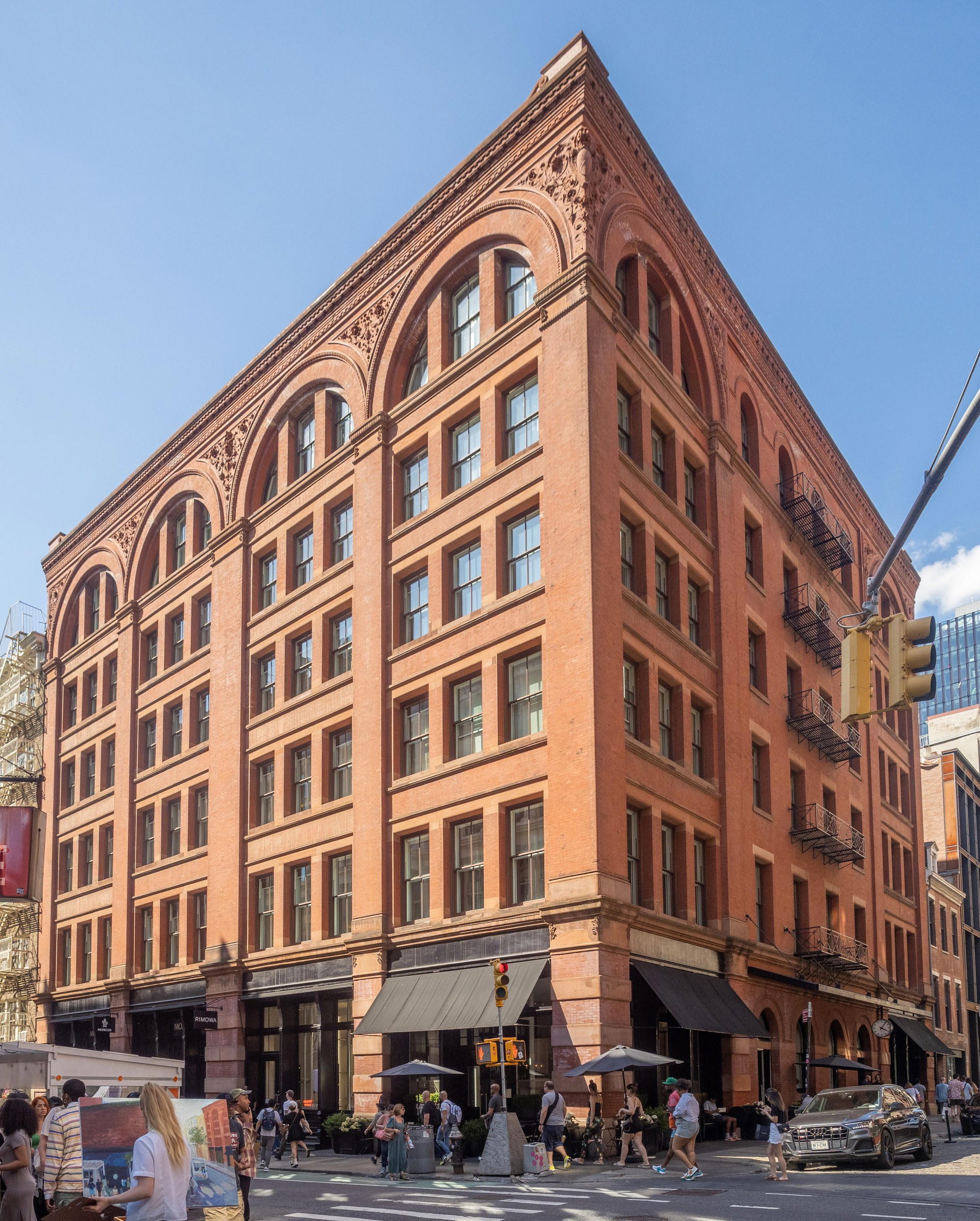
The Prince Street address sits in walkable range of SoHo's main gallery cluster and within easy reach of the N, R, and W trains at Prince Street station, as well as the C and E lines one block over at Spring Street. For diners arriving from Midtown, the walk from the 6 train at Spring Street adds a few minutes but passes through the neighborhood's commercial core. The restaurant's format, a full menu rather than a fixed reservation requirement, means that walk-ins are a realistic option on slower evenings, though Friday and Saturday evenings in SoHo tend to fill dining rooms across the board. Booking ahead, even informally, is the lower-risk approach for weekend visits. For context on how this address compares to other notable New York tables, the EP Club New York City restaurants guide maps the full range from neighborhood staples to destination rooms. Those planning meals at the higher end of the New York spectrum might also consider Per Se for a French-contemporary tasting format, or look westward to similarly serious destination tables like The French Laundry in Napa, Alinea in Chicago, or Lazy Bear in San Francisco. Further afield, rooms like Providence in Los Angeles, Blue Hill at Stone Barns in Tarrytown, Addison in San Diego, Single Thread Farm in Healdsburg, The Inn at Little Washington, Bacchanalia in Atlanta, and Emeril's in New Orleans each represent the serious end of American destination dining. International reference points include 8½ Otto e Mezzo Bombana in Hong Kong and Alain Ducasse at Louis XV in Monte Carlo.
Frequently asked questions
What should I order at Momoya SoHo?
Do I need a reservation for Momoya SoHo?
What's the defining dish or idea at Momoya SoHo?
How does Momoya SoHo handle allergies?
Is Momoya SoHo a good option for a first visit to Japanese cuisine in New York?
Peers Worth Knowing
Comparable venues nearby, for context on price, style, and recognition.
| Venue | Cuisine | Price | Awards | Notes |
|---|---|---|---|---|
| Momoya SoHoThis venue (the venue you are viewing) | Modern Japanese Sushi and Omakase | $50–100 | Not listed | Not listed |
| Teruko | Traditional Edomae Sushi & Japanese Cuisine | $50–100 | Wine Spectator Award of Excellence | Chelsea-Hudson Yards |
| Blue Ribbon Sushi & Steak | Japanese Sushi & Steakhouse | $50–100 | Not listed | Midtown-Times Square |
| Wano | Modern Japanese Izakaya | $50–100 | Not listed | East Midtown-Turtle Bay |
| Sushi Beauu | Traditional Japanese Omakase | $100–150 | Not listed | Midtown South-Flatiron-Union Square |
| Ivan Ramen Slurp Shop | Authentic Japanese Ramen | Not listed | Not listed | Hell's Kitchen |
Continue exploring
More in New York City
Restaurants in New York City
All restaurants in New York City →
Bars in New York City
All bars in New York City →
Details
- Modern
- Elegant
- Trendy
- Serene
- Date Night
- Special Occasion
- Brunch
- Chefs Counter
- Open Kitchen
- Sake Program
- Craft Cocktails
- Street Scene
- A La Carte
- Omakase
- Tasting Menu
- Sake
- Cocktails
- Vegetarian Friendly
- Gluten Free Options
Current opening hours
- Monday
- 12–3 PM, 5:30–10 PM
- Tuesday
- 12–3 PM, 5:30–10 PM
- Wednesday
- 12–3 PM, 5:30–10 PM
- Thursday
- 12–3 PM, 5:30–10 PM
- Friday
- 12–10:30 PM
- Saturday
- 12–10:30 PM
- Sunday
- 12–9 PM
Hours can change for holidays and private events. Hours as of .
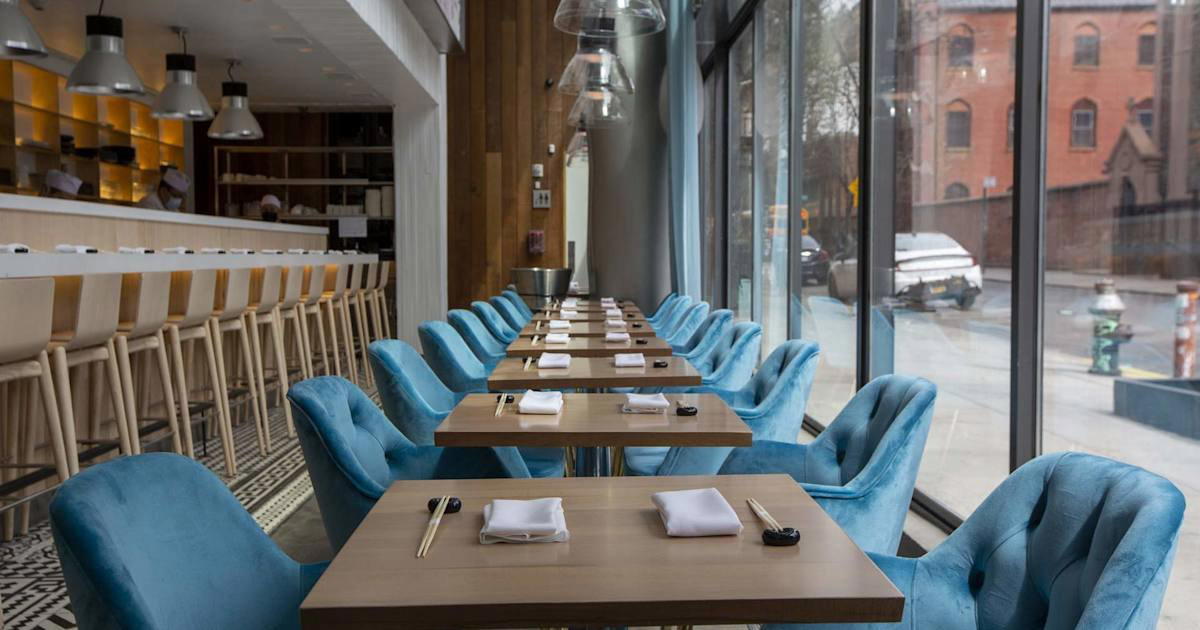
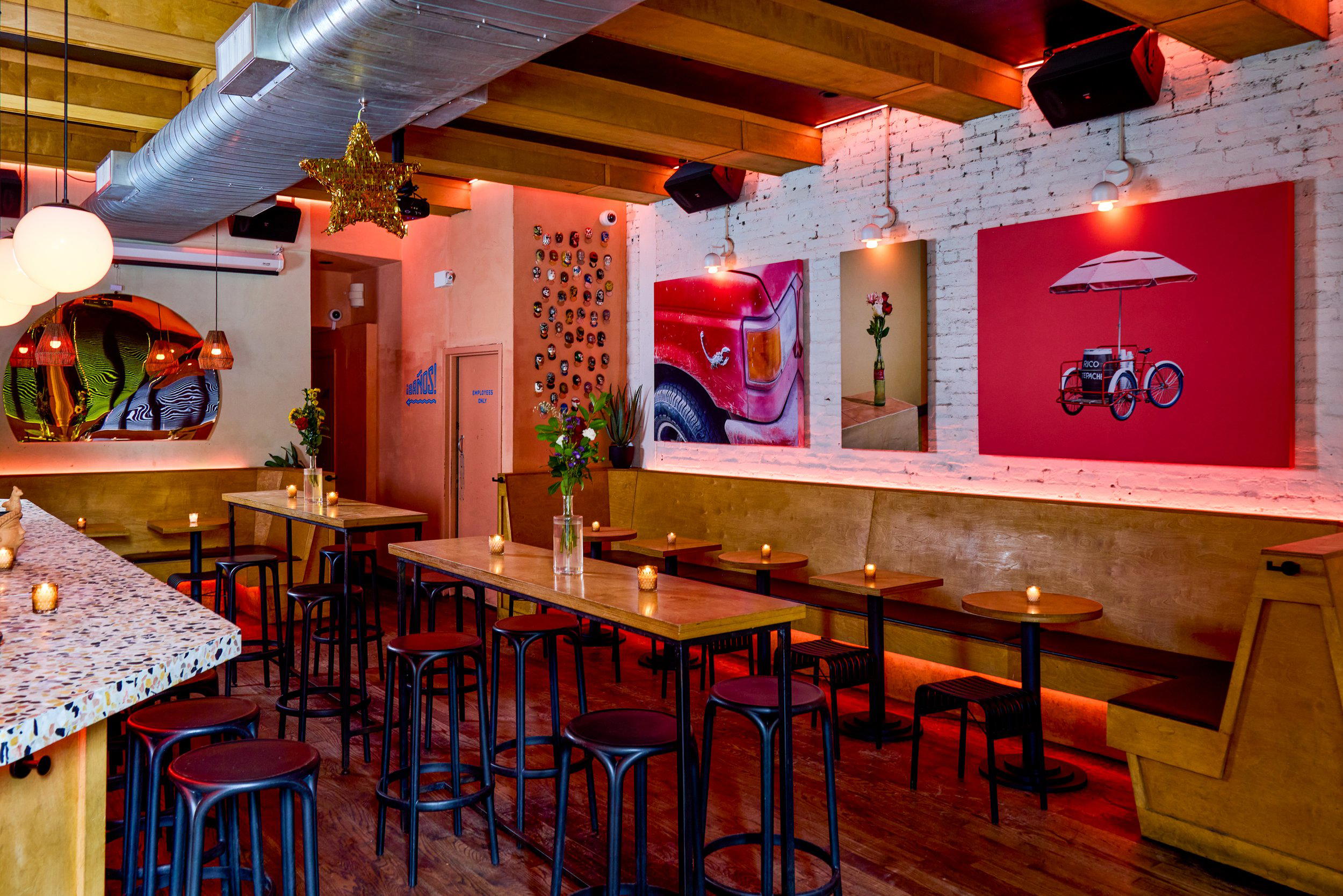
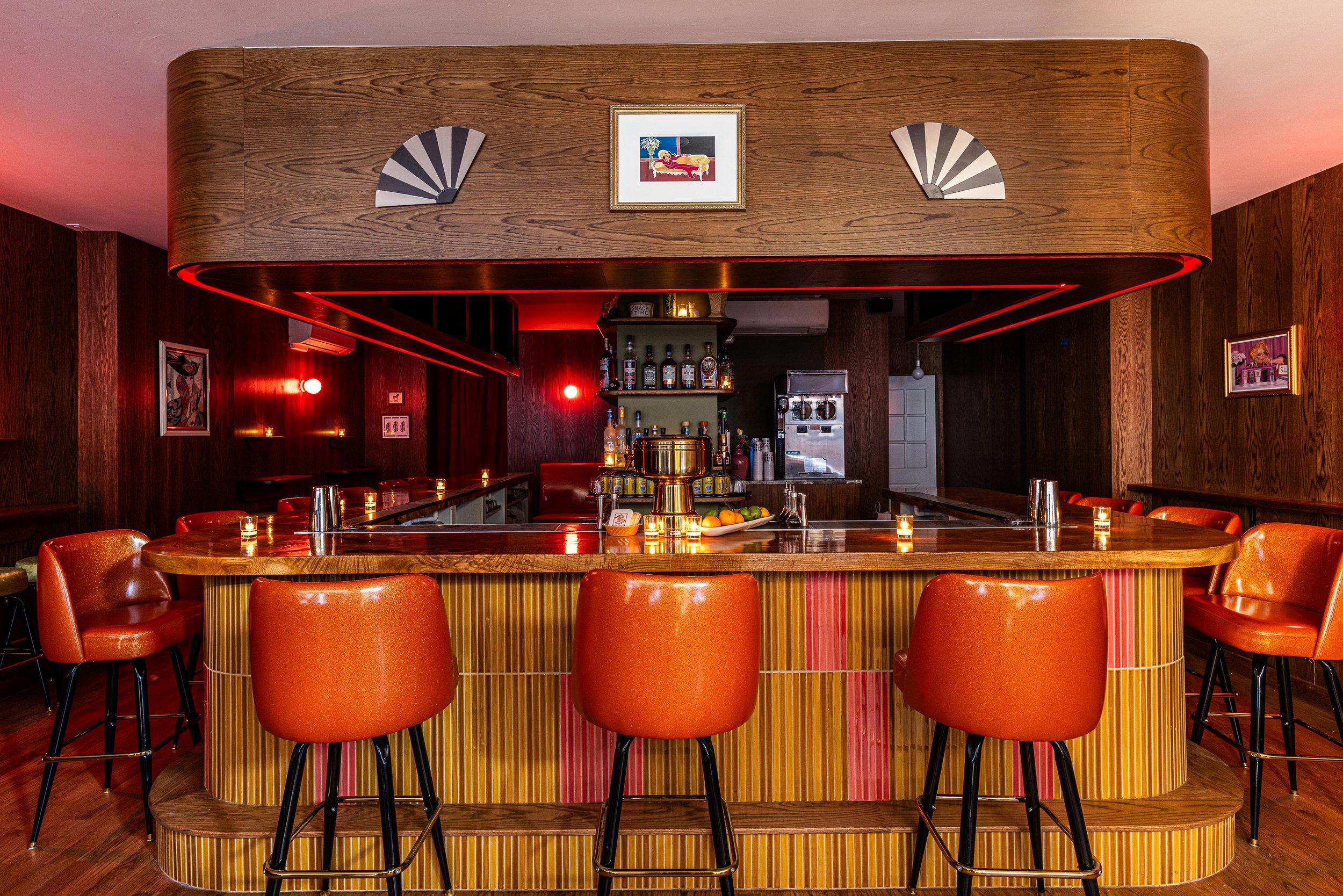
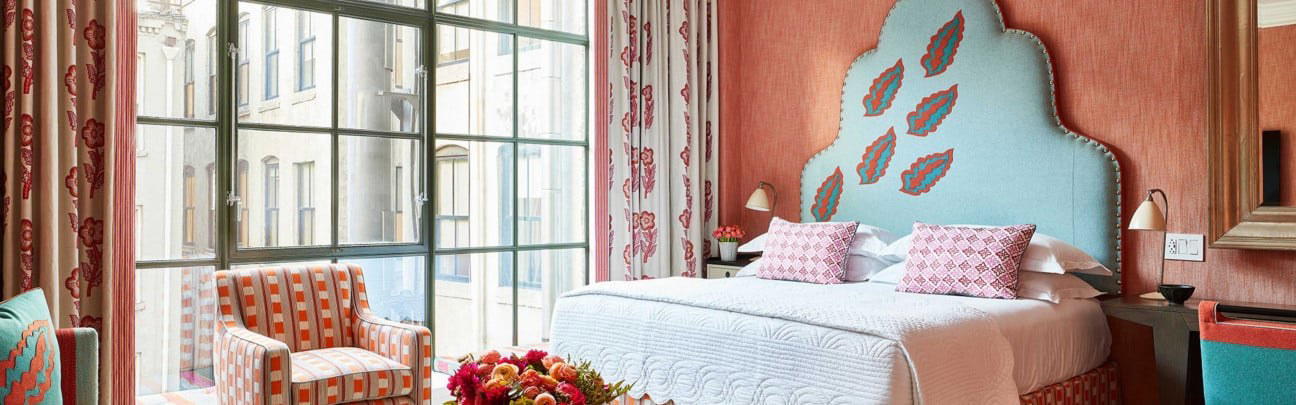
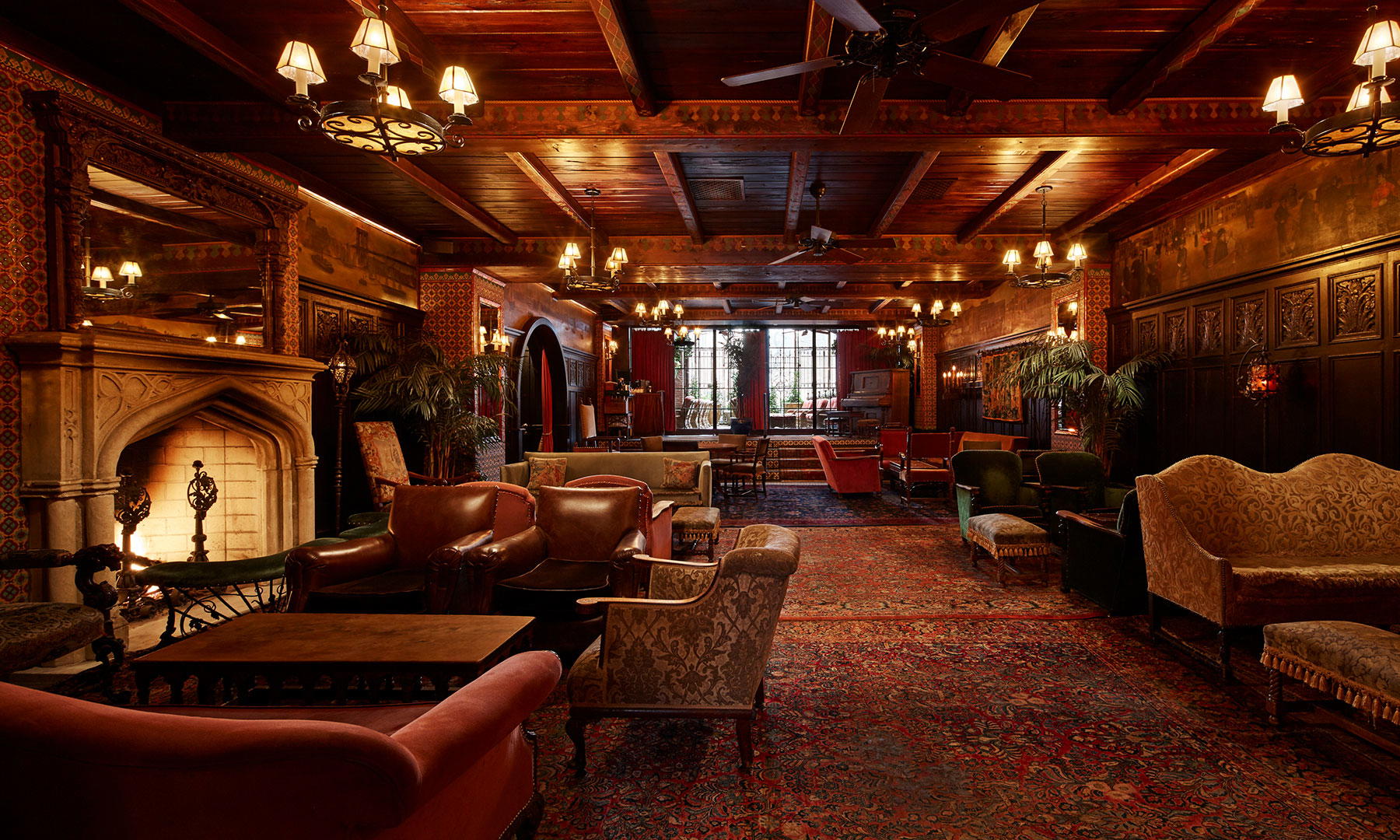
Serene and elegant with futuristic fish tank-like decor, large windows, pinewood sushi bar, and velvet banquettes creating a modern yet laid-back atmosphere.