Molos

Wine Spectator Award of Excellence
Our verdict
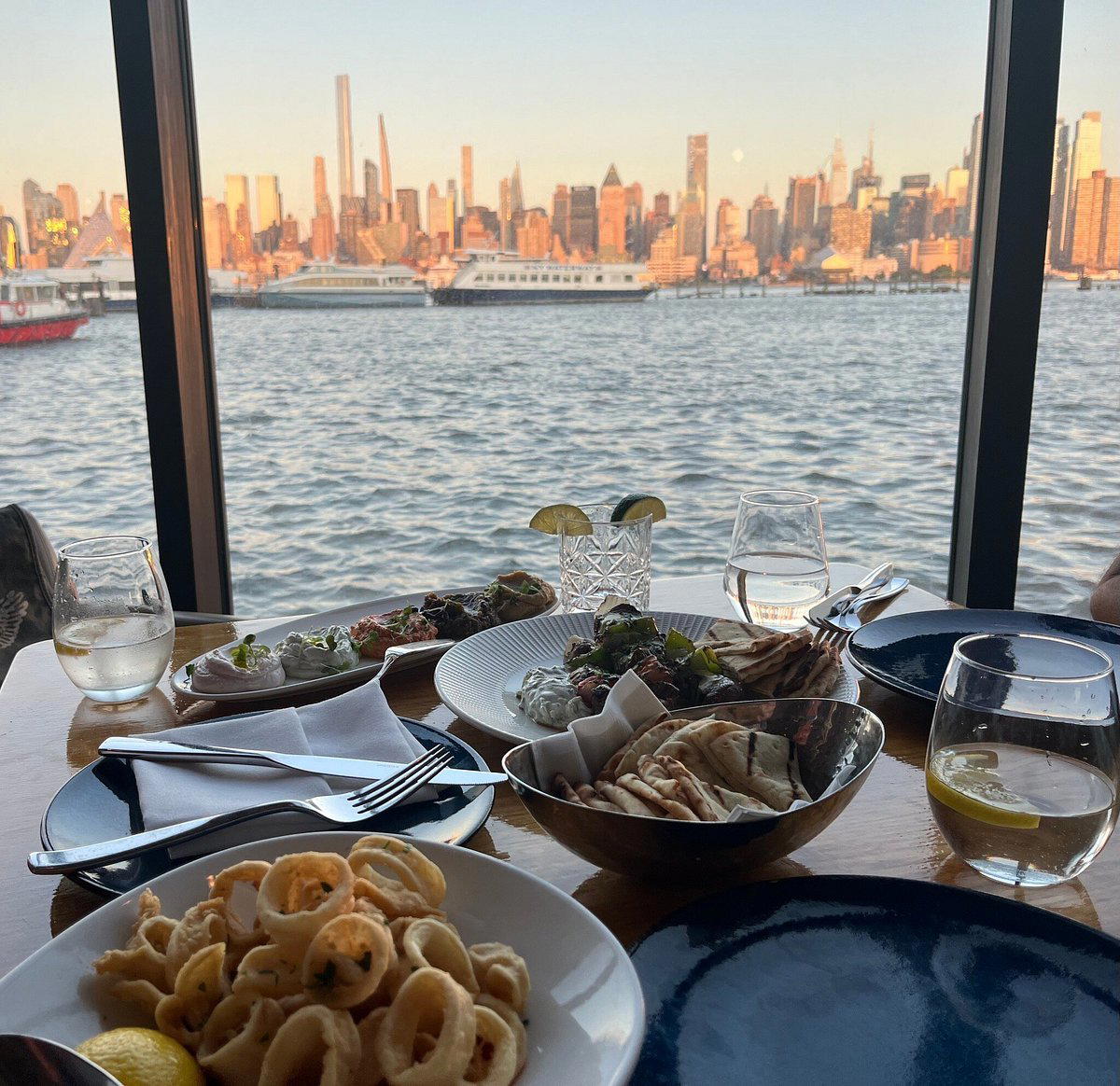
Molos sits on the Hudson River waterfront in Weehawken, New Jersey, delivering seafood-focused dining with direct sightlines to the Manhattan skyline. The location places it squarely in the tier of Hudson County restaurants where the view is as deliberate as the menu. For visitors crossing the river from New York, it functions as a destination in its own right rather than a consolation stop.

Pearl is the En Primeur Club membership app — saves, bookings, and concierge access live there. Same editors, same standards.
- Address
- 1 County Rd 682, Weehawken Township, NJ 07086
- Phone
- (201) 223-1200
- Hours
- Mon–Thu 4–10 PMFri 4–11 PMSat 12–11 PMSun 12–10 PM
- Website
- molosrestaurant.com
- Directions
- Get directions
- Booking
- Book on OpenTable
The menu
What to order
- Lobster Fettuccine
- Seafood Orzo
- Whole Fish
- Saganaki
The Hudson Waterfront as Dining Context
Standing at the edge of Weehawken's shoreline, with the Manhattan skyline arranged across the water like a stage flat, you understand immediately what kind of restaurant Molos is asking you to expect. The Hudson River waterfront in Hudson County has developed into a distinct dining corridor over the past two decades, one where geography does meaningful editorial work before the kitchen has to. Restaurants here compete partly on view and partly on what they put on the plate, and the better ones treat those two variables as complementary rather than substitutional. Molos, located at County Road 682 in Weehawken Township, occupies that waterfront position and draws a dining public that arrives knowing what the setting promises.
Weehawken sits within a cluster of Hudson County municipalities, each with its own dining character. For a fuller read on where Molos fits within the local scene, the full Weehawken restaurants guide maps the area's options by format and price tier. Two waterfront peers worth noting are Blu on the Hudson and The Highwood, both of which occupy similar geographic real estate and similarly calibrated dining registers.
Seafood on the Shore: What the Setting Implies
Waterfront seafood restaurants along the northeastern United States exist on a spectrum that runs from casual raw bars to white-tablecloth tasting rooms. The leading use proximity to water as an argument for sourcing discipline, not just scenic effect. Along the Atlantic corridor, from the fishing docks of Maine to the Fulton Fish Market in Manhattan, the supply infrastructure for fresh seafood is dense enough that a serious restaurant has no logistical excuse for mediocrity. The question for any Hudson-facing dining room is whether it leans into that supply chain with intention or defaults to the safe middle of the genre.
That sourcing question sits at the center of what makes waterfront seafood dining worth considering seriously. Restaurants such as Le Bernardin in New York City have built their entire institutional reputation on the rigor of their fish sourcing, treating provenance as primary editorial content rather than marketing footnote. On the West Coast, Providence in Los Angeles operates in the same register, with a sourcing program that anchors its tasting format. These are the reference points at the top of the category. Below that tier, the waterfront seafood genre widens considerably, and the gap between restaurants that prioritize ingredient provenance and those that prioritize view is often the defining variable in quality.
Where Weehawken Sits in the Regional Picture
For diners based in Manhattan, crossing the river to Weehawken involves a deliberate decision, whether via the NY Waterway ferry from Midtown or through the Lincoln Tunnel. That transit friction filters the clientele toward people who have either done the research or received a recommendation, which tends to shape the room in a particular way. Destination-driven restaurants on the New Jersey side of the Hudson have historically attracted a mixed audience: Hudson County locals, Manhattan residents looking for a change of register, and visitors to the New York metropolitan area who are staying in New Jersey and want dinner with a view back toward the city they came to see.
The broader American fine dining conversation has moved steadily toward farm-to-table frameworks and hyper-local sourcing narratives. Places like Blue Hill at Stone Barns in Tarrytown and Single Thread Farm in Healdsburg represent the most integrated version of that model, where the sourcing infrastructure is built into the property itself. That level of vertical integration is rare. More commonly, restaurants in the mid-to-upper tier of the market establish sourcing relationships with named farms, fisheries, and distributors, and communicate those relationships to guests through menu language. Whether Molos operates in that mode is a question for the current menu, which should be reviewed directly before visiting.
Within the national seafood-forward dining category, price and format tend to track together. Tasting-menu seafood restaurants at the top of the market, including Le Bernardin and the seafood-intensive portions of programs at places like Alinea in Chicago or Lazy Bear in San Francisco, operate at price points that reflect both the cost of premium sourcing and the labor intensity of high-technique kitchens. Waterfront à la carte seafood restaurants in the suburban metro tier operate differently, with a format and price structure oriented toward repeat neighborhood use as much as destination visits.
Restaurants like Bacchanalia in Atlanta, Brutø in Denver, and The Inn at Little Washington each occupy distinct regional positions but share a commitment to sourcing specificity that anchors their editorial identity. For seafood restaurants in the New York metro area, the competitive comparison is sharp: proximity to one of the world's most competitive restaurant markets means that diners have calibrated expectations regardless of which side of the Hudson they sit on. Molos operates inside that expectation set.
Other programs worth understanding for context: Addison in San Diego has demonstrated how a restaurant outside a major urban core can build award-level credibility through sourcing discipline and technical consistency. Atomix in New York City shows how rigorous ingredient sourcing, even outside seafood, generates the kind of sustained critical attention that defines a restaurant's identity across years. Causa in Washington, D.C. and Emeril's in New Orleans each illustrate how regional ingredient identity can become a restaurant's central argument. And at the furthest geographic reach of this conversation, 8 1/2 Otto e Mezzo Bombana in Hong Kong demonstrates that waterfront dining with serious culinary ambition is not a format confined to any single coast or country.
Planning a Visit
Molos is located at County Road 682 in Weehawken Township, NJ 07086, on the Hudson River waterfront. Access from Manhattan is most direct by ferry or via the Lincoln Tunnel by car. A table on the river-facing side of the room is worth requesting specifically; the Manhattan view is the environmental context the restaurant is built around, and the difference between a window seat and an interior table is meaningful here. For a broader read on dining options in the area before committing to a reservation, the Weehawken restaurants guide provides current coverage.
Frequently asked questions
Is Molos suitable for children?
Weehawken's waterfront strip along County Road 682 draws a predominantly adult evening crowd, shaped by the location's deliberate-destination nature — most guests arrive by ferry or car from Manhattan with a specific dining purpose in mind. Families with older children who can engage with a sit-down waterfront meal will find the setting more accommodating than those with young children expecting a casual, flexible environment.
Is Molos formal or casual?
Molos sits on the Hudson waterfront in Weehawken Township, a setting that naturally pulls toward relaxed rather than ceremonial dining. Waterfront venues in Hudson County — positioned as escapes from Manhattan's more buttoned-up rooms — typically land in a dressed-up-but-not-rigid register, where a jacket is optional but beachwear is not the norm. Confirming the current dress code directly with the venue before your visit is advisable.
How do you get to Molos from Manhattan, and how long does the trip take?
The most direct route from Midtown Manhattan is the NY Waterway ferry, which crosses the Hudson River to the Weehawken terminal and puts diners within close reach of County Road 682. Driving via the Lincoln Tunnel is the alternative, though ferry travel typically avoids traffic and delivers the additional benefit of arriving by water with the Manhattan skyline behind you. Either way, the crossing from Midtown runs well under 30 minutes under normal conditions.
What should I eat at Molos?
Specific dish recommendations require current menu confirmation directly from the restaurant, as menu details shift with season and sourcing. For a waterfront venue on the northeastern US coastline at Weehawken's County Road 682 address, seafood preparations tend to anchor the menu, and locally sourced fish and shellfish are a reasonable expectation in this regional format. Calling ahead or checking the venue's current menu will give you the most accurate picture of what's on.
Fast Comparison
Comparable venues nearby, for context on price, style, and recognition.
| Venue | Cuisine | Price | Awards | Notes |
|---|---|---|---|---|
| MolosThis venue — the venue you are viewing | Greek Mediterranean Seafood | $50–100 | Wine Spectator Award of Excellence | Not listed |
| Blu on the Hudson | Contemporary American Fine Dining with Seafood & Wagyu | $50–100 | Wine Spectator Best of Award of Excellence | Weehawken |
| The Highwood | Elevated American Gastropub | $50–100 | Not listed | Port Imperial |
| Capons Chophouse | Modern American Steakhouse | $50–100 | Not listed | The Shops at Riverside |
| Estia Taverna | Authentic Greek Taverna | $30–50 | Not listed | Marlton |
| Rare, The Steak House | Prime Steakhouse with Italian Touches | $50–100 | Not listed | Little Falls |
Recognition history
Dated appearances from independent guides and award organizations, with the underlying list record or original source where available.
Wine Spectator Award of Excellence
Wine Spectator
Continue exploring
More in Weehawken
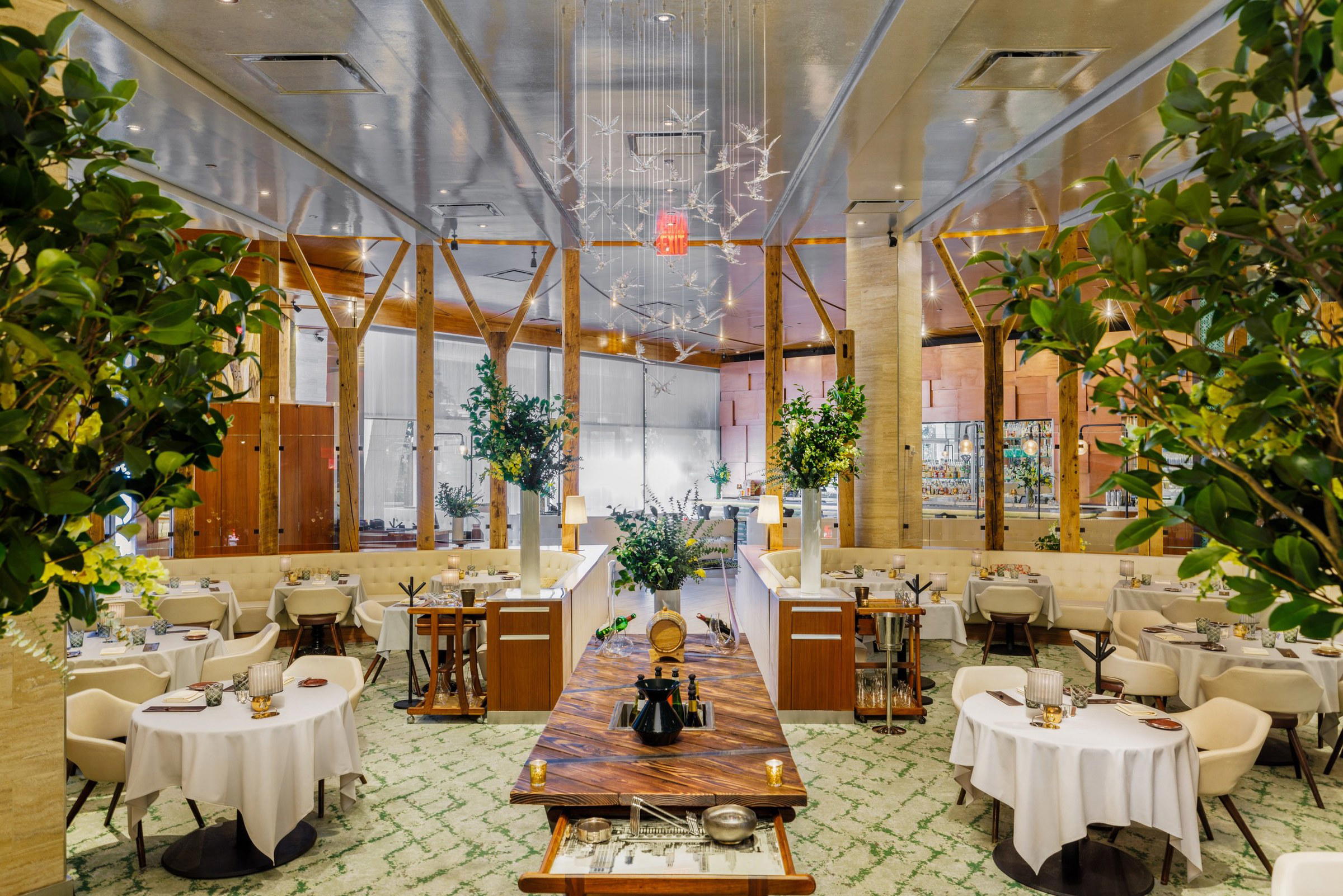
Restaurants in Weehawken
Browse all →
Bars in Weehawken
Browse all →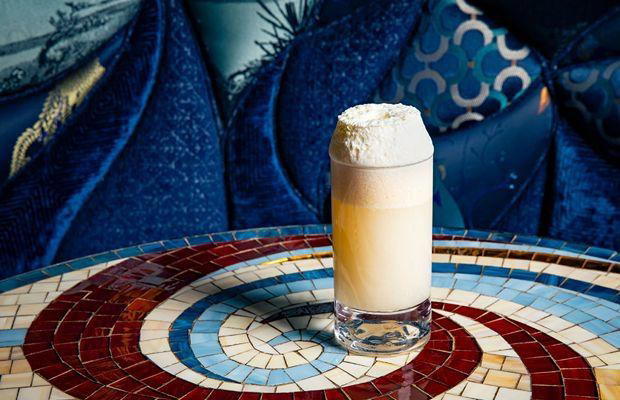
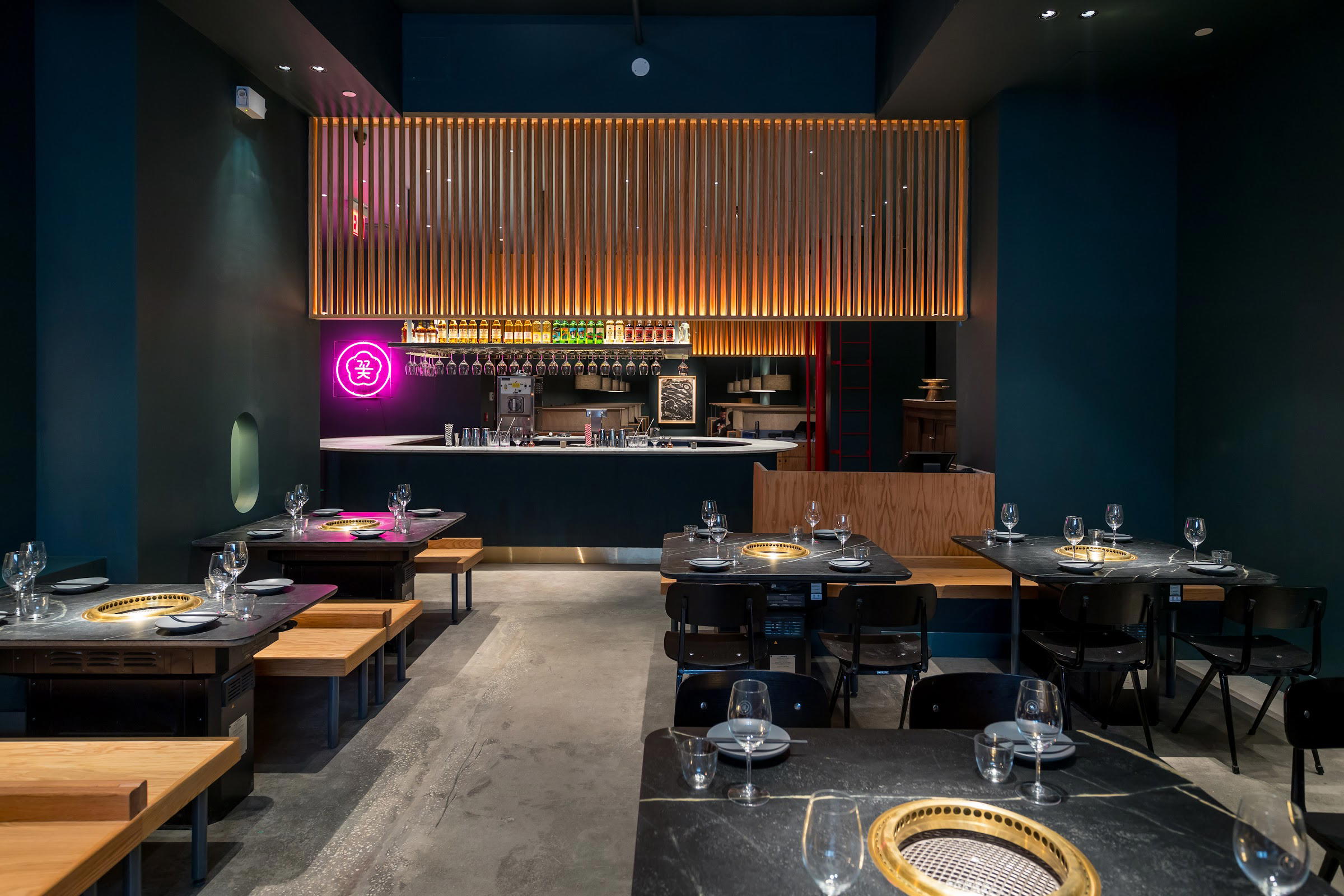
Hotels in Weehawken
Browse all →





Details
- Elegant
- Scenic
- Sophisticated
- Modern
- Date Night
- Special Occasion
- Celebration
- Waterfront
- Panoramic View
- Private Dining
- Extensive Wine List
- Craft Cocktails
- Sustainable Seafood
- Waterfront
- Skyline
- A La Carte
- Wine
- Cocktails
- Gluten Free Options
Current opening hours
- Monday
- 4–10 PM
- Tuesday
- 4–10 PM
- Wednesday
- 4–10 PM
- Thursday
- 4–10 PM
- Friday
- 4–11 PM
- Saturday
- 12–11 PM
- Sunday
- 12–10 PM
Hours can change for holidays and private events. Last verified .
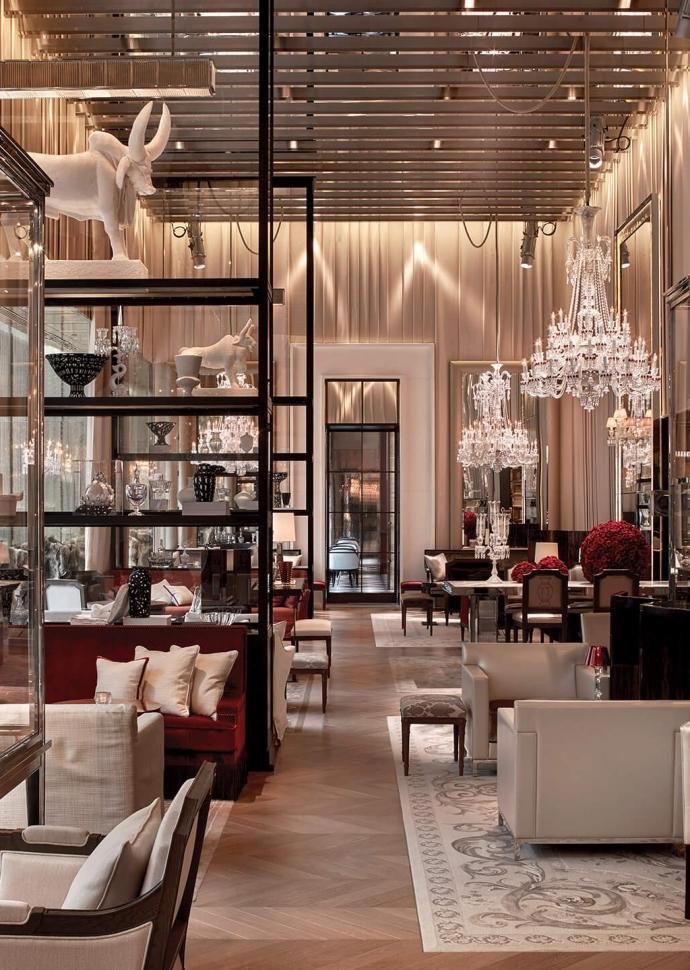
Industrial-chic space with contemporary design, bright natural light, and elegant atmosphere enhanced by notable skyline vistas.