
Tabelog 100
Our verdict
Osaka’s kissaten culture rewards compact rooms, disciplined menus, and regulars who understand the tempo of a counter. Mole & hosoi coffees fits that tradition through a nine-seat, counter-only format in Yodoyabashi, with Tabelog 100 Kissaten selections in 2021 and 2022 marking it as a serious coffee stop rather than a casual café detour.

Pearl is the En Primeur Club membership app — saves, bookings, and concierge access live there. Same editors, same standards.
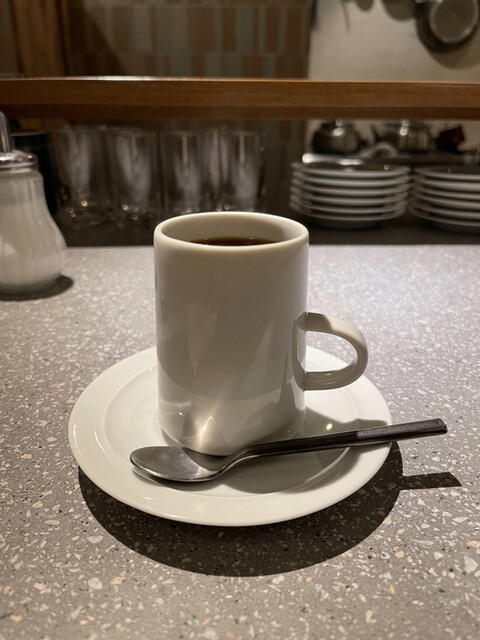
In Osaka, the mood shifts from city transit to the slower grammar of a Japanese coffee shop: restrained service, focused pacing, and a format that rewards attention over grazing. Osaka’s kissaten culture is not only about caffeine; it is built around pause, repetition, and a narrow set of choices handled with discipline. Mole & hosoi coffees belongs to the city’s quieter coffee tier, where the room matters, the category matters, and menu architecture says more than a long list.
The useful comparison is not cafés built for laptop dwell time or dessert-led coffee chains, but the Japanese kissa: coffee as seated ritual, with atmosphere, pacing, and restraint weighted equally. Tabelog selected the shop for its Kissaten 100 list in 2022, a meaningful signal in a category where reputation is often local, cumulative, and harder to read from outside Japan. Its 3.69 Tabelog score also places it where regular use and specialist attention overlap.
A compact kissa menu shaped around coffee, not café sprawl
Menu architecture is the clearest clue. A kissa menu needs not breadth but a coherent center: coffee, a small set of café items, and a pace that discourages endless browsing. Mole & hosoi coffees is listed as both kissa and café, but its recognition sits specifically in the kissaten category, shifting expectations away from brunch abundance and toward coffee-shop concentration.
That restraint is practical. The experience is best read through the category rather than through the expectations of a broad all-day café. In Osaka, where many food addresses run on speed, turnover, and visible appetite, this coffee-shop format follows different rules. It asks for attention to pacing, atmosphere, and the small decisions that make a short stop feel deliberate.
The format reinforces that logic. There is little reason to treat the visit as an all-purpose lounge session: ordering, waiting, drinking, and leaving are part of a compact rhythm. That can feel austere to guests expecting a sprawling café menu, but it suits drinkers who want a sharply bounded stop between plans. It also explains why solo use fits naturally. A single seat in this tradition is not a compromise; it is often the cleanest way to read the room.
Osaka gives the coffee break a city rhythm
Osaka is not short of louder dining energy, which is why the format works. Its density and transit habits create demand for short, deliberate breaks as much as destination meals. A kissa here functions differently from a café built around lingering or a bakery stop built around takeaway routines: it absorbs workers, solo guests, and coffee-focused travelers who understand that value lies in concentration, not spectacle.
Osaka’s broader dining scene sharpens the contrast. The city can move from quick local staples to bakery-led neighborhood routines, then into Italian or other full-meal formats. In that spread, a recognized kissa offers different intelligence: not a meal to build a night around, but a precise calibration of time, setting, and drink.
The city’s premium dining register runs elsewhere. Comparison venues such as TIKAL by Cacao en Masse, La Bécasse, isolata, ラ・ベカス, and Yoshino Sushi sit in categories where tasting formats, cuisine type, or higher spend shape the decision. A kissa counter should not be judged by that lens. Its success depends on whether the room protects its tempo and the menu stays disciplined enough to make a short visit feel complete.
How to read the format before committing a stop
The decision is simple. This is a strong choice for travelers who value Japanese coffee-shop culture, solo coffee breaks, and low-friction pauses in Osaka. It is less suitable for groups wanting space, long conversation, or an expansive food menu. The published budget sits in everyday café territory by Japanese urban standards, with dinner listed up to JPY 999 and lunch listed at JPY 1,000 to JPY 1,999, so timing and expectations matter more than treating it as a major spend decision.
The listing details reveal the kind of place it is. Tabelog categorizes Mole & hosoi coffees as a kissa, or Japanese coffee shop, and café, and the 2022 Kissaten 100 recognition gives that category specific weight. Rather than reading it as a broad restaurant, approach it as a focused coffee address in Osaka: the appeal lies in how tightly the format is held, not in how many separate occasions it can serve.
For a broader Osaka itinerary, place this as a precise hinge rather than a headline meal. It pairs naturally with central errands, cultural time, or restaurant scouting, then leaves room for lunch or dinner elsewhere. Readers mapping the city by category can compare it with other unnamed Osaka cafés and the wider selection in Our full Osaka restaurants guide. For a complete trip frame, the adjacent city guides cover Our full Osaka hotels guide, Our full Osaka bars guide, Our full Osaka wineries guide, and Our full Osaka experiences guide.
Japan’s smaller food addresses often reward category literacy. Focused dining rooms across Osaka and beyond ask guests to understand the format before judging the address. Even outside Japan, narrow concepts make the same point: restraint is not a limitation when coherent. Mole & hosoi coffees is in that camp, a coffee stop for readers who prefer a controlled kissa experience to a sprawling café menu.
Frequently asked questions
What are the opening hours for Mole & hosoi coffees?
Specific opening hours are not provided here. Check Mole & hosoi coffees' official channels before visiting.
Is Mole & hosoi coffees more mid-range or high-end?
Pricing at Mole & hosoi coffees is listed as dinner up to JPY 999 and lunch at JPY 1,000 to JPY 1,999.
Where exactly is Mole & hosoi coffees?
Osaka.
What's Mole & hosoi coffees best at?
Its strength is the kissaten format itself: a compact Japanese coffee-shop experience built around coffee-shop culture. The Tabelog 100 Kissaten 2022 selection gives that format real weight in Osaka.
Can Mole & hosoi coffees adjust for dietary needs?
Those details are not published. Expect a tightly run coffee-shop format in Osaka. Check the venue's official channels for the latest details.
Would Mole & hosoi coffees be comfortable with kids?
It may work for families who fit a compact kissaten setting, but it is better understood as a focused Japanese coffee shop rather than a spacious café. The format is best suited to quiet, brief stops.
Local
Comparable venues for context, by category and price tier.
| Venue | Cuisine | Price | Awards | Notes |
|---|---|---|---|---|
| Mole & hosoi coffeesThis venue (the venue you are viewing) | Japanese kissaten-style coffee shop | $1–10 | Tabelog 100 | Not listed |
| TIKAL by Cacao en Masse | Artisanal Chocolate & Shortbread Boutique | $10–20 | Tabelog 100 #4 | JPY 3,000 - JPY 3,999 |
| isolata | Seasonal Italian in Historic Building | $50–100 | Michelin Plate | Not listed |
| Yoshino Sushi | Traditional Osaka Hakozushi | $10–20 | Not listed | Not listed |
| La Bécasse | Modern French Omakase | $200–300 | 1 Michelin Star · Les Grandes Tables du Monde Member | French |
Recognition history
Dated appearances from independent guides and award organizations, with the underlying list record or original source where available.
Tabelog 100
Tabelog · Tabelog 100 - Kissaten - 2026
Full recognition history (2 entries)
Tabelog 100 #62 · No. 62
Tabelog · Tabelog 100 - Kissaten - 2022
Continue exploring
More in Osaka
Restaurants in Osaka
All restaurants in Osaka →

Bars in Osaka
All bars in Osaka →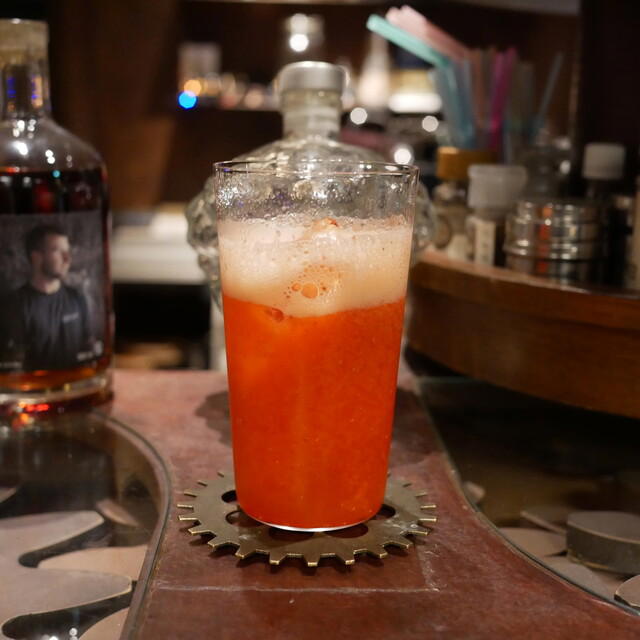

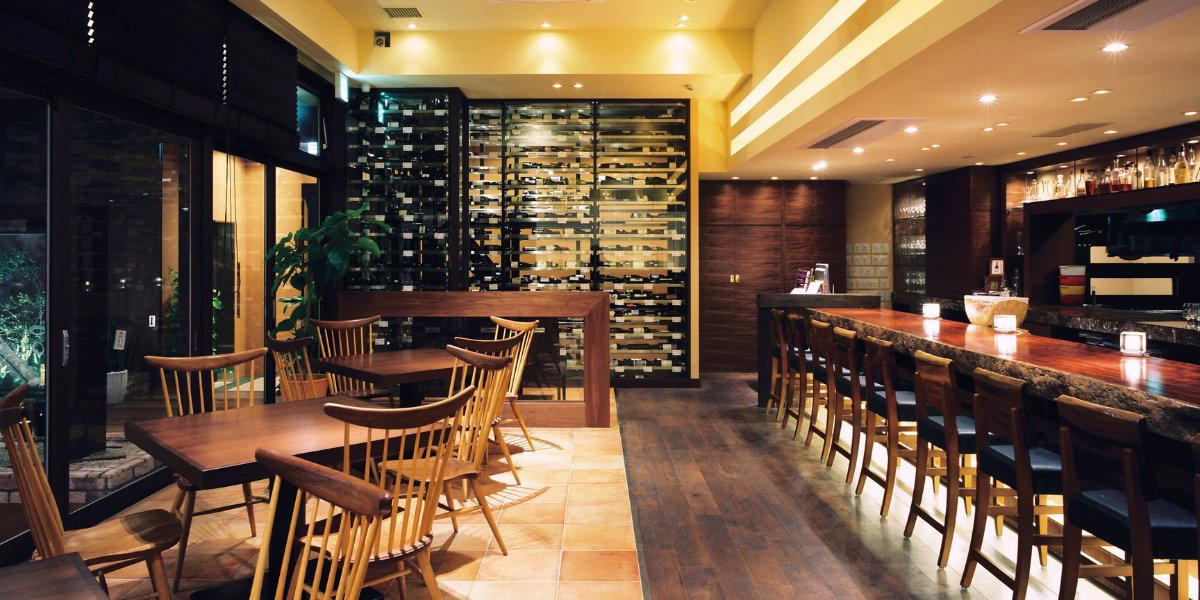

Hotels in Osaka
All hotels in Osaka →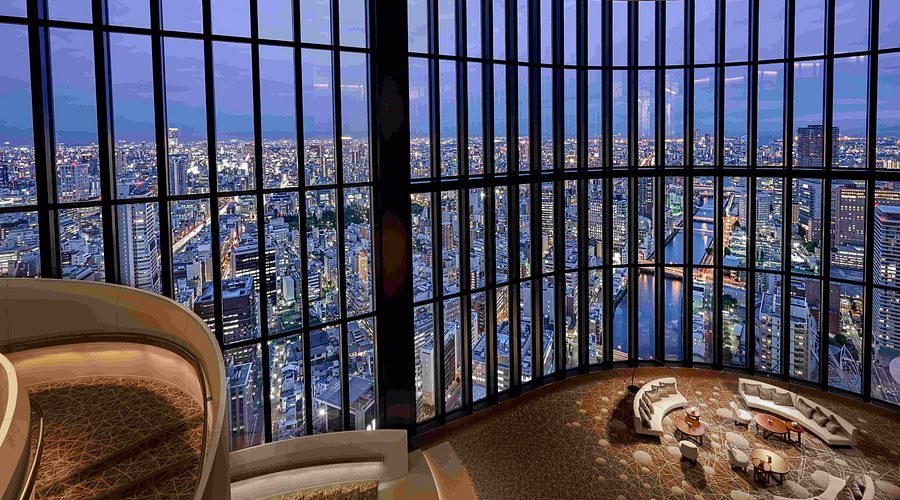



Wineries in Osaka
Browse all →
Details
- Cozy
- Quiet
- Classic
- Intimate
- Solo
- Casual Hangout
- After Work
- Date Night
- Design Destination
- Historic Building
- Standalone
- A La Carte
- Counter Dining
- Coffee
- Tea
Current opening hours
- Monday
- Closed
- Tuesday
- 11:30 AM–6 PM
- Wednesday
- 11:30 AM–6 PM
- Thursday
- 11:30 AM–6 PM
- Friday
- 11:30 AM–6 PM
- Saturday
- 12–5 PM
- Sunday
- 12–5 PM
Hours can change for holidays and private events. Last verified .
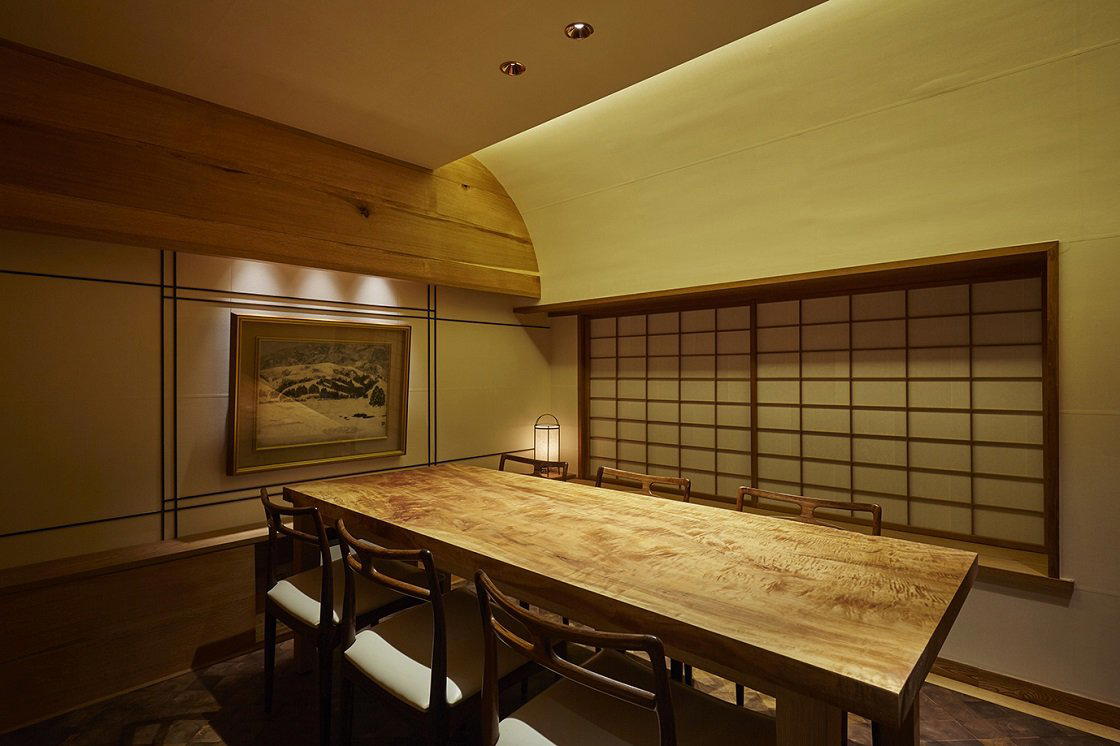
Located in the basement of the classic Shibakawa Building, the cafe occupies a former vault behind a heavy steel door, creating a dim, cocoon-like space with only nine counter seats, subdued lighting, and a calm, almost gallery-like atmosphere that emphasizes quiet conversation and the ritual of coffee.