
Small Luxury Hotels of the World Member
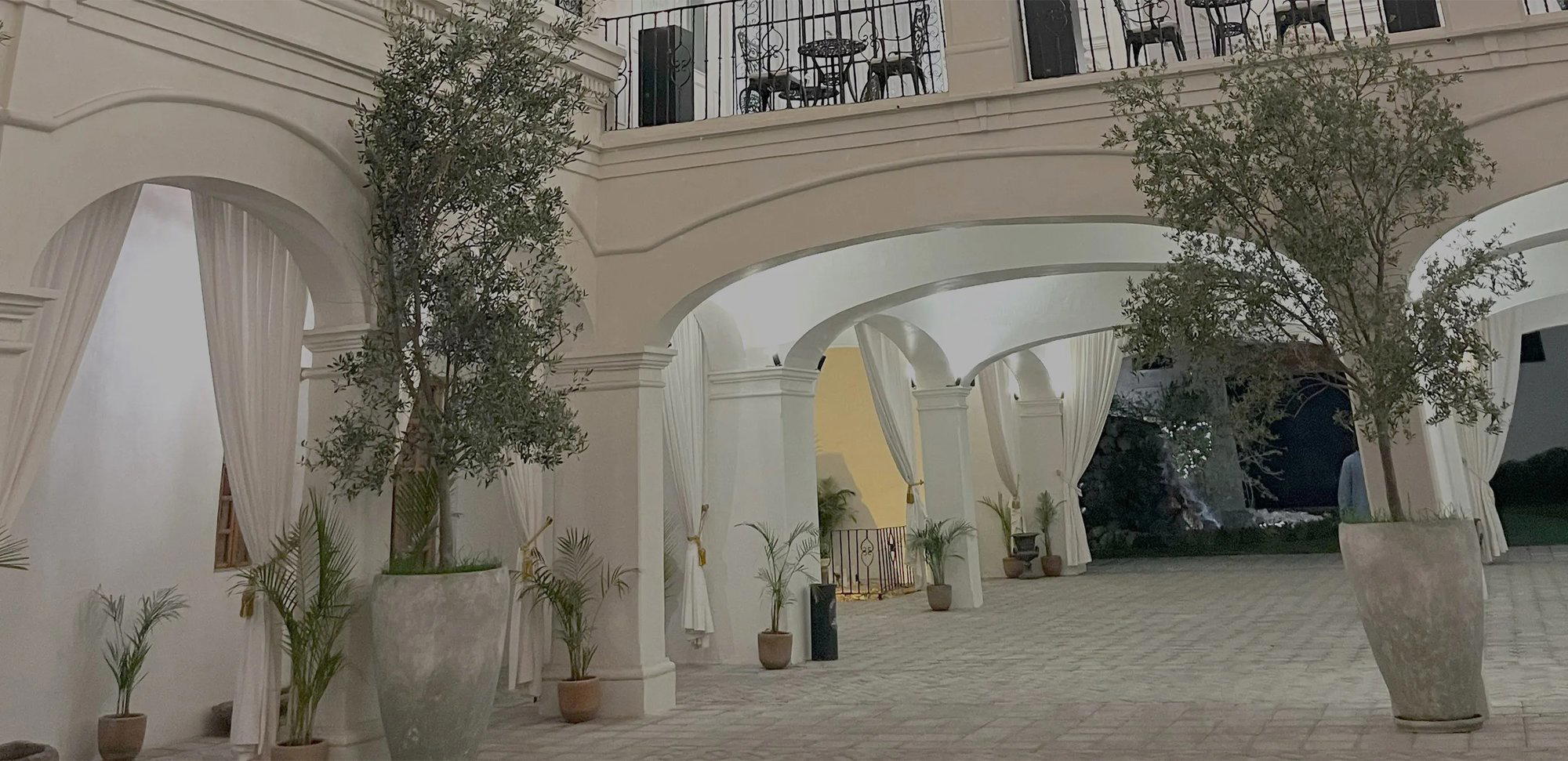
Hotel Casa Huamantla occupies a preserved colonial casa on Parque Juárez, the central plaza of Huamantla, one of Tlaxcala's most historically intact Pueblo Mágico towns. Carved stone doors, high ceilings, and a cobbled courtyard define the property's character. It is a town-centre hotel in a community known for its annual flower-petal festival and 16th-century architecture, positioned firmly within Mexico's colonial interior tradition.

Pearl is the En Primeur Club membership app, where members save venues, book tables and use the concierge.
Where Tlaxcala's Colonial Past Becomes a Living Interior
There is a particular quality of light that colonial Mexican architecture produces when it is left largely intact: a diffused, amber-tinted warmth that bounces off whitewashed walls and settles into carved stone details like sediment. Step through the ornately carved entrance doors of Hotel Casa Huamantla and that quality hits immediately. Chandeliers catch the high-ceilinged air of the interior, distributing light across a cobbled courtyard that reads less like a designed amenity and more like a place that has simply always existed this way. For a certain traveller, that distinction matters.
Huamantla itself positions this kind of property differently than it would read in a resort corridor or a capital city. This is a Pueblo Mágico of Tlaxcala, Mexico's smallest state, defined by its annual Noche que Nadie Duerme festival in August, when the streets are carpeted in sawdust and flower-petal tapestries overnight. The town's historical core is a compact grid of 16th- and 17th-century architecture centred on Parque Juárez, and Hotel Casa Huamantla sits directly on that square at number 11. That address is not incidental: the plaza-facing position places guests inside the town's civic and cultural life rather than adjacent to it.
The Architecture as Argument
Mexico has a long tradition of converting colonial-era casas principales into hotels, and the category splits sharply between those that treat the original structure as a backdrop for contemporary design intervention and those that work to sustain the architectural logic of the original building. Hotel Casa Huamantla belongs to the latter approach. High ceilings, carved stonework, and a courtyard-centred layout reflect the regional colonial typology that characterises the best-preserved historic centres across Puebla, Oaxaca, and Tlaxcala. The architectural language here is not pastiche; it is continuity.
That commitment to the original structure places the property in a different competitive conversation than Mexico's large coastal luxury operations. Properties like One&Only Mandarina in Riviera Nayarit, Las Ventanas al Paraíso in San José del Cabo, or Montage Los Cabos operate on a fundamentally different premise: purpose-built luxury in dramatic coastal settings, where the building is designed to frame a view. A casa hotel in a highland Pueblo Mágico is making an entirely different offer. The view here is inward, into a preserved architectural tradition, and outward onto a working colonial plaza that has not been curated for tourism.
Each of those properties operates within a town or city that has established international tourism infrastructure around it. Huamantla has not, which changes what staying at Hotel Casa Huamantla means in practice. The town draws Mexican visitors from Puebla and Mexico City, particularly around festival season, but has not yet been absorbed into the well-worn foreign tourism circuit. That condition will not last indefinitely.
Huamantla in Context
Tlaxcala receives a fraction of the traveller attention that neighbouring Puebla commands, despite sharing much of the same colonial heritage and offering a denser concentration of intact historic fabric in its smaller towns. Huamantla is perhaps the strongest argument for the state's claim on serious travellers. The talavera tile tradition, the baroque church of San Luis Obispo that anchors the town's skyline, and the bullfighting heritage that feeds directly into the August festival all give the town a cultural density unusual for a community of its scale.
For travellers building an itinerary around Mexico's colonial interior, the logical sequence runs from Puebla west into Tlaxcala state, with Huamantla as a night's stop. The drive from Puebla's historic centre covers roughly 50 kilometres and positions the town as an easy extension rather than a detour. Travellers already planning time at properties in Mexico's other colonial centres will find Hotel Casa Huamantla occupies a different price and atmosphere tier than the large international brands, while offering the same essential argument: that sleeping inside the architecture is preferable to sleeping near it.
Those coming from further afield and combining coastal Mexico with an inland colonial circuit might reference the broader range of options available through our full Huamantla restaurants and hotels guide. The contrast with Pacific coast properties such as Xinalani in Quimixto, Playa Viva in Juluchuca, or Las Alamandas on the Costalegre is stark and deliberate: this is a town hotel in a highland colonial context, not a retreat property.
What the Space Communicates
In colonial casa hotels across Mexico, the courtyard functions as the property's central social space. It is where the building's proportions become apparent, where the relationship between the original domestic scale and the hospitality function is most legible. The carved stonework on the entrance doors of Hotel Casa Huamantla signals the quality of craft that was applied to the original construction. Colonial Tlaxcala was a prosperous region under the Spanish administration, partly due to the Tlaxcalan alliance with Cortés, and the architecture of its merchant and aristocratic casas reflected that prosperity. Staying in a preserved example of that building type is a different kind of historical engagement than visiting it as a museum.
The property sits alongside other design-led boutique operations in Mexico's colonial interior. Casa Silencio in San Pablo Villa de Mitla and Hotel Demetria in Guadalajara pursue comparable objectives through different aesthetic approaches. The shared logic across these properties is that the building itself carries editorial weight, and the hospitality program supports rather than competes with that.
Planning a Stay
Hotel Casa Huamantla's address at Parque Juárez 11, in the Centro of Huamantla, places it within walking distance of the town's primary civic and religious architecture. August is the critical booking period: the Noche que Nadie Duerme festival draws visitors from across Mexico and fills accommodation throughout the town. Outside of August, Huamantla operates at a quieter register that suits travellers interested in the architecture and craft traditions without the festival crowds.
Travellers comparing this style of property against Mexico's other well-regarded boutique hotel operations across the colonial interior, the Yucatán, or the Caribbean coast will find useful context through the EP Club Mexico hotel index, which covers properties including Chablé Yucatán near Mérida, Hotel Esencia in Tulum, Etéreo, Auberge Resorts Collection in Punta Maroma, and Palmaïa in Playa del Carmen. The range illustrates how differently Mexican hospitality can be configured; Hotel Casa Huamantla represents the inland colonial end of that spectrum.
In Context: Similar Options
Comparable venues nearby, for context on price, style, and recognition.
| Venue | Cuisine | Price | Awards | Notes |
|---|---|---|---|---|
| Hotel Casa HuamantlaThis venue (the venue you are viewing) | Historic boutique hotel blending lineage with modern luxury. | $300–500 | Small Luxury Hotels of the World Member | Not listed |
| Casa Cuenca | Restored 1930s mansion with contemporary Mexican artistry | Not listed | Michelin Selected · Vogue 2026 Vogue Best Hotels in Mexico City | Condesa |
| TAGOO | Back-to-nature luxury eco-friendly boutique | $300–500 | Michelin Selected · Small Luxury Hotels of the World Member | Zona Costera |
| The Standard | Boutique hotel redefining hospitality with urban flair. | Not listed | Not listed | Tabacalera |
| Casapani | Revived mid-century modernist mansion turned intimate guesthouse. | Not listed | Not listed | Cuauhtemoc |
| C. Jose Guadalupe Posada 116 | Converted industrial purification plant into boutique accommodation | Not listed | Not listed | Toluca |
Recognition history
Dated appearances from independent guides and award organizations, with the underlying list record or original source where available.
Small Luxury Hotels of the World Member
Small Luxury Hotels of the World
Continue exploring
More in Huamantla
Hotels in Huamantla
All hotels in Huamantla →
Bars in Huamantla
Browse all →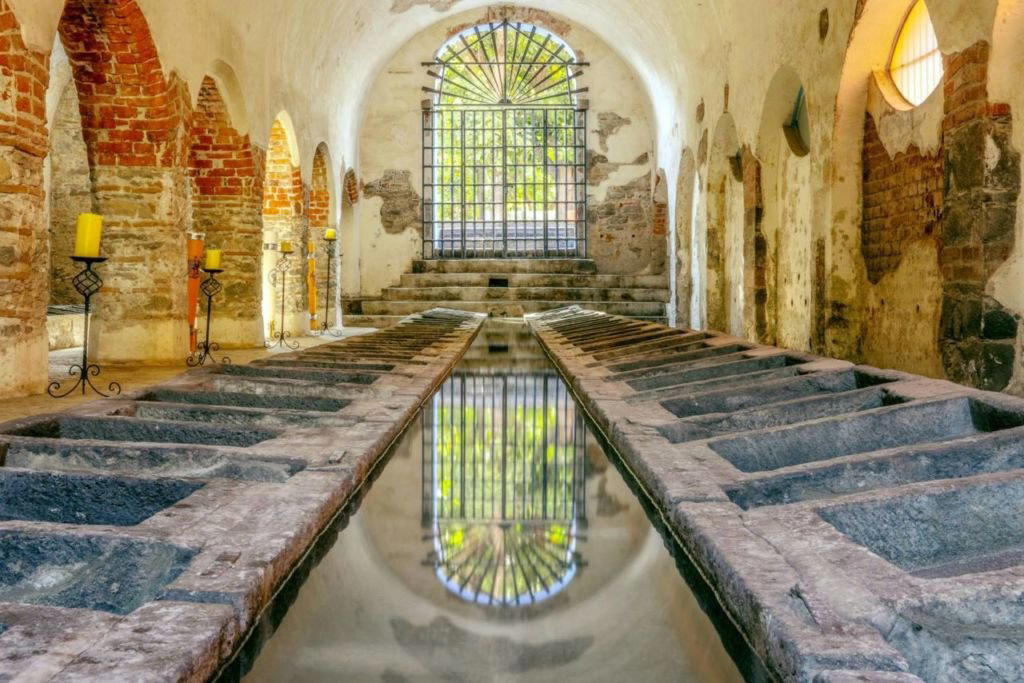
Details
- Romantic
- Elegant
- Historic
- Cozy
- Intimate
- Romantic Getaway
- Anniversary
- Weekend Escape
- Historic Building
- Terrace
- Wi Fi
- Room Service
- Concierge
- Step Free Entrance
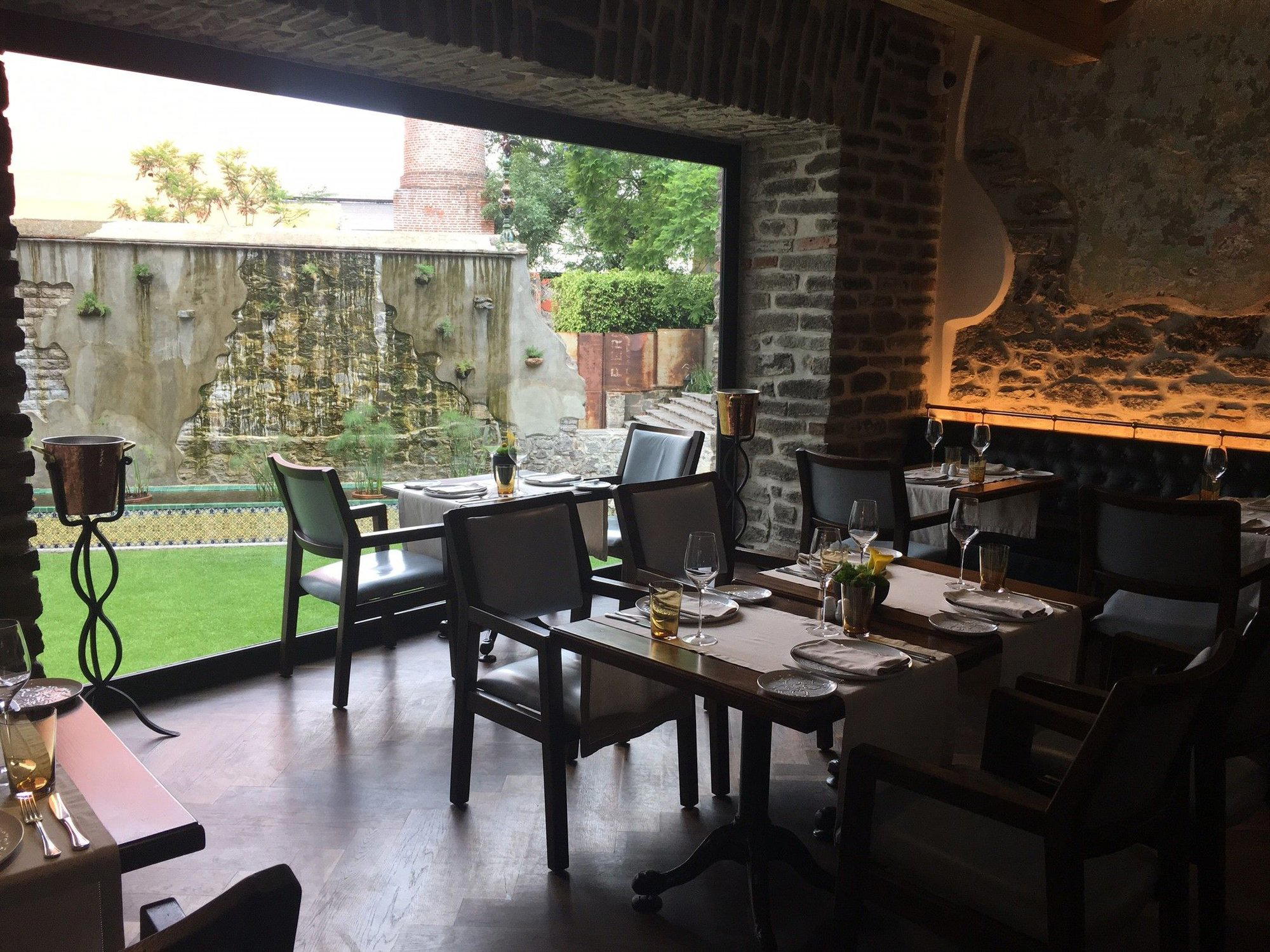
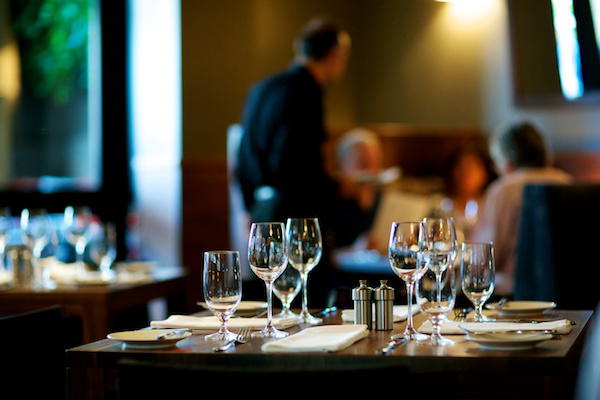
Candlelit elegance in dramatic shared spaces with vintage artworks, morning sunlight through balcony windows, and peaceful gourmet breakfast scenes.