El Güero Marinero

El Güero Marinero brings a seafood-bar register into Puebla’s Centro, a city better known to travelers for mole, cemitas, and convent sweets than for coastal cooking. The appeal is the contrast: mariscos in an inland colonial capital, where sourcing discipline matters because the sea is not just outside the door.
Pearl is the En Primeur Club membership app — saves, bookings, and concierge access live there. Same editors, same standards.
- Address
- C. 16 de Septiembre 907, Centro, Heróica Puebla de Zaragoza, Puebla, 72000, MEX
- Phone
- +52 222 152 4481
- Website
- guide.michelin.com
- Directions
- Get directions
 Saves & bookings on Pearl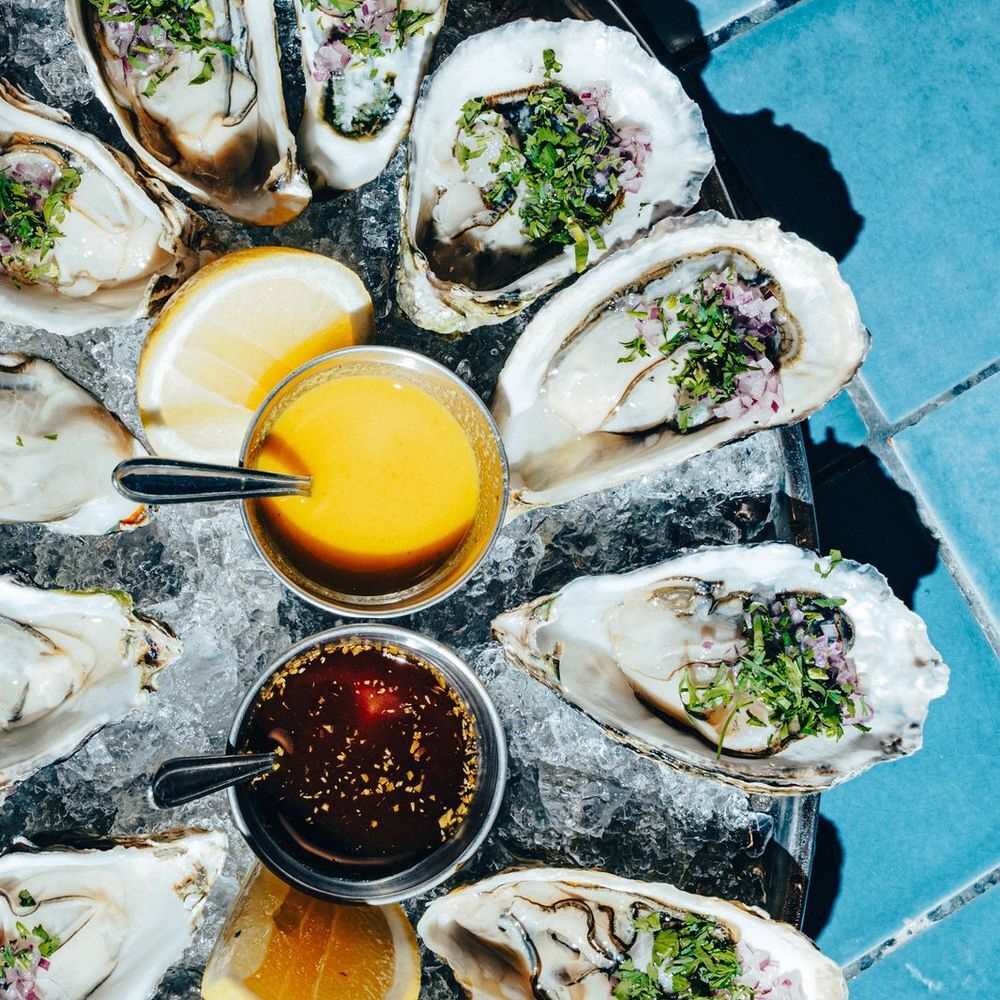
Approaching El Güero Marinero in Heroica Puebla de Zaragoza creates immediate tension: a city known for deep culinary memory meets a venue whose presence suggests another rhythm within the same dining map. In a city often introduced through mole poblano, chiles en nogada, cemitas, and convent-rooted sweets, an additional restaurant stop can feel like a useful counterweight. It asks visitors to look beyond the most familiar regional script without pretending Puebla becomes somewhere else.
That is the useful way to read El Güero Marinero. Heroica Puebla de Zaragoza does not need another predictable checklist entry; it benefits from places that broaden the meal plan. Instead, the restaurant shows how inland Mexican cities can support more varied dining than many visitors expect, especially when the experience feels direct rather than ceremonial. The argument is less about formality than about whether the room gives travelers a clear reason to add one more stop to a Puebla itinerary.
A different register in a city of deep culinary memory
Puebla’s dining conversation usually begins with preservation: recipes carried through family kitchens, market stalls, and formal restaurants that codify Poblano cuisine for visitors. El Güero Marinero is a useful counterpoint. It asks not only how a dish protects local memory, but how a city with a powerful regional identity makes space for other kinds of dining without losing its sense of place.
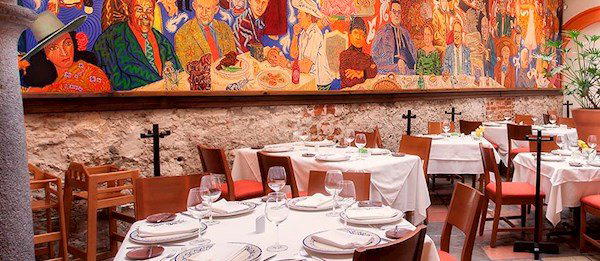
For travelers building a Puebla table map, that contrast matters. El Mural de los Poblanos represents one of the city’s regional anchors, while Augurio, Jacinto y Yo, Moyuelo, and Casa Barroca frame how contemporary Heroica Puebla de Zaragoza moves between tradition, design, and newer restaurant formats. El Güero Marinero belongs on the itinerary as a more direct counterpoint, where value lies less in formality than in timing, confidence, and a clear point of view.
Mexico’s dining culture is not one cuisine, and Puebla’s appeal is not one dish. Different regional habits shape how inland diners understand a meal, and Heroica Puebla de Zaragoza sits among routes, histories, and expectations rather than inside a single culinary category. A flexible restaurant stop can offer immediacy over tightly scripted pacing: a meal that can be planned around the day, shared easily if the table chooses, and folded into walking, museum time, or market visits. Specific dishes should be checked on the day, but the editorial read is clear: judge by clarity, freshness of execution, and restraint, not decorative complexity.
The Heroica Puebla de Zaragoza setting changes the brief
Heroica Puebla de Zaragoza is not neutral. Eating here means moving among heavy cultural references: churches, facades, tiled buildings, old sweet shops, and restaurants that understand the visitor’s expectation of place. El Güero Marinero cuts across that script, bringing a different restaurant vocabulary into a city where many arrive looking for Poblano orthodoxy. That makes it useful for a second or third meal, after the required regional anchors have done their work.
The sharper itinerary is not El Güero Marinero instead of Puebla’s classics, but El Güero Marinero after them. A meal here can reset the pace after heavier regional meals and give the day a looser center of gravity. That matters in a city where walking can be heavy and short hops are often more rewarding than long transfers. For a broader Puebla plan, Our full Heroica Puebla de Zaragoza restaurants guide gives the restaurant context, while Our full Heroica Puebla de Zaragoza hotels guide, Our full Heroica Puebla de Zaragoza bars guide, Our full Heroica Puebla de Zaragoza wineries guide, and Our full Heroica Puebla de Zaragoza experiences guide help place the meal inside a larger city stay.
There is also a format implication, even without relying on a fixed published range: restaurants that allow travelers to set their own rhythm can suit groups who want to control the meal. Order accordingly. Straightforward choices, a willingness to follow what the venue is serving best on the day, and some flexibility usually create a better experience than arriving locked to a checklist. Let the room guide the order rather than forcing it into a predetermined itinerary.
Where it fits in a Mexico dining itinerary
Travelers often sort Mexico too neatly: Puebla for mole, Oaxaca for maize and mezcal, Baja for wine, beach towns for coastal meals. Actual dining habits are messier. Inland demand has pulled many kinds of restaurant formats into cities nationwide, and restaurants now compete on how convincingly they translate focused ideas for urban rooms. El Güero Marinero sits in that pattern, not as a substitute for any other destination, but as evidence that Puebla’s dining scene is wider than its heritage canon.
For comparison within the city, travelers can frame it against El Mural de los Poblanos, Augurio, Casa Barroca, Jacinto y Yo, and Moyuelo. Those rooms carry different expectations before the first plate arrives, from regional reference points to more contemporary dining moods. El Güero Marinero’s value is that it gives the itinerary another register without asking visitors to abandon the city’s core culinary story.
The broader comparison helps too. Specialist formats have trained diners to think in narrower categories, whether a restaurant is built around a product, a service style, or a highly legible mood. El Güero Marinero is strongest through that lens. It gives Puebla visitors a focused stop in a city whose reputation often narrows to historical dishes, widening the itinerary without asking travelers to leave Heroica Puebla de Zaragoza. Its Michelin Bib Gourmand recognition further supports that it is not just a detour, but a recognized address worth considering.
Comparable Spots, Quickly
Comparable venues by cuisine and price in the same metro.
| Venue | Cuisine |
|---|---|
| El Mural de los Poblanos | Mexican Poblano |
Recognition history
Dated appearances from independent guides and award organizations, with the underlying list record or original source where available.
Michelin Bib Gourmand
Michelin
Continue exploring
More in Heroica Puebla de Zaragoza
Restaurants in Heroica Puebla de Zaragoza
Browse all →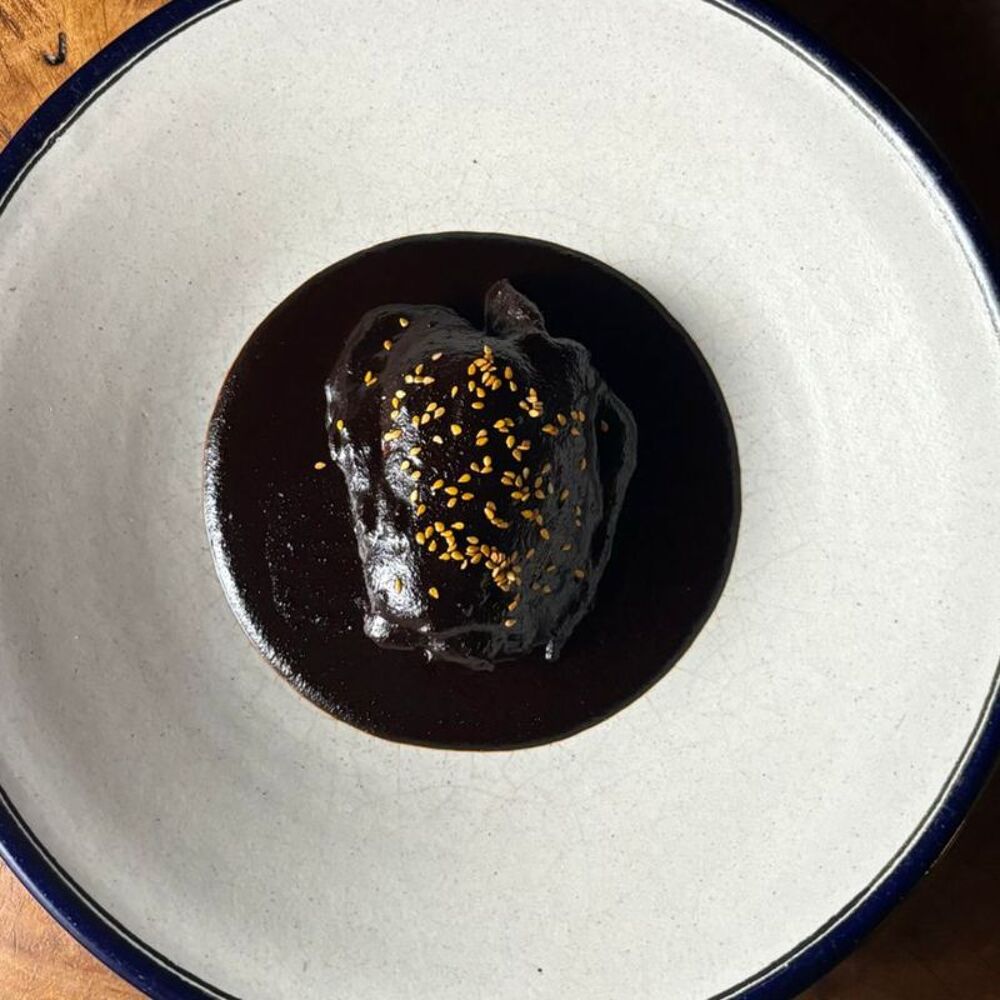
Bars in Heroica Puebla de Zaragoza
Browse all →
Hotels in Heroica Puebla de Zaragoza
Browse all →
At a Glance
- Lively
- Cozy
- Modern
- Energetic
- Casual Hangout
- Family
- Group Dining
- After Work
- Solo
- Standalone
- Open Kitchen
- Beer Program
- Sustainable Seafood
- Street Scene
Current opening hours
- Monday
- 12–8 PM
- Tuesday
- 12–8 PM
- Wednesday
- 12–8 PM
- Thursday
- 12–10 PM
- Friday
- 11 AM–10 PM
- Saturday
- 11 AM–10 PM
- Sunday
- 11 AM–8 PM
Hours can change for holidays and private events. Last verified .
A lively, informal seafood bar atmosphere with counter-focused seating, upbeat energy, and a contemporary but unfussy design that feels more like a bustling coastal marisquería than a formal restaurant.
Know Before You Go
- Reservations
- Walk in friendly
- Dress code
- Casual
- Getting there
- C. 16 de Septiembre 907, Centro, Heróica Puebla de Zaragoza, Puebla, 72000, MEX