Our verdict
On Chmielna, one of Warsaw's central pedestrian streets, Mąka i Woda has built a reputation as a reference point for pasta-focused dining in a city where Italian-inflected cooking has grown more serious. The name — flour and water, the elemental ingredients of fresh pasta — signals a kitchen that works from foundations rather than flourishes. Regulars return for consistency, not novelty.

Pearl is the En Primeur Club membership app — saves, bookings, and concierge access live there. Same editors, same standards.
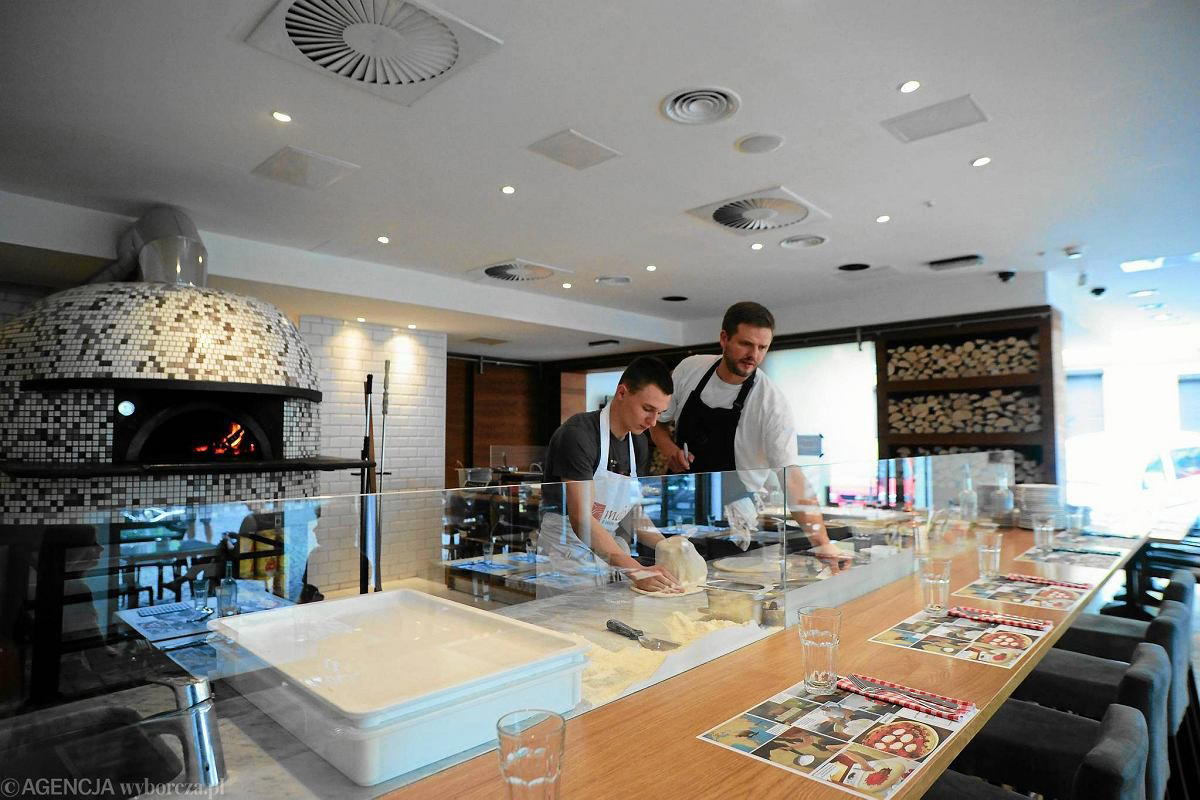
The menu
What to order
- Raviolo con uovo
- Pizza diavola
- Pizza salami
- Budino
A Street That Earns Its Foot Traffic
Chmielna runs through the heart of central Warsaw, a pedestrian corridor that connects Nowy Świat to the western grid of the city centre. Among its cafes, boutiques, and restaurants competing for the same foot traffic, Mąka i Woda has held its position not through spectacle but through repetition — the kind of place where the same faces appear on the same nights of the week, and the staff know which table they prefer. That consistency, in a city whose restaurant scene has expanded rapidly over the past decade, is itself a form of distinction.
Warsaw's dining culture has matured significantly since the early 2010s. The city now supports a range of serious kitchens: at the modern-European end, venues like Rozbrat 20 operate at the €€€ tier with polished tasting formats, while places like alewino anchor the modern Polish tradition at a more accessible price point. Mąka i Woda occupies a different lane: the focused, ingredient-led trattoria format, where the menu is built around fresh pasta and the kitchen's ability to execute it with precision rather than around seasonal concept menus or chef-driven narrative.
What the Name Actually Means
Mąka i Woda translates directly as flour and water — the two-ingredient base of the pasta dough that defines the kitchen's identity. This is not incidental naming. Pasta made without egg, shaped by hand from semolina and water, requires a different technical command than egg-enriched dough: tighter hydration control, longer kneading, more precise resting times. The name is a statement of method, and regulars treat it as a reliable contract between kitchen and guest.
In cities like Rome or Naples, this kind of pasta-first restaurant exists within a dense competitive ecosystem where diners can triangulate quality across dozens of similar venues. Warsaw does not have that density. The city's Italian-inflected dining scene, while growing, remains thin at the serious pasta tier, which has given Mąka i Woda a clearer position than it might hold in a more saturated market. This is not a weakness in the offer; it is the context that explains why the restaurant has accumulated a loyal following rather than a rotating tourist clientele.
The Regulars' Contract
The regulars' perspective at any pasta-focused venue is shaped by one question: does it hold? A restaurant that produces excellent fresh pasta on its opening night is not remarkable. One that produces it consistently across seasons, across staff changes, and across the pressures of a busy central-city location, that is what earns loyalty.
From what the restaurant's sustained local reputation signals, the kitchen at Mąka i Woda has maintained that standard. Warsaw diners in this category are not difficult to lose: the city has enough alternatives, from the creative-leaning NUTA to the more format-driven hub.praga, to redirect attention quickly if a kitchen slips. The fact that Mąka i Woda operates as a reference point for Warsaw pasta dining suggests the kitchen has not slipped in ways that matter to the people who know it leading.
The unwritten menu at a restaurant like this is the knowledge that regulars carry with them: which pasta shape holds sauce better on a given night, whether the wine list has been restocked, how long to expect between courses when the room is full. That knowledge accumulates over visits, not over single occasions, and it is the currency of the kind of dining relationship that Mąka i Woda appears to cultivate.
Where It Sits in Warsaw's Broader Scene
Warsaw's restaurant geography has expanded outward from the city centre, with newer serious kitchens appearing in Praga and along the Vistula. That expansion has made the central-city location on Chmielna both an asset, high visibility, easy access, and a challenge, given the ambient noise of street-level tourism. Mąka i Woda navigates that tension by operating as a neighbourhood restaurant for people who happen to live or work near the centre, rather than as a destination restaurant calibrated to out-of-towners.
Within Poland's wider dining scene, Warsaw sits alongside Kraków as the two cities carrying the most serious restaurant infrastructure. Kraków has venues like Bottiglieria 1881 operating at the Michelin-starred tier, while Gdańsk has added international-calibre options through places like Arco by Paco Pérez. Warsaw's pasta-focused tier, by contrast, remains a smaller niche, which is precisely where Mąka i Woda operates with the most authority. Elsewhere in Poland, regional dining takes different shapes: Muga in Poznań, Kwestia Czasu in Białystok, and Cudne Manowce in Olsztyn each reflect local dining cultures distinct from Warsaw's more cosmopolitan offer.
For the internationally-travelled diner calibrating Warsaw against more established pasta capitals, the comparison is not to a neighbourhood trattoria in Trastevere or a Michelin-tracked pasta counter in Tokyo's Italian dining district. It is to what a mid-sized European capital can produce when a kitchen takes a narrow technical focus seriously and holds it over time. On that measure, Mąka i Woda makes a credible case. Our full Warsaw restaurants guide maps the broader scene for those building a longer itinerary.
Planning Your Visit
The restaurant sits at Chmielna 13a in central Warsaw, walkable from most city-centre hotels and a short distance from the Centrum metro interchange. Given its position as a reference venue for Warsaw pasta dining, booking ahead, particularly for Thursday through Saturday evenings, is the practical baseline. The room is not large, and the regulars who anchor midweek service tend to occupy tables with some predictability. Visiting without a reservation on a weekend is a risk that the restaurant's loyal clientele has effectively priced out of the equation. Those approaching Warsaw's dining scene fresh would do well to also consider Baken for a contrasting format within the same city tier.
Frequently asked questions
What's Mąka i Woda's location?
Mąka i Woda is located at Chmielna 13a, 00-021 Warszawa, Poland, Warsaw.
How does Mąka i Woda compare to other pasta-focused restaurants in Warsaw?
Serious kitchens built entirely around fresh, hand-formed pasta remain a small category in Warsaw's restaurant scene, even as the city's dining options have broadened across neighbourhoods like Praga and the Vistula corridor. Mąka i Woda's address on Chmielna 13a places it in the city centre, where foot traffic is high but technically focused venues are fewer. That combination of location and kitchen specificity makes direct comparisons difficult to find within the city.
What's the best thing to order at Mąka i Woda?
The kitchen at Chmielna 13a is built around fresh pasta made from semolina and water, so the pasta dishes are the primary reason to visit. Order from that section of the menu rather than treating it as a supporting act. The technical investment is in the dough, and that is where the kitchen's identity is clearest.
Should I book Mąka i Woda in advance?
Yes. This is a central Warsaw venue with an established regular clientele and a room that does not appear calibrated for high turnover. Advance booking is advisable, particularly for evening sittings on weekends. Walk-ins are a gamble worth taking only on quieter weekday lunches.
What's the signature at Mąka i Woda?
The signature is structural: hand-formed fresh pasta made from flour and water, produced daily and applied consistently across the menu. In Warsaw's broader dining scene, that level of technical specificity in pasta production is not common. The name itself — flour and water — signals that this is the kitchen's defining commitment, not a side note.
Is Mąka i Woda good for vegetarians?
Pasta-focused kitchens tend to accommodate vegetarian preferences more naturally than meat-centred ones, since the technical centrepiece — the dough — is inherently plant-based. At Mąka i Woda on Chmielna 13a, the menu's structure around flour-and-water pasta means vegetarian options are likely to reflect the kitchen's actual strengths rather than being afterthoughts. Confirm specifics when booking.
Does Mąka i Woda justify its prices?
Value at a fresh pasta restaurant is best assessed against the technique itself: hand-formed dough requires daily labour, skilled production, and consistent execution that pre-made pasta does not. In Warsaw, where this level of pasta specificity is scarce, Mąka i Woda occupies a position with few direct comparisons. The price reflects that relative scarcity as much as the ingredient cost.
Cuisine and Recognition
Comparable venues nearby, for context on price, style, and recognition.
| Venue | Cuisine | Price | Awards | Notes |
|---|---|---|---|---|
| Mąka i WodaThis venue — the venue you are viewing | Modern Neapolitan Pizza & Handmade Pasta | $20–30 | Not listed | Not listed |
| Eden | Creative Vegan Fusion | Not listed | Not listed | Saska Kępa |
| Yak&Yeti | Indian and Thai Restaurant | $10–20 | Not listed | Czerniakow |
| San Lorenzo | Tuscan Italian Fine Dining | $30–50 | Not listed | Osiedle Za Zelazna Brama |
| Baken | Artisanal Bakery & Breakfast | $10–20 | Not listed | Srodmiescie |
| Bibenda | Modern Polish Small Plates | $20–30 | Star Wine List · Falstaff Restaurant - 88 Falstaff Points | Srodmiescie |
Continue exploring
More in Warsaw
Restaurants in Warsaw
All restaurants in Warsaw →
Bars in Warsaw
All bars in Warsaw →
Details
- Rustic
- Modern
- Cozy
- Date Night
- Casual Hangout
- Family
- Open Kitchen
- Local Sourcing
- A La Carte
- Small Plates
- Vegetarian Friendly
- Vegan Options
Current opening hours
- Monday
- 12–9 PM
- Tuesday
- 12–9 PM
- Wednesday
- 12–9 PM
- Thursday
- 12–9 PM
- Friday
- 12–11 PM
- Saturday
- 12–11 PM
- Sunday
- 12–8 PM
Hours can change for holidays and private events. Last verified .
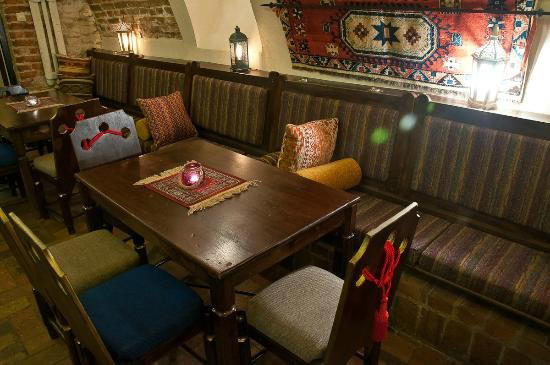
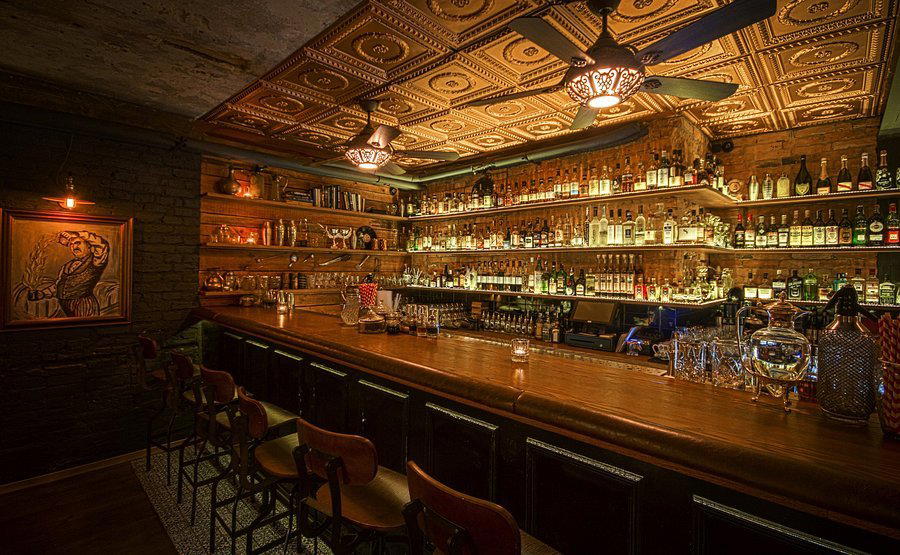
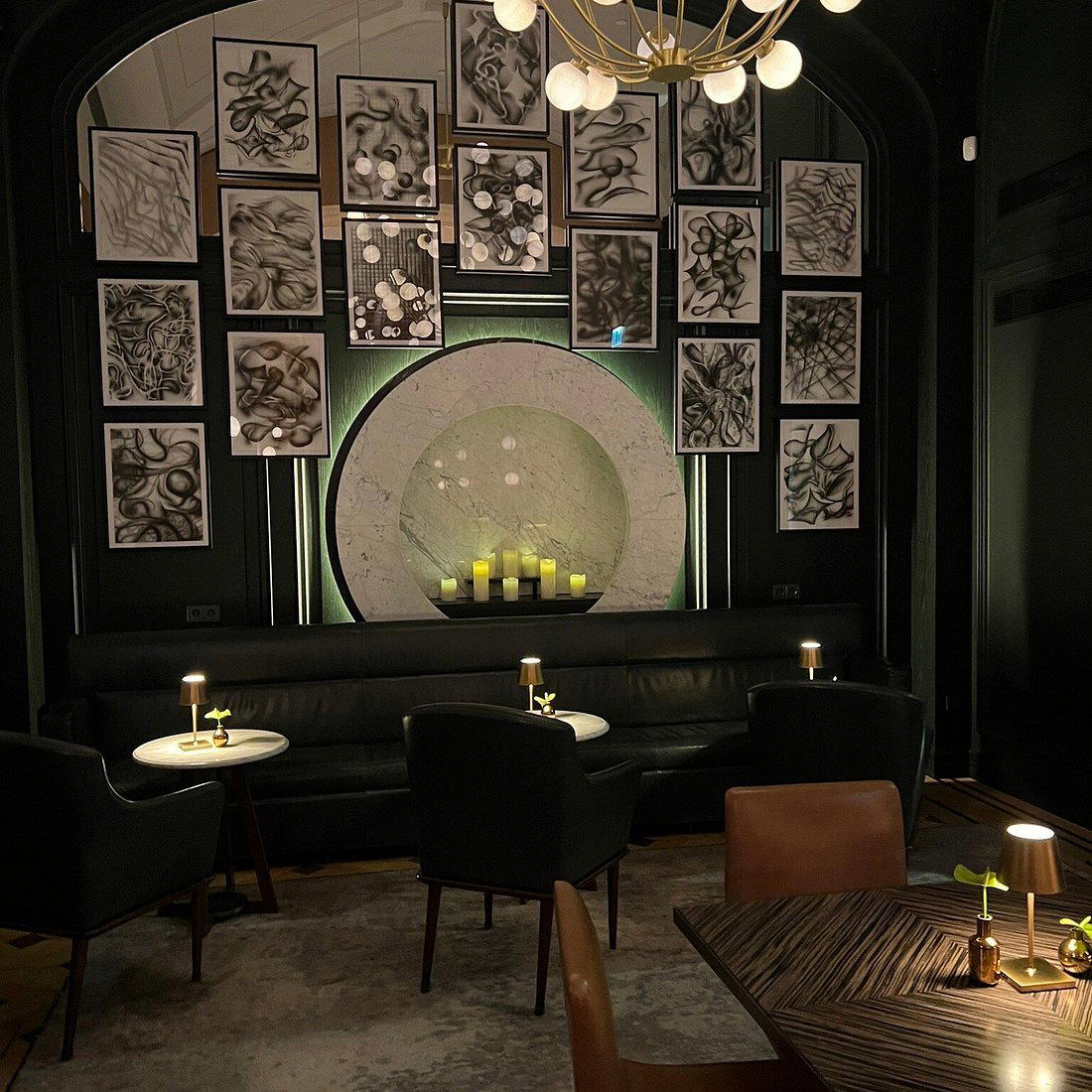
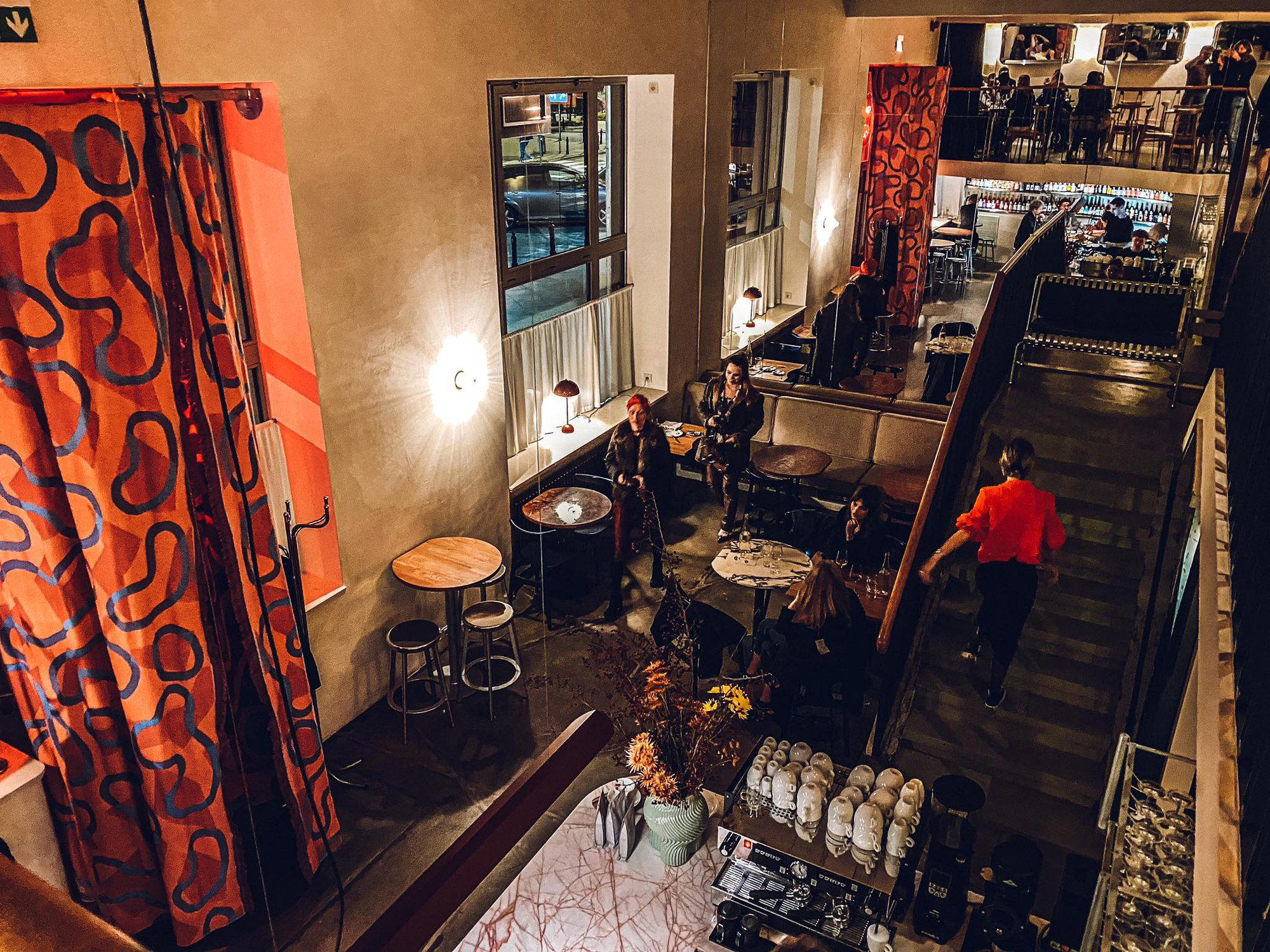
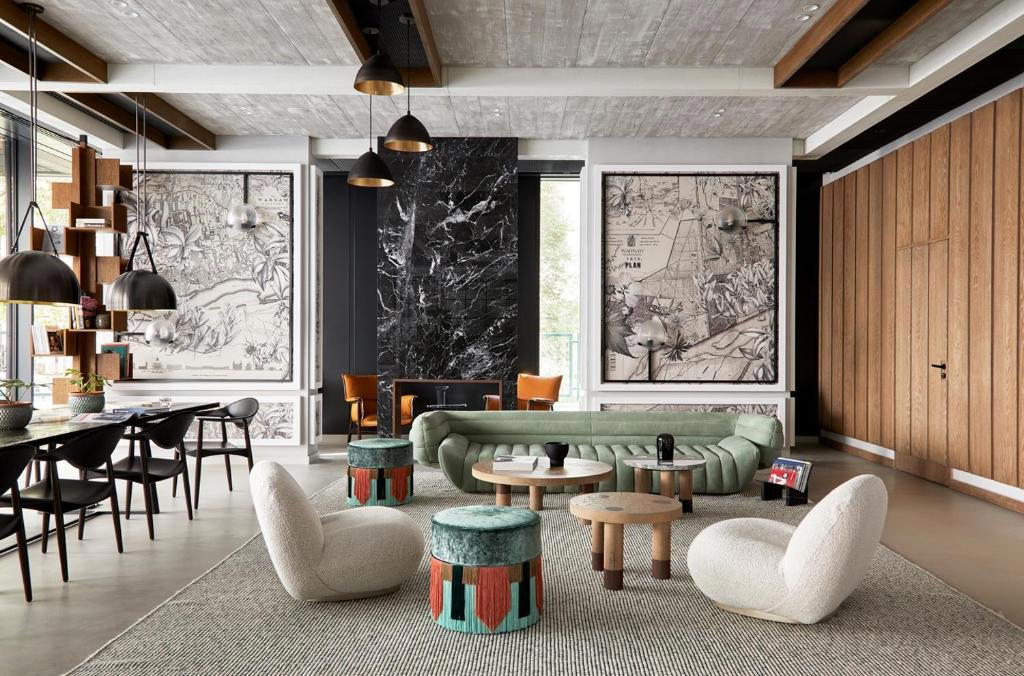
Rustic-modern atmosphere with inviting, casual vibe focused on quality Italian cooking.