Mizu Izakaya
Mizu Izakaya brings the informal, share-everything spirit of the Japanese izakaya format to Denver's LoHi neighborhood, where Colorado's agricultural depth meets a cooking tradition built on precision and restraint. The address on Boulder Street places it squarely in one of the city's most food-attentive corridors, where the dining conversation runs parallel to what's happening in more formally recognized rooms across town.
Pearl is the En Primeur Club membership app — saves, bookings, and concierge access live there. Same editors, same standards.
- Address
- 1560 Boulder St UNIT 100, Denver, CO 80211
- Phone
- +17203727100
- Website
- mizudenver.com
- Directions
- Get directions
 Saves & bookings on Pearl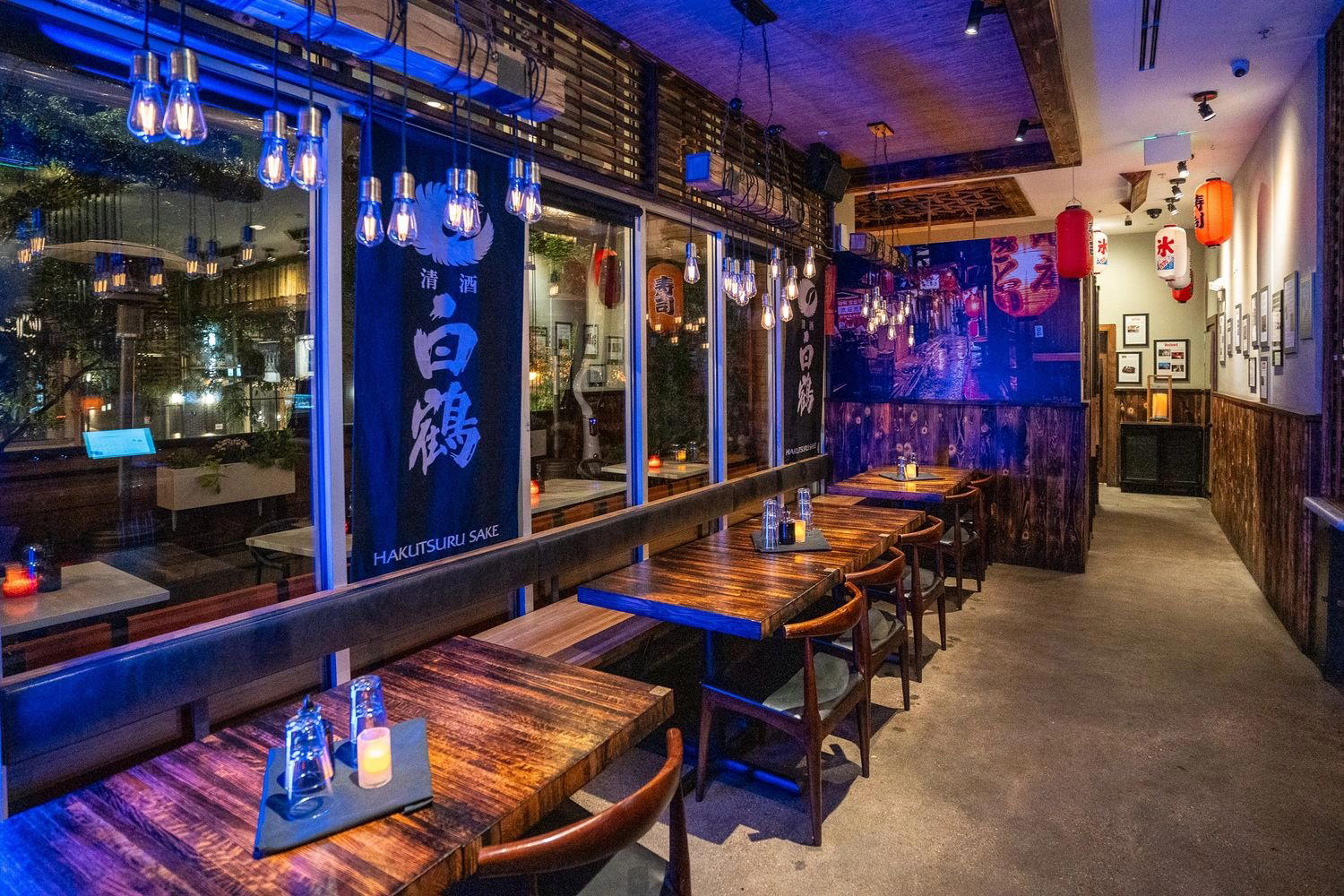
Where the Izakaya Format Meets the Mountain West
The izakaya sits at an interesting intersection in American dining. Not quite a bar, not quite a restaurant, it operates on a logic of informality and abundance: small plates arrive in no prescribed order, drinks anchor the table, and the meal stretches as long as the conversation warrants. When that format lands in a city like Denver, which has spent the better part of a decade building serious culinary credibility, something worth examining happens. The local ingredient base, shaped by high-altitude agriculture, ranching traditions, and proximity to the Southwest, collides with a Japanese cooking philosophy that prizes technique above nearly everything else.
Mizu Izakaya, at 1560 Boulder Street in Denver's LoHi neighborhood, occupies that collision point. LoHi, the area straddling the Highland corridor northwest of downtown, has become one of the city's most food-dense ZIP codes, home to rooms ranging from Mexican-rooted cooking at Alma Fonda Fina to the boundary-pushing contemporary work at Brutø. Dropping an izakaya into that mix is a statement about what kind of diner Denver has become.
The Format Itself: Why Izakaya Works Here
The izakaya model travels well when two conditions are met: the kitchen has real technical grounding in Japanese preparation, and the local pantry can supply ingredients that hold up to that level of scrutiny. Colorado's agricultural profile is more capable than many coastal observers give it credit for. The state produces lamb, pork, and beef with genuine character, its foraging season yields mushrooms and alliums that respond well to high-heat cooking, and its trout and mountain fish occupy a different flavor register than Pacific seafood but are no less interesting as a canvas.
Japanese technique applied to those materials produces results that differ from both a traditional izakaya in Osaka or Tokyo and from the fusion-minded Japanese-American restaurants that proliferated through the 2000s and 2010s. The distinction matters. What places like Atomix in New York City demonstrated at the highest level of Korean-American fine dining, the izakaya format attempts at a more democratic price point: imported method, regional product, and a room designed for return visits rather than one-time occasions.
LoHi as a Reference Point
Understanding where Mizu Izakaya sits in Denver's dining picture requires a brief map of the neighborhood. LoHi has shifted over roughly fifteen years from a residential district with scattered restaurants to a destination corridor. The concentration of ambitious kitchens is high enough that diners now route their evenings through the area deliberately. The Wolf's Tailor, operating at the four-dollar-sign tier with a New American framework, and Beckon, which works in the contemporary tasting menu format, represent the more formal pole of Denver's current dining conversation. Annette occupies the approachable middle. The izakaya format, with its emphasis on sharing and informality, slots into a different part of that spectrum without competing directly with rooms built around single-seating, structured menus.
This positioning is strategic whether or not it is conscious. Casual formats with serious kitchens behind them have outperformed formal competitors across most American dining markets over the past decade. The evidence is visible at the national level: Lazy Bear in San Francisco built its identity around communal, informal structure while maintaining technical seriousness, and Blue Hill at Stone Barns in Tarrytown demonstrated that ingredient-first cooking can carry a room without the conventional formality of white-tablecloth service. The izakaya format takes that logic further toward casual territory, which in a market like Denver, where the dining public is increasingly sophisticated but resistant to stiffness, is a reasonable read of the room.
Japanese Technique and Colorado Product: The Core Argument
The editorial angle that makes Mizu Izakaya interesting as a subject is the question of what happens when izakaya technique encounters a landlocked, high-altitude ingredient base. Japanese cooking, at every level from the street stall to the three-star counter, is built on an acute sensitivity to product quality. The technique does not hide imperfection; it amplifies whatever the ingredient brings. That accountability is demanding in a market where the supply chain for Japanese-specific products, from specific soy varieties to fresh wasabi to particular fish cuts, is longer and more complicated than it is for a kitchen in coastal California or in New York's dense import networks.
Kitchens that solve that problem well, and there are several across the American interior that have done so credibly, tend to do it by accepting substitution at the ingredient level while refusing it at the technique level. The result is cooking that reads as Japanese in discipline and structure but that carries a regional flavor signature. It is a different outcome than what you find at, say, Providence in Los Angeles, where Pacific proximity makes Japanese-adjacent sourcing relatively direct, or at Le Bernardin in New York City, where seafood supply depth is unmatched domestically. The Colorado context imposes constraints, and constraints, handled well, produce character.
Whether the restaurant resolves that tension at a level that warrants serious critical attention is a question still best answered at the table. What it can say is that the format has genuine intellectual logic in this city at this moment, and that the LoHi location places it in a neighborhood where the dining public has demonstrated willingness to engage with technically ambitious work across a range of price points and cultural references.
Know Before You Go
Address: 1560 Boulder St, Unit 100, Denver, CO 80211
Neighborhood: LoHi (Lower Highland), Denver
Format: Izakaya (informal Japanese share-plate dining)
Booking: Reservation policy recommended
Price tier: $$
Nearby reference points: Alma Fonda Fina, The Wolf's Tailor, Brutø, Beckon, Annette
Cuisine and Credentials
Comparable venues nearby, for context on price, style, and recognition.
| Venue | Cuisine | Price | Notes |
|---|---|---|---|
| Mizu IzakayaThis venue — the venue you are viewing | Modern Japanese Izakaya | $$ | Not listed |
| Banzai Sushi | Japanese Sushi with 100 Rolls | $$ | Washington Virginia Vale |
| Sushi Sasa | Modern Japanese Omakase & Sushi | $$$ | Highland |
| HashTAG - Downtown Denver | Modern American Boozy Brunch | $$ | Union Station |
| Paperboy | Modern American Brunch | $$ | West Highland |
| Paperboy | Modern American Brunch | $$ | West Highland |
Continue exploring
More in Denver
Restaurants in Denver
Browse all →
Bars in Denver
Browse all →
Hotels in Denver
Browse all →
At a Glance
- Trendy
- Lively
- Modern
- Casual Hangout
- Group Dining
- Date Night
- Open Kitchen
- Sake Program
- Craft Cocktails
Current opening hours
- Monday
- 4:30–11 PM
- Tuesday
- 4:30–11 PM
- Wednesday
- 4:30–11 PM
- Thursday
- 4:30–11 PM
- Friday
- 11:30 AM–11 PM
- Saturday
- 11:30 AM–11 PM
- Sunday
- 11:30 AM–10 PM
Hours can change for holidays and private events. Last verified .
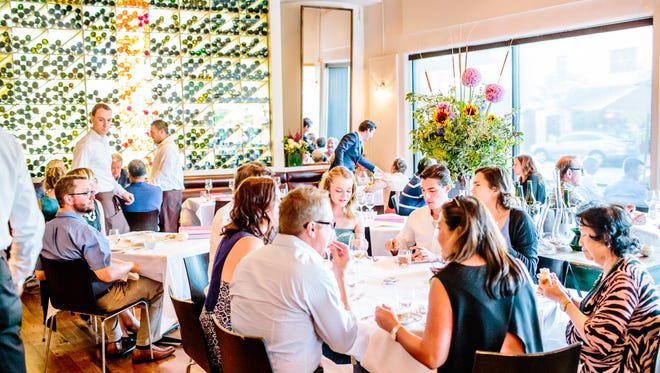
Funky urban hip atmosphere with contemporary Japanese decor, popular among young couples and groups of friends.