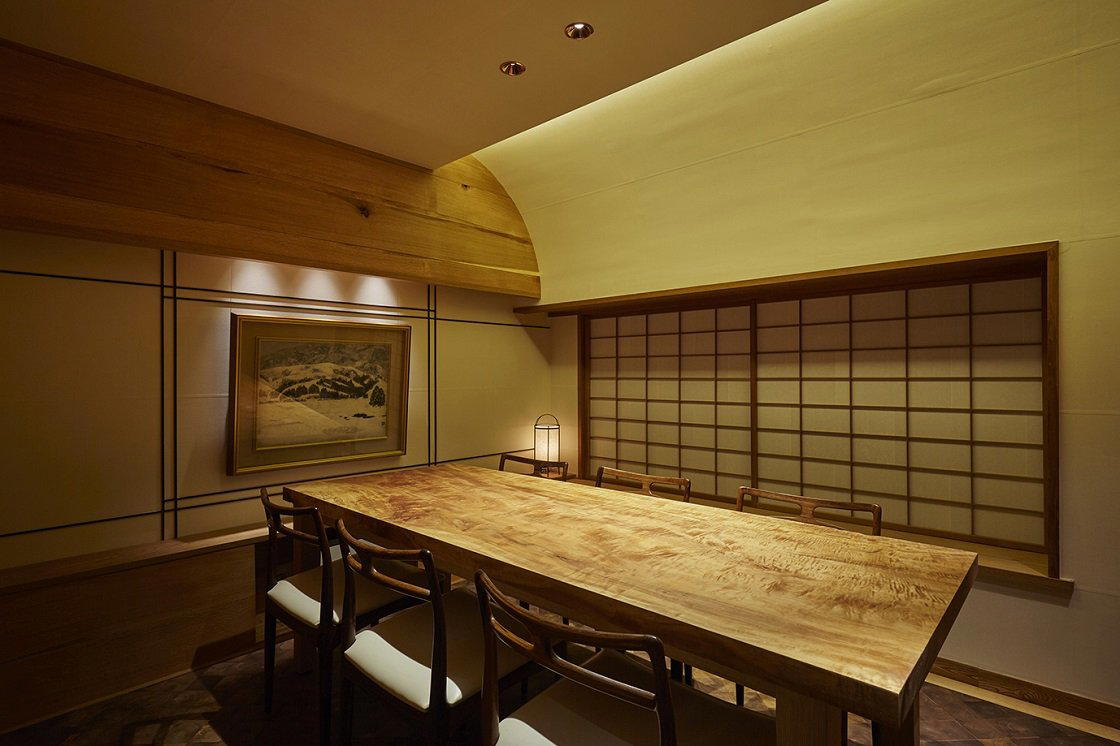
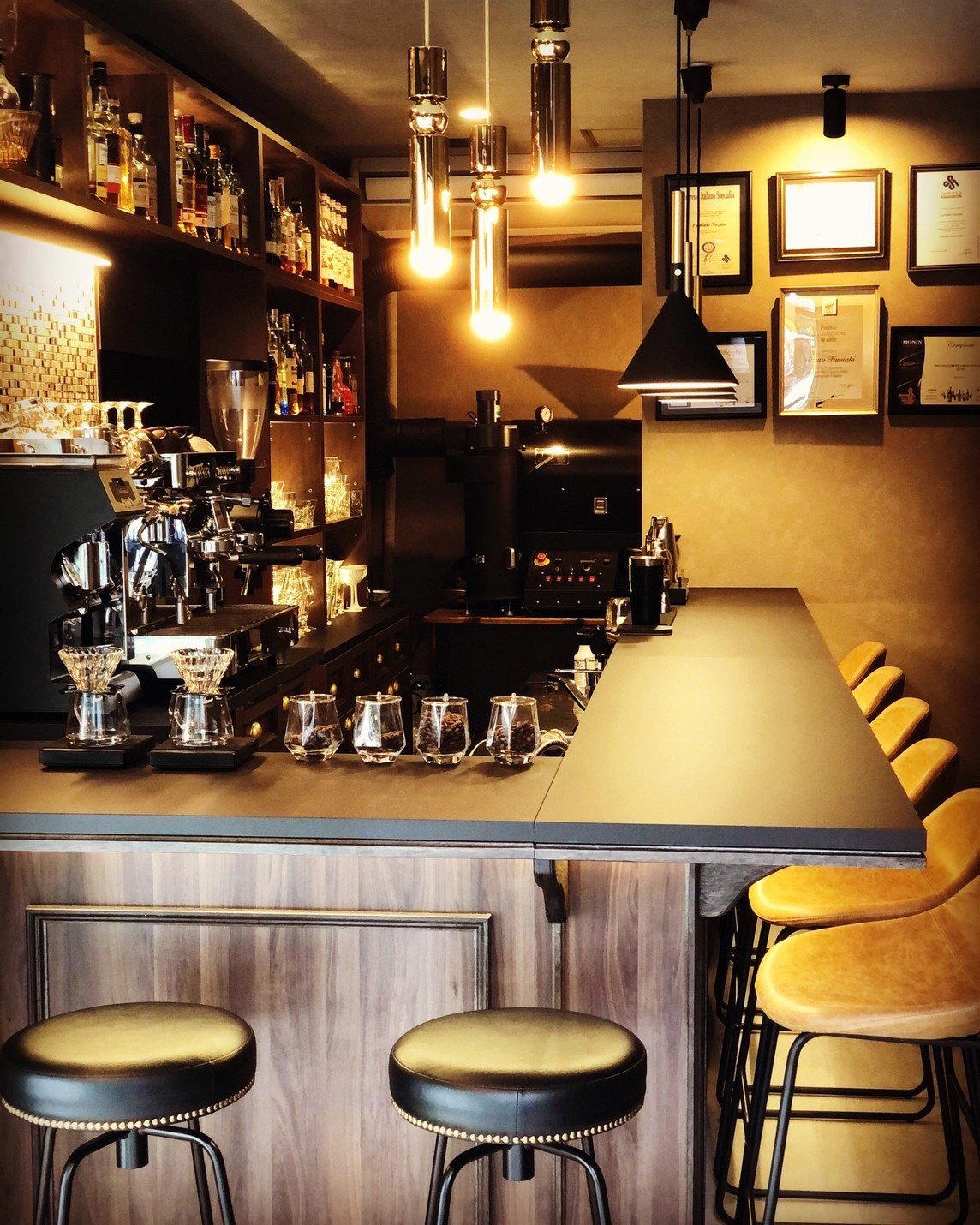
Tabelog 100 #26
Our verdict
Miwa Tei places Osaka’s Chinese dining culture in a compact Fukushima room rather than a hotel dining room or luxury tasting-menu frame. Its Tabelog Chinese WEST 100 selection in 2026, small seating footprint, and focus on Chinese, tantan-men, and seafood make it a practical, tightly run counterpoint to Osaka’s higher-spend destination restaurants.

Pearl is the En Primeur Club membership app, where members save venues, book tables and use the concierge.
The menu
What to order
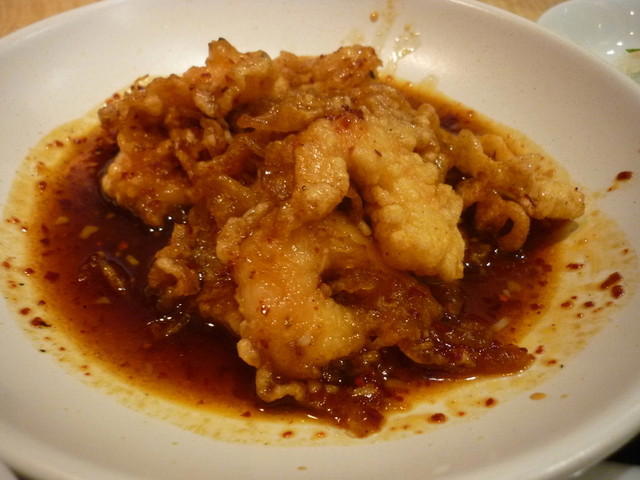
- Tantan-men (spicy noodle soup)
- Spicy shrimp dishes
- Seafood dishes
Osaka’s restaurant streets work at a different frequency from more ceremonial dining zones: direct approaches, practical dining rooms, fewer formal cues, and a dining public that moves quickly when a table has a local following. Miwa Tei belongs to that Osaka category, where Chinese cooking is treated less as banquet theatre and more as a repeatable local ritual. The restaurant’s format matters in editorial terms: an everyday Osaka address changes the way a meal feels before the first order, narrowing the distance between dining-room rhythm, kitchen rhythm, and the decisions made by regulars.
Osaka has long understood Chinese food through everyday formats as much as formal ones. Noodle shops, seafood-led kitchens, and family-run chuka rooms sit beside French, Italian, and izakaya addresses in the same evening economy. That mix is visible across the city’s broader dining map, from casual dining rooms to bakeries, cafés, and late-night counters. The point is not hierarchy; it is density. Osaka rewards diners who understand how many serious meals happen outside the grand-room template.
Osaka's small-room Chinese cooking has its own booking logic
In Osaka, the decision is often less about chasing ceremony than matching appetite to format. Miwa Tei’s registered categories, Chinese, tantan-men, and seafood, place it in a practical lane: cooking with enough range for a full dinner but with a noodle-shop signal that keeps the restaurant anchored in everyday Osaka rather than destination-only dining. Its 2026 Tabelog Hyakumeiten recognition gives it a public marker within Japan’s Chinese category, but the stronger editorial signal is the combination of recognition and approachability.
That matters for planning. A local restaurant has a different pressure pattern from a large ceremonial dining room. Rooms with everyday demand can absorb tables quickly, and the experience usually depends on matching the venue’s format to the timing and pace of the evening. Miwa Tei’s listed budget, Dinner: JPY 2,000 - JPY 2,999; Lunch: - JPY 999, also frames it as a restaurant where category recognition does not automatically translate into luxury-restaurant pricing. In Osaka, many rewarding meals depend on understanding that distinction.
The comparison set around Osaka is instructive. Other dining rooms in the city speak to a place comfortable with imported culinary languages, while in-city peers such as Michino Le Tourbillon and Izakaya Tokitame occupy different price-and-format lanes. Miwa Tei’s value lies in another register: a Chinese category restaurant where recognition, affordability, and everyday usefulness intersect without turning the meal into a luxury performance.
Tabelog recognition without the luxury-restaurant script
Tabelog’s Hyakumeiten lists are useful in Japan because they often capture restaurants that do not fit cleanly into Western award shorthand. A formal award can push expectations toward tasting-menu choreography; a Tabelog 100 selection can point instead to category authority, local demand, and accumulated diner confidence. Miwa Tei’s 2026 Tabelog Hyakumeiten recognition, alongside a Tabelog score of 3.51, positions it in that second framework. It is a signal to take the restaurant seriously, not a cue to expect hushed formality.
That distinction is particularly relevant in Osaka, where strong dining is often transactional in the positive sense: the guest knows what the room is for, orders with purpose, and does not require a long explanatory arc. Chinese restaurants in Japan also occupy several identities at once. Some are banquet rooms, some are spice-focused, some are ramen-adjacent, and some are seafood-driven neighbourhood restaurants. Miwa Tei’s category mix places it between noodle comfort and broader Chinese cooking, which is exactly the kind of middle register that can be missed by travellers who only scan for tasting menus.
The category listing adds another small but useful clue. Chinese, tantan-men, and seafood together point to a format that fits Osaka’s flexible dinner culture rather than a rigid fine-dining model. The emphasis is better understood through the public rhythm of the room and the way diners use it: not as a sealed-off occasion, but as an Osaka restaurant where the shared energy of the evening is part of the format.
How to place it within an Osaka dining itinerary
Miwa Tei makes sense when the evening calls for a serious but unfussy meal in Osaka, especially for diners who already have one or two high-structure meals elsewhere in the city. Osaka itineraries often lean too heavily on obvious categories: sushi, kaiseki, okonomiyaki, and late-night bars. Chinese cooking deserves a larger role in that plan because it shows another side of the city’s appetite, one built around speed, heat, noodles, shared plates, and local loyalty.
For travellers mapping the wider city, the useful move is to treat Miwa Tei as part of a larger Osaka circuit rather than a single-purpose stop. It can pair naturally with bar-led evenings, hotel stays, or daytime grazing across the city. Broader planning belongs in Our full Osaka restaurants guide, with parallel context in Our full Osaka hotels guide, Our full Osaka bars guide, Our full Osaka wineries guide, and Our full Osaka experiences guide.
Readers building a wider Japan food route can also use Miwa Tei as a reminder that category breadth matters more than chasing a single dining style. Regional contrasts sharpen the itinerary: beef-focused dining, charcoal-and-seafood casual rooms, contemporary regional cooking, noodle-led meals, curry specialization, and smaller-format dining all play different roles in a balanced route. Even outside Japan, Japanese casual formats travel in revealing ways, showing how everyday restaurant ideas can carry as much cultural weight as formal destination meals.
The editorial case is simple: this is not a trophy reservation, and that is the reason to pay attention. Osaka’s dining intelligence often sits in rooms where recognition has arrived without erasing the local rhythm. Miwa Tei fits that pattern, giving the city’s Chinese category a practical, award-noted address in Osaka.
Frequently asked questions
What part of town is Miwa Tei in?
Osaka.
What's the pricing like at Miwa Tei?
Pricing at Miwa Tei is listed as JPY 2,000 - JPY 2,999 - JPY 999.
What days is Miwa Tei closed?
Specific closing days are not provided in the available venue facts.
What is Miwa Tei known for?
Miwa Tei is known as an Osaka restaurant listed for Chinese, tantan-men, and seafood, with 2026 Tabelog Hyakumeiten recognition.
The Essentials
Comparable venues at similar price and category levels.
| Venue | Cuisine | Price | Awards | Notes |
|---|---|---|---|---|
| Miwa TeiThis venue (the venue you are viewing) | Casual Chinese with Tantanmen & Seafood | $20–30 | Tabelog 100 #26 | Not listed |
| LIEN | Modern French with Seasonal Japanese Ingredients | $50–100 | Michelin Bib Gourmand | Not listed |
| Michino Le Tourbillon | Avant-Garde French | $150–200 | Michelin Plate · Tabelog 100 #91 | French |
| Izakaya Tokitame | Creative Izakaya | $50–100 | Michelin Bib Gourmand | Izakaya |
Recognition history
Dated appearances from independent guides and award organizations, with the underlying list record or original source where available.
Tabelog 100 #26 · No. 26
Tabelog · Tabelog 100 - Chinese cuisine - WEST - 2026