Pho Mai
Our verdict
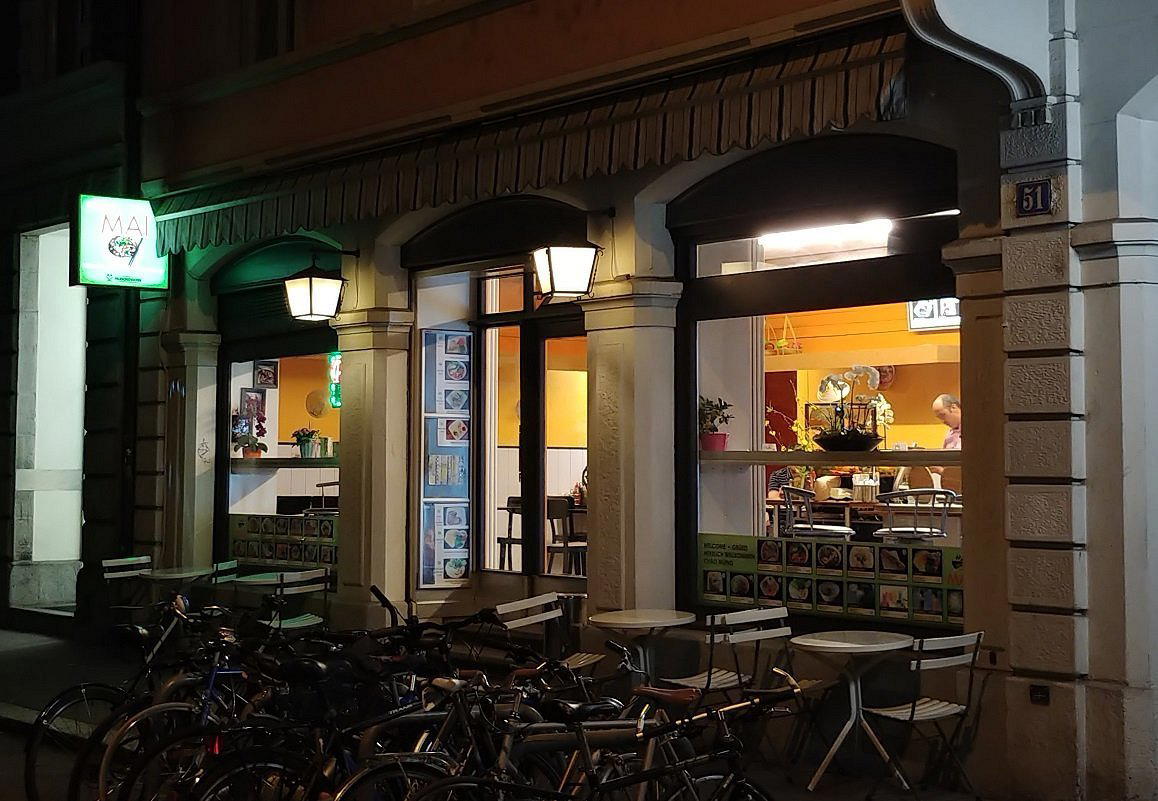
On Rotwandstrasse in Zurich's Kreis 4, Pho Mai brings Vietnamese cooking into a city better known for Alpine-influenced tasting menus and Swiss-French formality. The address places it among the neighbourhood's more casual, ethnically diverse dining options, offering a counterpoint to the polished restaurant culture that dominates Zurich's centre.

Pearl is the En Primeur Club membership app — saves, bookings, and concierge access live there. Same editors, same standards.
- Address
- Rotwandstrasse 51, 8004 Zürich, Switzerland
- Phone
- +41442419181
- Hours
- Mon 12–10 PMTue–Fri 11 AM–3 PM, 5–10 PMSat–Sun 12–10 PM
- Directions
- Get directions
The menu
What to order
- Pho Bo
- Summer Rolls
Vietnamese Cooking in a City That Doesn't Do Casual Lightly
Zurich's restaurant culture has long been defined by two gravitational forces: the formal European fine-dining tradition, represented by institutions like The Restaurant and Widder, and the newer wave of sharing-format or creative tasting counters such as IGNIV Zürich by Andreas Caminada and The Counter. In that context, a Vietnamese kitchen operating out of Rotwandstrasse 51 in the 4th district occupies a different register entirely. Kreis 4 is one of Zurich's more ethnically mixed and historically working-class quarters, and its dining character reflects that: smaller, more neighbourhood-oriented, less concerned with ceremony. Pho Mai sits in that grain.
The address alone signals something about the intended audience. Rotwandstrasse is a residential corridor rather than a tourist-facing strip, and the surrounding blocks contain the kind of everyday urban texture that Zurich's more polished districts deliberately lack. For a cuisine like Vietnamese, where the cooking tradition is rooted in accessibility and daily ritual rather than occasion dining, that context is fitting.
The Cultural Architecture of the Bowl
Pho is not simply a dish. It is one of the most studied examples in food anthropology of how a cuisine can encode an entire culture's relationship with time, resource, and hospitality. The broth at the centre of Vietnamese cooking, whether a pho bo that has reduced over many hours or a lighter, herb-forward southern variant, represents a philosophy of patience and accumulation rather than reduction and precision. The French colonial period left structural marks on Vietnamese cooking, most visible in the banh mi's baguette and in the use of certain aromatics, but the soul of the cuisine, its emphasis on fresh herbs, acidic brightness, textural contrast between broth and garnish, and the interactive quality of condiment assembly at the table, is distinctly Vietnamese.
In Europe, Vietnamese restaurants have historically clustered in major immigration hubs, and their reception has shifted considerably over the past two decades. Where Vietnamese food was once categorised with pan-Asian generalism, there is now a more differentiated conversation: pho specialists versus banh mi counters, northern Vietnamese formality versus southern informality, first-generation community kitchens versus second-generation reinterpretations. Swiss cities, including Geneva, Basel, and Zurich, have seen this evolution, though at a slower pace than London, Paris, or Amsterdam. That makes a straightforwardly Vietnamese address in Zurich's 4th district worth noting on its own terms.
The broader Swiss fine-dining reference point, visible in destinations like Schloss Schauenstein in Fürstenau, Hotel de Ville Crissier, or Cheval Blanc by Peter Knogl in Basel, is a country with genuine technical depth in European culinary forms. That dominance makes casual Southeast Asian cooking all the more distinct in the Swiss dining map, occupying a different tier of both price and occasion but serving a function those restaurants do not: the daily meal, the quick table, the midweek routine.
What the Setting Communicates
Vietnamese restaurants in European cities tend to operate on two scales. The first is the compact, high-turnover neighbourhood format, where tables seat four to six, the menu is focused, and the dining rhythm is brisk. The second is the larger, more banquet-oriented format that emerged from community cooking traditions and serves group gatherings over shared plates. Kreis 4 in Zurich, given its character as a neighbourhood district rather than a destination dining area, points toward the former. Pho Mai's Rotwandstrasse address positions it within a local-use context, where the room functions as part of the neighbourhood's daily infrastructure rather than as a draw for cross-city diners.
This is not a criticism; it is a reading of context. The cooking traditions that produce Vietnamese food were not designed for occasion dining in the European sense. The communal table, the open-air street stall, the market broth counter: these are the natural habitats of the cuisine, and a European interpretation that retains that unpretentious energy is closer to the original spirit than one that dresses it in white linen.
For contrast, the Italian format at Eden Kitchen & Bar or the creative European direction at The Counter operate in a register where occasion and setting are part of the product. Vietnamese cooking in the Kreis 4 register asks a different question of the diner: not what the evening means, but what the bowl contains.
Zurich's Broader Dining Map
For readers building a longer stay in the city, Pho Mai fits into a touring strategy that recognises Zurich's range extends well beyond its starred addresses. Our full Zurich restaurants guide covers the city across price points and cuisine types, including the neighbourhood-level texture that guides like this one are intended to map. Zurich also serves as a logical base for day trips to some of Switzerland's most serious dining addresses, including Memories in Bad Ragaz, focus ATELIER in Vitznau, and Einstein Gourmet in Sankt Gallen.
For those extending further, Colonnade in Lucerne, Da Vittorio in St. Moritz, and 7132 Silver in Vals represent the range of what Swiss dining can deliver at its most ambitious. In a different direction entirely, L'Atelier Robuchon in Geneva anchors French-influenced fine dining in the west. Outside Switzerland, for comparative reference on what refined Asian-influenced cooking looks like at the top of the market, Atomix in New York City and Le Bernardin provide a useful counterpoint on both ambition and format.
Know Before You Go
| Address | Rotwandstrasse 51, 8004 Zürich, Switzerland |
|---|---|
| Neighbourhood | Kreis 4 (Aussersihl) |
| Hours | |
| Booking | |
| Price range | Not confirmed |
| Phone / Website | Not listed — visit in person or search locally for current contact details |
Frequently asked questions
Can I walk in to Pho Mai?
No booking platform or reservation policy is listed for Pho Mai. Neighbourhood-format Vietnamese restaurants at this price tier in European cities typically accommodate walk-ins, particularly outside peak hours. That said, confirming directly before visiting is advisable, especially for groups or weekend evenings, when demand in Kreis 4 dining spots can increase.
What is Pho Mai known for?
Pho Mai's name centres the kitchen's identity on pho, the slow-cooked broth dish that defines Vietnamese cuisine's most recognisable export. In a city like Zurich, where Swiss-European fine dining and high-end creative formats dominate the restaurant conversation, a Vietnamese kitchen with a broth-forward identity occupies a distinct niche.
Is Pho Mai the right choice for someone who has been eating at Zurich's fine-dining tables all week?
For visitors who have spent several days at the city's more formal addresses, a Vietnamese kitchen in Kreis 4 offers a genuine change of register: lighter, herb-driven, and structured around the bowl rather than the tasting course. The 4th district's neighbourhood character also provides a different view of Zurich than the polished centre. It functions as a practical counterpoint rather than a destination in itself, and that is the honest case for including it in a longer Zurich itinerary.
Cuisine and Awards Snapshot
Comparable venues nearby, for context on price, style, and recognition.
| Venue | Cuisine | Price | Notes |
|---|---|---|---|
| Pho MaiThis venue — the venue you are viewing | Authentic Vietnamese Pho | $20–30 | Not listed |
| ELISABURG | Cocktail Bar with Snacks | Not listed | Aussersihl |
| The Bagel Shop | Sourdough Bagels | $10–20 | Aussersihl |
| zum Gaul | Regional Seasonal European Casual Dining | $20–30 | Industriequartier |
| Azzurro | Neapolitan-Style Pizza | $20–30 | Industriequartier |
| Tessin Grotto | Ticino Swiss Grotto | $30–50 | Wipkingen |


Details
- Casual
- Cozy
- Casual Hangout
- Standalone
- A La Carte
- Vegetarian Friendly
- Vegan Options
Current opening hours
- Monday
- 12–10 PM
- Tuesday
- 11 AM–3 PM, 5–10 PM
- Wednesday
- 11 AM–3 PM, 5–10 PM
- Thursday
- 11 AM–3 PM, 5–10 PM
- Friday
- 11 AM–3 PM, 5–10 PM
- Saturday
- 12–10 PM
- Sunday
- 12–10 PM
Hours can change for holidays and private events. Last verified .
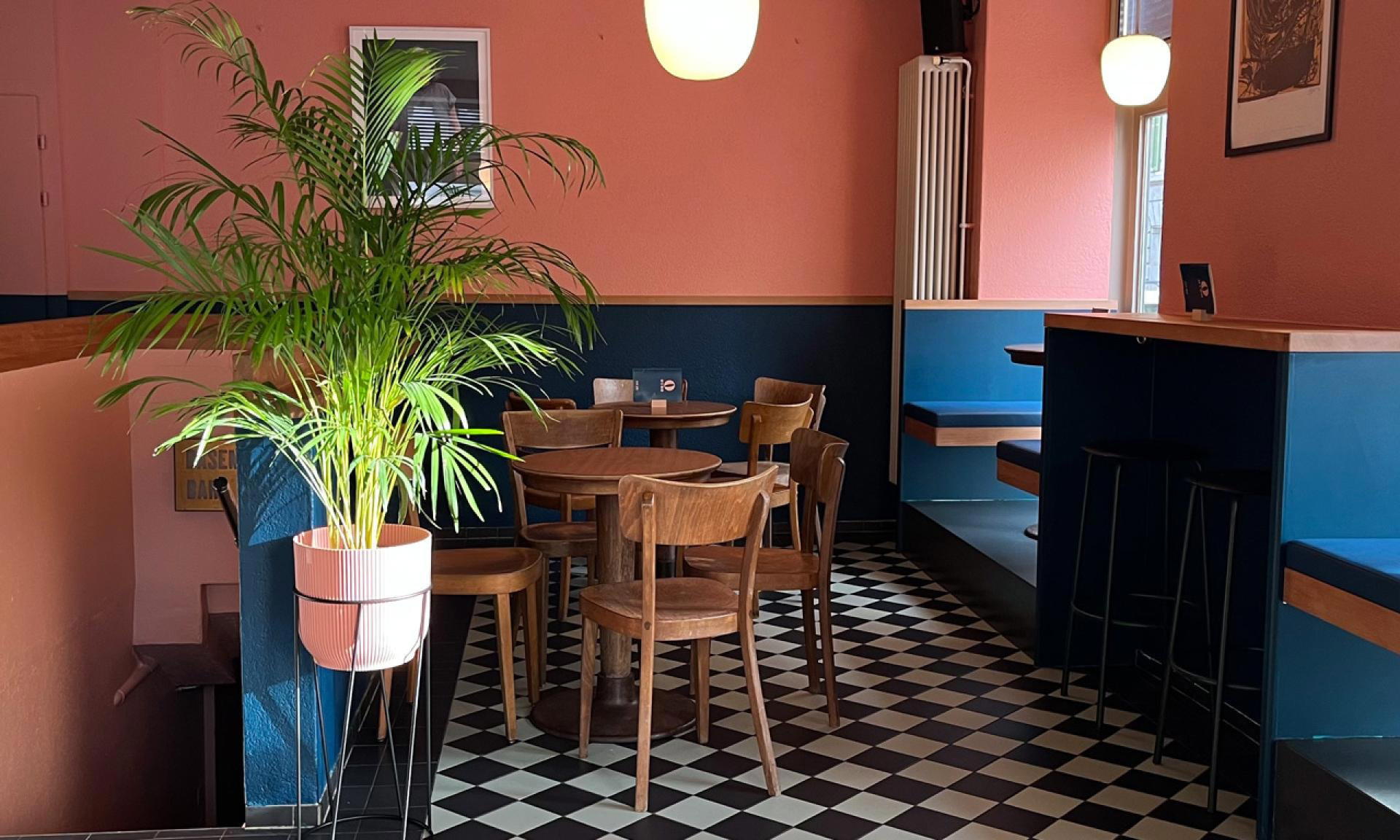
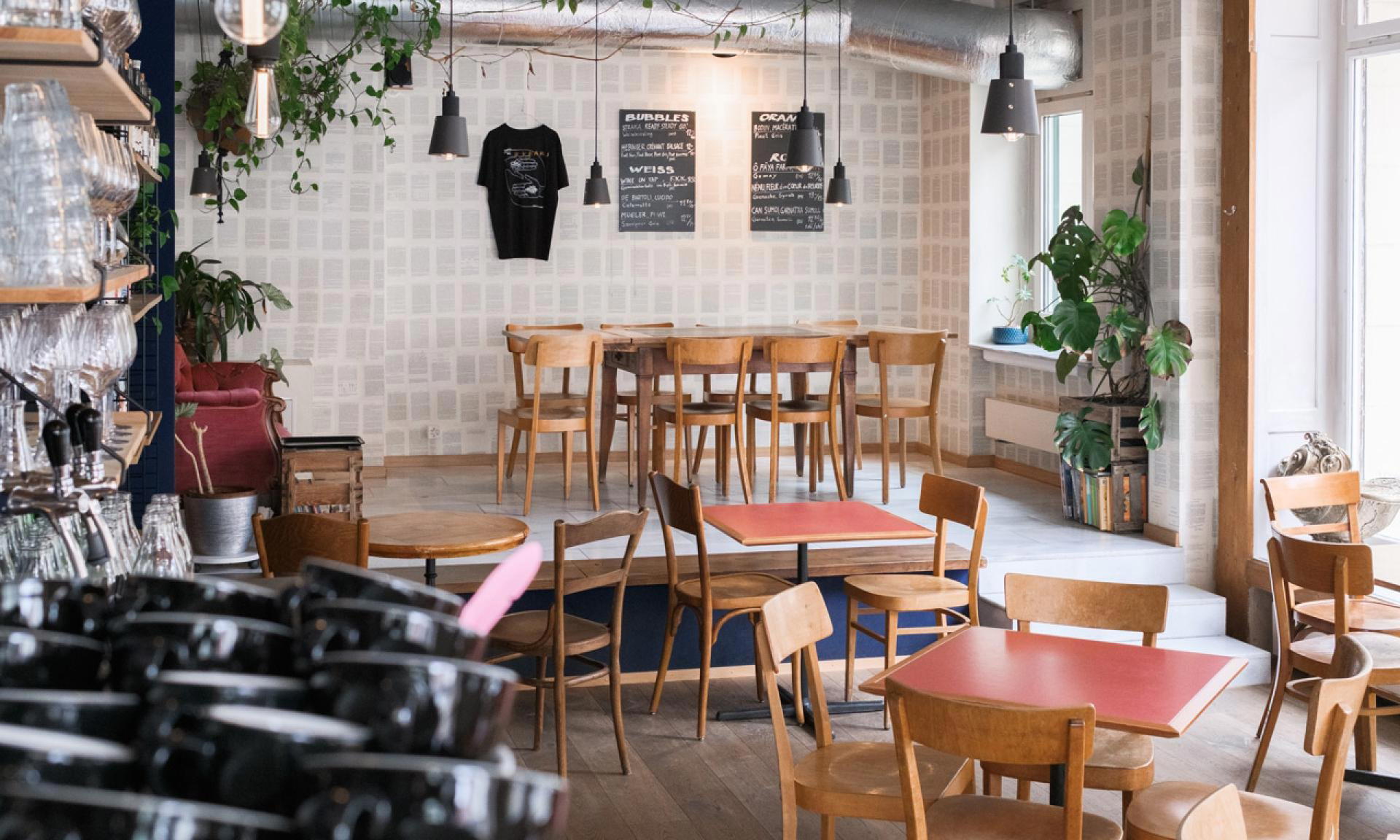
Simple, informal, and clean with a casual family-run atmosphere.