MISONG thịt nướng BBQ - CN Thành Phố Mới
MISONG thịt nướng BBQ in Bình Dương's Thành Phố Mới district sits inside the Vietnamese grilled-meat tradition at neighbourhood scale, serving thịt nướng in a format designed for groups. The Huỳnh Thúc Kháng address places it within Hoà Phú, a residential corridor where local BBQ dining is a weekly social ritual rather than an occasion. For visitors oriented around Bình Dương's newer urban districts, it represents the accessible, communal end of the province's dining options.
Pearl is the En Primeur Club membership app — saves, bookings, and concierge access live there. Same editors, same standards.
- Address
- G2 Huỳnh thúc kháng, Hoà Phú, thủ dầu một, Thành phố mới, bình dương, Bình Dương 75000, Vietnam
- Phone
- +84865496716
- Website
- go.misongbbq.com
- Directions
- Get directions
 Saves & bookings on Pearl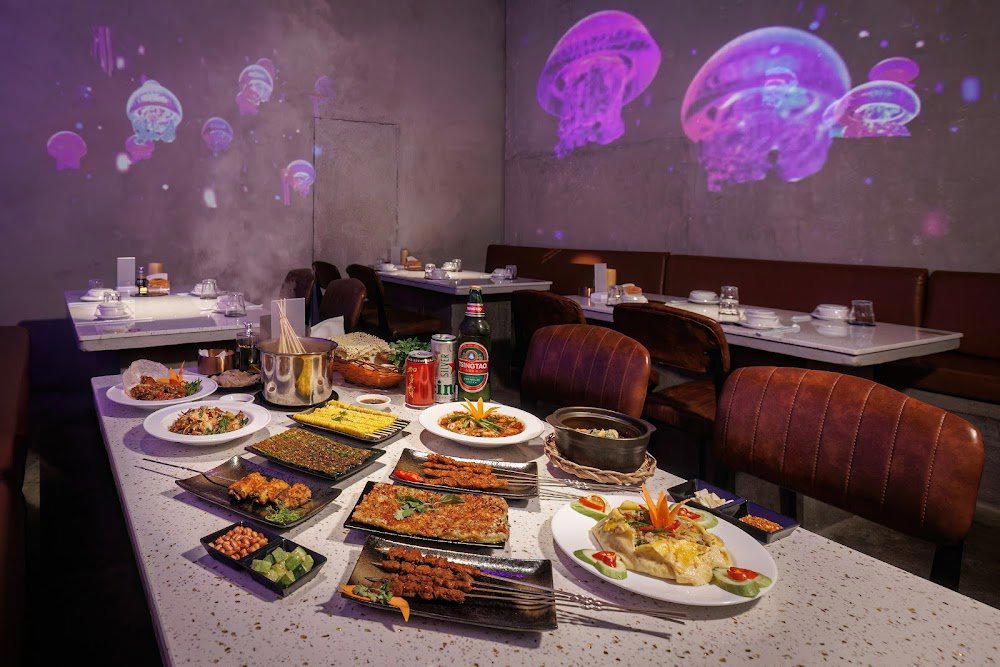
Where Bình Dương's Grilled-Meat Culture Shows Up Most Honestly
Thành Phố Mới, the planned urban extension pushing south and east from Thủ Dầu Một's older commercial centre, has accumulated its own dining layer over the past decade. The residential blocks along Huỳnh Thúc Kháng in Hoà Phú are not the province's showcase strip, but that is precisely what makes the BBQ houses there worth understanding. In a city where international brands now occupy Vincom floors and premium Vietnamese dining is consolidating around a handful of chef-driven addresses, the neighbourhood thịt nướng restaurant holds a different kind of position: it is where Bình Dương residents actually eat on a Tuesday night, not where they go for an occasion. MISONG thịt nướng BBQ, a casual Vietnamese BBQ spot at a G2-level address in this corridor, sits within that everyday-social tier of the province's food culture.
The Ingredient Logic Behind Vietnamese Table-Grilled Meat
Thịt nướng as a format is inseparable from its sourcing logic. The style depends on marinated pork, beef, and sometimes chicken grilled at the table over charcoal or gas, with the quality of the marinade and the cut freshness doing most of the work. Across Vietnam, the distinction between a competent and a forgettable thịt nướng house comes down to two variables: how recently the protein was cut and seasoned, and whether the accompanying elements, particularly the fresh herbs, pickled vegetables, rice paper, and dipping sauces, are made in-house or assembled from generic supply. In Bình Dương's residential neighbourhoods, supply chains are short by necessity: wet markets in Hoà Phú and surrounding wards still operate on morning delivery cycles, meaning that neighbourhood restaurants in this district tend to work with protein sourced and turned over within 24 hours rather than held in extended cold storage. That proximity is a structural advantage the format carries in areas like Thành Phố Mới, even where the dining room itself is modest.
The condiment and herb side of thịt nướng deserves equal attention. Mắm nêm, the fermented anchovy dipping sauce standard to central and southern-style grilled meat, requires careful calibration: too funky and it overwhelms the pork, too diluted and it flattens the dish. Đồ chua, the pickled daikon and carrot that cuts through fat, works the same way in thịt nướng as it does in bánh mì, providing acid balance. A restaurant that sources its herbs daily and prepares its own sauces is operating in a different register from one that buys pre-mixed bottles. Visitors assessing a thịt nướng house for the first time should look at the herb plate and the sauce presentation before anything else: these signal sourcing discipline more directly than the meat itself.
Bình Dương's Dining Tier Structure and Where Neighbourhood BBQ Fits
Vietnam's premium dining conversation concentrates heavily in Ho Chi Minh City and Hanoi. At the level of Michelin-tracked addresses and high-spend tasting menus, venues like Akuna in Ho Chi Minh City and Gia in Hanoi represent the upper bracket of Vietnamese contemporary dining, while internationally credentialled operations such as La Maison 1888 in Da Nang occupy the luxury hotel tier. Bình Dương does not compete in that register, nor does it try to. The province's dining identity is built around industrial-scale development, a large resident workforce, and a practical food culture that prioritises value, speed, and communal format over ceremony.
Within that context, the Korean BBQ chains that have expanded across Vietnam's provincial cities, including operations comparable to King BBQ Vincom Kiên Giang in Rach Gia and formats similar to 맞찬들 - Matchandeul BBQ Binh Dương, represent the branded, standardised end of the table-grill category. Vietnamese thịt nướng houses like MISONG occupy a parallel but distinct position: locally rooted, menu-narrower, and priced below the Korean BBQ chain tier in most provincial markets. For a broader read on what is available across the district,
The BBQ social format, whether Vietnamese or Korean in style, shares one structural feature across all its iterations in provincial Vietnam: it is designed for groups of four or more. A solo diner or a couple ordering thịt nướng is technically possible but goes against the economics and the spirit of the format. The charcoal setup, the volume of sides, and the ordering logic all assume a shared table with rotating dishes. This holds at every price point in the category, from the GoGi House Go Bạc Liêu in Bac Lieu end of the spectrum to neighbourhood independents.
Planning a Visit: What the Hoà Phú Address Implies
The G2 Huỳnh Thúc Kháng address in Hoà Phú is within Thủ Dầu Một's newer residential grid rather than the older commercial centre. Visitors staying in central Thủ Dầu Một or passing through from Ho Chi Minh City, roughly 30 kilometres to the south, will need local transport: the area is not walkable from the provincial landmarks most visitors recognise. Ride-hailing apps are the practical option, and the address is specific enough to locate via standard mapping applications. Walk-in during its regular hours, from 4pm to midnight daily, is the logical approach. Pizza 4P's Hikari, which serves a different demographic within the same provincial area, operates with more formal booking infrastructure than a neighbourhood thịt nướng house would be expected to maintain.
The Broader Vietnamese Grilling Tradition in Context
Vietnamese grilled-meat culture extends well beyond the thịt nướng format. Across the country's regions, variations include nem nướng (grilled pork sausage) from Nha Trang, bò nướng lá lốt (beef in betel leaf) common across the south, and the elaborate grilling spreads associated with central Vietnamese coastal towns. The southern tradition, which is the register Bình Dương operates in, tends toward sweeter marinades with lemongrass and garlic, and a stronger reliance on fresh herbs and rice paper as the delivery mechanism. Understanding that regional distinction helps calibrate expectations: Bình Dương's thịt nướng is southern in character, distinct from the leaner, less sweetened preparations found further north. White Rose (Bông Hồng Trắng) in Hoi An illustrates how Vietnamese regional dishes, even simple ones, carry deep geographic identity when sourced and prepared with discipline.
In Context: Similar Options
Comparable venues nearby, for context on price, style, and recognition.
| Venue | Cuisine | Price | Notes |
|---|---|---|---|
| MISONG thịt nướng BBQ - CN Thành Phố MớiThis venue — the venue you are viewing | Vietnamese BBQ (Thịt Nướng) | $ | Not listed |
| ë§ì°¬ë¤ - Matchandeul BBQ Binh duong ë¹ì¦ì | Korean BBQ | $$ | Thảo Điền Ward, District 2 |
| Pizza 4P's Hikari | Japanese-Italian Fusion Pizza | $$ | Thu Dau Mot |
| Xoi Che Ba Thin | Traditional Vietnamese Xoi Che (Sticky Rice & Sweet Soup) | $ | Hoan Kiem |
| Kim Chau | Traditional Vietnamese Bun Bo Hue | $ | central Hue |
| Madam Khanh The Banh Mi Queen | Traditional Vietnamese Banh Mi | $ | Minh An Ward |
Continue exploring
More in Tha Dao U Ma T
Restaurants in Tha Dao U Ma T
Browse all →
Bars in Tha Dao U Ma T
Browse all →
At a Glance
- Casual
- Lively
- Casual Hangout
- Group Dining
Current opening hours
- Monday
- 4 PM–12 AM
- Tuesday
- 4 PM–12 AM
- Wednesday
- 4 PM–12 AM
- Thursday
- 4 PM–12 AM
- Friday
- 4 PM–12 AM
- Saturday
- 4 PM–12 AM
- Sunday
- 4 PM–12 AM
Hours can change for holidays and private events. Last verified .
Casual and lively dining atmosphere focused on grilled meat preparation.