MIRRA




Michelin Bib Gourmand · James Beard Award Semi Finalist · Esquire Best New Restaurants
Our verdict
On a corner of Bucktown's Armitage Avenue, MIRRA runs a cross-cultural menu that fuses Indian and Mexican cooking into something genuinely purposeful. Dum biryani with lamb barbacoa sits alongside scallop ceviche in fenugreek roti shells, backed by housemade achar and salsa tatemado. The exposed-brick dining room, open kitchen, and high-energy crowd make it one of Chicago's more compelling neighborhood dining propositions.

Pearl is the En Primeur Club membership app — saves, bookings, and concierge access live there. Same editors, same standards.
The menu
What to order
- Lamb Barbacoa Biryani
- Crispy Scallop Tacos
- Tacos Arabe
- Aguachile
Bucktown's Loudest Conversation: Indian Meets Mexican on Armitage
Chicago's neighborhood restaurant scene has always been more interesting than its downtown fine-dining corridor suggests. Bucktown, in particular, has a track record of absorbing ambitious cooking into residential blocks without sanitizing it into something suburban. MIRRA, at 1954 W Armitage Ave, fits that pattern: a restaurant where the room is loud, the tables are tight, and the food is asking a genuinely difficult question about what happens when two strong culinary traditions share the same plate. That question, in lesser hands, produces novelty. Here, it produces something closer to argument, and the argument is worth hearing.
The Physical Container
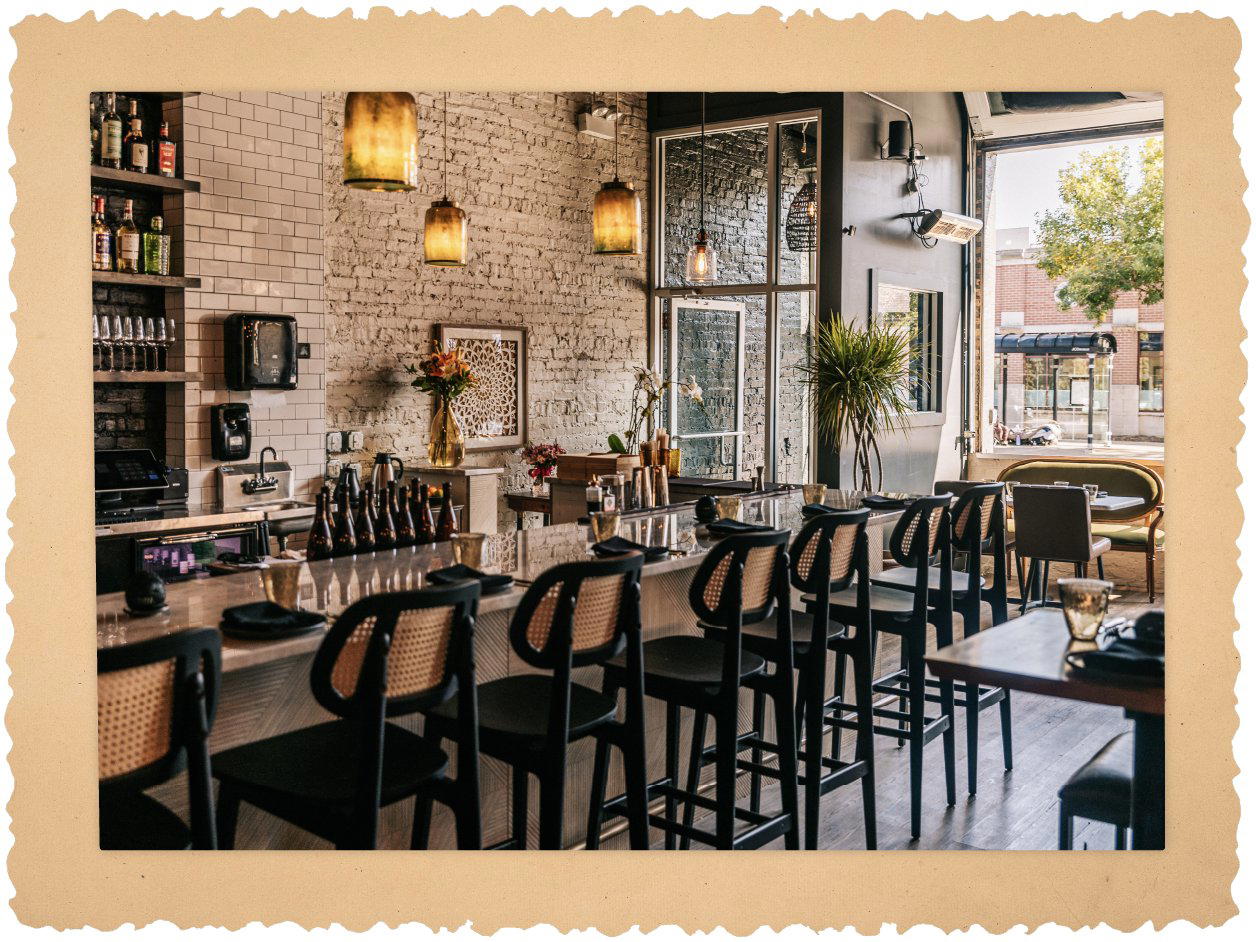
The design reads as a deliberate editorial choice rather than a budget compromise. Exposed white brick runs the length of the interior, giving the space an industrial lightness that stops short of the over-polished loft aesthetic that saturated Chicago dining rooms a decade ago. A long banquette anchors one wall, creating a throughline that the room uses well: it keeps the energy contained without making the space feel sectioned off. The open kitchen is the third wall, and it matters. In cross-cultural cooking, transparency about technique is a trust signal. When a kitchen is visible, the cooking becomes the decor.
Tight table spacing and loud beats complete the picture. This is not a room designed for long pauses between courses. The pacing is intentional: share-everything menus work leading when the conversation is moving and the dishes keep arriving. MIRRA's interior is calibrated to that rhythm, which is why the crowd that filters through night after night skews young and energetic. The space selects for that dynamic rather than fighting against it.
For reference, Chicago's premium dining rooms in the same period have moved in the opposite direction. Alinea operates across multiple theatrical rooms where silence and formality are part of the experience. Smyth and Oriole maintain the kind of hushed concentration that signals Michelin attention. MIRRA sits at the opposite register: a room that treats noise as hospitality rather than a failure of acoustic design.
The Menu's Central Argument
The cross-cultural framework at MIRRA isn't new to American dining. Fusion cooking has cycled through credibility crises and rehabilitations since the 1990s, and the current generation of chefs working across South Asian and Latin American traditions tends to be more precise about why the combination works rather than just asserting that it does. Indian and Mexican cooking share more structural logic than either tradition's partisans usually acknowledge: a deep reliance on dried chiles, on spice layering, on acid as a finishing tool, and on bread as both vehicle and protagonist.
At MIRRA, that logic is made explicit on the plate. Dum biryani, the slow-sealed rice preparation associated with Hyderabadi and Lucknowi cooking, arrives with lamb barbacoa, the slow-cooked preparation common to central Mexican cuisine. Both techniques prioritize low heat, sealed environments, and fat rendered over time. The combination isn't arbitrary. Scallop ceviche packed into crispy fenugreek roti shells draws on ceviche's acid-forward construction while placing it inside a vessel that brings its own bitterness and crunch. Smooth chutneys sit beside fiery salsas on the same table. The mezze of dips, which includes housemade achar alongside salsa tatemado, asks you to move between fermented and roasted flavor profiles in a single sharing moment.
This is the kind of menu that earned MIRRA's dishes a place in national editorial coverage, appearing in a feature on the 23 best restaurant dishes eaten across the United States, a category that draws from a field of thousands of restaurants. That recognition lands on individual dishes rather than the restaurant as a whole, which is the correct level of granularity for a kitchen working at this scale.
The share-everything format is the right choice for this material. Cross-cultural cooking is harder to defend in single-plate form, where a dish either holds together or doesn't with no context. When five or six things arrive at once, the conversation between them becomes the argument, and MIRRA's menu is written with that in mind. For comparison, Kasama handles Filipino-American cross-cultural cooking through a fine-dining omakase format that makes a different structural choice.
Where MIRRA Sits in Chicago's Dining Order
Chicago has invested heavily in its tasting-menu tier. Next Restaurant, Smyth, and the broader Grant Achatz universe at Alinea occupy a bracket where the price of entry is high and the experience is scripted. MIRRA operates in a different register entirely: a neighborhood room where the ticket price is lower, the format is loose, and the cooking earns its attention through conceptual clarity rather than production values.
That positioning matters in a city where the mid-range dining tier has historically been squeezed between cheap ethnic restaurants and expensive destination experiences. MIRRA's Indian-Mexican framework gives it a clearly defined identity in a crowded field, and the national dish recognition suggests the execution is holding up against wider scrutiny. For readers exploring Chicago's dining range, our full Chicago restaurants guide maps the tiers. The city's bar scene, hotel options, and experiences programming are covered separately.
Nationally, the cross-cultural Indian-adjacent category has produced strong work in New York with Atomix's Korean-French precision, and in San Francisco with Lazy Bear's collaborative format. Neither is a direct peer to MIRRA's specific fusion framework, which reflects how localized these cross-cultural conversations tend to be. The ingredient overlap between Indian and Mexican cooking is a Chicago-specific argument being made on a Bucktown corner, and that specificity is part of the point.
Planning Your Visit
| Detail | MIRRA | Kasama | Next Restaurant |
|---|---|---|---|
| Address | 1954 W Armitage Ave, Bucktown | Logan Square | West Loop |
| Format | Share-everything, à la carte | Omakase tasting menu | Rotating concept tasting menu |
| Price tier | Not confirmed | $$$$ | $$$$ |
| Crowd energy | High, young, loud | Formal, quieter | Formal, scripted |
| Award signal | National dish recognition (U.S. feature) | Michelin attention | Michelin history |
| Booking | Advance booking required | Advance booking required |
Frequently Asked Questions
Frequently asked questions
Does MIRRA have a Michelin star or similar recognition?
MIRRA has received recognition including: A young, high-energy crowd filters through this Bucktown hotspot night after night, their excitement matching the tenor of a kitchen cooking at full throttle. From dum biryani with lamb barbacoa to scallop ceviche packed into crispy fenugre….
What part of town is MIRRA in?
MIRRA is located at 1954 W Armitage Ave, Chicago, IL 60622, Chicago.
What do regulars order at MIRRA?
Two dishes earned national recognition and anchor the menu: dum biryani with lamb barbacoa and scallop ceviche packed into crispy fenugreek roti shells. A table typically starts with the mezze of dips, which includes housemade achar and salsa tatemado. The format is share-everything, so ordering wide across the menu gives the full picture of what the kitchen is doing.
What's the best way to book MIRRA?
MIRRA is located at 1954 W Armitage Ave in Chicago's Bucktown neighborhood. Given the national press the kitchen has received and the consistent high-energy demand the space draws night after night, booking ahead rather than walking in is the safer approach. Check the restaurant's current reservation channels directly for the most up-to-date availability.
Credentials Lens
A quick snapshot of similar venues for side-by-side context.
| Venue | Cuisine | Price | Awards | Notes |
|---|---|---|---|---|
| MIRRAThis venue (the venue you are viewing) | Indian-Mexican Fusion | $30–50 | Michelin Bib Gourmand · James Beard Award Semi Finalist | Not listed |
| Alinea | Avant-Garde Molecular Gastronomy | $300–500 | 2 Michelin Stars · World's 50 Best #37 | Progressive American, Creative |
| Smyth | Modern American Tasting Menu | $200–300 | 3 Michelin Stars · World's 50 Best #1 | Progressive American, Contemporary |
| Kasama | Modern Filipino | $30–50 | 2 Michelin Stars · World's 50 Best #31 | Filipino |
| Next Restaurant | Avant-Garde Themed Tasting Menus | Not listed | 1 Michelin Star · We're Smart World 2 Radishes | American Cuisine |
| Boka | Modern American Seasonal Fine Dining | $150–200 | 1 Michelin Star · La Liste Top Restaurants | New American, Contemporary |
Recognition history
Dated appearances from independent guides and award organizations, with the underlying list record or original source where available.
Michelin Bib Gourmand
Michelin
James Beard Award Semi Finalist
James Beard Award
Esquire Best New Restaurants
Esquire
New York Times The 23 Best Restaurant Dishes We Ate Across the U.S.
New York Times
Continue exploring
More in Chicago
Restaurants in Chicago
All restaurants in Chicago →
Bars in Chicago
All bars in Chicago →


MIRRA
The wine
- Wine program
- Curated wine list
- Extensive wine list
- Craft cocktails
Details
- Lively
- Modern
- Cozy
- Trendy
- Energetic
- Date Night
- Special Occasion
- Group Dining
- Open Kitchen
- Chefs Counter
- Craft Cocktails
- Extensive Wine List
- A La Carte
- Small Plates
- Prix Fixe
- Wine
- Cocktails
- Gluten Free Options
- Allergy Accommodating
Current opening hours
- Monday
- Closed
- Tuesday
- 4:30–10 PM
- Wednesday
- 4:30–10 PM
- Thursday
- 4:30–10 PM
- Friday
- 4:30–10 PM
- Saturday
- 10:30 AM–2 PM, 4:30–10 PM
- Sunday
- 10:30 AM–2 PM, 4:30–10 PM
Hours can change for holidays and private events. Last verified .
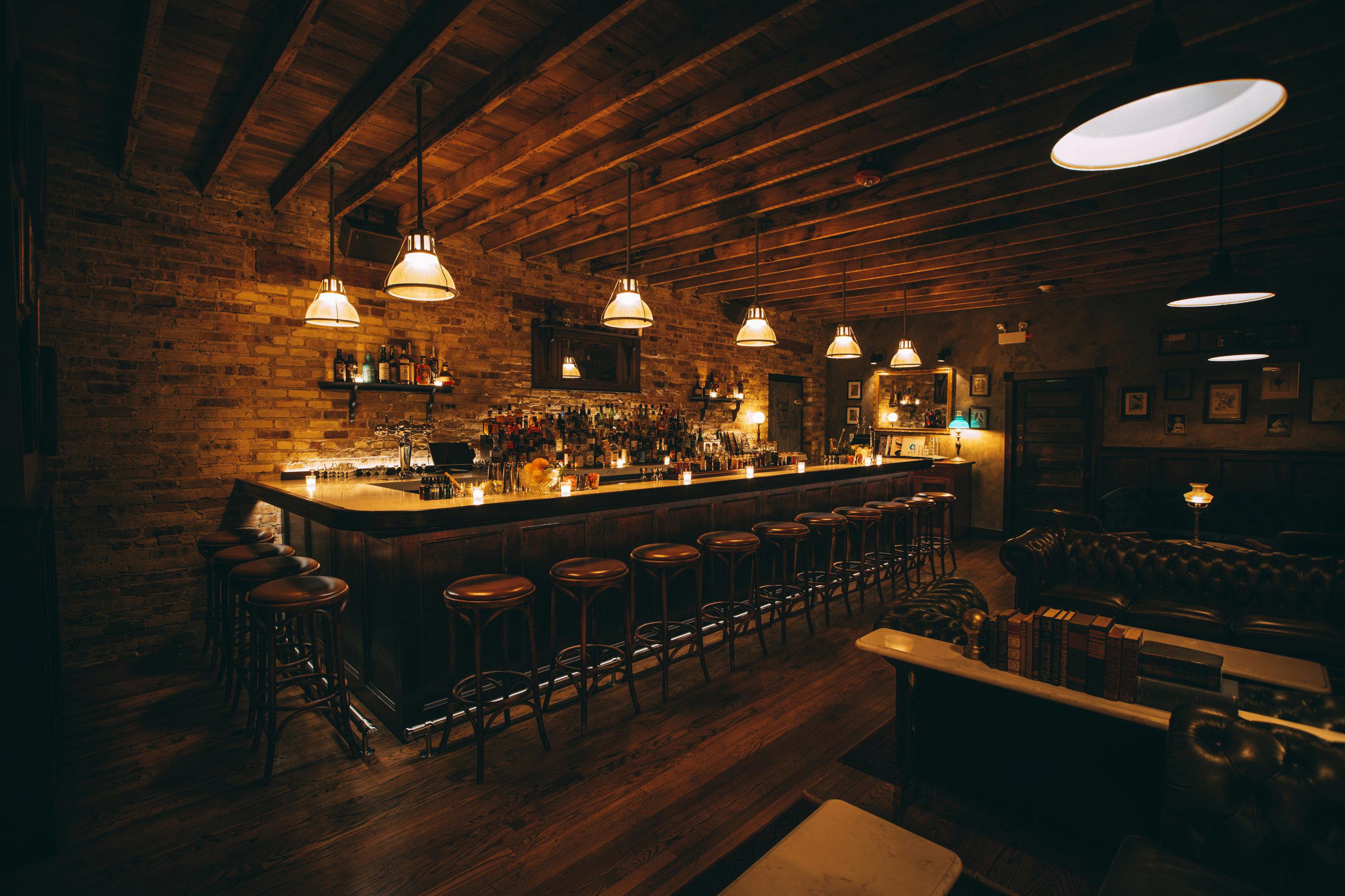
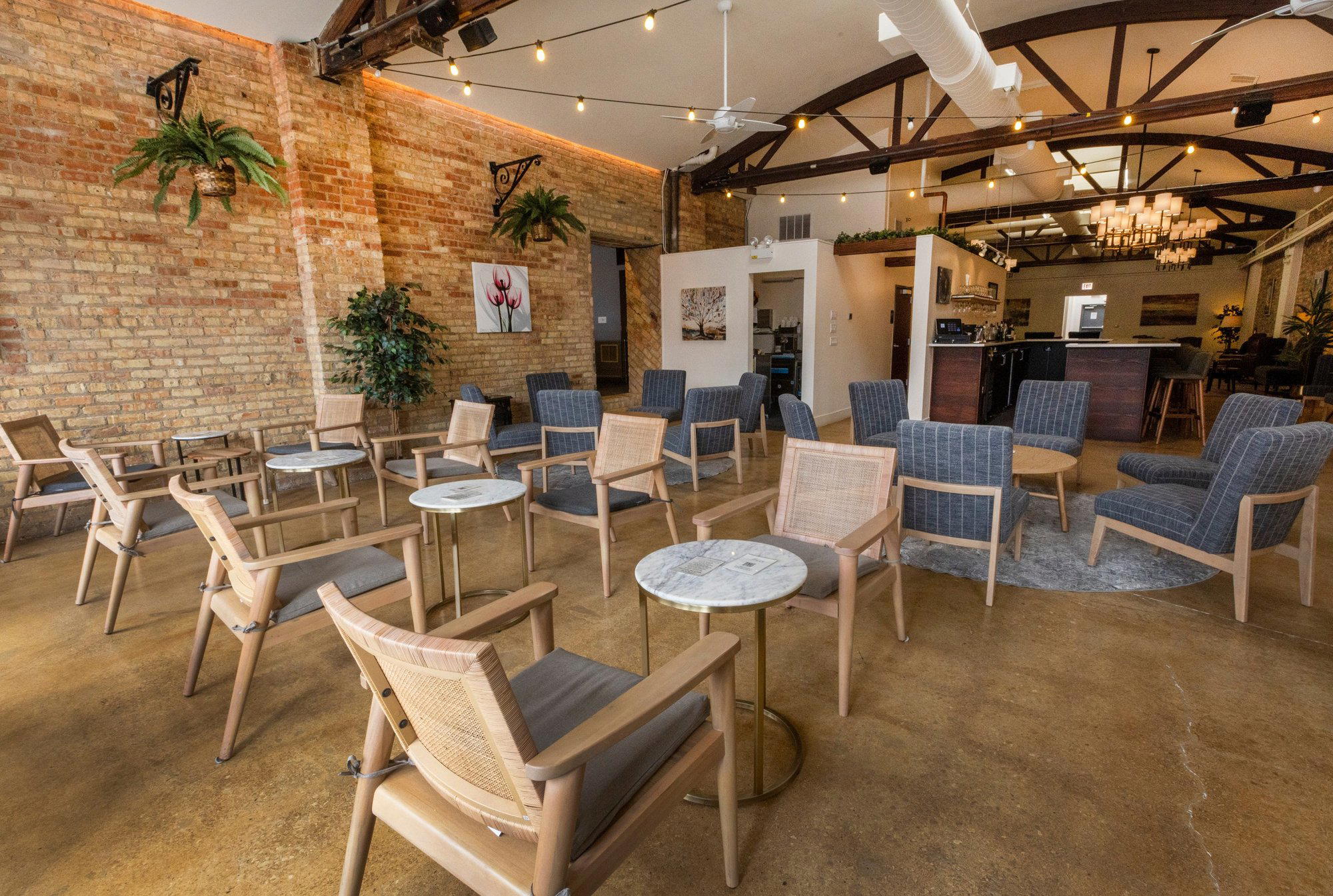
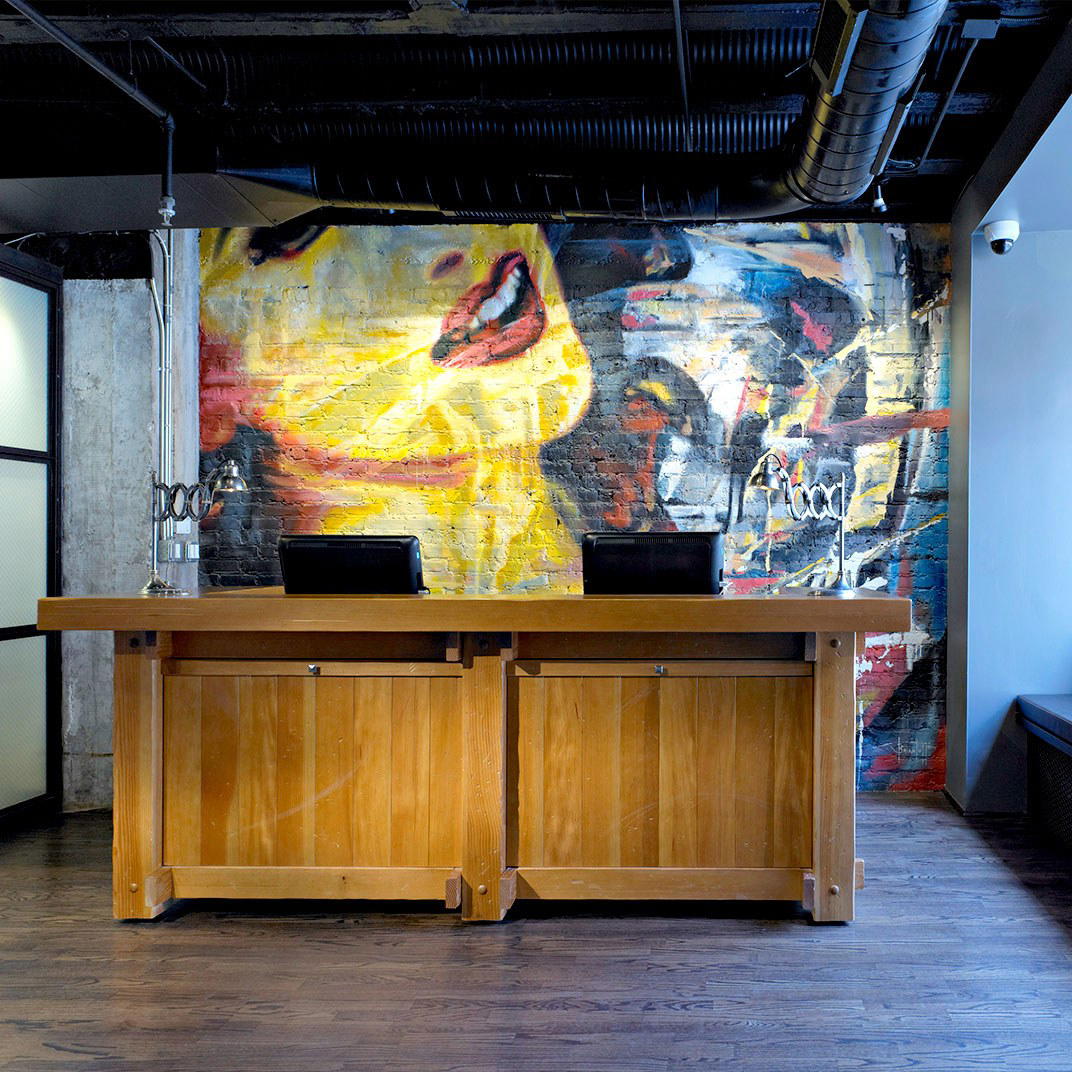
Warm, energetic, and modern dining room with exposed white brick, open kitchen, banquette seating, tight tables, and upbeat music creating a lively, convivial atmosphere.