Lardon


A Michelin Bib Gourmand salumeria on Chicago's North Side, Lardon operates from a historic California Avenue storefront and centres its entire identity on whole-hog butchery, house-cured charcuterie, and the European deli traditions behind them. Curing chambers visible from the dining room hold rows of soppressata, finocchiona, and Spanish chorizo. Weekend evenings shift toward bistro-style plates, but the charcuterie board remains the core argument for the visit.
Pearl is the En Primeur Club membership app — saves, bookings, and concierge access live there. Same editors, same standards.
- Address
- 2200 N California Ave, Chicago, IL 60647
- Phone
- (773) 697-4444
- Website
- lardonchicago.com
- Directions
- Get directions
 Saves & bookings on Pearl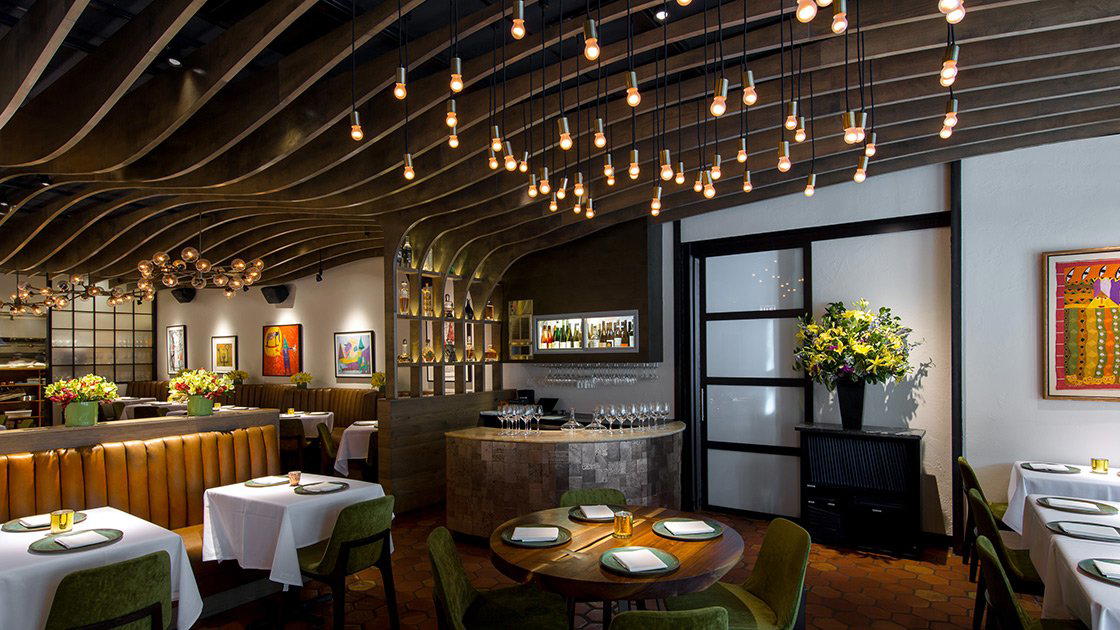
Lardon's Place in Chicago's Deli Tradition
American deli culture has split decisively over the past decade. On one side, the old-school urban deli model, built around volume, familiar cuts, and a narrow repertoire of house preparations, holds its ground in cities like New York and Chicago. On the other, a smaller cohort of salumerias has emerged that frame charcuterie not as a supporting act but as the entire proposition, drawing on European whole-animal traditions, in-house curing programs, and ingredient sourcing that treats the pig the way a fine-dining kitchen treats its proteins. Lardon, operating out of a historic building on North California Avenue in Logan Square, belongs firmly to the second camp. Its 2024 Michelin Bib Gourmand recognition places it alongside Chicago's overachievers on value and consistency, a different comparable set from the city's tasting-menu circuit at places like Alinea, Smyth, or Oriole, but a recognition that carries equal editorial weight for what it signals about quality at a mid-range price point.
The Room Before You Eat Anything
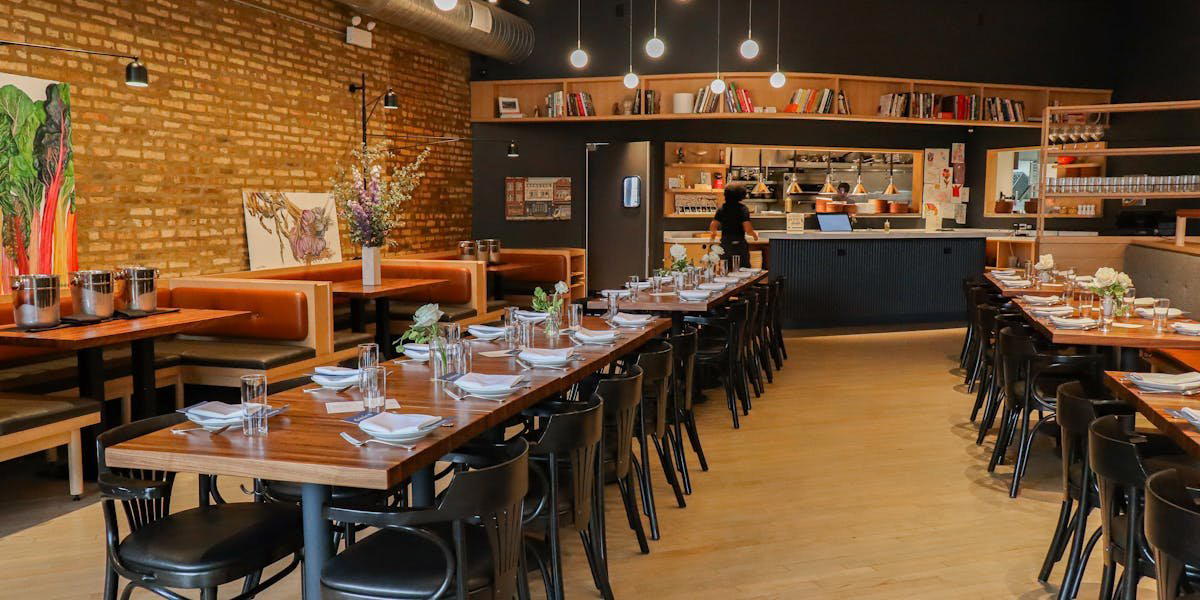
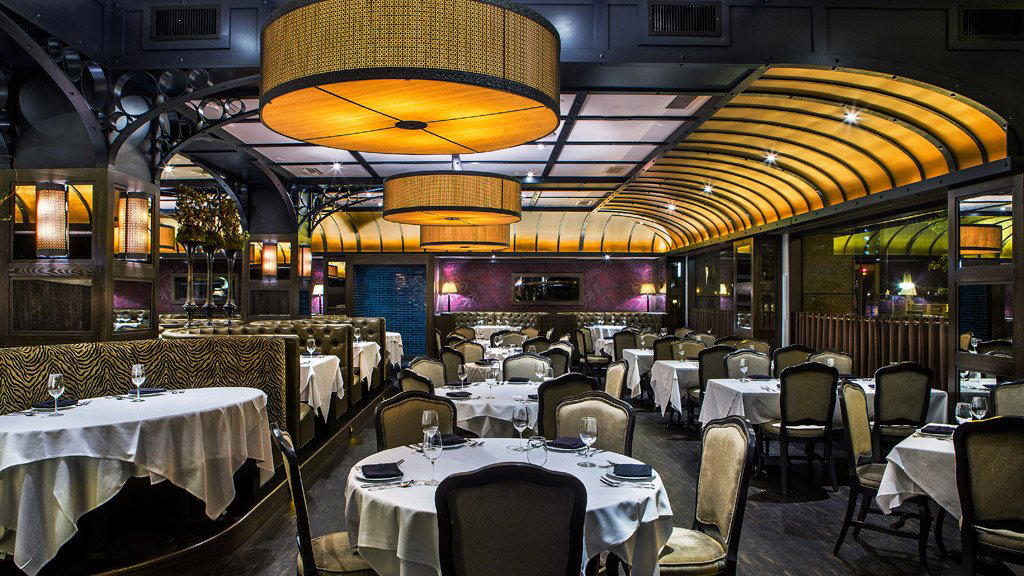
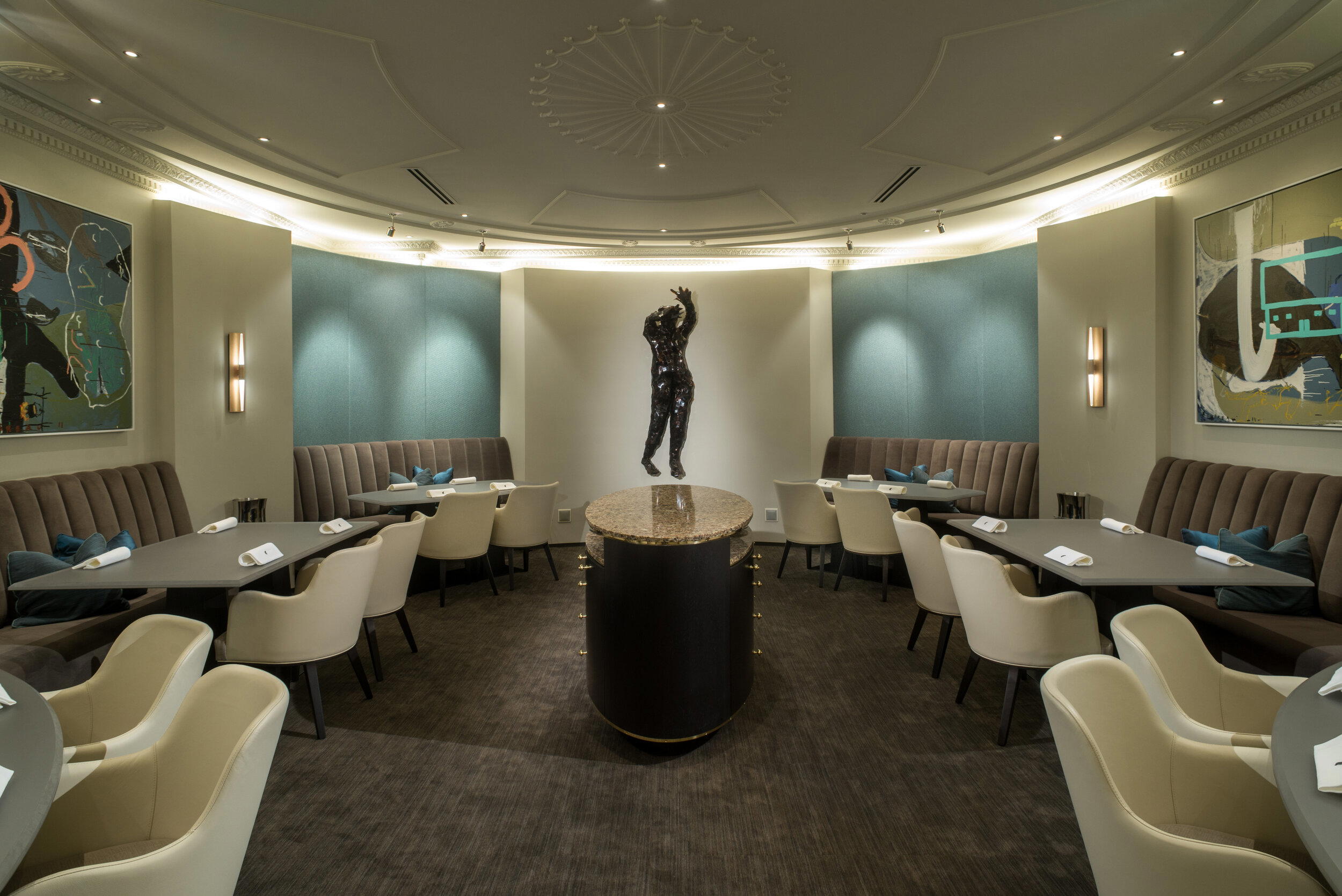
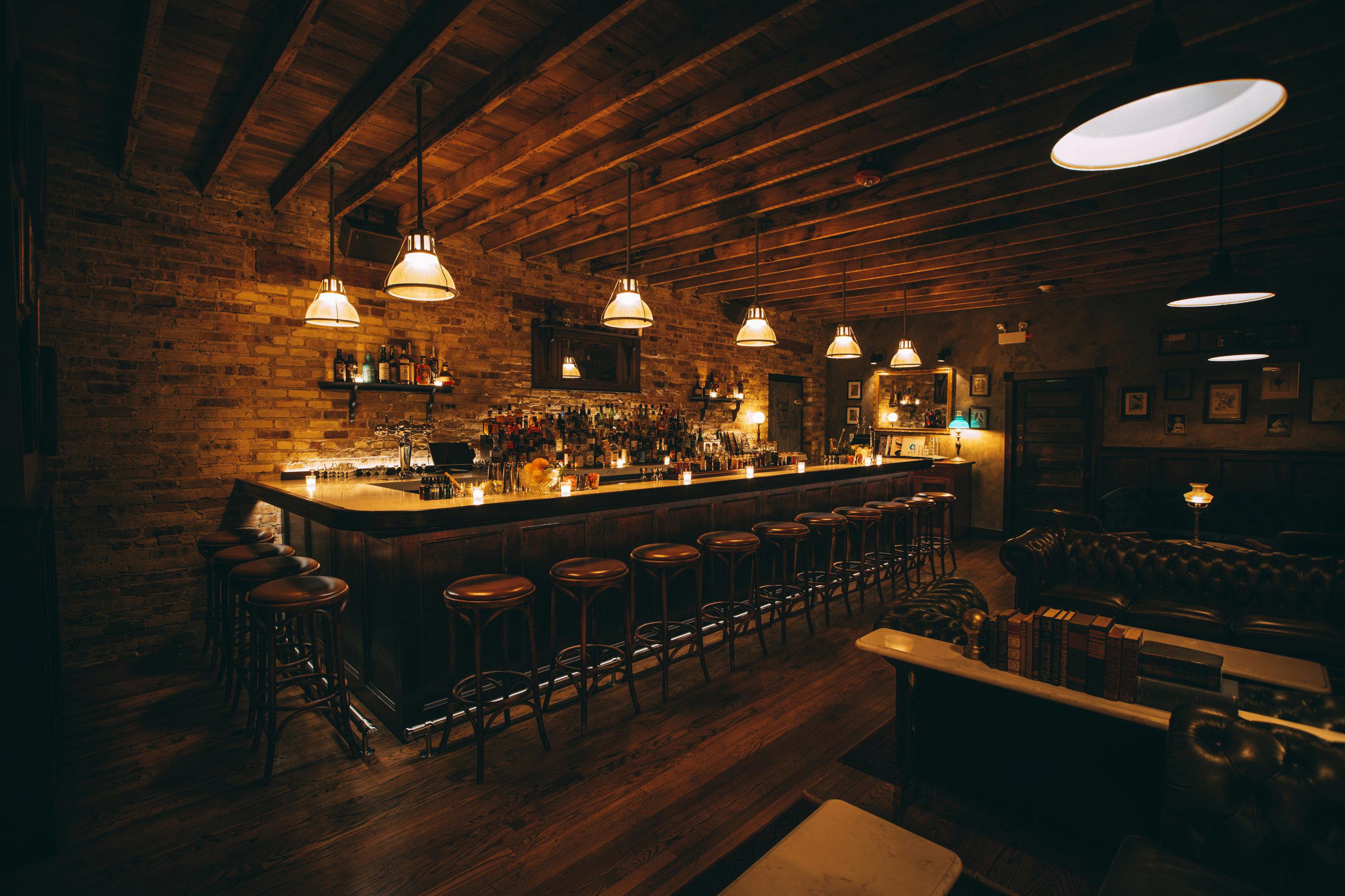
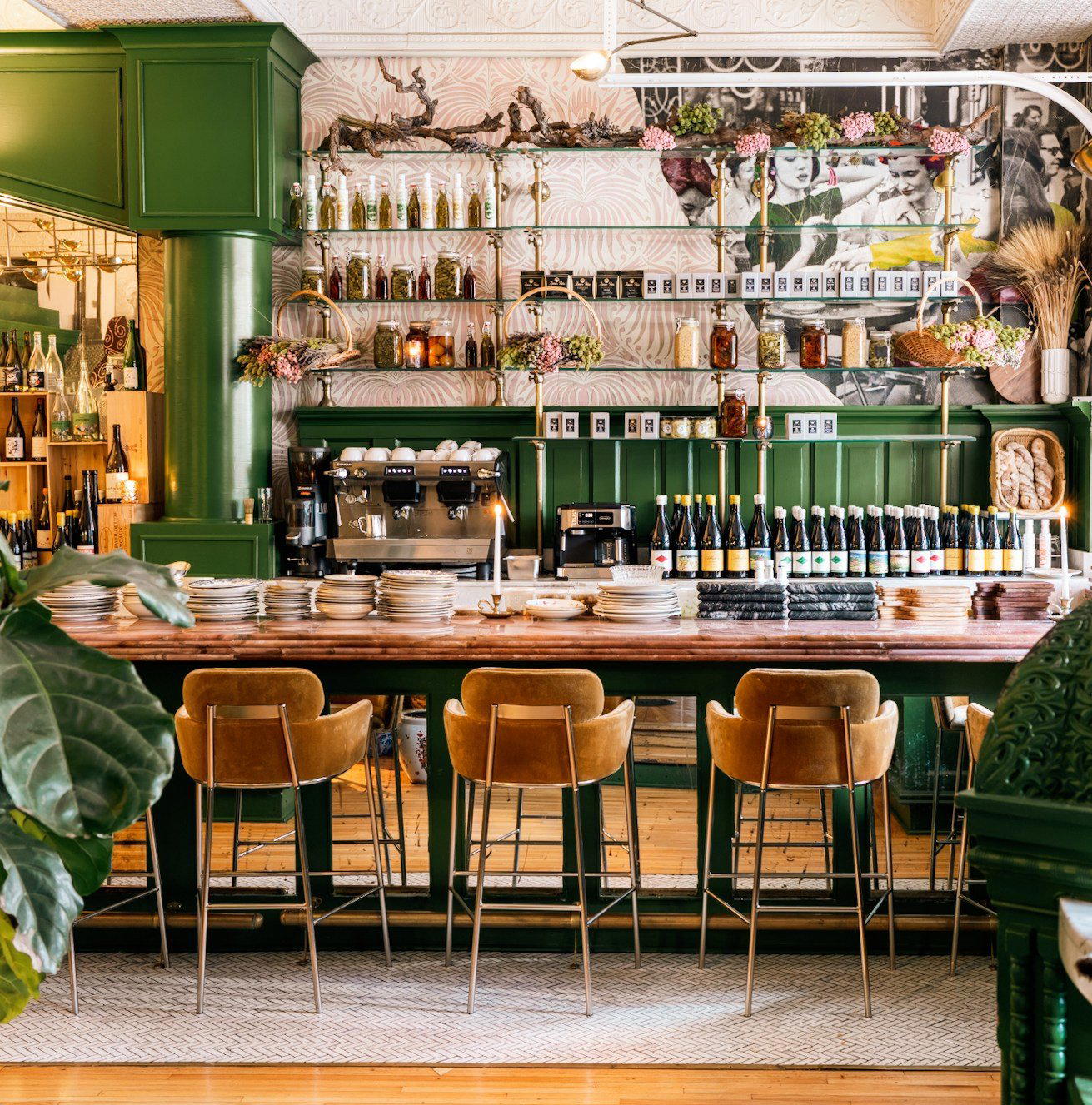
Lardon's building on California Avenue does a portion of the persuasion before a plate arrives. Honeycomb tiled floors and original wood joists place the space in an older Chicago, the kind of neighbourhood storefront that predates the city's current wave of high-gloss hospitality. A cutout of a pig hangs over the door. The curing chamber sits in full view of the dining room, stacked with rows of soppressata, finocchiona, and Spanish chorizo at various stages of the process. In most restaurants, the production happens behind a closed kitchen door. Here, the aging and curing is part of the atmosphere, a transparent demonstration of the time investment behind what arrives on the board. That kind of visible craft operates as a trust signal in itself, the equivalent of an open kitchen at a fine-dining counter, but applied to charcuterie.
Sourcing Logic and the Snout-to-Tail Framework
Whole-hog butchery is a commitment that goes beyond aesthetics. When a kitchen commits to using the entire animal, from snout to tail, sourcing decisions carry amplified consequence. The quality, diet, and provenance of the animal ripples through every preparation, from the lardo (the cured fatback that requires good fat coverage from a well-raised pig) to the fermented and dried sausages that rely on the fat-to-lean ratio of the whole carcass. This is why the European salumeria tradition has always treated pig sourcing as foundational rather than incidental. Lardon operates within that logic, and the curing chamber on display makes the throughline visible: these preparations are not assembled from commodity cuts but developed from whole animals over weeks and months.
Truffled lardo with rosemary sits at one end of that sourcing argument. Lardo is cured fatback, and its quality depends almost entirely on the fat quality of the source animal. When it works, it reads as silk with depth rather than heaviness. The Italiano sandwich layers the same charcuterie craft into a format built for accessibility without sacrificing the underlying rigor. These kinds of preparations connect Lardon's daily operation to a broader North American salumeria movement that has found audiences in cities like Toronto, where SumiLicious Smoked Meat & Deli applies a different regional tradition with the same sourcing-first discipline, and Atlanta, where The General Muir has built a deli identity around provenance and precision.
The Charcuterie Board as Editorial Statement
The charcuterie board format at Lardon functions as a comparative argument. Wooden boards arrive with a selection drawn from the in-house curing program, which encompasses iterations of global sausage-making traditions alongside the core Italian and Spanish repertoire visible in the chamber. This is not the perfunctory meat-and-cheese plate that appears as an afterthought on gastropub menus. The selection reflects a deliberate curation of technique, region, and aging time. The same level of sourcing and production ambition that drives tasting-menu kitchens like Kasama or Next Restaurant is at work here, compressed into a format that arrives on soft deli bread or a wooden board at a price point accessible to a much wider dining public.
The presence of a baby kale and delicata squash salad with pear vinaigrette on the menu signals something important: the kitchen understands that the charcuterie program needs a counterweight. Acidity and vegetable texture make the cured meats more legible, not less. Good salumerias and European charcuterie traditions have always known this, building antipasto courses around pickles, dressed leaves, and acidic condiments that reset the palate rather than compete with it.
Weekend Evenings: A Different Register
On weekend evenings, Lardon moves closer to bistro mode, with steak frites and duck leg confit appearing alongside the all-day charcuterie program. This is a format decision with clear logic: the building's character and the kitchen's technical range can support it, and it extends the restaurant's utility for neighbourhood diners who want a full dinner rather than a board and a glass of wine. The bistro format also places Lardon in a long tradition of French and Italian salumerias that segue from daytime cured-meat retail into evening cooking, where the same sourcing discipline applied to the charcuterie extends to the protein on the dinner plate. For context on how this kind of dual-register approach plays, Lazy Bear in San Francisco and Le Bernardin in New York City each operate with defined format discipline that shapes the entire guest experience.
Logan Square and the North Side Context
Logan Square's dining identity over the past decade has been shaped by independent operators working in historic storefronts, a neighbourhood character that suits Lardon's building and positioning. The area sits within a broader North Side dining corridor that has produced some of Chicago's most discussed independent restaurants.
Know Before You Go
- Address: 2200 N California Ave, Chicago, IL 60647
- Neighbourhood: Logan Square
- Price range: $$ (mid-range)
- Awards: Michelin Bib Gourmand 2024 7 from 294 reviews
- Format: All-day salumeria; weekend evenings shift to bistro-style dinner
- Chef: Rodney Staton
Peers in This Market
Comparable venues nearby, for context on price, style, and recognition.
| Venue | Cuisine | Price | Notes |
|---|---|---|---|
| LardonThis venue — the venue you are viewing | Charcuterie & Salumi Deli | $$ | Not listed |
| Longman & Eagle | Farm-to-Table Gastropub | $$ | Logan Square |
| Union | New American Gastropub | $$$ | Logan Square |
| Publican Quality Meats | American Butcher Shop Café | $$ | Fulton Market |
| Loyalist | Modern American Gastropub | $$$ | West Loop |
| Walker Bros. Original Pancake House | Classic American Pancake House | $$ | null |
Recognition history
Dated appearances from independent guides and award organizations, with the underlying list record or original source where available.
Star Wine List
Star Wine List
Michelin Bib Gourmand
Michelin
Michelin Bib Gourmand
Michelin

At a Glance
- Rustic
- Cozy
- Classic
- Casual Hangout
- Brunch
- Open Kitchen
- Craft Cocktails
- Local Sourcing
Current opening hours
- Monday
- 8 AM–5:30 PM
- Tuesday
- 8 AM–5 PM
- Wednesday
- 8 AM–10 PM
- Thursday
- 8 AM–10 PM
- Friday
- 8 AM–10 PM
- Saturday
- 8 AM–10 PM
- Sunday
- 8 AM–4 PM
Hours can change for holidays and private events. Last verified .
Charming old-world vibe in a historic building with honeycomb tiled floors, original wood joists, exposed brick, and light-filled space.