On the corner of Parami Road in northern Yangon, Minn Lan Moat Ti & Seafood draws a local crowd for Burmese seafood cooking rooted in the ingredients that define the country's coastal and river traditions. The name signals the kitchen's focus: mohinga-style preparations alongside fresh seafood, served in a setting that reflects how most of Yangon actually eats rather than how it performs for visitors.
Pearl is the En Primeur Club membership app — saves, bookings, and concierge access live there. Same editors, same standards.
- Address
- Near RC-2, No.16, Corner of Parami Road and, West May Kha, Yangon, Myanmar (Burma)
- Phone
- +95 9 969 910407
- Website
- minlanseafood.com
- Directions
- Get directions
 Saves & bookings on Pearl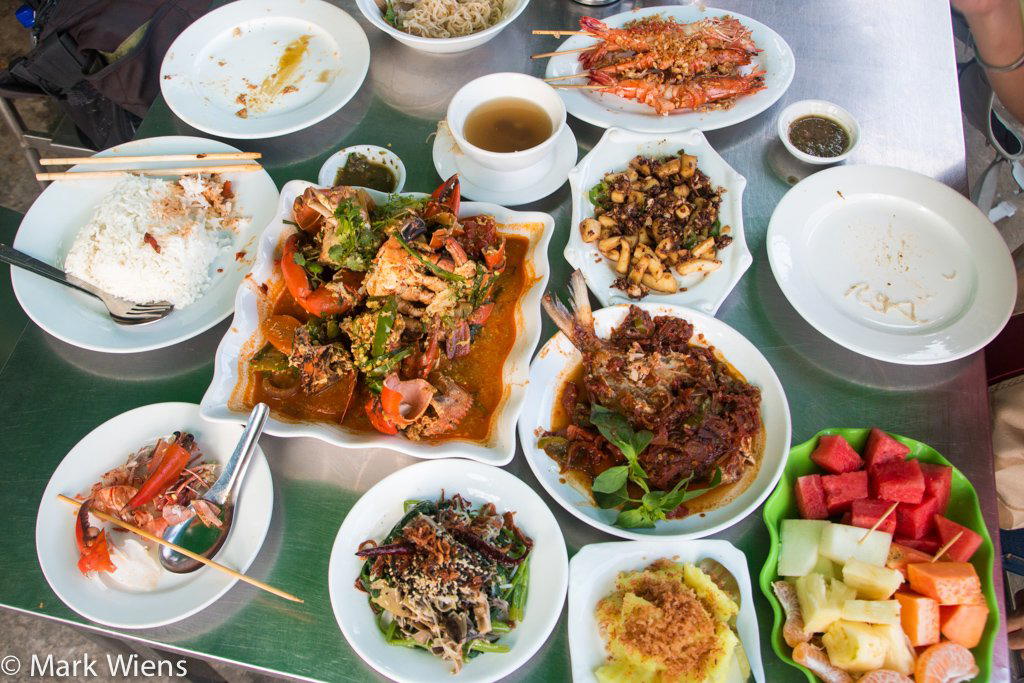
Where Yangon's Seafood Tradition Eats Its Own Lunch
Northern Yangon's dining character differs sharply from the downtown hotel corridors and tourist-facing restaurants around Bogyoke Market. Along Parami Road, in the residential spread beyond the city's commercial core, eating out means neighbourhood spots that have earned loyalty through consistency and ingredient quality rather than presentation or publicity. Minn Lan Moat Ti & Seafood sits at the corner of Parami Road and West May Kha Lane, in exactly that kind of setting: a corner address that functions as a community anchor rather than a destination restaurant in the formal sense.
The name itself carries editorial weight. "Moat Ti" in Burmese points directly to mohinga, the fish-broth noodle soup that functions as Myanmar's closest thing to a national dish. Pairing that with a seafood focus tells you something about what the kitchen prioritises: the sourcing traditions that feed both registers, the fresh-water and coastal fish supply chains that run through Yangon's markets, and the daily discipline of cooking from what arrives rather than what's on a fixed menu. That is a more honest model than it sounds in a city where supply logistics can be inconsistent.
The Ingredient Logic Behind Yangon's Fish Kitchens
Myanmar's seafood access is geographically layered. The Ayeyarwady Delta, which drains into the Andaman Sea just southwest of Yangon, produces catfish, snakehead, and a range of freshwater species that dominate the city's local fish markets. Coastal hauls from the Bay of Bengal add prawns, crabs, and saltwater fish to urban supply, though quality and availability shift with season, weather, and the distance goods travel before reaching a kitchen.
Neighbourhood seafood restaurants along corridors like Parami Road operate closer to the wholesale end of that supply chain than restaurants in central Yangon, partly because the customer base demands it and partly because the real estate model supports tighter margins. The fish that arrives at a local corner spot in this part of the city has often moved through fewer intermediaries than what reaches a downtown dining room. For a cuisine tradition where freshness in the stock pot is the difference between a properly layered mohinga broth and a flat one, that proximity matters in ways that are difficult to replicate through premium positioning alone.
Yangon's mohinga tradition itself deserves that framing. The dish is not a tourist-friendly approximation of something more complex. It is a technically specific preparation: fish-based broth thickened with roasted rice powder or banana stem, served over rice noodles, finished with crispy fritters, boiled eggs, and a range of aromatics. Getting the broth right requires both good fish and the accumulated muscle memory of repetition. Restaurants that name themselves after it are making a claim about mastery of that base preparation.
The Neighbourhood Context and What It Signals
The Parami Road corridor sits in a part of Yangon that has grown substantially over the past two decades as the city expanded northward. The area around the RC-2 intersection carries the character of a self-sufficient urban district: markets, clinics, schools, and the kind of restaurant density that serves people who live and work nearby rather than people who have made a special trip. Minn Lan Moat Ti & Seafood's address at the corner of Parami Road and West May Kha places it inside that pattern.
For the visiting diner, that context is both a practical note and an editorial one. Restaurants that survive and build loyalty in residential Yangon do so without the buffer of a tourist premium. The pricing signals that operate in downtown Yangon, where restaurants can charge for location and familiarity to foreign visitors, do not apply here in the same way. That structure tends to reward quality-to-value ratios that are harder to find in the city's more commercially exposed dining zones.
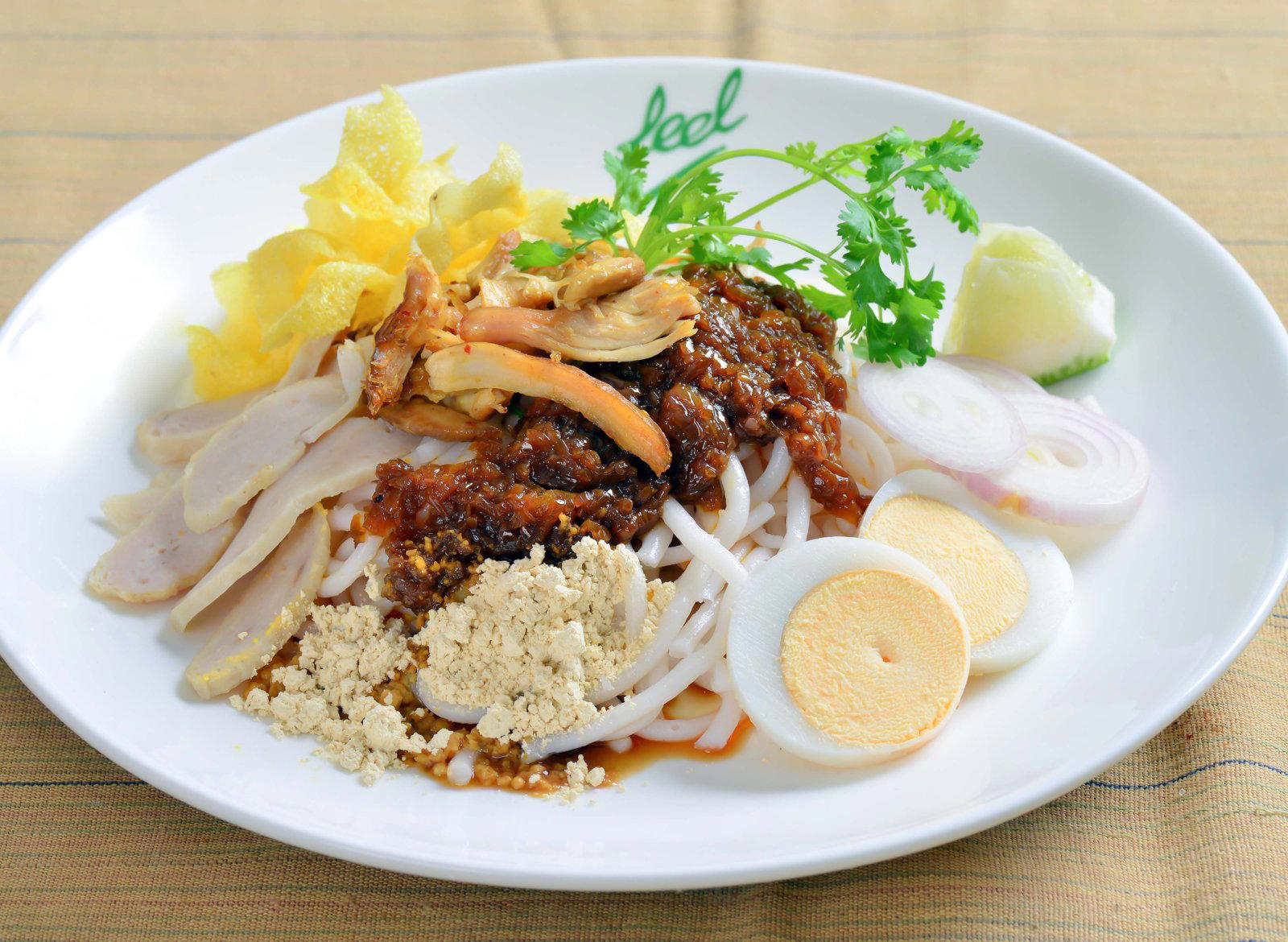
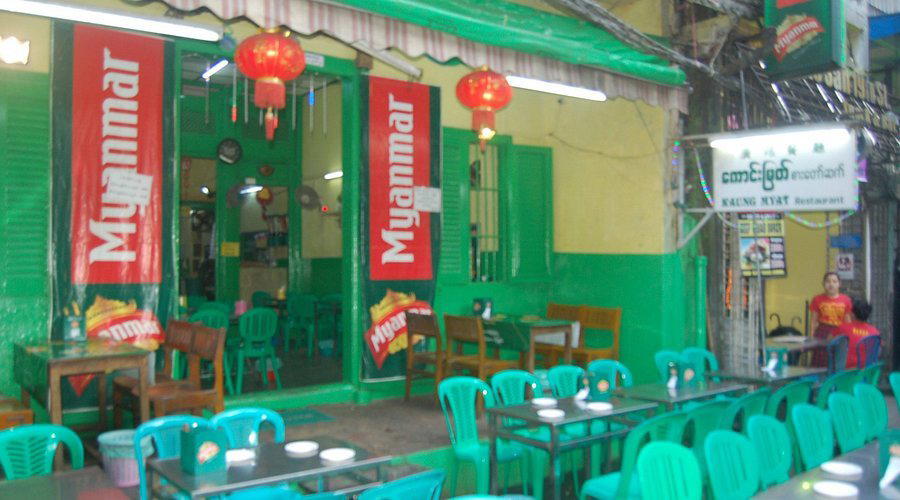
Other Yangon restaurants worth considering alongside this visit include Feel Myanmar Food, Feel Myanmar Restaurant on Pyidaungzu Yeiktha Street, and Kaung Myat Restaurant, each of which addresses a different register of local cooking. Min Lan Seafood operates in a similar seafood-focused lane and provides a useful comparison point within the same broad category. For a more complete picture of where Yangon's dining scene sits across formats and price points, the full Yangon restaurants guide maps the city's options with editorial context. Those seeking a different register entirely, from Sofaer & Co's colonial-era building to the formal service structures of an international fine-dining property like 8½ Otto e Mezzo Bombana or Alain Ducasse at Louis XV, will find those references useful for calibrating expectations across the spectrum. Sofaer & Co in downtown Yangon represents the more curated end of the city's dining offer.
For reference across Myanmar beyond Yangon, the country's broader restaurant picture includes spots like Nanda Restaurant in Nyaung Oo and Sarabha 2 in Nyaung U, both of which serve the archaeological zone around Bagan and show how local cooking traditions translate outside the capital. Roha Korean Restaurant in Kalaw illustrates the more eclectic dining that has emerged in Myanmar's hill station towns.
Planning a Visit
Minn Lan Moat Ti & Seafood's corner address on Parami Road at West May Kha makes it reachable from central Yangon in roughly 30 to 40 minutes by taxi depending on traffic, though Yangon's traffic patterns can extend that significantly during peak hours. The restaurant's residential neighbourhood positioning means it functions as a local daily dining spot rather than a late-night or special-occasion destination, and visiting during normal meal hours, particularly lunch, aligns with the kitchen's operating rhythm. No website or advance booking information is currently confirmed in available records, which is consistent with the walk-in model that most neighbourhood restaurants in this part of the city operate on.
Continue exploring
More in Yangon
Restaurants in Yangon
Browse all →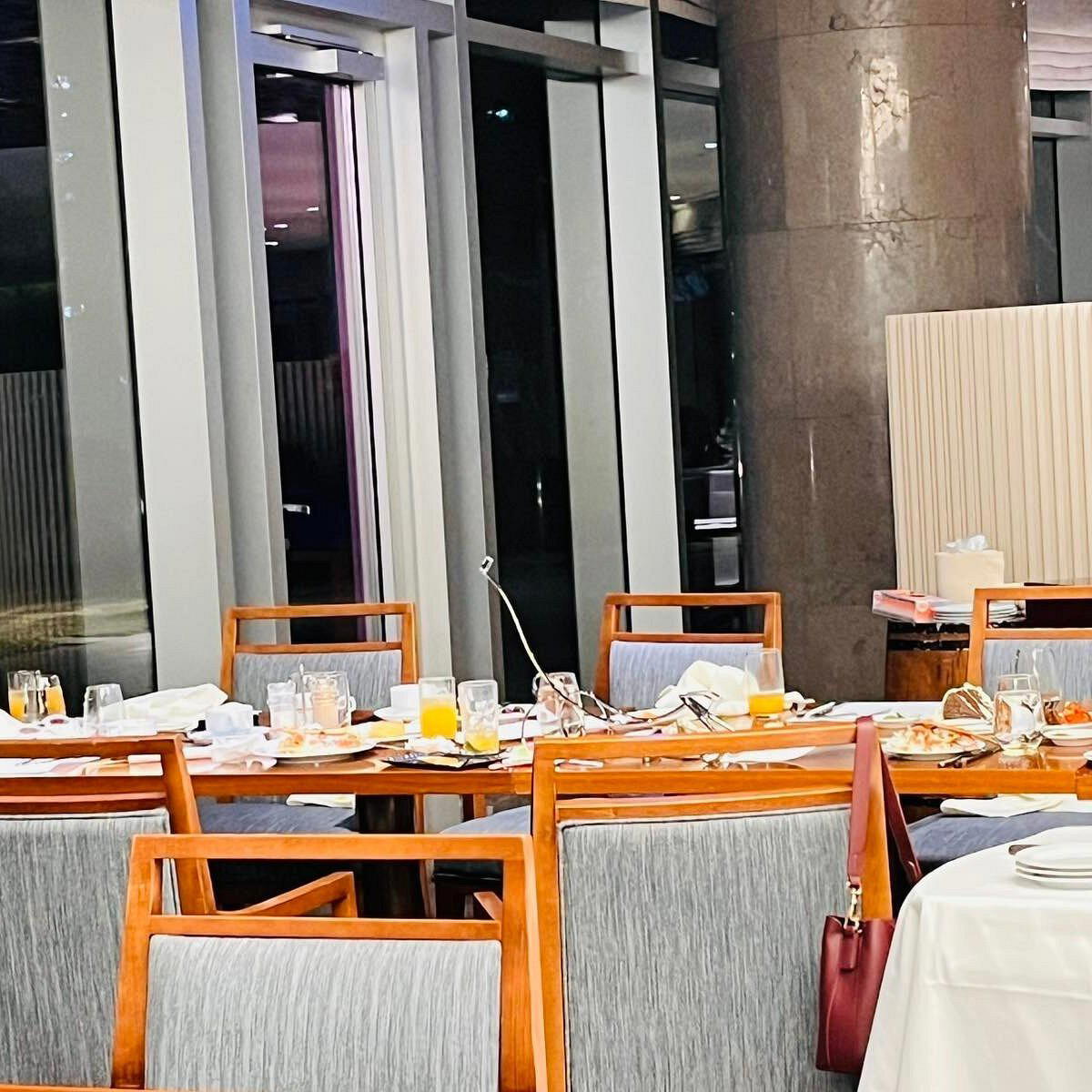
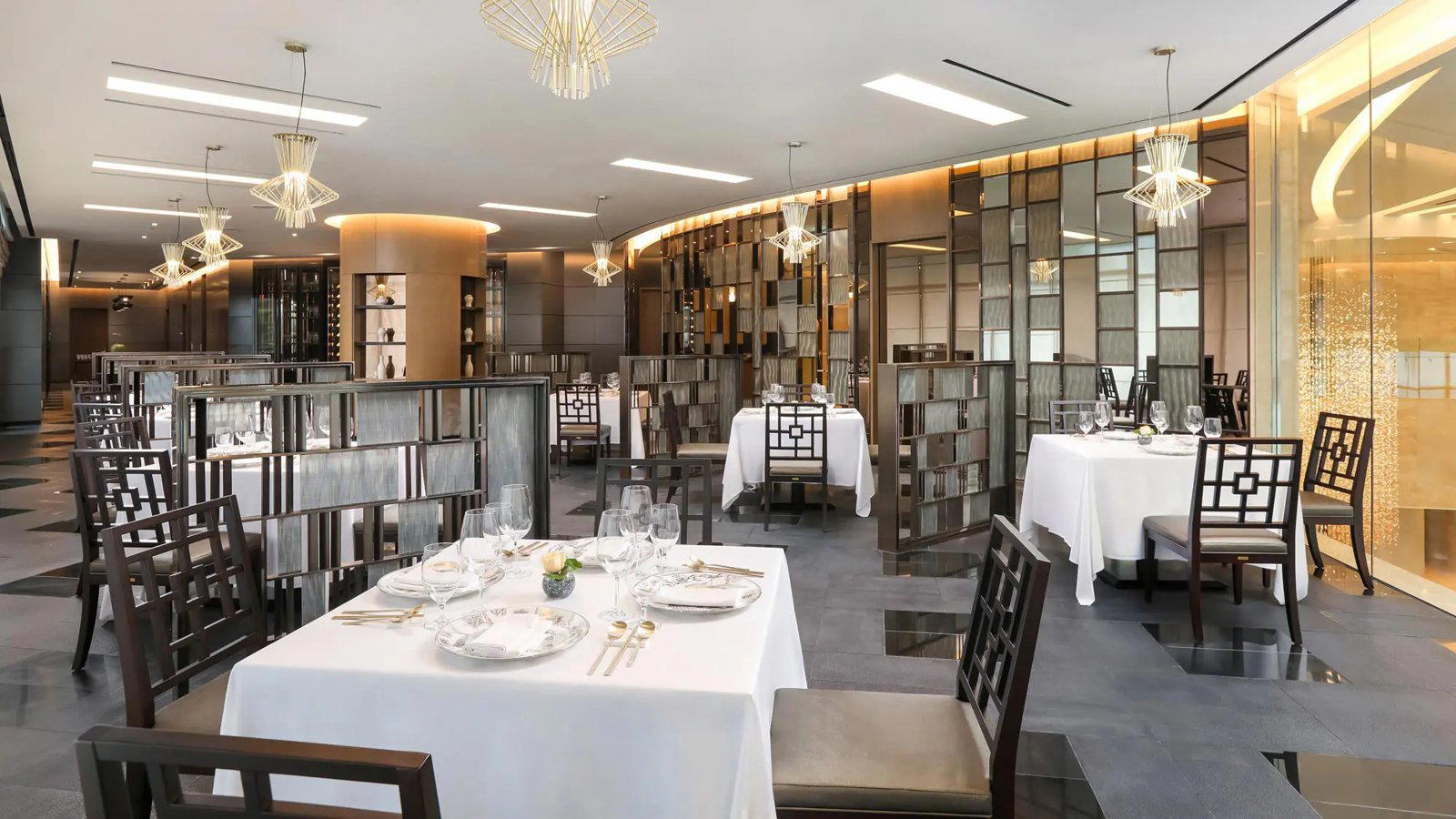
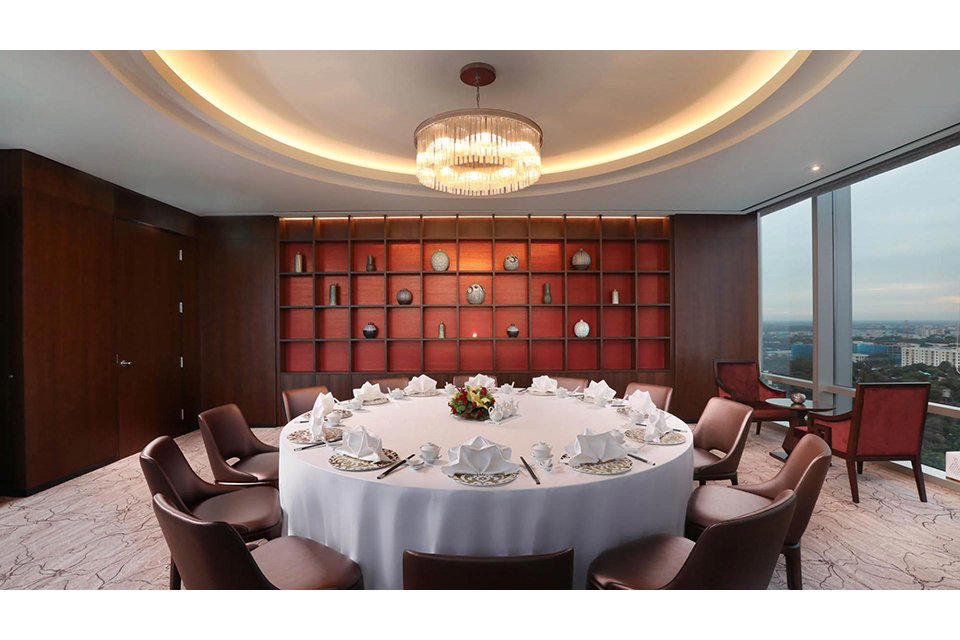
Bars in Yangon
Browse all →
Hotels in Yangon
Browse all →
At a Glance
- Lively
- Well Known
- Casual Hangout
- Group Dining
- Late Night
- Waterfront
- Open Kitchen
- Local Sourcing
- Sustainable Seafood
- Waterfront
Current opening hours
- Monday
- 9 AM–9 PM
- Tuesday
- 9 AM–9 PM
- Wednesday
- 9 AM–9 PM
- Thursday
- 9 AM–9 PM
- Friday
- 9 AM–9 PM
- Saturday
- 9 AM–9 PM
- Sunday
- 9 AM–9 PM
Hours can change for holidays and private events. Last verified .
Bustling and casual with a lively atmosphere; the Kan Taw Gyi location features waterfront views and remains crowded late into the evening.
Know Before You Go
- Getting there
- Near RC-2, No.16, Corner of Parami Road and, West May Kha, Yangon, Myanmar (Burma)