“The Sofaer building was once one of the swankiest department stores in Rangoon. A century ago in Kipling’s poem, ‘Mandalay’ was beckoning the overheated imaginations of a generation of young Englishmen. Here you could buy fine Egyptian cigarettes, French liqueurs. The floor tiles were shipped over from Manchester. Now people live here. A half-century of a pariah state has left few of these buildings in good repair. And there are divergent views on whether to preserve them. For many, a reminder of colonial subjugation; for others, vestige of a golden time.”
Pearl is the En Primeur Club membership app — saves, bookings, and concierge access live there. Same editors, same standards.
- Address
- Yangon, Myanmar (Burma)
- Phone
- +95 9 44833 3499
- Directions
- Get directions
 Saves & bookings on Pearl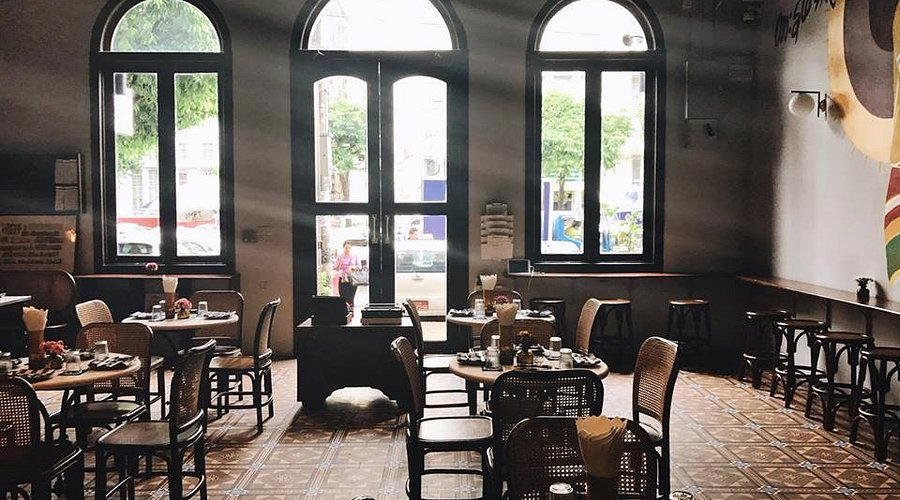
A Colonial Address in a City Rewriting Its Own Story
Yangon carries its architectural history in layers that most Southeast Asian capitals long ago paved over. The downtown grid, laid out under British administration in the nineteenth century, still holds some of the densest concentrations of colonial-era commercial buildings in the region, many of them in various states of repair, reinvention, or quiet abandonment. It is into this context that Sofaer & Co sits, a name drawn directly from the city's mercantile past, when Baghdadi Jewish trading families, among them the Sofaer family, shaped significant portions of Yangon's commercial and architectural fabric. The building itself is part of that inheritance, and arriving here is an exercise in reading the city rather than escaping it.
Downtown Yangon, particularly the Pabedan and Kyauktada townships, has seen a gradual accumulation of cafes, wine bars, and hospitality concepts over the past decade, most of them occupying colonial shophouses or former office buildings. The pattern across the district runs toward atmosphere-driven venues that use the physical fabric of the buildings as a primary draw, supplementing it with food and drink programs that range widely in ambition. Sofaer & Co fits inside that pattern, where the address itself carries editorial weight before a single dish or drink arrives.
The Neighbourhood Frame
Understanding what Sofaer & Co offers requires understanding where it sits. Yangon's colonial core is not a heritage precinct in the managed, sanitised sense of Georgetown in Penang or the French Quarter in New Orleans. It is a working city district where crumbling Edwardian facades share blocks with active markets, government offices, and everyday commerce. This unmediated quality is precisely what draws a certain kind of traveller, one less interested in reproduced heritage and more interested in the real friction of a city in transition.
Venues that position themselves in this district implicitly take on the neighbourhood's character as part of their offer. The walk to a dinner reservation here passes tea shops operating since independence, street vendors whose menus have not changed in decades, and the occasional art-deco building whose ground floor has become a mobile phone shop while its upper storeys remain unchanged since 1940. For travellers arriving from the more controlled hospitality environments of Bangkok or Singapore, this is a substantively different register, and it informs the experience at any venue operating within it, including Sofaer & Co.
For a broader mapping of how this venue sits within the city's dining scene, our full Yangon restaurants guide places it alongside the range of options across the city's neighbourhoods and price tiers.
Myanmar Dining in Context
Myanmar cuisine remains significantly underrepresented on the international dining circuit relative to its actual depth and regional variety. The cuisine draws from Bamar, Shan, Rakhine, Mon, and Kachin traditions, among others, producing a culinary range that does not reduce to a single defining characteristic. Fermented ingredients, particularly ngapi (fermented fish paste) and laphet (pickled tea leaf), recur across the table in ways that signal the cuisine's complexity to those paying attention. Mohinga, the fish-based noodle soup widely eaten at breakfast, operates at a different register from the oil-forward curries of a midday meal, which in turn differ from the lighter salad preparations that characterize Shan cooking.
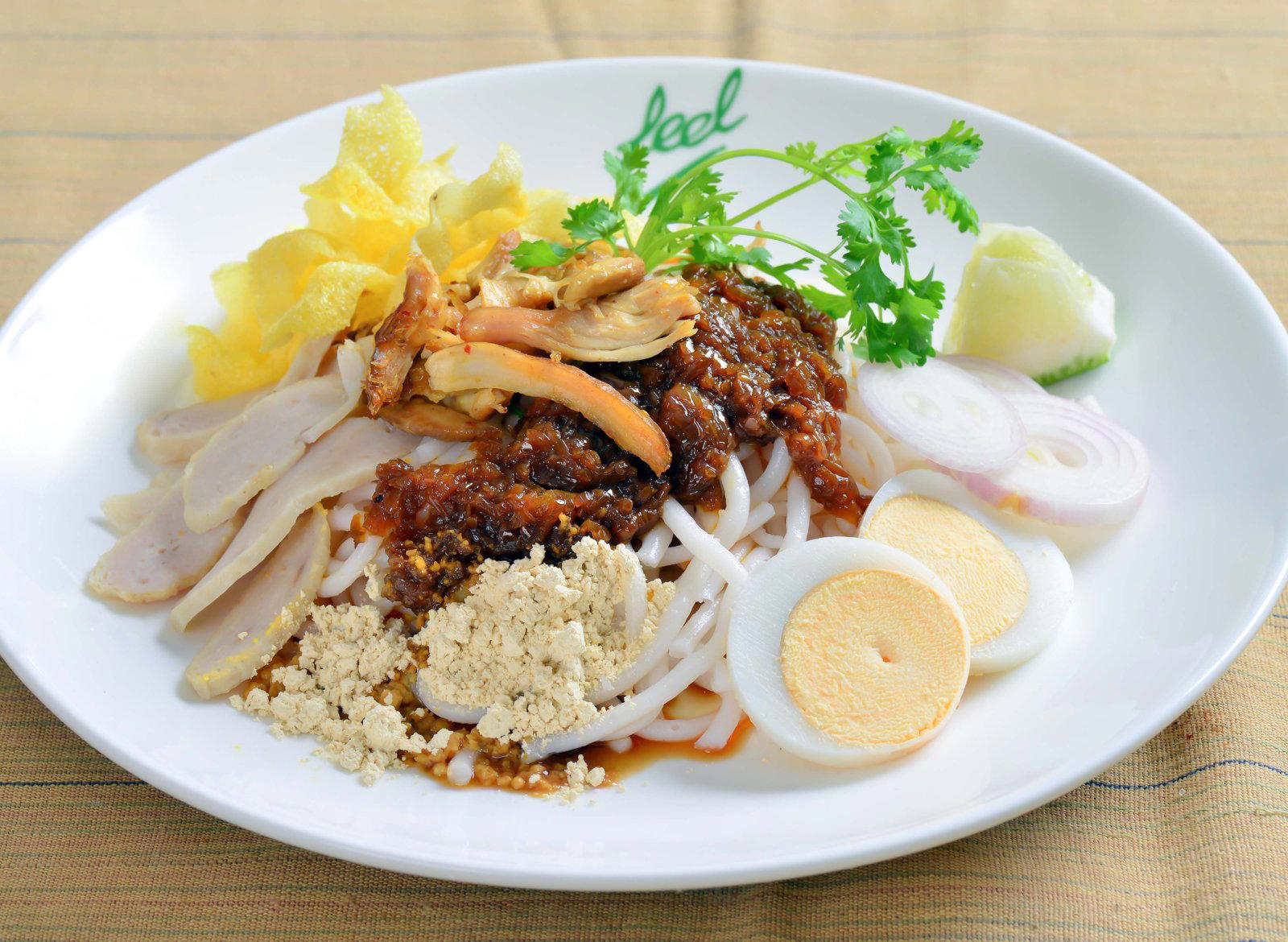
In Yangon specifically, the dining market splits between local establishments serving the city's own residents and venues calibrated toward the international visitor and expatriate community. The former category includes places like Feel Myanmar Food and Feel Myanmar Restaurant on Pyidaungzu Yeiktha Street, which serve traditional preparations at local price points with little concession to international dining conventions. Kaung Myat Restaurant and the seafood-focused Min Lan Seafood and Minn Lan Moat Ti & Seafood represent the city's more ingredient-driven end of everyday dining, where freshness and preparation technique matter more than setting or service format.
Sofaer & Co occupies a different position in this spread, where the colonial building, the name's historical resonance, and the international hospitality register it implies place it in a tier designed for visitors and residents who want the city's atmosphere without full immersion in the local dining mode. This is not a criticism. Cities at Yangon's stage of hospitality development need venues that can bridge those registers, and the better ones do it without erasing their location's actual character.
Placing Sofaer & Co in a Global Frame
For travellers whose reference points run toward structured fine dining, it is worth noting the distance in format and ambition between what a venue like Sofaer & Co represents and what is on offer at, say, Atomix in New York City, HAJIME in Osaka, or Le Bernardin in New York City. The comparison is not unflattering to Yangon venues; it simply maps the different axes on which they compete. A colonial-building hospitality concept in a city like Yangon earns its position through atmosphere, historical legibility, and the quality of its local sourcing and execution, not through the tasting-menu architecture that defines venues like Atelier Moessmer Norbert Niederkofler in Brunico or Dal Pescatore in Runate.
The more useful peer comparisons for Sofaer & Co are other heritage-building hospitality concepts in cities where the built environment itself is a primary draw, where a venue's contribution is partly curatorial, presenting a space and a history rather than primarily a culinary program. In that frame, the quality of curation, the sensitivity of the restoration or adaptation, and the coherence between setting and offer matter considerably. Venues like Lazy Bear in San Francisco or Emeril's in New Orleans, which each operate with strong sense-of-place programming, offer a different model of how location and concept can reinforce each other.
Beyond Yangon: Myanmar's Dining Geography
Travellers spending time in Myanmar beyond Yangon will find a dining scene that varies sharply by region. In Nyaung U, near Bagan, Sarabha 2 Restaurant and Nanda Restaurant in Nyaung Oo serve the particular demographic of temple-circuit visitors, calibrating their menus accordingly. In Kalaw, Roha Korean Restaurant represents the kind of international-cuisine presence that accumulates in trekking-hub towns across Southeast Asia. The Golden Duck Restaurant in Mandalay places Chinese-influenced cooking within the northern city's own demographic composition.
Yangon, by contrast, holds the country's most layered hospitality offer, concentrated in a downtown whose physical fabric is itself an argument for the city's complexity. Sofaer & Co, carrying a name directly tied to that history, sits at an interesting intersection between the city's past and its current attempt to build a hospitality identity that international visitors can access without the experience being entirely filtered for them.
Planning a Visit
Given Yangon's hospitality environment and the political and logistical pressures the country has faced in recent years, operational details for venues across the city can shift without the kind of online visibility that venues in more stable markets maintain. Direct confirmation is advisable before building an itinerary around any specific Yangon venue. For travellers with more flexibility, arriving in the downtown area and reading the neighbourhood in person remains one of the more reliable ways to find what is currently operating and at what quality level.
Continue exploring
More in Yangon
Restaurants in Yangon
Browse all →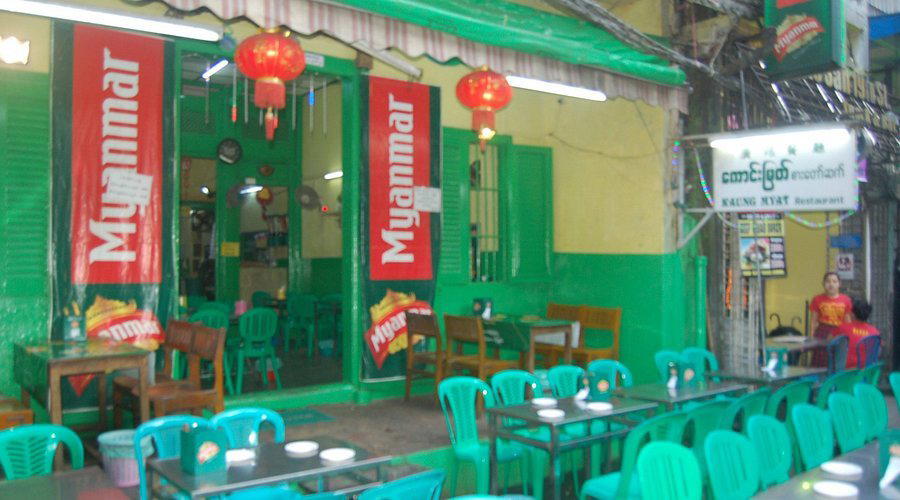
Bars in Yangon
Browse all →
Hotels in Yangon
Browse all →
At a Glance
- Modern
- Cozy
- Elegant
- Classic
- Casual Hangout
- Date Night
- Brunch
- Open Kitchen
- Historic Building
- Craft Cocktails
- Local Sourcing
Relaxed and soft lighting in a preserved historic building featuring antique tiles, exposed brick, wooden paneling, and rattan furniture creating a quirky, chilled colonial atmosphere.
Know Before You Go
- Getting there
- Yangon, Myanmar (Burma)