Sarabha 2 Restaurant sits in Old Bagan, a district where the density of ancient temples shapes what little commercial life exists nearby. In a town with limited dining options outside of hotel restaurants, it represents a locally rooted alternative for travellers moving through Nyaung U. Check our full Nyaung U guide for current context before visiting.
Pearl is the En Primeur Club membership app — saves, bookings, and concierge access live there. Same editors, same standards.
- Address
- 5VF8+54H, Old Bagan, Myanmar (Burma)
- Phone
- +95 9 40152 7303
- Website
- google.com
- Directions
- Get directions
 Saves & bookings on Pearl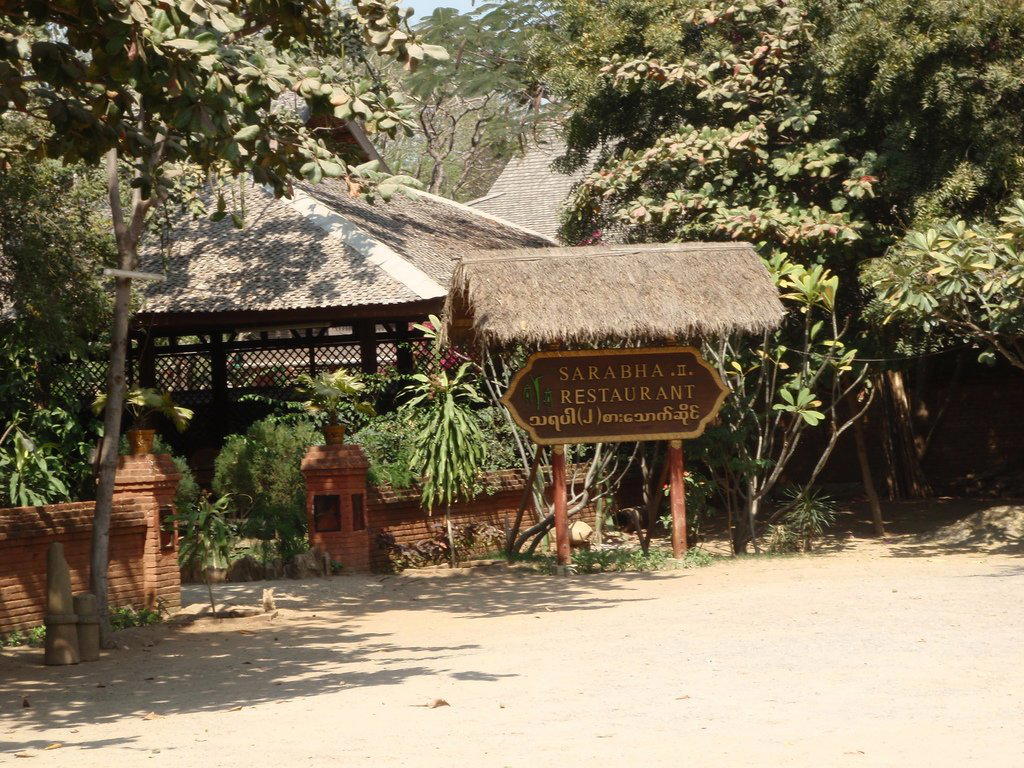
Eating in the Shadow of Old Bagan
Old Bagan is not a dining destination in the conventional sense. The plain surrounding Nyaung U holds more than two thousand temples, pagodas, and shrines built across several centuries, and the infrastructure that grew up around them has always served archaeology and pilgrimage before gastronomy. Restaurants here operate in a context shaped by geography, limited supply chains, and a visitor base that arrives primarily to see the temples rather than to eat. That context matters when assessing any table in the area, including Sarabha 2 Restaurant, which sits within the Old Bagan zone referenced by the plus-code address 5VF8+54H.
For travellers used to the dining density of Yangon or Mandalay, the shift to Nyaung U requires recalibrating expectations. The town's restaurant scene runs narrower than either of those cities. A handful of locally run rooms serve Myanmar staples, some hotel dining rooms offer buffet formats aimed at tour groups, and a small number of spots have built reputations among independent travellers through word of mouth rather than formal recognition. Sarabha 2 sits in that middle tier of the local scene, a place that draws visitors looking for something beyond the hotel buffet without requiring the dining infrastructure of a larger city. See our full Nyaung U restaurants guide for broader context on where this fits in the current local picture.
Ingredient Geography in a Temple Town
The ingredient question in Bagan is one that rarely gets asked by visitors, but it shapes every plate that arrives at the table. Nyaung U sits in the dry zone of central Myanmar, a region of low rainfall and sandy soil that produces a different agricultural profile than the delta or the Shan highlands. Sesame, groundnuts, and pulses grow here. Certain vegetables are available in abundance from local markets along the Nyaung U market road, which has operated as a produce hub for the surrounding villages for generations. Meat comes primarily from local sources, as does freshwater fish from the Irrawaddy, which runs immediately west of the Old Bagan zone.
The supply chain for restaurants in this area is short by necessity rather than by philosophical choice, which gives the food a regional specificity that more cosmopolitan menus lack. Myanmar cuisine in the dry zone tends toward dishes built around fermented bean paste, dried shrimp, and oil-forward preparations that reflect both the agricultural output of the region and the influence of centuries of trade along the Irrawaddy corridor. Restaurants like Nanda Restaurant in Nyaung Oo operate within this same regional ingredient logic, where what is available locally defines what appears on the menu. The sourcing story here is not a marketing position; it is a structural feature of cooking in central Myanmar.
For comparison, consider how differently ingredient sourcing functions at a place like Feel Myanmar Restaurant in Yangon, where proximity to the delta and international import routes creates a broader palette. The constraint of cooking in Bagan produces something more particular, if less varied.
The Format and the Feel
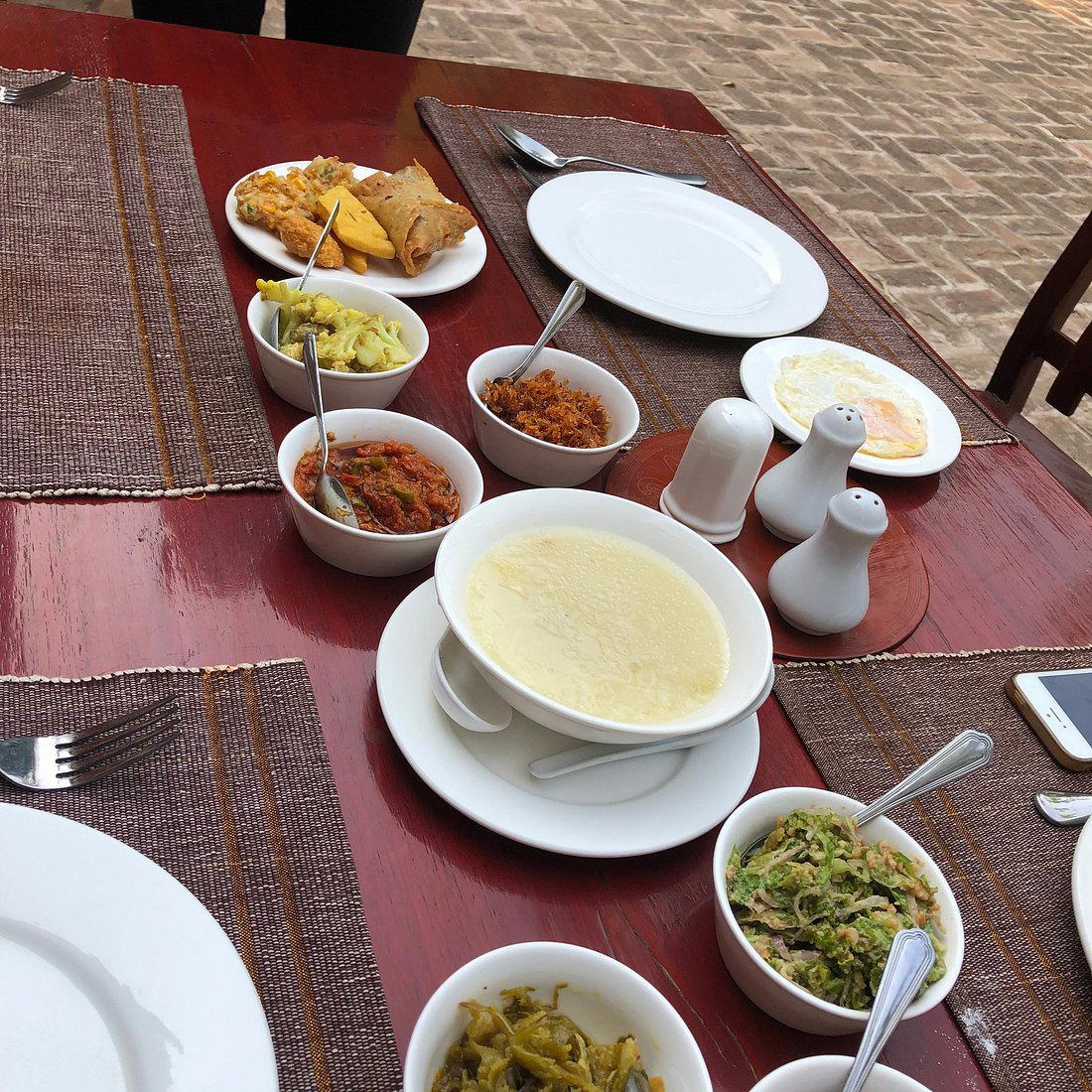
Myanmar's local restaurant culture, especially outside the major cities, tends toward informal and functional spaces. Seating is typically open-air or semi-open, with overhead fans running through the heat of the day, and service follows an unpretentious, direct pattern that reflects how locals actually eat. Meals arrive quickly and in volume rather than in sequence, with multiple dishes shared across the table. Rice is central, curries arrive alongside, and the meal is built for sharing rather than individual plating.
This format sits in the same register as locally rooted rooms across the region, from the tea-house tradition of Mandalay to the market-adjacent restaurants that operate across the Shan plateau. At the more formal end of the Myanmar restaurant spectrum, you find places like Golden Duck Restaurant in Mandalay, where the format accommodates larger groups and more elaborate preparations. Sarabha 2 operates at a more immediate, less structured register than that tier, consistent with what Nyaung U's visitor base and local economy support.
Travellers who have moved through Kalaw or similar smaller Myanmar towns will recognise the template. Roha Korean Restaurant in Kalaw illustrates how even internationally oriented restaurants in smaller Myanmar towns adapt to local infrastructure and audience. The texture of eating in these places differs markedly from the more technically deliberate environments you find at restaurants like Atomix in New York or HAJIME in Osaka, and the comparison is worth making not to rank them but to clarify what kind of experience Nyaung U actually offers.
Planning Your Visit
Bagan operates on a distinct seasonal rhythm. The cooler months from November through February draw the heaviest concentration of visitors, when hot air balloon flights over the temple plain are operational and temperatures stay manageable. March through May brings extreme heat that changes how you move through the site and where you want to be during midday hours. The monsoon arrives in June and runs through October, thinning crowds considerably. Each season shapes the dining scene differently: in peak months, restaurants fill with international visitors and service patterns adjust accordingly, while the shoulder and low seasons return the town to something closer to its local cadence.
Nyaung U's restaurant strip runs along the main road between the market and the old town, with Old Bagan itself a short distance south by bicycle or e-bike, which remain the practical transport choice for most visitors to the temple zone. The question of whether to reserve ahead depends heavily on which season you arrive in; during peak months, small local restaurants can fill without much warning, particularly in the evenings when temple-watching tourists cluster for dinner. The venue database carries no phone or website for Sarabha 2, which suggests walk-in remains the likely approach, as it is for most restaurants at this level in the Nyaung U area.
| Venue | Cuisine |
|---|---|
| Sarabha 2 RestaurantThis venue — the venue you are viewing | This venue |
Continue exploring
More in Nyaung U
Restaurants in Nyaung U
Browse all →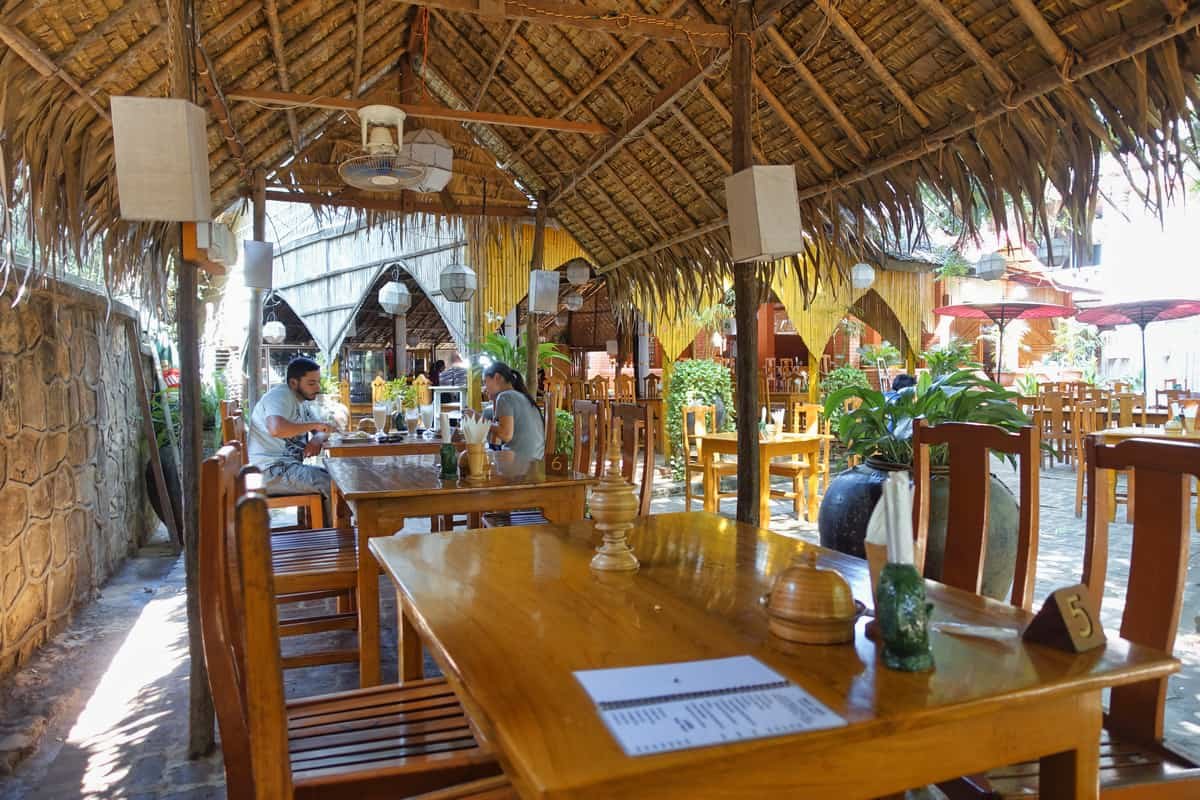
At a Glance
- Casual
- Rustic
- Group Dining
- Casual Hangout
- Family
- Standalone
Current opening hours
- Monday
- 8 AM–9 PM
- Tuesday
- 8 AM–9 PM
- Wednesday
- 8 AM–9 PM
- Thursday
- 8 AM–9 PM
- Friday
- 8 AM–9 PM
- Saturday
- 8 AM–9 PM
- Sunday
- 8 AM–9 PM
Hours can change for holidays and private events. Last verified .
Know Before You Go
- Getting there
- 5VF8+54H, Old Bagan, Myanmar (Burma)