On Pyidaungzu Yeiktha Street in central Yangon, Feel Myanmar Restaurant represents the kind of mid-range local dining that anchors neighbourhoods across the city. The kitchen draws on the agricultural breadth of Myanmar, where riverine, highland, and coastal produce converge in a single national cuisine. For visitors wanting context beyond hotel buffets, this address offers direct access to that tradition.
Pearl is the En Primeur Club membership app — saves, bookings, and concierge access live there. Same editors, same standards.
- Address
- No. 124 Pyidaungzu Yeiktha Street, Yangon, Myanmar (Burma)
- Phone
- +95 9 730 48783
- Website
- feelrestaurants.com
- Directions
- Get directions
 Saves & bookings on Pearl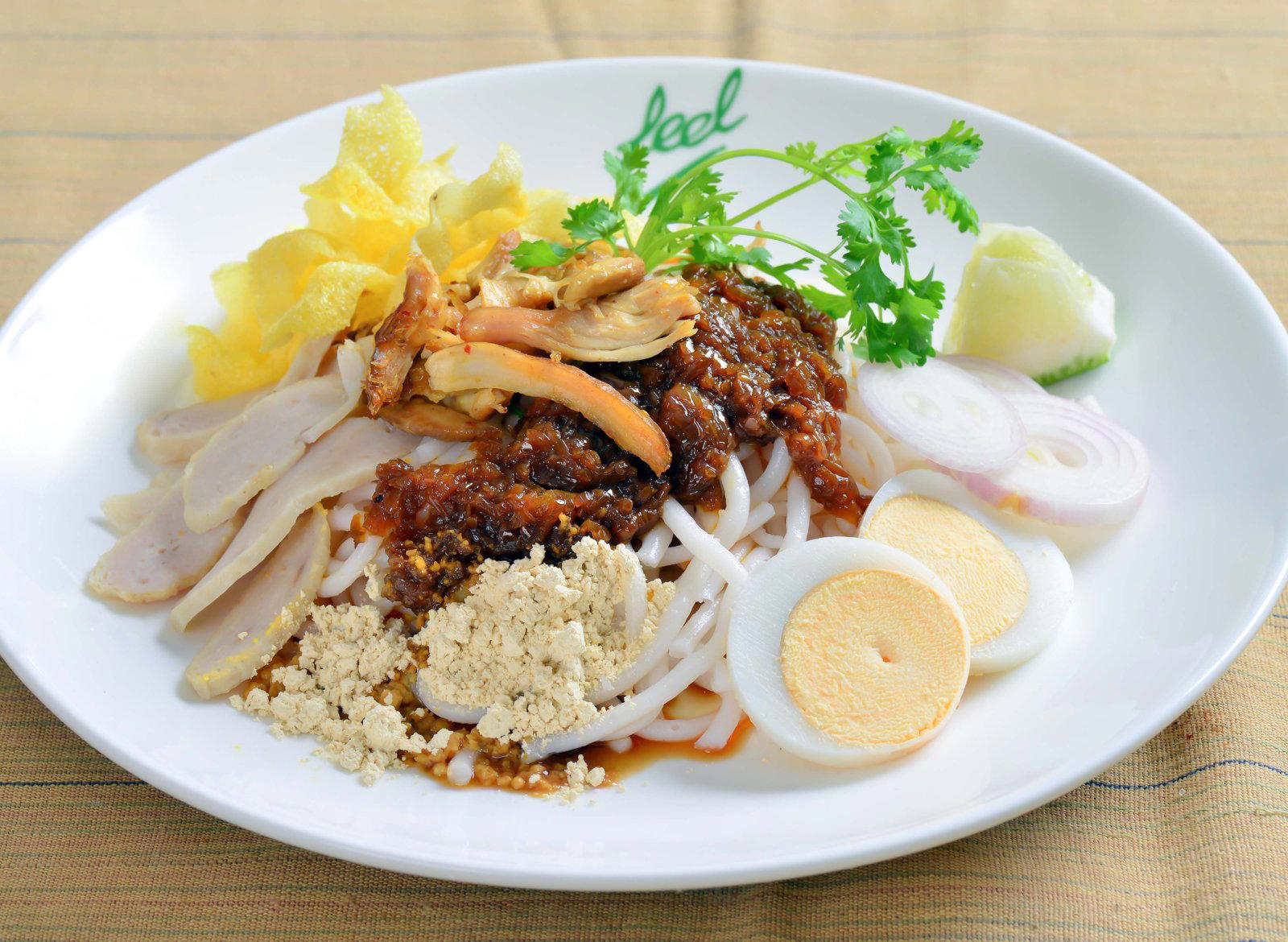
A Street-Level Entry Point into Myanmar's Cooking Tradition
Pyidaungzu Yeiktha Street sits within the older commercial fabric of central Yangon, a part of the city where ground-floor restaurants serve the surrounding offices, workshops, and residential blocks rather than incoming tourists. The dining rooms along streets like this one tend toward the functional: ceiling fans, shared tables, laminated menus, and a kitchen that opens early and closes when the food runs out. Feel Myanmar Restaurant at No. 124 operates inside that pattern. Approaching it, you are in a neighbourhood that has not been retrofitted for foreign visitors, which is precisely what makes the food here legible as a genuine local reference rather than a curated version of one.
Myanmar's national cuisine is less internationally documented than its Southeast Asian neighbours, partly because the country's years of relative isolation limited the volume of food writing produced by outside observers. Restaurants on streets like Pyidaungzu Yeiktha, by contrast, are cooking for a local clientele with specific expectations about fermented flavour, oil temper, and the depth of a proper hin (the broad category of slow-cooked curries that forms the spine of Burmese home cooking). The discipline required to satisfy that audience is different from what goes into a tourist-facing menu.
Where Myanmar's Ingredients Come From — and Why That Shapes the Plate
The ingredient base of Burmese cooking is one of the most geographically varied in mainland Southeast Asia. The Ayeyarwady Delta supplies rice in volumes that make it the structural foundation of nearly every meal. The Shan Plateau contributes tomatoes, potatoes, and a family of preserved vegetables that appear across highland dishes. The Rakhine coast and the Gulf of Martaban feed the lowland kitchen with fresh and dried fish, while the interior produces the fermented shrimp paste (ngapi) that functions as a flavour anchor across multiple regional styles. A restaurant working in this tradition, even a mid-range one in central Yangon, is drawing from a supply chain that crosses several distinct ecological zones.
That sourcing complexity rarely appears on a menu, but it shapes what arrives at the table. The oil float on a well-made Burmese curry is not a cooking error; it signals that the aromatics have been fried through properly and that the dish has cooked long enough to separate. The use of dried and fermented ingredients alongside fresh ones reflects a preservation culture developed across a country where refrigeration was historically inconsistent. Restaurants like Feel Myanmar that operate at a neighbourhood scale tend to maintain these conventions because their customers notice when they don't. For a broader look at how these patterns play out across the city's dining options, the full Yangon restaurants guide maps the range from street-level to formal.
Placing Feel Myanmar in Yangon's Mid-Range Dining Context
Yangon's restaurant scene divides broadly into three tiers: the hotel and upper-floor restaurants that position themselves for international guests and the local upper-middle class; a middle band of established family-run and small-chain restaurants that serve the city's working and professional population; and the street-food and teahouse level that operates on volume and speed. Feel Myanmar on Pyidaungzu Yeiktha sits in the middle band, alongside addresses like Kaung Myat Restaurant and Feel Myanmar Food, both of which occupy a comparable position in the city's everyday dining economy.
That tier is where the most instructive version of Burmese cooking tends to live. It is price-pointed for daily use, which means the kitchen cannot rely on occasion-dining goodwill to mask inconsistency. For seafood-focused options at a similar register, Min Lan Seafood and Minn Lan Moat Ti and Seafood offer a useful comparison. For a more international perspective on Yangon dining, Sofaer and Co operates in a different register entirely, rooted in the city's colonial-era commercial history. Understanding where Feel Myanmar sits relative to these options helps calibrate expectations before you go.
Myanmar's dining tradition also has strong regional variation. Visitors moving beyond Yangon will find different ingredient priorities in other cities. The Sarabha 2 Restaurant in Nyaung U and Nanda Restaurant in Nyaung Oo each reflect the drier, more landlocked ingredient palette of the Bagan area. In highland towns further north, a restaurant like Roha Korean Restaurant in Kalaw signals how cross-border culinary influence from China and beyond has shaped the hill town dining scene. For a regional anchor in Mandalay, Golden Duck Restaurant reflects a different urban cooking tradition shaped by that city's proximity to the Chinese border.
The contrast with highly awarded international restaurants is instructive in a different way. Places like Le Bernardin in New York City, Atomix, or HAJIME in Osaka operate within elaborate provenance frameworks that are documented, narrated, and built into the dining experience as explicit value. At a neighbourhood restaurant in Yangon, provenance operates implicitly: it is embedded in the recipes, the supplier relationships, and the customer expectations, but not in the menu language. That difference in how sourcing is communicated tells you something significant about where each dining culture places its emphasis.
Planning Your Visit
Feel Myanmar Restaurant is located at No. 124 Pyidaungzu Yeiktha Street in central Yangon, accessible from the downtown grid that connects the river-facing quarter with the city's older commercial blocks. Phone, website, and hours data are not confirmed in EP Club's records, so arriving at a local dining hour (mid-morning for lunch service, or early evening before peak) is the practical approach. Booking ahead via hotel concierge is advisable if you have a specific group size in mind, since neighbourhood restaurants in this part of Yangon do not reliably maintain English-language online reservations. Price range has not been independently verified, but restaurants at this tier and location in Yangon typically operate well below the cost of hotel dining. Cash in kyat is the standard payment method across this segment of the market.
Continue exploring
More in Yangon
Restaurants in Yangon
Browse all →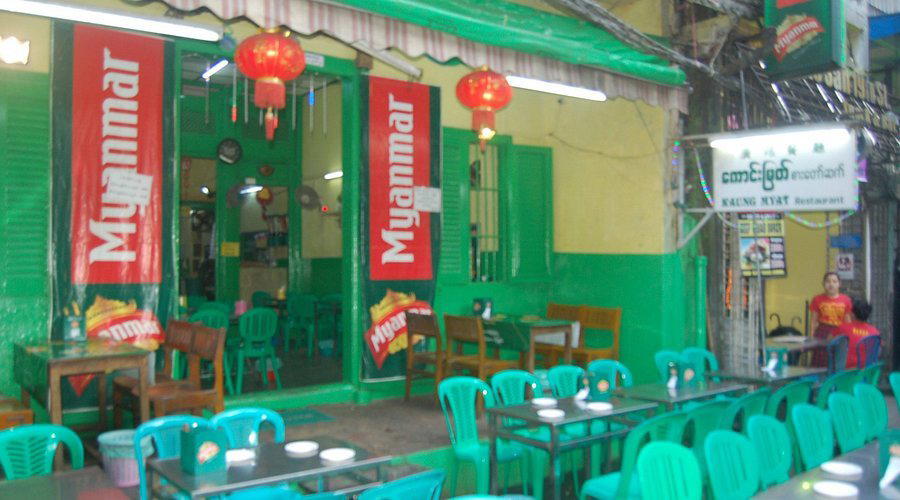
Bars in Yangon
Browse all →
Hotels in Yangon
Browse all →
At a Glance
- Lively
- Casual Hangout
- Open Kitchen
Current opening hours
- Monday
- 6 AM–8 PM
- Tuesday
- 6 AM–8 PM
- Wednesday
- 6 AM–8 PM
- Thursday
- 6 AM–8 PM
- Friday
- 6 AM–8 PM
- Saturday
- 6 AM–8 PM
- Sunday
- 6 AM–8 PM
Hours can change for holidays and private events. Last verified .
Know Before You Go
- Getting there
- No. 124 Pyidaungzu Yeiktha Street, Yangon, Myanmar (Burma)