Sagara

Michelin Bib Gourmand
Our verdict
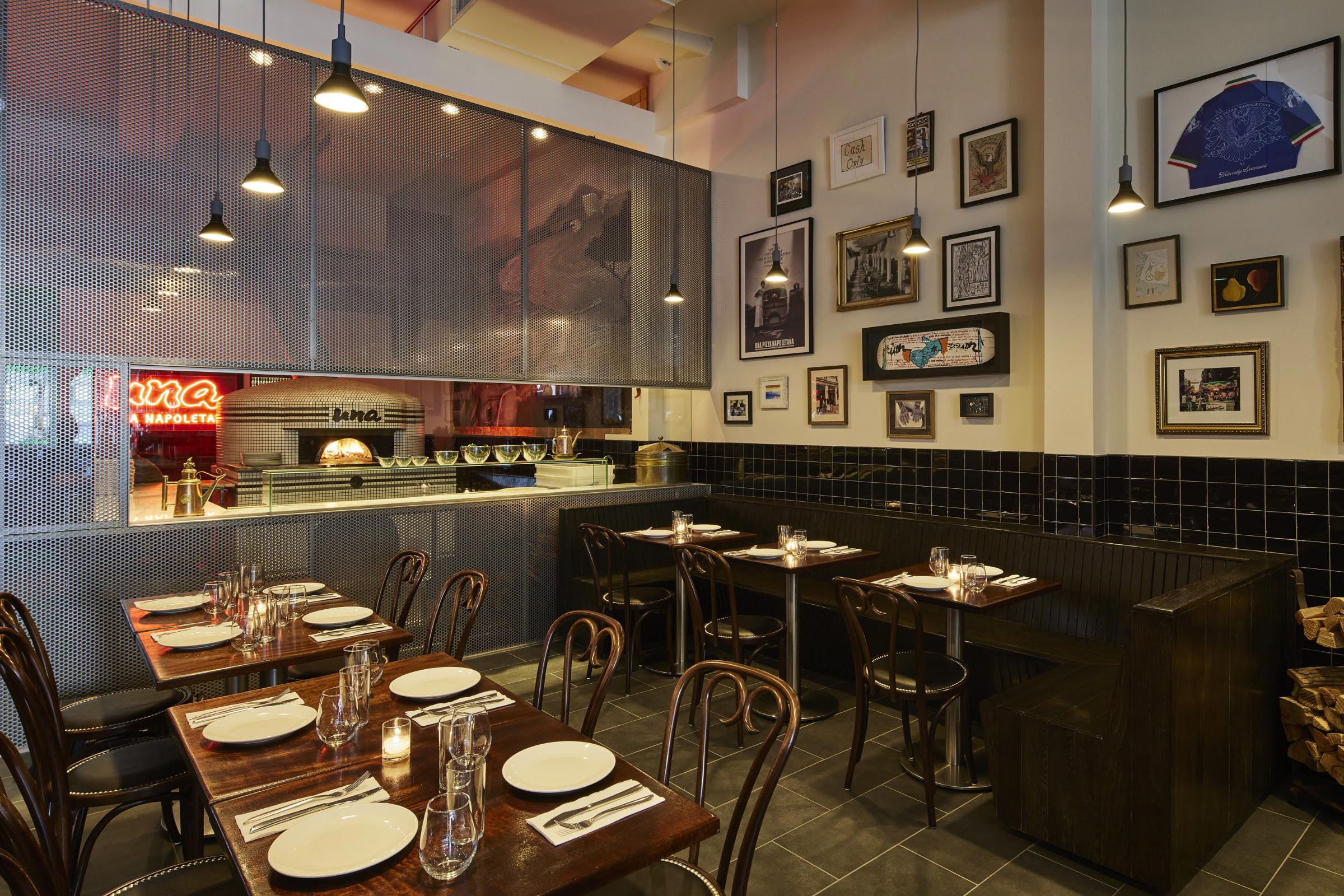
Inside a Staten Island grocery store on Victory Boulevard, Sagara has been quietly serving Sri Lankan cooking that earned a Michelin Bib Gourmand in 2024. The format is communal and unhurried: all dishes arrive together, from fish cakes and dhal vade to fragrant lamprais wrapped in banana leaf. At the $ price tier, it sits in a different category entirely from Manhattan's high-ticket Sri Lankan options.
- Address
- 98 Victory Blvd, Staten Island, NY 10301
- Phone
- (718) 285-4556
- Website
- sagarafoodcity.com
- Directions
- Get directions
The menu
What to order
- Lamprais
- Kottu_roti
Staten Island's Sri Lankan Table: How a Grocery-Back Dining Room Changed the Borough's Culinary Map
Sri Lanka's food culture has always resisted clean categorisation. The island's cooking draws from Sinhalese, Tamil, Malay, Dutch Burgher, and Moorish traditions, and the results on the plate reflect centuries of layered influence rather than a single dominant style. In New York City, that complexity has found only a handful of serious advocates, and fewer still at the price tier where authenticity tends to matter most. Sagara, operating from the back of a local grocery on Victory Boulevard in Staten Island, sits in that narrow tier. Its 2024 Michelin Bib Gourmand recognition confirmed what the borough's Sri Lankan diaspora already knew: this is a kitchen producing food worth crossing water for.
The Grocery Format and What It Tells You About the Cooking
The back-of-grocery format is not a gimmick here. Across many immigrant food traditions in New York, the grocery-restaurant hybrid serves a specific function: it keeps ingredient sourcing tight, reduces the overhead that forces corners to be cut, and keeps the customer base close to the community the kitchen is feeding. At Sagara, that logic is legible on every plate. Sri Lankan cooking depends on a short list of ingredients used with precision: pandanus leaf, curry leaf, goraka (a dried fruit that functions as a souring agent), raw coconut, and a spice-paste base that differs household to household. When a kitchen has direct access to a grocery supply chain, those ingredients arrive fresher and in better condition than a standalone restaurant ordering through a general wholesale distributor. The difference shows in the depth of flavour in the curries and the structural integrity of the fried items.
For comparison, Sri Lankan restaurants operating at higher price points in other global cities, such as Ministry of Crab in Colombo or Aliyaa in Kuala Lumpur, build credibility around sourcing specificity. Sagara achieves a version of that at the $ tier, which is considerably harder to do in New York's cost environment.
The Format: Everything Arrives at Once
Sagara's service model follows a Sri Lankan domestic tradition rather than a Western restaurant sequence. Dishes arrive simultaneously, which means a table might be working through fish cakes, mas paan (a spiced bun-like preparation), and fritter-style dhal vade at the same time as the main curries and rice. This is not inefficiency. It is the correct way to eat this food. Sri Lankan meals are designed for layering: a bite of sharp pickle against a spoonful of mild rice, a piece of fried fish alongside a sip of coconut-based curry. The linear appetiser-then-entrée format Western restaurants impose on South Asian cooking tends to flatten those contrasts. Sagara's kitchen does not impose that structure.
The fluffy Basmati rice arrives with piquant curries, and the hoppers with chicken curry have become a consistent reference point for what this kitchen does well. Hoppers, the fermented rice-batter bowls that function as the vessel for much of Sri Lanka's everyday eating, require a specific cast-iron mould and a batter that has proofed correctly. Getting them right in a high-volume restaurant environment is harder than it looks, which is why the version here carries weight as a signal of kitchen discipline.
Lamprais: The Dish That Defines the Visit
The centrepiece of a meal at Sagara is the lamprais, and it is the most historically grounded dish on offer. Lamprais derives from the Dutch Burgher community in Sri Lanka, a legacy of the Dutch colonial period in the seventeenth century. The name comes from the Dutch lomprijst, meaning a parcel of rice, and the preparation has been absorbed so thoroughly into Sri Lankan cooking that it is now claimed as a national dish. Traditionally reserved for Sundays and special occasions, it involves rice cooked in meat stock, served alongside multiple small preparations including a braised protein (mutton is among the options at Sagara), wrapped in banana leaf and baked so that the leaf's aromatics permeate the entire parcel.
Banana leaf wrapping is not decorative. It functions as a cooking vessel that transfers a specific green, slightly smoky fragrance that banana leaf imparts when it steams, and it also keeps the rice from drying at the edges. The ritual of unwrapping at the table is part of how the dish is meant to be experienced. Sagara's version, with cashew-studded rice and braised mutton, follows the traditional preparation closely enough that it reads as a genuine version rather than an adaptation for a non-Sri Lankan audience.
Where Sagara Sits in New York's Sri Lankan Scene
New York's Sri Lankan restaurant community is small. Lakruwana and Lungi are the other significant reference points in the city. The Michelin Bib Gourmand, awarded for quality-to-price ratio, situates it correctly: this is not a restaurant competing with New York's high-ticket Sri Lankan-adjacent options, but rather a kitchen that has earned recognition precisely because it is doing serious work without the price infrastructure that typically supports it.
For context on how different that position is, Manhattan's most-decorated kitchens in 2024, from Le Bernardin to Atomix to Eleven Madison Park, operate at the $$$$ tier with per-person spends that would cover multiple meals at Sagara. The Bib Gourmand exists to recognise that value-to-quality ratio as a distinct achievement, not a consolation category. When you look at the full range of what a single city can contain, from our full New York City restaurants guide to the borough-level specifics, Sagara represents one of the more efficient entries on the map.
Planning Your Visit
| Venue | Cuisine | Price Tier | Location | Michelin Recognition |
|---|---|---|---|---|
| Sagara | Sri Lankan | $ | Staten Island (Victory Blvd) | Bib Gourmand 2024 |
| Lakruwana | Sri Lankan | $$ | Staten Island | — |
| Lungi | Sri Lankan | $$ | Brooklyn | — |
Sagara is located at 98 Victory Blvd, Staten Island, NY 10301. The Staten Island Ferry from Whitehall Terminal in Manhattan is free and runs frequently; from the St. George Ferry Terminal, Victory Boulevard is accessible by bus or short car ride. Given the small dining room and the kitchen's following since the 2024 Bib Gourmand recognition, arriving early or outside peak weekend lunch hours is advisable.
If your New York visit extends beyond eating, our guides to hotels, bars, wineries, and experiences cover the broader city. For dining elsewhere in the country, the room for comparison is wide: The French Laundry in Napa, Alinea in Chicago, Lazy Bear in San Francisco, Providence in Los Angeles, Emeril's in New Orleans, and Single Thread Farm in Healdsburg all represent different ends of the American dining spectrum. Sagara sits at an end that is harder to find and, on the specific terms of Sri Lankan cooking, harder to replicate.
What Regulars Order at Sagara
The hoppers with chicken curry are the consistent answer among those who return repeatedly. The hopper itself, fermented and bowl-shaped, absorbs the curry without going soft, and the chicken preparation at Sagara carries the heat and spice-paste depth that distinguishes a properly made Sri Lankan curry from a milder adaptation. The lamprais, despite being more labour-intensive, is the ordering choice for a first visit or for a table that wants to understand what the kitchen is genuinely capable of. Fish cakes and dhal vade function as the opening notes: approachable, well-executed fried preparations that set up the more complex flavours to follow. The all-at-once service means none of this is sequential, so the practical advice is to order generously across categories from the start rather than holding back for a second round.
Frequently asked questions
What's the cuisine at Sagara?
Is Sagara Michelin-listed?
Sagara has received recognition including: Visit Sri Lanka by way of Sagara, where the island nation’s rich cultural diversity is on full display in a tiny dining room in the back of a local grocery. Dishes here are delivered at once, so you’ll be nibbling on an appetizer of fish ca….
What do regulars order at Sagara?
The hoppers with chicken curry draw repeat visitors consistently. Beyond that, the lamprais is the dish most worth planning around: banana leaf-wrapped rice with cashews and braised proteins including mutton, it is typically a special-occasion preparation in Sri Lankan tradition and earns Sagara its Michelin Bib Gourmand recognition. Because everything arrives at once, regulars tend to pace themselves from the fish cakes and dhal vade at the front end before committing fully to the entrées.
What's the price range at Sagara?
Pricing at Sagara is listed as $.
How do I find Sagara?
Sagara is located at 98 Victory Blvd, Staten Island, NY 10301, New York City.
Fast Comparison
| Venue | Cuisine | Price | Awards | Notes |
|---|---|---|---|---|
| SagaraThis venue — the venue you are viewing | Sri Lankan | Not listed | Michelin Bib Gourmand | Not listed |
| Le Bernardin | French Seafood Fine Dining | $300–500 | 3 Michelin Stars · World's 50 Best #13 | French, Seafood |
| Atomix | Modern Korean Tasting Menu | $300–500 | 2 Michelin Stars · World's 50 Best #7 | Modern Korean, Korean |
| Masa | Seasonal Hokkaido Tempura Omakase | $150–200 | Tabelog 100 #34 | Sushi, Japanese |
| Per Se | French Fine Dining Tasting Menu | $300–500 | 3 Michelin Stars · World's 50 Best #40 | French, Contemporary |
| Eleven Madison Park | Contemporary Plant-Based Fine Dining | $300–500 | 3 Michelin Stars · World's 50 Best #4 | French, Vegan |
Recognition history
Dated appearances from independent guides and award organizations, with the underlying list record or original source where available.
Michelin Bib Gourmand
Michelin
Full recognition history (2 entries)
Michelin Bib Gourmand
Michelin