Rambutan



Michelin Plate · The Good Food Guide GFG Very Good
Our verdict
Rambutan brings the Tamil cooking traditions of northern Sri Lanka to Borough Market's SE1 address, grounding its menu in tamarind, black coconut, curry leaf and prime British produce. The open kitchen, clay walls, and rattan chairs set a mood that the cooking more than matches.

Pearl is the En Primeur Club membership app — saves, bookings, and concierge access live there. Same editors, same standards.
- Address
- 10 Stoney St, London SE1 9AD, United Kingdom
- Hours
- Mon–Sat 12–10:15 PMSun 12–9 PM
- Website
- rambutanlondon.com
- Directions
- Get directions
The menu
What to order
- Gundu dosas
- Roti
- Crab curry
- Saffron chicken pongal
Sri Lankan Cooking and the Borough Market Context
Borough Market has spent two decades cycling through food trends, and the restaurants that survive its commercial intensity tend to be the ones with a specific culinary argument to make. Rambutan, at 10 Stoney St, arrived with a focused one: the Tamil cooking of northern Sri Lanka, built on tamarind, coconut-based spice blends, and the kind of seafood preparation that the island's coastal geography demands.
The broader category context matters here. London's Sri Lankan restaurant scene has historically been thin compared to the city's South Indian, Bangladeshi, or Pakistani representations. What Rambutan does is closer to what a handful of restaurants in Colombo and the diaspora circuit do well: treat Sri Lankan cuisine as a distinct culinary system rather than a subcategory of generic South Asian. For reference points outside London, Ministry of Crab in Colombo and Aliyaa in Kuala Lumpur operate in the same register of taking the cuisine seriously as a destination in itself.
The Coastal Spice Tradition on the Plate
Tamil cuisine from the north of Sri Lanka shares a coastal spice logic with South Indian and Goan cooking — tamarind provides the souring agent, coconut in multiple forms (fresh, dried, roasted into black coconut or kalupol) supplies the fat and the depth, and curry leaf and dried chilli build the aromatic base. What distinguishes northern Tamil cooking from, say, Keralan or Goan equivalents is the particular application of Jaffna curry powder, a blend that runs hotter and drier than the coconut-softened curries of the southwestern coast, and the use of ingredients like moju (a pickle-style preparation) that introduce sweet-sour-spiced complexity as an accent rather than a sauce.
Rambutan's menu works within that framework while sourcing the protein end from British suppliers. Cornish mussels, Dingley Dell pork, red northern prawns, and Dorset crab appear in preparations that use the Tamil spice vocabulary: tamarind as both marinade and curry liquid, kalupol as a dry seasoning crust on grilled chicken, and Jaffna-style curry applied to whole crab. The alignment of West Country and coastal British produce with coastal Sri Lankan technique is not decoration, these are cooking traditions that both centre on freshness, acidity, and shellfish, and the pairing works on a structural level.
The kitchen's approach to the 'short eats' format, Sri Lanka's equivalent of small plates or tapas, traditionally served as pre-meal snacks, gives the menu an accessible entry point. Grilled chicken with kalupol seasoning alongside a tamarind and green chilli dip, fried aubergine moju, and roti served alongside wet curries follow the template of coastal Sri Lankan hospitality eating, where the meal arrives in rounds rather than courses and the table accumulates dishes rather than clearing between them.
Room and Register
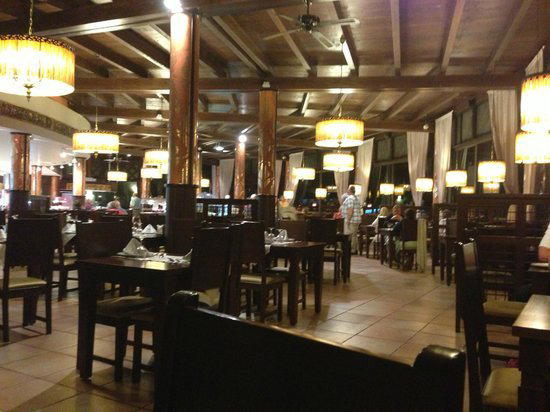
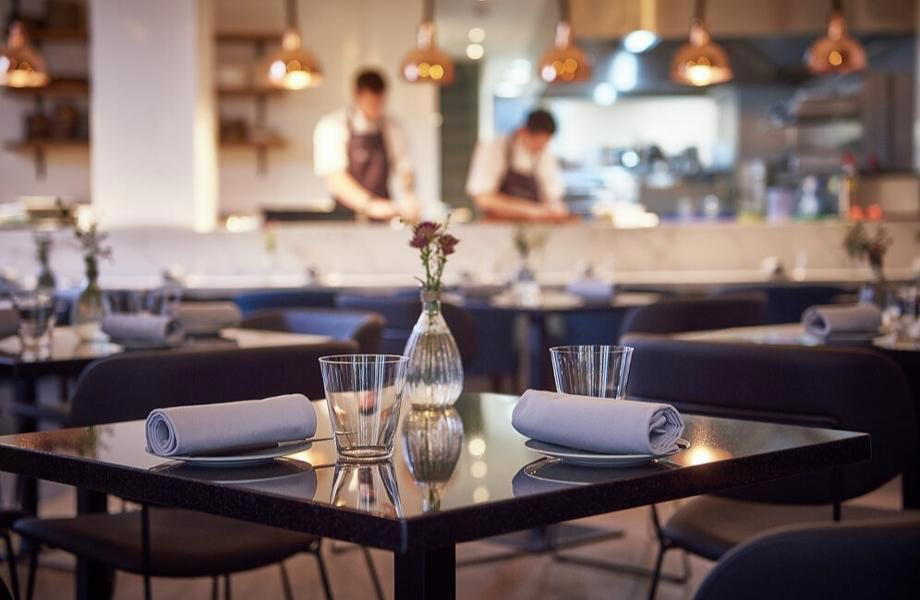
The interior at Rambutan reads as a considered attempt to evoke Sri Lankan material culture without falling into set-design pastiche. Natural clay walls, pink-painted brickwork, a green-hued marble counter, tall tropical plants, rattan chairs, and buffed wood establish a coherent mood. The open kitchen is part of the room rather than separated from it, which keeps the energy legible, this is a busy restaurant, and the noise level reflects that. At the ££ price point, it positions itself well below London's fine-dining Sri Lankan tier (which barely exists) and more in line with the mid-market South Asian restaurants where the real culinary conversation is happening.
For comparison, the London restaurants currently operating at the ££££ tier, CORE by Clare Smyth, Restaurant Gordon Ramsay, Sketch The Lecture Room and Library, The Ledbury, and Dinner by Heston Blumenthal, are operating in an entirely different competitive register. That is a growing and credible tier in London right now.
Drinks and Supplementary Offer
The drinks list is compact: approximately a dozen wines supplemented by spice-forward cocktails, Cornish Harbour lager, and kalamansi iced tea. The kalamansi option is a small but telling detail, the citrus is closely associated with Southeast Asian and Sri Lankan cooking, and its appearance as a non-alcoholic house drink indicates a kitchen that is thinking about the full flavour register of a meal, not just the food side. The cocktail program uses the spice profile of the food as its reference point rather than defaulting to standard aperitif formats. For a restaurant at this price point, the drinks integration is more coherent than average.
Planning Your Visit
Rambutan is at 10 Stoney St, London SE1 9AD, a short walk from Borough Market and London Bridge station. It runs busy, particularly at weekend lunch when the Market itself draws volume. Reservations: demand is consistent and the room does not appear to be large, so booking ahead is advisable for dinner and weekend slots. Budget: ££ pricing puts it in the accessible mid-market range. Dress: no stated code; the room's register is relaxed. The knowledgeable service team can guide ordering across the menu, which matters in a cuisine where the short eats, curries, and roti combinations reward considered sequencing rather than individual plate ordering.
For a broader view of where Rambutan sits in the London dining picture, see our full London restaurants guide. London's hospitality circuit beyond restaurants is covered in our London hotels guide, bars guide, wineries guide, and experiences guide. For UK restaurants operating in other registers entirely, The Fat Duck in Bray, L'Enclume in Cartmel, Moor Hall in Aughton, Gidleigh Park in Chagford, Hand and Flowers in Marlow, and Le Manoir aux Quat' Saisons in Great Milton provide the wider UK fine-dining picture.
Frequently asked questions
Where exactly is Rambutan?
Rambutan is located at 10 Stoney St, London SE1 9AD, United Kingdom, London.
How hard is it to get a table at Rambutan?
Rambutan runs busy, particularly at weekend lunches given its position steps from Borough Market, one of London's most visited food destinations. Booking ahead is advisable rather than optional, especially for groups or prime evening slots.
What's the signature at Rambutan?
The kitchen's grounding in Tamil cuisine from northern Sri Lanka sets the register: tamarind-forward souring, coconut-based spicing, and ingredients like Cornish mussels and Dingley Dell pork sourced from British producers. The grilled chicken with kalupol (black coconut) seasoning and tamarind-green chilli dip is consistently cited as a strong opening 'short eat' that captures that approach concisely.
What It’s Closest To
| Venue | Cuisine | Price | Awards | Notes |
|---|---|---|---|---|
| RambutanThis venue — the venue you are viewing | Modern Sri Lankan | $50–100 | Michelin Plate · The Good Food Guide GFG Very Good | Not listed |
| The Ledbury | Modern British Fine Dining | $300–500 | 3 Michelin Stars · World's 50 Best #42 | Modern European, Modern Cuisine |
| Sketch, The Lecture Room and Library | Modern French Fine Dining | $200–300 | 3 Michelin Stars · World's 50 Best #18 | Modern French |
| CORE by Clare Smyth | Modern British Fine Dining | $150–200 | 3 Michelin Stars · World's 50 Best #97 | Modern British |
| Restaurant Gordon Ramsay | French Fine Dining | $200–300 | 3 Michelin Stars · World's 50 Best #13 | Contemporary European, French |
| Dinner by Heston Blumenthal | Historic British Fine Dining | $200–300 | 2 Michelin Stars · World's 50 Best #45 | Modern British, Traditional British |
Recognition history
Dated appearances from independent guides and award organizations, with the underlying list record or original source where available.
Michelin Plate
Michelin
Opinionated About Dining Newly Added European Restaurants
Opinionated About Dining
The Good Food Guide GFG Very Good
The Good Food Guide
Full recognition history (6 entries)
Opinionated About Dining Casual in Europe Recommended
Opinionated About Dining
Michelin Plate
Michelin
Michelin Plate
Michelin
Continue exploring
More in London
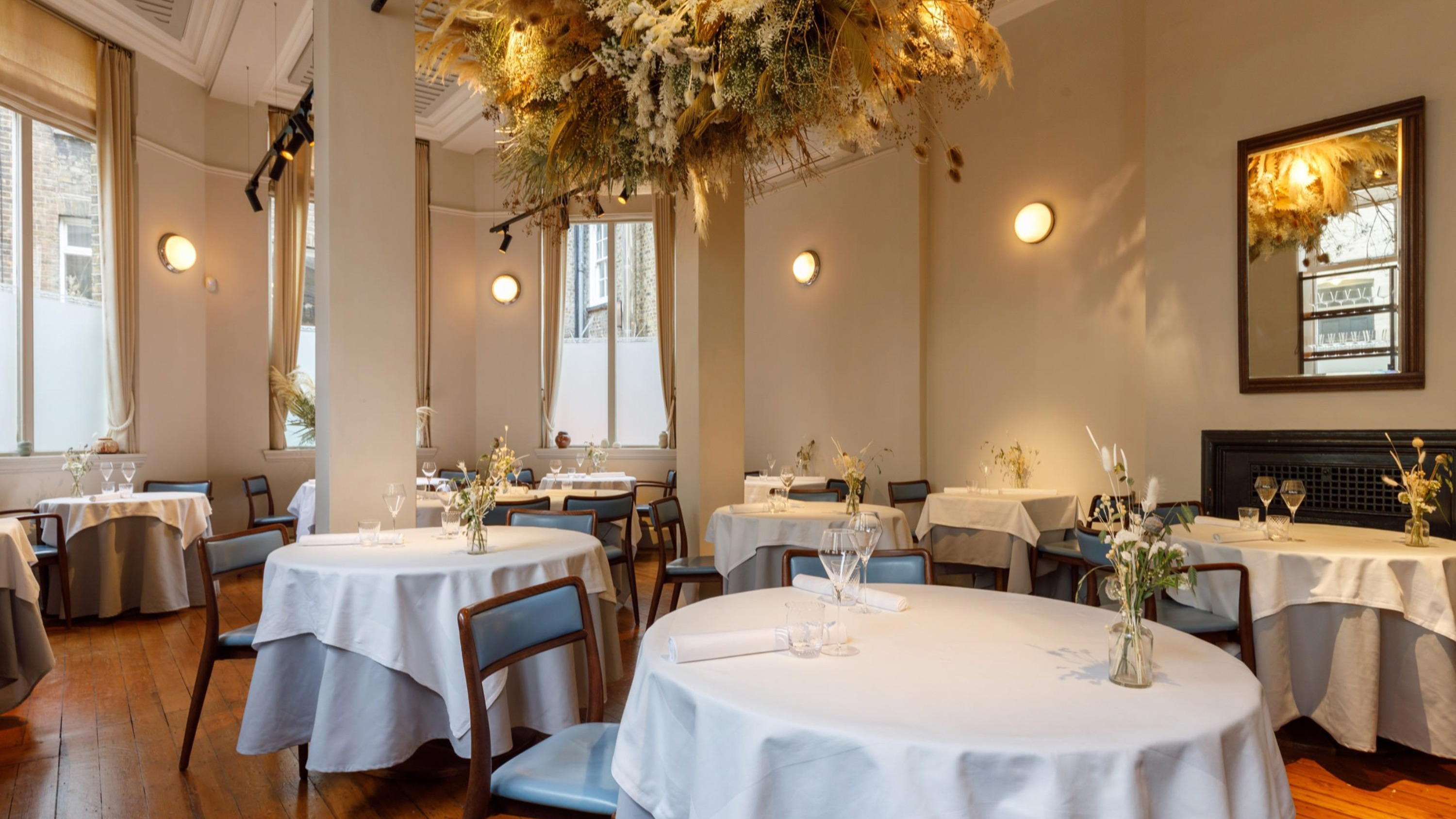
Restaurants in London
Browse all →
Bars in London
Browse all →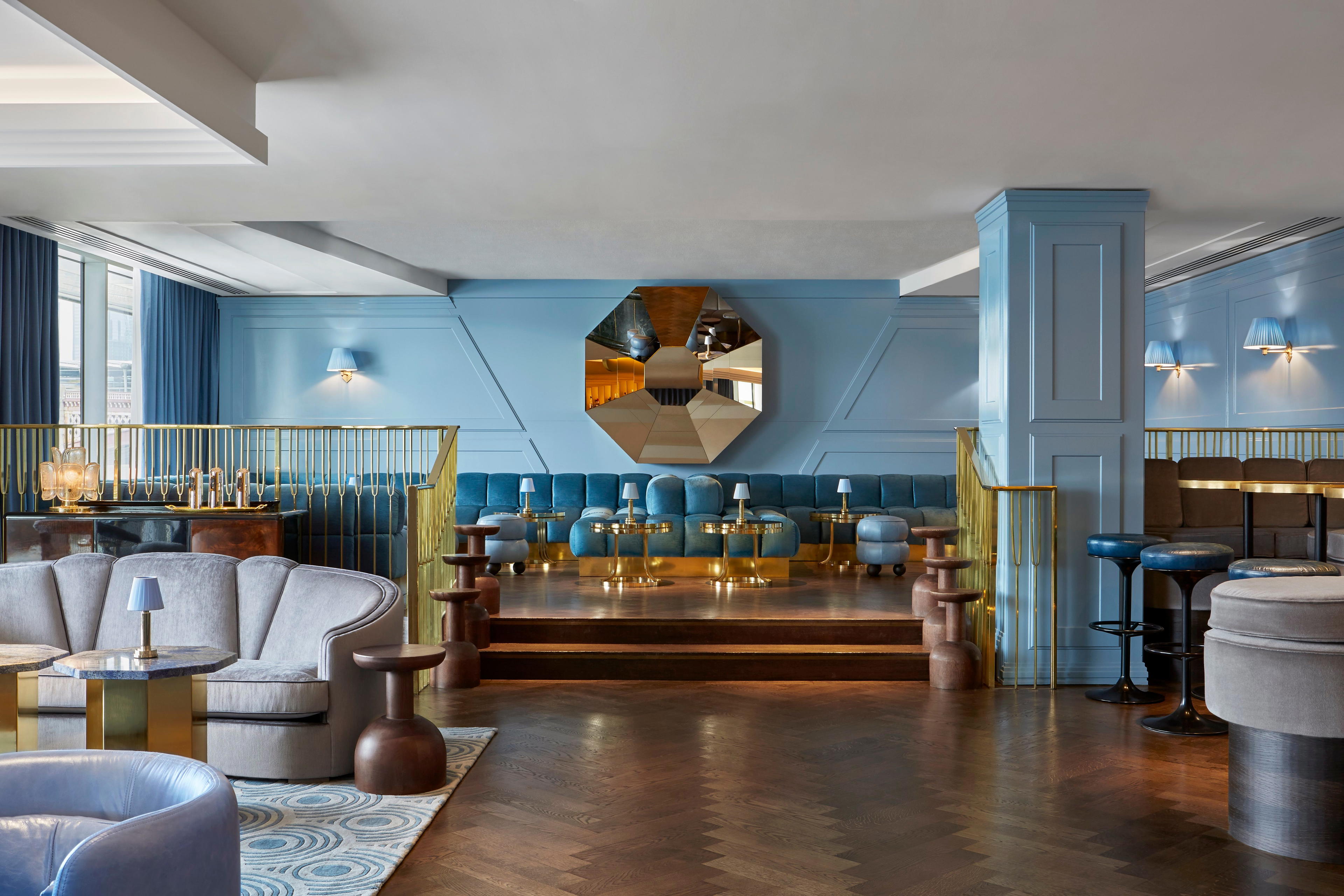
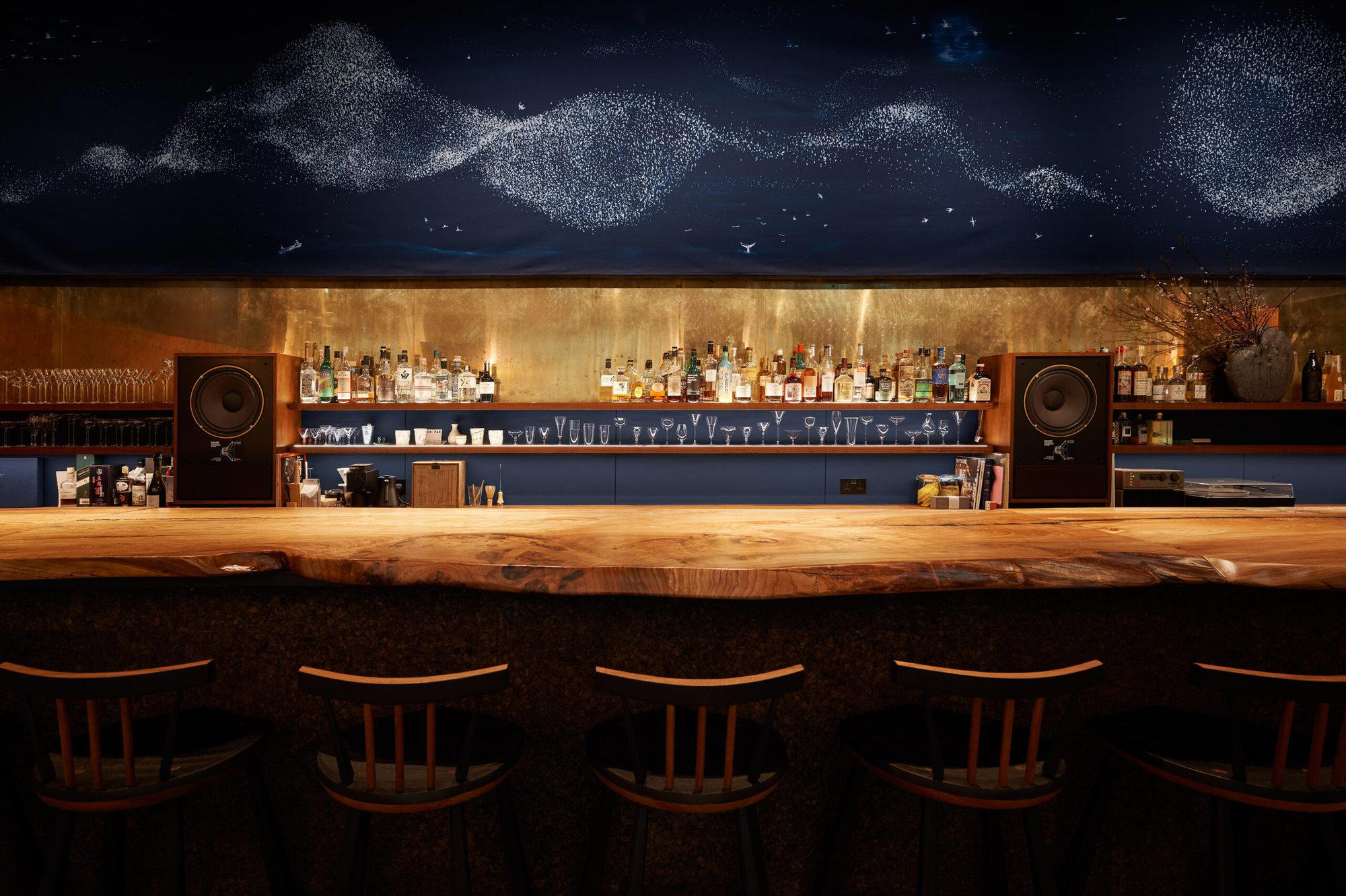
Hotels in London
Browse all →



Details
- Lively
- Trendy
- Cozy
- Date Night
- Group Dining
- Casual Hangout
- Open Kitchen
- Craft Cocktails
- Small Plates
- A La Carte
- Vegetarian Friendly
Current opening hours
- Monday
- 12–10:15 PM
- Tuesday
- 12–10:15 PM
- Wednesday
- 12–10:15 PM
- Thursday
- 12–10:15 PM
- Friday
- 12–10:15 PM
- Saturday
- 12–10:15 PM
- Sunday
- 12–9 PM
Hours can change for holidays and private events. Last verified .
Lively and buzzy atmosphere with an open kitchen, rattan chairs, putty pink walls, and plants creating a trendy, informal vibe.