Mingary Castle

Michelin Plate · AA Rosettes 3 Rosettes
Our verdict
A 13th-century castle on the Ardnamurchan peninsula, restored after more than a century in ruins, Mingary Castle now operates as a hotel and restaurant at the western edge of the Scottish mainland. The kitchen serves a set menu built on estate venison and local produce, earning a Michelin Plate in 2025. The combination of serious cooking and extreme remoteness places it in a narrow category of destination dining.

Pearl is the En Primeur Club membership app — saves, bookings, and concierge access live there. Same editors, same standards.
- Address
- Mingary Castle, Kilchoan PH36 4LH, United Kingdom
- Phone
- +44 1972 614380
- Website
- mingarycastle.co.uk
- Directions
- Get directions
- Booking
- Book on ResDiary
Where the Road Ends and the Table Begins
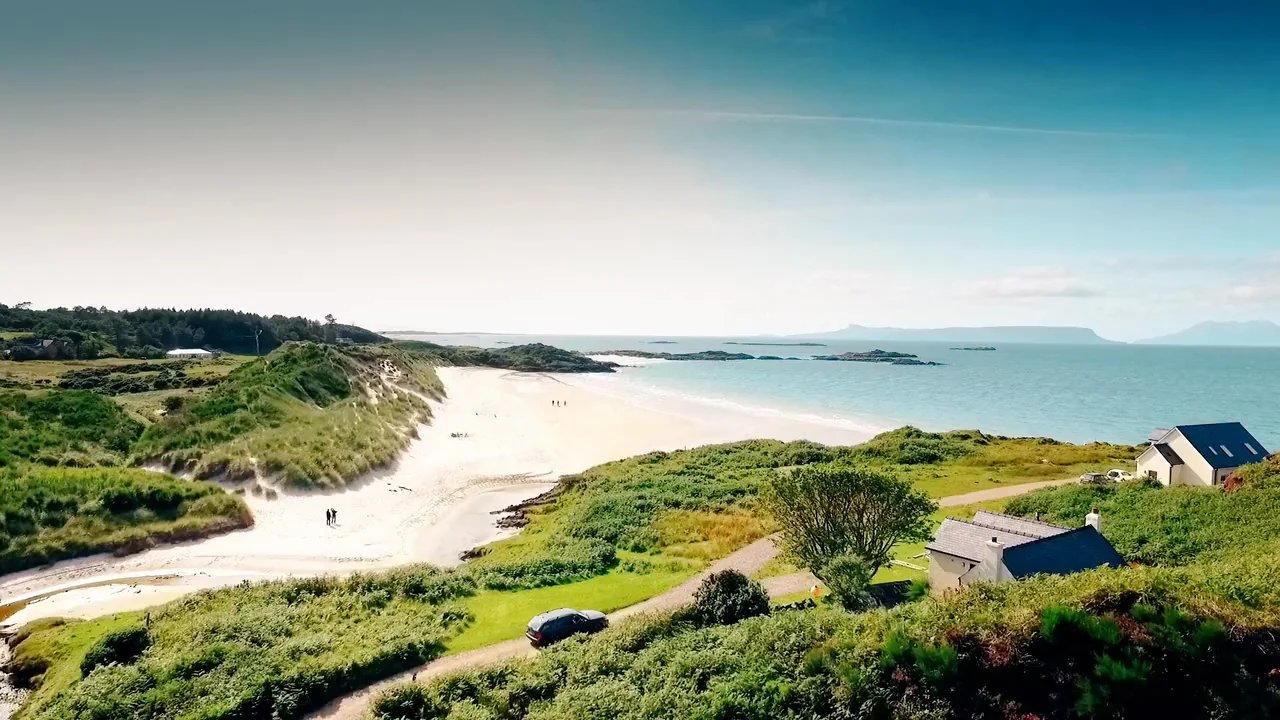
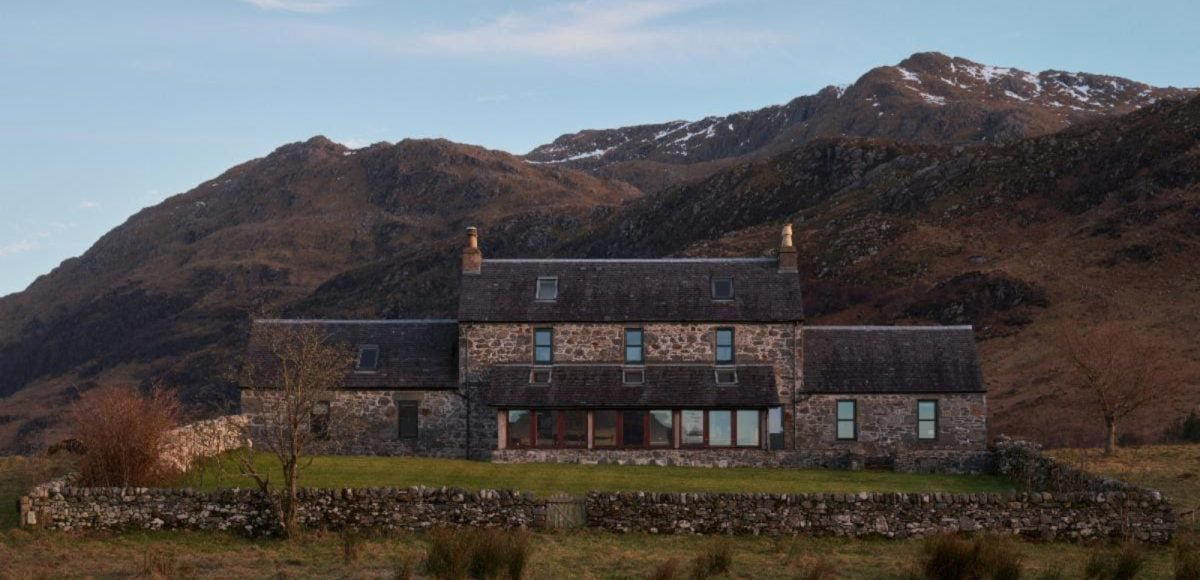
The approach to Mingary Castle is itself a kind of preparation. Miles of single-track road wind across the Ardnamurchan peninsula, the most westerly point on the British mainland, past sea lochs and open moorland, with passing places requiring a particular patience from drivers unfamiliar with Highland etiquette. By the time the castle walls come into view, the rest of the country feels genuinely far away. That severance from ordinary geography is not incidental to the experience. It is the whole point.
Mingary dates to the 13th century and spent more than a hundred years as a ruin before a sustained restoration project returned it to habitable — and eventually hospitable — use. The scale of that undertaking shapes the character of the place now. What sits within the restored walls is not a conversion of a country house or a repurposed hotel building with a castle backdrop. It is a working castle, its medieval fabric intact, turned over to the functions of shelter, rest, and eating. That compression of purpose across seven or eight centuries gives the dining room a frame of reference that no amount of interior design could manufacture.
Set Menu Cooking at the Edge of the Mainland
Britain's tradition of serious cooking housed in remote or unconventional spaces has grown substantially over the past two decades. L'Enclume in Cartmel demonstrated what a village setting in the Lake District could sustain at the highest level. Gidleigh Park in Chagford and Moor Hall in Aughton followed the same logic: destination dining rewards the effort of arrival. Mingary sits in that tradition, though at a more extreme point on the remoteness spectrum than almost any other recognised restaurant in the country.
The kitchen operates a set menu format, which is the appropriate structure for this context. With a single road in and a guest list drawn entirely from people who have made a deliberate journey, the transactional flexibility of an à la carte menu would be beside the point. The set menu signals intent on both sides: the kitchen commits to a particular sequence of cooking, and the diner commits to receiving it. That compact is characteristic of the better end of British destination dining, from The Fat Duck in Bray at one register of ambition to Hide and Fox in Saltwood at another.
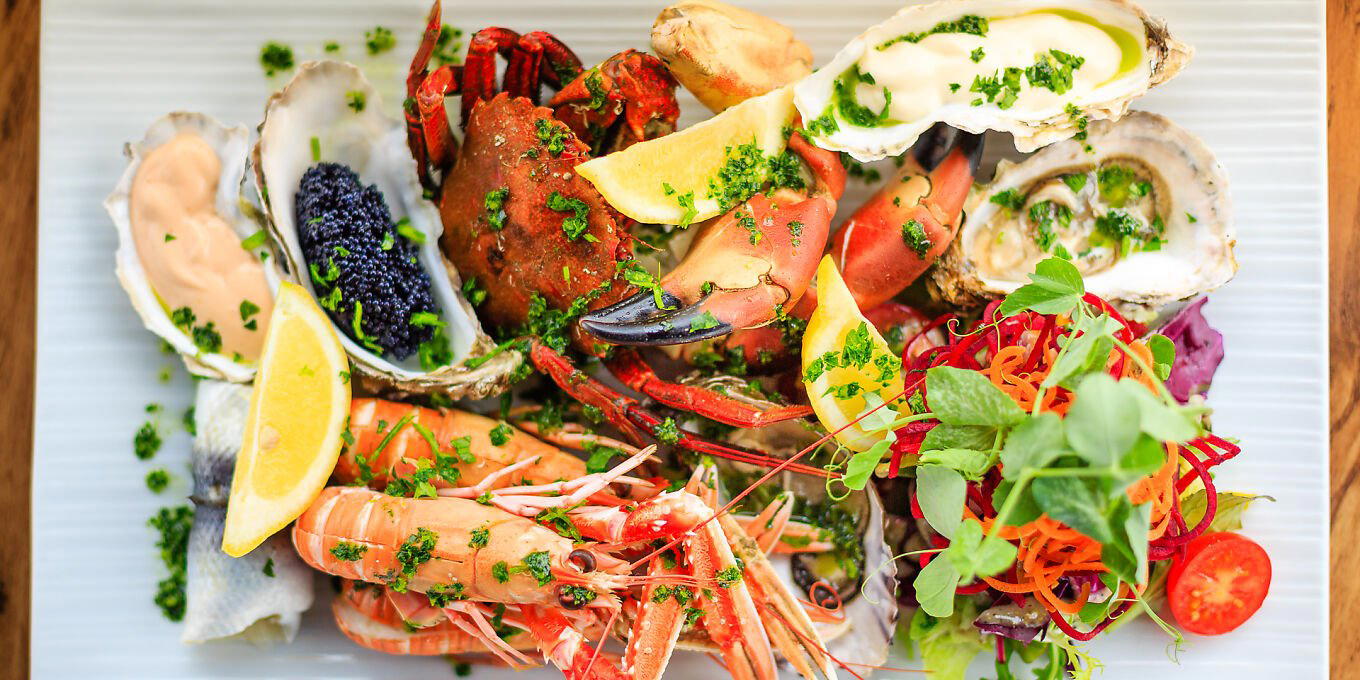
The cooking at Mingary is described as hearty and traditionally grounded, which in this context means something more precise than the phrase might suggest in a city restaurant. Venison from the estate anchors the menu. That kind of direct sourcing, from land the kitchen can see from the window, is not a marketing proposition here. It is a reflection of where the restaurant actually is. The Ardnamurchan peninsula is deer country; the estate produces the ingredient; the kitchen uses it. The chain is short because geography makes it short, not because a sourcing policy demands it.
Michelin Plate awarded in 2025 places the restaurant in the category of kitchens recognised for quality cooking, below starred status but above the background noise. For the context, that recognition carries specific weight. Michelin's Plate is not a star, but it is a signal that inspectors considered the cooking worth recording. In a remote Scottish location serving local produce on a set menu, that is a meaningful credential, and it places Mingary in a small cohort of peninsula and island restaurants in Scotland that have attracted sustained critical attention.
The Reinvention of Remote British Dining
Editorial angle that applies most directly to Mingary is not the gastropub revolution in its pub-specific form, but the broader cultural shift it represents: the movement of serious cooking away from urban centres and into places defined by landscape rather than infrastructure. What happened to the British pub in the 1990s and 2000s, when kitchens began to take precedence over the bar and sourcing became a point of distinction, happened simultaneously to a wider class of rural and remote establishments. Country hotels, castle conversions, farmhouse restaurants, all responded to the same pressure, which was that diners were prepared to travel if the cooking justified the distance.
Hand and Flowers in Marlow remains the clearest single example of pub dining taken to Michelin-starred status. Restaurant Andrew Fairlie in Auchterarder showed Scotland could sustain destination dining within a hotel format at the top of the price tier. [Le Manoir aux Quat' Saisons in Great Milton]() has long set the benchmark for what a rural hotel-restaurant can aspire to in England. Mingary operates at a different price point and with a different set of ambitions, but it belongs to the same structural category: a place where the building and the setting are inseparable from the dining proposition, and where the journey forms part of the experience before the first course arrives.
Among the broader spectrum of Modern British cooking in the UK, from CORE by Clare Smyth and The Ledbury in London at the top of the city tier to Midsummer House in Cambridge and Opheem in Birmingham as regional anchors, Mingary occupies a position defined almost entirely by location. The cooking earns its place on its own terms. The setting is non-replicable.
Planning the Visit
Mingary Castle sits at Kilchoan on the Ardnamurchan peninsula in the West Highlands, reachable via the A861 and then single-track roads across the peninsula itself. The drive from Fort William takes roughly two hours under normal conditions; a passenger ferry from Tobermory on Mull offers an alternative approach across the Sound of Mull. The price range sits at the £££ tier, making it one of the more accessible points of entry into destination dining with formal recognition in Scotland. The combination of hotel accommodation and restaurant means staying overnight is the practical choice for most visitors, and it removes any anxiety about the return drive in the dark on unfamiliar roads. For context on what else Kilchoan and its surrounds offer, see [our full Kilchoan restaurants guide](), [our full Kilchoan hotels guide](), [our full Kilchoan bars guide](), [our full Kilchoan wineries guide](), and our full Kilchoan experiences guide.
Frequently asked questions
Does Mingary Castle work for a family meal?
The set menu format and the remoteness of the location point toward a particular type of visitor: those who have planned in advance and made a deliberate journey. Younger children may find the fixed structure and the length of a formal set menu less comfortable than a flexible à la carte. For families with older children or teenagers who appreciate the setting and the provenance of the cooking, it works considerably better. The £££ price positioning makes it a considered spend rather than a casual one, which is worth factoring into the decision.
Is Mingary Castle better for a quiet night or a lively one?
The premise of the location answers this. Kilchoan is not where you go for noise or a late-night bar scene. The castle's guest list on any given evening is small, drawn from people who have driven or ferried to the western edge of the Scottish mainland for a specific reason. The Michelin Plate recognition and the £££ pricing bracket confirm the register: this is a considered, quieter kind of dining, where the atmosphere comes from stone walls and landscape rather than from volume or energy. If you want both serious cooking and a lively room, somewhere like [The Ritz Restaurant in London](https://www.enprimeurclub.com/restaurants/the-ritz-restaurant-london-restaurant) sits at the opposite end of that spectrum.
at Mingary Castle?
Kitchen operates a set menu, so the question of what to order does not arise in the conventional sense. What the menu does give you, with regularity, is estate venison: sourced from the land surrounding the castle on the Ardnamurchan peninsula. That kind of direct provenance, backed by a Michelin Plate in 2025, is precisely what the set format is designed to showcase. The cooking is described as hearty and traditionally grounded, which means the seasonal and local ingredient is likely to be more central to the menu than technical flourish. That framing aligns the kitchen with the broader tradition of Modern British cooking rooted in place and produce rather than technique-led abstraction.
Quick Comparison
| Venue | Cuisine | Price | Awards |
|---|---|---|---|
| Mingary CastleThis venue — the venue you are viewing | Modern Scottish Fine Dining | $100–150 | Michelin Plate · AA Rosettes 3 Rosettes |
| The Ledbury | Modern European, Modern Cuisine | Not listed | Michelin 3 Star |
| Sketch, The Lecture Room and Library | Modern French | Not listed | Michelin 3 Star |
| CORE by Clare Smyth | Modern British | Not listed | Michelin 3 Star |
| Restaurant Gordon Ramsay | Contemporary European, French | Not listed | Michelin 3 Star |
| Dinner by Heston Blumenthal | Modern British, Traditional British | Not listed | Michelin 2 Star |
Recognition history
Dated appearances from independent guides and award organizations, with the underlying list record or original source where available.
Michelin Plate
Michelin
AA Rosettes 3 Rosettes
AA Rosettes
Full recognition history (3 entries)
Michelin Plate
Michelin
Continue exploring
More in Kilchoan
Restaurants in Kilchoan
Browse all →
Details
- Romantic
- Cozy
- Elegant
- Rustic
- Historic
- Intimate
- Date Night
- Special Occasion
- Celebration
- Historic Building
- Hotel Restaurant
- Extensive Wine List
- Local Sourcing
- Waterfront
- Tasting Menu
- Set Menu
- Vegetarian Friendly
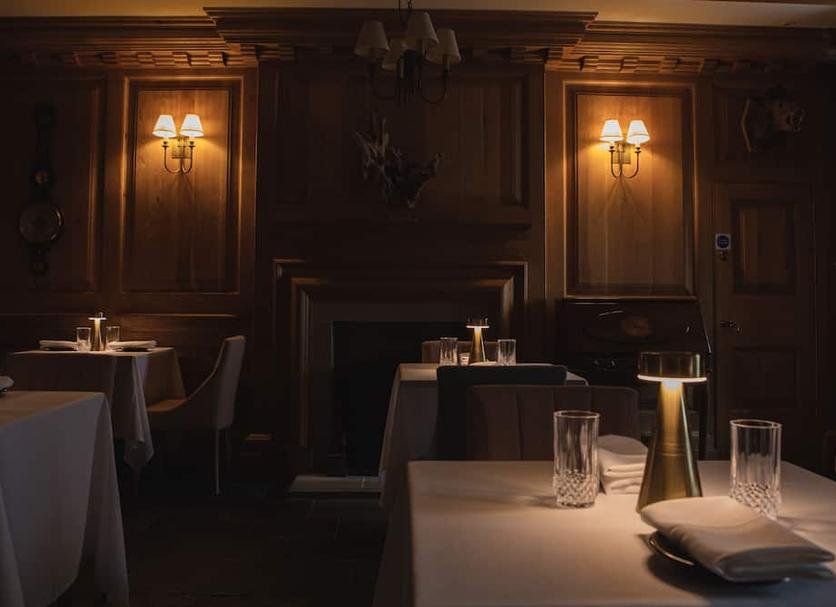
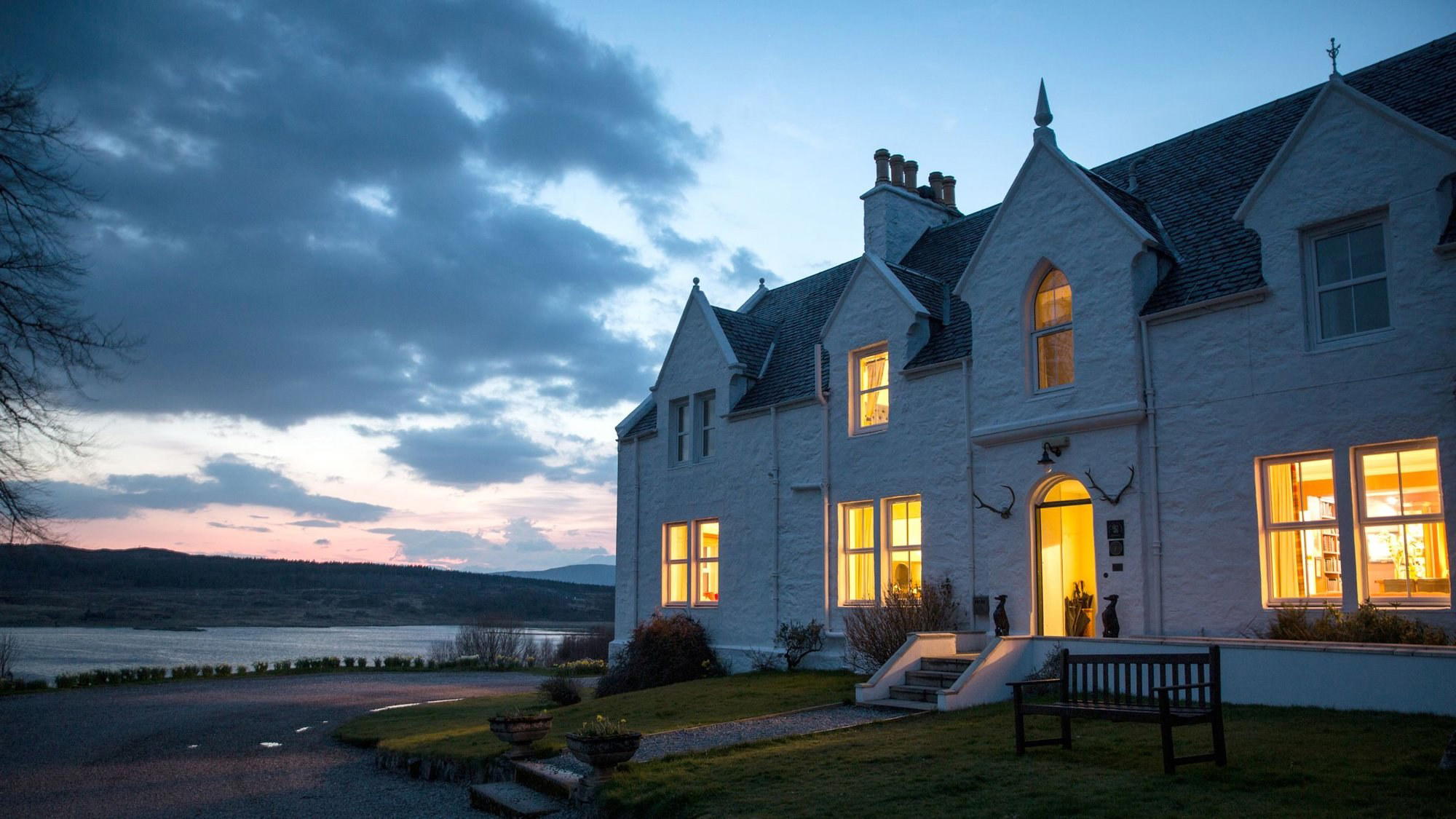
Cozy, warm living room-like setting in a historic castle with magical atmosphere blending crackling history and modern high-end gastronomy.