Crannog at Garrison West

A Fort William institution since 1989, Crannog at Garrison West has relocated from its original Town Pier pitch to a stone-built home in Cameron Square, but the sourcing philosophy remains unchanged. Chef Phil Carnegie draws on Kinlochleven mussels, Mallaig cod, and West Coast scallops for a menu that reads like a roll call of Scottish coastal waters, with grand sharing platters and a daily specials board rounding out the offer.
Pearl is the En Primeur Club membership app — saves, bookings, and concierge access live there. Same editors, same standards.
- Address
- 4 Cameron Square, Fort William PH33 6AJ, United Kingdom
- Phone
- +44 1397 701873
- Website
- garrisonwest.co.uk
- Directions
- Get directions
 Saves & bookings on Pearl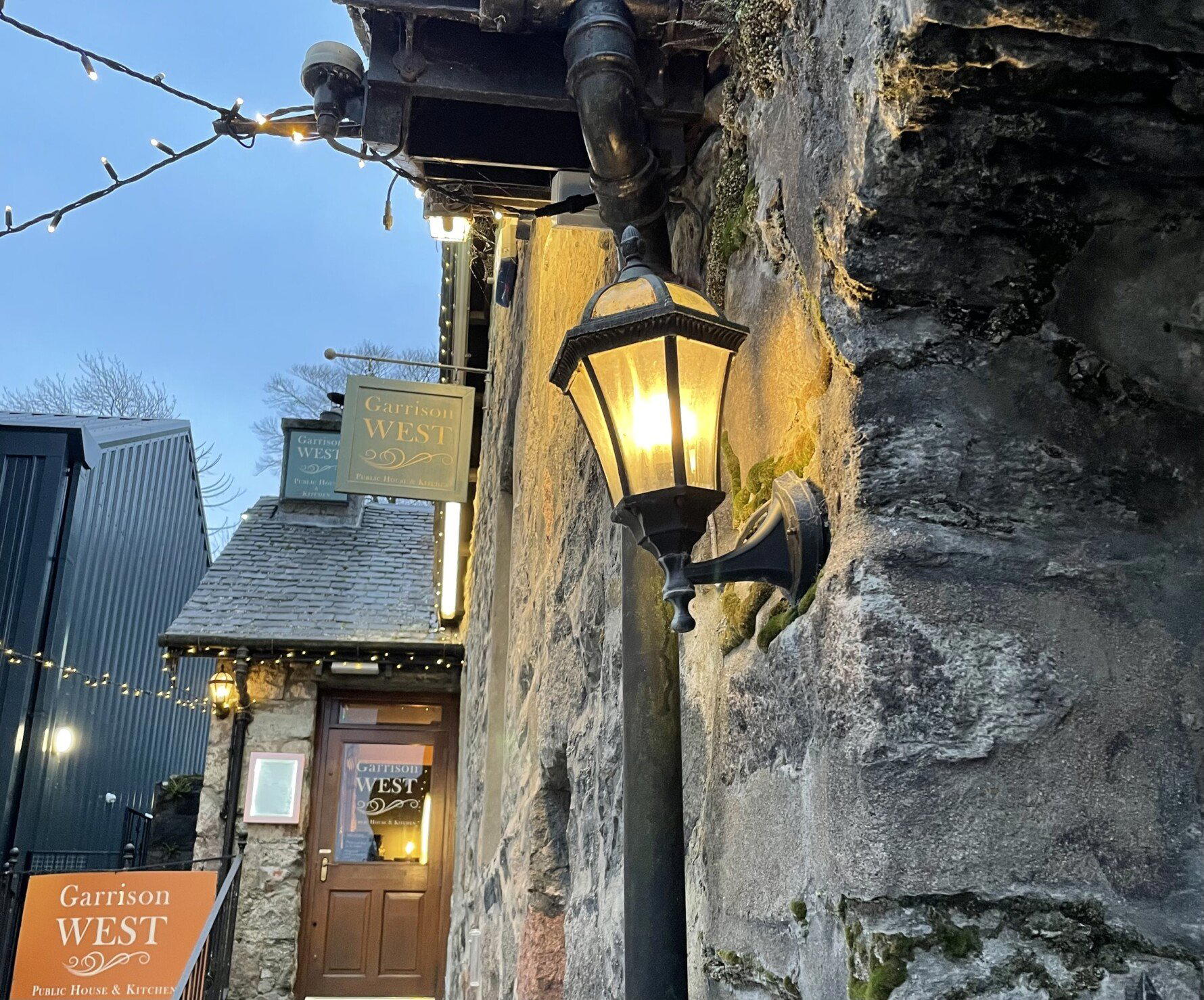
Stone Walls, Scottish Waters
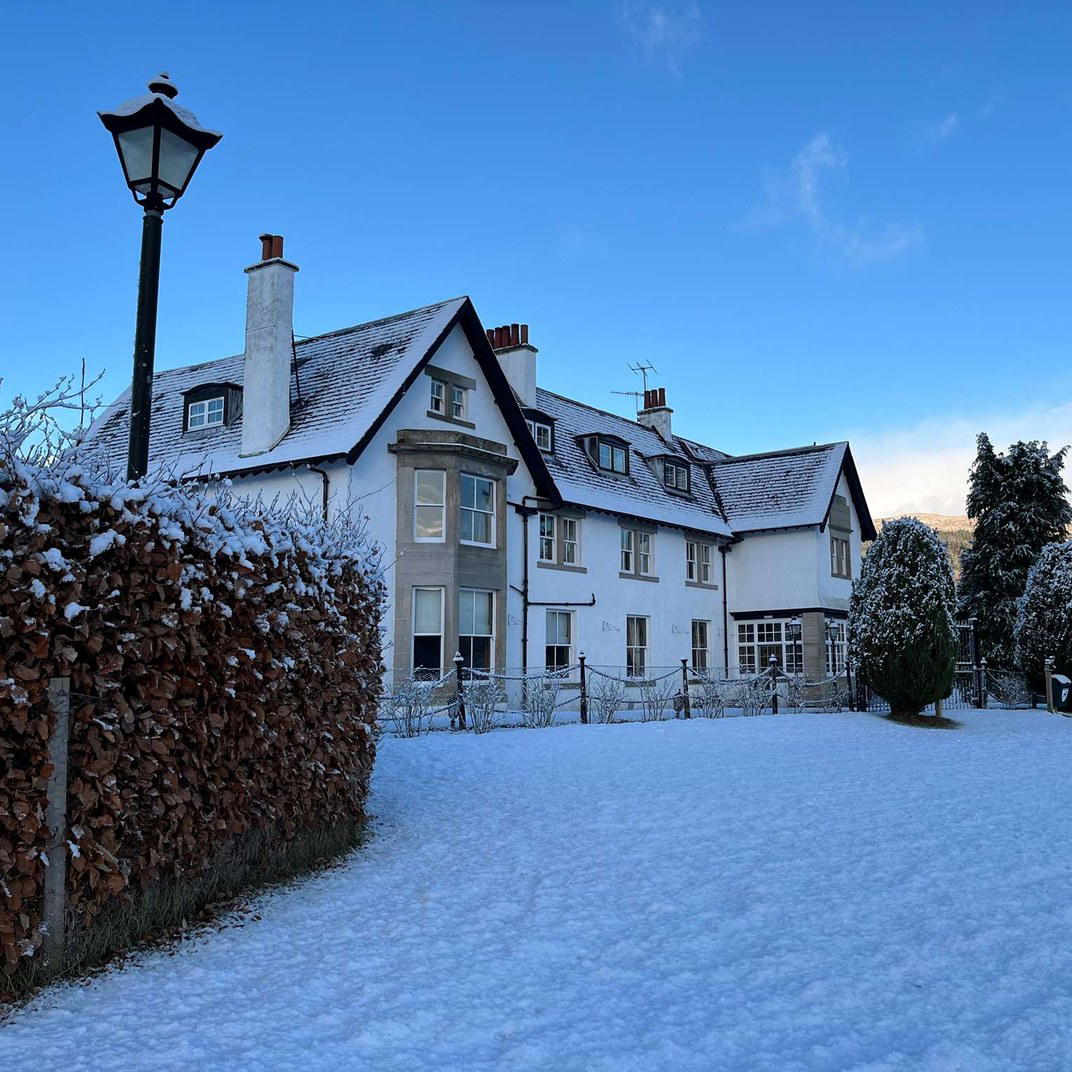
Cameron Square sits in the older, quieter quarter of Fort William, where the stonework is thick and the streets narrow just enough to remind you that this is a working Highland town, not a tourist set piece. The Garrison West pub building carries that same weight: solid, unhurried, the kind of interior where the warmth comes from the fabric of the place as much as the heating. It is here that Crannog, a Scottish seafood restaurant in Fort William, now operates, having left its original lochside pitch on the Town Pier after more than three decades. The sourcing network that made the original Crannog worth the trip has followed intact.
Thirty-Five Years of Scottish Seafood Provenance
Scotland's west coast seafood tradition is one of the country's most serious culinary assets, and Fort William sits at the edge of it. The sea lochs running inland from the Sound of Mull and Loch Linnhe produce shellfish of unusual quality: cold, clean water and long tidal cycles that translate directly into sweetness and texture. Crannog has been tapping that geography since 1989, which places it in a category of British coastal restaurants where longevity itself signals something. The comparison set for that kind of sustained sourcing relationship is found in restaurants where provenance is central to the kitchen's day-to-day work. It sits alongside places like Lochleven Seafood Café, where the distance between water and plate is measured in miles, not supply chain links.
Chef Phil Carnegie and his team source Kinlochleven mussels, West Coast scallops, and Mallaig cod as menu anchors. Mallaig, twenty miles south-west along the coast, is one of Scotland's primary white fish landing ports, and cod landed there arrives through a short, traceable chain. Kinlochleven, a sea loch community at the head of Loch Leven, produces mussels in conditions that most shellfish growers further south cannot replicate. These are not decorative provenance claims; they are the operational spine of what Crannog does. The daily specials board reflects the practical consequence of that approach: availability determines the menu as much as any culinary concept.
Moor Hall in Aughton and L'Enclume in Cartmel at the high-concept end, through mid-market regional specialists, to places like Crannog, where the emphasis falls on ingredient quality and direct execution rather than technique as spectacle. The Le Bernardin in New York City model, where French-trained precision meets the leading available seafood, and the Crannog model are solving different problems. Crannog's answer to the question of what to do with notable Scottish shellfish is to keep the cooking close to the ingredient.
Reading the Menu
The regular menu covers the range of what Scottish coastal cooking looks like when it is done without affectation. Cullen skink, the smoked haddock chowder that is as close to a regional signature dish as Scotland has, appears alongside home-cured salt cod Scotch eggs, which represent a more considered approach to a pub classic. Beer-battered North Sea haddock is the kind of dish that succeeds or fails entirely on the quality of the fish, which is precisely the point. Loch Etive sea trout, served with pea purée, baby gem, and minty pea ravioli, sits at the more composed end of the menu without drifting into the kind of technical elaboration that would shift the dining register entirely.
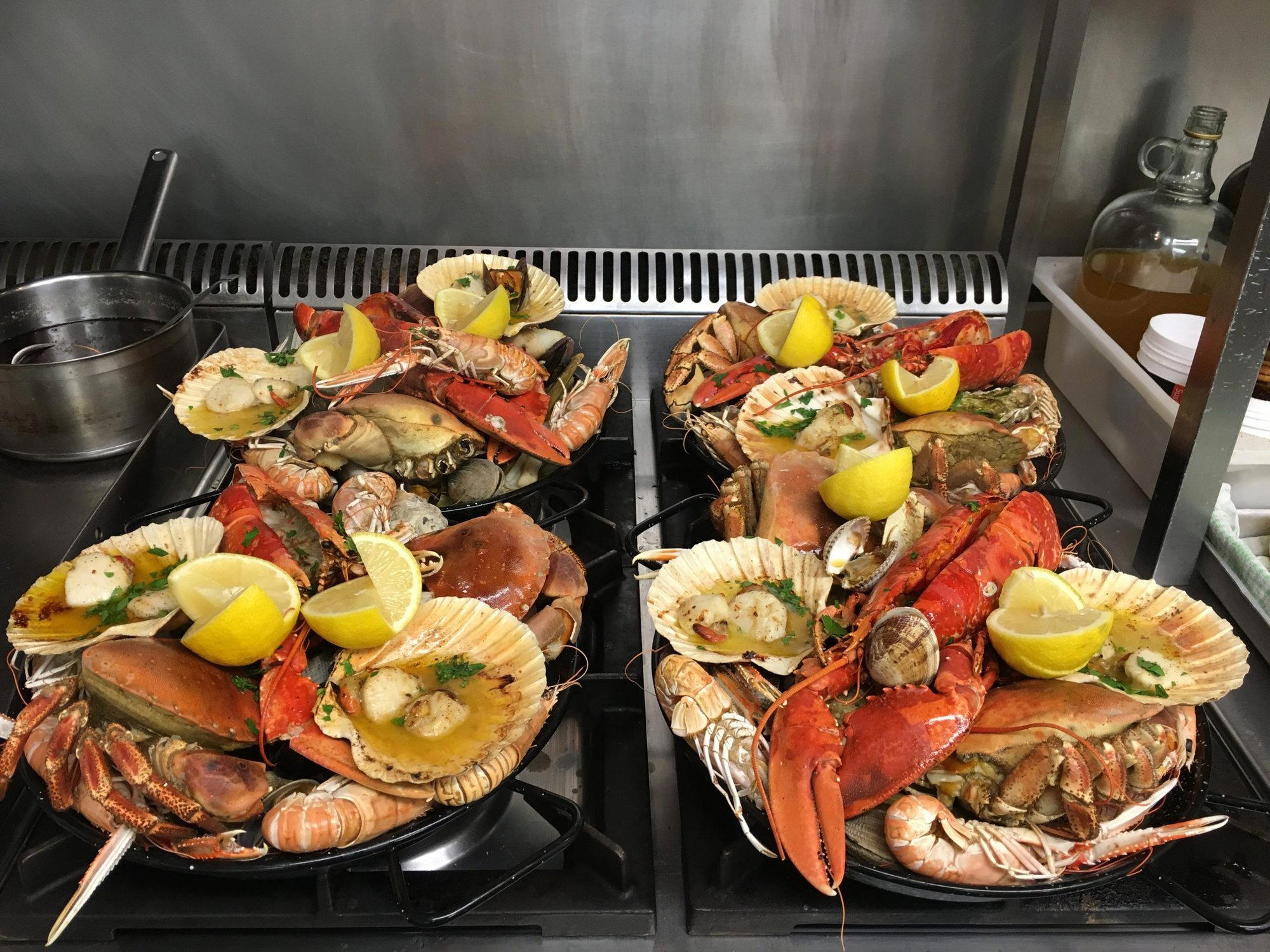
The grand sharing platters, which include lobsters and langoustines subject to availability, occupy a different position on the price scale and serve a different function: they are the occasion dishes, the reason a table of four drives up from Glasgow on a Saturday. The daily specials board is where the sourcing relationships become most visible, and ordering from it is generally the more instructive choice for anyone trying to understand what is in season and what is arriving fresh that week.
Non-seafood options, including ribeye steaks, rump of Forfar lamb, and sweet potato falafels, extend the menu's reach without competing with its identity. Desserts run to baked lemon custard with ricotta ice cream, diplomat pudding with Pedro Ximénez, and an affogato that appears to have become a fixture with regulars.
The wine list leans toward fish-friendly whites, a sensible choice for a menu built around shellfish and cold-water fish. The drinks programme also includes malt whiskies and small-batch Scottish spirits, which in the context of a Highland town is less a concession to tourism than a reflection of what the region actually produces.
Fort William's Dining Position
Fort William is not a restaurant city in the way that Edinburgh or Glasgow are. It is a staging point for Ben Nevis and the Nevis Range, a gateway to Glencoe and the Road to the Isles, and a working town that happens to have genuine culinary assets rooted in its geography. The arrival of Seasgair by Michel Roux Jr has added a high-end French dimension to the local offer, positioning Fort William in a conversation about destination dining in the Scottish Highlands that it was not previously part of. Crannog occupies a different register: accessible, locally embedded, and consistent across three and a half decades.
Planning a Visit
Crannog at Garrison West is located at 4 Cameron Square, Fort William PH33 6AJ. The move from the Town Pier means the restaurant now operates within the Garrison West pub building, which gives it a different character from a standalone seafood specialist. Groups, families, and solo travellers are all welcome. The specials board changes with supply, so flexibility on ordering is rewarded. Crannog has been operating since 1989, and the consistency of the sourcing model over that period is one reliable indicator of what to expect.
Fast Comparison
Comparable venues nearby, for context on price, style, and recognition.
| Venue | Cuisine | Price | Awards | Notes |
|---|---|---|---|---|
| Crannog at Garrison WestThis venue — the venue you are viewing | Scottish Seafood | $$$ | Not listed | Not listed |
| Lochleven Seafood Café | Fresh Scottish Shellfish | $$ | Not listed | Onich |
| Albert And Michael Roux Jr. At Inverlochy Castle | Modern French Fine Dining with Scottish Influences | $$$$ | Not listed | Torlundy |
| 'Seasgair' by Michel Roux Jr | Modern French with Scottish influences | $$$$ | Michelin Plate | Torlundy |
| Atlantic Gate | Seafood & Grill | $$$ | Not listed | Herbert Walker Avenue / Dock Gate 8 |
| Saltie Girl London | Premium Tinned Fish & New England Seafood | $$$ | Not listed | Mayfair |
Recognition history
Dated appearances from independent guides and award organizations, with the underlying list record or original source where available.
The Good Food Guide GFG Good
The Good Food Guide
Continue exploring
More in Fort William
Restaurants in Fort William
Browse all →
Bars in Fort William
Browse all →
At a Glance
- Cozy
- Romantic
- Classic
- Scenic
- Date Night
- Celebration
- Special Occasion
- Group Dining
- Family
- Waterfront
- Historic Building
- Standalone
- Beer Program
- Local Sourcing
- Sustainable Seafood
Current opening hours
- Monday
- 12–2:30 PM, 5–9 PM
- Tuesday
- 12–2:30 PM, 5–9 PM
- Wednesday
- 12–2:30 PM, 5–9 PM
- Thursday
- 12–2:30 PM, 5–9 PM
- Friday
- 12–2:30 PM, 5–9 PM
- Saturday
- 12–2:30 PM, 5–9 PM
- Sunday
- 12–2:30 PM, 5–9 PM
Hours can change for holidays and private events. Last verified .
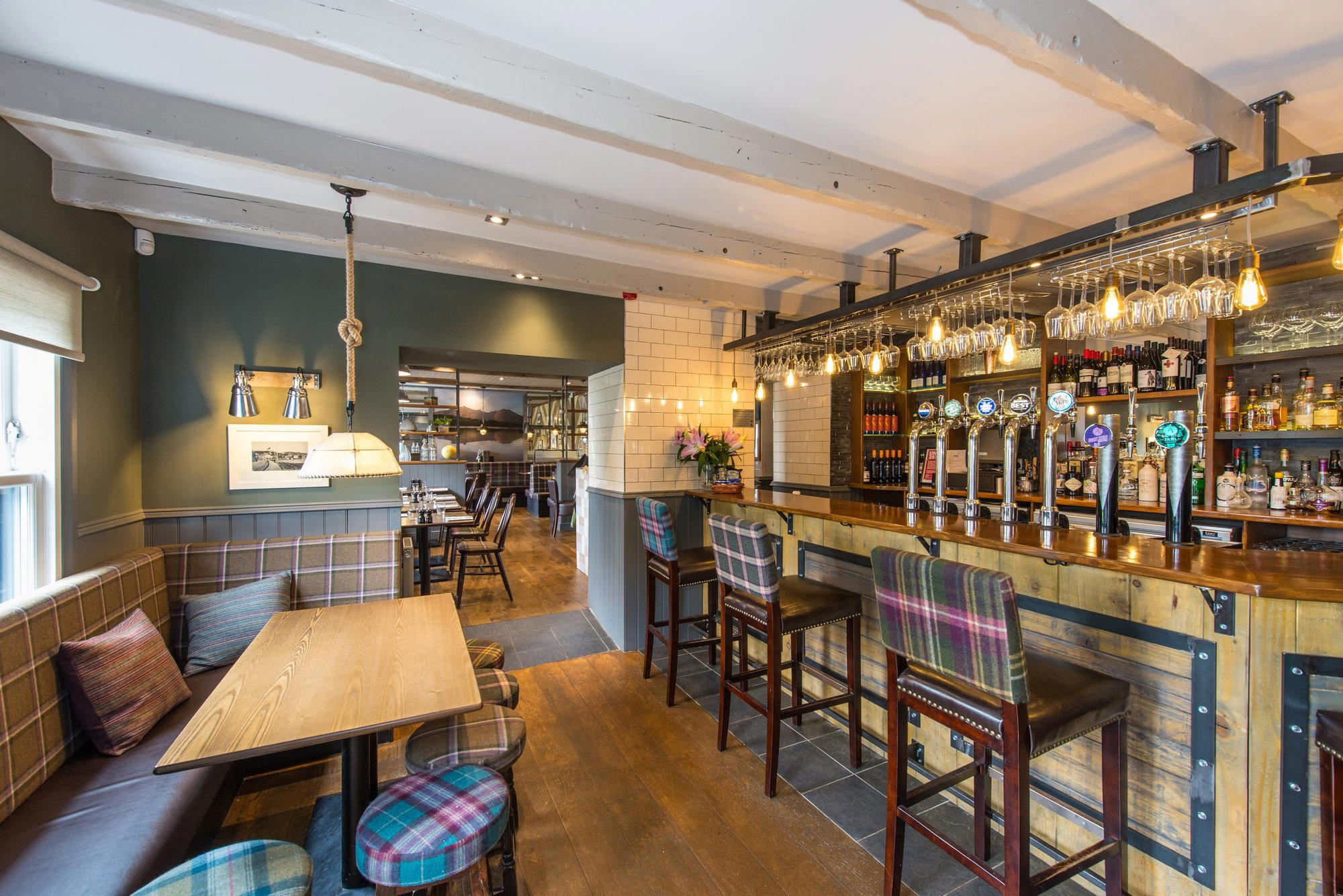
Warm and inviting with a cosy pub-like setting, featuring an open fire that creates a relaxed, intimate atmosphere well-suited for unwinding after exploring the Highlands.