Mingalarbar Restaurant
On 71st Street between 28th and 29th in Mandalay, Mingalarbar Restaurant sits within a neighbourhood where Burmese cooking draws on some of the country's most direct supply lines for fresh produce, pulses, and aromatics. The address places it in the practical heart of a city that takes its food seriously, with a dining culture shaped by centuries of trade-route influence and central Myanmar agricultural rhythms.
 Discover on Pearl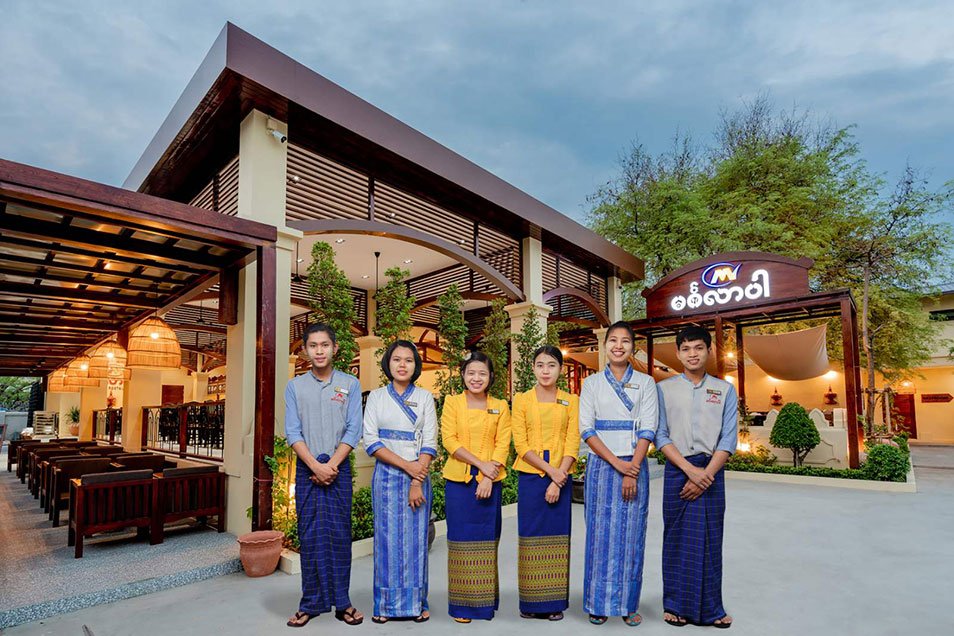
Where Mandalay's Market Economy Meets the Plate
Mandalay occupies a particular position in Myanmar's food story. As the country's second city and its last royal capital, it sits at the intersection of highland and lowland supply chains, with produce moving in from the Shan Plateau to the east, the Sagaing region across the Irrawaddy to the west, and the intensively farmed flatlands that surround it. The result is a city where restaurants operate with access to ingredients that coastal or delta-based kitchens have to source from further away: dried fermented products, freshwater fish, mountain herbs, and a wider variety of legumes than most of Southeast Asia sees in a single market. Mingalarbar Restaurant, at 71st Street between 28th and 29th, sits inside that supply logic rather than outside it.
The address itself is instructive. The grid of numbered streets that defines central Mandalay is not a tourist zone. It is a working urban fabric where tea shops, market stalls, and neighbourhood restaurants serve the city's residents before they consider anyone else. A restaurant operating on 71st Street is drawing its clientele from the surrounding blocks as much as from any broader visitor economy, and that shapes what ends up on the menu and where it comes from.
The shortlist, unlocked.
Hard-to-book tables, cellar releases, and concierge-planned trips.
Get Exclusive Access →The Ingredient Geography of Central Myanmar
Understanding what a Mandalay kitchen can access requires a brief account of the region's agricultural position. The Sagaing Division, directly across the river, is one of Myanmar's primary growing areas for sesame, groundnuts, and pulses. The Shan Plateau, reachable within a few hours, supplies tomatoes, potatoes, and temperate vegetables that do not grow well in the lowland heat. Mandalay itself has historically been a processing and trading hub for fermented products, including ngapi (fermented fish paste) and balachaung (a dried prawn condiment), both of which appear as foundational flavour agents in central Myanmar cooking rather than as finishing condiments.
This is a meaningful distinction. In Mandalay-style cuisine, fermented and dried ingredients function structurally, building the base of dishes rather than sitting on leading. The sourcing of those products, and their quality, directly determines the depth of the food. Restaurants that have long-standing relationships with specific suppliers, whether for particular grades of ngapi or for specific regional varieties of tamarind, produce noticeably different results from those working with generic market stock. For context on how this ingredient-forward approach appears across Myanmar's dining scene, it is worth reading about Nanda Restaurant in Nyaung Oo and Sarabha 2 Restaurant in Nyaung U, both of which operate within similar regional produce networks.
How Mingalarbar Fits the Neighbourhood Pattern
Mandalay's restaurant culture is not organised around destination dining in the way that, say, a three-Michelin-star counter in Tokyo or the tasting-menu format at Alinea in Chicago is. The city's food identity is built around accessibility, frequency, and the kind of cooking that improves with repetition and institutional knowledge. A restaurant that has established itself on a specific numbered-street corner in central Mandalay has done so by serving a regular population that has other options and comes back by choice.
That local-repeat dynamic is a meaningful filter. It tends to select for cooking that is calibrated to what the ingredients actually are on a given day, rather than to a fixed printed menu. Mandalay's proximity to its supply sources means that seasonal variation is real and visible: the tomato crop from Shan arrives in volume at specific times of year, freshwater catch from the Irrawaddy fluctuates with water levels and season, and the availability of specific greens shifts across the months. A kitchen embedded in that rhythm tends to cook differently from one that orders from a distributor on a fixed schedule.
Comparable patterns appear in Myanmar restaurants across the country. Kaung Myat Restaurant in Yangon operates within a similar neighbourhood-service logic, as does Roha Korean Restaurant in Kalaw, though the latter reflects the cross-cultural influences that Kalaw's elevation and history have introduced to its food scene. Within Mandalay itself, Golden Duck Restaurant and Shwe Pyi Moe Cafe represent the range of formats the city supports, from full-service restaurants to the tea-shop and cafe tier that functions as Mandalay's primary social infrastructure.
The Broader Mandalay Dining Context
Visitors arriving in Mandalay from internationally recognised dining destinations, whether Le Bernardin in New York City, 8 1/2 Otto e Mezzo Bombana in Hong Kong, or Alain Ducasse at Louis XV in Monte Carlo, will find a city where the signals of quality are entirely different. There are no Michelin inspectors operating in Myanmar. The peer references are not awards databases but rather the accumulated judgement of local residents who eat out several times a week. That judgement is, in its own way, rigorous. A restaurant that survives and builds a following in central Mandalay's numbered-street grid has passed a sustained market test that is not dissimilar in its logic to the long-run editorial recognition that venues like Atomix in New York City or Lazy Bear in San Francisco receive from specialist press.
The practical difference is transparency. In cities with active critical coverage, a diner can triangulate between multiple published assessments. In Mandalay, the information is present but less formalised, distributed across local knowledge networks rather than review platforms. Our full မန္တလေးမြို့ restaurants guide maps the current terrain as we understand it.
Planning a Visit
Mingalarbar Restaurant sits on 71st Street between 28th and 29th in central Mandalay, in a district that is reachable on foot from the city's main hotel concentration around the palace moat area. Given the absence of a confirmed website or phone number in publicly available records, the most reliable approach is to visit directly, which is consistent with how the neighbourhood's restaurants generally operate. Booking infrastructure, where it exists in Mandalay's mid-market restaurant tier, tends to be informal. Arriving at lunch or early dinner gives the leading read on what is available that day. For context on the broader Myanmar restaurant spectrum, the work being done at restaurants such as Emeril's in New Orleans or Aponiente in El Puerto de Santa María illustrates how ingredient provenance and regional specificity can anchor a restaurant's identity at very different price points and in very different culinary traditions. In Mandalay, that anchoring happens at street level, through the produce moving in from the surrounding regions every morning.
Frequently Asked Questions
- Is Mingalarbar Restaurant a family-friendly restaurant?
- Neighbourhood restaurants on Mandalay's numbered-street grid generally serve a broad cross-section of local residents, which typically includes families eating together. Mandalay's mid-market dining tier is not structured around age restrictions or formal dress requirements, and the price levels common in this part of the city make group dining accessible. That said, specific facilities or seating arrangements at Mingalarbar have not been confirmed in available records.
- What kind of setting is Mingalarbar Restaurant?
- The address on 71st Street between 28th and 29th places Mingalarbar in central Mandalay's working urban grid, away from the tourist-facing zones near the palace moat. Restaurants in this district tend toward functional, unfussy settings where the emphasis is on the food and the speed of service rather than on interior design. Mandalay's dining culture in this tier prioritises substance over atmosphere in the decorative sense.
- What dish is Mingalarbar Restaurant famous for?
- No specific signature dishes have been confirmed in available records. Central Myanmar cuisine in this part of Mandalay typically features mohinga (rice noodle soup), various curry preparations built on fermented-paste bases, and seasonal vegetable dishes sourced from nearby growing regions. What a kitchen in this location executes well is leading assessed by visiting during peak service hours and observing what local regulars are ordering.
- Is Mingalarbar Restaurant reservation-only?
- No reservation system has been confirmed for Mingalarbar. Restaurants operating in Mandalay's neighbourhood dining tier, particularly those without a confirmed website or phone listing, generally operate on a walk-in basis. Visiting at standard meal times, particularly lunch, is the most practical approach for first-time visitors.
- What's the standout thing about Mingalarbar Restaurant?
- Its position within Mandalay's central supply network is the most substantive thing that can be said with confidence. A restaurant embedded in the 71st Street grid draws from the same produce flows, fermented-ingredient suppliers, and freshwater fish networks that define central Myanmar cooking at its most direct. That sourcing proximity, rather than any specific award or critical recognition, is the relevant credential here.
- How does Mingalarbar Restaurant fit into Mandalay's broader culinary tradition?
- Mandalay sits at a convergence of highland and lowland ingredient flows that distinguishes its cooking from both Yangon's more cosmopolitan food scene and the simpler preparations found in smaller regional towns. A restaurant operating on 71st Street is working within that tradition rather than apart from it. Central Myanmar cooking relies heavily on fermented and dried products as structural flavour agents, and Mandalay's proximity to primary producers of those ingredients means that restaurants here have sourcing access that restaurants in other cities do not. No specific awards or critical designations have been recorded for Mingalarbar, but its address situates it within one of Myanmar's most ingredient-rich urban dining environments.
How It Stacks Up
These are the closest comparables we have in our database for quick context.
| Venue | Cuisine | Price | Awards | Notes |
|---|---|---|---|---|
| Mingalarbar Restaurant | This venue | |||
| Golden Duck Restaurant | ||||
| Shwe Pyi Moe Cafe | ||||
| Kaung Myat Restaurant | ||||
| Feel Myanmar Food | ||||
| Min Lan Seafood |
Need a table?
Our members enjoy priority alerts and concierge-led booking support for the world's most difficult tables.
Get Exclusive AccessThe shortlist, unlocked.
Hard-to-book tables, cellar releases, and concierge-planned trips.
Get Exclusive Access →