Casa Guadalajara
Casa Guadalajara anchors the Old Town San Diego dining scene with a longstanding commitment to Mexican regional cooking in a neighborhood defined by the cuisine. The Taylor Street address places it inside one of Southern California's most concentrated corridors for Mexican food, where it competes on atmosphere and tradition rather than novelty. For visitors orienting themselves in San Diego's broader dining map, it reads as a foundational stop.
Pearl is the En Primeur Club membership app — saves, bookings, and concierge access live there. Same editors, same standards.
- Address
- 4105 Taylor St, San Diego, CA 92110
- Phone
- +16192955111
- Website
- casaguadalajara.com
- Directions
- Get directions
 Saves & bookings on Pearl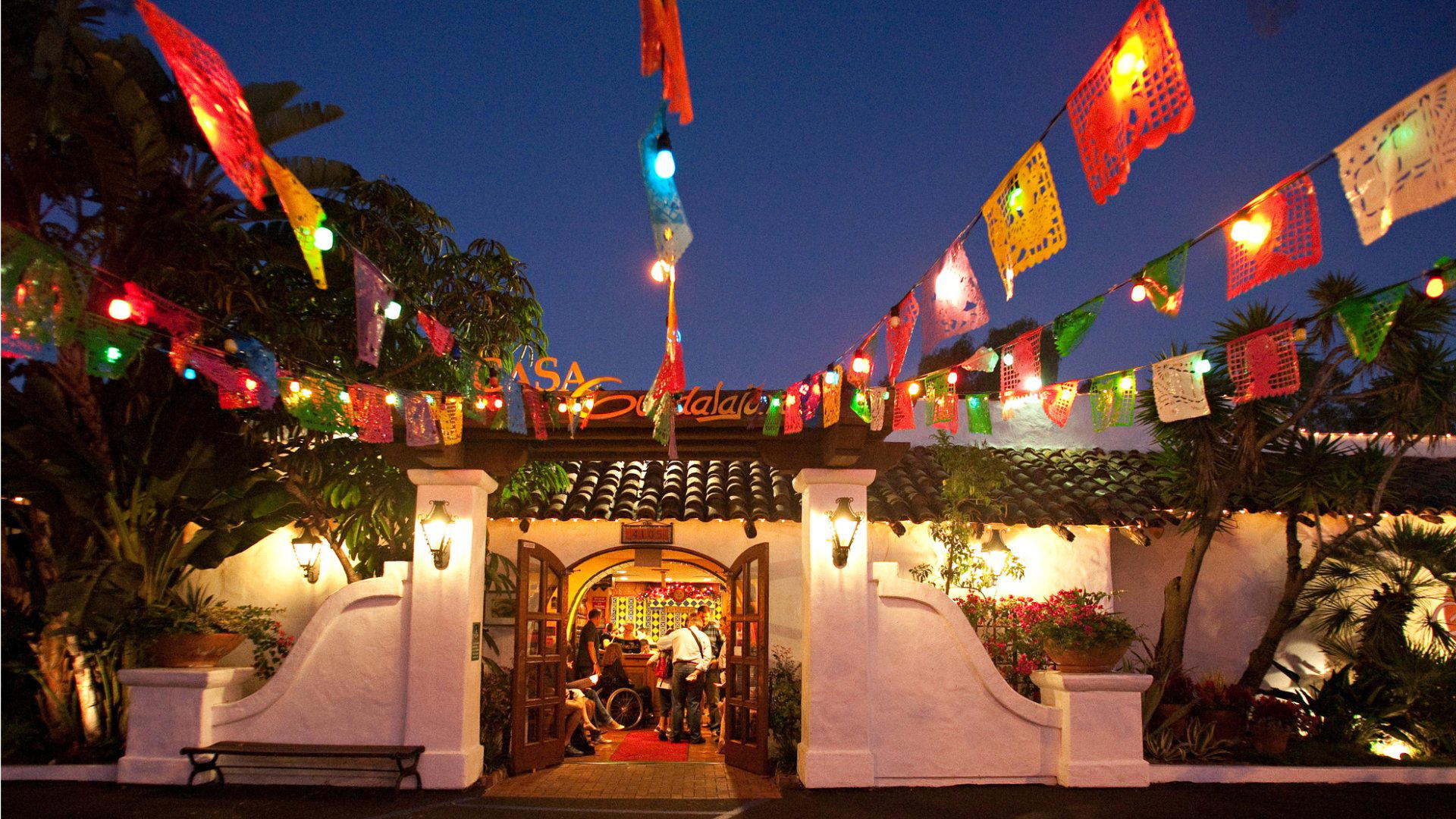
Casa Guadalajara is a casual Traditional Mexican restaurant in San Diego's Old Town neighborhood, at 4105 Taylor St.
Old Town San Diego operates as the city's unofficial center of gravity for Mexican regional cuisine. The neighborhood sits on land with direct historical ties to the California missions and the earliest Spanish and Mexican settlement of the region, which means the food here carries a legitimacy that newer, trendier corridors in North Park or Little Italy can't replicate through good intentions alone. Casa Guadalajara, at 4105 Taylor St, occupies this address with the weight of that neighborhood identity behind it.
In San Diego's broader dining context, the city has developed two distinct dining tracks over the past decade. On one side, destination restaurants like Addison (French, Contemporary) and Soichi (Japanese) compete at a national level, drawing the kind of attention that puts San Diego on the same conversation map as restaurants like Le Bernardin in New York City or The French Laundry in Napa. On the other side, neighborhood anchors rooted in specific culinary traditions serve the city's actual daily dining life. Old Town venues occupy that second category, and within it, Casa Guadalajara has held its position long enough to become part of what visitors expect when they arrive in the neighborhood.
The Technique Question: What Regional Mexican Cooking Actually Means in This Context
The editorial angle worth pressing on, when thinking about Mexican cuisine in Southern California, is the gap between what gets called "Mexican food" and what the regional traditions of Mexico actually contain. The state of Jalisco, which gives Guadalajara its name as the state capital, has a cooking tradition that runs through birria, pozole, tortas ahogadas, and the tequila-producing agave culture of the highlands. These aren't broadly interchangeable with Oaxacan mole traditions, Yucatecan cochinita pibil, or the coastal ceviches of Veracruz. When a restaurant names itself after a specific Mexican city, it signals a regional orientation, the same way that naming a restaurant after Lyon or Bologna implies a culinary commitment beyond generic European fare.
The intersection of indigenous products and imported technique is where this kind of dining gets genuinely interesting. Jalisco's cooking draws heavily on ingredients that predate Spanish contact: corn in its masa form, dried chiles, tomatillos, and wild herbs. What Spanish and later European influence layered on leading includes braising methods, the use of pork and beef, and dairy-based enrichments. The result, in the leading versions of Jaliscan cooking, is a tradition that is simultaneously pre-Columbian in its base ingredients and colonial in its structural technique. That's a different culinary architecture than what you find at, say, Blue Hill at Stone Barns in Tarrytown, where the local-ingredient philosophy is a contemporary ideological choice. In Mexican regional cooking, the localism is historical necessity and cultural continuity rather than programmatic decision-making.
For comparison, consider how other American restaurants have approached the local-ingredient-meets-imported-method framing: Single Thread Farm in Healdsburg applies Japanese kaiseki structure to Northern California produce, while Frasca Food & Wine in Boulder transplants Friulian technique into the Rocky Mountain ingredient set. The Jaliscan tradition at a restaurant like Casa Guadalajara works along a similar axis, though the technique-ingredient dialogue is centuries older.
The Old Town Environment and What It Delivers
Old Town San Diego's dining environment rewards visitors who arrive with calibrated expectations. This is not the neighborhood for the kind of forward-edge tasting menu experience you find at Lazy Bear in San Francisco, Smyth in Chicago, or Atomix in New York City. Old Town delivers something different: historical atmosphere, outdoor courtyard dining, and a festive energy that draws both local families and tourists moving through what functions as a living history district. The value of that environment is real even if it reads differently than the controlled intimacy of a chef's counter or the temple-of-gastronomy formality you encounter at The Inn at Little Washington in Washington.
The restaurant's Taylor Street location places it within walking distance of the Old Town State Historic Park, which means dinner here often follows an afternoon of engaging with the city's founding-era architecture. That sequencing matters: the food reads differently when you've spent time in the physical context that gives Mexican culinary traditions their San Diego-specific meaning. Other San Diego venues that reward similar contextual thinking include 1450 El Prado, positioned near Balboa Park's cultural institutions, and the historically-framed 94th Aero Squadron.
For visitors comparing Old Town's Mexican dining corridor to what they know from Mexican restaurants in other American cities, the San Diego version benefits from proximity to the border and the density of cross-border culinary exchange that proximity enables. Ingredients arrive fresher, regional specialties remain less diluted, and the cooking staff often maintains direct ties to the traditions they're working within. That's a structural advantage over Mexican restaurants in cities like New Orleans or Los Angeles's west side, where the ingredient supply chain and cultural continuity require more active effort to maintain.
Know Before You Go
- Address: 4105 Taylor St, San Diego, CA 92110 (Old Town neighborhood)
- Neighborhood context: Adjacent to Old Town State Historic Park; walkable from the historic district core
- Comparable venues in the city: For Mexican regional dining in San Diego, Old Town concentrates many options in a single walkable area
- Broader San Diego dining: See the full EP Club San Diego guide for cross-neighborhood comparisons including 777 G St and other city anchors
- Booking and hours: Hours run daily from 11 AM to 9 PM, and reservations are recommended.
- Plan for a casual setting and steady visitor traffic, especially on weekends.
Price and Positioning
Comparable venues nearby, for context on price, style, and recognition.
| Venue | Cuisine | Price | Notes |
|---|---|---|---|
| Casa GuadalajaraThis venue — the venue you are viewing | Old Town San Diego, Traditional Mexican | $$ | Not listed |
| Rockin Baja Lobster Old Town | Not listed | $$ | Old Town San Diego, Baja-Style Mexican Seafood |
| El Agave | Not listed | $$ | Old Town San Diego, Authentic Central Mexican |
| El Sueño | Not listed | $$ | Old Town San Diego, Modern Mexican Fusion |
| Quixote | North Park, Oaxacan Mexican | $$ | Not listed |
| Ranchos Cocina | North Park, Vegan-Friendly Mexican | $$ | Not listed |
Continue exploring
More in San Diego
Restaurants in San Diego
Browse all →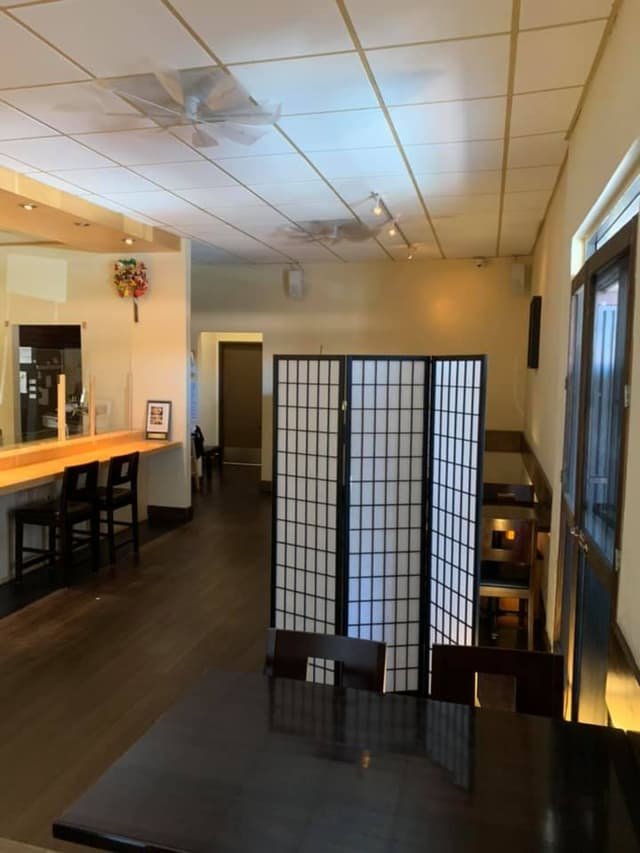
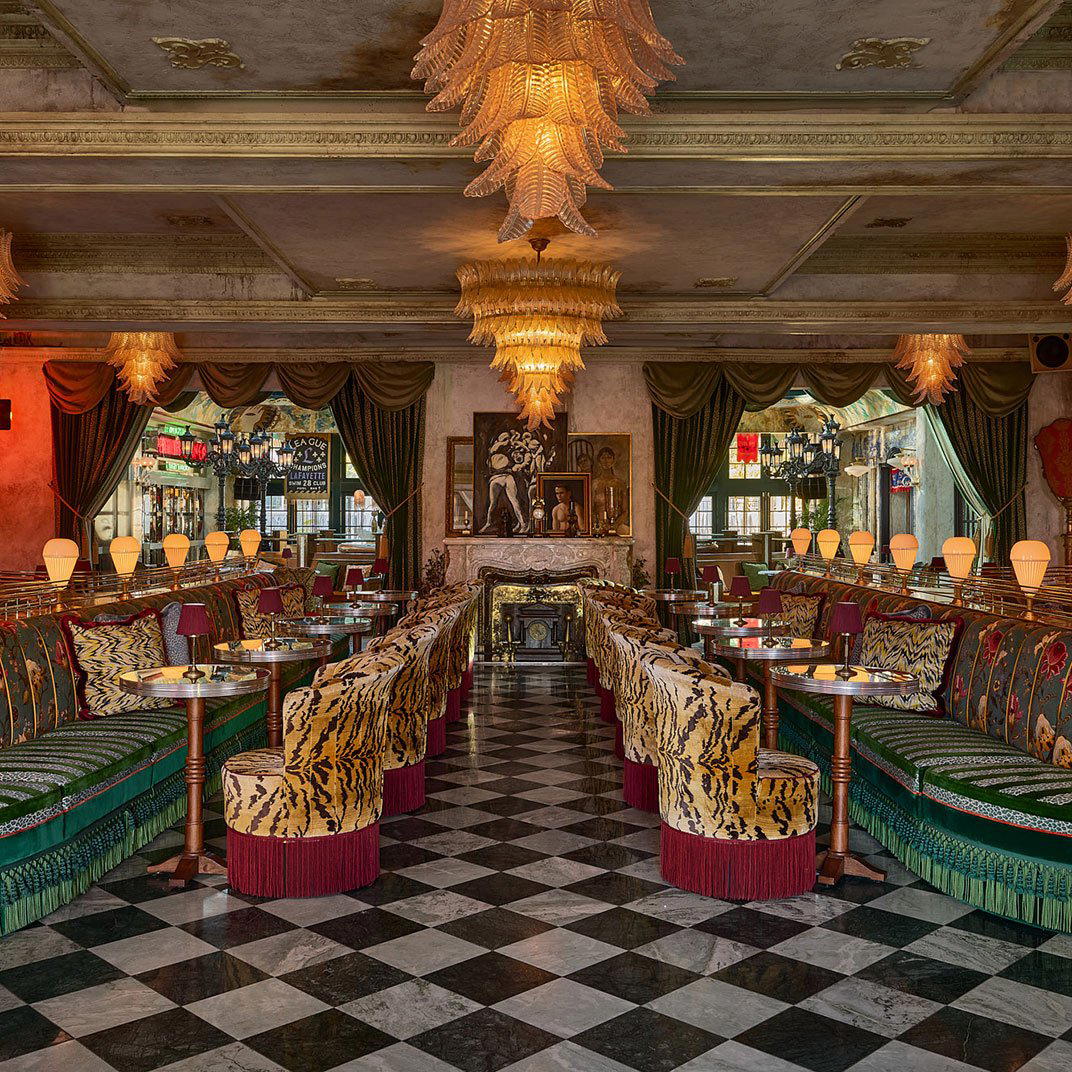
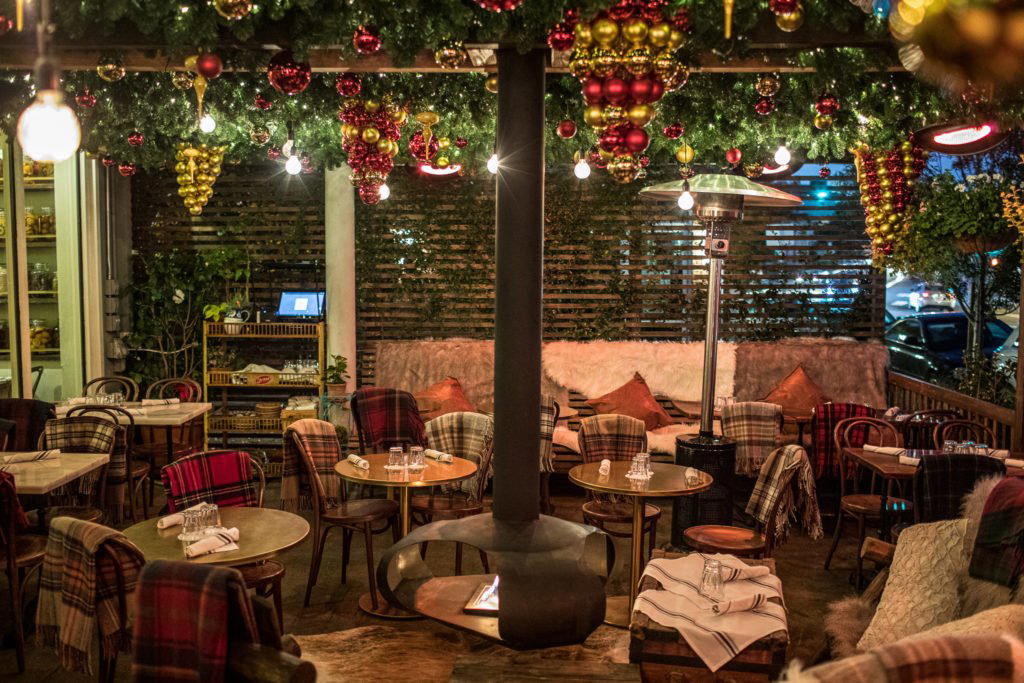
Bars in San Diego
Browse all →




At a Glance
- Lively
- Rustic
- Group Dining
- Family
- Casual Hangout
- Celebration
- Live Music
- Private Dining
- Terrace
- Craft Cocktails
Current opening hours
- Monday
- 11 AM–9 PM
- Tuesday
- 11 AM–9 PM
- Wednesday
- 11 AM–9 PM
- Thursday
- 11 AM–9 PM
- Friday
- 11 AM–9 PM
- Saturday
- 11 AM–9 PM
- Sunday
- 11 AM–9 PM
Hours can change for holidays and private events. Last verified .
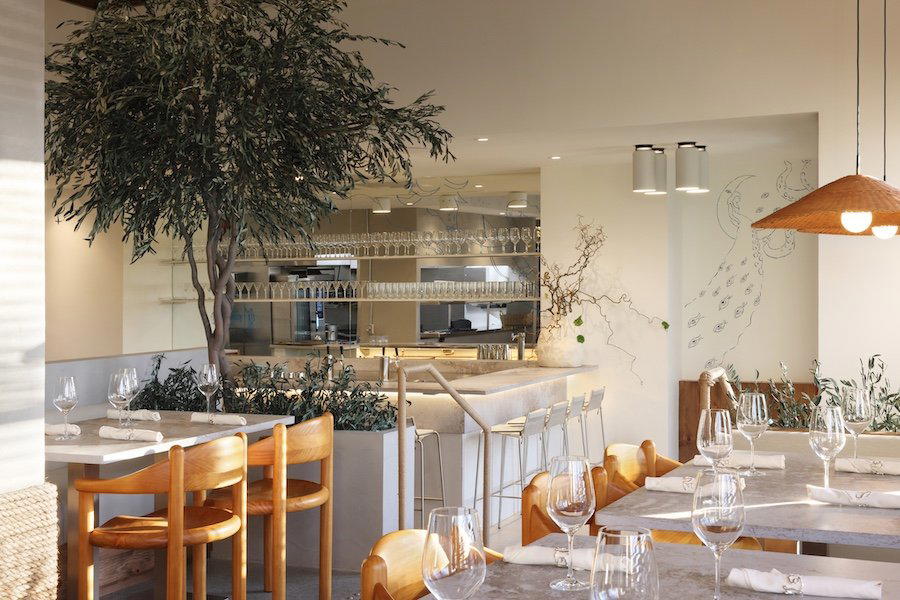
Festive and spirited with lively décor, lush patio, and live music creating a warm, colorful Old Town vibe.