Milpa

Milpa centers a Modern Mexican Café menu on birria tacos, tetelas, and huevos rancheros, with local sourcing and a 2025 James Beard Award Semi Finalist nod.
Pearl is the En Primeur Club membership app — saves, bookings, and concierge access live there. Same editors, same standards.
- Address
- 4226 S Durango Dr Ste 101, Las Vegas, NV 89147
- Phone
- +17022474147
- Website
- milpalv.com
- Directions
- Get directions
 Saves & bookings on Pearl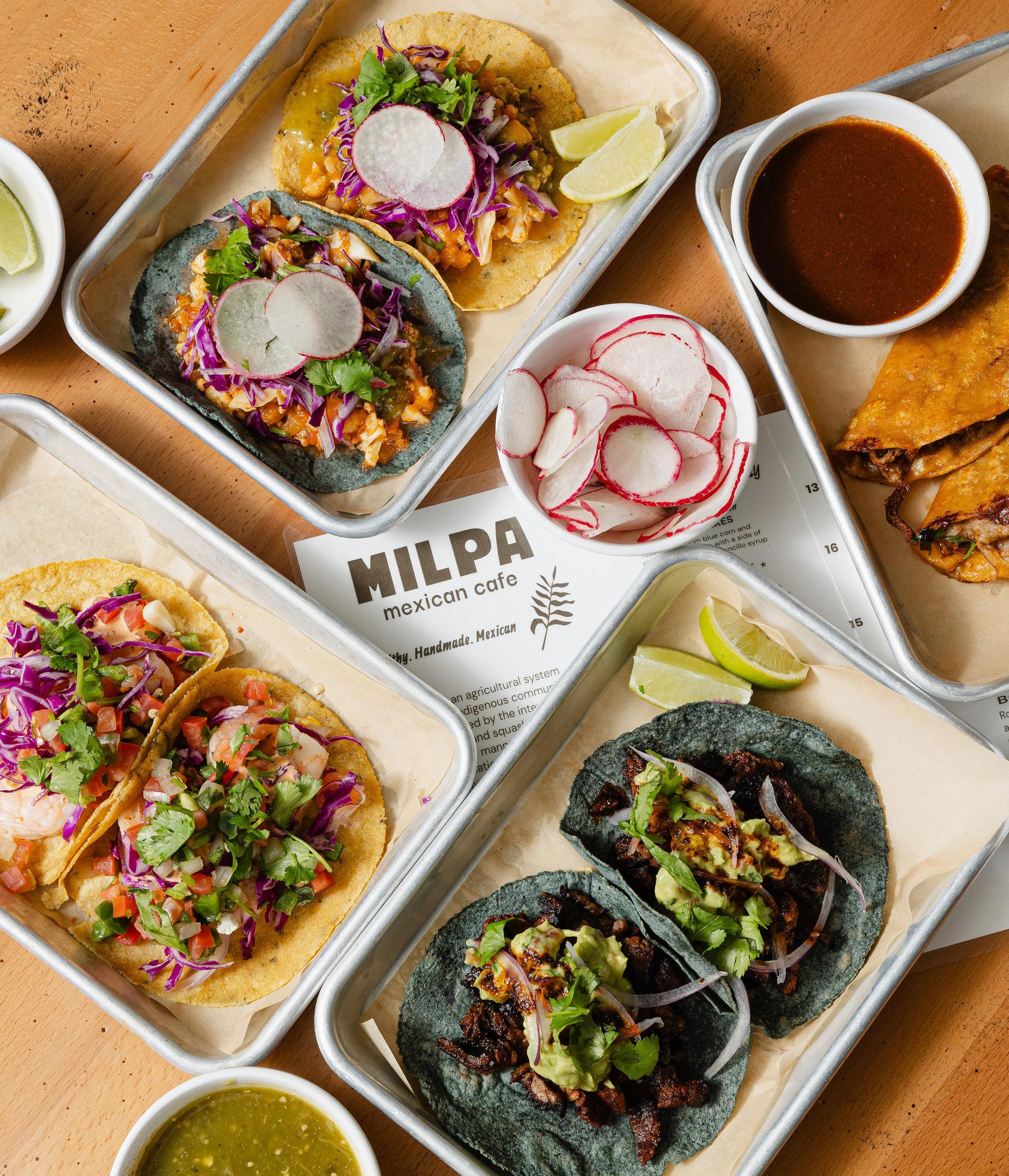
Southwest Las Vegas and the Case for Ingredient-Led Mexican Cooking
Drive west on Flamingo past the resort corridor and the city's architecture shifts from theatrical to functional — strip-mall plazas, dry-cleaning shops, the kind of blocks where Las Vegas actually lives. On South Durango Drive, in a modest suite at 4226, Milpa occupies a space that makes no concessions to spectacle. That restraint is deliberate. The room earns attention the same way the food does: through what it puts in front of you rather than how loudly it announces itself.
The name itself is a signal. A milpa is a traditional Mesoamerican agricultural system — corn, beans, and squash grown together in a polyculture that sustains soil and community simultaneously. As a reference point for a restaurant, it locates the cooking firmly in pre-colonial agricultural tradition rather than the Tex-Mex or border-fusion registers that dominate the broader American Mexican-food conversation. Whether that promise is delivered dish by dish is what matters, and what the kitchen's sourcing philosophy either supports or undermines.
Ingredient Sourcing as Culinary Position
Mexican cuisine in the United States occupies an unusual critical position. On one end, it is among the most widely available and frequently misrepresented food traditions in the country. On the other, a sharper cohort of restaurants, concentrated in cities like Los Angeles, Chicago, and San Francisco, has spent the last decade arguing seriously for regional specificity, heirloom ingredients, and technique fidelity. The conversation these kitchens are having parallels what happened in American fine dining more broadly when restaurants like Blue Hill at Stone Barns in Tarrytown made sourcing the editorial center of their menus: the ingredient becomes the argument.
That orientation places higher demands on execution. When a dish is built around a specific landrace corn variety or a particular chile cultivar, generic substitutions are visible in the result. Kitchens that commit to ingredient provenance are, in effect, raising their own bar. The same logic applies at the level of a neighborhood restaurant in Las Vegas's residential west side, a setting where the pressure to compete on price rather than provenance is considerable.
Las Vegas's dining establishment is heavily Strip-concentrated. The properties that command the most critical attention, places adjacent to the resort-casino infrastructure, operate under economic conditions that incentivize ingredient ambition only when it can be priced accordingly. Restaurants working outside that system, in commercial corridors serving local residents rather than conventioneers, tend to either default to volume or carve a smaller, more committed identity. Milpa's address puts it firmly in the second category.
Where Milpa Sits in the Las Vegas Dining Scene
Las Vegas's off-Strip dining has matured considerably over the past decade. Locals-oriented restaurants now cover a range that would have seemed unlikely in a city historically defined by its hotel-dining model. 108 Eats and 18bin represent the kind of neighborhood-scale ambition that has taken root on the west and northwest sides of the valley, while 777 Korean Restaurant and A Different Beast illustrate how specific the community's appetite for non-resort dining has become. Milpa occupies a distinct position in that set: a restaurant whose identity, at least as signaled by its name and location, is rooted in Mexican agricultural tradition rather than fusion ambition or strip-mall expediency.
That is a different competitive conversation than what happens on the Strip. Craftsteak and similar resort-adjacent restaurants compete on scale, spectacle, and the captive economics of hotel dining. Milpa, by contrast, draws on an audience that made a deliberate choice to drive to South Durango rather than walk through a casino floor, a meaningfully different relationship between kitchen and guest.
For context on how seriously the broader American fine-dining conversation takes ingredient-led cooking, it is worth noting the credentials of the restaurants that have most committed to that approach: Single Thread Farm in Healdsburg built its entire identity around an integrated farm-to-counter model. The French Laundry in Napa has maintained kitchen gardens as a sourcing pillar for decades. Providence in Los Angeles built its seafood program on direct relationships with fishermen. These are Michelin-starred operations with the resources to formalize sourcing infrastructure. A neighborhood restaurant in Las Vegas is working at a different scale, but the underlying argument, that knowing where an ingredient comes from changes what you can do with it, applies at any price point.
The Broader Tradition Behind the Name
The milpa agricultural system is estimated to be at least 3,000 years old. Its relevance to a contemporary restaurant is not merely symbolic. Corn, specifically nixtamalized masa, is one of the most technically demanding bases in any cuisine. The difference between masa made from fresh-ground heirloom corn and masa from industrial dried flour is detectable in texture, flavor, and structural integrity. Similarly, dried chiles sourced from specific Mexican growing regions carry aromatic profiles that commodity versions flatten. A kitchen that names itself after this tradition is, implicitly, committing to treating these distinctions seriously. That is either a meaningful editorial position or an aspirational name, and the gap between those two things is what separates the better examples of this genre from the merely well-intentioned ones.
Across the United States, the restaurants making the strongest case for Mexican cuisine as a serious culinary tradition, comparable in depth and regional specificity to, say, the French regional cooking that Le Bernardin in New York City or Emeril's in New Orleans have engaged with, are doing so through exactly this kind of sourcing specificity. Alinea in Chicago and Atomix in New York City have demonstrated that rigorous ingredient-led philosophies can operate at the highest critical tier. The same argument, applied at neighborhood scale to a centuries-old agricultural tradition, is what a restaurant like Milpa is positioned to make.
Planning Your Visit
Milpa sits in a commercial plaza at 4226 S Durango Dr, Suite 101, in the southwest quadrant of Las Vegas, a roughly 20-minute drive from the Strip depending on traffic. The address serves a predominantly local clientele, which means parking is direct and the pace is set by the neighborhood rather than hotel check-in rhythms. For anyone building a broader Las Vegas dining itinerary that goes beyond resort dining, see our full Las Vegas restaurants guide. Additional context on what serious ingredient-led cooking looks like at different price tiers and formats is available through the Addison in San Diego, Lazy Bear in San Francisco, and The Inn at Little Washington in Washington profiles. For an international reference point on how ingredient philosophy travels across culinary traditions, the 8 1/2 Otto e Mezzo Bombana (Hong Kong) in Hong Kong profile offers a useful counterpoint.
Know Before You Go
- Address: 4226 S Durango Dr, Suite 101, Las Vegas, NV 89147
- Area: Southwest Las Vegas, off-Strip residential corridor
- Getting There: Approximately 20 minutes by car from the Strip; street-level plaza parking on site
- Booking: Contact details not confirmed; walk-in or direct inquiry recommended
- Leading For: Locals-oriented dining; ingredient-conscious Mexican cooking outside the resort system
How Milpa Las Vegas compares with similar nearby venues.
| Venue | Cuisine | Awards |
|---|---|---|
| Milpa | Not listed | James Beard Award Semi Finalist (2025) |
| Lilli at Durango Social Club | Seven-course tasting menu (fine dining) | Not listed |
Recognition history
Dated appearances from independent guides and award organizations, with the underlying list record or original source where available.
James Beard Award Semi Finalist
James Beard Award
Continue exploring
More in Las Vegas
Restaurants in Las Vegas
Browse all →
Bars in Las Vegas
Browse all →

At a Glance
- Cozy
- Modern
- Casual Hangout
- Brunch
- Open Kitchen
- Local Sourcing
Current opening hours
- Monday
- 8 AM–9 PM
- Tuesday
- 8 AM–9 PM
- Wednesday
- 8 AM–9 PM
- Thursday
- 8 AM–9 PM
- Friday
- 8 AM–9 PM
- Saturday
- 8 AM–9 PM
- Sunday
- 8 AM–9 PM
Hours can change for holidays and private events. Last verified .
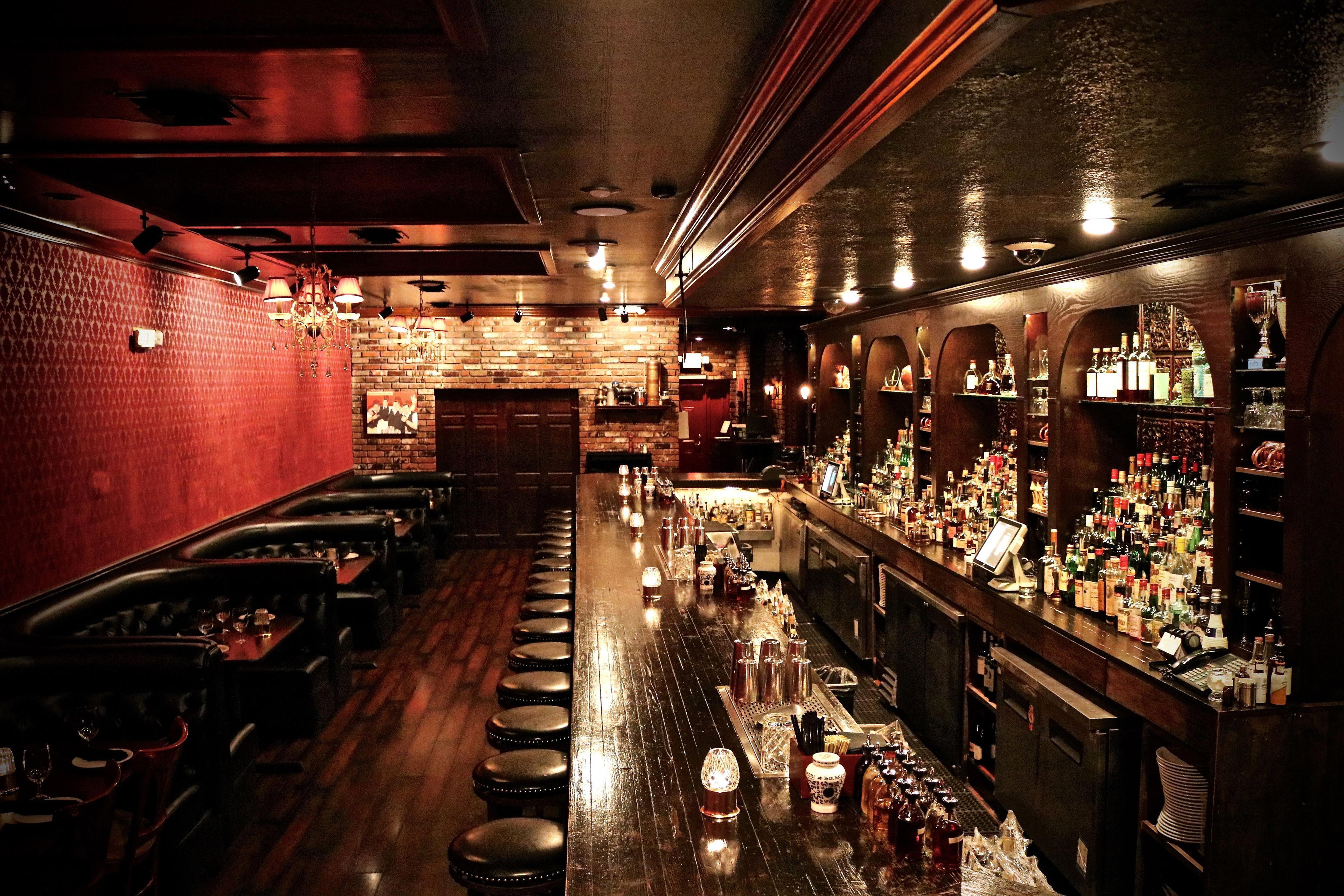
Cozy and quaint interior with casual counter-service atmosphere.
Know Before You Go
- Getting there
- 4226 S Durango Dr Ste 101, Las Vegas, NV 89147