MILA Omakase
MILA Omakase occupies the second floor of 800 Lincoln Road, bringing a counter-format Japanese tasting experience to a Miami Beach dining scene more accustomed to beachside Latin and Mediterranean cooking. The format places it in a small comparable set of American cities where omakase has migrated beyond coastal Japanese enclaves into broader urban markets, with a fixed progression that rewards advance planning and rewards patience over spontaneity.
 Discover on Pearl
Pearl is the En Primeur Club membership app — saves, bookings, and concierge access live there. Same editors, same standards.
- Address
- 800 Lincoln Rd second floor, Miami Beach, FL 33139
- Phone
- +17867060744
- Website
- mila-miami.com
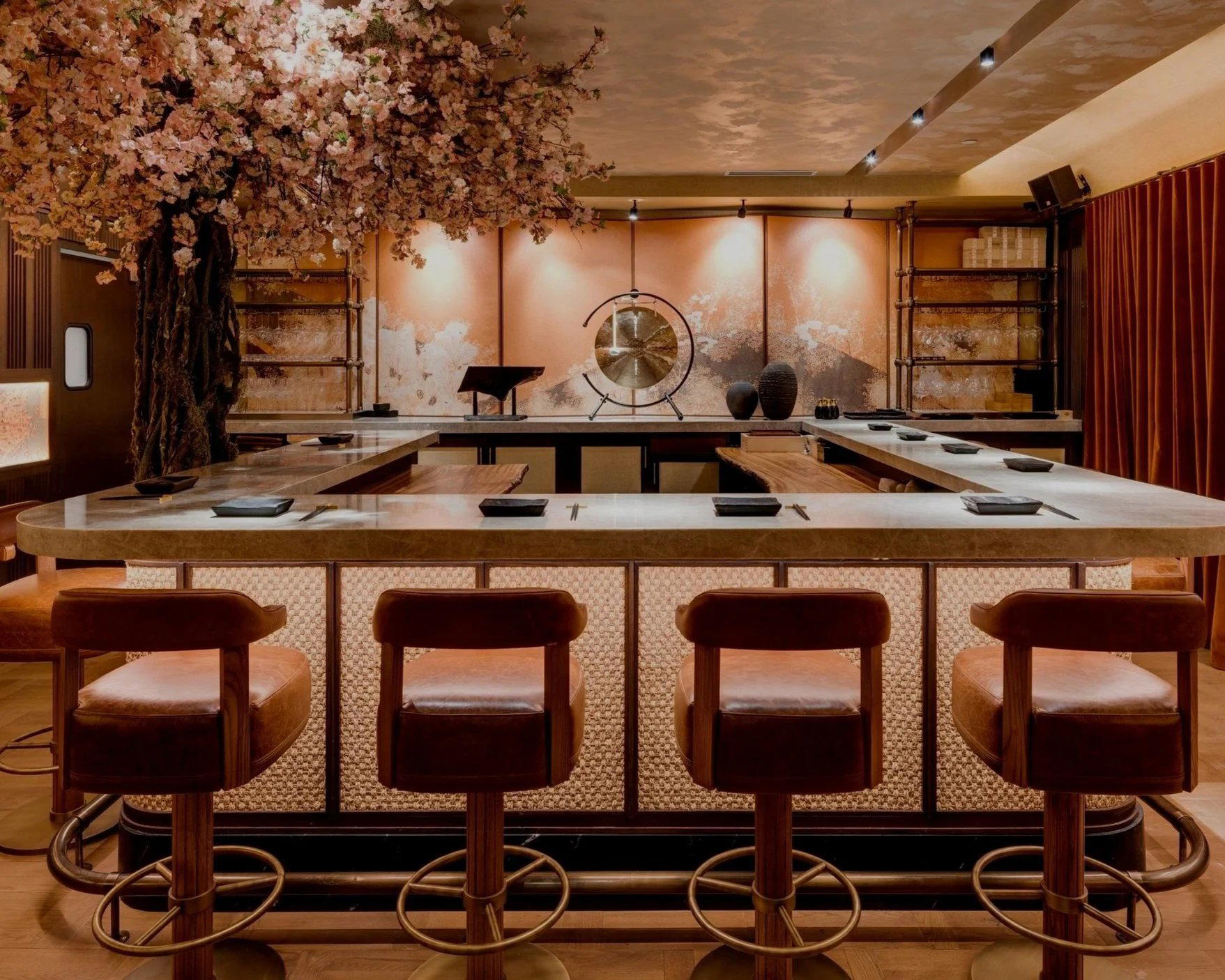
Where Japanese Counter Culture Meets the Subtropical South
Lincoln Road is not where most visitors expect to find omakase. Miami Beach's pedestrian spine runs through a corridor of open-air fashion retail, Art Deco tourist infrastructure, and the kind of casual Mediterranean terraces that dominate South Beach's evening economy. Climbing to the second floor at 800 Lincoln Road is a deliberate departure from street level, physically and conceptually. The format that awaits belongs to a tradition built in Ginza and Tsukiji, not South Florida, yet it has found a foothold here in a city that has become more comfortable with fixed-menu, chef-directed dining.
That shift matters. Miami Beach's dining culture has historically skewed toward spectacle and volume: large rooms, loud energy, tableside theatre of the Latin or coastal Italian variety. The counter-format omakase runs counter to all of that. It demands silence over conversation, precision over abundance, and a willingness to eat what the kitchen decides rather than what the menu offers. MILA Omakase positions itself inside that emerging appetite for restraint, in a city that is still, broadly, working out what high-focus counter dining looks like on its own terms.
The Omakase Format in American Cities: Context First
Across American dining markets, the omakase counter has followed a recognizable pattern: it establishes itself first in cities with large Japanese-American populations, Los Angeles, New York, San Francisco, before migrating into markets where Japanese food culture is present but thinner on the ground. Miami sits in that second wave. It lacks the deep infrastructure of a place like Los Angeles, where Michelin-starred counters such as Providence in Los Angeles operate alongside a dense web of Japanese suppliers, fish brokers, and trained sushi professionals. Instead, Miami's counter dining scene relies more heavily on imported technique applied to product sourced through longer supply chains.
That dynamic, imported method, locally or regionally sourced product, defines much of what is interesting about high-end Japanese cooking in cities like Miami. It forces a conversation about what omakase means when you are not drawing directly from Toyosu, when the fish arriving at the counter has traveled farther and the kitchen must make decisions about aging, temperature, and treatment that a Tokyo counter can defer to the market. The most compelling counters in this tier do not pretend the geography away; they use it. Florida's waters produce yellowtail, red snapper, and grouper that carry genuine regional character. The question is whether the technique in use is disciplined enough to honor that character rather than obscure it.
Local Ingredients, Global Precision
The editorial angle that matters most for understanding MILA Omakase is not the venue itself but the broader challenge it shares with every serious counter-format restaurant operating outside Japan's primary fishing infrastructure. Japanese omakase technique, the aging of fish, the temperature management of rice, the calibration of neta thickness to fish density, was designed around a specific product ecosystem. Applying it faithfully in South Florida requires either flying in product from primary Japanese or North Pacific markets, or developing fluency with Gulf and Atlantic species that respond differently to the same methods.
The counters that thread this needle most successfully do both, and do so without fetishizing either source. A piece of Florida stone crab or Gulf amberjack treated with the same rigor as a Hokkaido uni can produce something that neither a Tokyo counter nor a conventional Florida seafood restaurant would serve, which is precisely the point. High-technique formats operating in ingredient-rich but tradition-light markets have produced some of the more interesting dining in American cities over the past decade. Operations like Single Thread Farm in Healdsburg and Blue Hill at Stone Barns in Tarrytown work a similar seam in European and American fine dining, not copying a source tradition wholesale but using its discipline to interrogate local product. The omakase counter, at its most rigorous, is doing the same thing.
Miami Beach's Counter Dining in Broader Relief
To place MILA Omakase in its Miami Beach context is also to understand how sparse the competition is at this format level locally. The city's dining energy concentrates in Wynwood, Brickell, and the Design District for contemporary fine dining, while Miami Beach itself skews toward the casual and the coastal. Most of the neighborhood's serious eating happens at street level and on terraces: the diner-register nostalgia of 11th Street Diner, the long-running seafood programming at A Fish Called Avalon, the Mediterranean register of a'Riva, or the Latin warmth of Alma Cubana and Amalia. None of these operate within the same format logic as a counter omakase.
That scarcity is double-edged. It means MILA Omakase faces less direct local competition but also operates without the supporting ecosystem, specialist sake lists, Japanese tableware importers, a trained local diner base, that makes counter omakase feel inevitable in a city like New York, where operations like Atomix in New York City have built sustained critical reputations on the back of a deeply fluent audience. In Miami Beach, the counter format has to do more explanatory work. It has to earn the silence and the patience it requires from a room that might otherwise be at a rooftop bar.
That challenge is also visible at the national level. Counters like Alinea in Chicago or The French Laundry in Napa have spent decades training local audiences to accept fixed-format, chef-paced dining at a premium. Lazy Bear in San Francisco and Addison in San Diego occupy a similar position in their respective markets. Miami is catching up, but the cultural groundwork is less established.
Planning Your Visit
MILA Omakase sits on the second floor of 800 Lincoln Road, in the heart of Miami Beach's pedestrian zone, accessible from both the Lincoln Road Mall walkway and surrounding side streets. As with most counter-format omakase experiences in American cities operating at this tier, advance booking is advisable: counters of this type typically release seats weeks to months ahead, and walk-in availability is rare by design. Checking the venue's current booking platform for seat availability is the practical first step, and flexibility on timing tends to improve access.
Where the Accolades Land
Comparable venues nearby, for context on price, style, and recognition.
| Venue | Cuisine | Price | Awards | Notes |
|---|---|---|---|---|
| MILA OmakaseThis venue — the venue you are viewing | Mediterranean-Japanese Omakase | $$$$ | , | |
| OMAWEI at The Bath Club | Modern Japanese Omakase | $$$$ | , | Mid-Beach |
| Bavette's Steakhouse & Bar | Classic American steakhouse | $$$$ | , | |
| J'Adore Miami Beach | New World with Latin and Caribbean Soul | $$$$ | , | South Beach |
| The Joyce | Modern American Steakhouse | $$$$ | , | Española Way |
| Barton G. The Restaurant Miami Beach | Dining | $$$$ | , | Miami Beach |
Continue exploring
More in Miami Beach
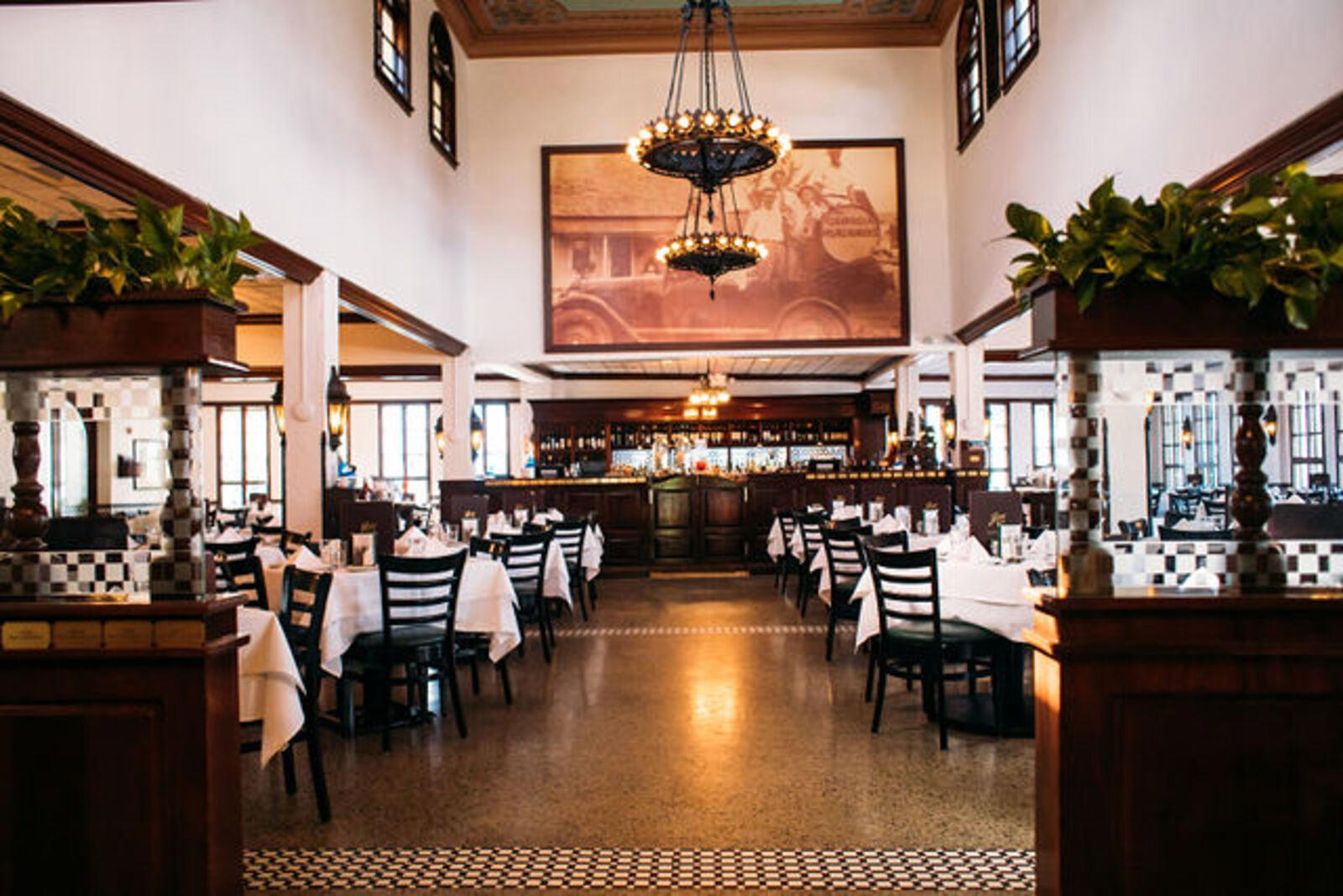
Restaurants in Miami Beach
Browse all →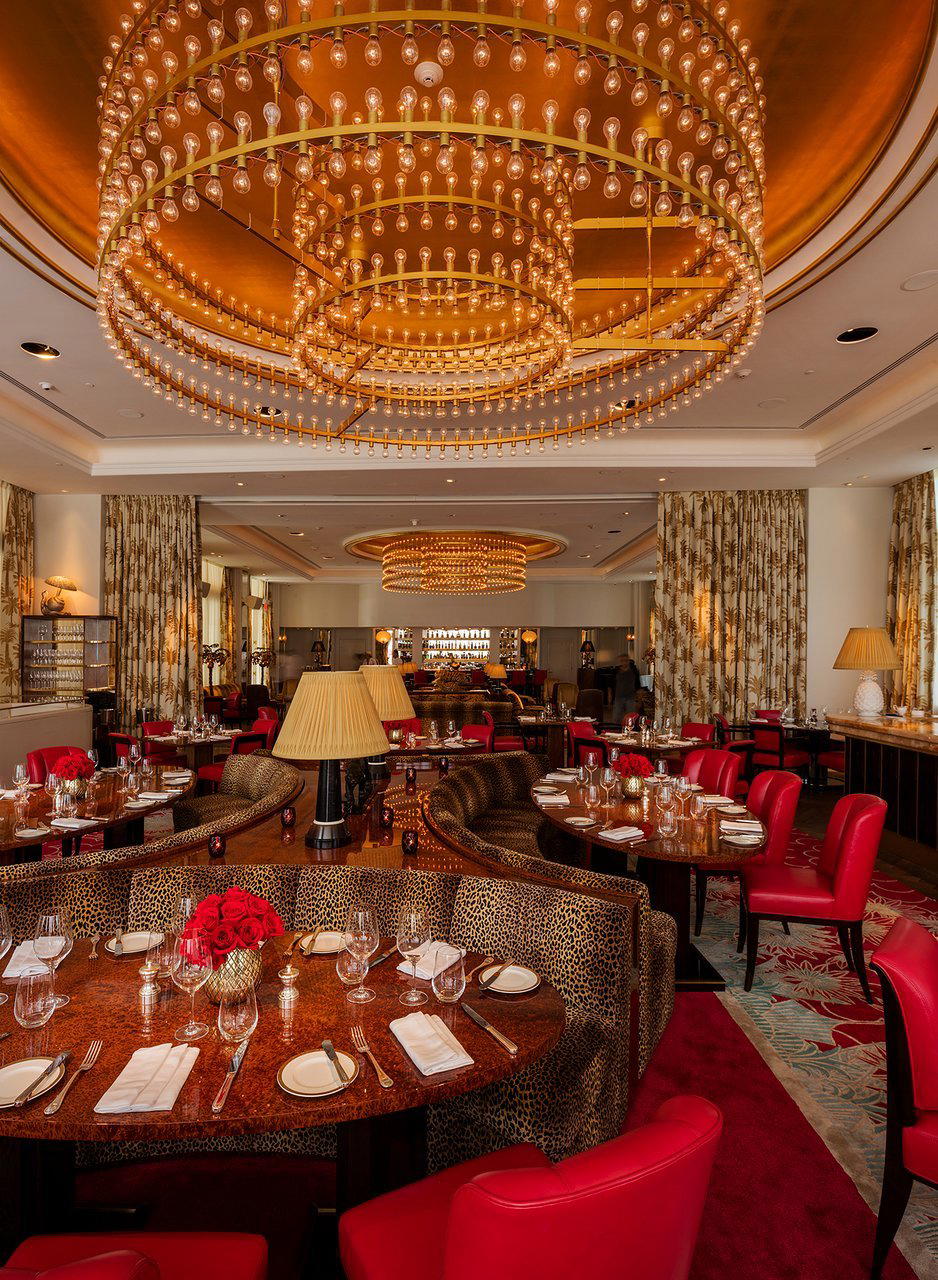
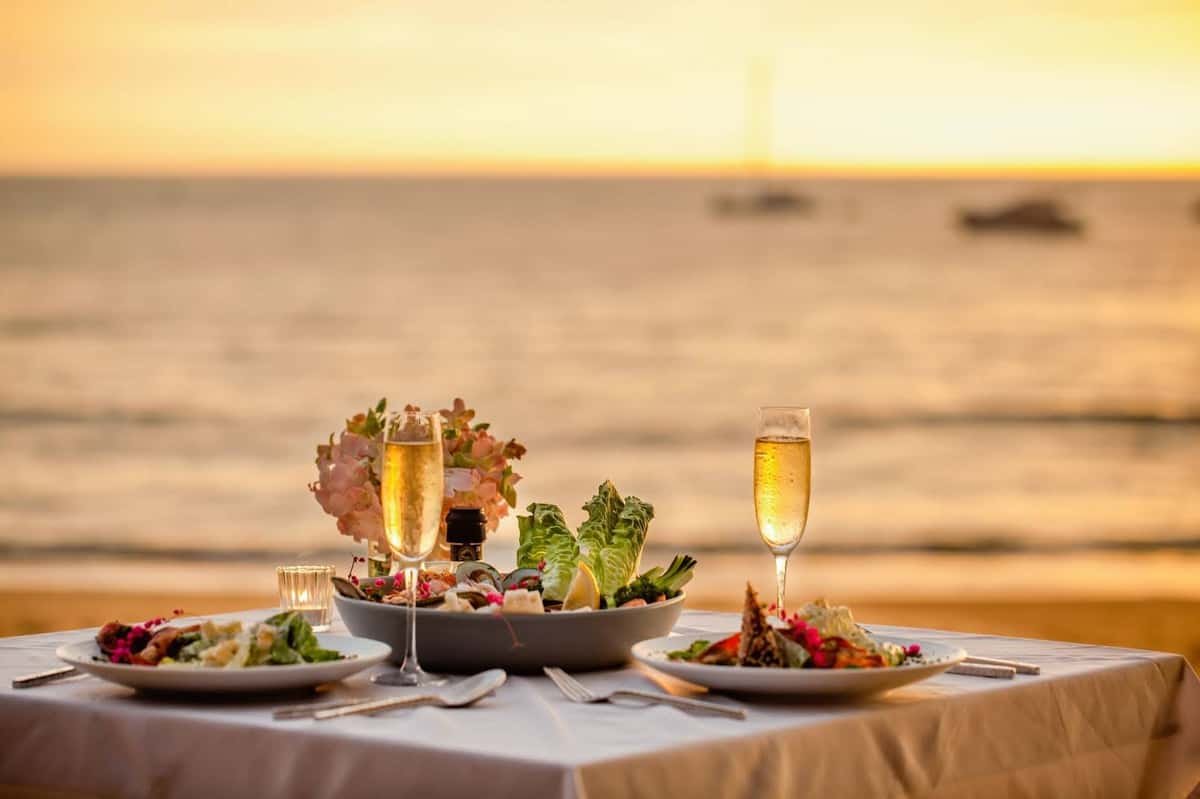
Bars in Miami Beach
Browse all →
At a Glance
- Elegant
- Intimate
- Sophisticated
- Modern
- Minimalist
- Special Occasion
- Date Night
- Celebration
- Chefs Counter
- Design Destination
- Private Dining
- Sake Program
- Sommelier Led
- Craft Cocktails
- Sustainable Seafood
- Local Sourcing
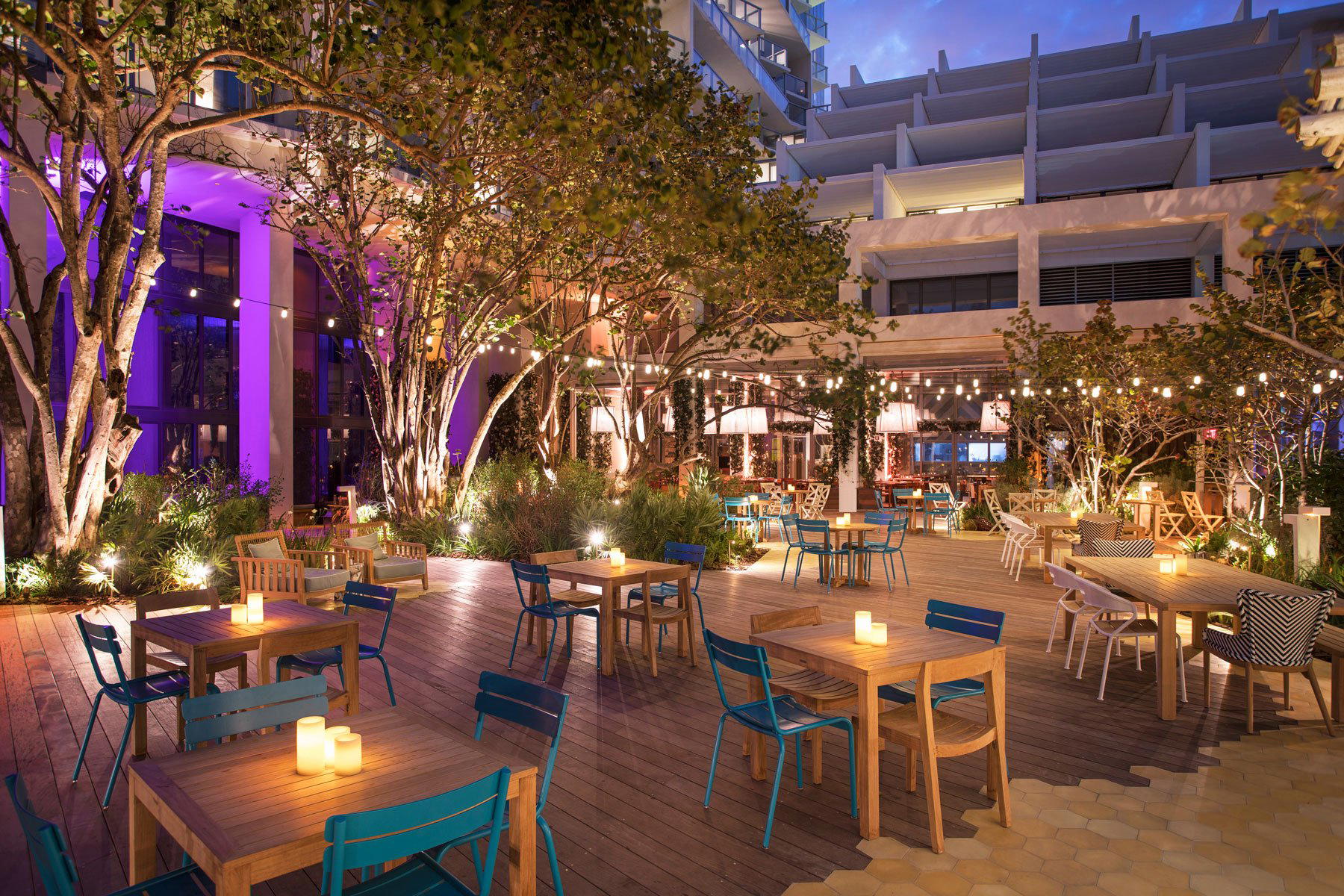
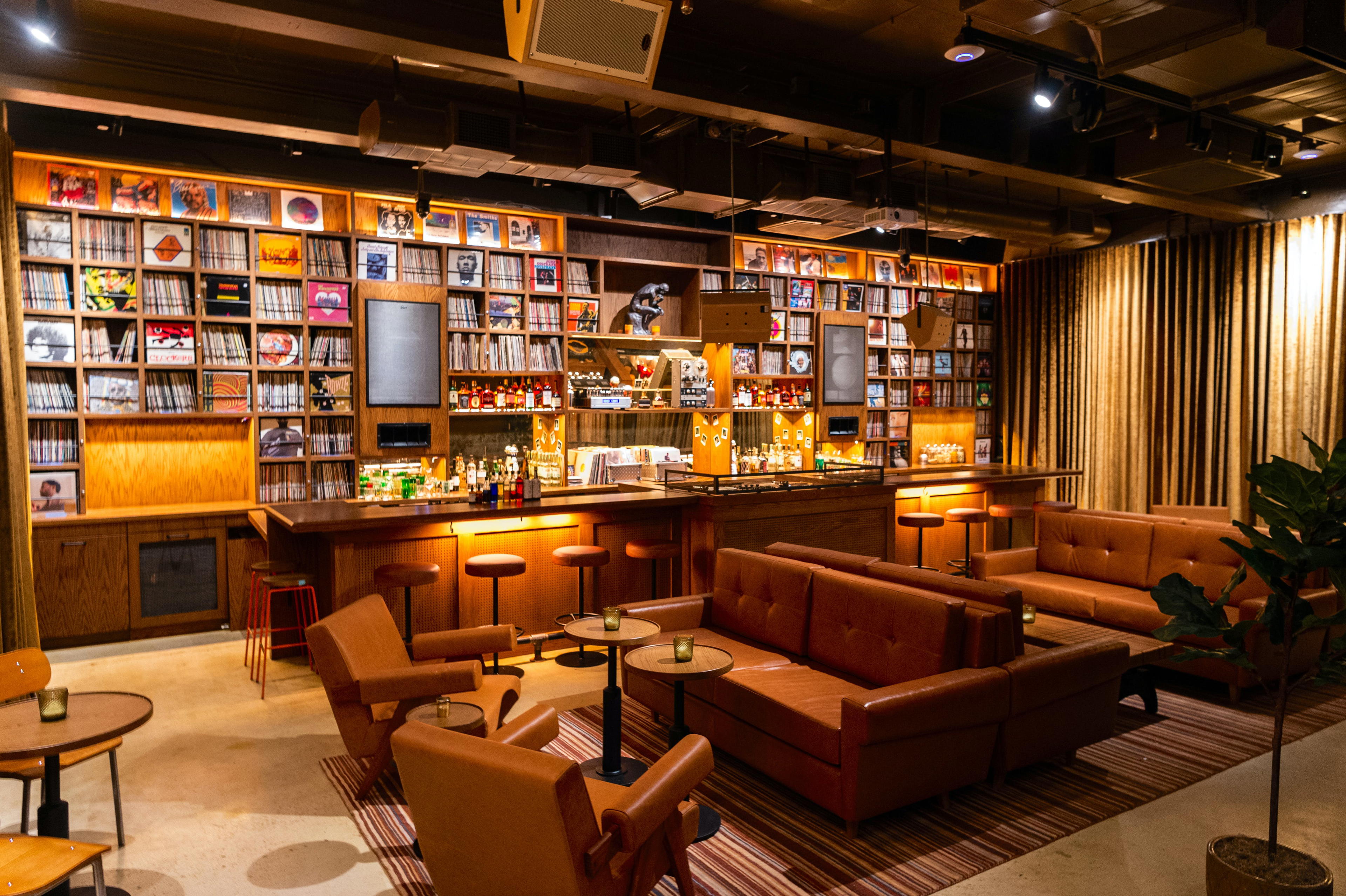
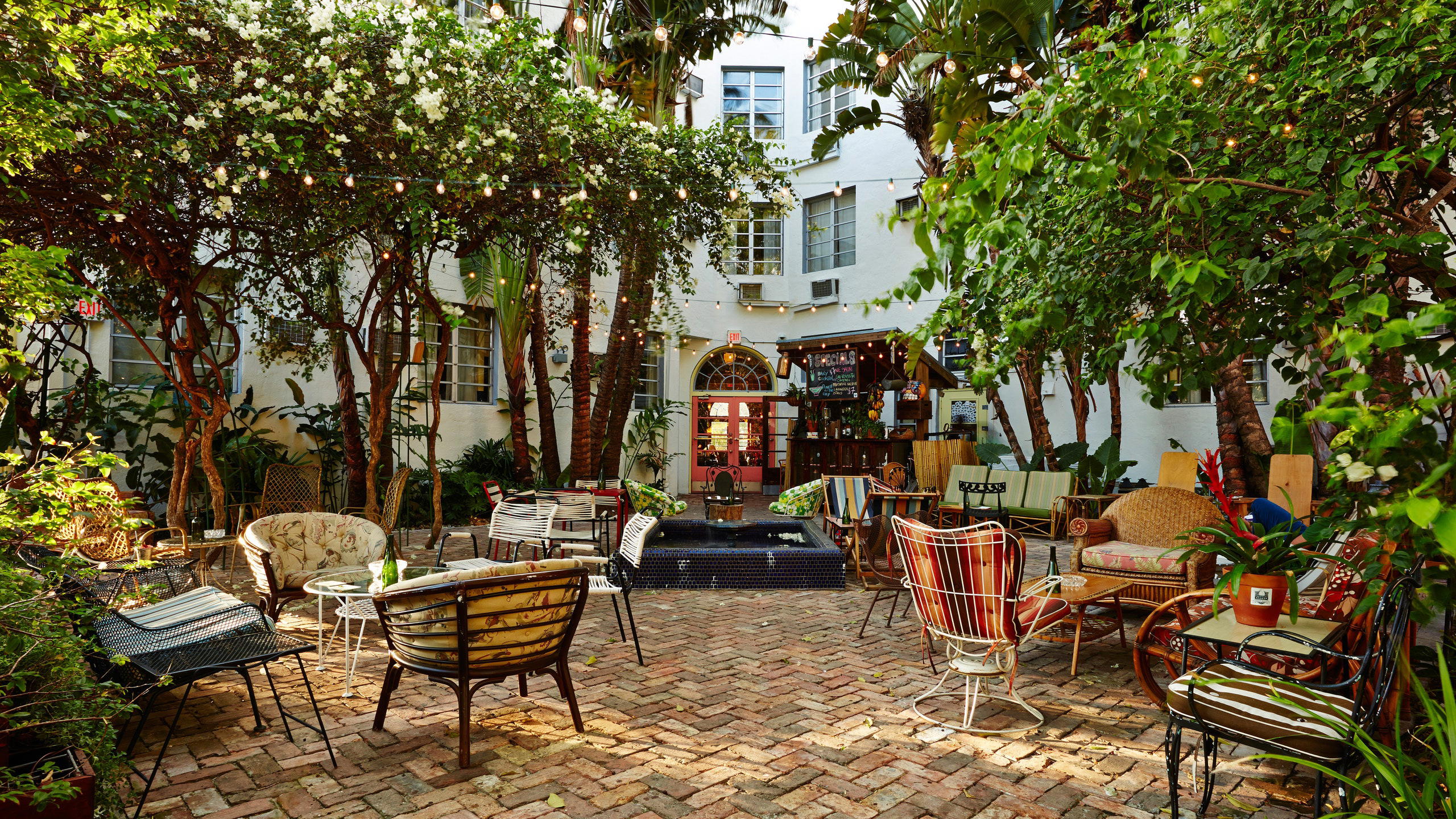
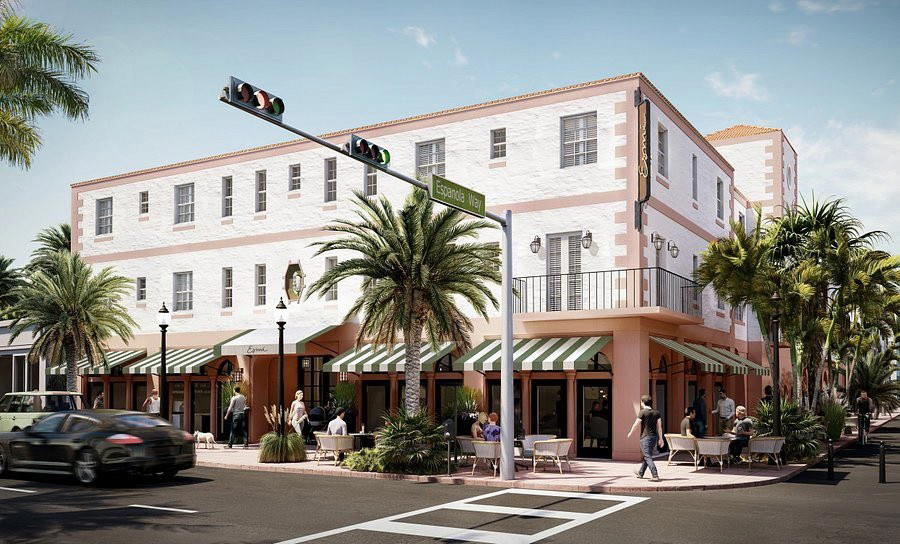
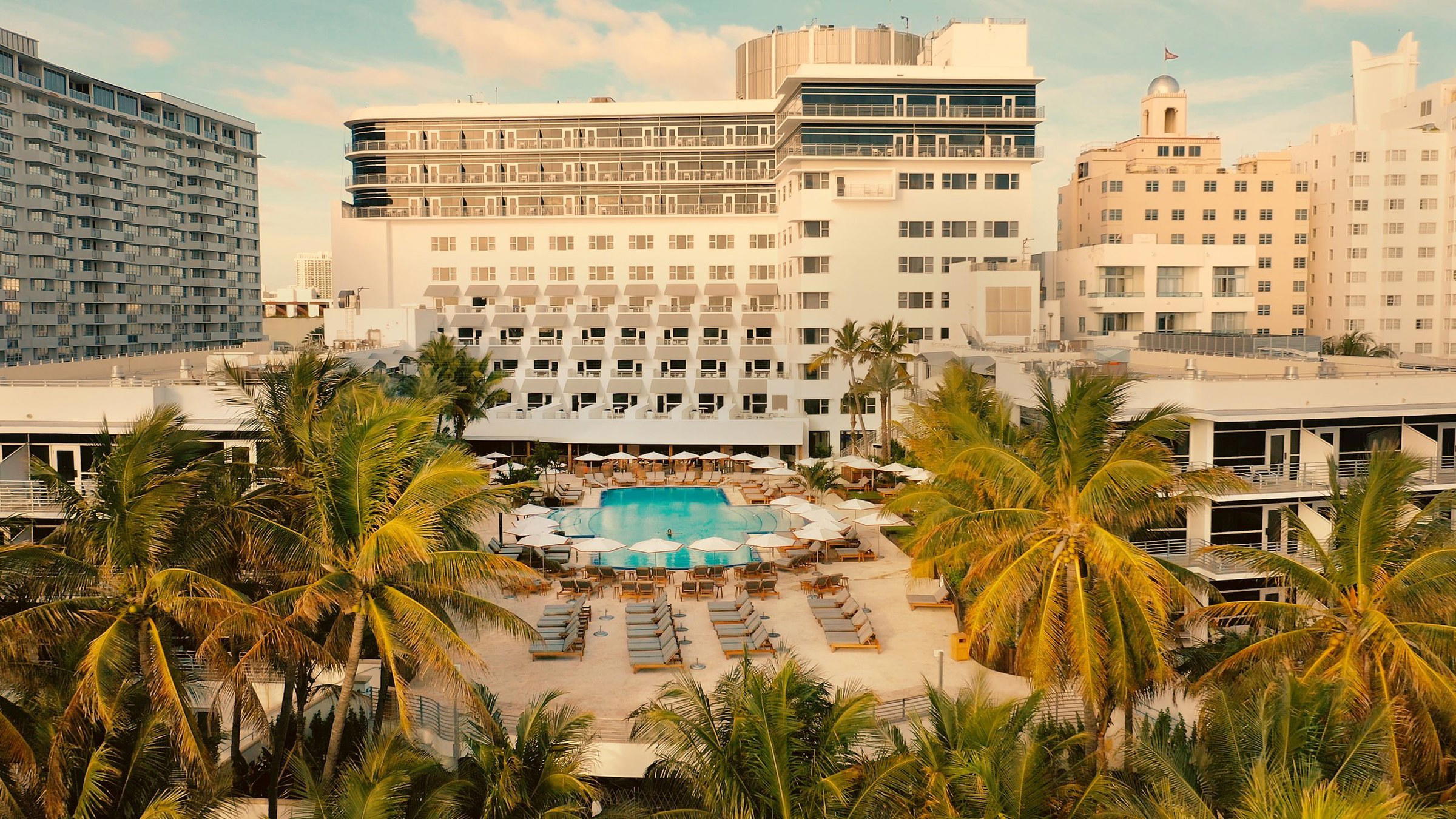
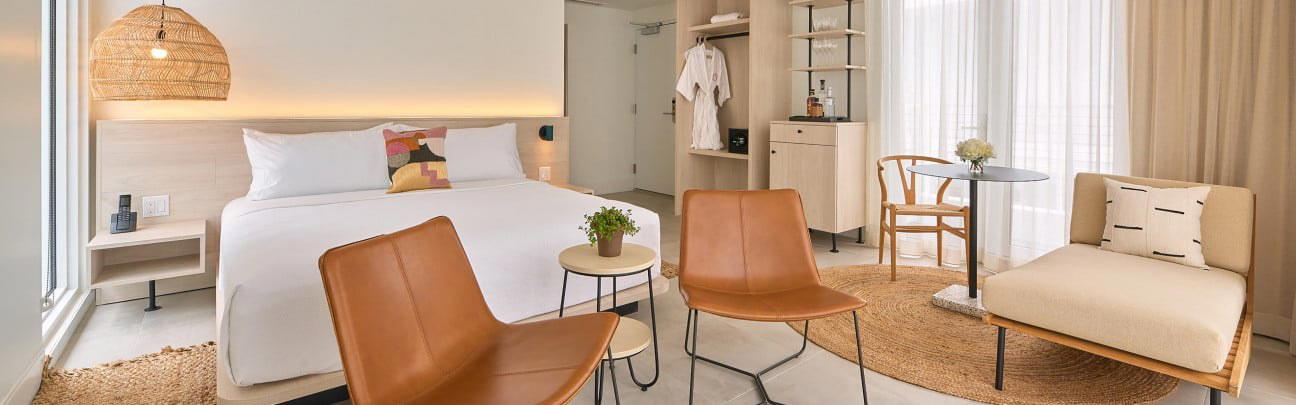
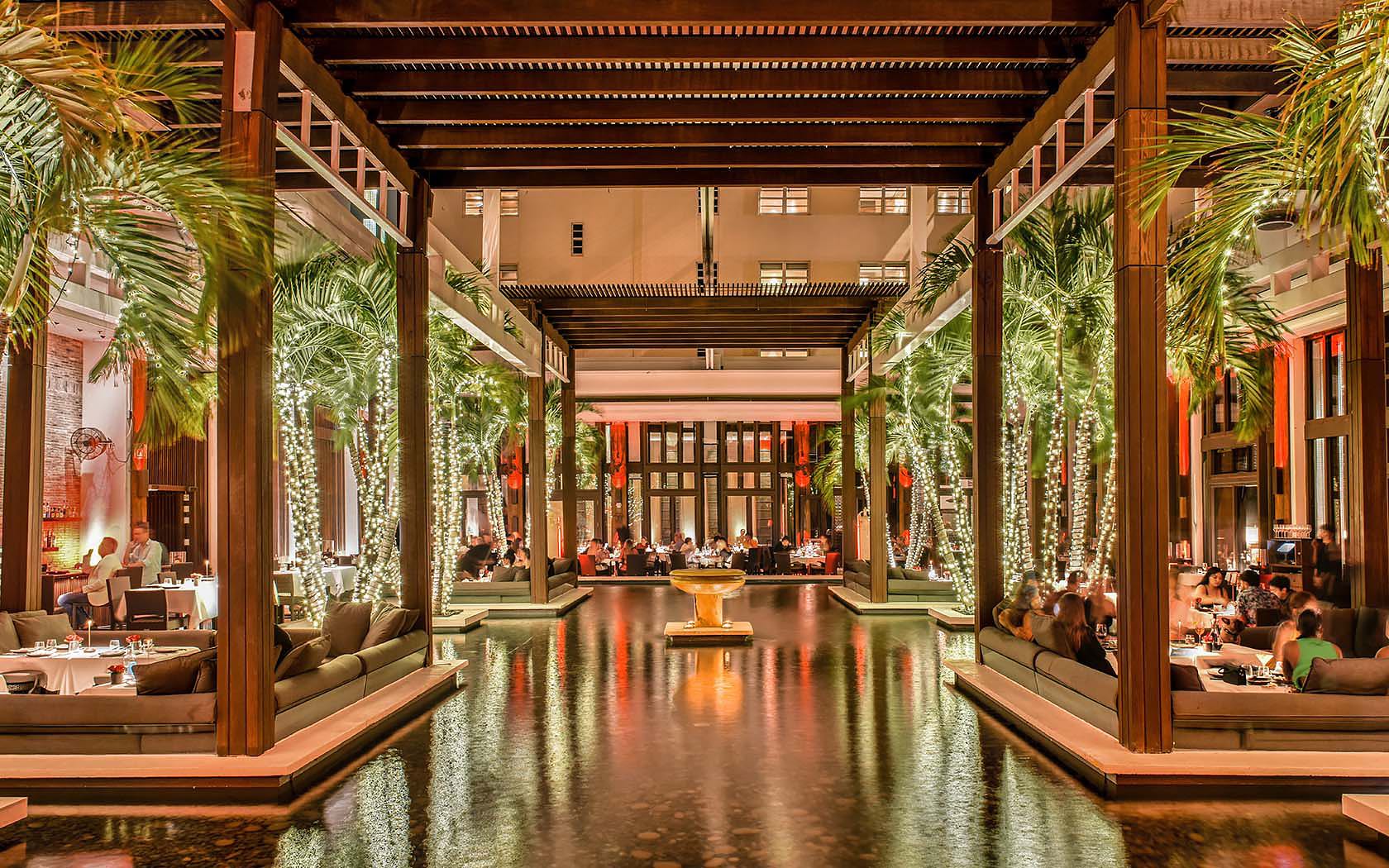
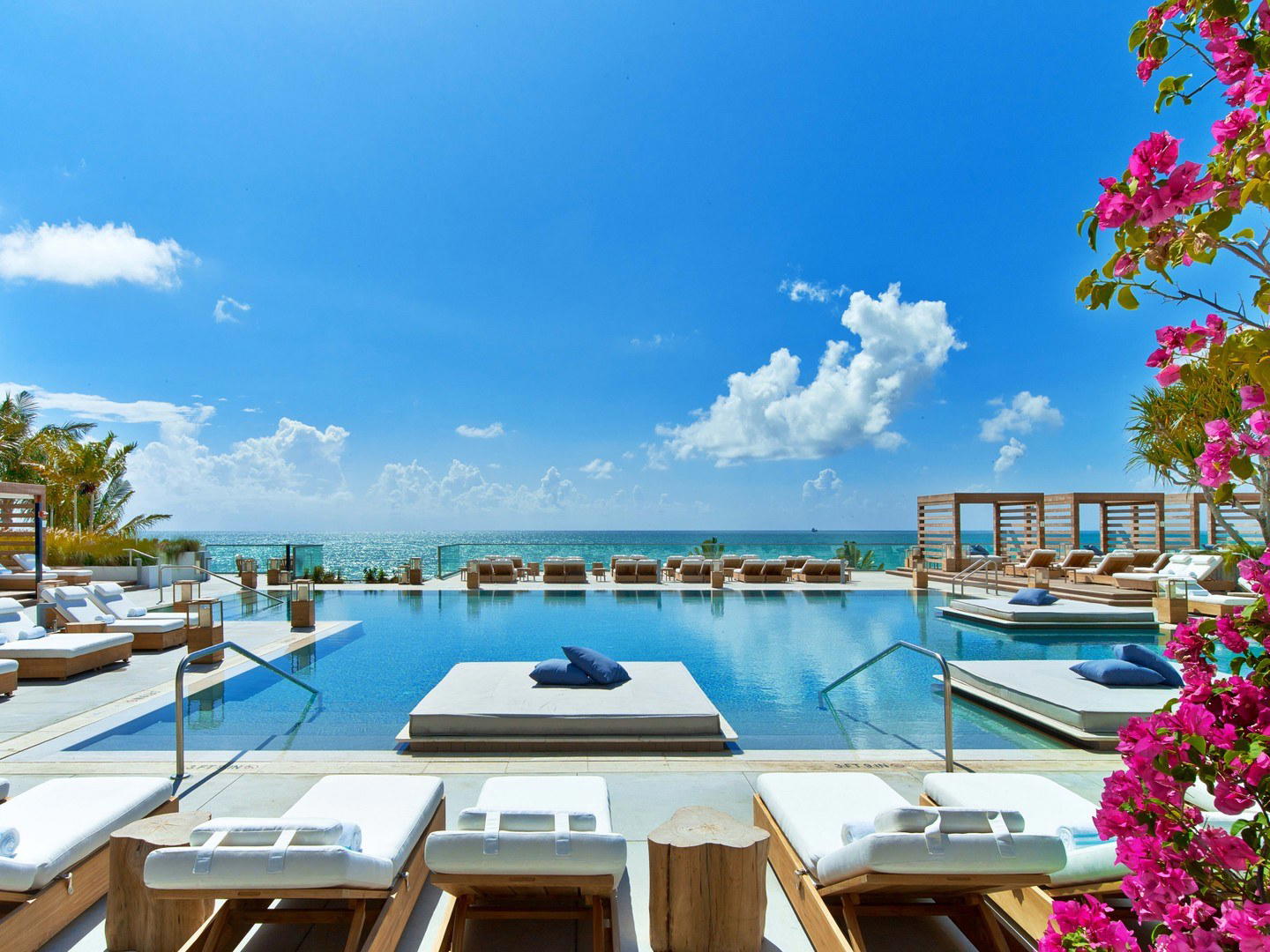
Intimate, ultra-luxurious space with dramatic marble countertop, Japanese craftsmanship-inspired wallpaper, minimalist woodwork, and a massive overhanging cherry blossom tree creating a transportive, serene atmosphere.