
Tabelog 100 #63
Our verdict
Mikakawa Seimensho belongs to Kagawa’s serious Sanuki udon circuit: low-cost, noodle-led, and judged by texture as much as broth or toppings. The Zentsuji shop has Tabelog 100 Udon Kagawa 2024 recognition, a 25-seat counter format, tempura alongside wheat noodles, and a practical local character that suits solo diners, families, and anyone treating udon as a regional craft rather than a quick snack.

Pearl is the En Primeur Club membership app — saves, bookings, and concierge access live there. Same editors, same standards.
- Address
- 1 Chome-1-20 Nakamuracho, Zentsuji, Kagawa 765-0073, Japan
- Phone
- +81 877-62-1229
- Hours
- Mon–Sat 8 AM–6 PMSun Closed
- Website
- instagram.com
- Directions
- Get directions
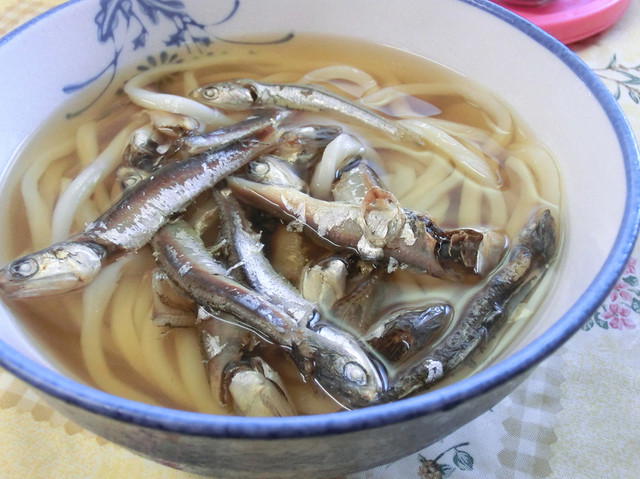
The menu
What to order
- Kake udon
- Bukkake udon
- Kamaage udon
- Iriko dashi udon
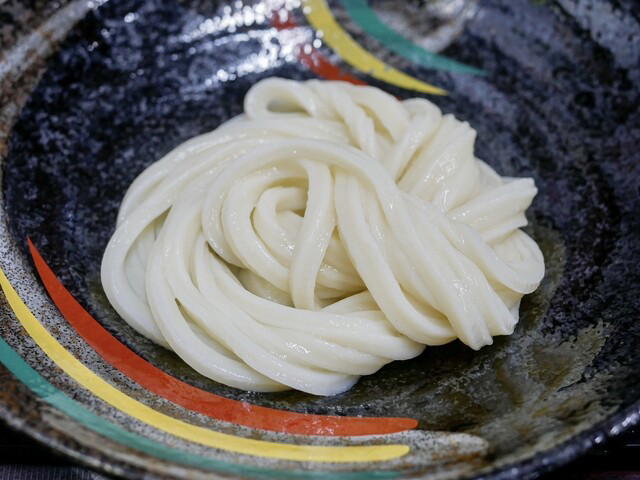
Approach in Zentsuji and the signal is modest rather than theatrical: an udon shop whose seriousness is measured through wheat noodles rather than luxury cues. Kagawa’s udon culture has never needed elaborate ceremony to prove itself. The test is texture, temperature, broth clarity, and how naturally tempura can fit into the meal without turning the format into a restaurant performance.
Mikakawa Seimensho sits inside that tradition with unusual credibility for such an everyday category. Selection in the 2024 Tabelog Hyakumeiten context, with a listed score of 3.75, places it among recognised udon addresses, a useful signal in a region where casual noodle shops compete on small differences that outsiders often underestimate. The category matters: in Kagawa, udon is not a supporting act to travel; it is one of the reasons people move through towns such as Zentsuji in the first place.
Kagawa udon judged by wheat, not theatre
Sanuki udon is an ingredient argument before it is a dining format. Wheat flour, water, salt, kneading, resting, cutting, and boiling define the experience, while the room usually stays functional. That explains why a shop can operate at a modest spend and still command serious attention. Price does not map neatly onto quality in this scene; many respected counters remain low-cost because the craft is narrow, fast, and repetitive by design.
The menu identity here is direct: udon and tempura. That pairing is not incidental. In Kagawa, tempura often acts as a texture and richness counterpoint to noodles rather than a separate course, which keeps the meal brief but complete. The absence of a luxury tasting structure is part of the point. Compared with destination dining in larger Japanese cities, Zentsuji’s udon rooms ask less from the diner in ceremony and more in attention to noodle firmness, broth balance, and pace.
Within Zentsuji, the competitive frame is useful. The decision is less about splurge versus value and more about preferred format, appetite, timing, and whether tempura is part of the plan. Mikakawa Seimensho belongs to that local circuit, where repeatability counts.
The room keeps the meal practical and local
The experience is best understood as practical rather than ceremonial. This is not a long-table occasion or a slow lunch built around wine service. It suits diners who understand that pace is part of the udon grammar, and that the point of the visit is the bowl, the texture, and the everyday discipline behind a format that can look simple from the outside.
The logistics reinforce the local character without needing to be over-described. For a shop like this, planning matters more than it would at a polished city restaurant because the audience may include people moving across Kagawa’s udon route as well as visitors already in Zentsuji. Checking current operating details before travelling is sensible, especially for anyone building several noodle stops into one day.
The listed price band is modest, with dinner and lunch both shown at up to JPY 999. In practical terms, udon in Kagawa rewards a flexible approach to eating rather than a fixed fine-dining mindset. The appeal is not a gimmick; it reflects a region where noodle shops can function as everyday stops, quick meals, and road-trip anchors. For travellers trying to fit several udon counters into one day, that accessibility is part of the appeal.
How to place it on a Zentsuji food day
Strongest way to read Mikakawa Seimensho is as a serious everyday shop inside a prefecture that treats udon with the scrutiny other regions reserve for sushi counters or soba houses. Its Tabelog score of 3.75 and 2024 recognition are useful trust signals, but the broader lesson is cultural: Kagawa’s recognised udon shops often remain informal, quick, and inexpensive because the prestige sits in production rather than presentation.
That makes it a sharp stop for travellers who want regional specificity without a long booking game. It also rewards those who compare formats across town rather than seeking a single definitive bowl. A Zentsuji udon crawl can move between named peers, general udon counters, and tempura-led variations, with each shop revealing a different pressure point in the same tradition. For broader planning, use Our full Zentsuji restaurants guide alongside Our full Zentsuji hotels guide, Our full Zentsuji bars guide, Our full Zentsuji wineries guide, and Our full Zentsuji experiences guide.
Readers mapping a wider Japan itinerary can also compare how casual formats change by city and category through other dining rooms, cafés, bars, and specialist counters across Japan and abroad. Those comparisons can be useful, but Kagawa udon remains rooted in place, wheat, and daily repetition rather than in the broader language of destination dining.
Frequently asked questions
Is Mikakawa Seimensho child-friendly?
The verified listing information provided here does not specify child-friendliness. The safest reading is to treat Mikakawa Seimensho as a practical udon and tempura shop in Zentsuji and check current details before visiting with children.
What should I expect atmosphere-wise at Mikakawa Seimensho?
Expect a practical udon and tempura shop in Zentsuji rather than a formal destination-dining format. It was recognised in the 2024 Tabelog Hyakumeiten context and has a listed Tabelog score of 3.75.
Is Mikakawa Seimensho expensive?
Pricing at Mikakawa Seimensho is listed as - JPY 999 - JPY 999 View spending breakdown, with both dinner and lunch shown at up to JPY 999.
What are the opening hours for Mikakawa Seimensho?
Check current hours before making a dedicated trip to Mikakawa Seimensho.
Where is Mikakawa Seimensho in Zentsuji?
Zentsuji.
Snapshot
Comparable venues by cuisine and price in the same metro.
| Venue | Cuisine | Price | Awards | Notes |
|---|---|---|---|---|
| Mikakawa SeimenshoThis venue — the venue you are viewing | Traditional Sanuki udon shop | $1–10 | Tabelog 100 #63 | Not listed |
| Nagata in Kanoka (長田 in 香の香) | Sanuki Kamaage Udon | $1–10 | Not listed | 金蔵寺町 |
| Kamaage Udon Nagata in Kano Ka | Traditional Sanuki kamaage udon shop | $1–10 | Tabelog 100 #26 | Konzoji-cho |
| Yamashita Udon | Traditional Sanuki udon shop | $1–10 | Tabelog 100 #37 | Zentsuji |
| Shirakawa Udon | Traditional Sanuki Udon | $1–10 | Tabelog 100 #12 | Kushinashicho |
| Drive-in Ippei (ドライブイン一平) | Japanese Curry & Tonkatsu Diner | Not listed | Not listed | 小城市 |
Recognition history
Dated appearances from independent guides and award organizations, with the underlying list record or original source where available.
Tabelog 100 #63 · No. 63
Tabelog · Tabelog 100 - Udon - KAGAWA - 2024

Details
- Classic
- Cozy
- Solo
- Family
- Casual Hangout
- After Work
- Group Dining
- Standalone
- Historic Building
- A La Carte
Current opening hours
- Monday
- 8 AM–6 PM
- Tuesday
- 8 AM–6 PM
- Wednesday
- 8 AM–6 PM
- Thursday
- 8 AM–6 PM
- Friday
- 8 AM–6 PM
- Saturday
- 8 AM–6 PM
- Sunday
- Closed
Hours can change for holidays and private events. Last verified .