
Midoriya Roho belongs to Gifu’s old-school wagashi circuit, where regional sweets are treated less as dessert than as edible local memory. Its Tabelog 100 selection for Japanese traditional sweets and sweets cafés in EAST 2023 places it in a serious peer group, while the Yaotsu setting keeps the experience grounded in small-town production rather than metropolitan ceremony.
Pearl is the En Primeur Club membership app — saves, bookings, and concierge access live there. Same editors, same standards.
- Address
- 4096-1 Yaotsu, Kamo District, Gifu 505-0301, Japan
- Phone
- +81 574-43-0144
- Website
- midoriyarouho.com
 Saves & bookings on Pearl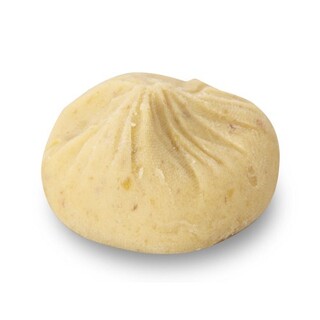
Yaotsu changes the tempo before the first sweet is chosen. The town sits in Gifu’s inland corridor, away from the department-store polish that frames much of urban wagashi culture, and that distance matters. Here, Japanese confectionery reads as a local craft tied to agricultural seasons, household gifting, and the practical rhythm of take-out counters. Midoriya Roho fits that older pattern: modest in scale, regionally rooted, and serious enough to have been selected for Tabelog’s Japanese traditional sweets and sweets café 100 list for EAST in 2023.
That recognition is useful because wagashi can be hard to judge from the outside. The category rewards restraint: sweetness held in check, texture handled with precision, and ingredients treated according to season rather than spectacle. In rural Gifu, the strongest shops often trade less on dining-room theatre than on repeat local custom and gift culture. The counter becomes a checkpoint for what is in season, what travels well, and what a household would bring when visiting family. For broader regional planning, Our full Kamo-gun restaurants guide gives the surrounding dining context, while Our full Kamo-gun experiences guide helps place sweets stops inside a slower countryside itinerary.
Wagashi in Yaotsu depends on season, source, and restraint
The ingredient story is the point. Japanese sweets are not built like Western pastry, where butter, cream, and lamination often signal richness. Wagashi works through beans, rice, chestnuts, sugar, agar, and local produce, with technique doing the heavy lifting. In Gifu, chestnut culture carries particular weight in autumn, and the reservation note for kurikintou points toward that seasonal economy without needing a long menu explanation. Kurikintou is a regional marker in this part of central Japan: a sweet associated with chestnut harvests, gift boxes, and shops that measure demand by production capacity rather than table turnover.
That makes the format different from a destination restaurant. The value is in timing and specificity, not in a long seated meal. A shop like this sits closer to Original Daifuku Okashi Dokoro Yoro Ken Honten than to the region’s more meal-driven addresses, because both belong to the confectionery side of Kamo-gun’s food map. Compare that with meat-focused or Western-format dining elsewhere in Gifu’s orbit, and the distinction sharpens: wagashi asks the traveler to pay attention to local produce cycles, packaging culture, and the Japanese habit of buying something precise for later rather than eating everything on site.
The 2023 Tabelog 100 selection also signals a shop operating above the level of a casual roadside sweet stop. It does not turn the experience into fine dining, and that is the appeal. The better read is editorial: Midoriya Roho represents the tier of regional confectionery where reputation is earned through consistency, seasonal demand, and a category-specific audience that knows the difference between a souvenir and a properly made sweet.
A small seating footprint keeps the focus on take-out craft
The room is not the story in the way it would be at a tasting-menu counter. There are 10 seats for resting, but the service format is take-out-led, which places the emphasis on purchase, packing, and onward travel. That matters for visitors building a day around Yaotsu rather than one meal. The stop works as part of a route through the town and surrounding Gifu countryside, especially for travelers more interested in regional food habits than in another formal restaurant reservation.
There is a useful contrast here with urban Japan’s café culture. In Tokyo, Osaka, or Kyoto, sweets cafés often become an all-afternoon seated proposition with parfaits, tea sets, and queues shaped by social media. Rural wagashi shops work differently. They are closer to provisions: something for the car, something for a host, something to bring back. For travelers extending the comparison across Japan, the spectrum runs from compact specialist shops to casual city cafés such as .cafe in Osaka, contemporary dining rooms like [ki:] in Kyoto, and city-specific formats such as 1000 in Yokohama. The point is not equivalence; it is format literacy. A traveler who treats every Japanese food stop as a restaurant misses how much of the country’s eating culture happens through counters, boxes, and seasonal buying.
Kamo-gun’s travel infrastructure also rewards this mindset. The area does not behave like a dense urban dining district where several reservations can be stacked in one evening. It is better read as a day’s movement through small towns, local producers, and short stops. Our full Kamo-gun hotels guide, Our full Kamo-gun bars guide, and Our full Kamo-gun wineries guide are useful for seeing how thinly spread the premium map can be outside Japan’s major cities. That scarcity is not a weakness; it is part of the appeal for travelers who plan around craft rather than convenience.
Where it sits in the wider Japan food map
Japan’s dining range can distort expectations. A traveler may move from sukiyaki in Kamakura at -Grilled beef Sukiyaki- KAMAKURA TANUKIAN 鎌倉 たぬき庵 in Kamakura to tuna and charcoal grilling at. 鮪と炭火焼き うお炭 秋葉原店 in Tokyo, then to casual regional formats such as (Shoku) Vietnam in Kawasaki or [Curry Senmon Ten] Maruyama Kyoju. in Sapporo. Against that range, a Yaotsu wagashi shop may look small. It is not minor. It represents a category where the craft is compressed into portion, season, and ingredient handling.
That compression is why the stop is worth treating seriously. The same national food map includes beef specialists such as #肉といえば松田 奈良本店 in Kashihara, burger formats like 1/3 HAMBURGER FACTORY in Kanazawa, and genre-shifting rooms such as.know in Kumamoto. Wagashi sits apart from all of them because it is bound to gifting, calendar, and locality. It also travels internationally as an idea: Los Angeles has specialist Japanese drinking and snack cultures at Jōdo Saké Bar in Los Angeles, while Onigiri Time in Pasadena shows how focused Japanese formats can carry meaning far from home. In Yaotsu, the lesson is closer to the source: sweets are not an afterthought, they are a way to read the region.
Quick Comparison
Comparable venues by cuisine and price in the same metro.
| Venue | Cuisine | Price | Notes |
|---|---|---|---|
| Midoriya Roho | Japanese Wagashi | $ | Kamo-gun |
| Original Daifuku Okashi Dokoro Yoro Ken Honten | Modern Japanese wagashi & fruit daifuku shop | $ | Minokamo |
| Gyoza Hohei (ぎょうざ 歩兵) | Japanese Gyoza Specialist | $ | Gion |
| 京都 鶏白湯そば 純 | Kyoto Creamy Chicken Broth Soba | $ | Nakagyo-ku |
| 明石食堂 | Yaeyama Soba & Okinawan Comfort Food | $ | Ihara, Ishigaki |
| Ramen Kobou Arigataya | Ramen shop | $ | Kachigawa |
Recognition history
Dated appearances from independent guides and award organizations, with the underlying list record or original source where available.
Tabelog 100 #69 · No. 69
Tabelog · Tabelog 100 - Japanese traditional sweets / Japanese sweets cafe - EAST - 2023
Continue exploring
More in Kamo-gun
Restaurants in Kamo-gun
Browse all →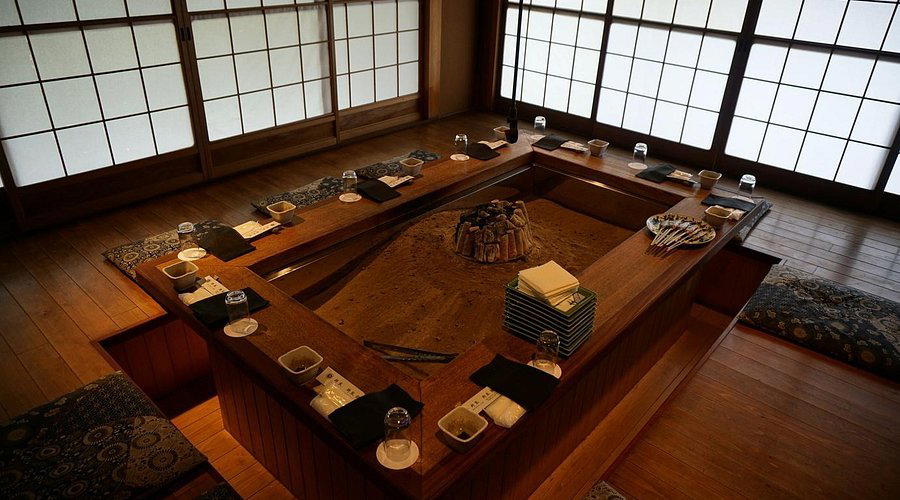


At a Glance
- Classic
- Cozy
- Quiet
- Solo
- Family
- Casual Hangout
- Standalone
- Local Sourcing
Current opening hours
- Monday
- 8:30 AM–5 PM
- Tuesday
- Closed
- Wednesday
- Closed
- Thursday
- 8:30 AM–5 PM
- Friday
- 8:30 AM–5 PM
- Saturday
- 8:30 AM–5 PM
- Sunday
- 8:30 AM–5 PM
Hours can change for holidays and private events. Last verified .
Traditional, understated confectionery atmosphere centered on take-home wagashi rather than dine-in service.