Mezcal
Mezcal occupies a corner of downtown San Jose's dining scene where agave spirits and Mexican cooking intersect with the city's evolving appetite for ingredient-led food and drink. Located at 25 W San Fernando St, the address places it within walking distance of the civic core, making it a practical anchor for pre-show dinners and post-work gatherings alike. In a market where Mexican restaurants range from fast-casual to ambitious, Mezcal positions itself toward the more considered end of that spectrum.
Pearl is the En Primeur Club membership app — saves, bookings, and concierge access live there. Same editors, same standards.
- Address
- 25 W San Fernando St, San Jose, CA 95113
- Phone
- +14082839595
- Website
- mezcalsj.com
- Directions
- Get directions
 Saves & bookings on Pearl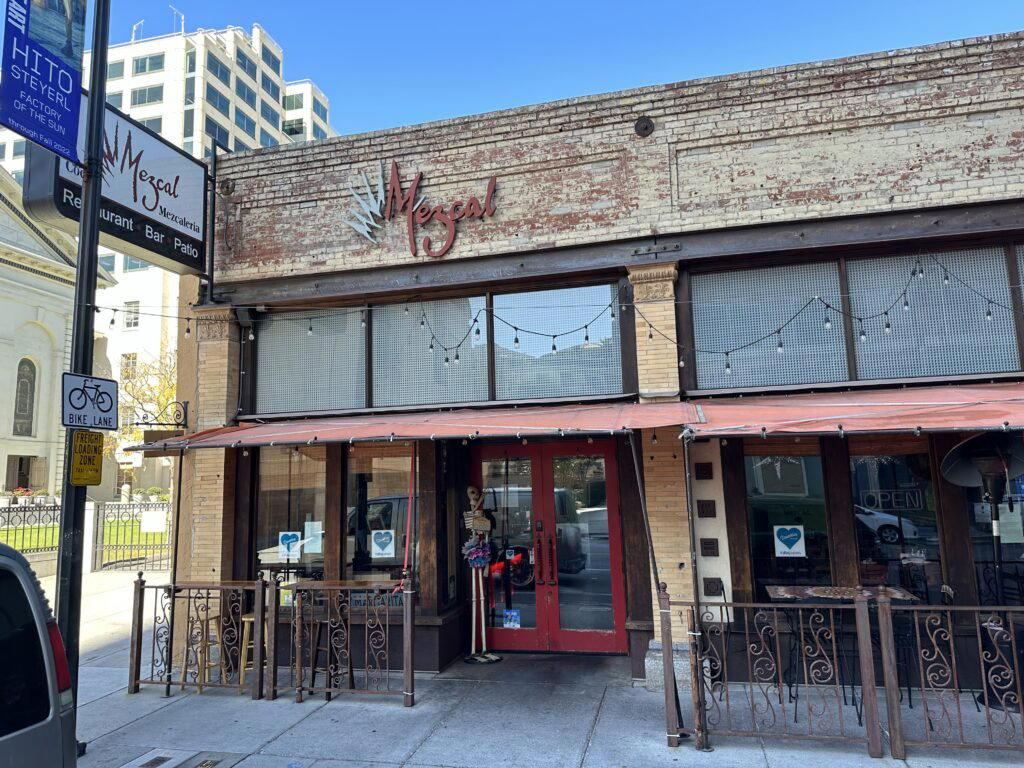
Where Downtown San Jose Meets Agave Culture
Mezcal is a restaurant in San Jose, California, serving Authentic Oaxacan Regional Mexican cuisine. The city's restaurant stock has matured, with a range of cuisines from Adega (Portuguese) at the fine-dining tier to neighborhood staples like Back A Yard Caribbean Grill filling in the mid-market, and Mexican cooking represented at multiple price points across the city. Into that context, Mezcal at 25 W San Fernando St enters as a venue whose name announces an editorial position: agave spirits are not an afterthought here but a framing device for the entire experience.
The address itself is instructive. West San Fernando Street runs through the civic heart of downtown. That location shapes the atmosphere in ways that purely neighborhood restaurants avoid: there is a transactional energy on some nights, but on others the room settles into something more deliberate, the kind of pacing that rewards guests who arrive with time rather than a curtain call.
The Agave Argument: Why the Spirit List Defines the Room
In American Mexican restaurants, the bar program and the kitchen have historically operated in separate registers: margaritas and beer on one track, food on another. The better operators in cities like Austin, Los Angeles, and Chicago began closing that gap around 2015, treating agave spirits with the same curatorial seriousness that wine-forward restaurants apply to their cellars. Mezcal's name signals alignment with that movement. A venue that leads with mezcal, not tequila, not a generic spirits menu, is making a claim about specificity. Mezcal production is regional, producer-dependent, and deeply tied to agave variety; a serious list distinguishes between Espadín, Tobalá, Tepeztate, and the rarer cultivars, notes the producer village and distillation method, and treats the spirit as a category with the same granularity a sommelier applies to Burgundy appellations.
Mezcal serves as a downtown option for diners seeking agave-focused drinks alongside regional Mexican cooking. What the category itself demands, if a venue is to be taken seriously within it, is depth beyond the entry-level bottles and a staff capable of explaining the provenance distinctions that make one pour worth three times another. In the broader California context, that bar is set by venues in Los Angeles and the Bay Area that have built agave-focused programs with genuine expertise. Downtown San Jose has fewer such specialists, which creates both an opportunity and a responsibility for a venue operating under this name.
For reference, the ambition required to build a serious drinks program places Mezcal in a different competitive conversation than a venue like Alma de Amón or Antipastos by DeRose. Those restaurants, Le Bernardin in New York City, The French Laundry in Napa, Single Thread Farm in Healdsburg, demonstrate what it looks like when a beverage program is built with the same rigor as the kitchen. The principle is transferable: spirit selection and food should speak to each other, not past each other.
Mexican Cooking in the Bay Area Context
California's relationship with Mexican cuisine is long, politically charged, and often misread by visitors expecting either Tex-Mex or Mexico City tasting menus. The Bay Area specifically has a Mexican restaurant scene that covers an enormous range: agricultural-community taquerias in the East Bay, upmarket coastal-Mexican concepts in San Francisco, and a downtown San Jose scene that tends toward the mid-market with occasional ambition above it. Luna Mexican Kitchen operates in the accessible tier; Bar Tako, which occupied a temporary format with a Mexican-Japanese hybrid menu built around a raw bar, robata grill, and a tequila-mezcal-Japanese whisky selection, demonstrated that San Jose diners will engage with more experimental agave-forward concepts when the format is clear.
Mezcal sits within that tradition of Mexican restaurants that treat the spirit category as part of the dining proposition rather than a background amenity. Whether the kitchen runs to regional Mexican specificity, moles from Oaxaca, seafood preparations from Veracruz, the chile-heavy traditions of Puebla, or takes a more pan-Mexican or Cal-Mex approach matters considerably to how the agave program reads alongside the food. Mezcal's natural pairing partners are smoked and charred flavors, earthy proteins, and preparations with some complexity; a kitchen that leans into those flavor registers will make the spirit list feel earned rather than decorative.
Placing San Jose in the Wider American Fine Dining Map
For visitors using San Jose as a base and calibrating their dining decisions against national reference points, it helps to understand where the city sits. The Bay Area's serious restaurant tier is anchored in San Francisco, with venues like Lazy Bear in San Francisco representing the kind of tasting-menu ambition that draws destination diners. Further up the coast, Single Thread Farm in Healdsburg operates in the luxury farm-to-table register. San Jose's dining scene is not attempting to replicate those formats; it is building a more city-scale offer that reflects its own demographic weight as the Bay Area's largest city by population.
That context matters because Mezcal, as a concept, belongs to a category of restaurants that have real analogues in cities with strong Mexican-American cultural presence: Providence in Los Angeles operates in a different cuisine entirely, but the LA market has produced agave-serious Mexican restaurants that set a regional standard. Addison in San Diego, at the French-inflected fine dining end, shows what the southern California premium tier looks like. San Jose's version of that ambition is necessarily its own thing, shaped by its tech-industry patron base and its position as a city that has historically underinvested in its own dining culture relative to its economic weight.
Planning Your Visit
Mezcal is located at 25 W San Fernando St in downtown San Jose, within the city's central core and accessible from the downtown Caltrain station and the VTA light rail network, which makes arriving without a car direct for visitors staying in the area. The venue sits near Augustine and within the cluster of downtown restaurants that form San Jose's most walkable dining district. Booking ahead is advisable, especially on weekends.
A Quick Peer Check
Comparable venues nearby, for context on price, style, and recognition.
| Venue | Cuisine | Price | Notes |
|---|---|---|---|
| MezcalThis venue — the venue you are viewing | Authentic Oaxacan Regional Mexican | $$ | Not listed |
| TEXAMEX Restaurant | Tex-Mex | $$ | Westwinds |
| Castillo's Mexican Restaurant | Traditional Mexican | $$ | Village Oaks |
| Giorgio's Italian Food and Pizzeria | Classic Italian Pizza and Pasta | $$ | Willow Glen South |
| Meso Modern Mediterranean | Modern Mediterranean | $$ | Santana Row |
| Minato Japanese Restaurant | Traditional Japanese | $$ | Japantown |
Continue exploring
More in San Jose
Restaurants in San Jose
Browse all →
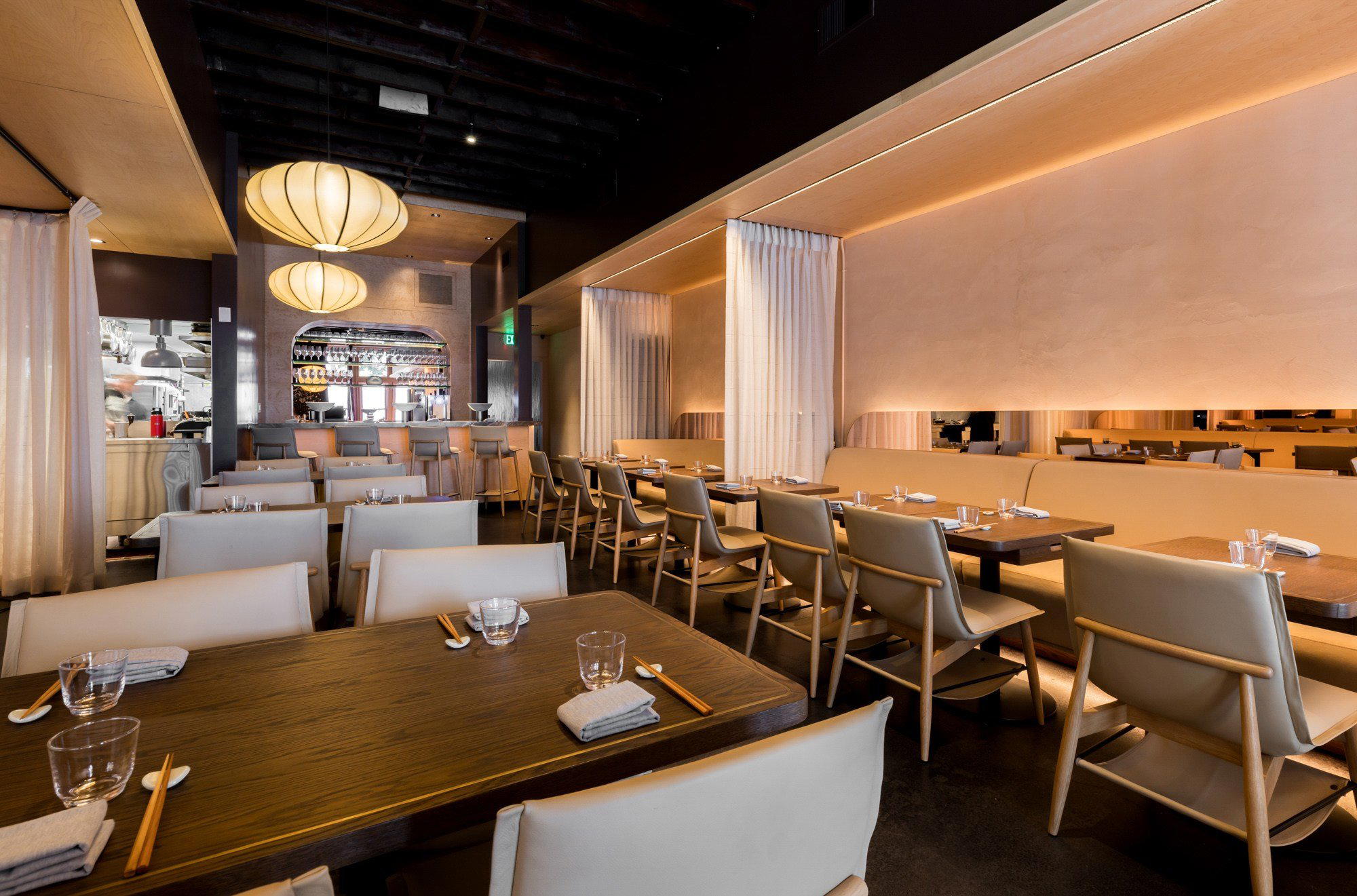
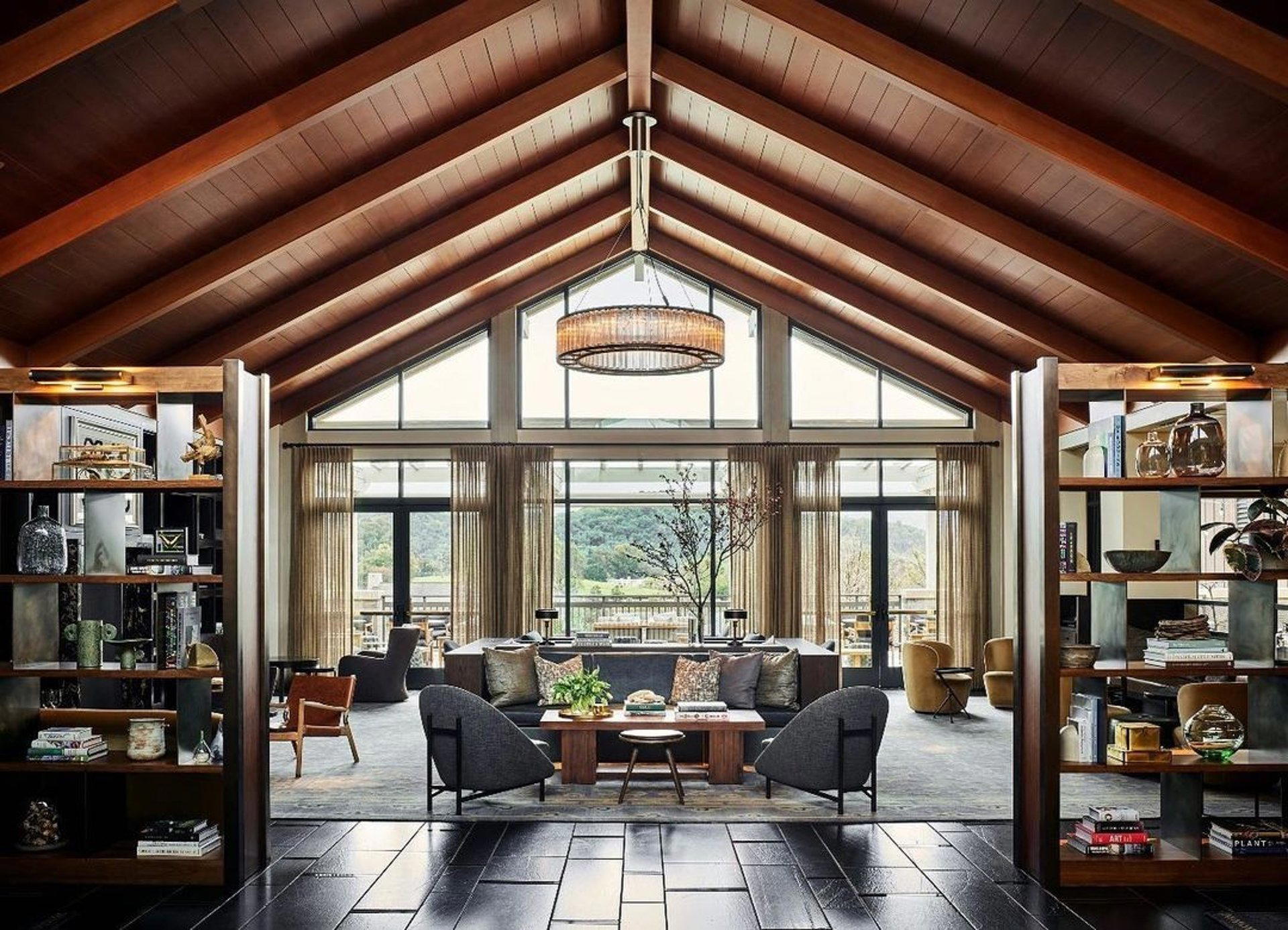
Bars in San Jose
Browse all →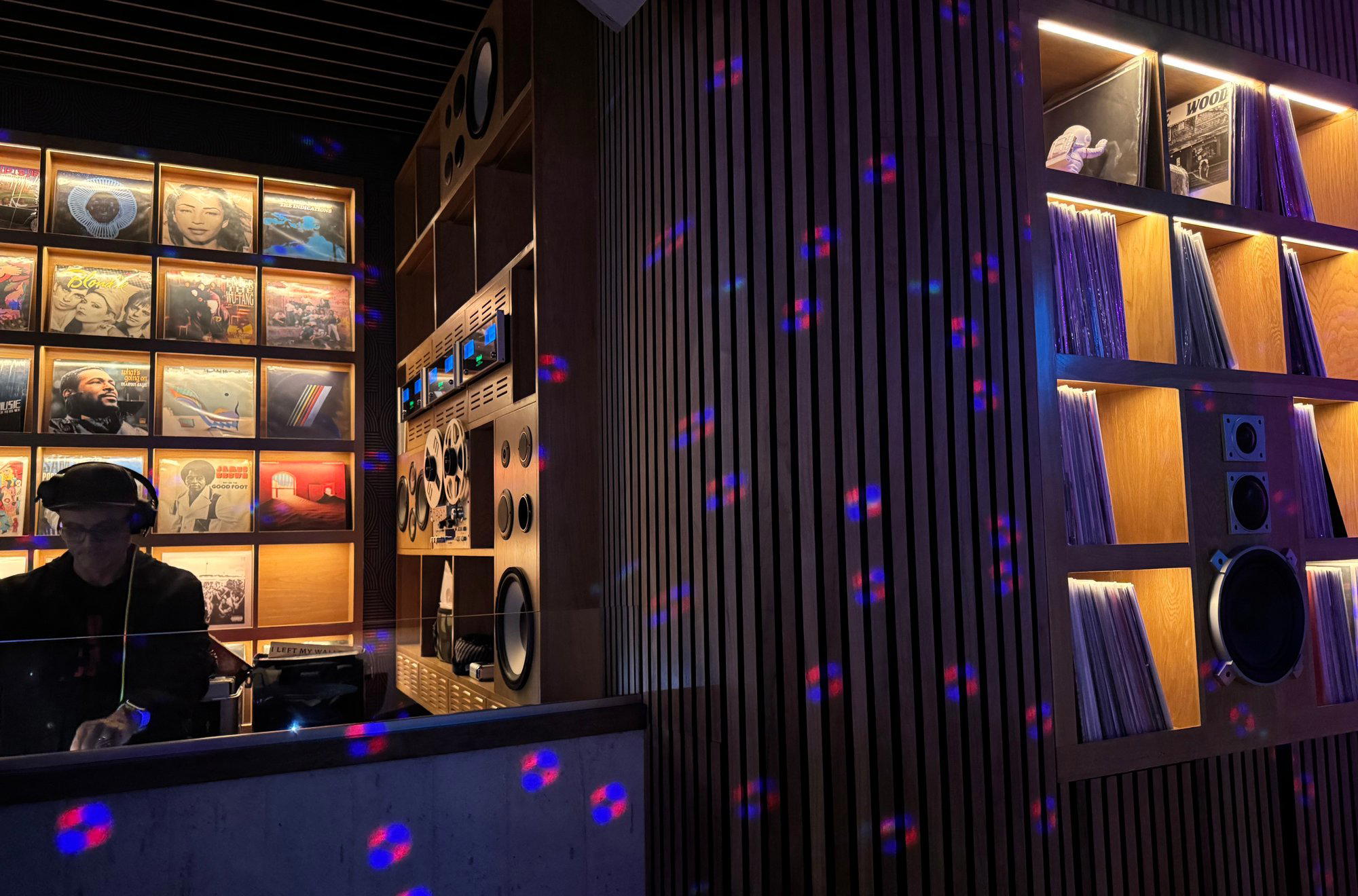
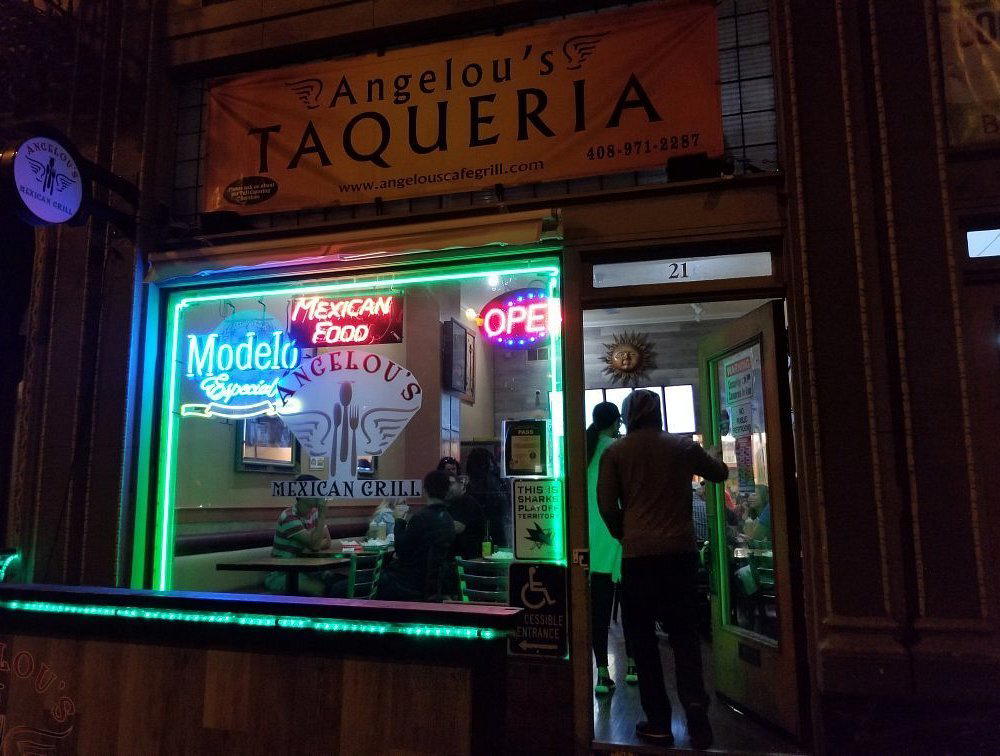
Hotels in San Jose
Browse all →
At a Glance
- Rustic
- Elegant
- Classic
- Well Known
- Group Dining
- Family
- Celebration
- Casual Hangout
- Private Event
- Private Dining
- Terrace
- Open Kitchen
- Standalone
- Craft Cocktails
- Beer Program
- Corkage Allowed
- Local Sourcing
Current opening hours
- Monday
- Closed
- Tuesday
- 11:30 AM–1:30 PM, 5–9 PM
- Wednesday
- 11:30 AM–1:30 PM, 5–9 PM
- Thursday
- 11:30 AM–1:30 PM, 5–9 PM
- Friday
- 11:30 AM–1:30 PM, 5–9:30 PM
- Saturday
- 12–9:30 PM
- Sunday
- 12–8 PM
Hours can change for holidays and private events. Last verified .
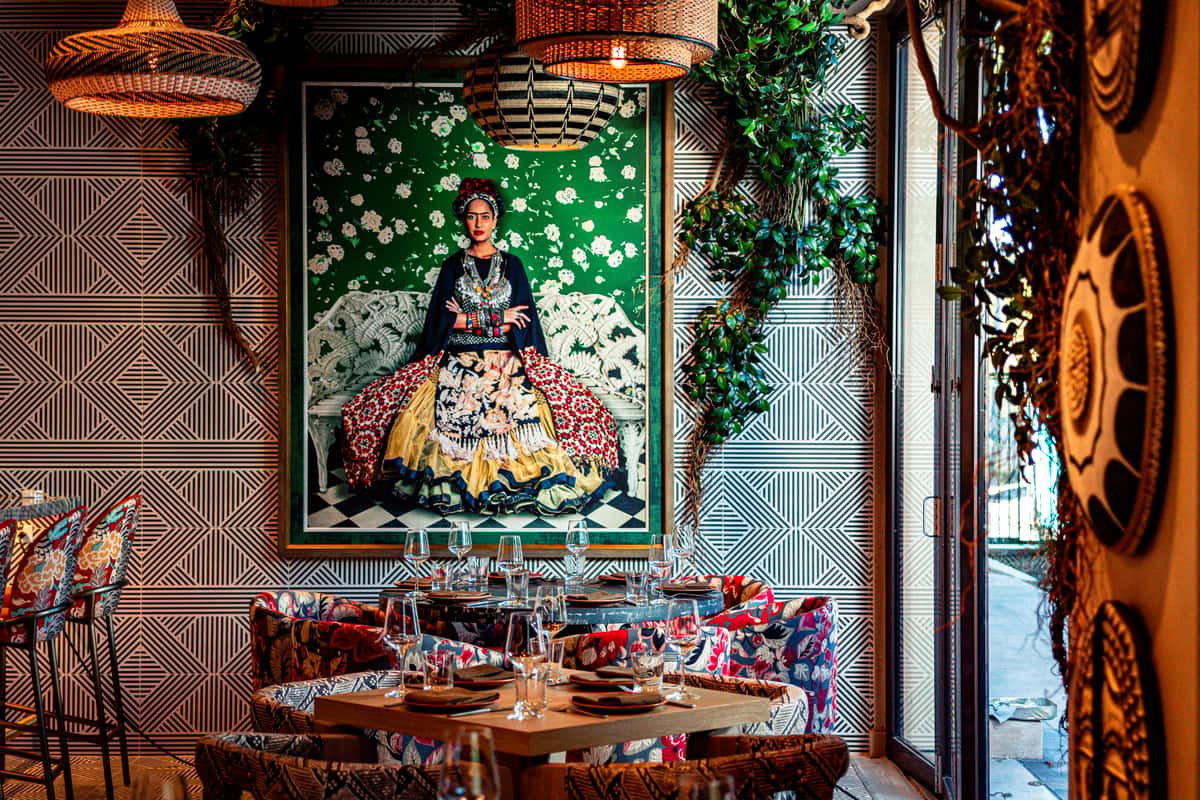
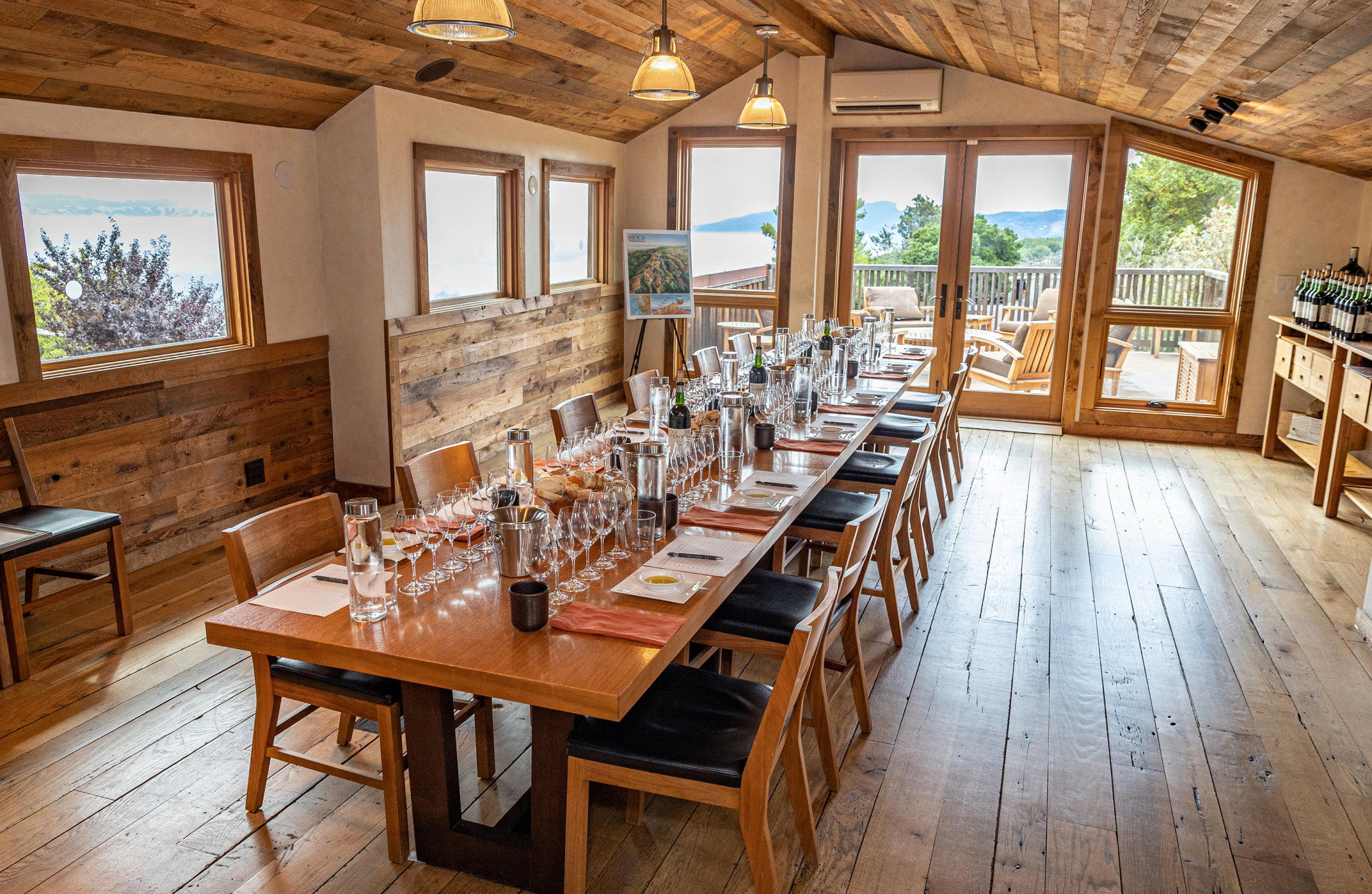
Urban upscale atmosphere with brick walls, metal work, and indigenous Mexican design elements creating a stylish yet authentic setting.