Bimi
On Seefeldstrasse in Zurich's right-bank dining corridor, Bimi operates in a neighbourhood where product-driven precision and collaborative kitchen culture have become the defining markers of serious restaurants. The address places it within walking distance of the lake and the concentration of ambitious tables that have reshaped this part of the city over the past decade. A reservation here positions you inside one of Zurich's more considered dining conversations.
Pearl is the En Primeur Club membership app — saves, bookings, and concierge access live there. Same editors, same standards.
- Address
- Seefeldstrasse 5, 8008 Zürich, Switzerland
- Phone
- +41432437777
- Website
- swissbimi.ch
- Directions
- Get directions
 Saves & bookings on Pearl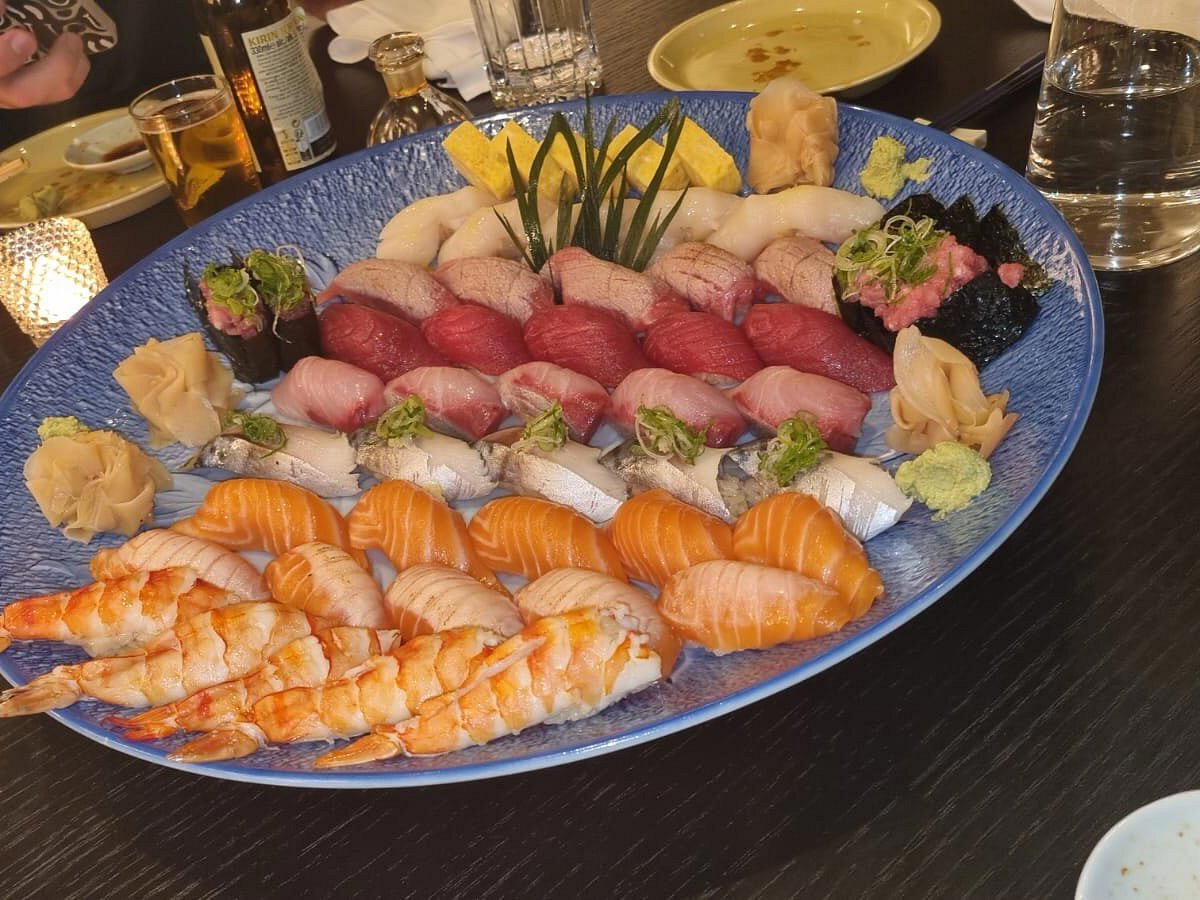
Seefeldstrasse and the Right-Bank Dining Corridor
The stretch of Seefeldstrasse running through Zurich's 8008 postal district has become one of the more reliable indicators of where the city's dining ambitions are pointed. The neighbourhood sits east of the Altstadt, close enough to the lake that the light changes by late afternoon, and it has attracted a particular kind of restaurant over the past ten years: not destination spectacle, but the quieter, more deliberate work that tends to age better in critical memory. Bimi, at number 5, occupies this context directly.
Zurich's broader restaurant scene operates in a relatively compressed geography. The city is small enough that serious diners move between the left bank, the Langstrasse corridor, and the right-bank lake-adjacent streets without much friction. What separates the Seefeld district from those alternatives is a certain tonal consistency: the restaurants here tend toward the considered rather than the theatrical, and their peer conversations happen at the level of product sourcing, service calibration, and kitchen-to-floor communication rather than concept novelty. That orientation shapes how a place like Bimi is received and read by its regulars.
For broader orientation across Zurich's dining options, the EP Club full Zurich restaurants guide maps the city's key tables by neighbourhood and category.
The Collaborative Architecture of a Serious Room
In Zurich's upper-middle dining tier, the restaurants that sustain reputations across multiple seasons tend to share a structural characteristic: the kitchen, the floor, and the wine program operate as a single integrated argument rather than three separate departments. When that coordination works, it produces a consistency of experience that no single element could carry alone. The rhythm of a meal, the way a server frames a dish without over-explaining it, the way a wine recommendation arrives as context rather than sales, all of this signals a room that has practiced its communication internally.
This is the frame through which Bimi is most usefully understood. The address on Seefeldstrasse places it in a neighbourhood where that kind of team-level coherence has become a baseline expectation rather than a distinguishing feature. The restaurants nearby that have sustained attention, including IGNIV Zürich by Andreas Caminada with its sharing format built around coordinated generosity, and Eden Kitchen & Bar operating in the Italian mode, each demonstrate that the Seefeld corridor rewards restaurants where the parts are intelligible to each other.
At the creative end of the Zurich market, The Counter and The Restaurant represent the higher-investment proposition in terms of both price and conceptual ambition. Widder operates in Swiss register with the kind of institutional depth that comes from an established address. Bimi's position within this competitive set is defined by its Seefeld location and its apparent orientation toward the precision-led middle ground that the district tends to produce.
Switzerland's Broader Fine Dining Conversation
Placing Zurich in the Swiss dining context matters because the country punches significantly above its population size in terms of Michelin density. Switzerland's starred restaurants span a range of settings, from Hotel de Ville Crissier in Crissier and Schloss Schauenstein in Fürstenau at stronger examples from the recognition ladder, to more intimate addresses like Memories in Bad Ragaz and Maison Wenger in Le Noirmont. In Basel, Cheval Blanc by Peter Knogl holds its own weight in the French-influenced fine dining conversation, while Einstein Gourmet in Sankt Gallen and Mammertsberg in Freidorf extend the seriousness of purpose beyond the major cities.
Alpine settings have also produced their own distinct sub-category: Da Vittorio in St. Moritz, La Table du Valrose in Rougemont, and focus ATELIER in Vitznau each demonstrate how geography and season shape the dining proposition in ways that urban restaurants cannot replicate. Zurich operates differently from all of these: it is a financial and commercial city with a resident dining culture that expects consistency across the calendar rather than seasonal intensity.
Within that context, the restaurants that matter to Zurich's regular dining public tend to be the ones that show up in the same form on a Tuesday in March as they do on a Friday in October. That operational reliability is its own form of credibility, and it is built at the team level rather than through any single creative act.
What the Address Signals
Seefeldstrasse 5 is a specific kind of Zurich address: close to the lake, in a residential-commercial zone that attracts a local professional clientele more than a tourist overflow. The restaurants that work in this location tend to calibrate for that audience, which means less explanatory theatre and more assumption of baseline knowledge. A room that assumes its guests already understand what they are eating, what they are drinking, and why it matters, communicates differently than one that treats every table as an orientation exercise.
That calibration is visible in how the floor operates in Seefeld's better rooms. The front-of-house model that works here is one of confident understatement: present when needed, recessive when not, and always operating with enough product knowledge to shift between registers depending on how much the table wants to engage. The kitchen's contribution to that dynamic is legibility, sending out food that communicates its own intentions clearly enough that the floor does not have to narrate everything.
Internationally, the restaurants that have made the team-dynamic model most visible, places like Le Bernardin in New York City with its decades-long commitment to kitchen-floor coherence, or Lazy Bear in San Francisco with its community-table format built around shared knowledge, demonstrate that this approach scales across different price points and formats. In Zurich's Seefeld district, the same principle operates at a more modest and residential scale.
Know Before You Go
- Address: Seefeldstrasse 5, 8008 Zürich, Switzerland
- Neighbourhood: Seefeld, right-bank lake-adjacent district
- Getting There: The 8008 postal district is accessible by tram from Zurich's central station; the Seefeld area is walkable from the lake
- Comparable Zurich Tables: IGNIV Zürich by Andreas Caminada, The Counter, Eden Kitchen & Bar
- Further Research: EP Club full Zurich restaurants guide
Recognition Snapshot
| Venue | Cuisine | Price | Awards |
|---|---|---|---|
| BimiThis venue — the venue you are viewing | Not listed | Not listed | This venue |
| IGNIV Zürich by Andreas Caminada | Sharing | €€€€ | Michelin 2 Star |
| KLE | Vegan | €€€ | Michelin 1 Star |
| Kronenhalle | Swiss, Traditional Cuisine | €€€ | World's 50 Best |
| The Counter | Creative | €€€€ | Michelin 2 Star |
| Eden Kitchen & Bar | Italian | €€€€ | Michelin 1 Star |
Continue exploring
More in Zürich
Restaurants in Zürich
Browse all →
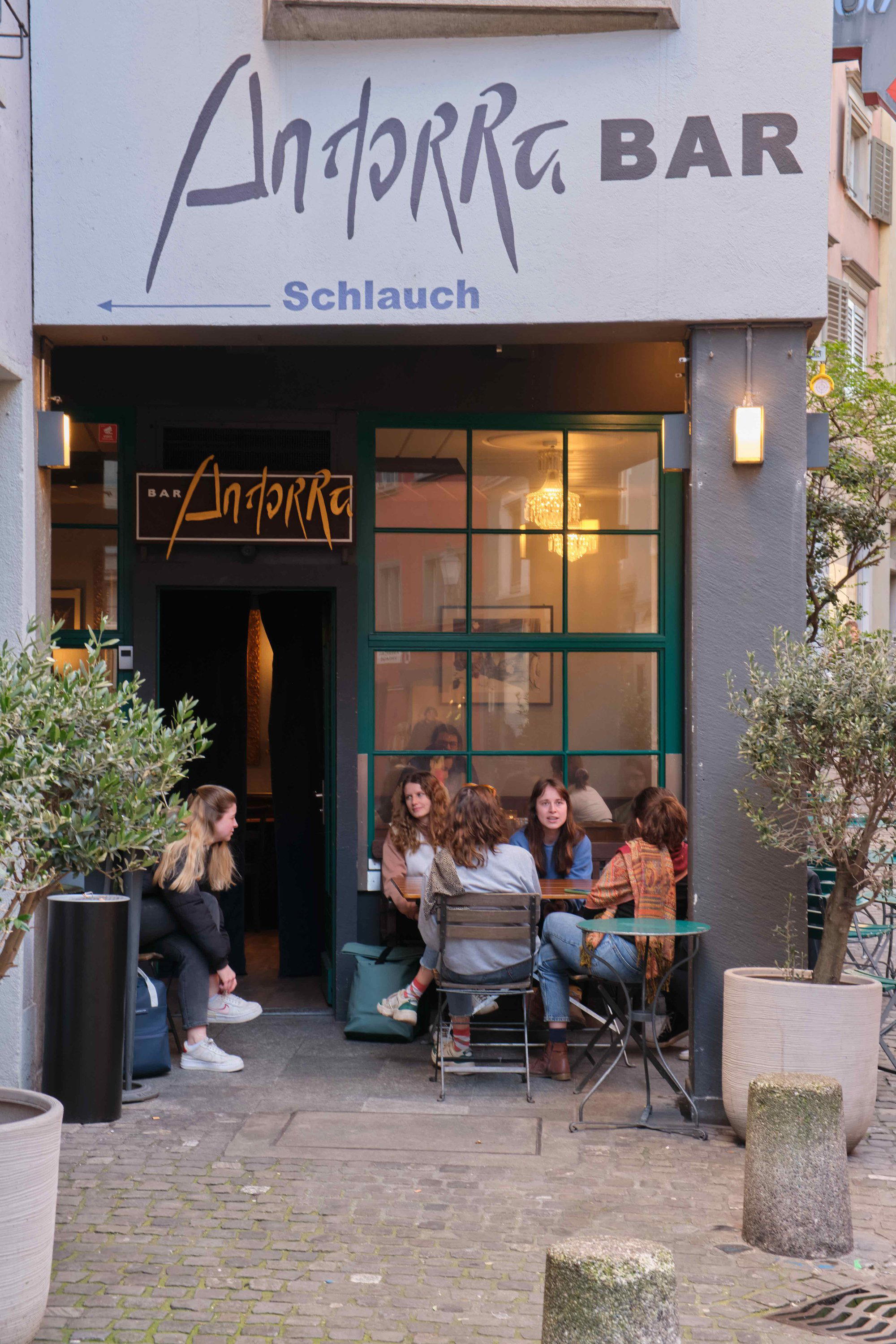
Bars in Zürich
Browse all →
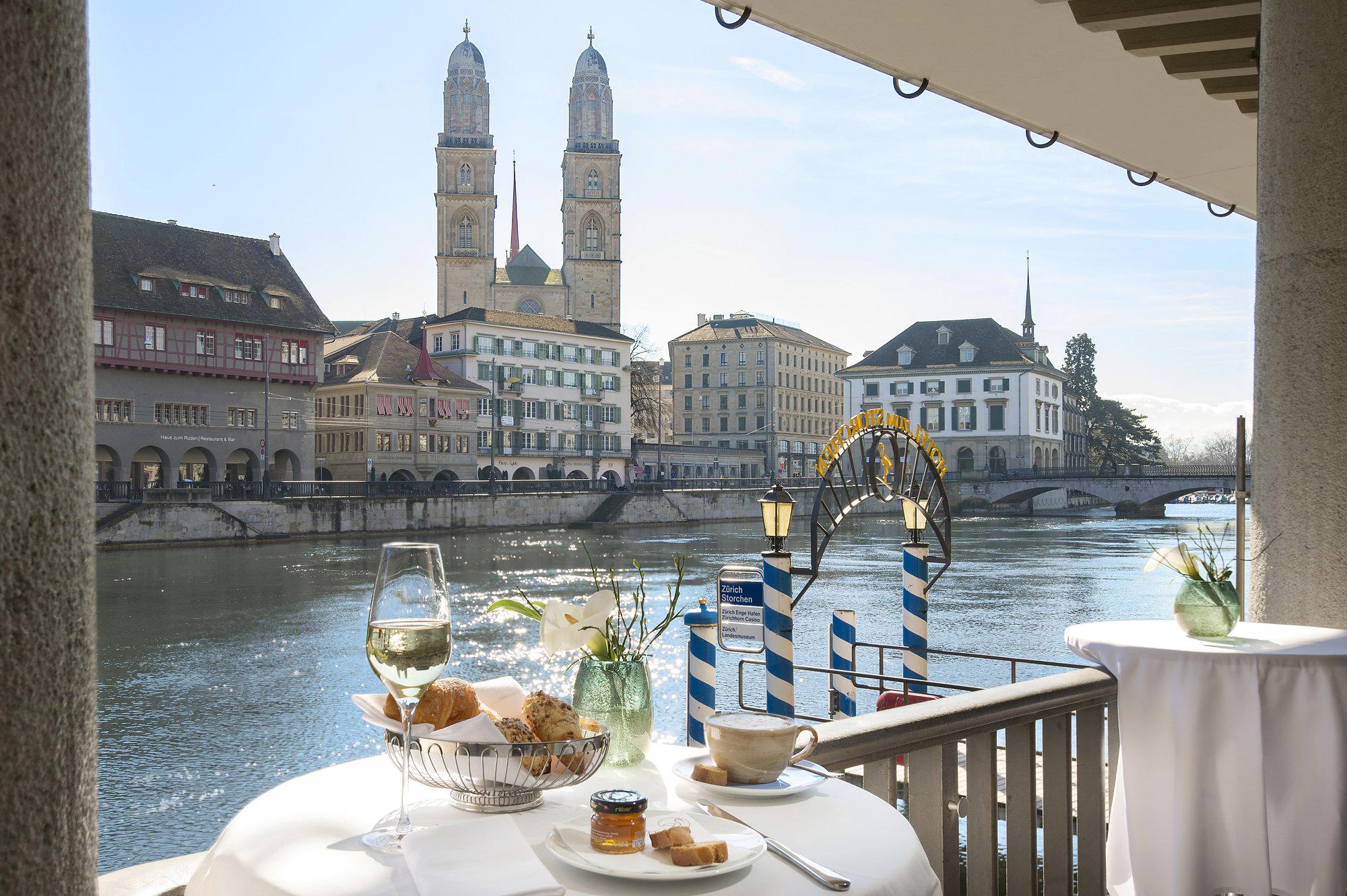
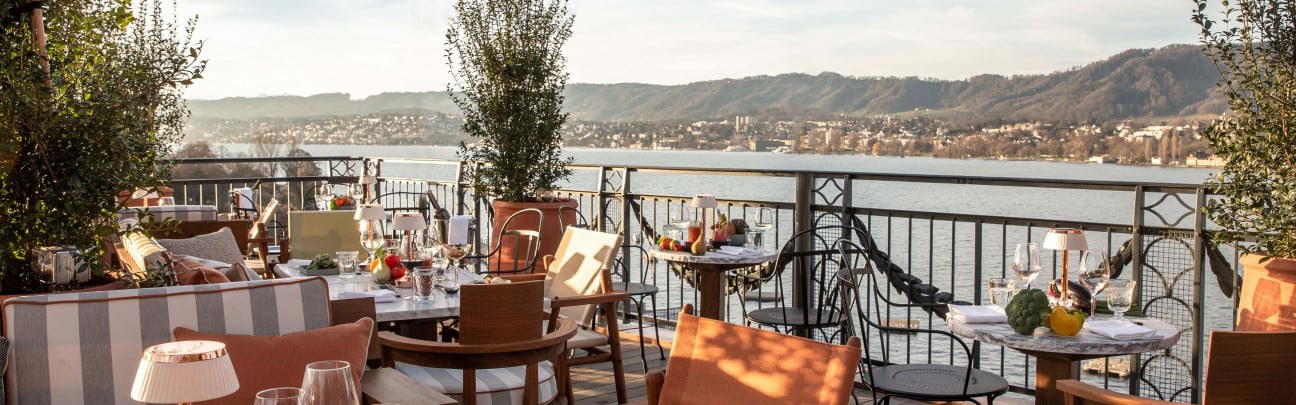
Hotels in Zürich
Browse all →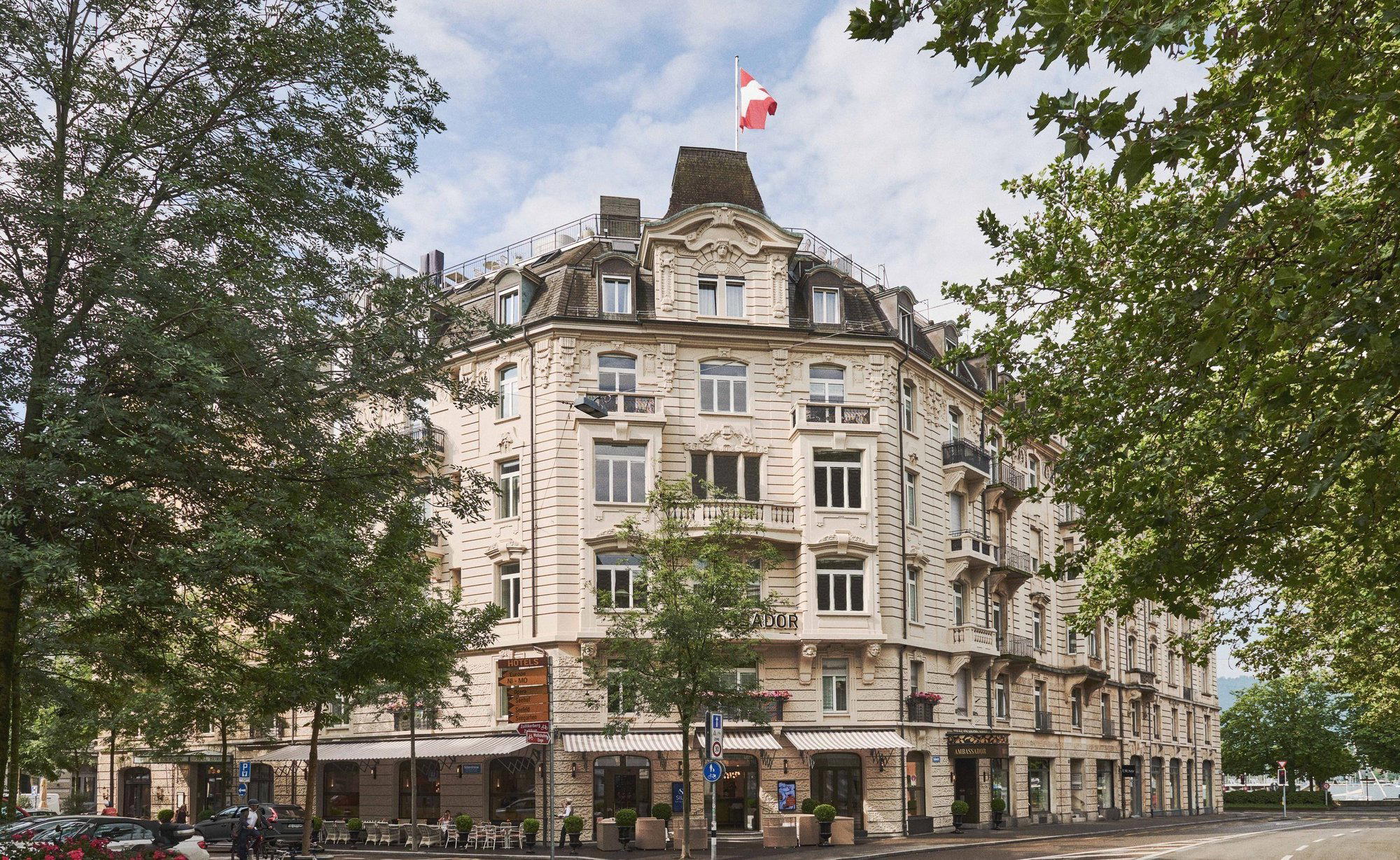

At a Glance
- Modern
- Cozy
- Date Night
- Casual Hangout
Current opening hours
- Monday
- Closed
- Tuesday
- 11:30 AM–2 PM, 6–9:30 PM
- Wednesday
- 11:30 AM–2 PM, 6–9:30 PM
- Thursday
- 11:30 AM–2 PM, 6–9:30 PM
- Friday
- 11:30 AM–2 PM, 6–9:30 PM
- Saturday
- 6–9:30 PM
- Sunday
- Closed
Hours can change for holidays and private events. Last verified .
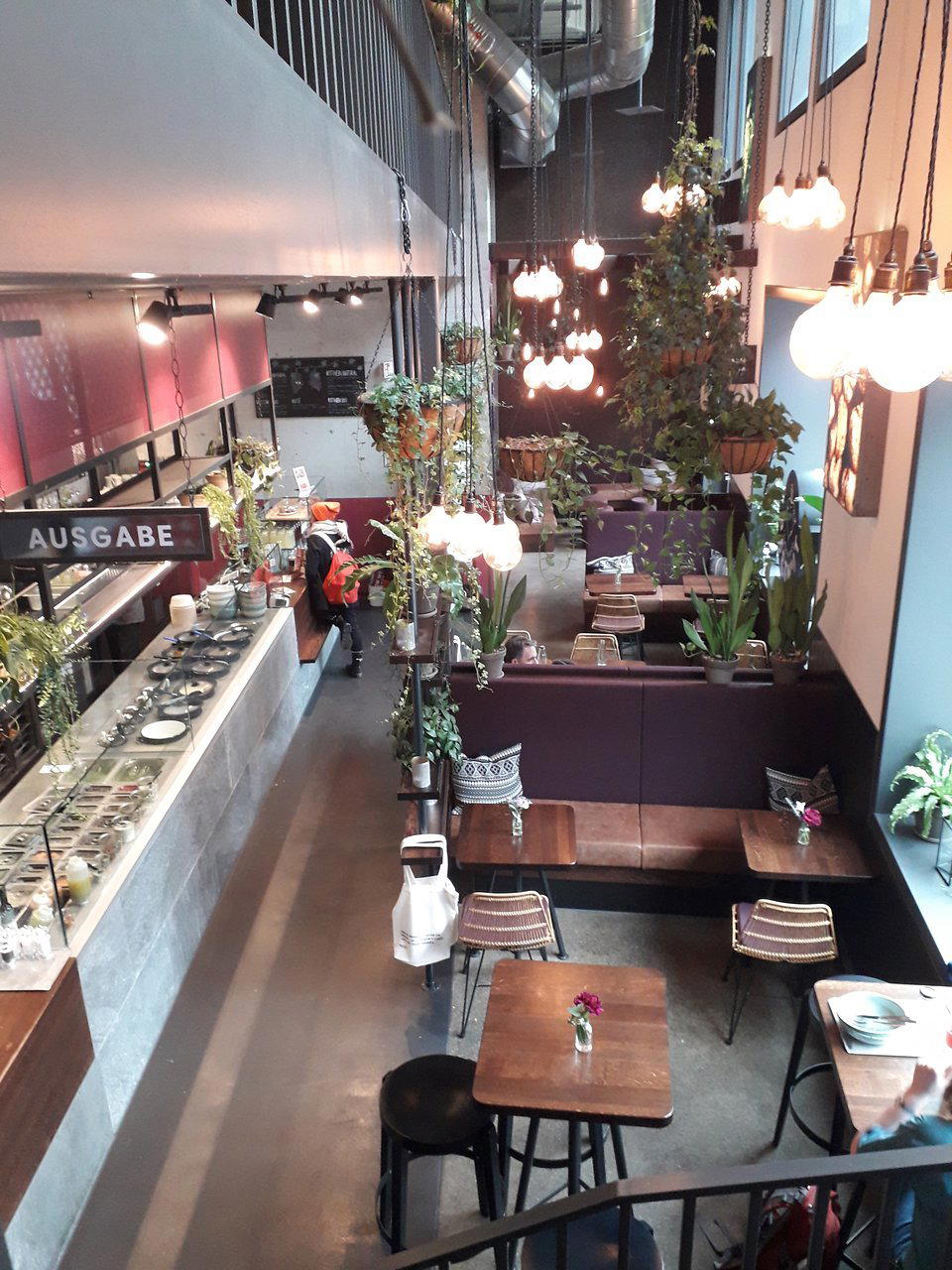
Modern and unpretentious atmosphere with pleasant, simple interior design.