Merriman's Big Island
Our verdict
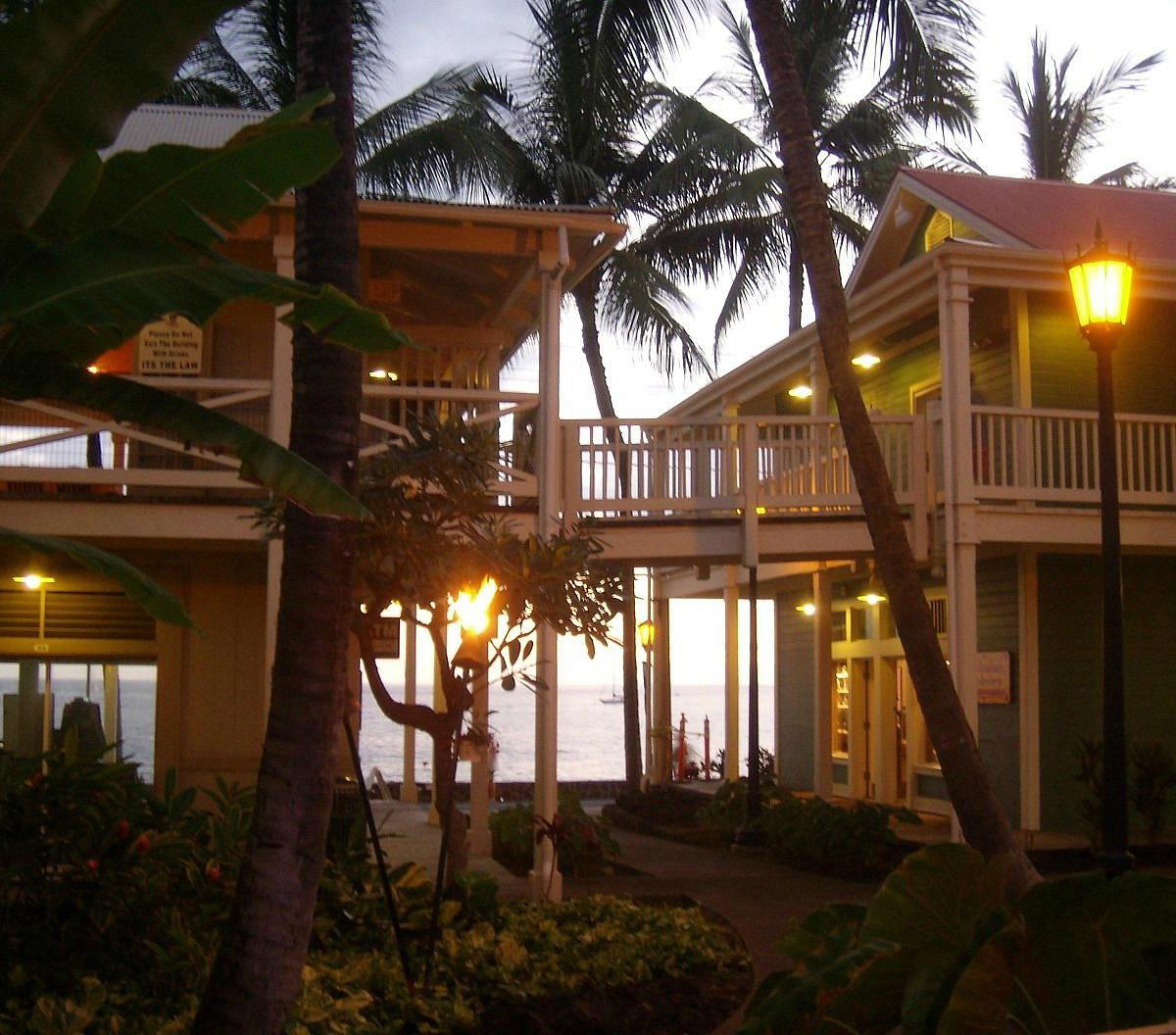
A anchor of Hawaii Regional Cuisine in the upcountry town of Waimea, Merriman's Big Island draws on the volcanic slopes and coastal waters of the Big Island to shape a menu rooted in local sourcing. The dining room sits at elevation, removed from the resort corridor, in a setting that rewards visitors who seek out the island's agricultural interior rather than its shoreline hotels.

Pearl is the En Primeur Club membership app, where members save venues, book tables and use the concierge.
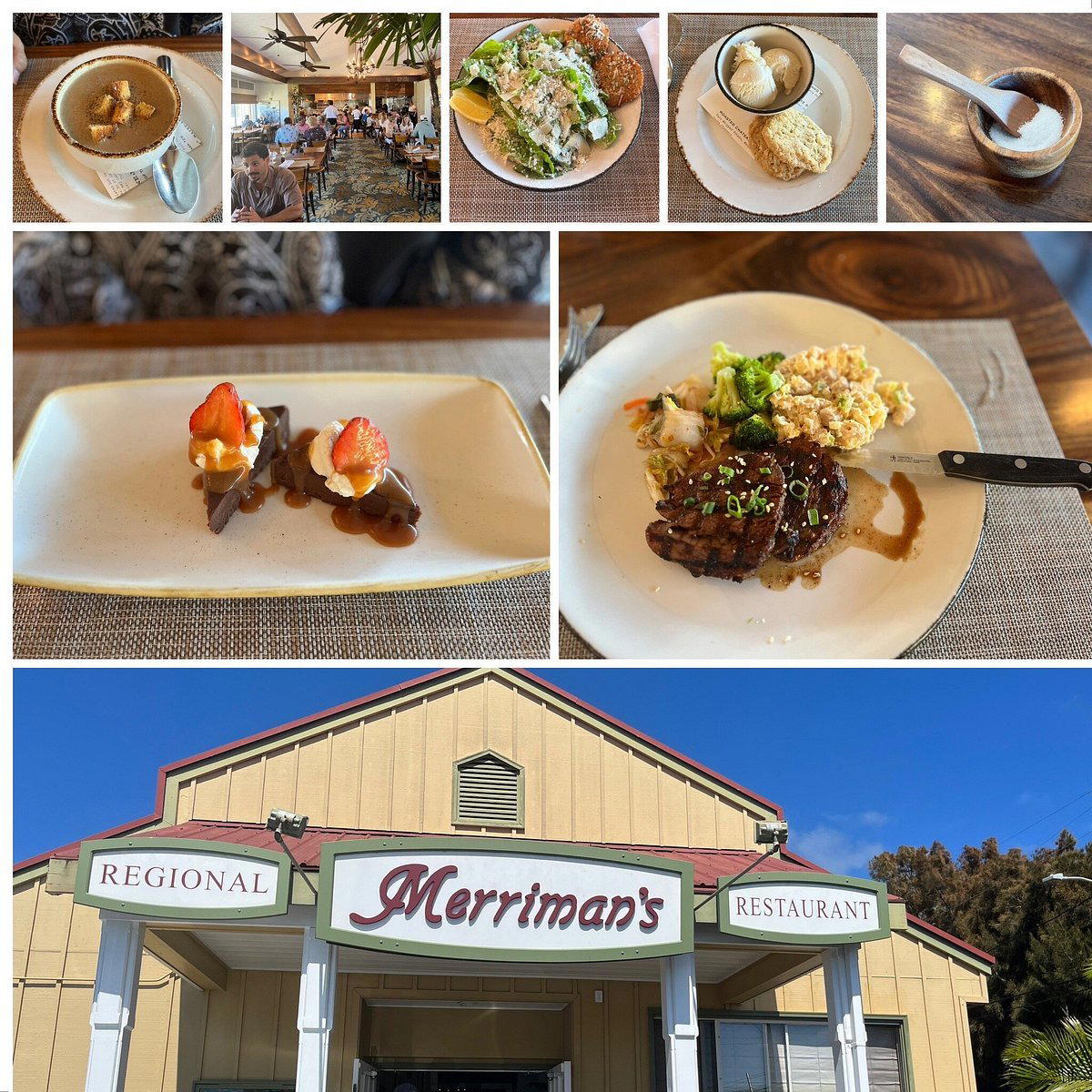
The menu
What to order
- Peter’s Original Caesar Salad
- Tako “Escargot”
- Wok Charred Ahi
Upcountry at Elevation: The Waimea Dining Context
Waimea occupies a different register from the rest of the Big Island. At roughly 2,700 feet on the slopes between Mauna Kea and the Kohala Mountains, the town sits above the coastal resort strip entirely, surrounded by working cattle ranches and small farms that have supplied island kitchens for generations. Dining here is not an extension of the resort experience; it is a separate proposition, one that rewards travellers willing to drive inland and engage with the agricultural character of Hawaii rather than its beach-facing hospitality industry. Merriman's Big Island, on Opelo Road in the center of Waimea, is the most prominent expression of that proposition in this part of the island.
Hawaii Regional Cuisine, the movement formally organized in the early 1990s by a coalition of island chefs, was built on a direct premise: Hawaiian soil and water produce exceptional ingredients, and those ingredients should anchor the menu rather than appear as garnish on mainland-style cooking. Merriman's Big Island sits within that tradition, and understanding that lineage matters more than any individual menu description when reading what the restaurant represents in the broader Hawaii dining conversation.
The Back Bar and Beverage Program
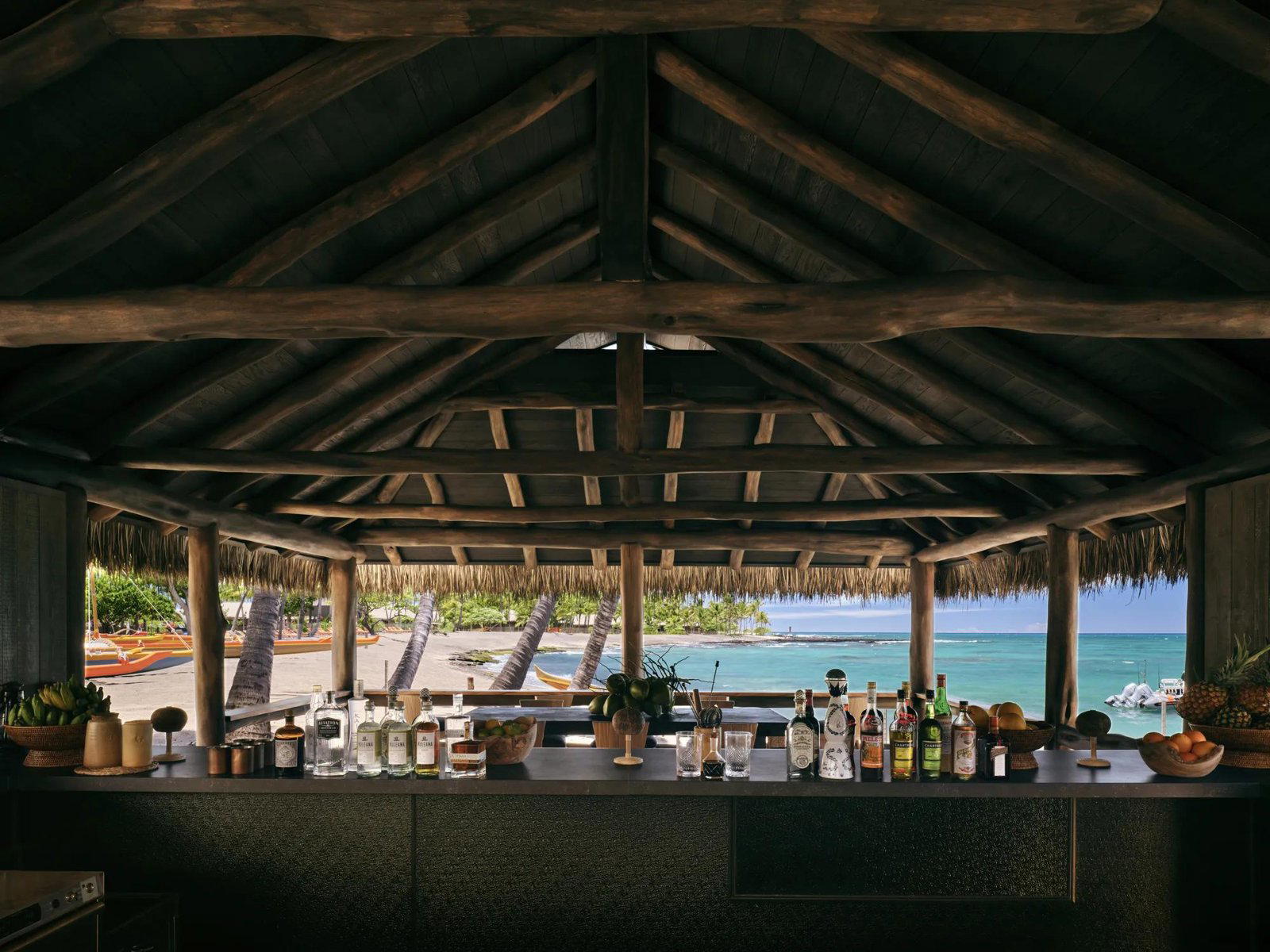
In Hawaii's upcountry, the drinks program at a destination restaurant carries particular weight. The island's craft beverage scene has expanded considerably over the past decade, with local distilleries producing rum, vodka, and specialty spirits from Hawaiian sugarcane, while the craft brewing movement has found footing at places like Big Island Brewhaus, also in Waimea, which produces high-altitude ales within a short drive of Merriman's. A serious restaurant in this setting has to make a decision: lean into the local production story or build a collection that signals depth and curation beyond the island's still-developing spirits industry.
The most compelling bar programs at farm-to-table anchor restaurants in the American West and South tend to operate by a curatorial logic that mirrors the kitchen's sourcing discipline. At Julep in Houston, the commitment to American whiskey as a category is documented and systematic; at Kumiko in Chicago, the Japanese spirits collection has a research quality that makes the back bar a secondary point of interest to the cocktail program itself. What distinguishes those programs from a well-stocked hotel bar is specificity of curation: the bottles present reflect considered decisions rather than distributor defaults.
In Waimea, a drinks list that works within the Hawaii Regional logic would foreground locally produced spirits where quality supports it, build a wine list weighted toward producers whose farming practices parallel the kitchen's sourcing commitments, and maintain enough depth in whiskey and rum to reward a reader who wants to spend time at the bar rather than moving straight to the table. The elevation and cool climate of upcountry Waimea also make the case for fuller-bodied reds and aged spirits that would feel less natural in a coastal resort setting. Visitors accustomed to programs at Bar Leather Apron in Honolulu, which has built one of the state's more serious cocktail reputations, will arrive in Waimea with calibrated expectations and should contact the restaurant directly to assess current program depth before making the bar a primary reason for the trip.
How Merriman's Fits the Broader Destination Bar and Restaurant Conversation
The American bar and restaurant programs most comparable in format to what a serious upcountry Hawaii restaurant represents are those that combine destination-worthy food with a beverage list that functions as more than an afterthought. Programs at ABV in San Francisco, Allegory in Washington, D.C., and Superbueno in New York City each demonstrate how the back bar can operate as an editorial statement about a region's production or a cultural tradition, rather than as a support function for the kitchen.
For international visitors arriving from markets where programs like Jewel of the South in New Orleans, Bar Kaiju in Miami, Bar Next Door in Los Angeles, or The Parlour in Frankfurt set the reference point, Waimea's dining scene will register as intimate and agricultural rather than technically ambitious on the drinks side. That is not a criticism; it is a calibration. The Big Island's value proposition is ingredient quality and setting, not a depth of spirits curation that competes with urban programs operating in distribution-rich markets.
Planning a Visit: What to Know Before You Go
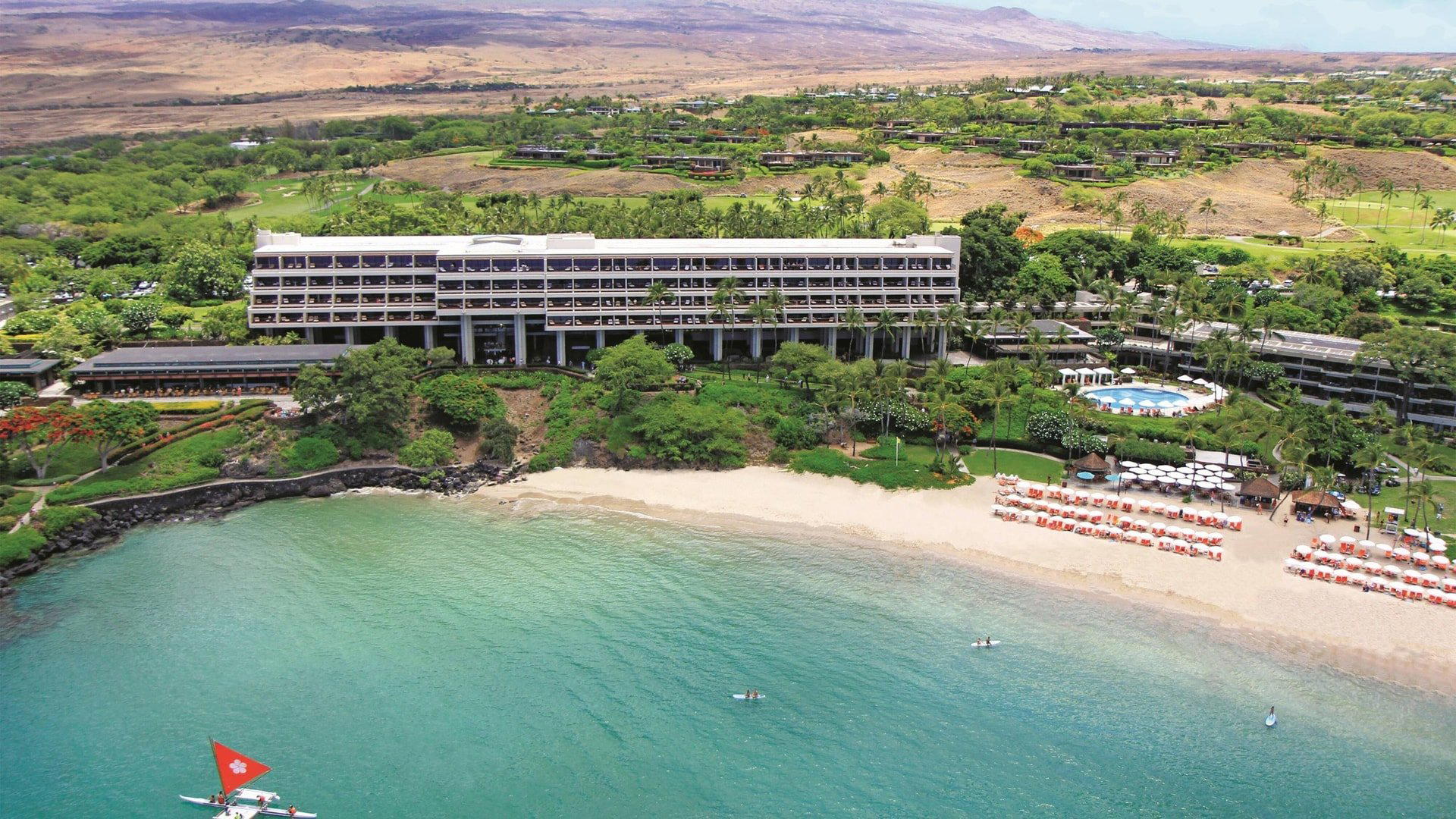
Waimea is accessible from both the Kohala Coast resorts to the west and from Hilo on the east side, with the drive from the main resort corridor running approximately 30 to 40 minutes on the Queen Ka'ahumanu Highway. For visitors staying in Waikoloa or near the Mauna Kea Beach Hotel, a dinner in Waimea is a logical evening excursion that adds meaningful agricultural and cultural context to a trip otherwise anchored in coastline resort experience. Evening temperatures in upcountry Waimea drop noticeably from the coast; light layers are appropriate.
Reservations at destination restaurants in small Hawaiian towns fill faster than visitor intuition typically accounts for, particularly in the high seasons of December through February and June through August. Booking well in advance is advisable, and the restaurant's Opelo Road address places it in the commercial center of Waimea, walkable from the town's small collection of independent shops and galleries. Visitors building a full Waimea afternoon around the meal will find the town's farmers market, when in season, provides useful context for the sourcing philosophy that shapes the kitchen. Our full Waimea restaurants guide covers the broader dining and drinking options in the area for those planning a longer stay.
Frequently asked questions
What part of town is Merriman's Big Island in?
Merriman's Big Island is located at 65-1227 Opelo Rd B, Waimea, HI 96743, Waimea.
Is Merriman's Big Island in Waimea worth a special trip from the Kohala Coast resorts?
Merriman's has operated in Waimea long enough to anchor the town's dining identity, and its position in Hawaii's farm-to-table movement predates the phrase becoming a marketing standard. The drive from the Kohala Coast resort corridor runs through open ranch land and arrives in a working agricultural town rather than a tourist zone, which is the point. Waimea's small commercial district and the Anna Ranch Heritage Center add enough substance to justify a half-day built around dinner.
What should I drink at Merriman's Big Island?
Hawaii's sugarcane distillation industry has produced a small but serious group of local spirits producers worth exploring, and a restaurant at the centre of Waimea's agricultural community is a logical place to encounter them. Look for cocktails built around Hawaii-made rum and agricole-style expressions alongside local beer. The upcountry elevation and cool climate also make the dining room a more comfortable setting for a full-length meal with wine than most coastal spots on the island.
What should I know about Merriman's Big Island before I go?
The restaurant is located at 65-1227 Opelo Rd B in Waimea, an agricultural town sitting at roughly 2,700 feet between Mauna Kea and the Kohala Mountains. That elevation means cooler temperatures and a pace that differs sharply from the resort corridor on the Kohala Coast, which is the nearest major tourist zone. Visitors driving from the Kohala resorts should allow time for the uphill transition; Hilo on the east side is also within reach, making Waimea a logical midpoint stop.
Comparable Venues
Comparable venues nearby, for context on price, style, and recognition.
| Venue | Cuisine | Price | Notes |
|---|---|---|---|
| Merriman's Big IslandThis venue (the venue you are viewing) | Hawaii Regional Cuisine | $30–50 | Not listed |
| Merriman's Big Island | Hawaii Regional Cuisine | $30–50 | Waimea |
| Big Island Brewhaus | Dining | $20–30 | Waimea |
| Blue Dragon Tavern & Cosmic Musiquarium | Hawaiian Seafood Fusion | $30–50 | Kawaihae |
| Wrangler's Steakhouse | Western Steakhouse with Hawaiian Influences | $30–50 | Waimea |
| The Wooden Crate | Farm-to-Table American | Not listed | Makawao |
Continue exploring
More in Waimea
Restaurants in Waimea
All restaurants in Waimea →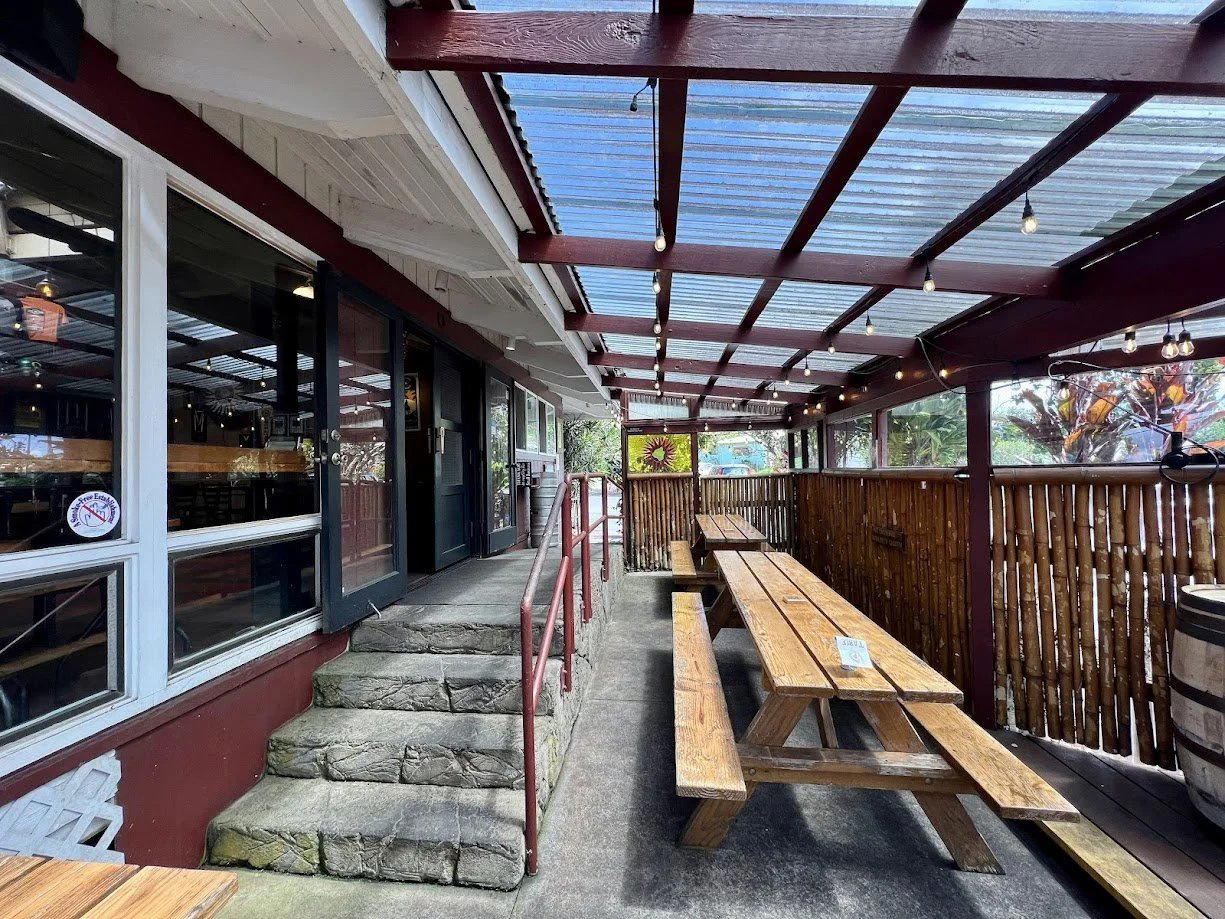
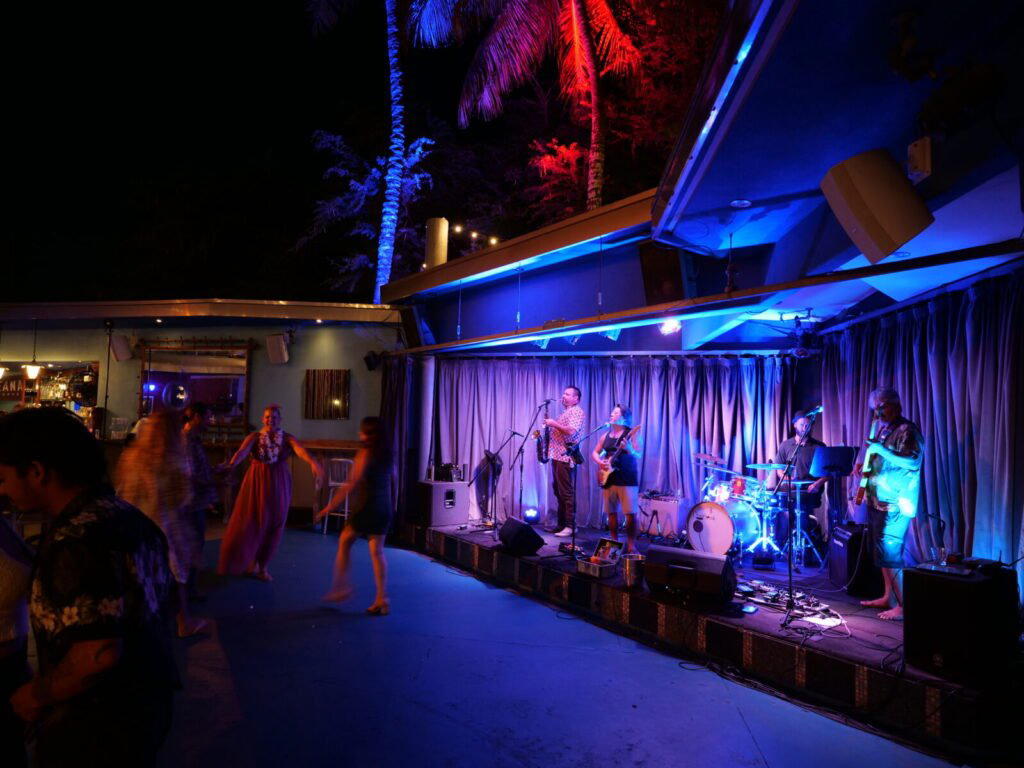
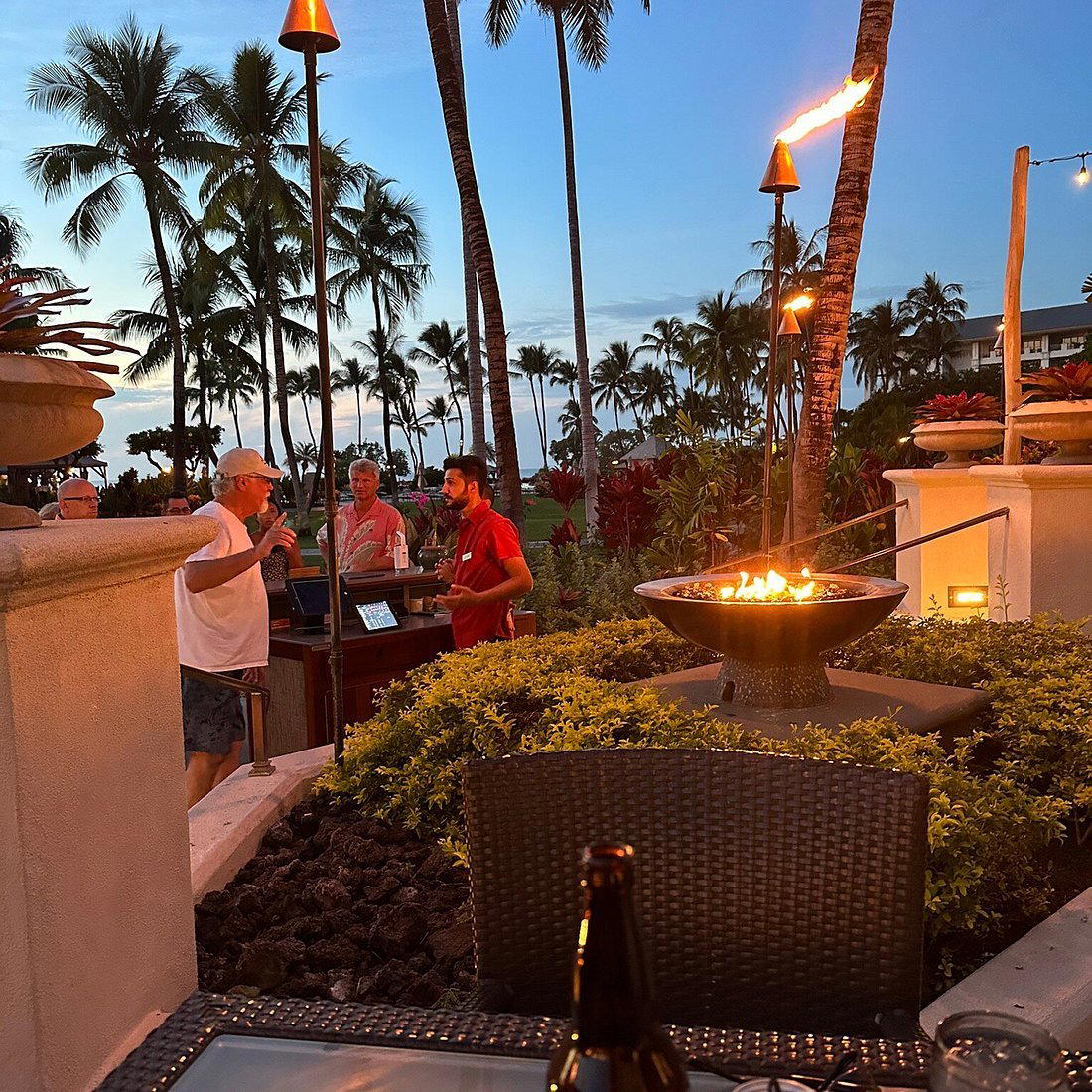
Bars in Waimea
Browse all →
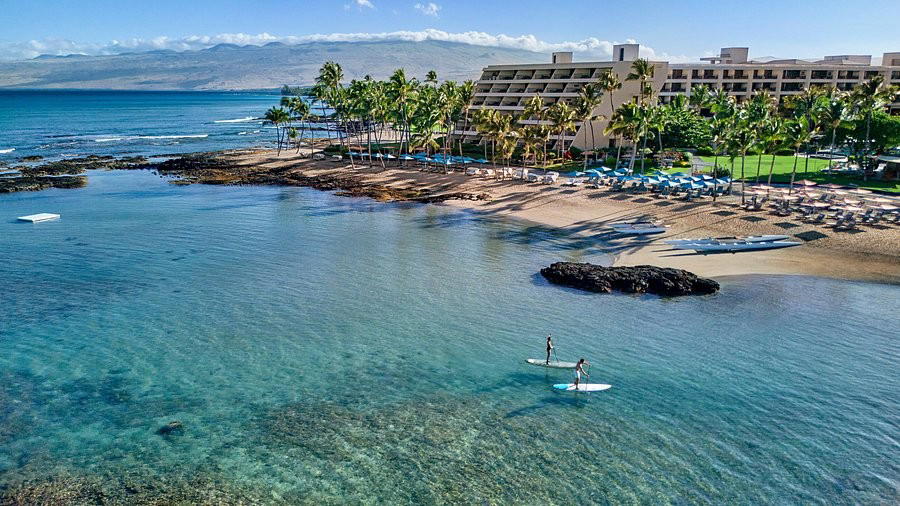
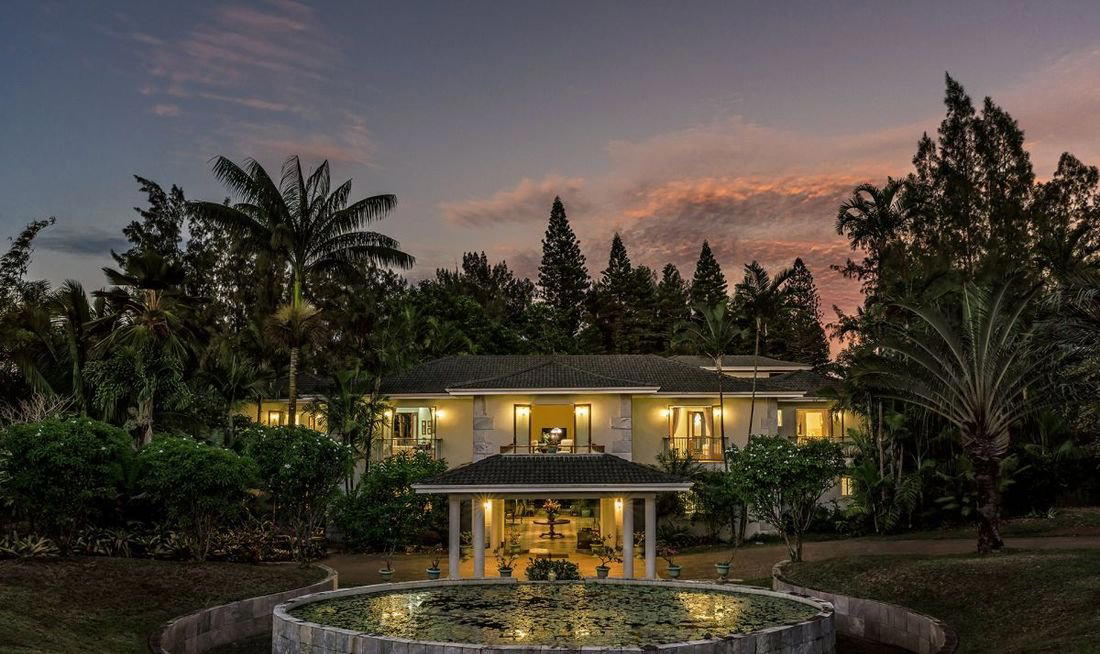
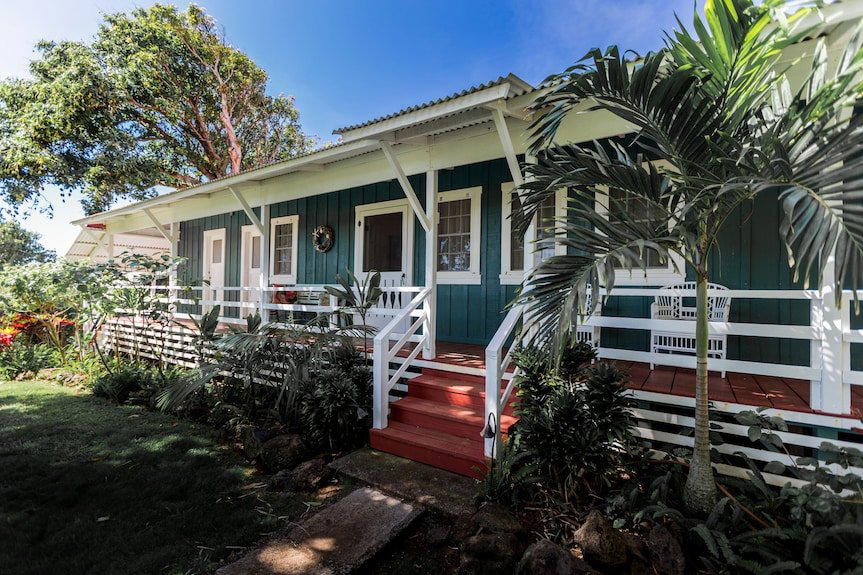
Merriman's Big Island
The wine
- Wine program
- Deep wine list
- Extensive wine list
Details
- Rustic
- Cozy
- Elegant
- Scenic
- Special Occasion
- Date Night
- Family
- Brunch
- Garden
- Private Dining
- Extensive Wine List
- Farm To Table
- Local Sourcing
- Garden
- A La Carte
- Vegetarian Friendly
- Vegan Options
- Gluten Free Options
Current opening hours
- Monday
- 11:30 AM–2 PM, 5–8:30 PM
- Tuesday
- 11:30 AM–2 PM, 5–8:30 PM
- Wednesday
- 11:30 AM–2 PM, 5–8:30 PM
- Thursday
- 11:30 AM–2 PM, 5–8:30 PM
- Friday
- 11:30 AM–2 PM, 5–8:30 PM
- Saturday
- 11:30 AM–2 PM, 5–8:30 PM
- Sunday
- 10:30 AM–1 PM, 5–8:30 PM
Hours can change for holidays and private events. Hours as of .
Cozy upcountry dining with warm Hawaiian hospitality in a farm community setting.