Skip to Main Content
Iconic Beachfront Resort

Google: 4.6 · 1,616 reviews

← Collection
Kamuela, United States

Mauna Kea Beach Hotel, Autograph Collection

Price≈$1,441
Size300 rooms
GroupAutograph Collection
NoiseQuiet
CapacityLarge
Virtuoso

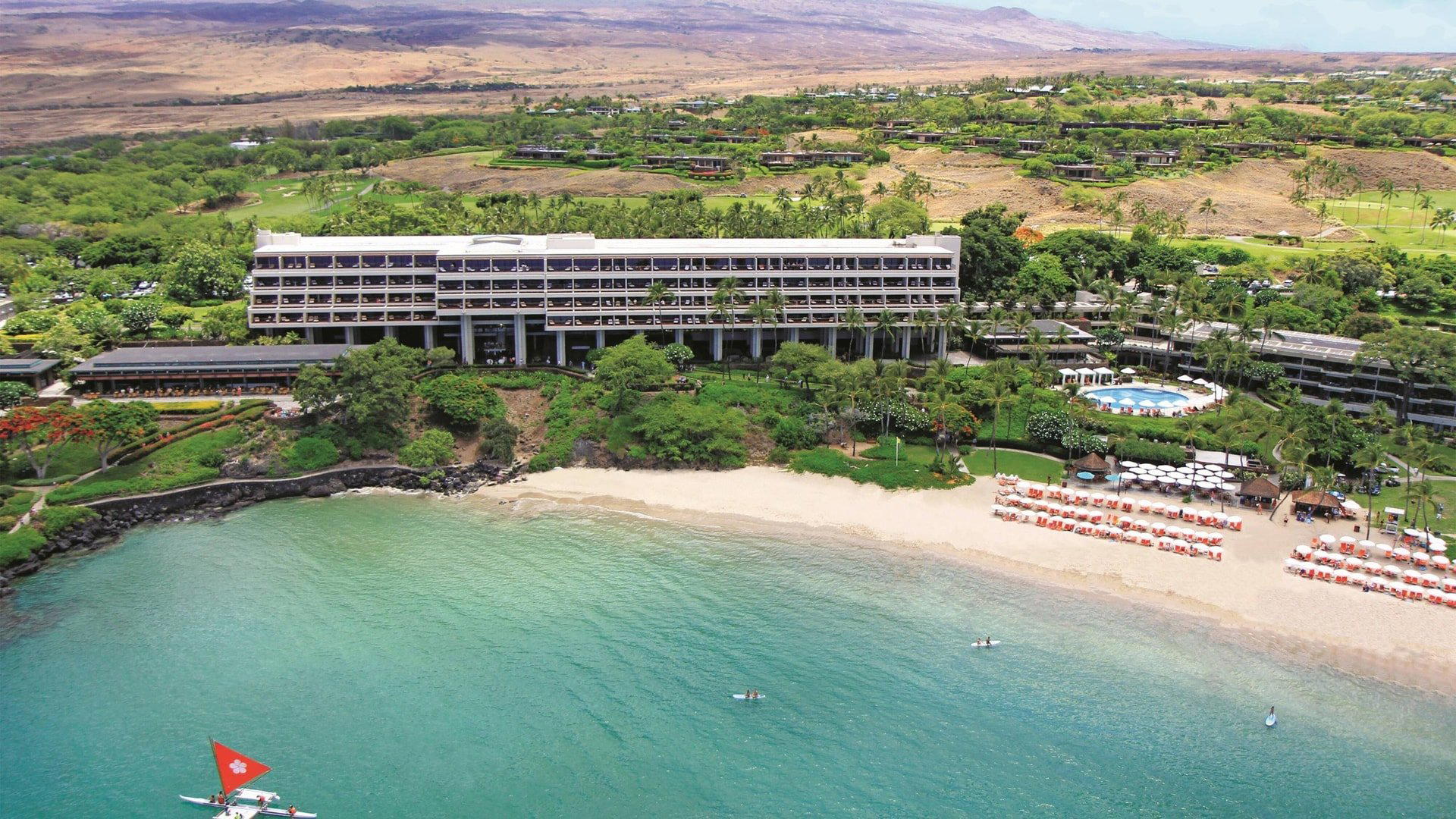
Opened in 1965 by Laurence Rockefeller on the Big Island's Kohala Coast, Mauna Kea Beach Hotel set the template for Hawaiian resort architecture at scale. The 252-room property occupies Kauna'oa Bay, pairing mid-century modern structures with an extensive Pacific art collection, an 18-hole golf course, and a 11-court tennis facility that have defined the property's identity across six decades.

Pearl is the En Primeur Club membership app — saves, bookings, and concierge access live there. Same editors, same standards.
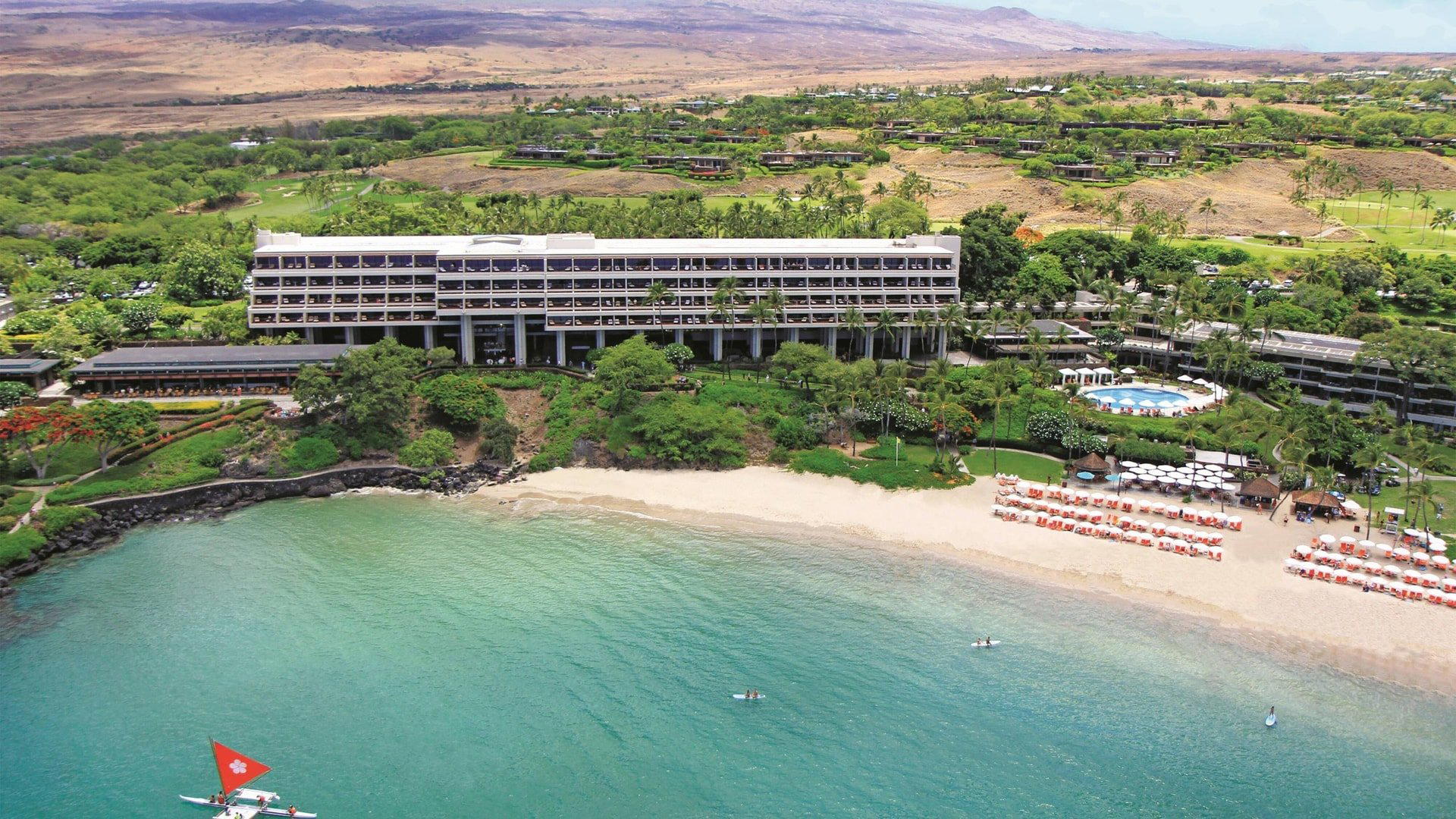
Mauna Kea Beach Hotel, Autograph Collection hotel in Kamuela, United States
About

The Architecture of a Coastline Standard

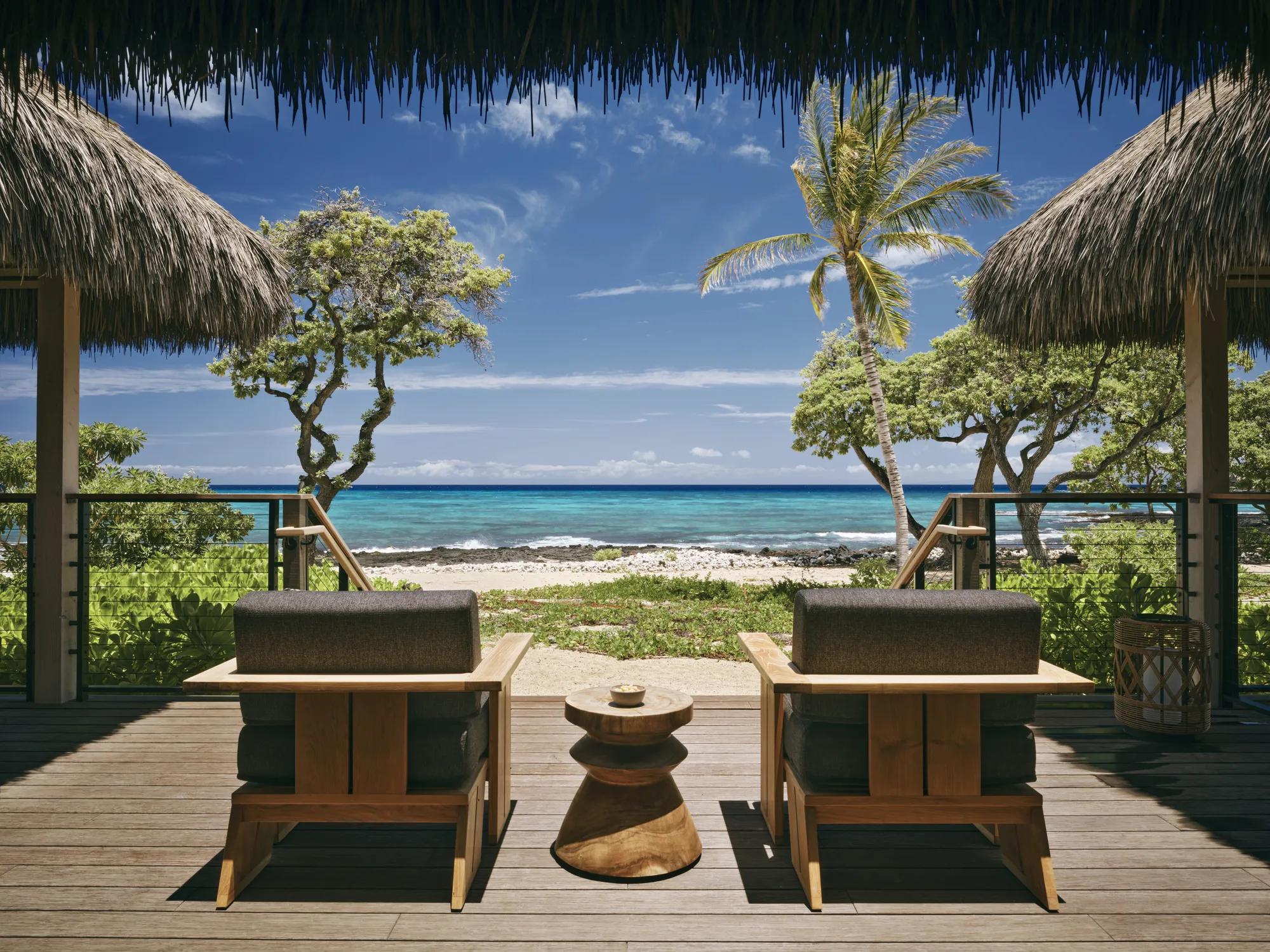
When Laurence Rockefeller commissioned the Mauna Kea Beach Hotel in 1965, the design brief was essentially to invent what a Hawaiian luxury resort could look like. The result was a mid-century modern structure that sat low against the volcanic range of the Kohala Coast, using open-air corridors and deep overhangs to let trade winds do the work that air conditioning would handle elsewhere. That architectural logic, orienting the building toward Kauna'oa Bay rather than turning its back on the Pacific, set a spatial standard that later Big Island properties have measured themselves against ever since.

The mid-century framework is not merely decorative. Open-air circulation spaces, which would feel provisional in another climate, function as genuine communal rooms here, where the temperature differential between shade and sun creates a natural draw through the property. The architecture does not separate guests from the environment; it channels them through it. For a resort that opened when most American luxury hotels were hermetically sealed, that was a considered departure, and the logic holds across six decades of operation.

For context on how design-forward properties at this tier perform elsewhere in the United States, Amangiri in Canyon Point and Ambiente, A Landscape Hotel in Sedona both pursue a similar site-responsive approach in desert environments, while Post Ranch Inn in Big Sur takes the Pacific-orientation premise further along the California coast. Mauna Kea Beach Hotel predates most of them by decades.

The Art Collection as Spatial Argument

Properties in this tier often treat art as amenity signaling: a sculpture in the lobby, a commissioned print above the bed. The Mauna Kea Beach Hotel took a different position from the outset. The collection assembled across the property runs to Pacific and Asian works that read less as decoration and more as a curatorial argument about where the building sits geographically. The mid-century modern architecture provides a neutral enough frame that significant objects hold their weight without competing with fussy interiors.

This approach aligns the property with a small cohort of American resort hotels where the art program functions as a genuine institutional commitment rather than a hospitality budget line. The Fifth Avenue Hotel in New York City operates with comparable seriousness about its interiors, and Chicago Athletic Association in Chicago similarly treats its built heritage as editorial content. On the Kohala Coast, the Pacific-facing collection at Mauna Kea Beach Hotel carries particular geographic logic: it positions the property within a broader Pacific Basin context rather than as an American resort that happens to be in Hawaii.

Kauna'oa Bay and the Sporting Infrastructure

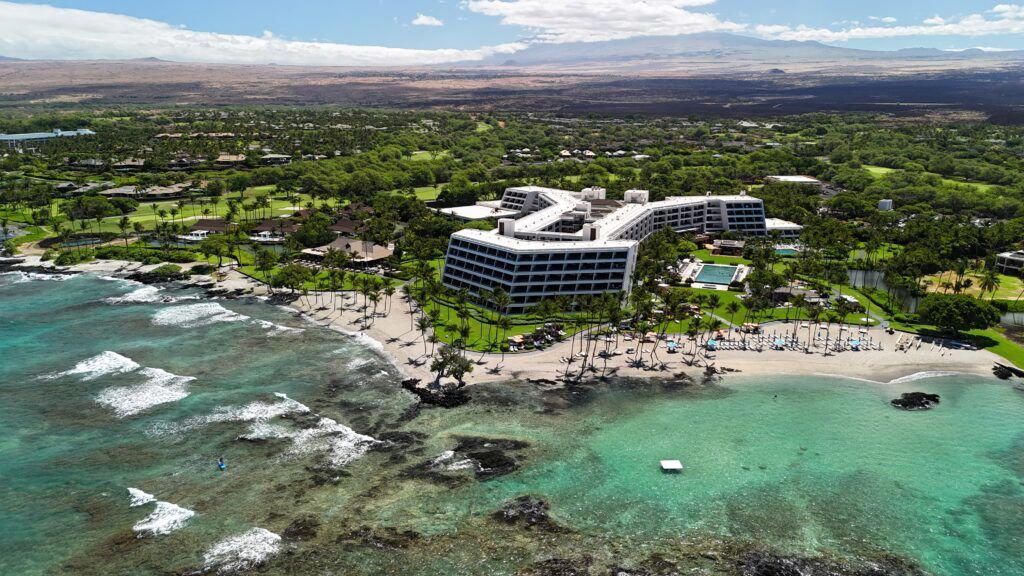
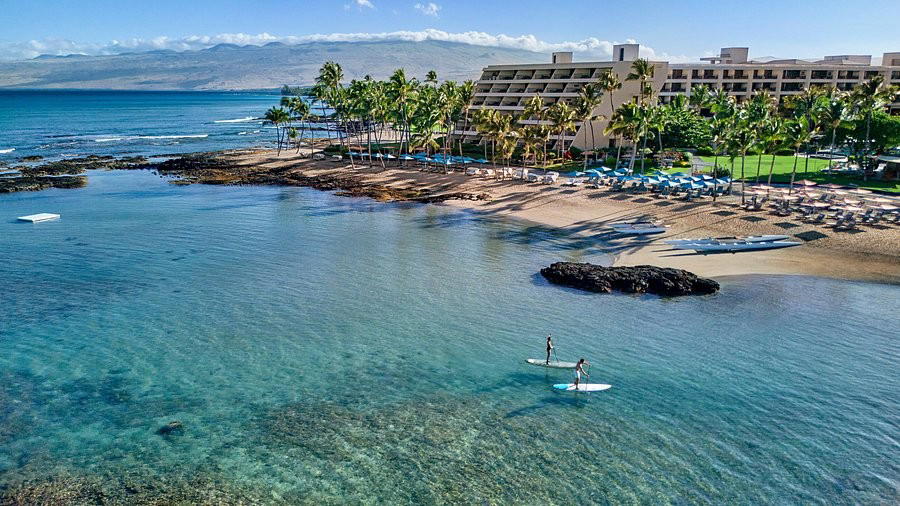
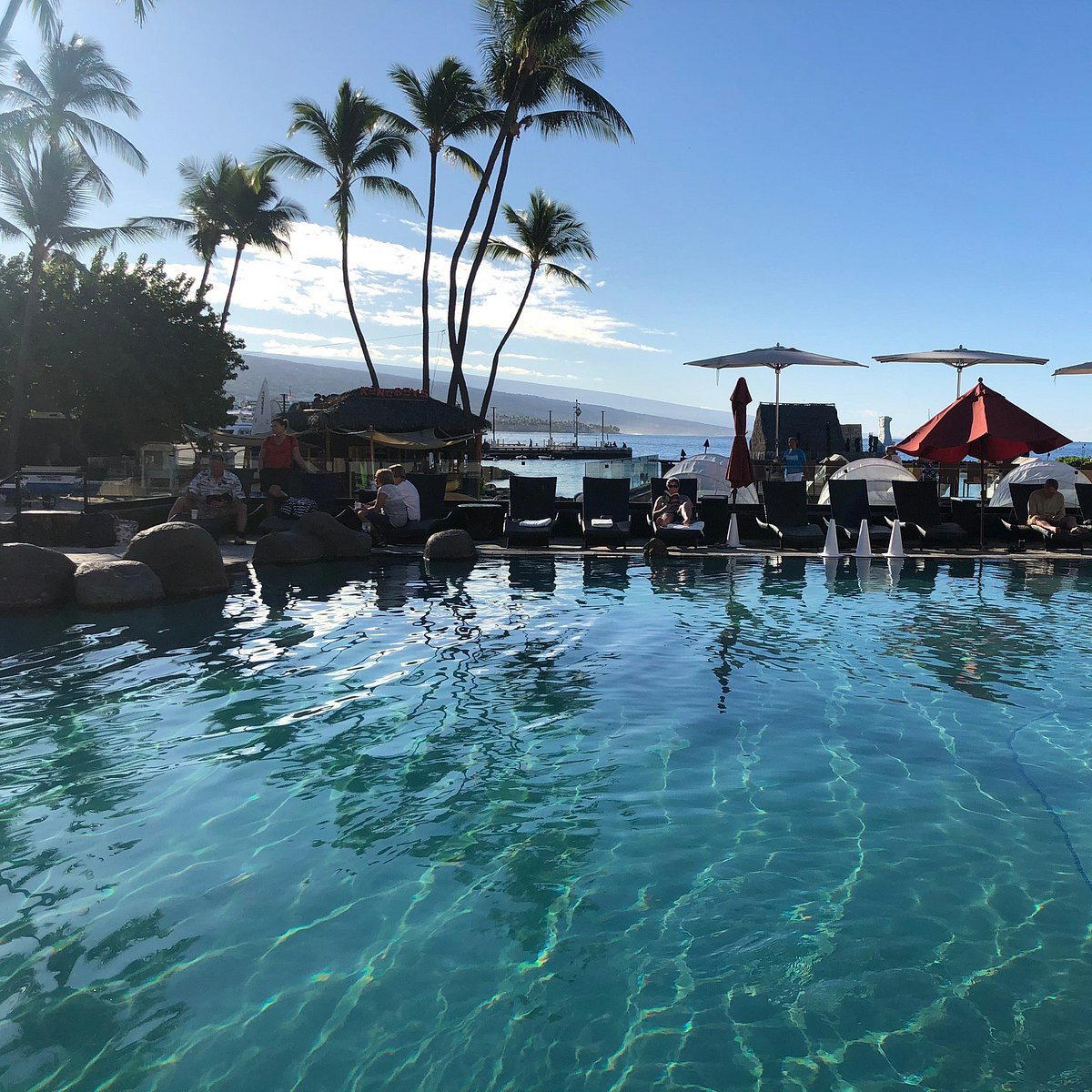
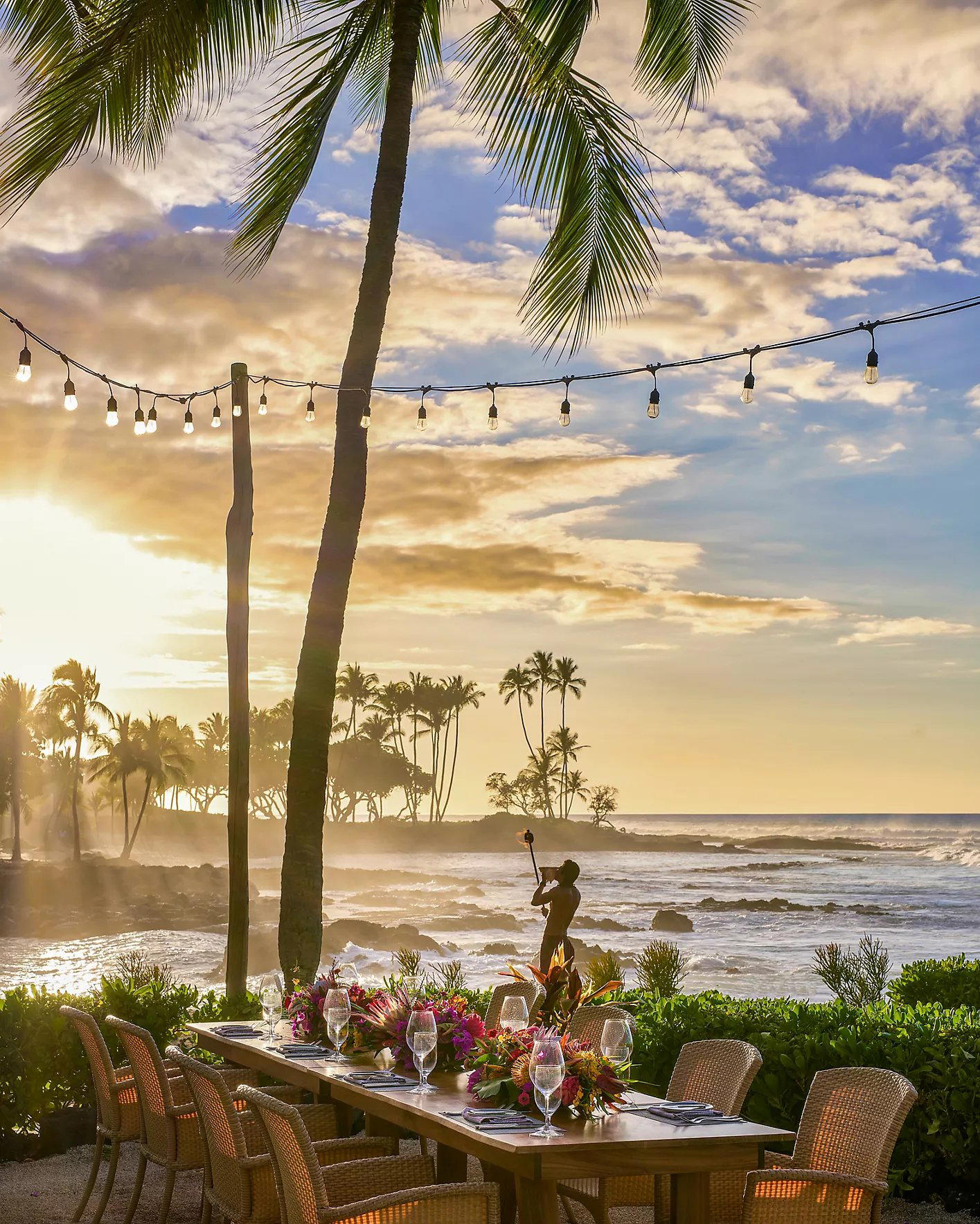
The Kohala Coast's appeal to resort developers from the 1960s onward was partly meteorological. This leeward stretch of the Big Island sits in the rain shadow of Mauna Kea, registering among the sunniest and driest zones in the Hawaiian archipelago. Kauna'oa Bay, where the hotel fronts directly onto the sand, is a protected curve of beach that keeps wave action moderate enough for swimming across most of the year, a relatively rare configuration on an island coast that is frequently exposed to open Pacific swell.

The 18-hole golf course and 11-court Seaside Tennis Club attached to the property represent sporting infrastructure at a scale that was exceptional for 1965 and remains substantial in the current Kohala Coast market. Golf on the Big Island's leeward coast has since accumulated a number of high-profile courses, but the Mauna Kea course retains the status of the original. Eleven tennis courts is a count that exceeds what most contemporary resort properties commit to, reflecting the era in which the facility was built and the profile of the guests it was designed for. For guests whose priorities run toward water activities, the beach access at Kauna'oa Bay provides the counterpoint.

Broader Kohala Coast market now includes Kona Village, a Rosewood Resort in Kailua Kona, which operates in a different format and at a different price point, and both properties draw on the same leeward coastal climate. The Mauna Kea Beach Hotel's scale, at 252 rooms and suites, places it in a different operating tier from boutique alternatives while keeping it small relative to convention-oriented Hawaiian properties.

The Generational Return Pattern

One of the more reliable signals that a resort property occupies genuine cultural territory rather than simply transactional hospitality is a measurable pattern of multi-generational return visits. The Mauna Kea Beach Hotel has operated long enough, since 1965, that families who visited in the 1970s now bring their own children and grandchildren. That retention pattern is not simply a function of quality; it depends on a property maintaining enough continuity of character across ownership changes and renovation cycles that returning guests find something recognizable. Properties that undergo aggressive rebranding cycles tend to lose that thread.

The Autograph Collection affiliation, which sits within Marriott's portfolio of independent-character hotels, preserves the Mauna Kea Beach Hotel's operational identity while providing distribution infrastructure. This is a structural arrangement that several properties with similar long-tenure identities have used to maintain independence without sacrificing booking reach. Troutbeck in Amenia and Blackberry Farm in Walland operate in analogous positions: strong individual identity, institutional affiliation for reach.

Dining and Cultural Programming

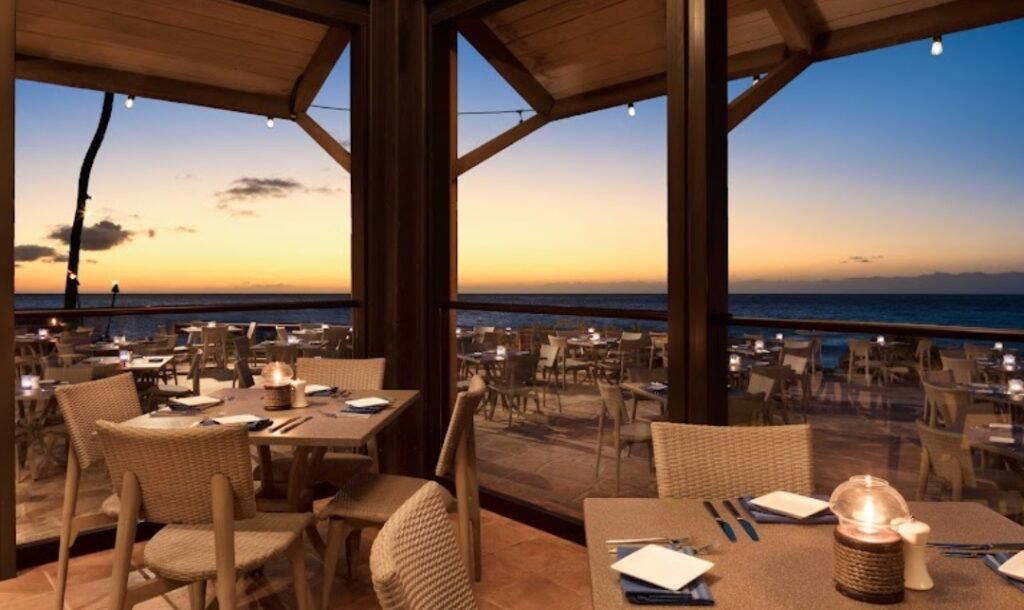
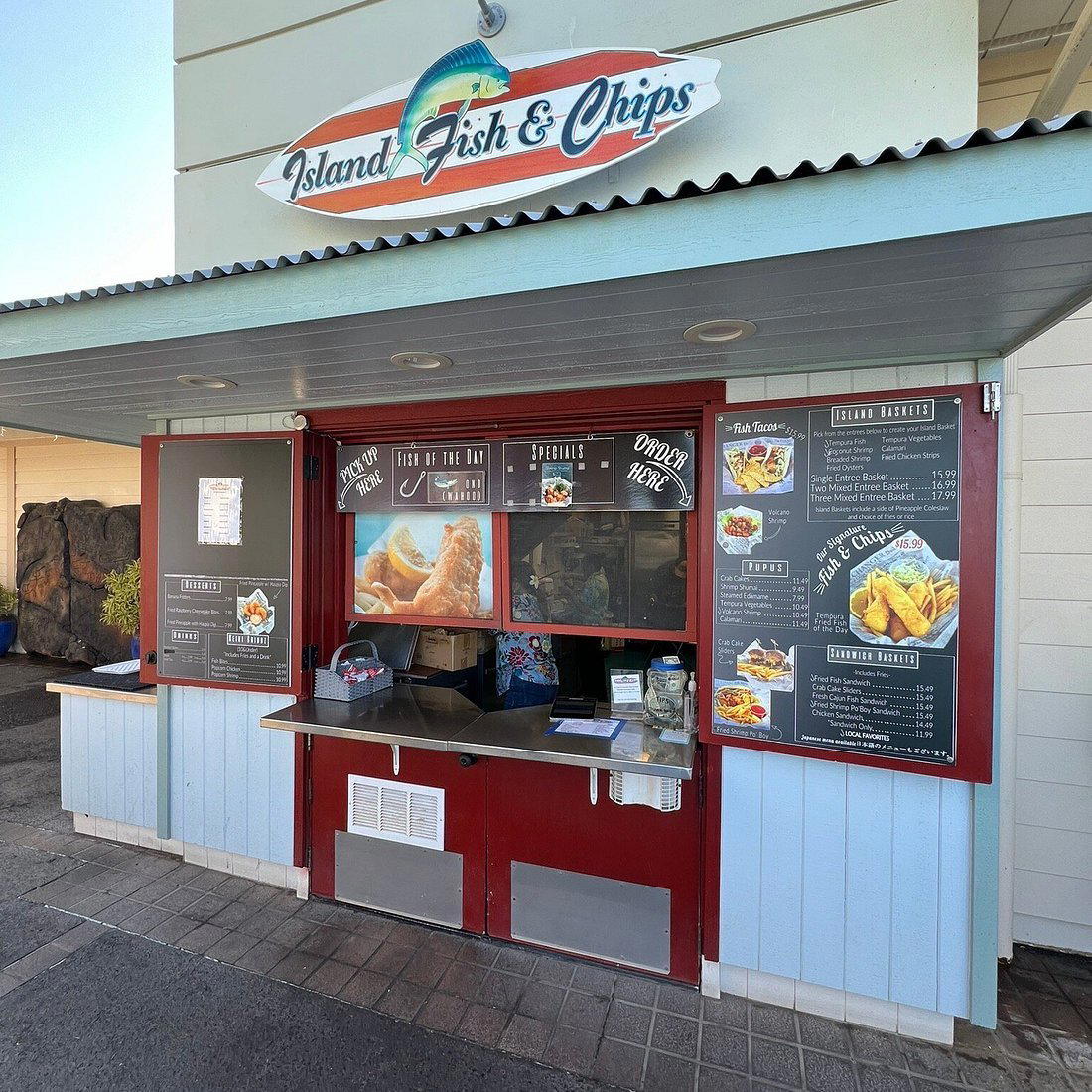
The Kohala Coast resort corridor, of which the Mauna Kea Beach Hotel is the founding member, has developed a dining ecosystem across multiple properties over six decades. The hotel's own dining positions itself around Hawaiian cultural immersion alongside contemporary cooking, a format that the Big Island's agricultural depth makes credible. The island produces coffee, macadamia nut, tropical fruit, and grass-fed beef at a scale that gives resort kitchens genuine local sourcing options rather than symbolic ones. For a broader read on what the wider area offers, our full Kamuela restaurants guide maps the dining options across the region.

Hawaiian cultural programming at resort properties ranges from the performative to the substantive. Properties that have operated long enough to develop genuine relationships with local practitioners tend to offer programming with more depth. Six decades of operation on the same site is a meaningful factor in that regard.

Planning a Stay

The Mauna Kea Beach Hotel sits at 62-100 Kaunaoa Drive in Kamuela, on Hawaii's Big Island, accessible via Kona International Airport (KOA), which handles direct flights from several mainland US cities. The Kohala Coast's dry-season concentration runs roughly from May through September, when visitor volume peaks and advance planning matters more. The resort accommodates 252 rooms and suites across its 18-hole golf, 11-court tennis, and beach facility, which means it operates at a scale where last-minute availability at preferred room types is not guaranteed during high season. For a sense of how the property compares to other long-tenure American resort destinations, Auberge du Soleil in Napa, Four Seasons at The Surf Club in Surfside, Bernardus Lodge and Spa in Carmel Valley, and Little Palm Island Resort and Spa in Little Torch Key each occupy analogous positions within their respective coastal markets. For wellness-oriented alternatives that share the resort-scale format, Canyon Ranch Tucson in Tucson offers a useful point of comparison.

Frequently asked questions

Fast Comparison

These are the closest comparables we have in our database for quick context.

At a Glance
Vibe
  • Elegant
  • Scenic
  • Sophisticated
  • Classic
  • Iconic
Best For
  • Honeymoon
  • Romantic Getaway
  • Family Vacation
  • Wellness Retreat
  • Anniversary
  • Destination Wedding
Experience
  • Beachfront
  • Golf Course
  • Infinity Pool
  • Destination Spa
Amenities
  • Pool
  • Spa
  • Fitness Center
  • Room Service
  • Concierge
  • Business Center
  • Valet Parking
  • Beach Access
  • Golf Course
  • Tennis
  • Kids Club
Views
  • Waterfront
Noise LevelQuiet
CapacityLarge
Rooms300
Check-In15:00
Check-Out11:00
PetsNot allowed

Elegant and serene oceanfront atmosphere with relaxing spa vibes and tropical garden settings.