Fairmont Orchid

Virtuoso Luxury Hotel Partner
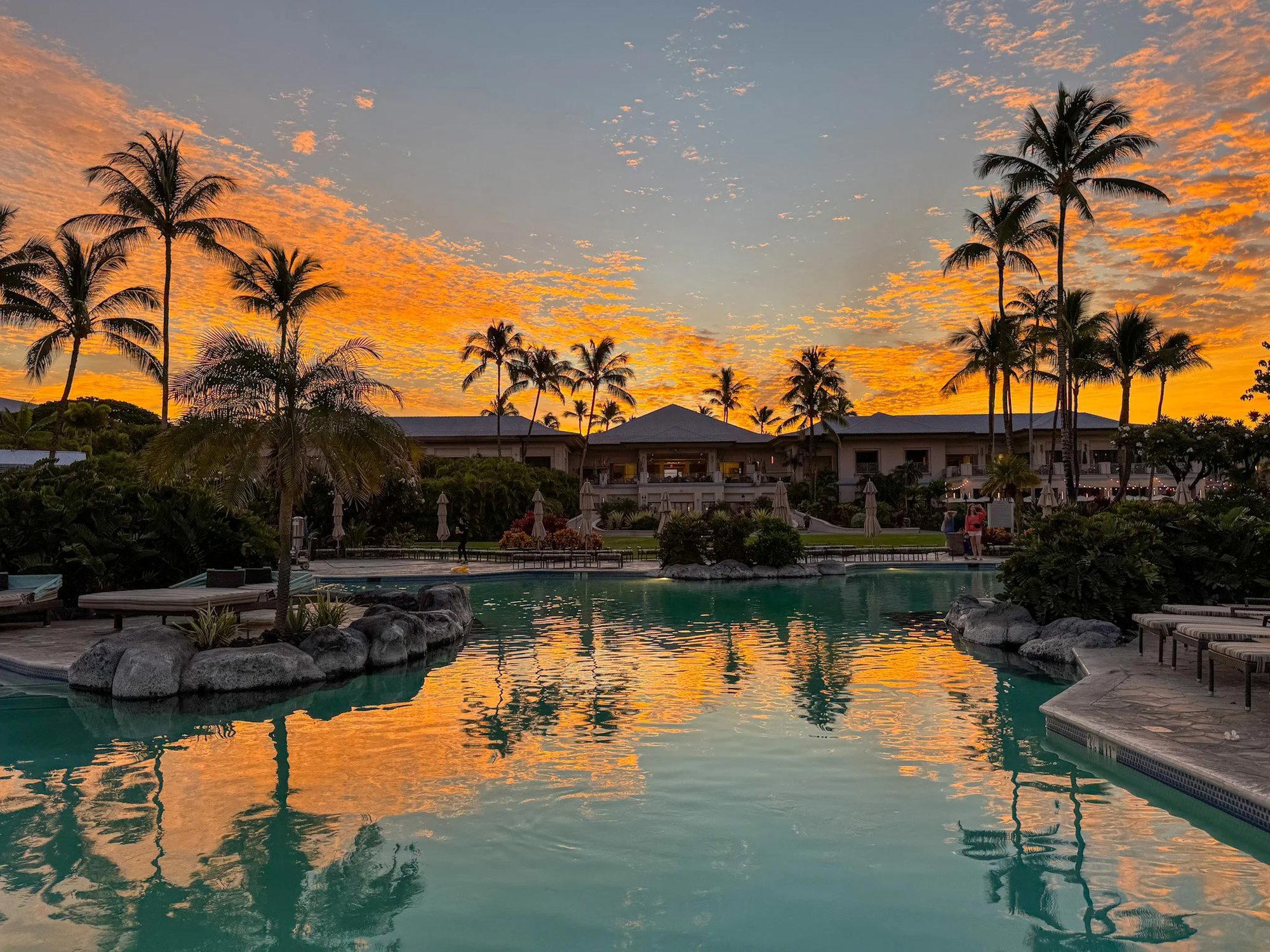
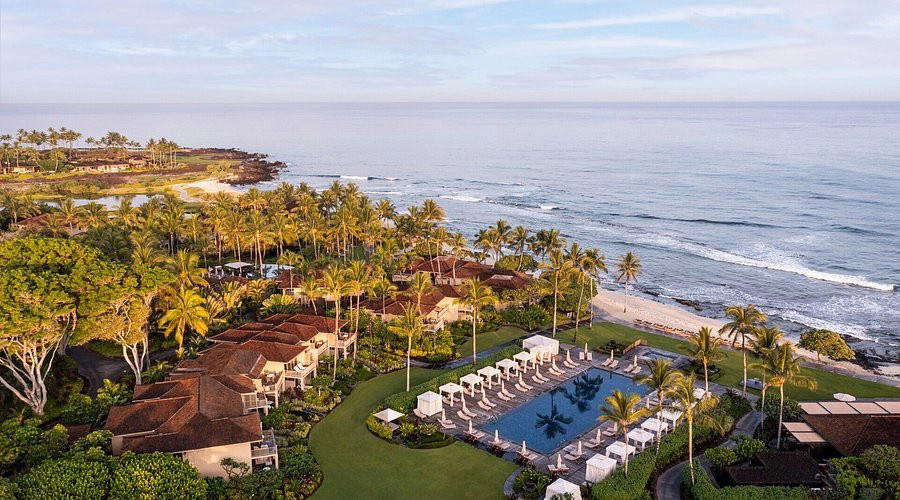
On the Kohala Coast of Hawaii's Big Island, the Fairmont Orchid occupies one of the most deliberately positioned resort sites in the Pacific, open lava fields giving way to manicured oceanfront grounds. The property's dining programme spans multiple formats, from casual poolside service to formal evening options, placing it in the tier of large-footprint Hawaiian resorts that compete on culinary range as much as location.

Pearl is the En Primeur Club membership app, where members save venues, book tables and use the concierge.
Where the Kohala Coast Defines the Room Rate
The Big Island's Kohala Coast operates as a distinct hospitality corridor, separate in character from the crowded beaches of Maui or the surf culture of Oahu. Here, large resort properties sit against hardened lava fields that give way abruptly to small, protected coves, a landscape dynamic that shapes everything from how guests move through a property to what they expect at the table. The Fairmont Orchid, addressed at 1 North Kaniku Drive in Waimea, sits squarely within this corridor and in the company of the coast's most established resort names. For context on what that means in practice, our full Puako restaurants guide maps the broader food and hospitality scene in the area.
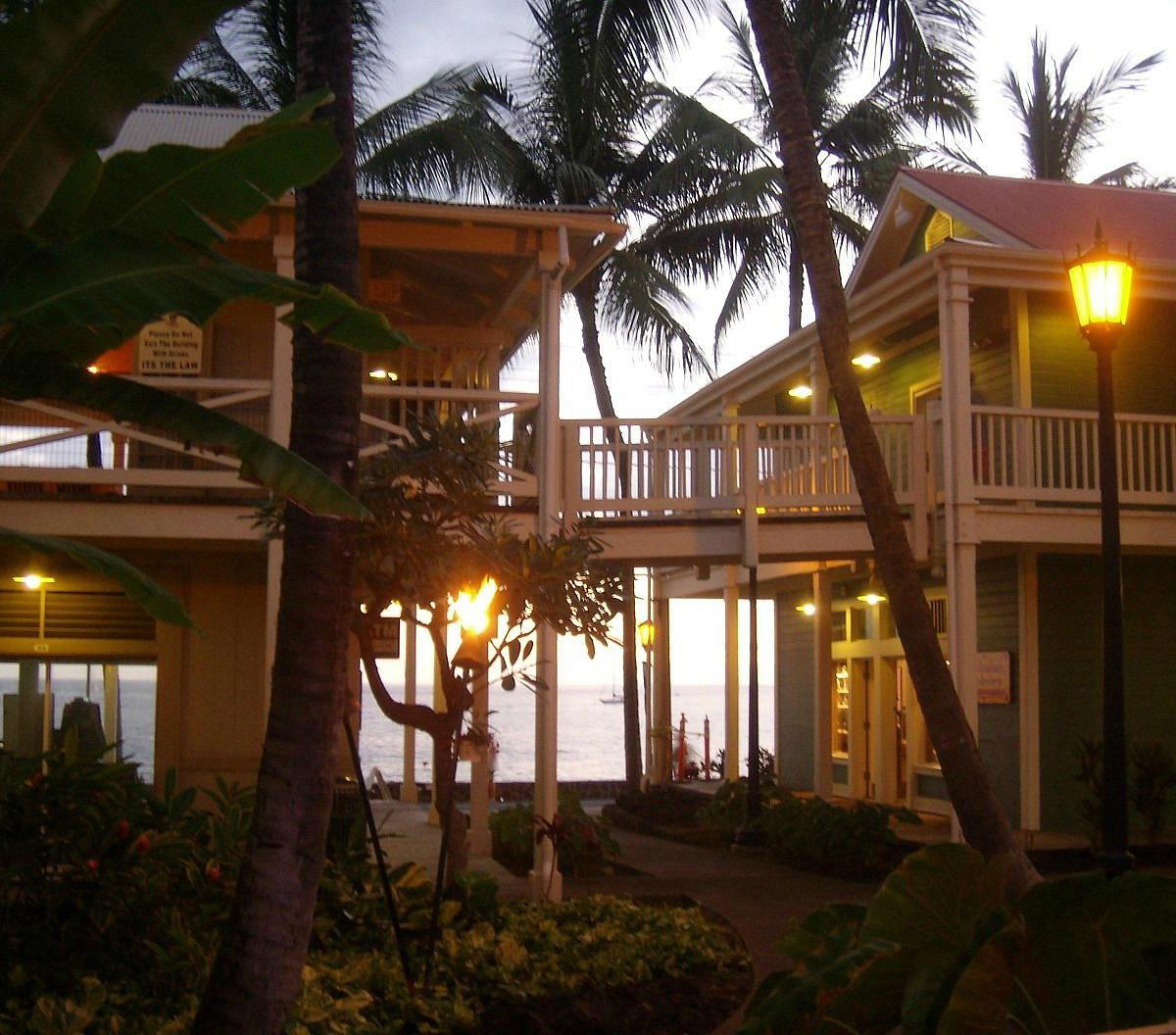
Arriving at a Kohala Coast property of this scale, the first thing that registers is the spatial logic: open-air colonnades, ocean sightlines engineered to appear from the moment you enter, grounds that feel deliberately unhurried. This is consistent across the coast's major resorts, and the Fairmont Orchid is no exception. The property is built around the idea that the Hawaiian environment should be audible and visible from almost every public space, a design philosophy that defines the category rather than distinguishing one property from another.
The Dining Programme as the Competitive Differentiator
Among Hawaii's large-footprint resort hotels, the question of dining range has become the primary differentiator. Properties that once competed primarily on beach access or room count now invest heavily in culinary programming, multiple outlets, distinct identities per venue, and in some cases, named chef partnerships that align with the broader trend of resort hospitality positioning itself against urban fine dining. This pattern is visible at comparable properties on the mainland: Four Seasons at The Surf Club in Surfside and Hotel Bel-Air in Los Angeles both demonstrate how a resort's food identity can operate independently from its rooms as a draw for non-staying guests.
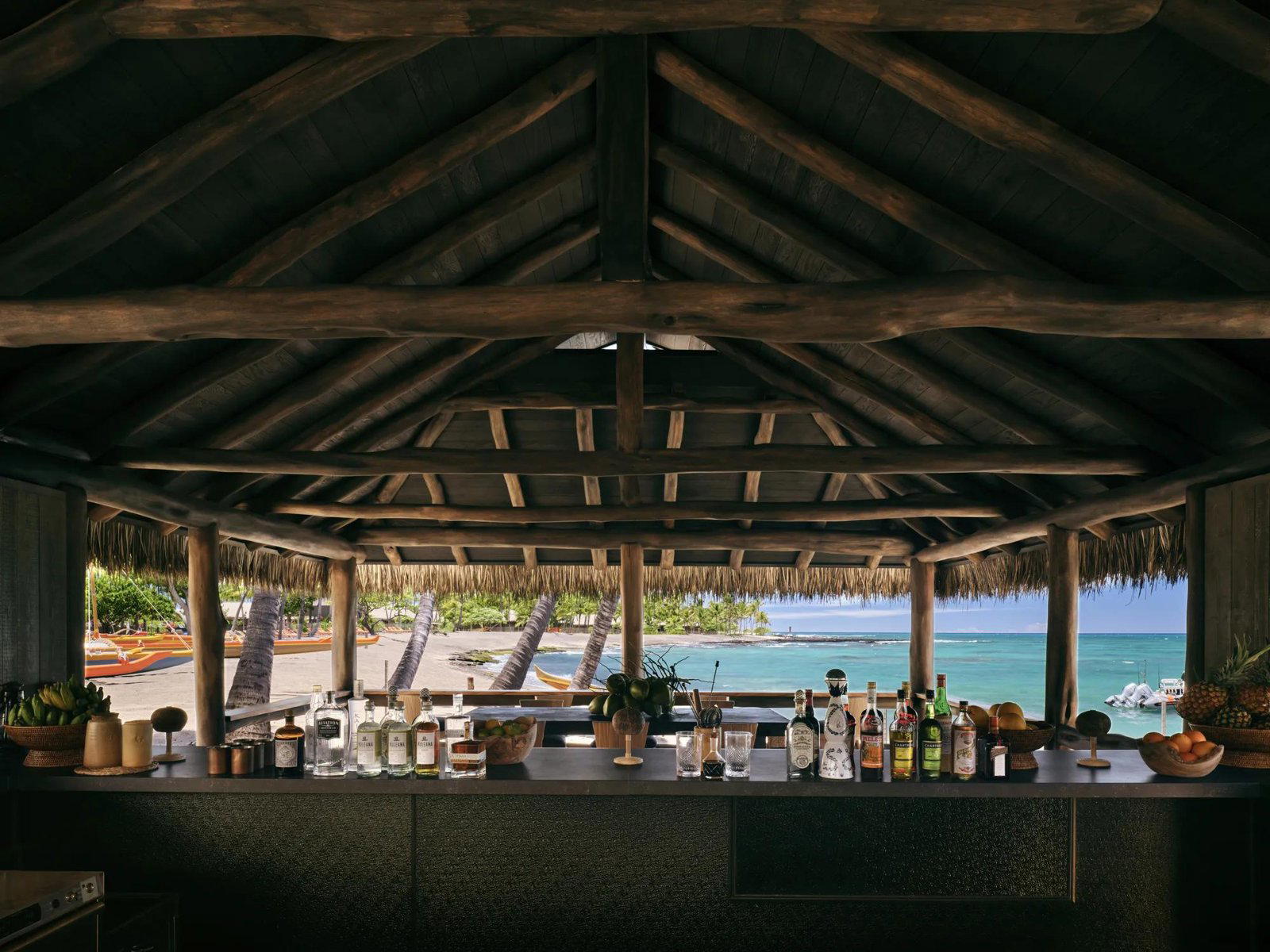
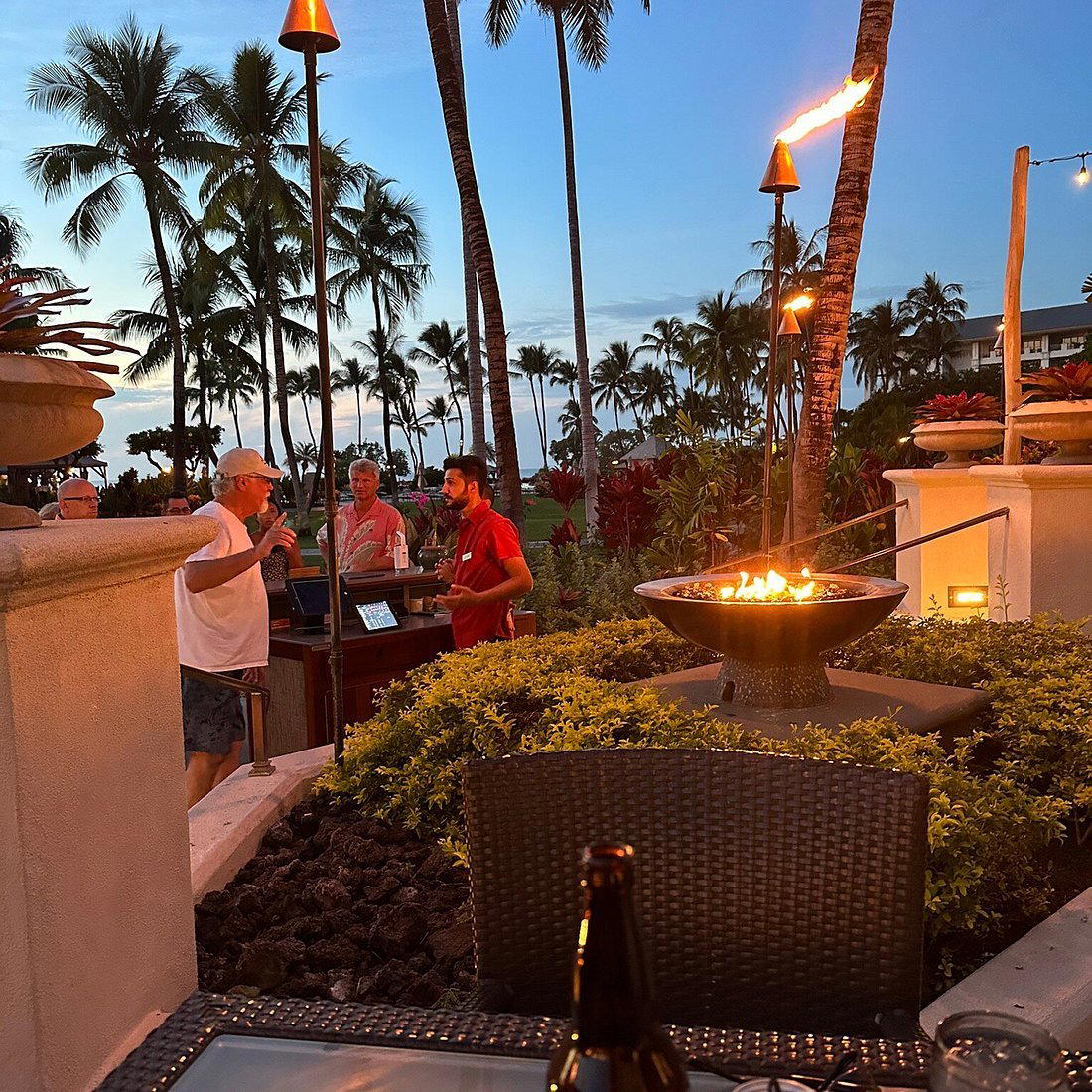
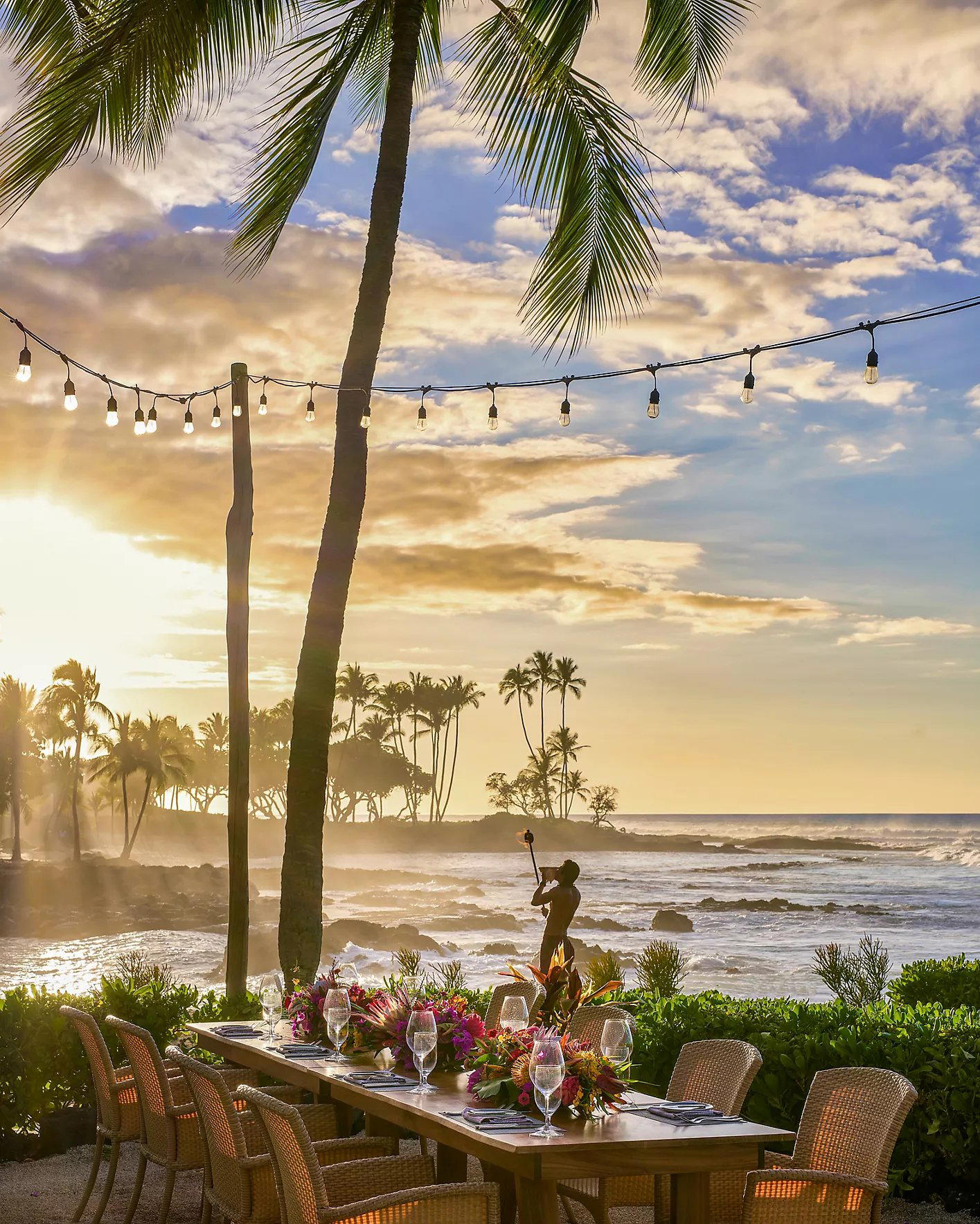
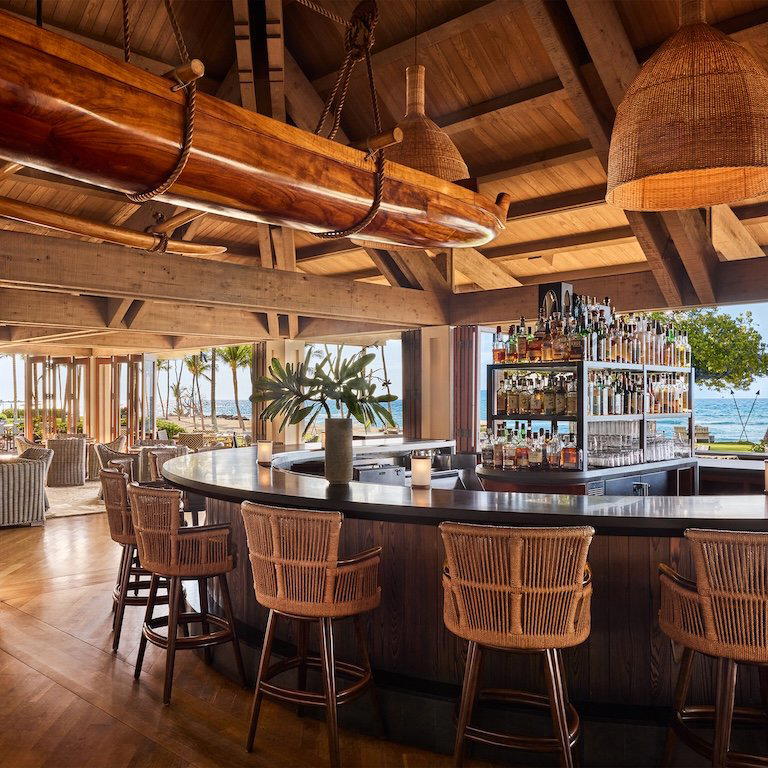
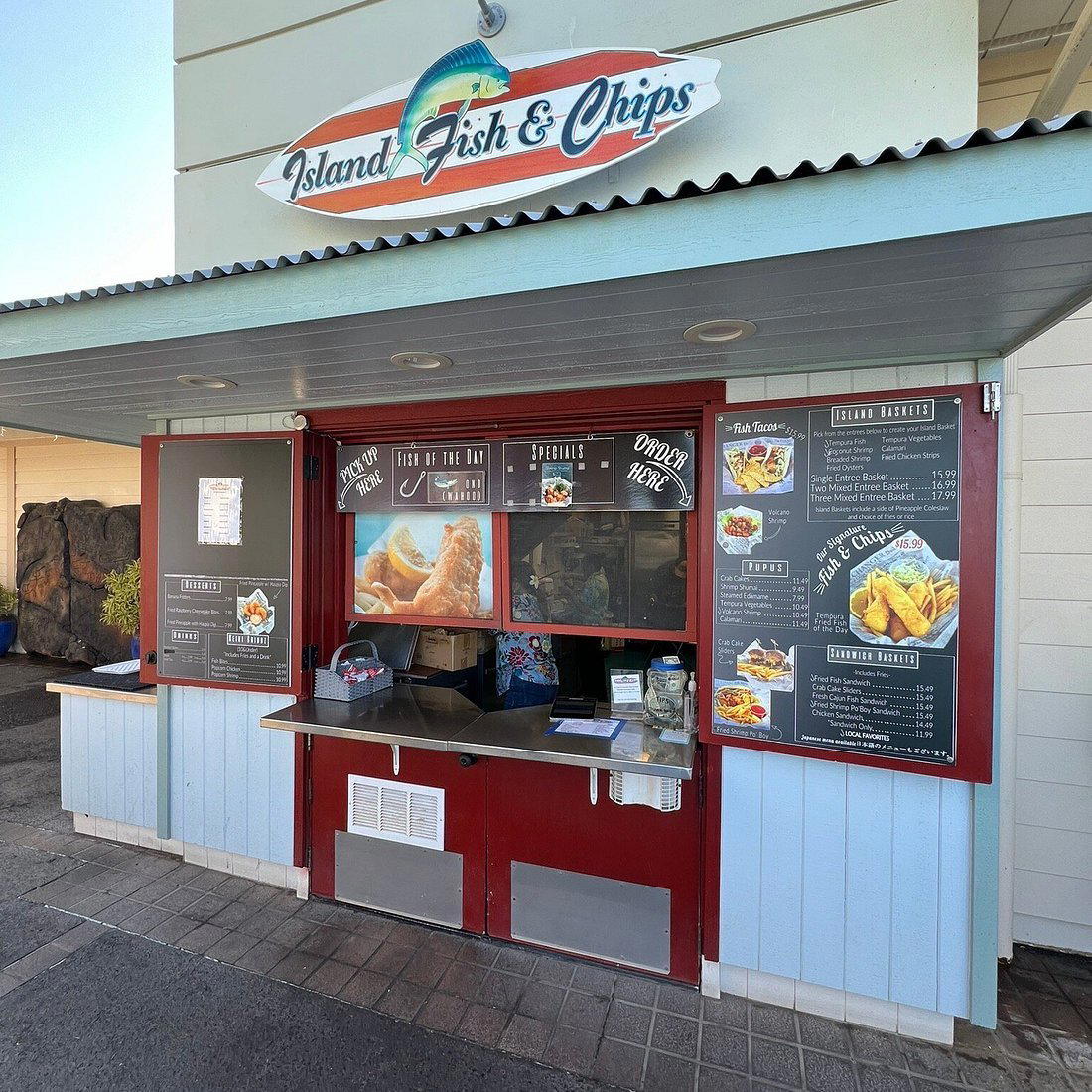
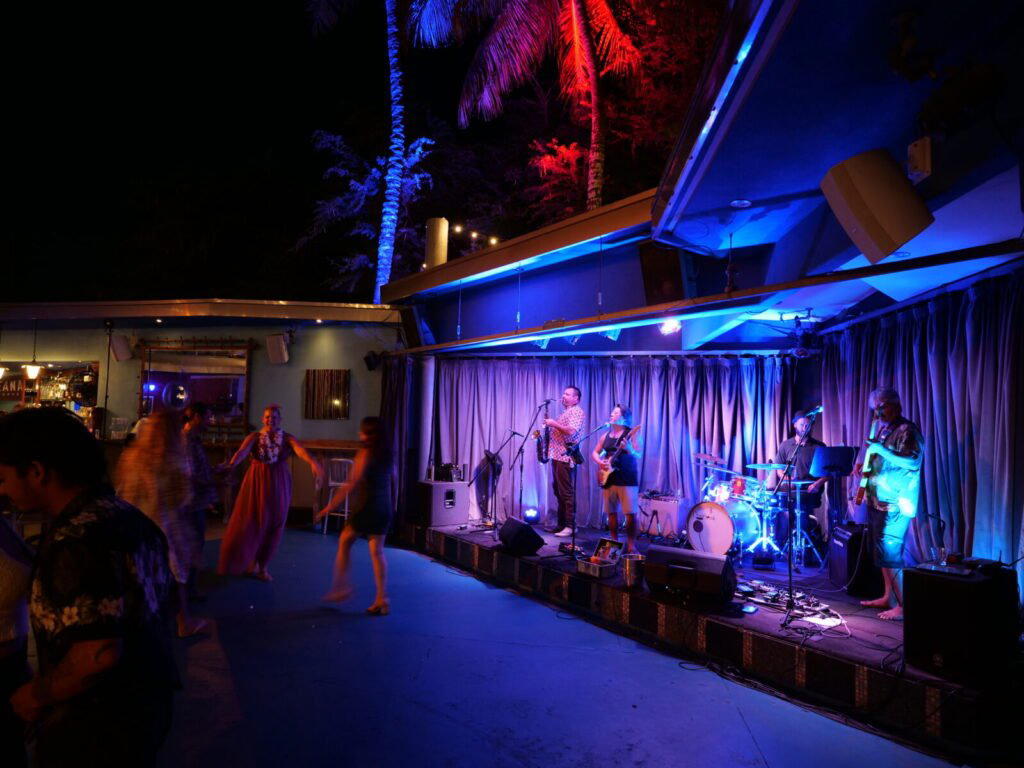
The Fairmont Orchid's dining setup reflects the multi-outlet model standard to its tier. The property houses several food and beverage options covering different meal occasions, from casual oceanfront settings appropriate for post-swim lunches to more structured evening experiences. This format matters because it signals who the property is serving: guests who want to stay on-site across multiple days without the meal repetition that collapses the perceived value of an all-inclusive or limited-outlet resort. The ability to move between formats within a single property is a practical consideration that dedicated resort travellers weigh against the alternative of driving off-site, which on the Kohala Coast can mean thirty or more minutes to reach meaningful dining alternatives.
Within the Hawaiian resort dining category, the competitive pressure comes from several directions. Properties like Kona Village, A Rosewood Resort in Kailua Kona approach the same coastline with a markedly different format, fewer keys, tighter culinary focus, and a guest experience built around limitation rather than range. The Fairmont Orchid operates on the opposite logic: scale and breadth, with the Fairmont brand's global operational standards applied to a specifically Hawaiian setting.
Understanding the Fairmont Orchid requires placing it in the right competitive frame. This is not a design-led boutique with eight rooms and a single tasting counter, in the way that Post Ranch Inn in Big Sur or Amangiri in Canyon Point position themselves. Nor does it operate as an intimate farm-to-table property in the mould of Blackberry Farm in Walland or SingleThread Farm Inn in Healdsburg.
That positioning carries specific implications for the traveller deciding between this and alternatives. If the priority is deep culinary specificity, a single restaurant that would justify a trip on its own, properties built around that premise will serve better. If the priority is a multi-day Hawaii itinerary where dining is one element within a broader experience of ocean activities, spa programming, and reliable service infrastructure, the Fairmont Orchid's multi-outlet model is better suited. The Volcano Rainforest Retreat in the same general region represents a radically different approach for travellers whose interest runs toward immersive natural settings over resort amenity range.
The Broader US Resort Dining Context
The evolution of resort dining across the United States has moved toward a model where hotel food programmes need to justify themselves independently of the rooms they sit alongside. Properties like Auberge du Soleil in Napa, Bernardus Lodge and Spa in Carmel Valley, and Canyon Ranch Tucson each demonstrate a version of this, the dining identity is coherent enough that it reinforces the decision to book the rooms rather than simply serving guests who have already committed. The Fairmont brand's approach to Hawaiian resort dining follows this logic, using the property's scale and outdoor setting to create food and beverage experiences that feel native to the location rather than imported from a generic luxury template.
For planning purposes, the Kohala Coast's remote position means that guests staying at properties like the Fairmont Orchid typically book several nights to justify the travel from the island's main arrival points. The resort's dining range is therefore a meaningful factor in the overall value calculation, the ability to eat well across multiple formats without leaving the property matters more here than it would at a city hotel with a dense restaurant neighbourhood on its doorstep. Properties like Little Palm Island Resort and Spa in Little Torch Key share this dynamic: the remoteness is part of the appeal, but it places greater weight on the on-site food programme to carry the full length of a stay.
Comparable large-footprint resort hotels in other markets, Raffles Boston, Aman New York, The Fifth Avenue Hotel in New York City, operate in dense urban environments where the hotel's dining must compete directly with the surrounding city. The Fairmont Orchid operates in a context where the resort itself is the destination, and where the ocean setting provides an ambient quality that urban properties spend considerable design budget trying to approximate.
Planning a Stay
The Fairmont Orchid sits on the Kohala Coast within the broader Waimea area of Hawaii's Big Island, an island that requires internal flights or significant driving time from Honolulu. Kohala Coast properties in this category are typically booked several months in advance during peak winter and summer periods, when demand from mainland US travellers concentrates. The resort's multi-outlet dining format means that staying guests have meaningful on-site options across breakfast, lunch, and dinner, a practical consideration on a coastline where the nearest significant off-property dining requires planning. For travellers comparing options in the region, Kona Village, A Rosewood Resort in Kailua Kona provides the most direct point of comparison in the same coastal tier. Additional reference points for US resort hotel planning at a similar level include Amangani in Jackson Hole, Sage Lodge in Pray, and Ambiente in Sedona.
A Pricing-First Comparison
| Venue | Price | Awards |
|---|---|---|
| Fairmont OrchidThis venue (the venue you are viewing) | Not listed | Virtuoso Luxury Hotel Partner |
| Aman New York | Not listed | 3 Michelin Keys · World's 50 Best #87 |
| Amangiri | $1,000–1,500 | 3 Michelin Keys · World's 50 Best #45 |
| Hotel Bel-Air | $750–1,000 | 3 Michelin Keys · World's 50 Best #57 |
| The Beverly Hills Hotel | Not listed | 3 Michelin Keys · World's 50 Best #65 |
| The Carlyle, A Rosewood Hotel | $1,500–2,500 | 2 Michelin Keys · World's 50 Best #64 |
Recognition history
Dated appearances from independent guides and award organizations, with the underlying list record or original source where available.
Virtuoso Luxury Hotel Partner
Virtuoso
Continue exploring
More in Puako
Hotels in Puako
All hotels in Puako →
Bars in Puako
Browse all →
Details
- Elegant
- Scenic
- Classic
- Sophisticated
- Family Vacation
- Romantic Getaway
- Wellness Retreat
- Honeymoon
- Beachfront
- Infinity Pool
- Golf Course
- Destination Spa
- Pool
- Spa
- Beach Access
- Golf Course
- Tennis
- Fitness Center
- Room Service
- Concierge
- Kids Club
- Waterfront
- Garden
Spacious and relaxing with natural beauty, lush tropical gardens, oceanfront sunsets, and a serene ohana-style atmosphere.