MeroToro


MeroToro brings Baja California's coastal tradition to Condesa's tree-lined streets, with a menu built around seafood and grilled meat that has earned consecutive Opinionated About Dining recognition from 2023 through 2025 and a 2025 Michelin Plate. Chef Jair Téllez keeps the format accessible at mid-range pricing while the kitchen delivers technically precise Mexican cooking. Reservations are accepted daily from 1 pm.
Pearl is the En Primeur Club membership app — saves, bookings, and concierge access live there. Same editors, same standards.
- Address
- Ámsterdam 204, Hipódromo, Cuauhtémoc, 06100 Ciudad de México, CDMX, Mexico
- Phone
- +52 55 5564 7799
- Website
- merotoro.mx
- Directions
- Get directions
 Saves & bookings on Pearl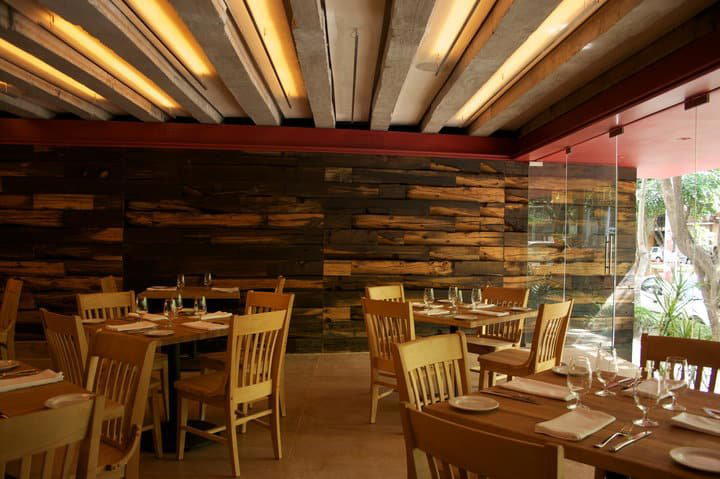
Baja in Condesa: What MeroToro Represents in Mexico City's Dining Map
Mexico City's most interesting restaurant addresses often occupy the gap between the capital's headline fine dining tier and its neighbourhood taquerias. That middle register, where serious cooking meets an open-door price point, has been one of Condesa's defining contributions to the city's scene for the better part of two decades. MeroToro restaurant, on Ámsterdam 204, sits squarely in that space, drawing on the coastal cuisine of Baja California to anchor a menu that balances raw-bar technique with live-fire confidence. To understand what the kitchen is doing, it helps to understand the source tradition it is working from.
Baja California's cuisine emerged from a specific set of conditions: a Pacific coastline with access to exceptional shellfish and fin fish, a wine-producing valley that trained a generation of chefs to think in terms of produce and restraint, and a border position that brought Japanese tuna-cutting precision into contact with Mexican acidity and heat. The result is a regional cuisine that prioritises brightness over richness, raw and semi-raw preparations over slow braises, and tostadas over tortillas in many of its most recognised formats. When that sensibility travels to Mexico City, it arrives as something more unusual than local tradition, which is part of why MeroToro Mexico City has held critical attention across three consecutive years of Opinionated About Dining recognition.
The Room and the Street
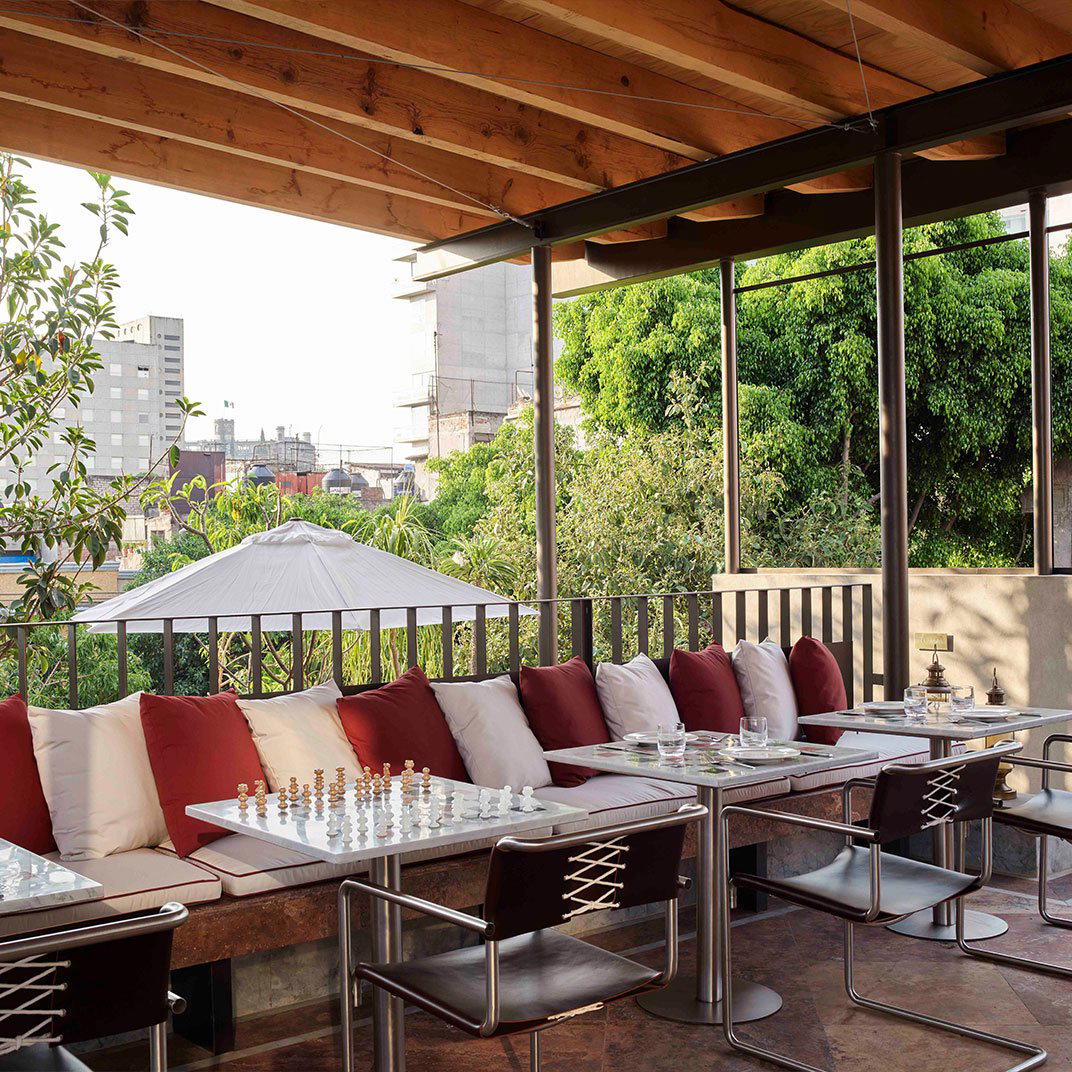
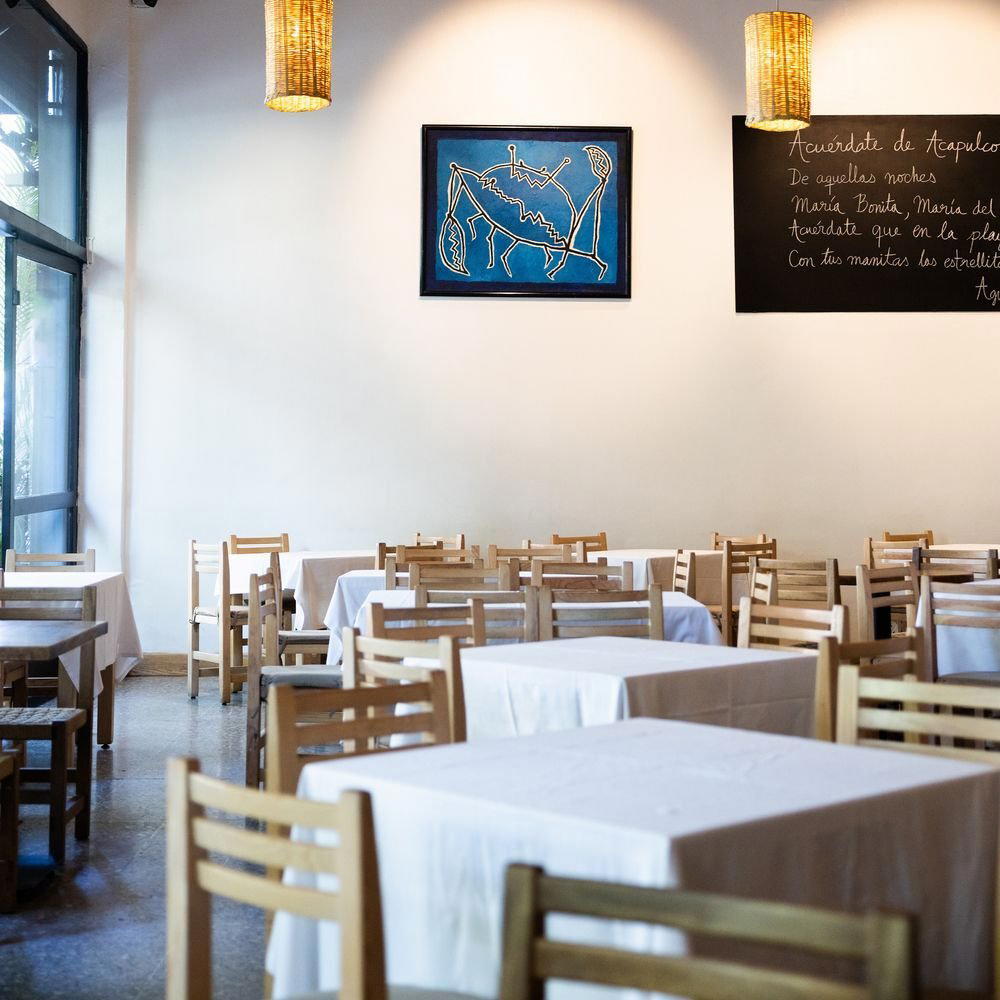
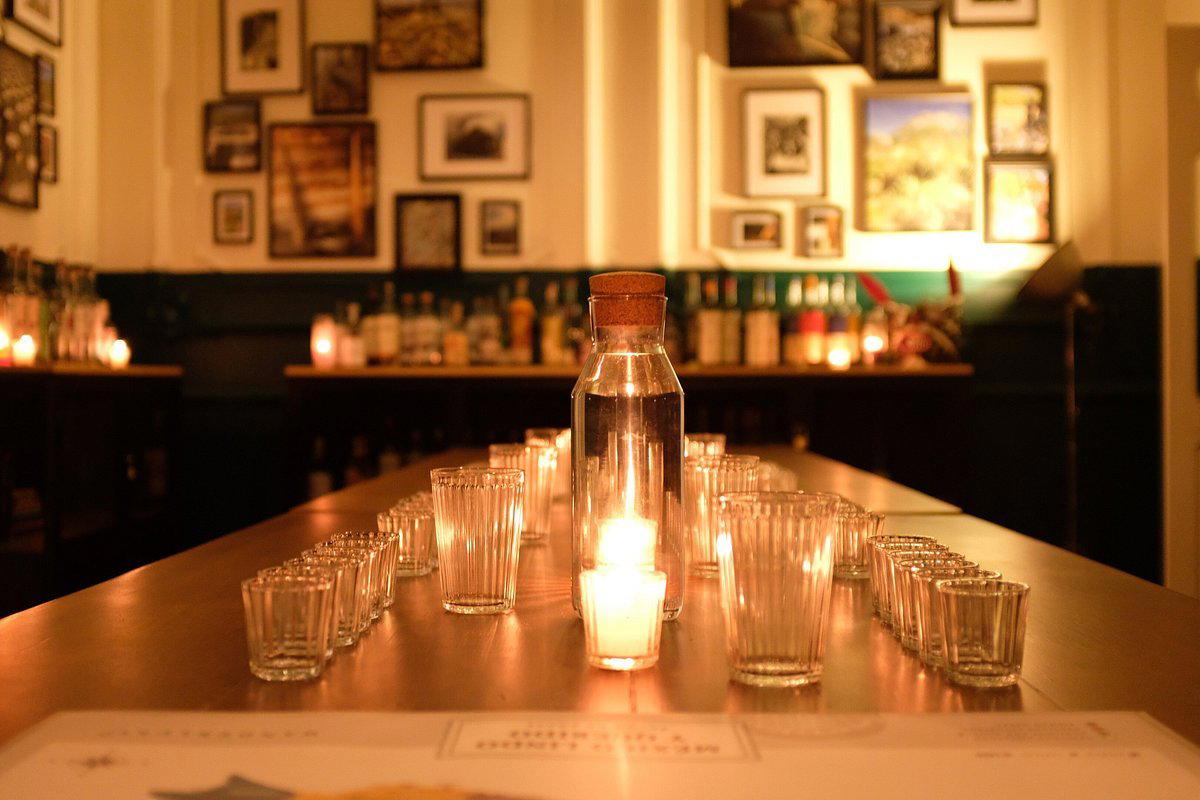
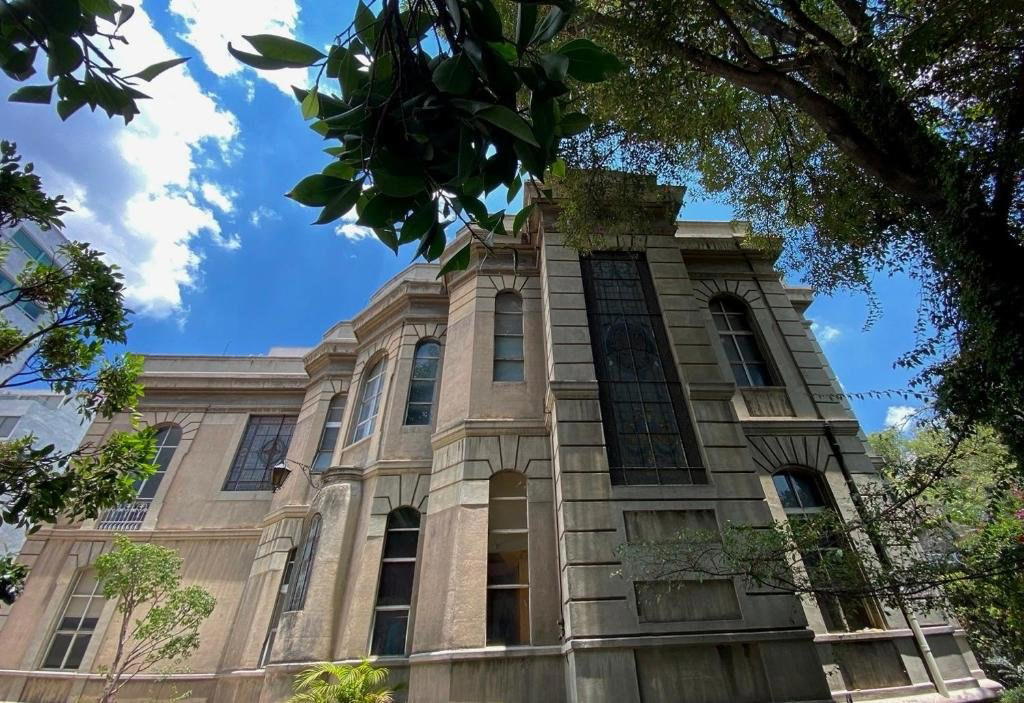
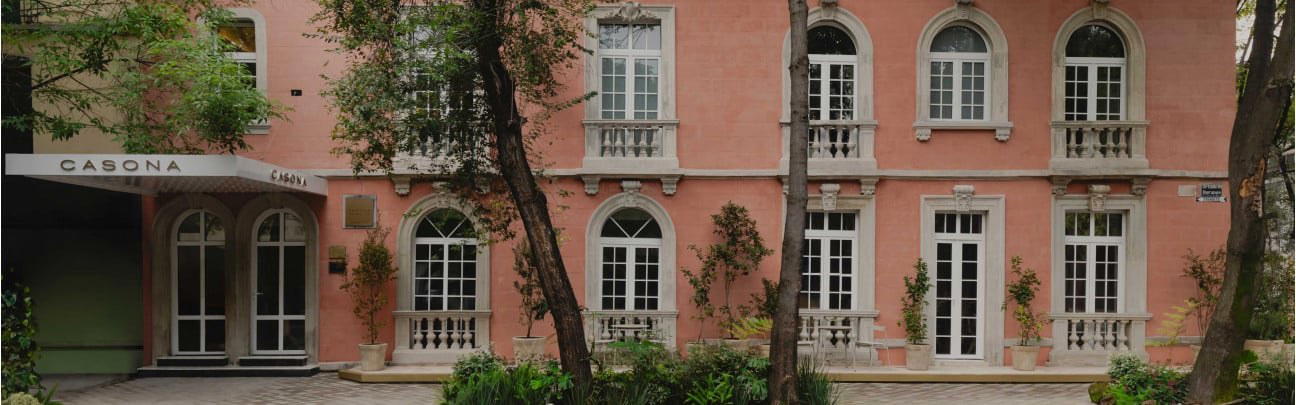
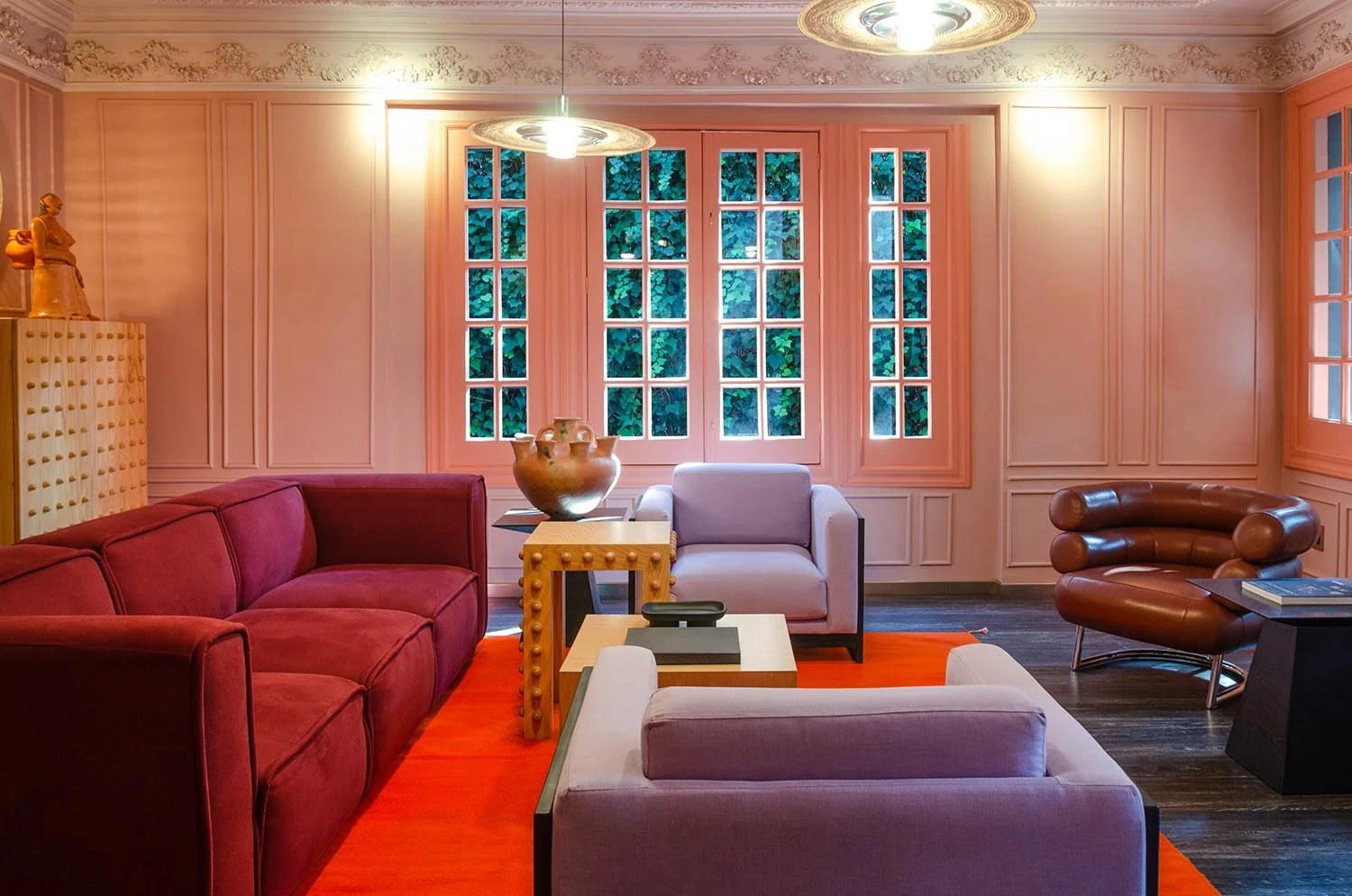
Ámsterdam is one of Condesa's defining axes, a curved boulevard whose central median and established tree canopy set it apart from the denser blocks that surround it. The stretch around number 204 places MeroToro among a cluster of restaurants that have made this particular corridor one of the neighbourhood's stronger dining concentrations. The terrace here functions as an extension of the street rather than a retreat from it, a design choice that reflects how Condesa dining actually works at its most comfortable: you are part of the neighbourhood, not sealed off from it. Indoors, the contemporary styling is deliberate without being austere, and the overall scale keeps the room from feeling anonymous.
This matters for the meal. The format at MeroToro is à la carte alongside a tasting menu option, and the room's tone signals that neither format is the obviously correct choice. For a kitchen working at this documented recognition level, the value alignment is worth noting: a Michelin Plate and consecutive Opinionated About Dining rankings at mid-range pricing is an unusual combination in any major city.
The Seafood Tradition at the Centre of the Menu
Coastal Mexican seafood has a well-developed critical vocabulary, and MeroToro's menu speaks it fluently. The tostada de ceviche de pescado is the format the Baja-adjacent tradition has made its most recognisable export: a thin fried base carrying cured or acid-cooked fish, where the interplay of crunch, acid, and fat defines the dish more than any single ingredient. The jaiba suave rebozada, soft-shell crab in batter, belongs to a slightly different register, a preparation that appears along the Gulf and Pacific coasts and rewards timing above all else, since soft-shell season is short and the quality differential between peak and off-peak product is significant.
The arroz cremoso con camarón places the kitchen in a broader Latin seafood conversation that runs from the rice-and-seafood pairings of coastal Peru through the arroz caldoso formats of coastal Spain. Mexico's versions tend to be richer and more intensely flavoured than their Iberian counterparts, and a credible execution at this level requires the kitchen to manage the rice's starch release with the same attention a good paella cook brings to socarrat. That MeroToro's version appears consistently in critical assessments of the menu says something about technical consistency rather than recipe novelty.
For a comparable approach to coastal fine dining further along the Pacific-to-Gulf arc, Le Chique in Puerto Morelos represents the more formal end of the Mexican seafood spectrum, while Animalón in Valle de Guadalupe stays closer to the Baja open-fire tradition that MeroToro references. The difference is that MeroToro brings that coastal logic into a metropolitan dining room, which requires adjustments in pacing and format that the kitchen has clearly worked through.
Chef Jair Téllez and the Baja-to-Capital Pipeline
Chef Jair Téllez operates across formats in a way that is fairly unusual in Mexico's restaurant culture. His work spans the Baja wine country and the capital, a mobility that reflects the increasingly tight connection between Valle de Guadalupe's produce-led cooking and what Mexico City's more serious kitchens are doing with regional ingredients. Téllez's approach to the MeroToro menu favours simplicity as a methodology rather than minimalism as an aesthetic, which means the dishes read as direct without being sparse. This places him in a different critical conversation from the more architecturally complex plating at Em or Sud 777, and closer to the produce-forward directness you find at Olivea Farm to Table in Ensenada.
The rabo de res braseado, braised oxtail, anchors the meat side of the menu and reflects the kitchen's ability to move between the delicacy of the seafood preparations and the slower, more intense work of braises. That range matters: a menu that only succeeds in one register limits who the room can serve well.
Awards Trajectory and Where It Sits in the City
The progression from Opinionated About Dining Highly Recommended in 2023 to a ranked position at #241 in 2024 and #299 in 2025, alongside a 2025 Michelin Plate, traces a kitchen that has held critical attention across a period when Mexico City's dining scene has grown significantly more competitive.
In the broader context of where MeroToro Mexico City sits relative to the capital's other well-credentialled addresses, it occupies a distinct position: regional specificity (Baja California) over pan-Mexican eclecticism, seafood-led rather than meat-centred, and accessible pricing at a recognition level that typically commands significantly higher covers. For visitors working through our full Mexico City restaurants guide, MeroToro fills a gap that the city's fine dining headline names do not.
Across Mexico's wider restaurant scene, peers worth cross-referencing include KOLI Cocina de Origen in Monterrey, Levadura de Olla in Oaxaca, Lunario in El Porvenir, and Pangea in San Pedro Garza García, each of which represents a different regional tradition within Mexican contemporary cooking. For a global seafood reference point, Le Bernardin in New York City represents the opposite end of the formality and price spectrum while sharing the same prioritisation of fish as the kitchen's primary medium.
Planning Your Visit
MeroToro is open Monday through Saturday from 1 pm to 10 pm, and Sunday from 1:30 pm to 9 pm, which makes it a reliable lunch-into-dinner option across the full week. The Ámsterdam address is walkable from most of Condesa's accommodation concentration and from the Roma Norte border, making it a natural anchor for an afternoon or evening that starts or ends in either neighbourhood. The $$ price range means the MeroToro menu is approachable without advance financial planning, though the tasting menu format should be confirmed directly when booking. For the wider neighbourhood and city picture, see our Mexico City hotels guide, our bars guide, our wineries guide, and our experiences guide.
In Context: Similar Options
A quick peer reference to anchor this venue in its category.
| Venue | Cuisine | Price | Awards |
|---|---|---|---|
| MeroToroThis venue — the venue you are viewing | Modern Mexican, Contemporary | $$ | Not listed |
| Pujol | Mexican | $$$$ | Michelin 2 Star |
| Quintonil | Modern Mexican, Contemporary | $$$$ | Michelin 2 Star |
| Rosetta | Italian, Creative | $$ | Michelin 1 Star |
| Em | Mexican | $$$ | Michelin 1 Star |
| Comedor Jacinta | Mexico, Mexican | $$ | Not listed |
Recognition history
Dated appearances from independent guides and award organizations, with the underlying list record or original source where available.
Michelin Plate
Michelin
Opinionated About Dining Top Restaurants in North America Recommended
Opinionated About Dining
Michelin Plate
Michelin
Opinionated About Dining Top Restaurants in North America Ranked #299
Opinionated About Dining
Michelin Plate
Michelin
Opinionated About Dining Top Restaurants in North America Ranked #241
Opinionated About Dining
Opinionated About Dining Top Restaurants in North America Highly Recommended
Opinionated About Dining
Continue exploring
More in Mexico City
Restaurants in Mexico City
Browse all →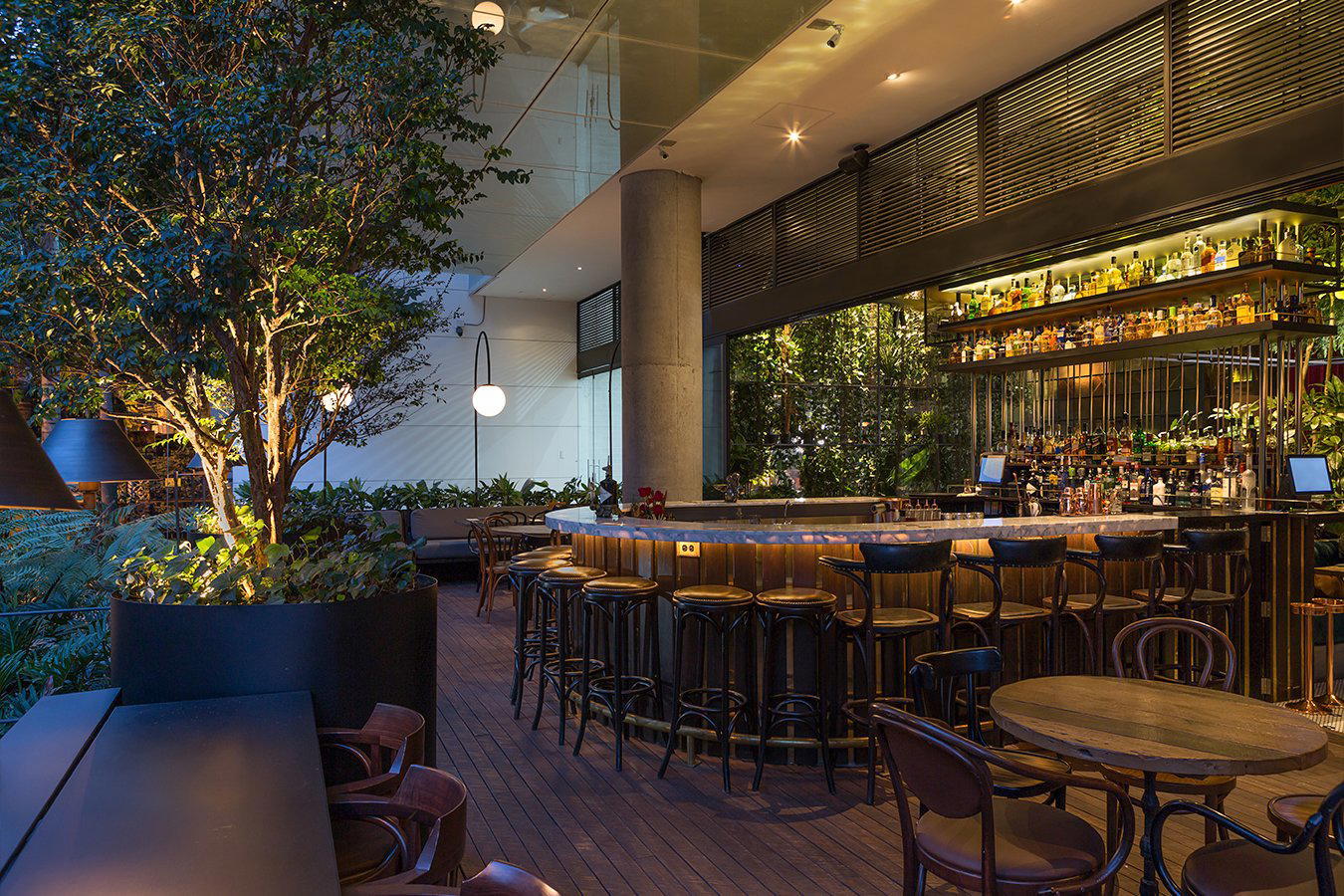
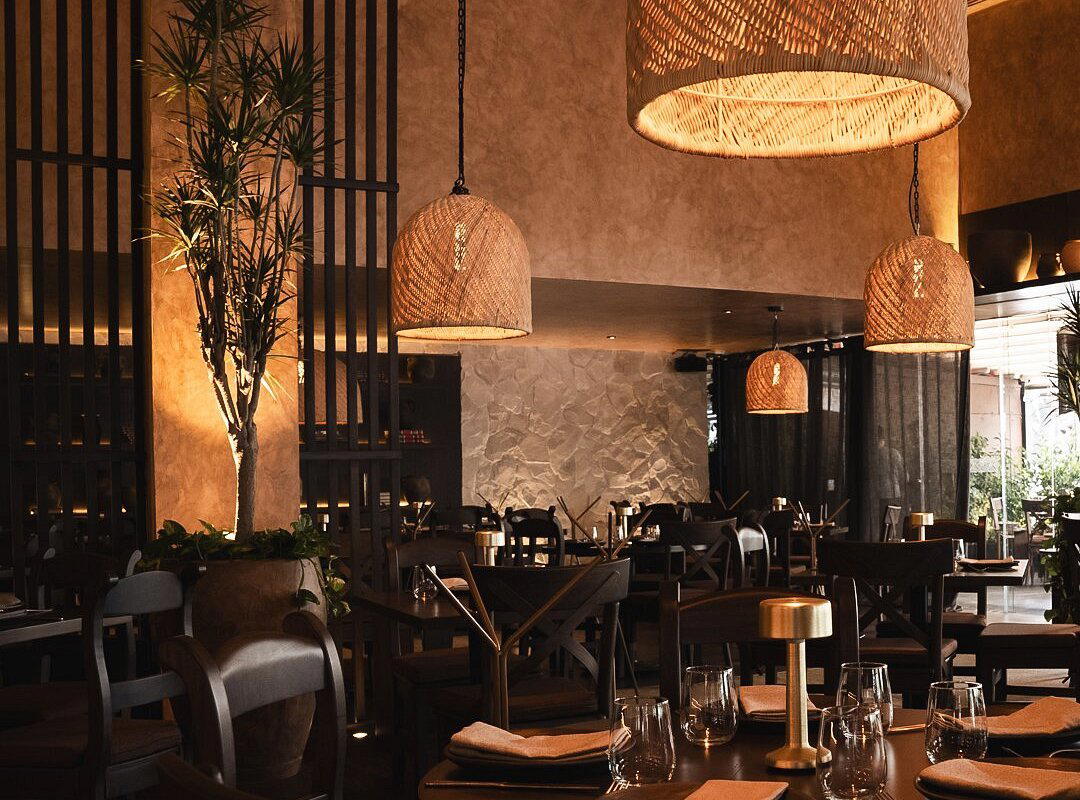
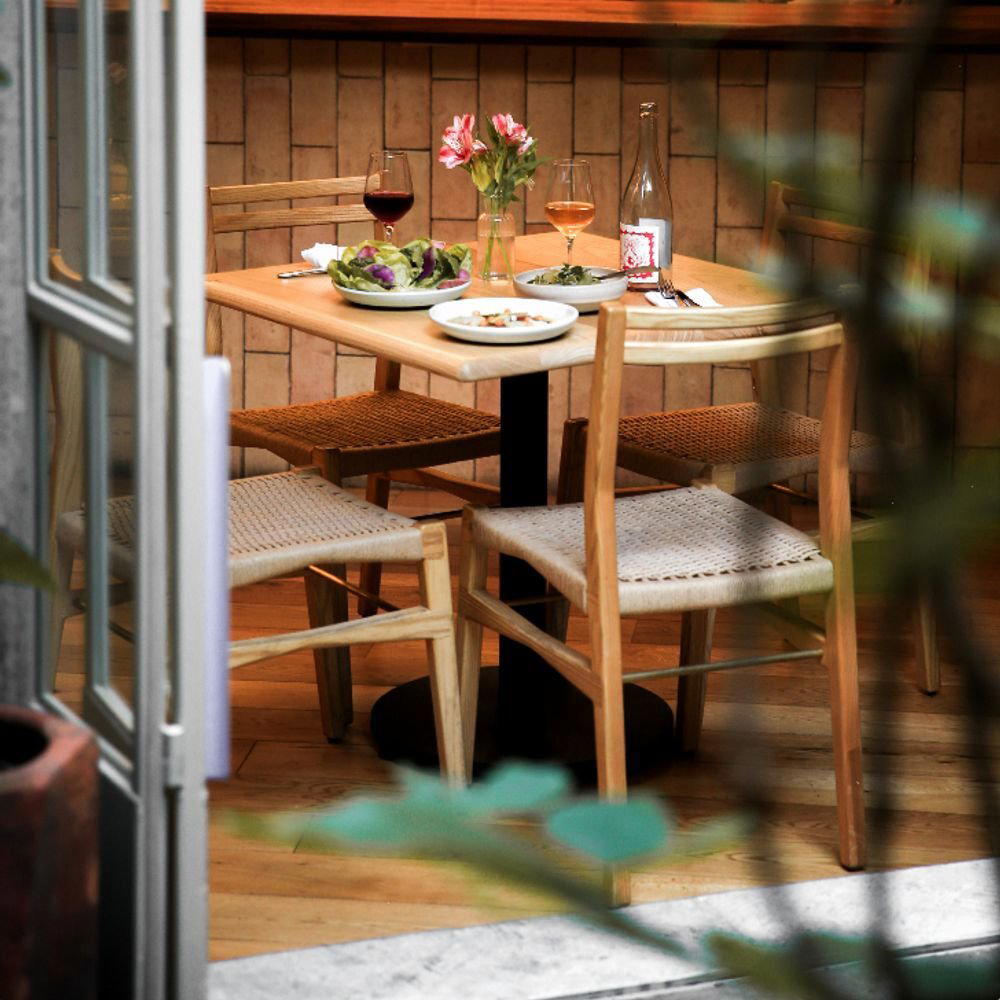
Bars in Mexico City
Browse all →

At a Glance
- Cozy
- Elegant
- Modern
- Rustic
- Date Night
- Group Dining
- Special Occasion
- Open Kitchen
- Terrace
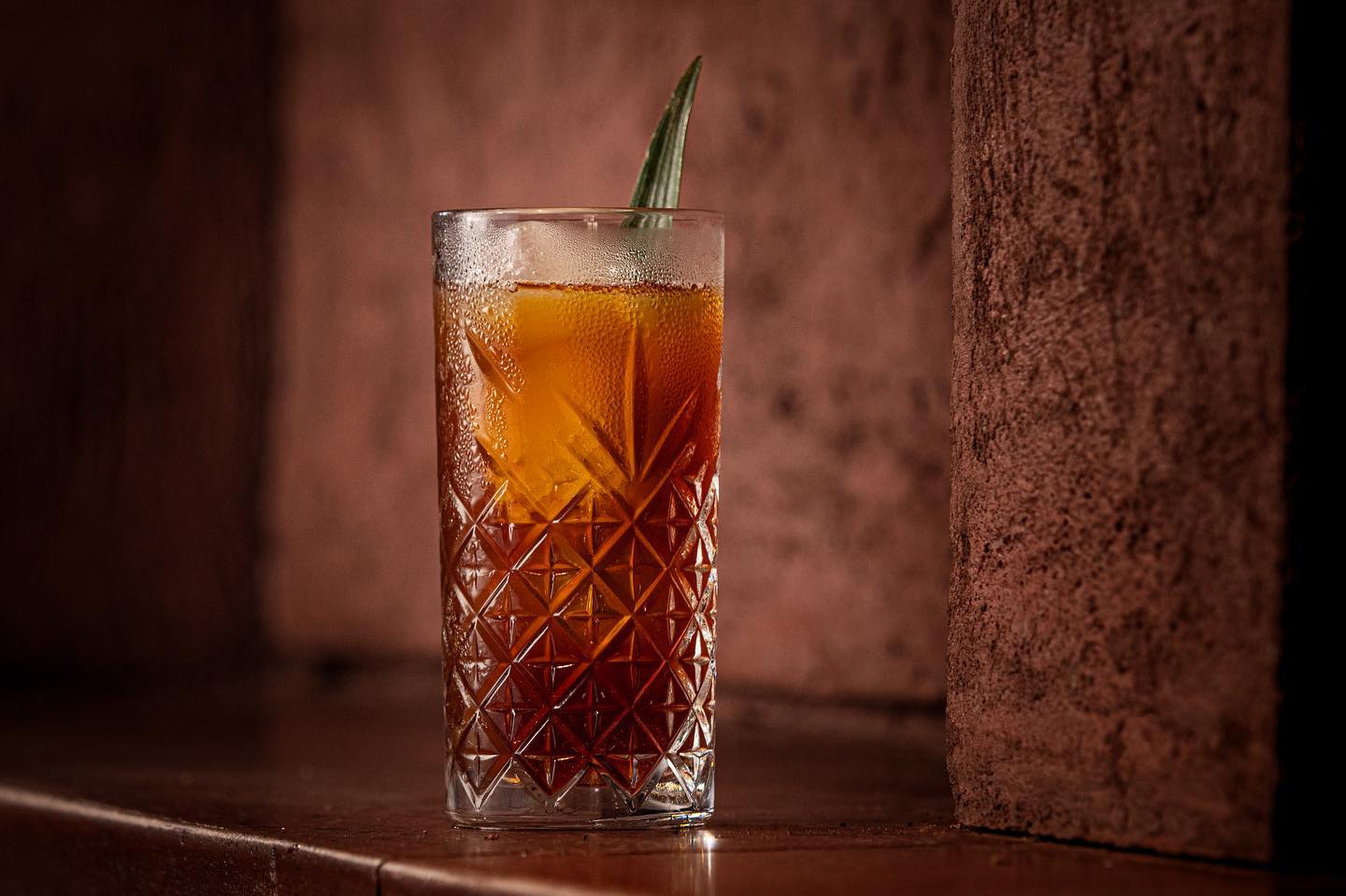
- Craft Cocktails
- Street Scene
Current opening hours
- Monday
- 1–10 PM
- Tuesday
- 1–10 PM
- Wednesday
- 1–10 PM
- Thursday
- 1–10:30 PM
- Friday
- 1–10:30 PM
- Saturday
- 1–10:30 PM
- Sunday
- 1:30–9 PM
Hours can change for holidays and private events. Last verified .
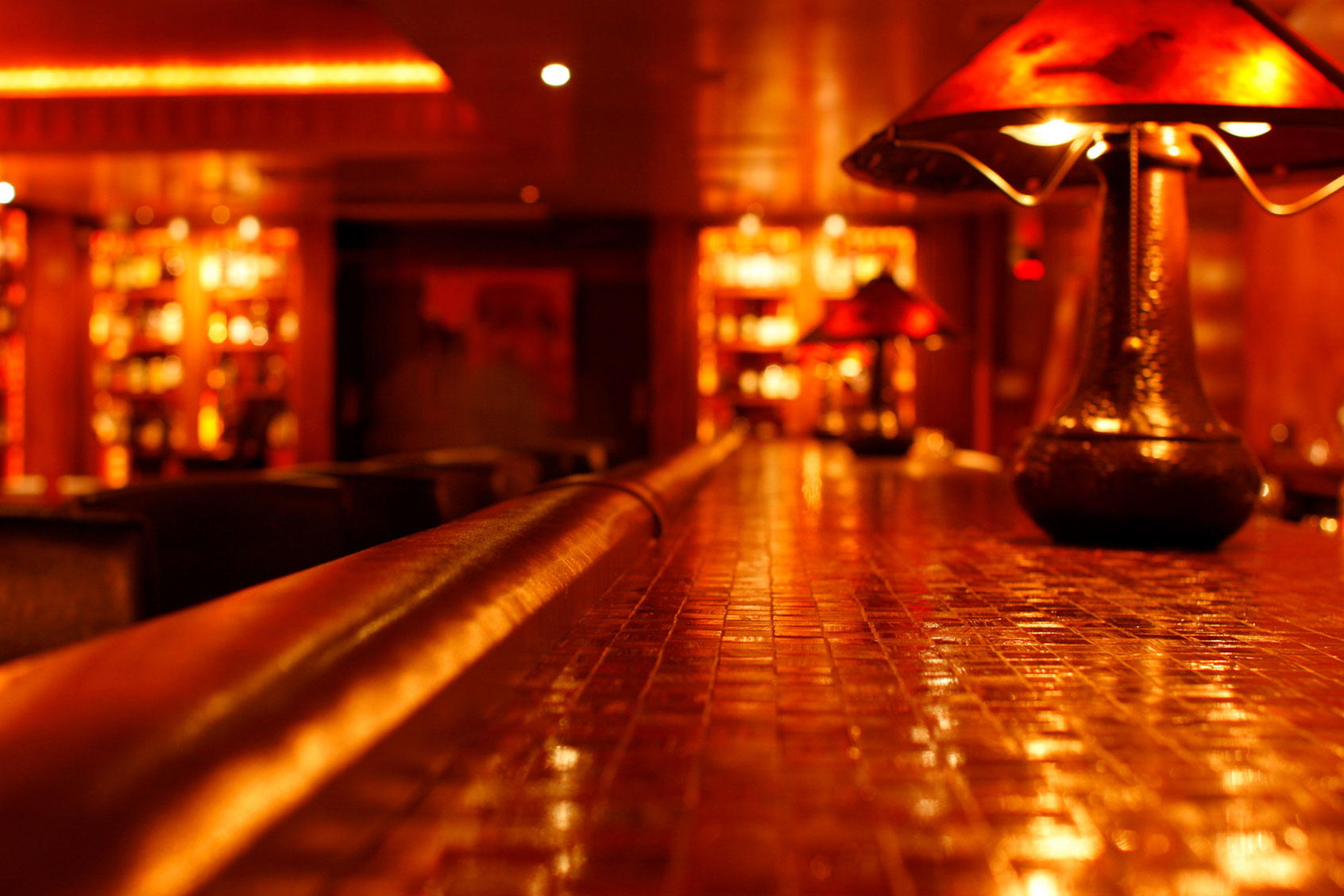
Cozy environs with contemporary styling indoors and a nice terrace overlooking a tree-lined street; quiet atmosphere ideal for conversations with low music and warm, inviting feel.
Know Before You Go
- Getting there
- Ámsterdam 204, Hipódromo, Cuauhtémoc, 06100 Ciudad de México, CDMX, Mexico