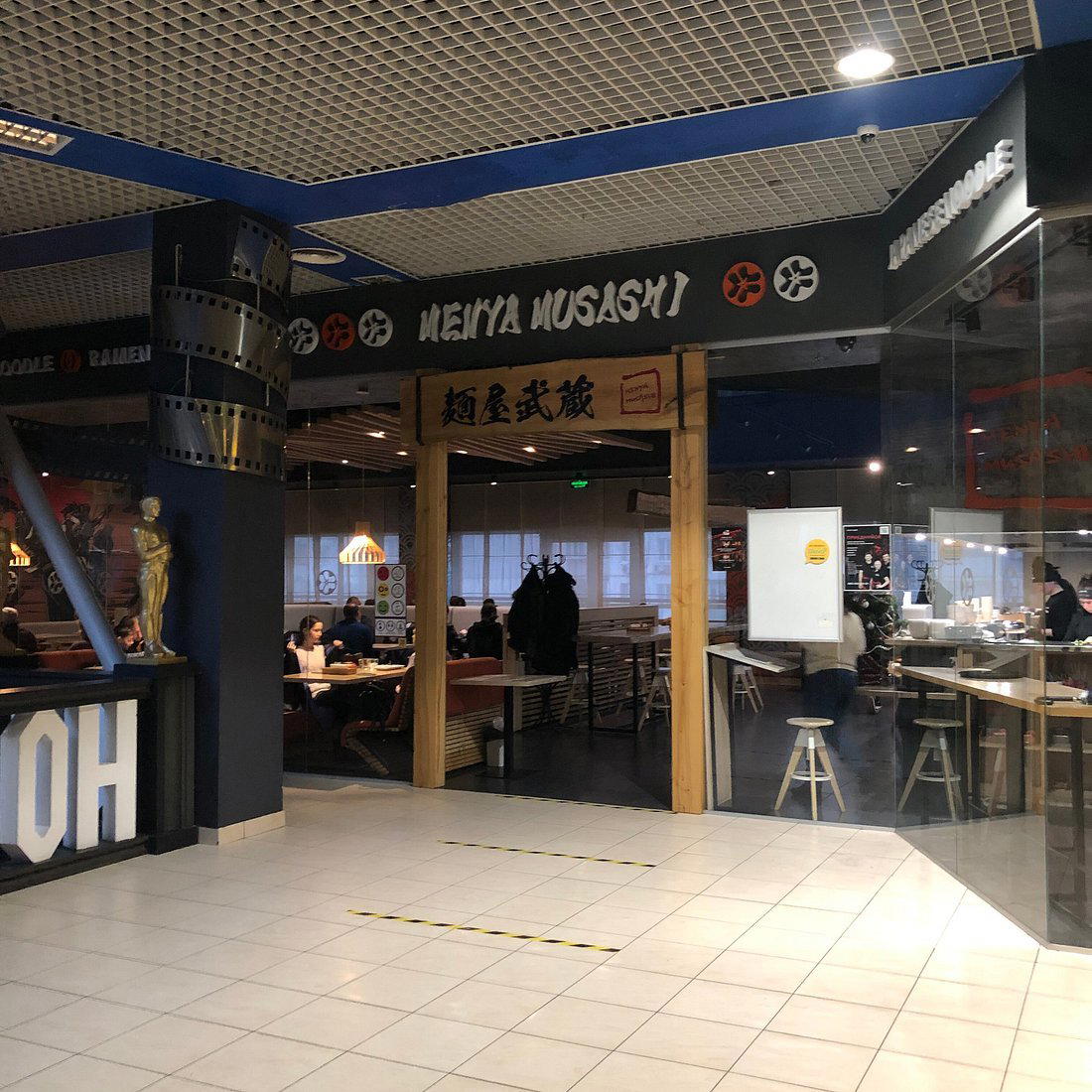
Ramen in Wartime Kyiv: What the Bowl Tells You About the City On Kostiantynivska Street in Podil, the neighbourhood that has long carried Kyiv's countercultural energy, a ramen counter operates under the name Menya Musashi. The address alone...
 Discover on Pearl
Pearl is the En Primeur Club membership app — saves, bookings, and concierge access live there. Same editors, same standards.
- Address
- Kostiantynivska St, 19, Kyiv, Ukraine, 04071
- Phone
- +380 97 711 2525
- Website
- facebook.com
Ramen in Wartime Kyiv: What the Bowl Tells You About the City
Menya Musashi is an Authentic Japanese Ramen restaurant at Kostiantynivska St, 19, Kyiv, Ukraine, 04071. The address alone positions it: Podil is where the city's more independent dining choices have clustered, away from the corporate boulevard restaurants and hotel dining rooms that define central Khreshchatyk. Walking into a Japanese noodle shop in this part of Kyiv in the mid-2020s is not the surprise it might have been a decade ago. It is, instead, a data point about how far the city's food culture has travelled, and how much of that momentum has held even under extraordinary pressure.
The Ramen Moment, and Where Kyiv Sits Within It
Ramen has followed a predictable arc in European capitals: first arriving as a novelty carried by Japanese expat communities, then being adopted by local operators who recognised the format's combination of low ticket prices and high repeat-visit frequency. Kyiv's version of that arc compressed quickly. The city's dining scene, which had spent the 2010s building genuine category depth across Italian, Georgian, and modern European formats, absorbed Japanese noodle culture without the extended apprenticeship period that cities like Berlin or Warsaw went through. Venues like BAO Modern Chinese Cuisine and Asia Bar & Grill had already demonstrated that Kyiv diners would engage seriously with Asian formats, which shortened the trust-building phase for operators like Menya Musashi.
The ramen format itself rewards this kind of urban environment. A counter or small dining room, a relatively tight menu built around broth-forward bowls, and a price point that sits below the city's mid-market Italian and European restaurants: it is a structurally sound format for a dining public that eats out frequently but is managing household budgets under wartime economic strain. That context matters. It is not a backdrop, it is an active variable in why certain venue formats are succeeding in Kyiv right now.
Podil as the Correct Address
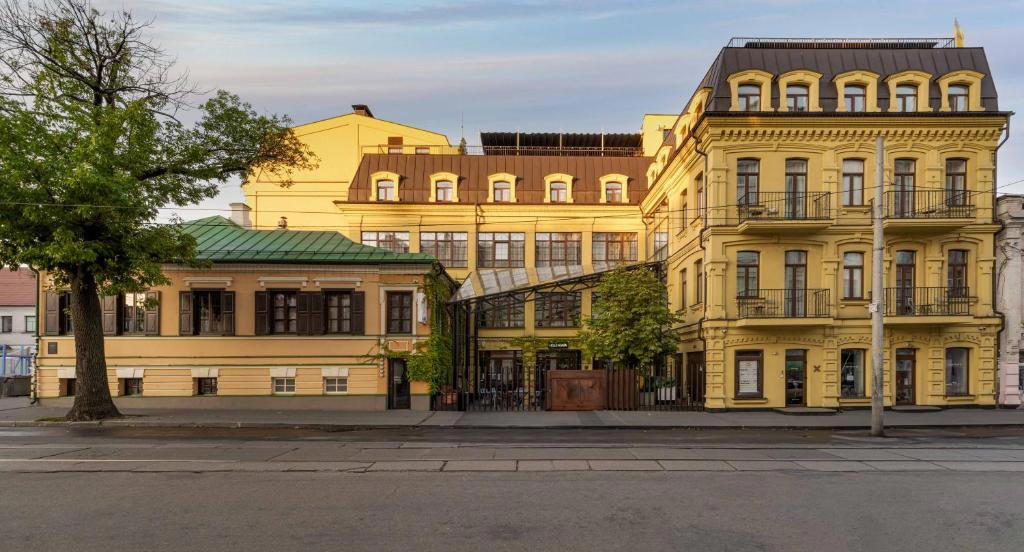
The Kostiantynivska Street location places Menya Musashi in a corridor that has accumulated independent food and drink venues at a rate that distinguishes it from the rest of the city. Podil's character comes partly from its topography, sitting lower than the upper city, and partly from a tenant mix that has historically favoured independent operators over chains. The neighbourhood has its own bar culture, documented by venues like Barbara Bar, and a food scene that rewards walking rather than planning. A Japanese noodle counter here reads as a natural addition rather than an incongruity.
For visitors arriving in Kyiv and trying to understand the city's dining geography, Podil is where the editorial decisions are made. The upper city handles the formal dining, the hotel restaurants, and the places that appear in diplomatic expense reports. Podil handles the rest. Menya Musashi's address is already a signal about what kind of experience to expect: informal, local-facing, with prices calibrated for regular use rather than occasion dining.
What the Ramen Counter Format Delivers Sensorially
The ramen counter as a physical format is designed around a specific sensory hierarchy. Steam is the first signal, arriving before the food does, carrying the fat-soluble aromatics from a broth that has been reducing for hours. In a well-run operation, the smell of the kitchen precedes entry. The sound profile is distinct from other dining formats: the clatter of ceramic on laminate, the particular noise of noodles being lifted, the background hum of extraction ventilation working at capacity. These are not incidental details. They are the atmospheric architecture of the format, and they function as trust signals before the first spoonful arrives.
In Kyiv's version of the counter ramen experience, these sensory cues operate within a local context. The city's winters are serious, running cold from November through March, and a broth-based bowl in that season is not a neutral choice. It is the correct one. The format's heat retention, the way a well-made ramen bowl holds temperature across twenty minutes of eating, makes it a seasonal match for this climate in a way that lighter Asian formats are not. Venues like Menya Musashi serve a different function in February than they do in July, and that seasonal dimension is worth factoring into when you visit.
Kyiv's Dining Scene in Comparative Terms
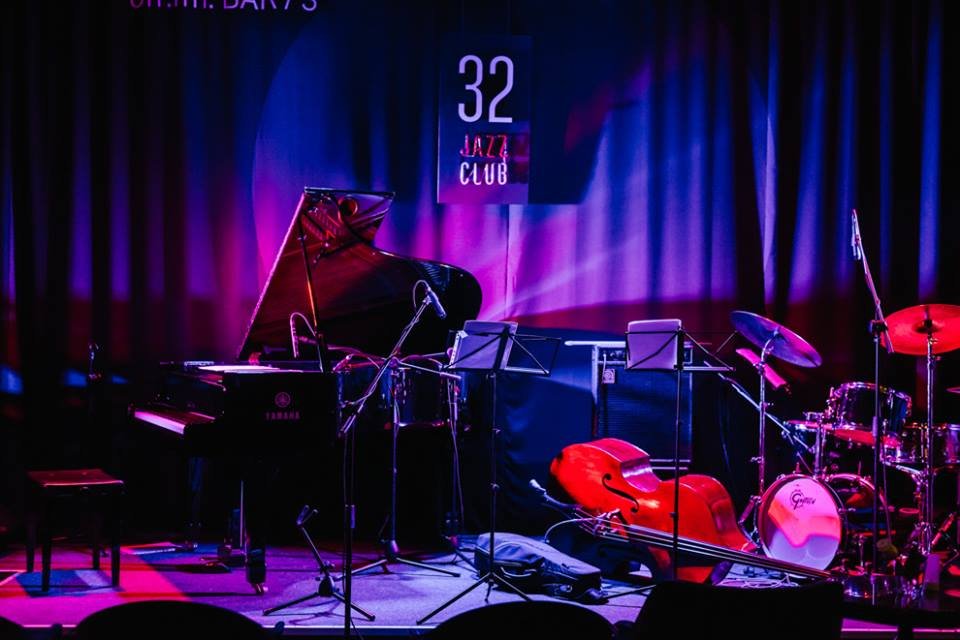
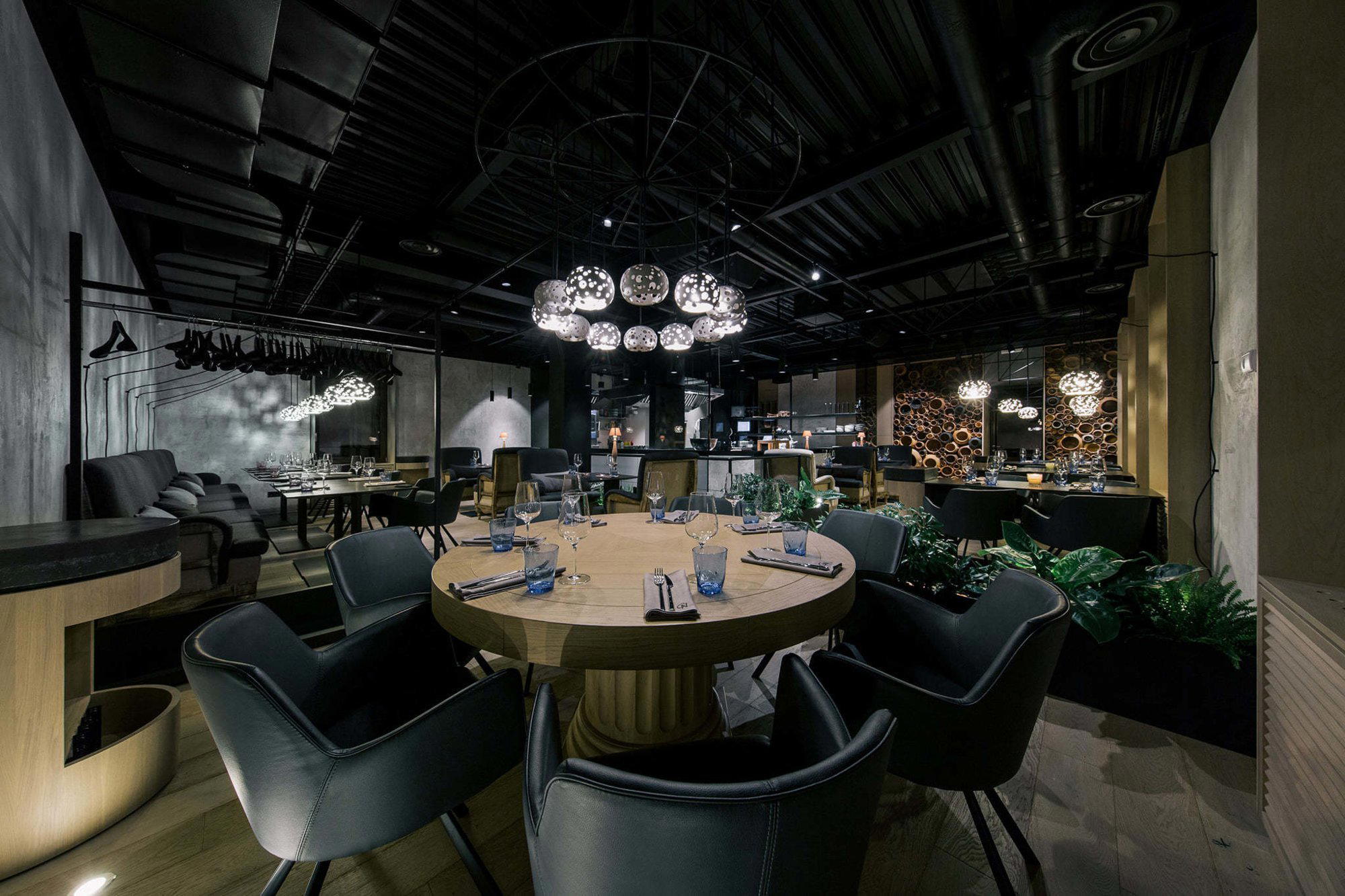
Placing Menya Musashi within Kyiv's broader category map requires some honesty about what the city's dining scene is and is not. Kyiv has genuine European-quality ambition in its upper tier, visible in modern European venues like Al Fresco and the live-music dining format represented by 32 JazzClub. These venues compete on different terms than a ramen counter does. A Japanese noodle shop in Podil is not trying to occupy the same bracket as tasting-menu European dining. It is operating in the daily-use tier, where the metrics are consistency, value, and the ability to fill a room across multiple seatings on a Tuesday.
For context from elsewhere in Ukraine, the regional dining scene shows similarly pragmatic category choices. Don Omar in Kharkiv and Valentino in Lviv each demonstrate how Ukraine's secondary cities are developing their own format depth, while Maiak in Odesa and Delikacia in Ivano-Frankivsk speak to the breadth of the country's independent dining culture outside Kyiv. Internationally, the gap between a Podil ramen counter and a venue like Le Bernardin in New York or Atomix is obvious and intentional; these are different categories serving different purposes, and the comparison is only useful for calibrating expectations, not for ranking quality within a single tier.
Planning a Visit
Menya Musashi is on Kostiantynivska Street in Podil, at number 19, postcode 04071. The neighbourhood is accessible by metro via Kontraktova Ploshcha station, which puts it within walking distance for most visitors staying in the central or lower city. As with most informal counter restaurants in Kyiv's independent dining tier, the practical advice is to arrive outside peak lunch and dinner windows if you want to eat without waiting, and to expect a format that moves quickly: counter dining of this type is not designed for extended table occupation. Menya Musashi is open daily from 12 PM to 10 PM. For broader context on eating across Ukraine, the work being done in cities like Rivne, Ternopil, Lutsk, and Chernivtsi reflects the same underlying pattern: independent operators maintaining format discipline in conditions that make consistency genuinely difficult. Also worth noting for travellers with unusual destinations: Hotel Desyatka in the Chornobyl zone and Emeril's in New Orleans represent two very different endpoints on the spectrum of dining as experience, useful reference points for calibrating what kind of food travel you're actually planning.
Comparable Venues
Comparable venues nearby, for context on price, style, and recognition.
| Venue | Cuisine | Price | Notes |
|---|---|---|---|
| Menya MusashiThis venue — the venue you are viewing | Authentic Japanese Ramen | $$ | |
| Bessarabs'ka Square, 7 | Japanese Sushi and European Fusion | $$ | Lypky |
| Salateira | Italian Salad Bar | $$ | Kyiv |
| Mama Gochi | Authentic Georgian (Telavi Regional) | $$ | Pechers'kyi |
| Dogs & Tails | Modern American Hot Dogs & Cocktails | $$ | Universytet |
| Al Fresco | Authentic Italian with Seafood | $$ | Khodosivka |
At a Glance
- Modern
- Trendy
- Casual Hangout
- After Work
- Open Kitchen
- Sake Program
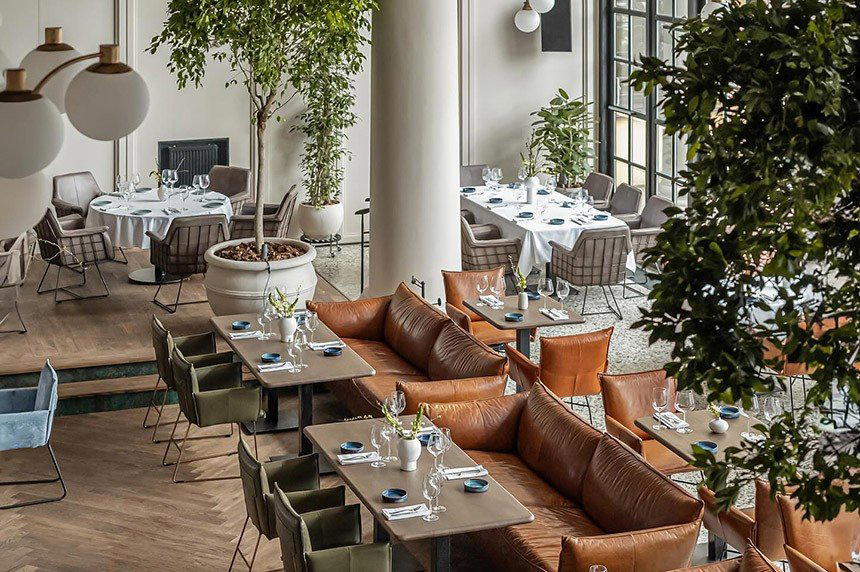
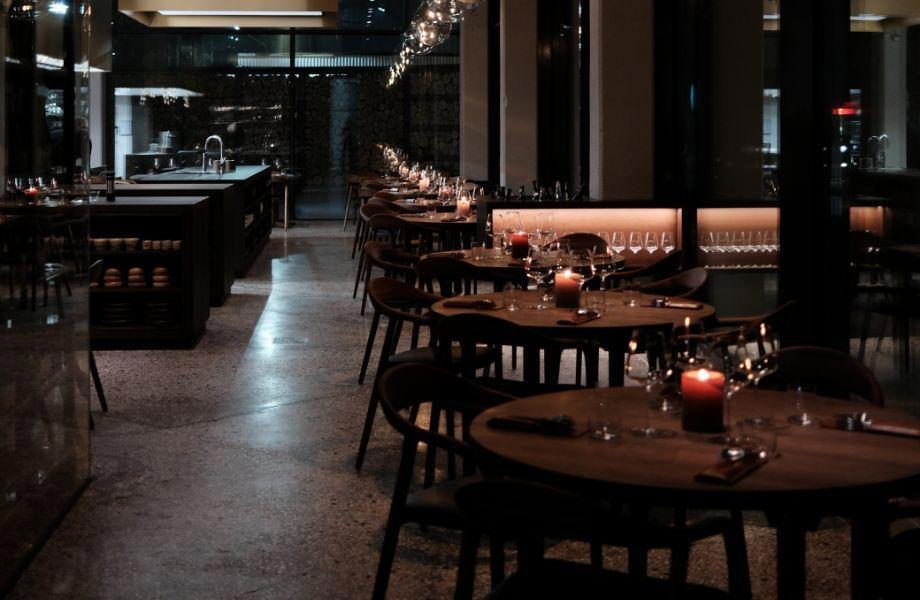
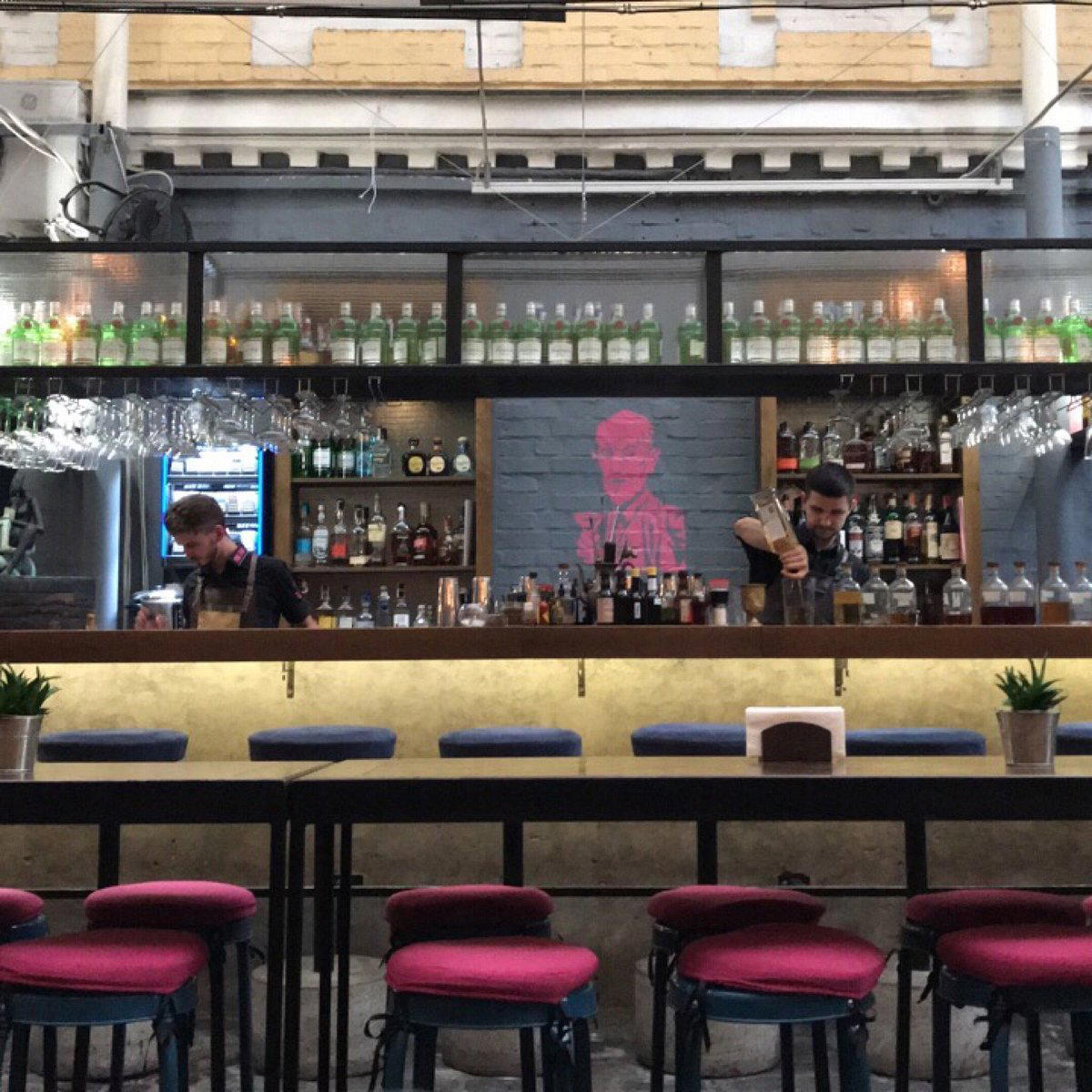
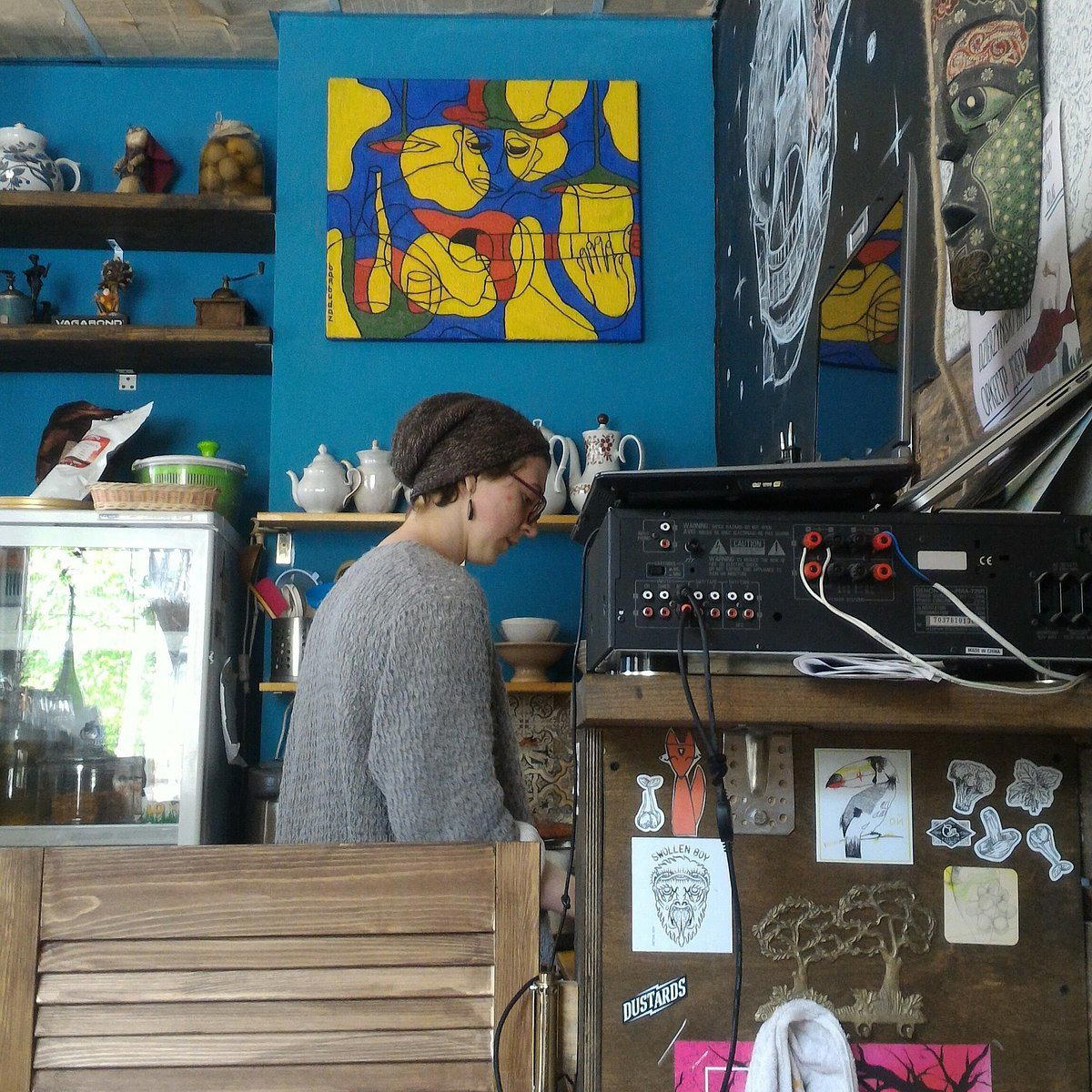
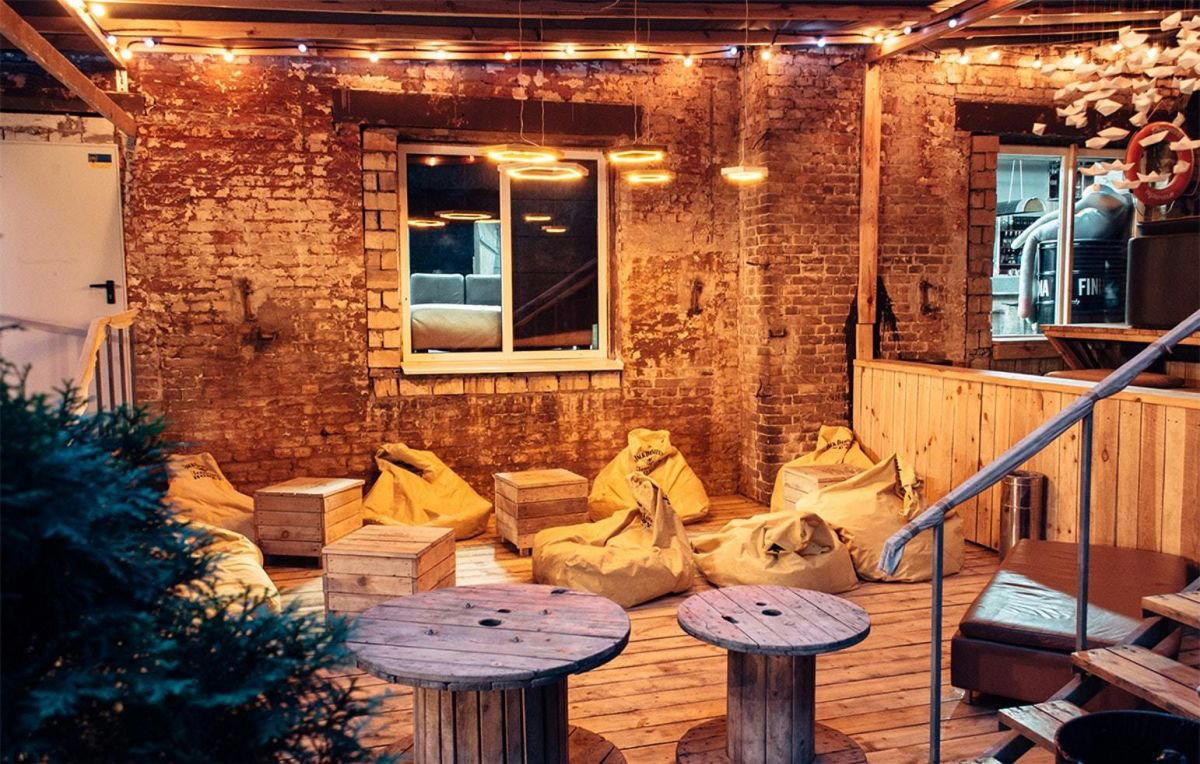
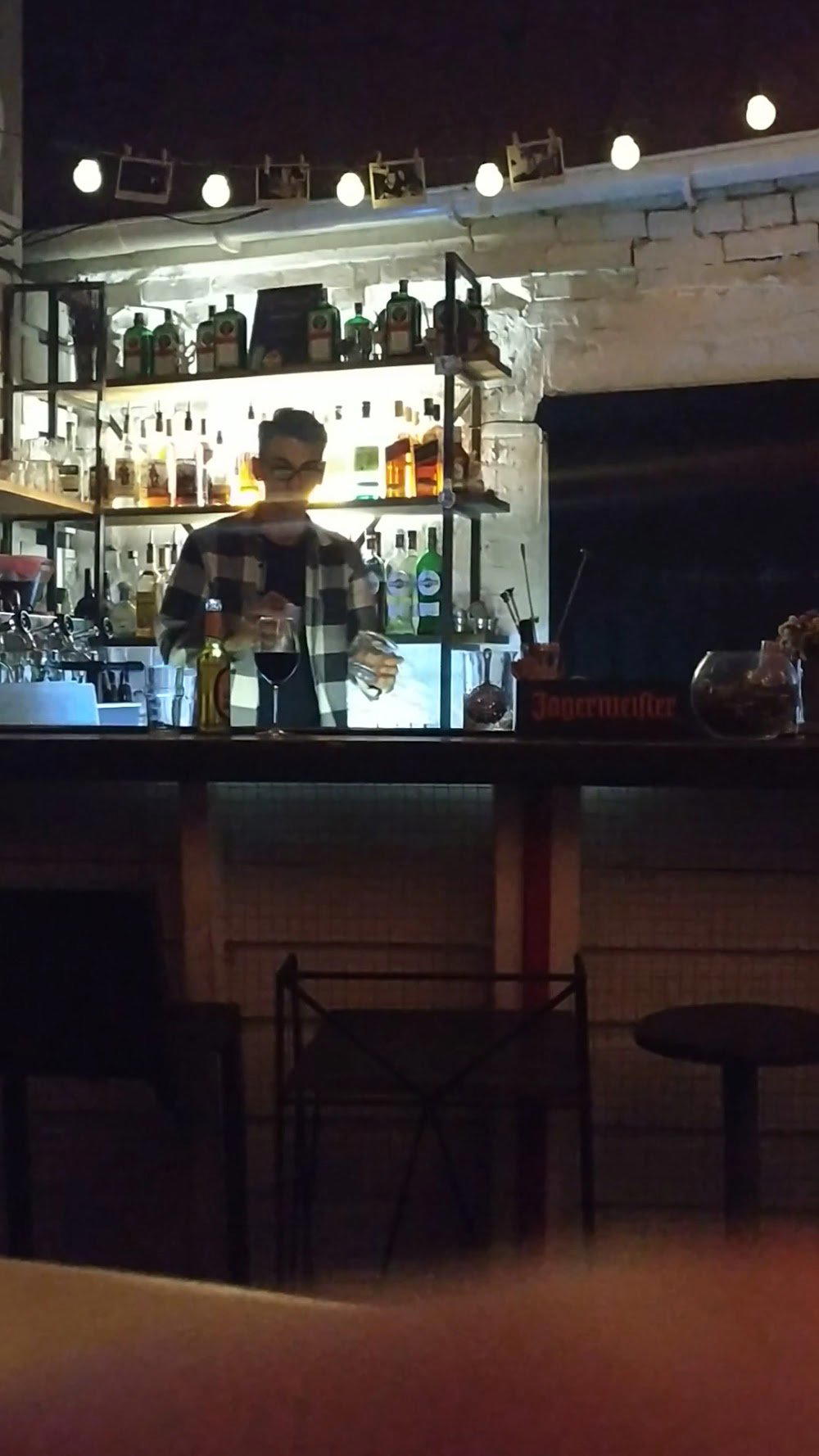
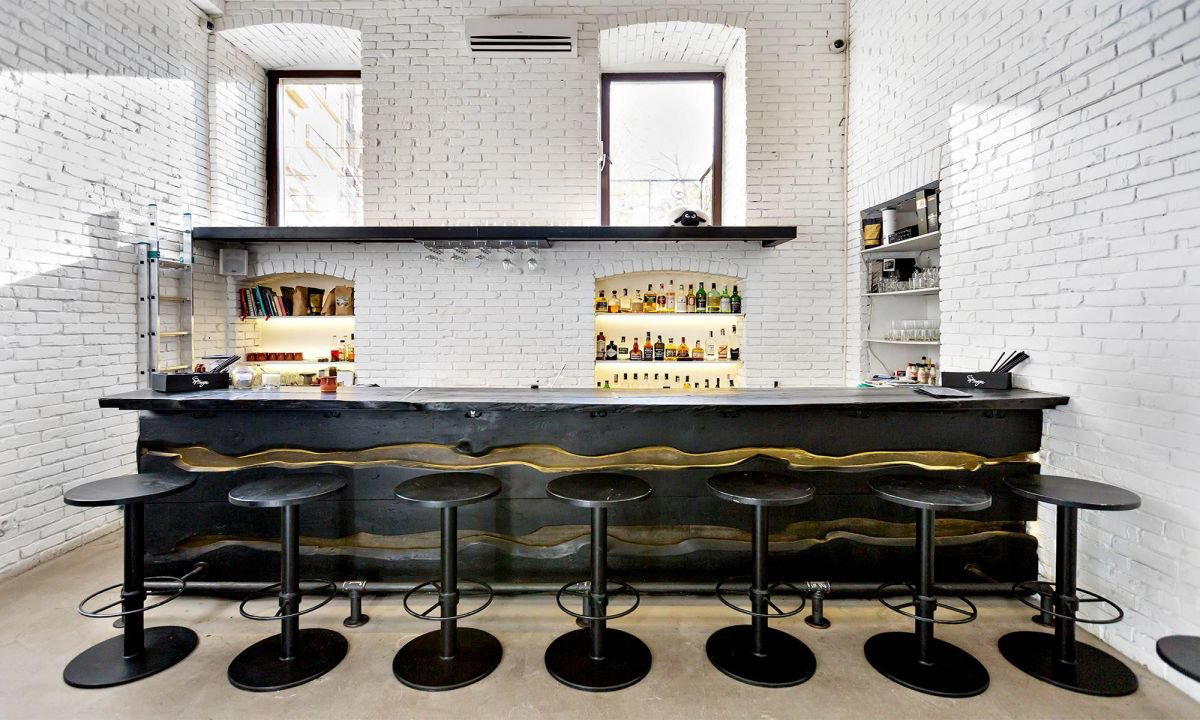
Japanese-style decor creating an inviting and authentic atmosphere.