Men Kiiro

Tabelog 100 #53
Our verdict
Men Kiiro puts Hashima-gun’s ramen scene in the low-price, high-discipline lane: a 12-seat shop in Ginan with counter seating, no reservations, and Tabelog Ramen EAST “Tabelog 100” selections in 2024 and 2025. The draw is not luxury framing, but a tight noodle-house format covering ramen, abura-soba, maze-soba, and tsukemen at a price band that keeps the room democratic.

Pearl is the En Primeur Club membership app, where members save venues, book tables and use the concierge.
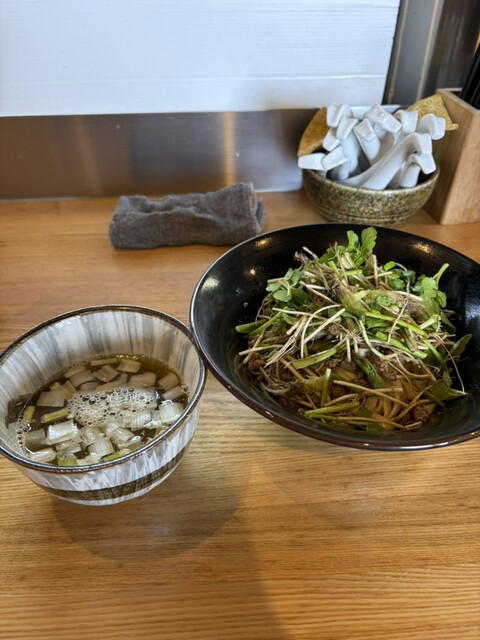
The menu
What to order
- Shio soba
- Ajitama shio ramen
- Tsukemen
- Abura-soba / maze-soba
Approaching a ramen shop in Hashima-gun differs from arriving at a Tokyo counter with a concierge reservation and tasting-menu clock. The cues are plainer: modest setting, practical pacing, compact expectations, and a lunch-friendly rhythm. Men Kiiro belongs to the provincial Japanese category where seriousness is measured less by ceremony than by whether a bowl justifies attention without destination-dining theatre.
Gifu’s ramen culture sits outside the international spotlight on Tokyo, Sapporo, Hakata, or Kyoto, which makes the local signal useful. Selection in the 2025 Tabelog Hyakumeiten context means assessment within a broader competitive field, not simple neighbourhood convenience. Men Kiiro’s Tabelog score of 3.69 places it where craft must show through format: accessible pricing, noodle-centred categories, and direct appeal rather than hospitality embellishment.
Noodles first: ramen, abura-soba, maze-soba, and tsukemen under one roof
The menu categories map four ways of thinking about wheat, broth, fat, and seasoning. Ramen asks soup to carry the architecture. Tsukemen separates dipping broth from noodles, increasing pressure on texture and temperature. Abura-soba and maze-soba shift attention to tare, oil, toppings, and the noodle’s coating power. Working across all four is not just variety; it asks the kitchen to understand how noodle style, sauce concentration, and eating pace change by bowl.
Preparation is a useful lens. In ramen, quality is not always a display of luxury; it often appears through daily consistency, balance, texture, and timing. Better regional ramen rooms show seriousness through control, not spectacle. At this price level, the question is not whether the bowl is lavish, but whether preparation supports clarity, portion after portion, in a focused room.
Hashima-gun also changes value. In central Tokyo, an acclaimed ramen counter can feel like a compressed luxury object: small, scarce, increasingly international. In Hashima-gun, the same craft language has a local function. The listed price band is - JPY 999, keeping the experience closer to daily eating than special-occasion dining. That makes recognition more telling. A low-ticket ramen shop has fewer ways to hide behind service polish; the bowl carries the argument.
A compact Hashima-gun room built for regulars, solo diners, and quick decisions
Men Kiiro reads as the kind of place where experienced Japan diners understand the rhythm quickly: solo dining feels natural, groups should keep expectations practical, and the room’s energy is concentrated around the meal itself. The format is best approached as a concise bowl-focused stop rather than a long sit-down session.
The service pattern fits ramen’s controlled walk-in culture rather than luxury booking theatre. This is Japanese ramen demand managed through timing, patience, and flexibility to accept the shop’s pace. The scarcity, if encountered, is less about social access than about aligning with a small specialist venue’s operating rhythm.
Compared with other dining in Hashima-gun, Yoshina, Kikyo En Honten, Sake no Tori, Tonkatsu Keisui, and Sakae Pan give useful local context without making the meal feel interchangeable. Ramen’s advantage is compression: it can deliver a serious food argument without a long reservation arc or heavy bill. Strong regional ramen shops matter to travellers who care about food but do not want every meal to become an event.
The location is Hashima-gun, and the practical approach should be checked against the venue’s current public information before travelling. For a local ramen stop, details such as access, opening patterns, and payment methods can matter as much as appetite. Treat the listing as a reason to plan carefully rather than as a guarantee that every operational detail will remain unchanged.
How to place Men Kiiro in a Hashima-gun eating itinerary
For travellers building a food-led Hashima-gun stop, Men Kiiro is a strong daytime anchor: a Japanese dining form that rewards specificity without ceremony. Pair it with broader planning through Our full Hashima-gun restaurants guide, then use Our full Hashima-gun hotels guide, Our full Hashima-gun bars guide, Our full Hashima-gun wineries guide, and Our full Hashima-gun experiences guide to frame the day. Treat ramen as the fixed point and build around it, rather than squeezing it between longer meals.
Readers mapping Japan more widely can place the shop against different casual and specialist formats across the country. Those comparisons show how broad Japan’s everyday-to-specialist field has become; Men Kiiro’s lane is narrower, cheaper, and more noodle-focused. The useful contrast is not name recognition, but how much direct satisfaction can be delivered within a modest, highly specific format.
For further contrast, compare it generically with other dining rooms, counters, bakeries, bars, and casual specialists rather than only with formal restaurants. The distinction is not cuisine prestige but format discipline. Men Kiiro’s appeal lies in compact ramen service where bowl composition, noodle handling, and practical pacing carry more weight than décor or narrative.
Frequently asked questions
Would Men Kiiro be comfortable with kids?
Men Kiiro is best approached as a compact, bowl-focused ramen stop in Hashima-gun. Check the venue's official channels for the latest details.
What is the atmosphere like at Men Kiiro?
It is a focused ramen setting where the meal itself is the main event. The 2025 Tabelog Hyakumeiten recognition gives it clear context beyond the room itself.
What's the pricing like at Men Kiiro?
Pricing at Men Kiiro is listed as - JPY 999.
What's Men Kiiro's location?
Men Kiiro is located in Hashima-gun.
A Quick Peer Check
Comparable venues by cuisine and price in the same metro.
| Venue | Cuisine | Price | Awards | Notes |
|---|---|---|---|---|
| Men KiiroThis venue (the venue you are viewing) | Ramen & noodle bar | $1–10 | Tabelog 100 #53 | Not listed |
| らーめん かねかつ | Authentic Japanese Ramen | Not listed | Not listed | Iizuka |
| Tonjinchi Ramen | Himi niboshi ramen & casual dining bar | $1–10 | Tabelog 100 #52 | Himi |
| Chuka Soba Hayami | Traditional Wakayama Ramen | Not listed | Not listed | Shingu |
| 明石食堂 | Okinawan Yaeyama Soba | $10–20 | Not listed | Ihara, Ishigaki |
| Montagne (モンタニュ) | Japanese Casual Ski Lodge | Not listed | Not listed | 妙高高原 |
Recognition history
Dated appearances from independent guides and award organizations, with the underlying list record or original source where available.
Tabelog 100 #53 · No. 53
Tabelog · Tabelog 100 - Ramen - EAST - 2025
Continue exploring
More in Hashima-gun
Restaurants in Hashima-gun
All restaurants in Hashima-gun →

Details
- Cozy
- Intimate
- Solo
- Family
- Casual Hangout
- Standalone
- A La Carte
- Counter Dining
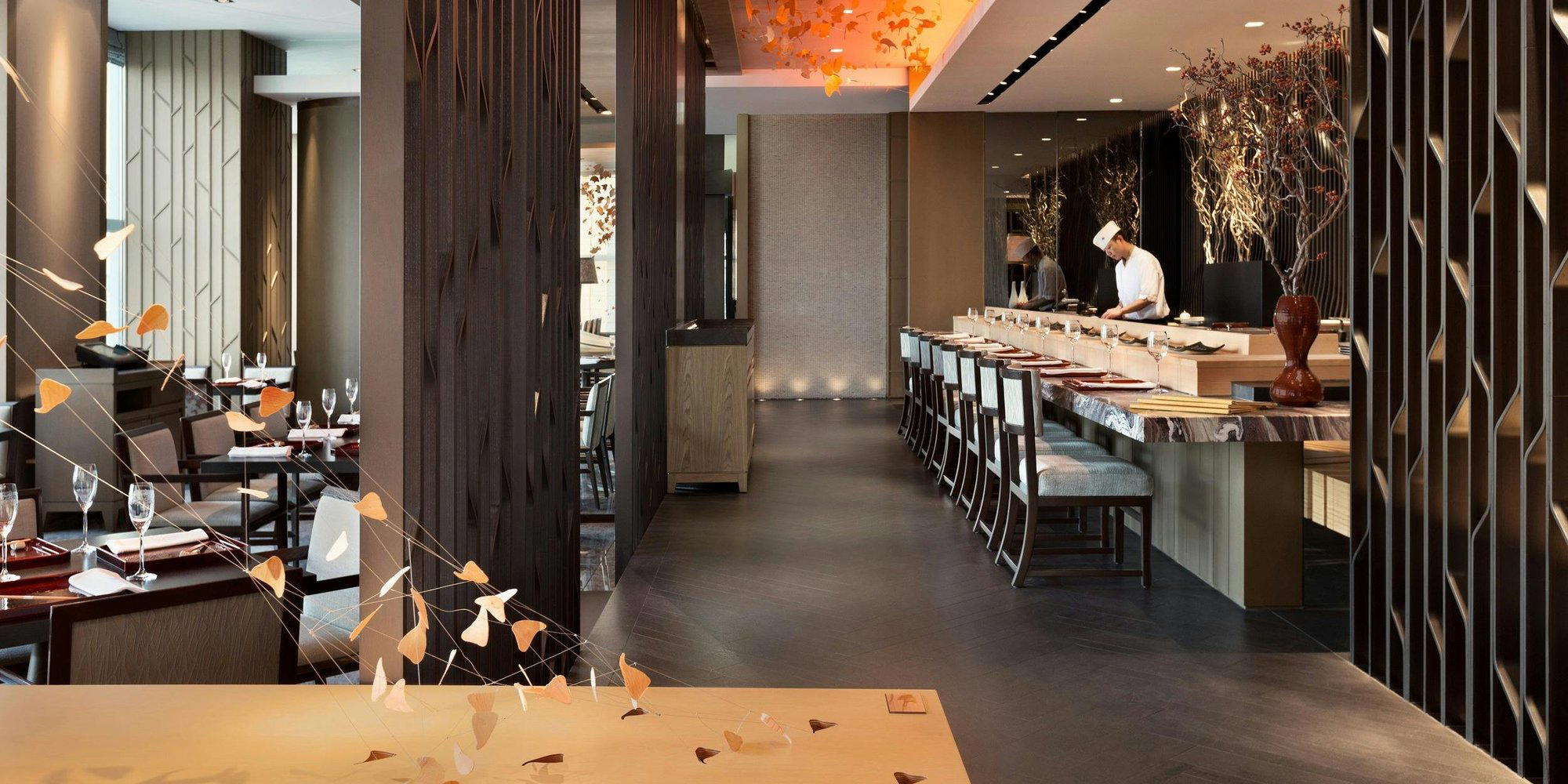
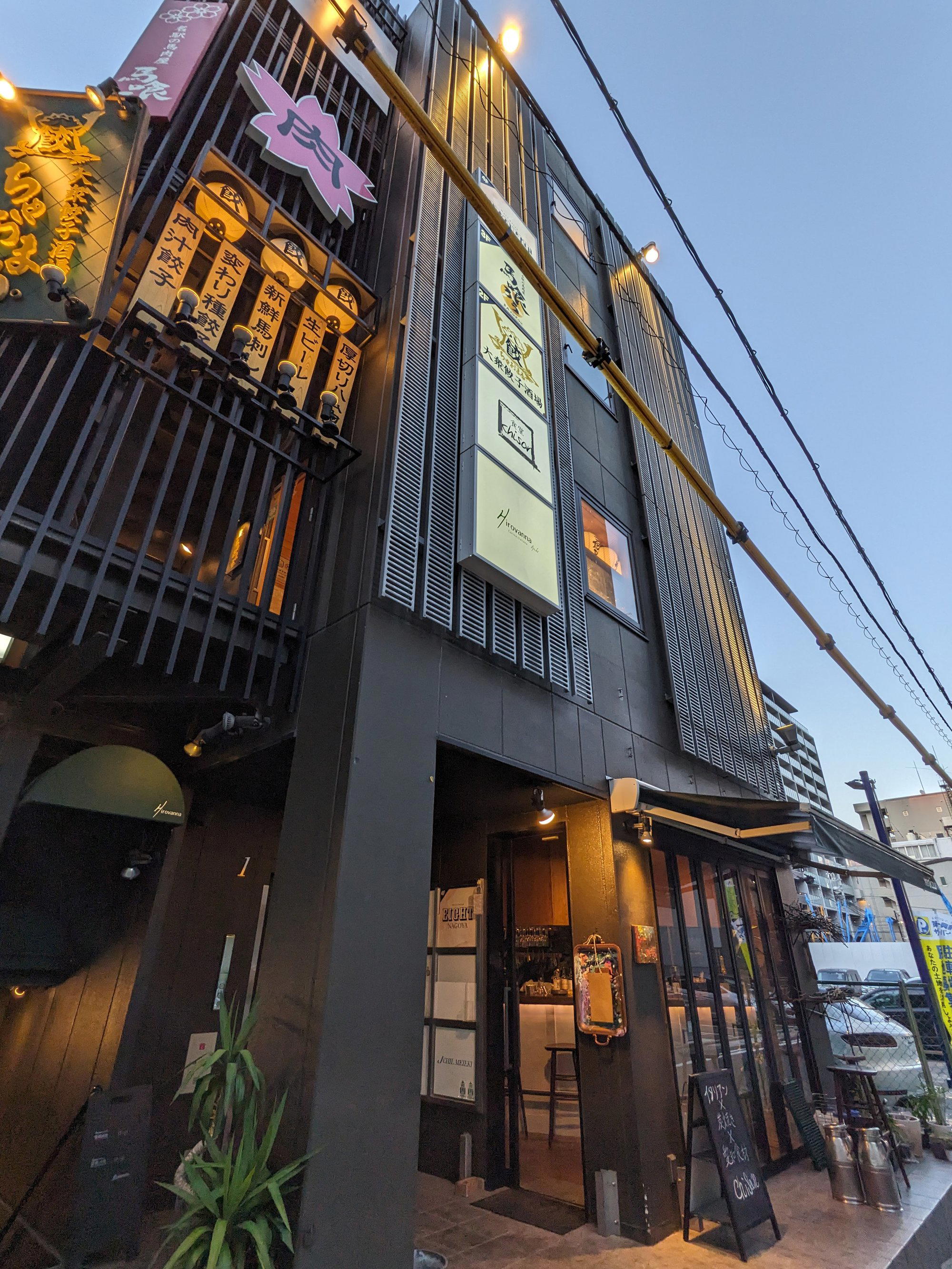
A small, non-smoking house-restaurant with 12 seats, mainly counter seating, described as a relaxing, cozy space suited to solo diners and families during daytime lunch service.