Our verdict
Megu serves Modern Japanese at The Leela Palace in Chanakyapuri, with an extensive wine list and sake program for lunch or dinner.

Pearl is the En Primeur Club membership app — saves, bookings, and concierge access live there. Same editors, same standards.
- Address
- The Leela Palace, Africa Ave, Diplomatic Enclave, Chanakyapuri, New Delhi, Delhi 110023, India
- Phone
- +911139331234
- Hours
- Daily 12:30–2:45 PM, 7–11:45 PM
- Website
- theleela.com
- Directions
- Get directions
- Booking
- Book on the venue's website
The menu
What to order
- Megu Original Crispy Asparagus Salmon Tartar
- Megu Wagyu Carpaccio
- Crispy Kanzuri Shrimp
- Caviar Nigiri
Japanese Precision in the Diplomatic Quarter
The Diplomatic Enclave in Chanakyapuri sits apart from the rest of New Delhi in a particular way: its wide, tree-lined avenues and consular compounds create a city-within-a-city that operates at a different register from the commercial energy of Connaught Place or the historical density of Lutyens' Delhi. The Leela Palace, on Africa Avenue, belongs to this enclave's logic — a property that positions itself against international five-star peers rather than the broader Delhi hotel market. Megu, the Japanese restaurant within the hotel, extends that positioning into the dining room, placing itself inside a narrow but growing tier of serious Japanese cuisine in a city whose restaurant culture has historically been anchored by Mughal and tandoor traditions.
Japanese fine dining in Indian cities occupies an interesting structural position. It is neither as entrenched as it is in Singapore or Hong Kong, nor as undeveloped as it was a decade ago. In Delhi specifically, the conversation around premium dining has been shaped by institutions like Bukhara, where decades of consistency and a tandoor-forward format have defined what a destination Indian restaurant looks like, and Dum Pukht, where the slow-cooking traditions of Awadhi cuisine carry their own formal weight. Against that backdrop, a Japanese restaurant at a palace hotel is making a specific argument: that the city's top-tier dining now crosses culinary borders as readily as its diplomatic address does.
The Roots of Japanese Kaiseki Discipline
To understand what Megu represents within Delhi's dining scene, it helps to understand where Japanese fine dining draws its authority. The kaiseki tradition, which forms the philosophical spine of high-end Japanese restaurant culture, operates on a principle of seasonal precision — dishes structured around what is available at a specific moment, prepared with techniques refined over generations, and presented with an attention to visual composition that treats the plate as an extension of craft rather than mere delivery mechanism. This is a tradition shaped by Buddhist temple cooking, by tea ceremony culture, and by the rigorous apprenticeship systems that have governed Japanese professional kitchens for centuries.
At the highest level, this tradition produces the kind of concentrated expertise that distinguishes counters in Kyoto's Gion district or Tokyo's Ginza from their international counterparts. When Japanese restaurants open in major cities outside Japan, as they have in New York at places like Atomix, or in the fine dining tiers of global hotel groups, they are translating that discipline into a different context. The question worth asking of any such restaurant is how faithfully it carries the structural logic of the original tradition, even when the sourcing, the clientele, and the setting are necessarily different.
Megu in Context: Delhi's Expanding Premium Tier
Delhi's premium restaurant scene has been widening steadily, with a cohort of serious operators testing whether the city's appetite for sophisticated dining extends beyond its strongest indigenous traditions. Indian Accent has demonstrated that modern Indian cooking with global technique can sustain serious critical attention. Inja and AQUA represent different corners of the city's attempt to build a multi-format premium dining culture. Megu sits within this expansion, but on its own track: it is making a case for Japanese cuisine specifically, inside a hotel that brings its own architectural gravity to the proposition.
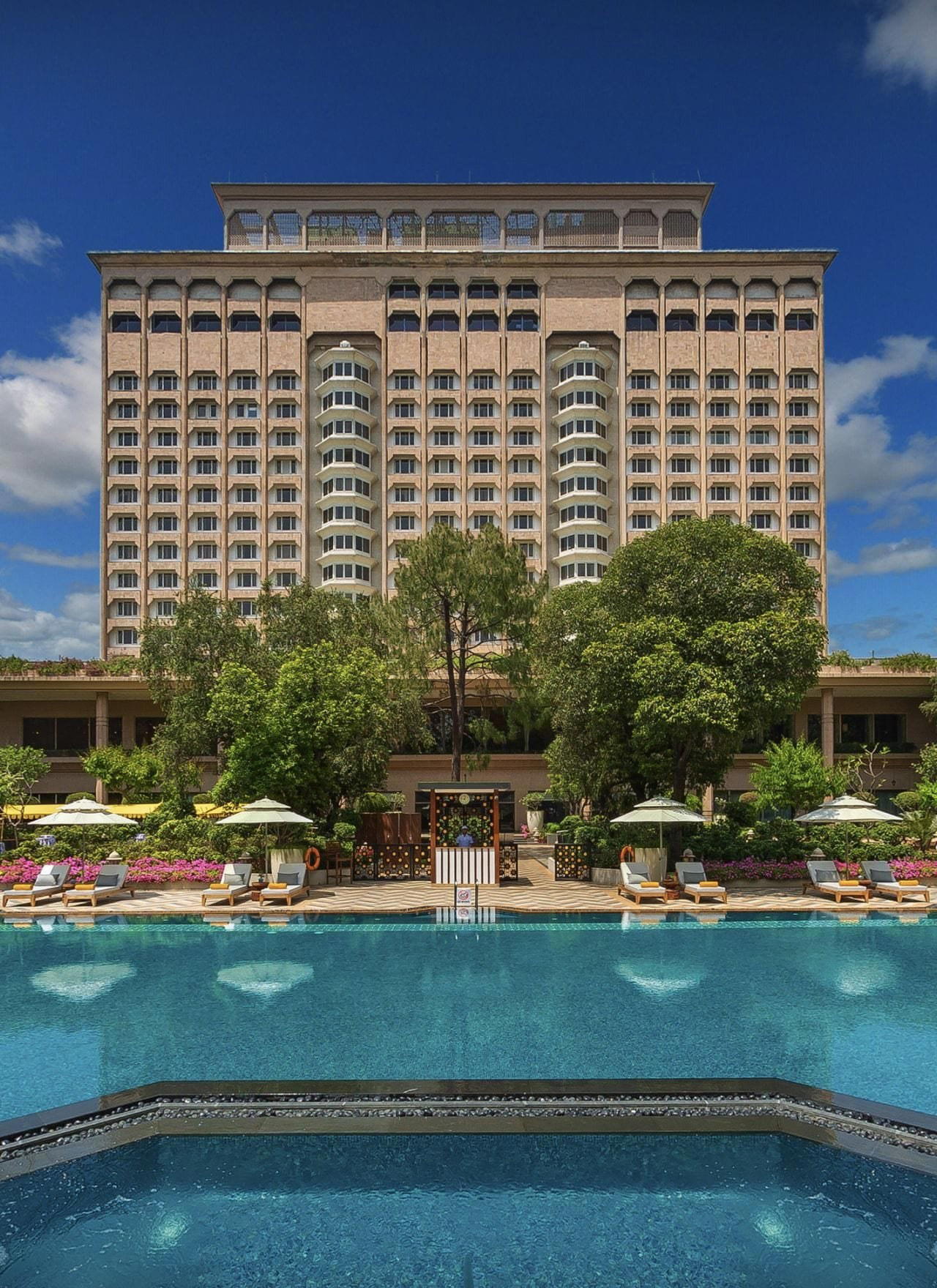
The Leela Palace Chanakyapuri has long served as a reference point for diplomatic and corporate hospitality in Delhi. That context shapes the restaurant in concrete ways: the clientele skews toward international visitors, senior government contacts, and the kind of corporate entertainment where the setting is as important as the food. Japanese cuisine, with its visual discipline and its association with global business culture, fits that room logically. It is worth noting that this is a pattern repeated across Asia's luxury hotel corridors, from Singapore to Dubai, where Japanese restaurants occupy a particular social function at five-star properties.
Across India more broadly, the conversation about ambitious restaurant dining has been expanding well beyond Delhi. Americano in Mumbai and Farmlore in Bangalore signal that the premium tier is now a genuinely national phenomenon rather than a capital-city story. Even outside the major metros, properties like Naar in Kasauli and Esphahan in Agra are demonstrating that serious dining ambition has spread to secondary cities and destination properties. For a fuller picture of how Delhi itself fits into this national expansion, our full New Delhi restaurants guide maps the city's dining character in detail.
What the Setting Signals
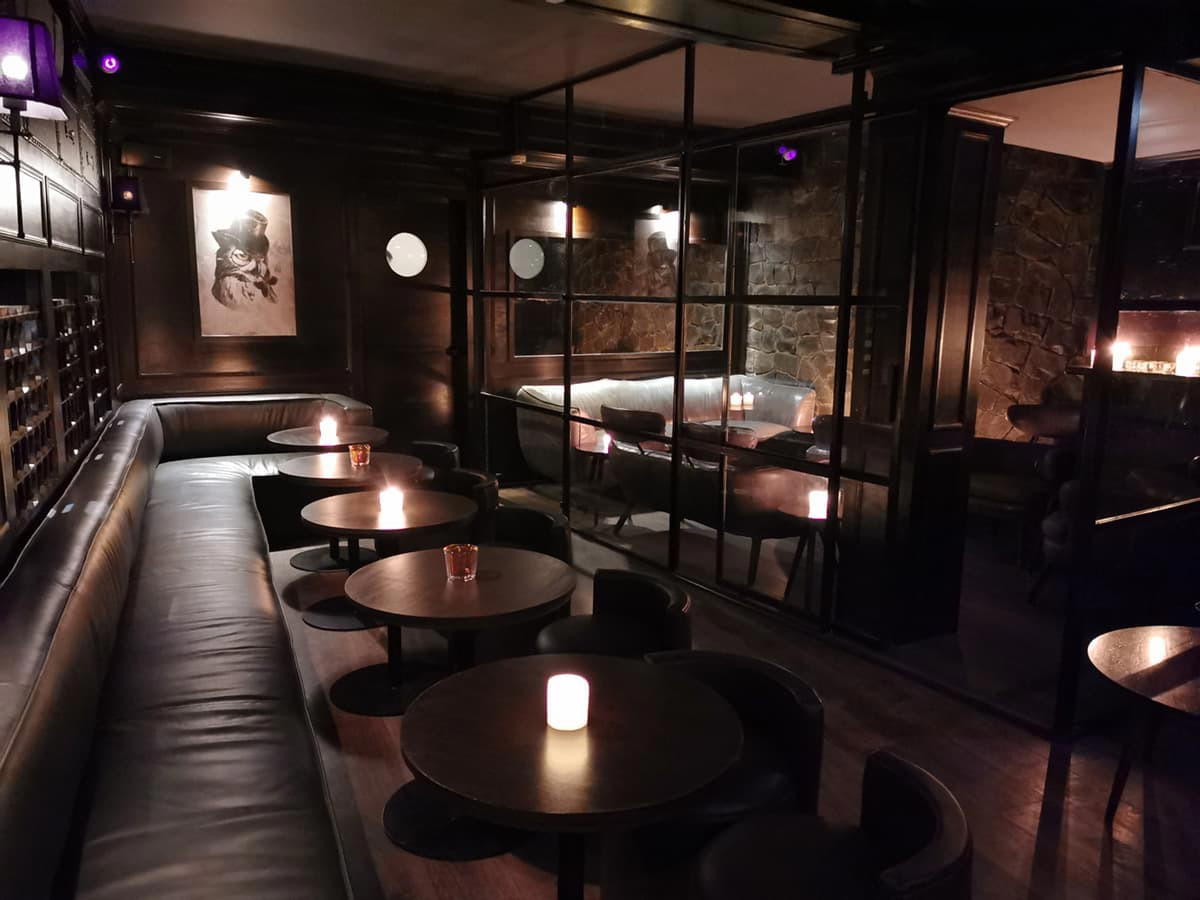
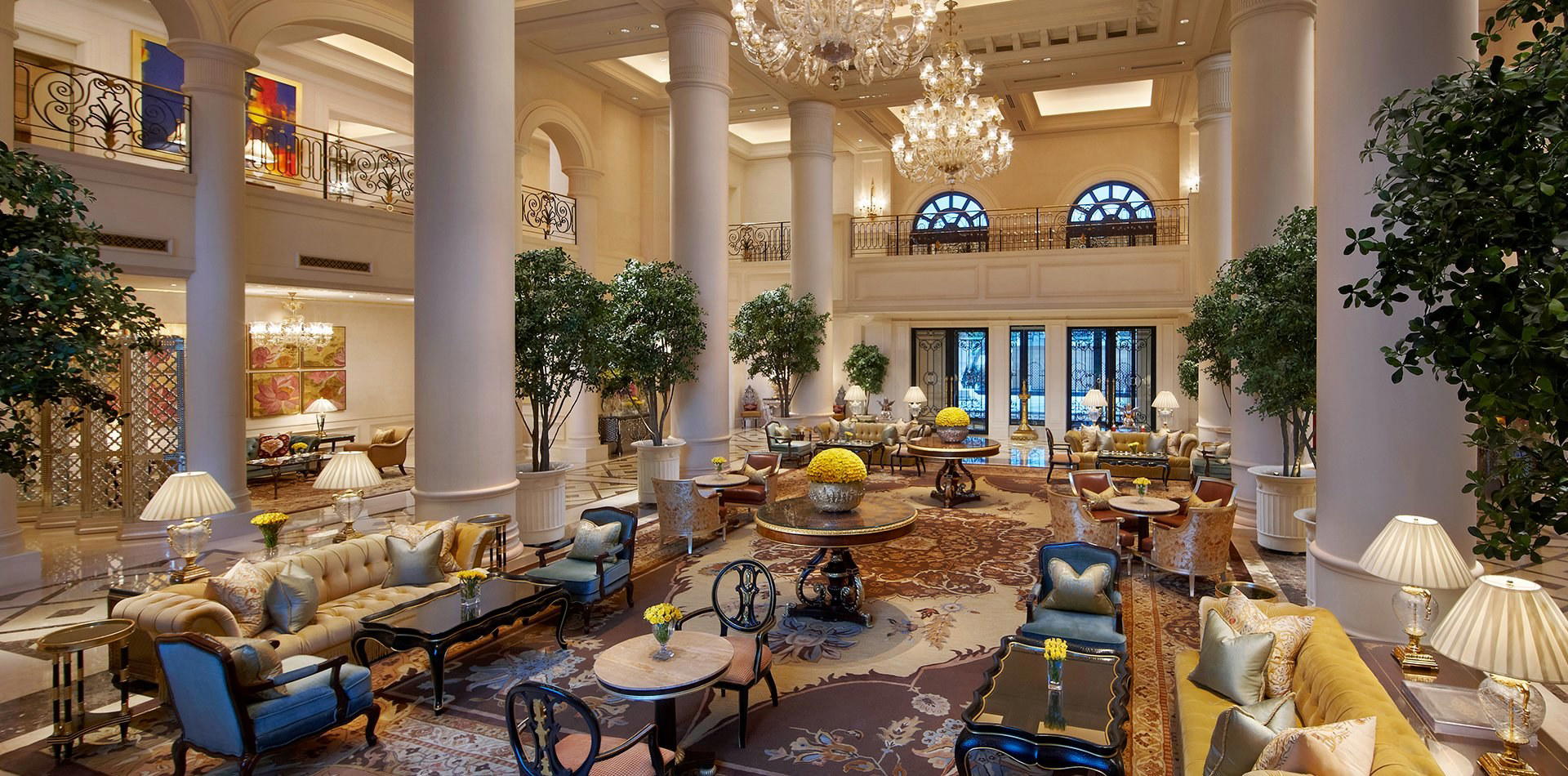
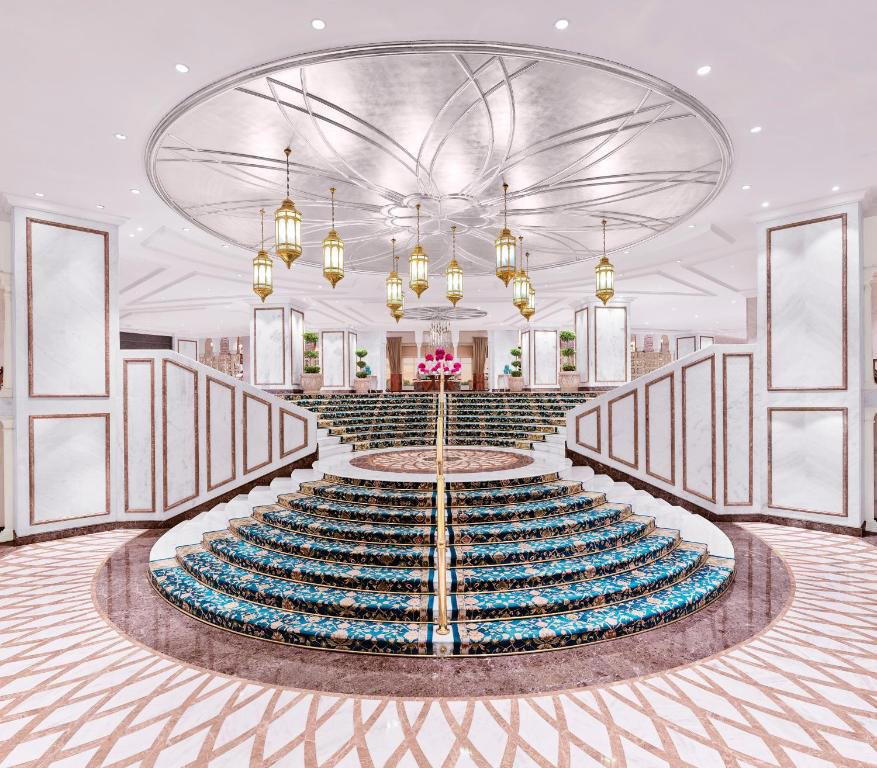
A Japanese restaurant inside a palace hotel in the Diplomatic Enclave is communicating something specific about its intended experience. The architecture of The Leela Palace draws on Rajputana palace design, carved stone, high ceilings, a sense of ceremonial space, and Megu operates within that envelope. This creates an interesting counterpoint: Japanese minimalism and Indian decorative grandeur are not obvious companions, but luxury hotel dining in Asia has long been comfortable with exactly this kind of productive visual tension. The dining experience at Megu is shaped by both registers simultaneously.
The restaurant's position within the hotel also means that the full experience extends beyond the meal itself. Arriving through the Leela's main approach, crossing the lobby, and being seated in a room that carries the hotel's design language, all of this is part of what the restaurant is selling, and for the clientele it is designed to serve, that context is not incidental. It is the point. This is a different proposition from the independent restaurant model, where the room exists solely in service of the food. At Megu, food, setting, and institutional identity are deliberately integrated.
Planning Your Visit
Megu is located inside The Leela Palace on Africa Avenue in Chanakyapuri, well-positioned for visitors staying within the Diplomatic Enclave or travelling from the central government and business districts nearby. For regional context, the hotel's association with Leela properties across India suggests a consistent standard of hospitality infrastructure. Visitors planning broader Delhi itineraries might also consider how Megu fits alongside the city's other serious dining destinations, from the long-format Mughal cooking at Dum Pukht to the contemporary Indian register at Indian Accent.
Frequently asked questions
What's the address for Megu?
Megu is located at The Leela Palace, Africa Ave, Diplomatic Enclave, Chanakyapuri, New Delhi, Delhi 110023, India, New Delhi.
How does Megu compare to other Japanese restaurants in New Delhi?
Megu operates from inside The Leela Palace in Chanakyapuri, one of Delhi's most formally curated hotel addresses, which immediately places it in a different category from standalone Japanese restaurants across the city. The Diplomatic Enclave setting draws an embassy and corporate crowd with direct exposure to Japanese dining culture, raising the expectations the kitchen has to meet. That combination of address, hotel backing, and target audience makes Megu one of the few Japanese fine dining rooms in Delhi designed around kaiseki-adjacent discipline rather than sushi-bar informality.
What's the best thing to order at Megu?
Megu's menu is grounded in Japanese fine dining discipline, so the structured tasting formats are where the kitchen demonstrates its range. Without a confirmed current menu on record, the safest approach is to ask the floor team which courses are anchored to seasonal produce on the night you visit. The restaurant's position inside The Leela Palace, Chanakyapuri, suggests a kitchen calibrated to international palates alongside traditional Japanese technique.
Is Megu reservation-only?
A Japanese fine dining room inside a five-star palace hotel in the Diplomatic Enclave will almost always operate on a reservations basis, particularly for dinner. Contact The Leela Palace New Delhi directly at Africa Avenue, Chanakyapuri, to secure a table. Walk-in availability, if it exists, is more likely at lunch on weekday sittings.
What's the standout thing about Megu?
The location is specific and deliberate: a Japanese restaurant operating inside The Leela Palace within Delhi's Diplomatic Enclave is addressing an audience that expects precision and formality as baseline, not aspiration. That positioning separates Megu from the broader wave of Japanese casual concepts that have entered Delhi's dining market in recent years. The combination of palace-hotel infrastructure and Japanese culinary discipline is a relatively narrow category in the capital.
Can Megu adjust for dietary needs?
Kitchens operating at the fine dining level inside international luxury hotels are generally structured to accommodate dietary requirements with advance notice. Reach out to The Leela Palace, Africa Avenue, Chanakyapuri, when booking to confirm what the kitchen can accommodate, whether vegetarian, vegan, or allergen-specific requests. Japanese menus built around seasonal ingredients often have more flexibility than they appear to at first.
Is eating at Megu worth the cost?
That depends on what you're benchmarking against. Within Delhi's premium dining tier, a Japanese fine dining room inside The Leela Palace carries pricing that reflects both the kitchen format and the hotel's positioning in the Diplomatic Enclave. If you are already staying at or visiting Chanakyapuri and want structured Japanese dining rather than a casual izakaya, Megu occupies a specific slot that few Delhi restaurants match at this address.
Cost Snapshot
Comparable venues nearby, for context on price, style, and recognition.
| Venue | Cuisine | Price | Awards | Notes |
|---|---|---|---|---|
| MeguThis venue — the venue you are viewing | Modern Japanese | $50–100 | Not listed | Not listed |
| Sakura | Award-winning Japanese Fine Dining | Not listed | Not listed | Connaught Place, Award-winning Japanese Fine Dining |
| AQUA | Mediterranean Fusion Poolside | $30–50 | World's 50 Best #32 | Connaught Place, Mediterranean Fusion Poolside |
| Leo’s | Authentic Italian Pizza | $10–20 | 50 Top Pizza Asia-Pacific #41 | Pizza |
| Cabanas at JW Lounge | Al fresco Mediterranean tapas & cocktails | $20–30 | Not listed | Aerocity, Al fresco Mediterranean tapas & cocktails |
| Baoshuan | Modern Chinese | $50–100 | Not listed | Central Delhi, Modern Chinese |
Continue exploring
More in New Delhi
Restaurants in New Delhi
Browse all →
Bars in New Delhi
Browse all →
Details
- Elegant
- Sophisticated
- Modern
- Ornate
- Date Night
- Special Occasion
- Business Dinner
- Private Dining
- Hotel Restaurant
- Extensive Wine List
- Sake Program
- A La Carte
- Omakase
- Small Plates
- Sake
- Wine
- Vegetarian Friendly
- Vegan Options
- Gluten Free Options
Current opening hours
- Monday
- 12:30–2:45 PM, 7–11:45 PM
- Tuesday
- 12:30–2:45 PM, 7–11:45 PM
- Wednesday
- 12:30–2:45 PM, 7–11:45 PM
- Thursday
- 12:30–2:45 PM, 7–11:45 PM
- Friday
- 12:30–2:45 PM, 7–11:45 PM
- Saturday
- 12:30–2:45 PM, 7–11:45 PM
- Sunday
- 12:30–2:45 PM, 7–11:45 PM
Hours can change for holidays and private events. Last verified .
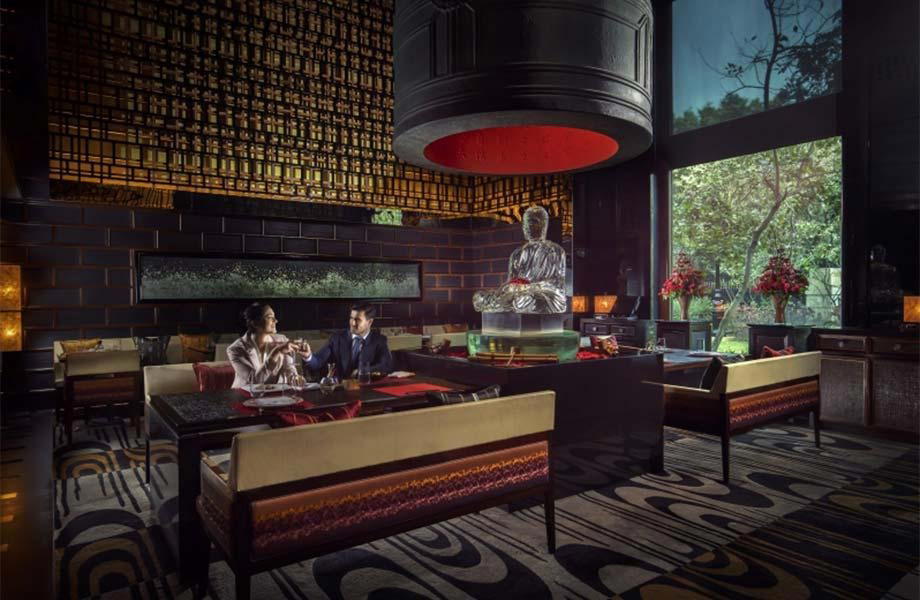
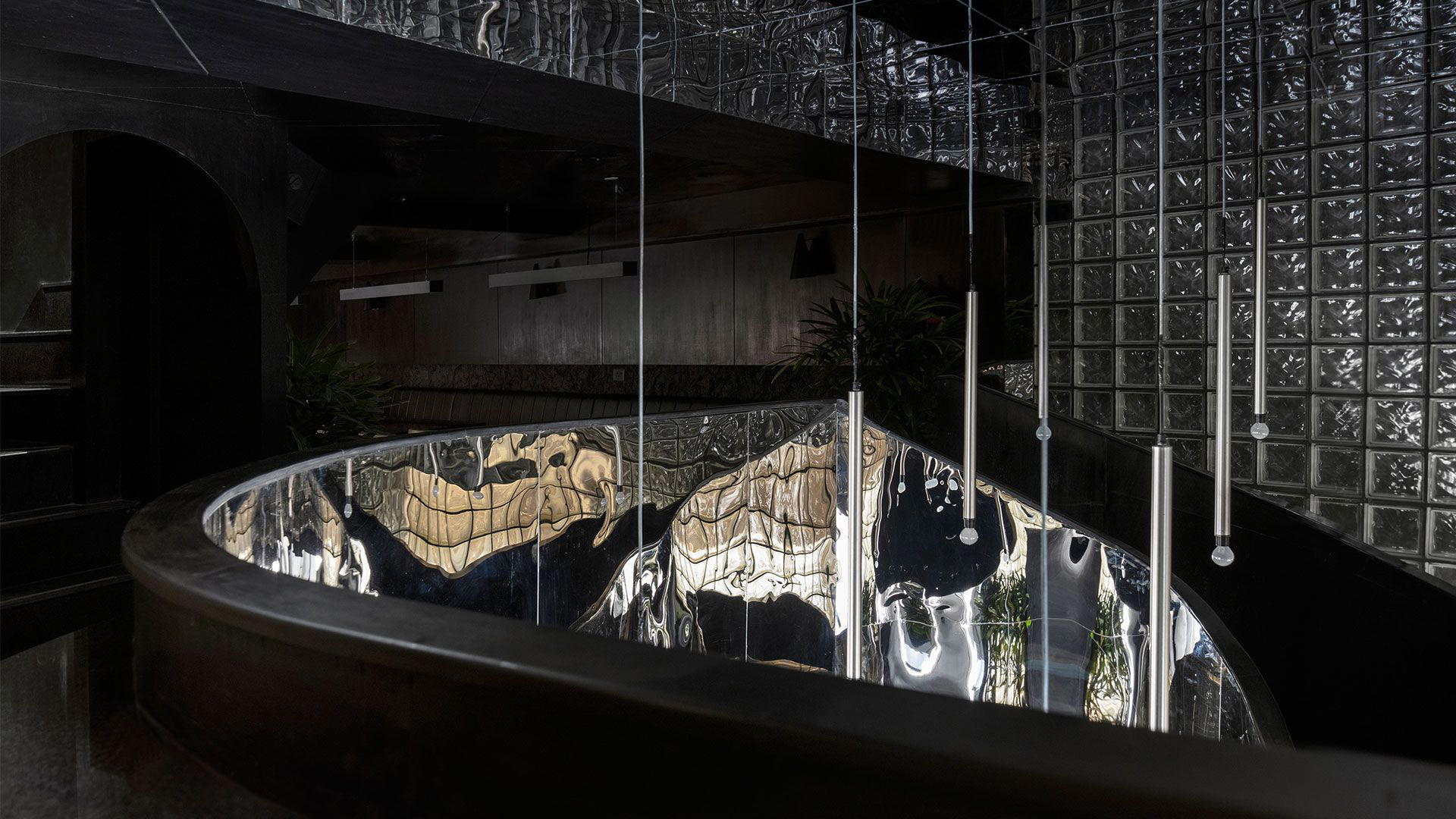
Strikingly contemporary interiors in red and black with crystal Buddha, traditional motifs, and soft music creating an intimate, high-gloss glamorous atmosphere.