A meat-focused address on Rue Saint-Antoine in Cannes, MEAT sits within the city's mid-range dining corridor, a street-level counterpoint to the grand hotel restaurants of the Croisette. The kitchen's emphasis on animal protein in a city that defaults to seafood and Provençal produce marks a deliberate positioning. Visitors looking for grilled, roasted, or cured preparations in a relaxed setting will find it a workable option.
Pearl is the En Primeur Club membership app — saves, bookings, and concierge access live there. Same editors, same standards.
- Address
- 16 Rue Saint-Antoine, 06400 Cannes, France
- Phone
- +33493301831
- Website
- meatcannes.fr
- Directions
- Get directions
 Saves & bookings on Pearl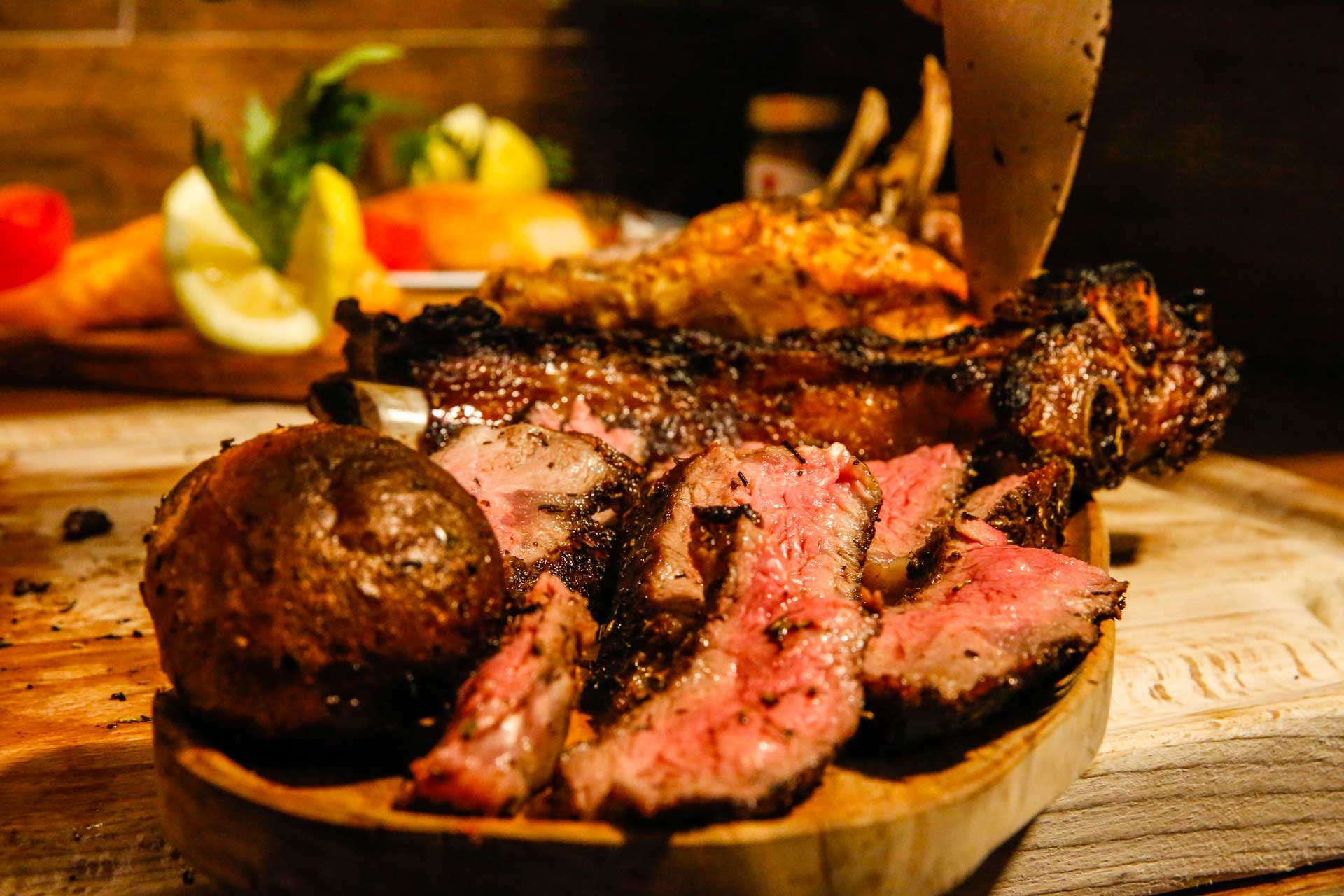
Rue Saint-Antoine and the Case for Carnivorous Conviction in Cannes
Cannes has a default register when it comes to dining: seafood platters on the Croisette, Provençal herb-driven cooking in the old quarter, and the kind of Mediterranean lightness that makes sense when the Palais des Festivals and a yacht-lined harbour are your backdrop. Against that context, a restaurant anchored in meat cookery at 16 Rue Saint-Antoine is a deliberate counter-statement. In a city where Astoux et Brun has spent decades selling the case for shellfish and Aux Bons Enfants argues quietly for regional Provençal tradition, a venue that centres its identity around protein-forward cooking occupies a genuinely distinct niche.
Rue Saint-Antoine itself sits in the older residential and commercial fabric of Cannes, removed from the festival-season theatre of La Croisette and the luxury hotel dining that defines that strip. The street is closer to the market hall and the working rhythms of a city that exists independently of its film-festival reputation. Approaching MEAT from that direction, you are already in a different Cannes from the one on the postcards: narrower pavements, less performance, more locality. That geography is part of the venue's editorial logic. It is not competing with La Palme d'Or or the Riviera on Mediterranean refinement. It is offering something with a different temperature entirely.
Where MEAT Sits in the Cannes Dining Grid
The Cannes dining scene sorts itself into a few legible tiers. At the other end of the range, neighbourhood addresses like Bobo Bistro and Bistro Les Canailles work in a more casual, walk-in register. MEAT occupies an intermediate position: specific enough in its culinary proposition to attract a purposeful diner, but positioned in a neighbourhood that does not demand the formality of the Croisette addresses.
In France more broadly, meat-centric restaurants have had to define themselves carefully against the dominant brasserie culture, where steak frites and côte de boeuf appear as reliable menu fixtures without anchoring a restaurant's identity. The venues that have built genuine reputations around meat cookery — whether in Paris, Lyon, or the Basque country, tend to do so through sourcing specificity, cooking technique, or a strong front-of-house culture that communicates the kitchen's convictions. The institutional French dining tradition, visible at addresses like Paul Bocuse's Auberge du Pont de Collonges or Troisgros in Ouches, treats meat as one element in a broader architecture of classical French cooking. A venue named MEAT is making a shorter, sharper argument about what it is for.
The Collaboration That Defines the Room
In the French dining tradition, the relationship between kitchen, floor, and cellar is where a restaurant's actual character gets expressed. Michelin's assessments of service alongside cooking at venues like Flocons de Sel in Megève or Auberge de l'Ill in Illhaeusern reflect a long-standing French expectation that front-of-house expertise is not decorative but functional, a sommelier who understands the kitchen's direction, a service team that can articulate the sourcing logic behind what appears on the plate. At a meat-focused address, that alignment is particularly loaded: wine pairings shift significantly depending on whether the kitchen is working with aged beef, lamb, or charcuterie, and a sommelier working in tandem with the kitchen's choices can substantially change the experience of the meal.
What the team dynamic at MEAT specifically looks like in practice, the sourcing conversations, the pairing philosophy, the floor's relationship to the kitchen's decisions, is something that reveals itself through the room rather than through published credentials. Cannes has a working population of hospitality professionals who cycle between seasonal hotel positions and year-round independent restaurants; the independent addresses, freed from the corporate scheduling of hotel dining, often develop a tighter internal culture. Whether MEAT fits that pattern is something a visit establishes rather than something that can be declared from the outside.
Eating Here: What to Expect Without Overpromising
The address on Rue Saint-Antoine places MEAT within walking distance of the old quarter's other neighbourhood restaurants, including Affable, which works in a traditional French register nearby. In the Cannes dining rhythm, evenings fill earlier than in Paris, and a city that doubles in population during the festival period in May means that walk-in availability varies sharply by season. Outside festival weeks and the peak summer months of July and August, Cannes restaurants in this mid-range tier tend to be more accessible. Checking availability directly or arriving early in the service are the standard approaches at addresses without detailed booking infrastructure published online.
For a city whose dining reputation rests heavily on its relationship with the Mediterranean, the fish, the olives, the herbs that define Provençal cooking, a restaurant that foregrounds meat cookery in a residential street context offers a different kind of evening. It is not the experience of watching the sea from a terrace while eating bouillabaisse. It is something more contained, more focused, and more reliant on the kitchen's specific convictions about what makes a piece of meat worth eating.
Visitors building a broader picture of dining in the region can find the full context in our full Cannes restaurants guide, which maps the city's options across price points and culinary registers. For those exploring further along the Côte d'Azur or into the wider French dining network, addresses like Bras in Laguiole, Assiette Champenoise in Reims, Au Crocodile in Strasbourg, Alléno Paris au Pavillon Ledoyen, Atomix in New York City, and Le Bernardin in New York City represent different registers of the dining conversation that Cannes participates in at its upper end.
Planning Your Visit
MEAT is located at 16 Rue Saint-Antoine, 06400 Cannes, on foot from the old quarter or a short distance from the Palais des Festivals. Given the absence of published booking details or an active website in current records, the most reliable approach is to visit in person to check availability, or to ask your hotel concierge to make contact directly. Cannes' independent restaurants at this tier rarely maintain long advance booking windows outside festival season, so same-day or next-day availability is realistic for most of the year. Evenings during the Cannes Film Festival in May and the peak summer weeks represent the exception rather than the rule.
How MEAT Cannes compares with similar nearby venues.
| Venue | Cuisine | Price |
|---|---|---|
| Table 22 par Noël Mantel | Traditional Cuisine | €€€ |
| Aux Bons Enfants | Provençal | €€ |
Continue exploring
More in Cannes
Restaurants in Cannes
Browse all →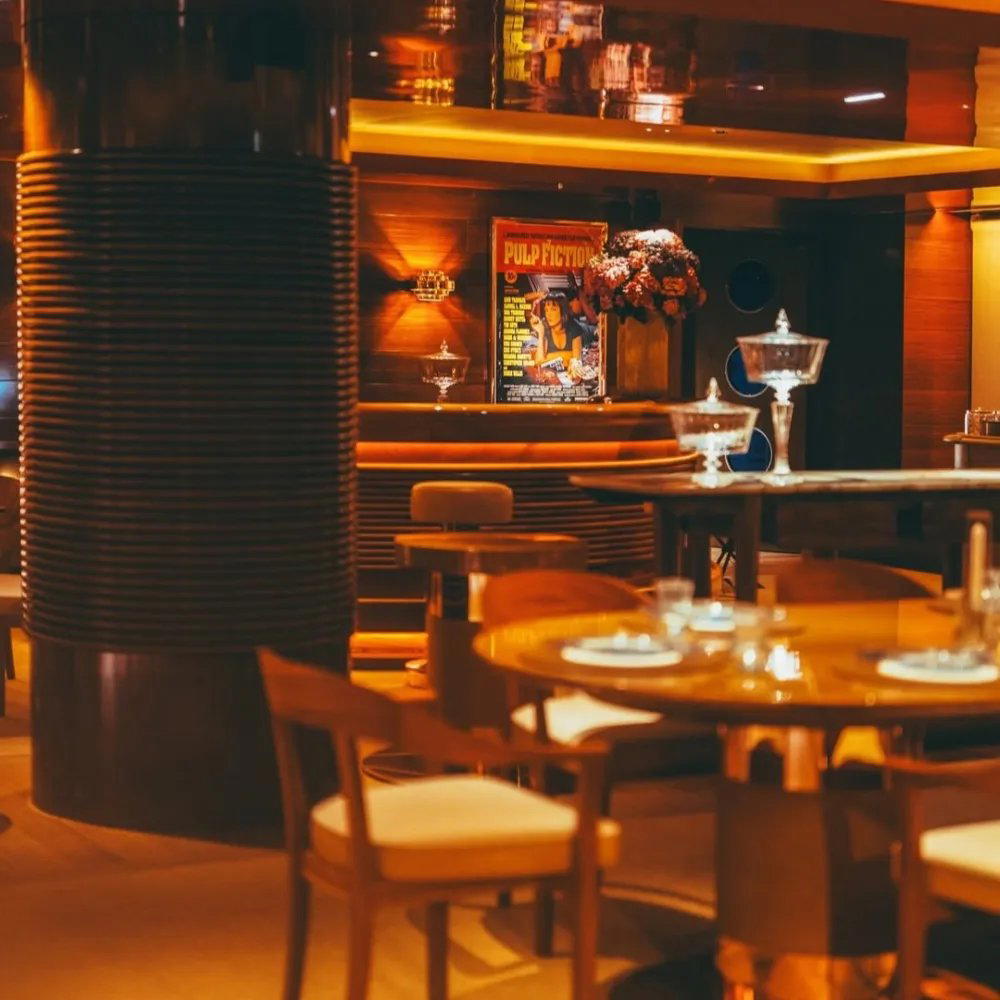
Bars in Cannes
Browse all →
Hotels in Cannes
Browse all →

At a Glance
- Cozy
- Intimate
- Elegant
- Date Night
- Casual Hangout
- Open Kitchen
- Local Sourcing
Current opening hours
- Monday
- Closed
- Tuesday
- 6:30–11 PM
- Wednesday
- 6:30–11 PM
- Thursday
- 6:30–11 PM
- Friday
- 6:30–11 PM
- Saturday
- 6:30–11 PM
- Sunday
- 6:30–11 PM
Hours can change for holidays and private events. Last verified .
Cozy and intimate with characteristic decoration, subdued lighting, and a relaxed yet elegant atmosphere.
Know Before You Go
- Getting there
- 16 Rue Saint-Antoine, 06400 Cannes, France