Our verdict
Greek cuisine has carved an increasingly confident foothold in Budapest's dining scene, and Mazi Greek Kitchen on Alkotmány utca sits inside that shift. The address places it close to the Parliament district, where international kitchens have found a reliable audience among both residents and visitors. For a city still largely defined by Central European culinary traditions, a Greek kitchen at this level represents a meaningful departure worth understanding on its own terms.

Pearl is the En Primeur Club membership app, where members save venues, book tables and use the concierge.

The menu
What to order
- Kontosouvli chicken
- Tzatziki
- Dolmades
- Moussaka
A Southern Kitchen in a Central European City
Budapest's restaurant scene has spent the better part of two decades oscillating between a reverence for Hungarian tradition and an appetite for outside influence. The city that gave the region Costes (€€€€ · Modern Cuisine), its first Michelin-starred restaurant, and later Borkonyha Winekitchen (€€€ · Modern Cuisine) has also made room, more quietly, for kitchens working in traditions far removed from paprika and pörkölt. Greek food occupies a specific position in that opening: it is Mediterranean enough to feel foreign, yet structurally familiar enough, olive oil, grilled proteins, legumes, fermented dairy, that Budapest diners have engaged with it without the resistance sometimes directed at more conceptually distant cuisines.
Mazi Greek Kitchen, on Alkotmány utca 19 in the 5th district, sits inside this broader pattern. The address is significant: the 5th district, running along the Danube toward Parliament, draws a mixed crowd of government workers at lunch, tourists navigating the Basilica and the Chain Bridge corridor, and a stratum of local professionals who eat out regularly and have clear expectations about quality. A Greek kitchen in this location is not serving novelty seekers. It is operating in a neighbourhood where the dining room fills on its own merits.
What Greek Cooking Means in This Context
To understand what Mazi Greek Kitchen represents in Budapest, it helps to understand what Greek cuisine actually demands of a kitchen operating far from the Aegean. The pantry is specific: good olive oil, dried legumes cooked with patience, seafood that must travel further than it would in Athens or Thessaloniki, cheeses (feta, graviera, kefalotyri) that require either import relationships or local sourcing decisions. The cooking itself is deceptively simple in structure, slow-braised lamb, grilled whole fish, mezze plates of dips and flatbreads, but unforgiving of mediocre ingredients. In cities with strong Greek communities, these supply chains exist naturally. In Budapest, a kitchen committed to this cuisine has to build them deliberately.
That deliberateness is part of what defines the evolution of Greek restaurants outside Greece over the past decade. The earlier generation of Greek restaurants in Central Europe often compromised on ingredients, leaning on the cuisine's rustic associations to excuse shortcuts. The more recent wave, of which Mazi appears to be a part, treats those rustic associations differently: as a reason for ingredient precision rather than a license for it to slide. A dish of dakos or taramosalata either works at the ingredient level or it doesn't. There is no technical complexity to hide behind.
The Address and the Dining Experience
Alkotmány utca runs through one of the denser parts of the inner city, a few minutes' walk from the Hungarian Parliament building. The street sits in a part of Budapest that has seen consistent investment in mid-range and higher dining over the past decade, as the neighbourhood's daytime professional traffic translated into evening dining demand. This is not the bar-dense VII district, where places like the ruin bars draw a younger, more transient crowd. The 5th district expects a more composed experience, and kitchens that open here tend to calibrate accordingly.
For visitors planning around the Parliament or the nearby Liberty Square, the location is genuinely practical. For Budapest residents, particularly those based in Pest, Alkotmány utca is accessible without requiring the kind of itinerary commitment that outer-district restaurants demand. In a city where Babel (€€€€ · Modern Cuisine) and Stand (€€€ · Modern Cuisine) anchor the upper tier of the dining conversation, a Greek kitchen at this address is positioned as a serious alternative rather than a casual fallback.
Where This Fits in the Budapest Dining Picture
Budapest's premium dining tier has consolidated around a handful of formats: the tasting-menu restaurant with local-produce credentials, the wine-forward bistro, and the European fine-dining room. What it has not historically produced is a deep bench of international kitchens operating at the level where ingredient sourcing and culinary fidelity are the primary measures of quality. Greek cuisine, with its emphasis on provenance and simplicity, is a natural test case for whether that gap is closing.
The comparison set for Mazi Greek Kitchen is not essência (€€€€ · Modern Cuisine) or the city's Michelin-tracked rooms. It is the growing category of mid-to-upper international kitchens that Budapest has begun to support as its dining culture has matured. Venues at this level, whether Greek, Japanese, or otherwise, succeed or struggle based on how seriously they treat the cuisine they claim to represent. The question is not whether Greek food belongs in Budapest. The question is whether the kitchen is doing it with the rigor the cuisine requires.
For broader context on where Budapest's dining scene is heading, the EP Club Budapest restaurants guide maps the full range, from Michelin-recognized rooms to the neighbourhood kitchens shaping the city's next chapter. Further afield, Platán Gourmet in Tata and Aranysárkány Vendéglő in Szentendre illustrate how serious cooking has spread well beyond the capital. And for those benchmarking against international reference points, Le Bernardin in New York City and Atomix in New York City remain useful markers for what ingredient-led cooking at the highest level looks like in a competitive urban dining market.
Planning Your Visit
Mazi Greek Kitchen is located at Alkotmány utca 19, Budapest 1054, in the 5th district. The address is within walking distance of the Parliament building and well-served by public transport via the Kossuth Lajos tér metro stop on the M2 line. Given the location's daytime foot traffic, lunch tends to draw the neighbourhood's professional crowd, while evenings skew toward a more deliberate dining visit. For current hours, reservations, and menu information, direct contact with the restaurant is advisable, as this detail is subject to change. Those with dietary requirements should flag these in advance: Greek cuisine has strong vegetarian and legume-based traditions, but cross-contact with dairy and gluten in shared kitchen environments is worth confirming directly. Regional visitors passing through Hungary can use this visit as a starting point and continue exploring the wider dining picture through venues like Forst-Ház Étterem és Kávézó in Eger or Halasi Pince Panzió in Villány for a fuller picture of what Hungary's dining regions offer beyond the capital.
Frequently asked questions
What should I eat at Mazi Greek Kitchen?
Greek cuisine at its core is built around shared plates, grilled proteins, and legume-based dishes. Ask staff what is prepared that day rather than ordering from a fixed expectation.
Do they take walk-ins at Mazi Greek Kitchen?
The 5th district location, with its proximity to Parliament-area tourist traffic, likely sees variable walk-in availability depending on the day and season. Budapest's busier tourism periods (spring through early autumn) make walk-ins less reliable at mid-range and above restaurants across the city. Contacting the restaurant directly ahead of your visit is the safer approach, particularly for groups or evening dining.
What's the defining dish or idea at Mazi Greek Kitchen?
Greek cuisine's defining idea is that restraint and ingredient quality are the technique. Where Budapest's higher-tier rooms like Borkonyha Winekitchen apply modern culinary frameworks to local produce, a Greek kitchen applies a different discipline: sourcing fidelity and cooking patience rather than technical elaboration. The defining test of any Greek kitchen outside Greece is whether that discipline holds when supply chains are harder to maintain.
Can Mazi Greek Kitchen adjust for dietary needs?
Greek cuisine has natural flexibility for vegetarians and those avoiding meat, given the tradition's deep reliance on legumes, vegetables, and dairy-based preparations. That said, specific allergy and intolerance requirements should be confirmed directly with the restaurant, as kitchen cross-contact varies. For reference, our Budapest guide includes current venue contact details across the city's dining range.
Is Mazi Greek Kitchen overpriced or worth every penny?
The broader context is this: Greek cuisine executed with genuine ingredient rigor, imported cheeses, quality olive oil, properly sourced seafood, carries real input costs. In Budapest, where the dining market still prices below Western European equivalents, a Greek kitchen working at that standard will occupy a mid-to-upper price position relative to the city average but is unlikely to track against the €€€€ tasting-menu tier represented by venues like Costes or Stand. Value judgement depends on execution, and execution here is leading assessed on the ground.
How does Mazi Greek Kitchen compare to other international kitchens in Budapest?
Budapest's international kitchen offering remains thinner than its Western European peers, which means venues like Mazi Greek Kitchen are operating in a space with few direct comparators. The city's dining conversation is still dominated by Hungarian-rooted cooking, from the modernist approach at Babel to the wine-led format at Borkonyha Winekitchen. A Greek kitchen at a serious level occupies a niche that the market hasn't over-supplied, which gives it room to build a loyal audience among diners looking for something outside the Hungarian culinary frame without leaving the quality tier they expect.
Cuisine and Recognition
Comparable venues nearby, for context on price, style, and recognition.
| Venue | Cuisine | Price | Notes |
|---|---|---|---|
| Mazi Greek KitchenThis venue (the venue you are viewing) | Authentic Greek Bistro | $20–30 | Not listed |
| Bombay Budapest | Contemporary Indian | $20–30 | Varhegy |
| Franziska Buda | Healthy Cafe Breakfast & Brunch | $10–20 | Varhegy |
| Babka Budapest | Modern Middle Eastern Jewish | $20–30 | Újlipótváros |
| Gettó Gulyás | Authentic Hungarian Stews | $20–30 | Belvaros |
| Olimpia | Dining | Not listed | Budapest |
Continue exploring
More in Budapest
Restaurants in Budapest
All restaurants in Budapest →
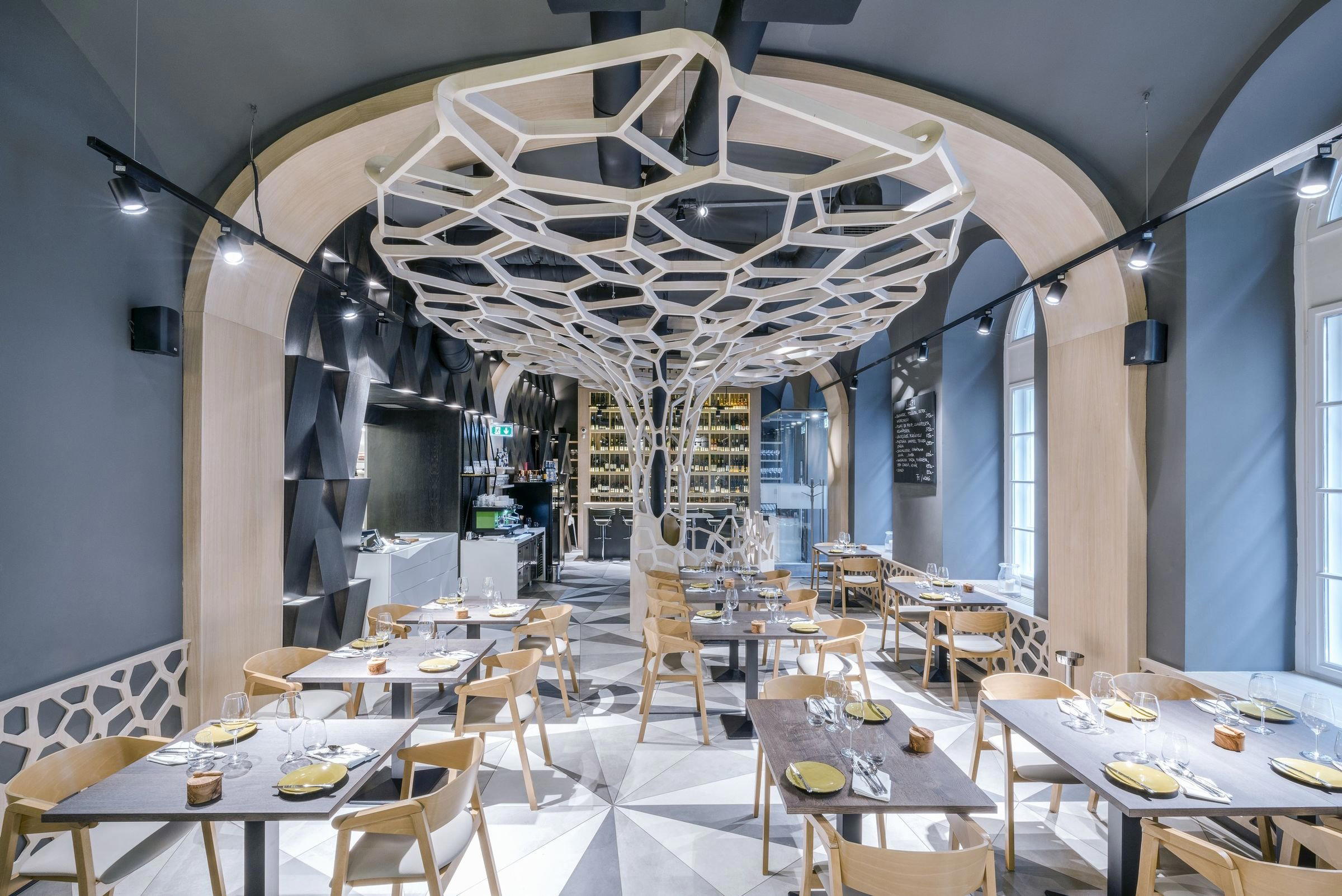
Bars in Budapest
All bars in Budapest →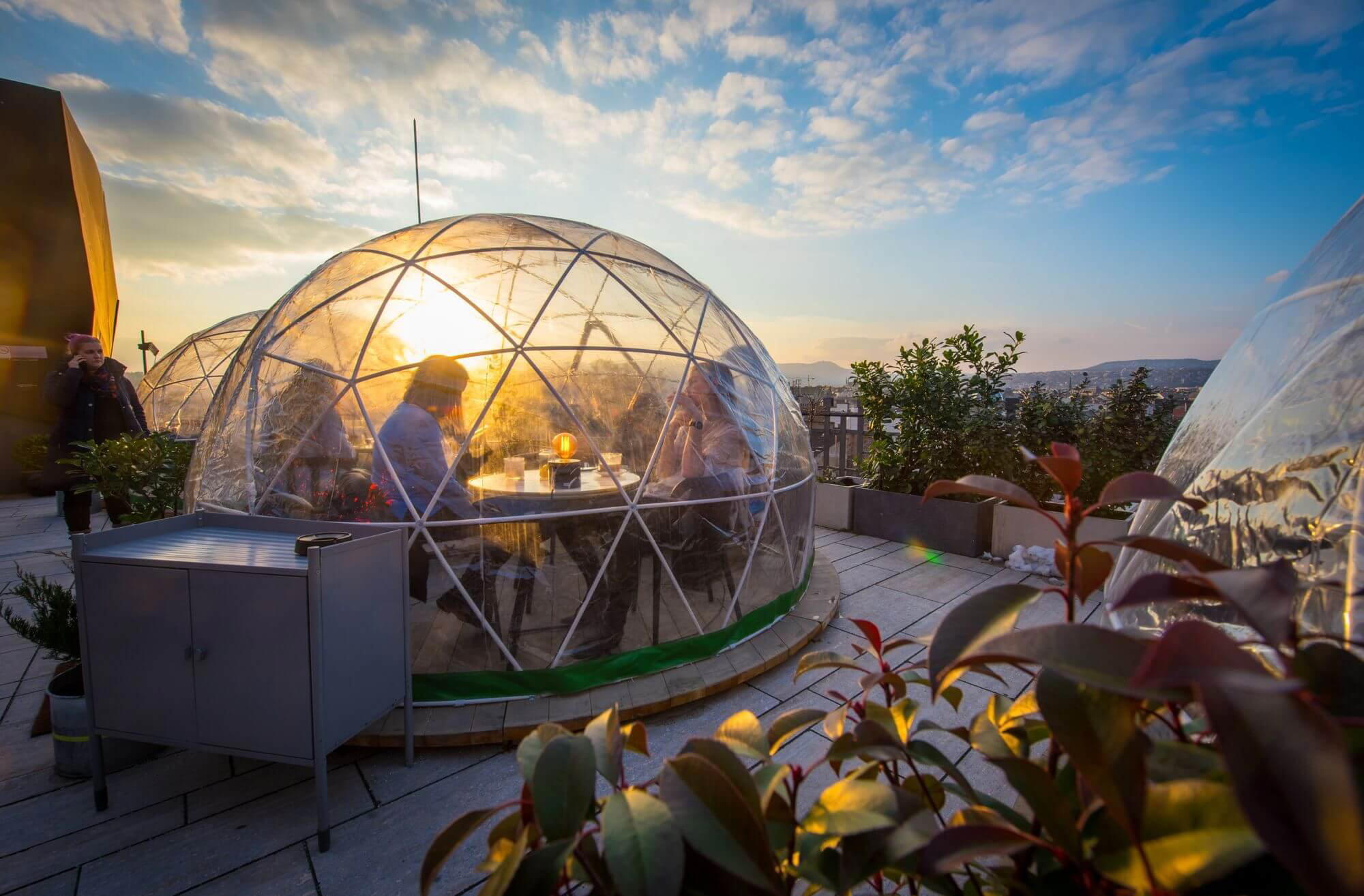
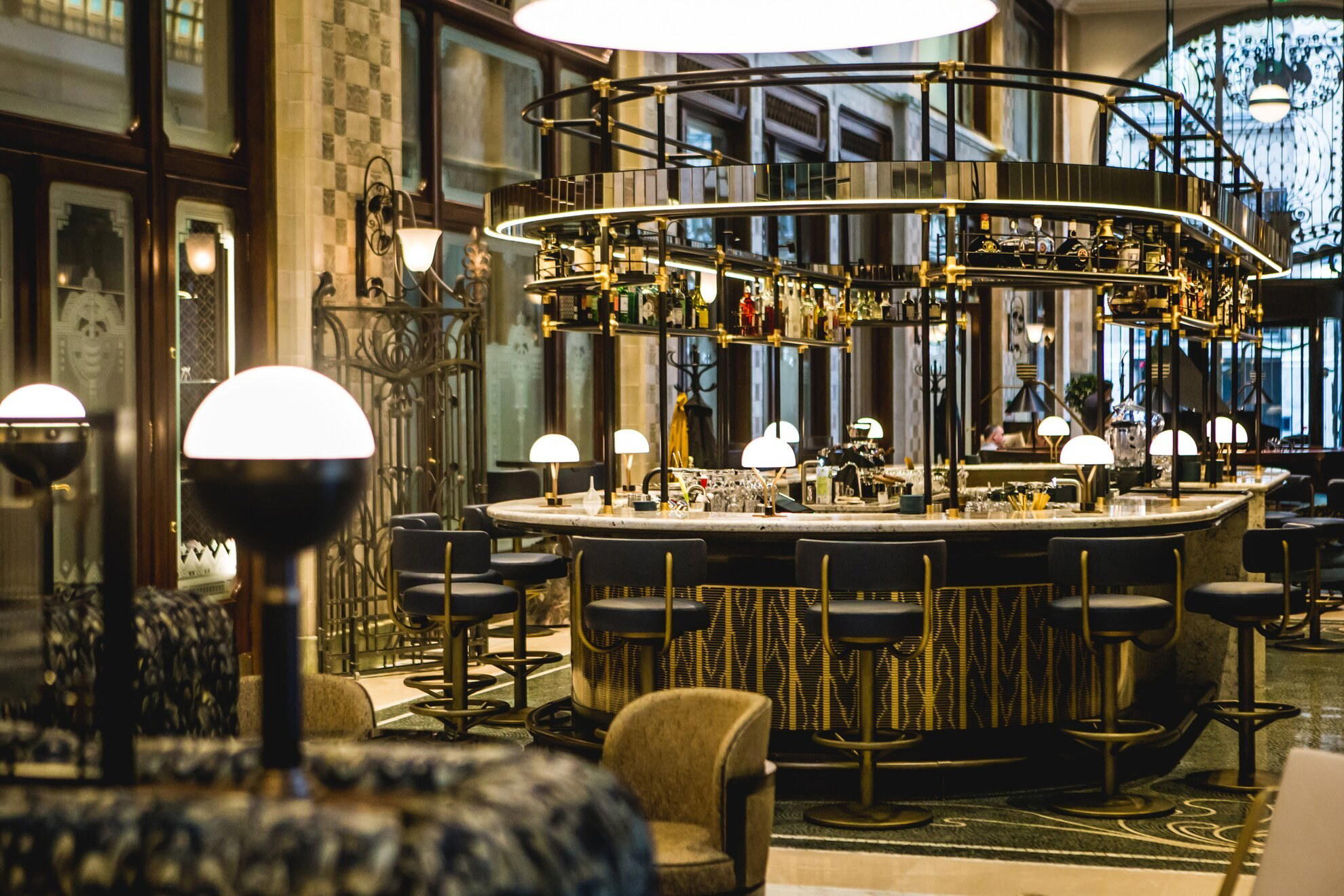
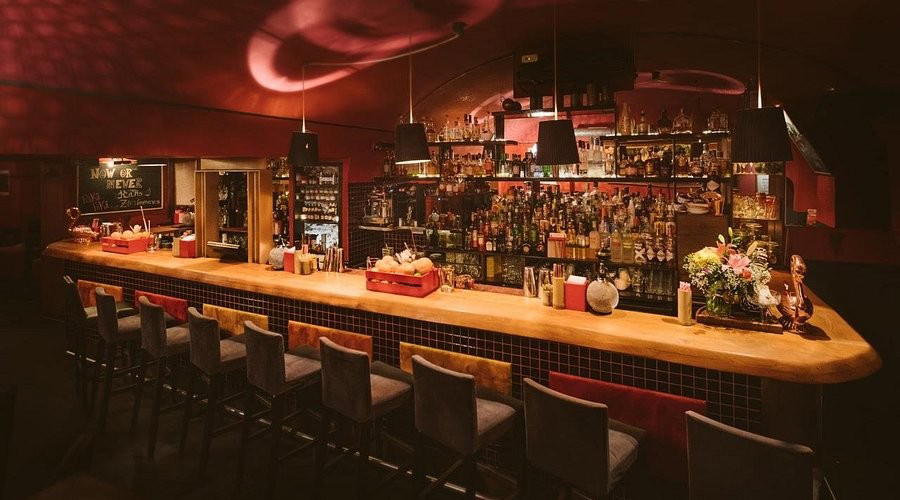

Details
- Modern
- Cozy
- Elegant
- Industrial
- Date Night
- Group Dining
- Casual Hangout
- Open Kitchen
- Local Sourcing
- Small Plates
- A La Carte
- Vegetarian Friendly
- Gluten Free Options
- Vegan Options
Current opening hours
- Monday
- 12–11 PM
- Tuesday
- 12–11 PM
- Wednesday
- 12–11 PM
- Thursday
- 12–11 PM
- Friday
- 12–11 PM
- Saturday
- 12–11 PM
- Sunday
- 12–11 PM
Hours can change for holidays and private events. Hours as of .
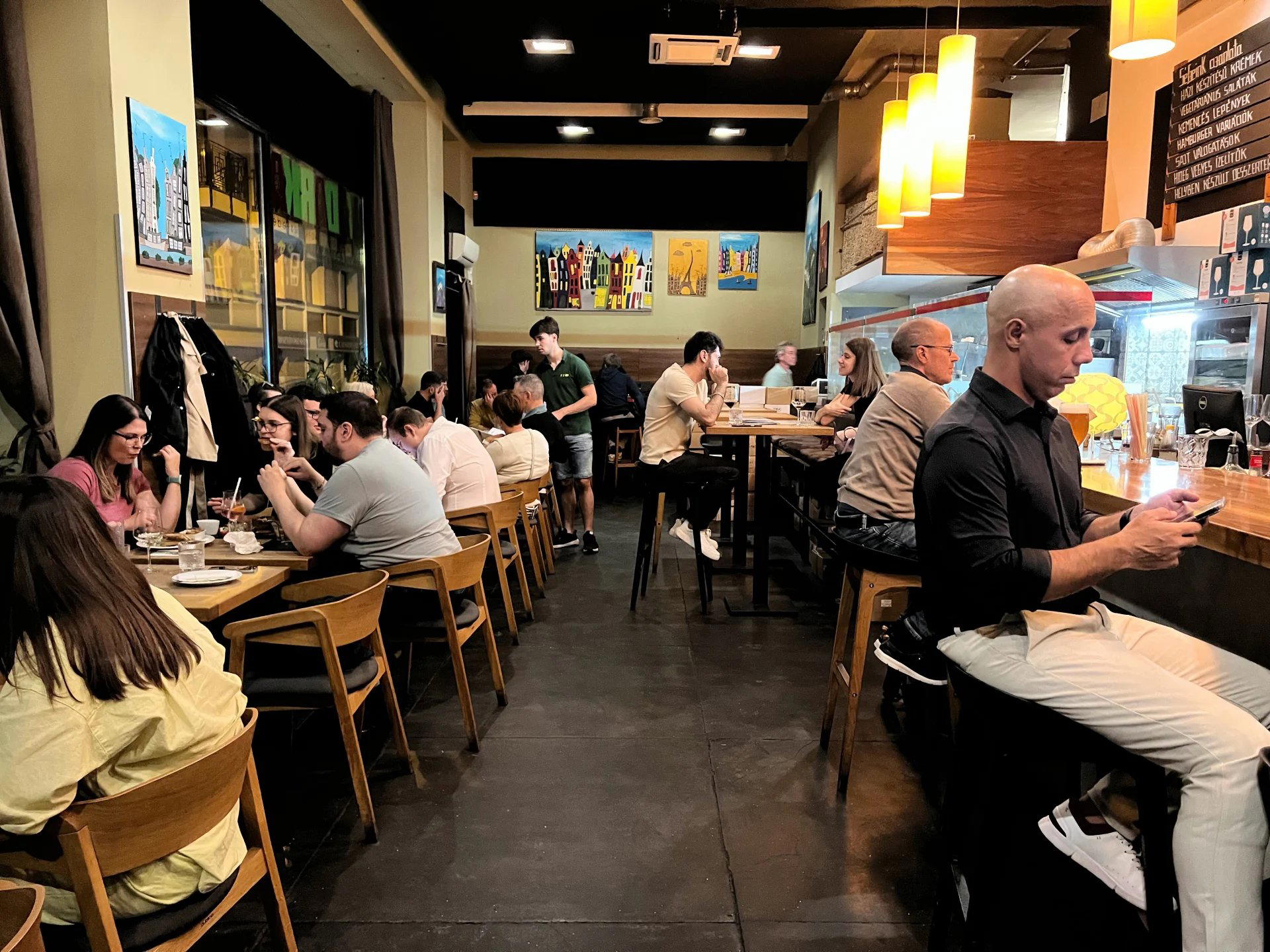
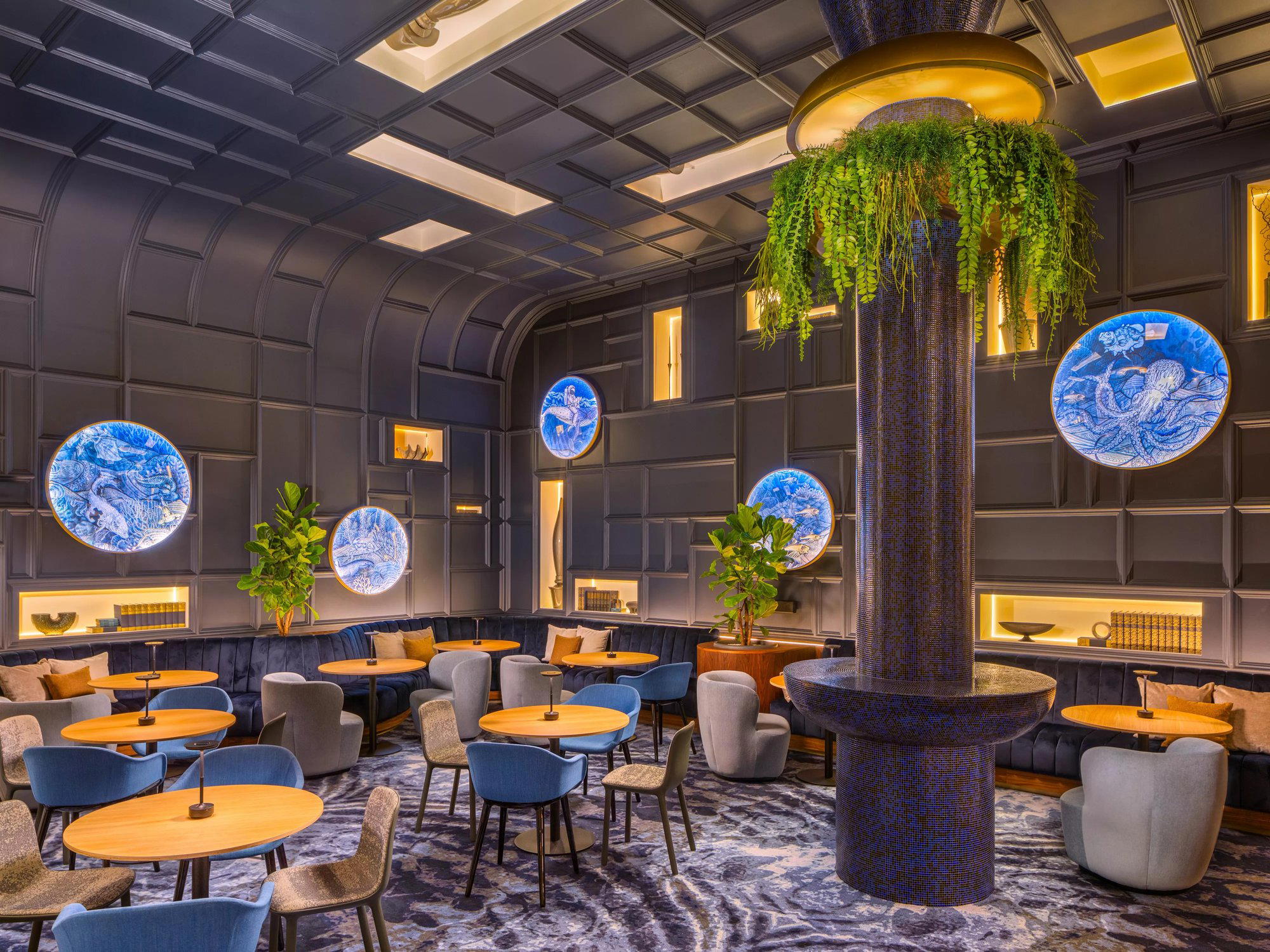
Modern industrial interior with stylish, cozy decor and romantic touches, creating a welcoming Mediterranean atmosphere.