Maydan



At Maydan on Florida Avenue NW, a wood-fired hearth running at near-wildfire intensity anchors a Middle Eastern menu built around bread, spreads, and fire-cooked meats. The prix-fixe format moves through flatbreads with muhamarra and hummus to tahini-coconut rice pudding with candied cardamom. A Michelin Plate holder since 2024, Maydan sits at the more accessible end of Washington D.C.'s serious dining tier,000 reviews.
Pearl is the En Primeur Club membership app — saves, bookings, and concierge access live there. Same editors, same standards.
- Address
- 1346 Florida Ave NW, Washington, DC 20009
- Phone
- (202) 370-3696
- Website
- maydandc.com
- Directions
- Get directions
 Saves & bookings on Pearl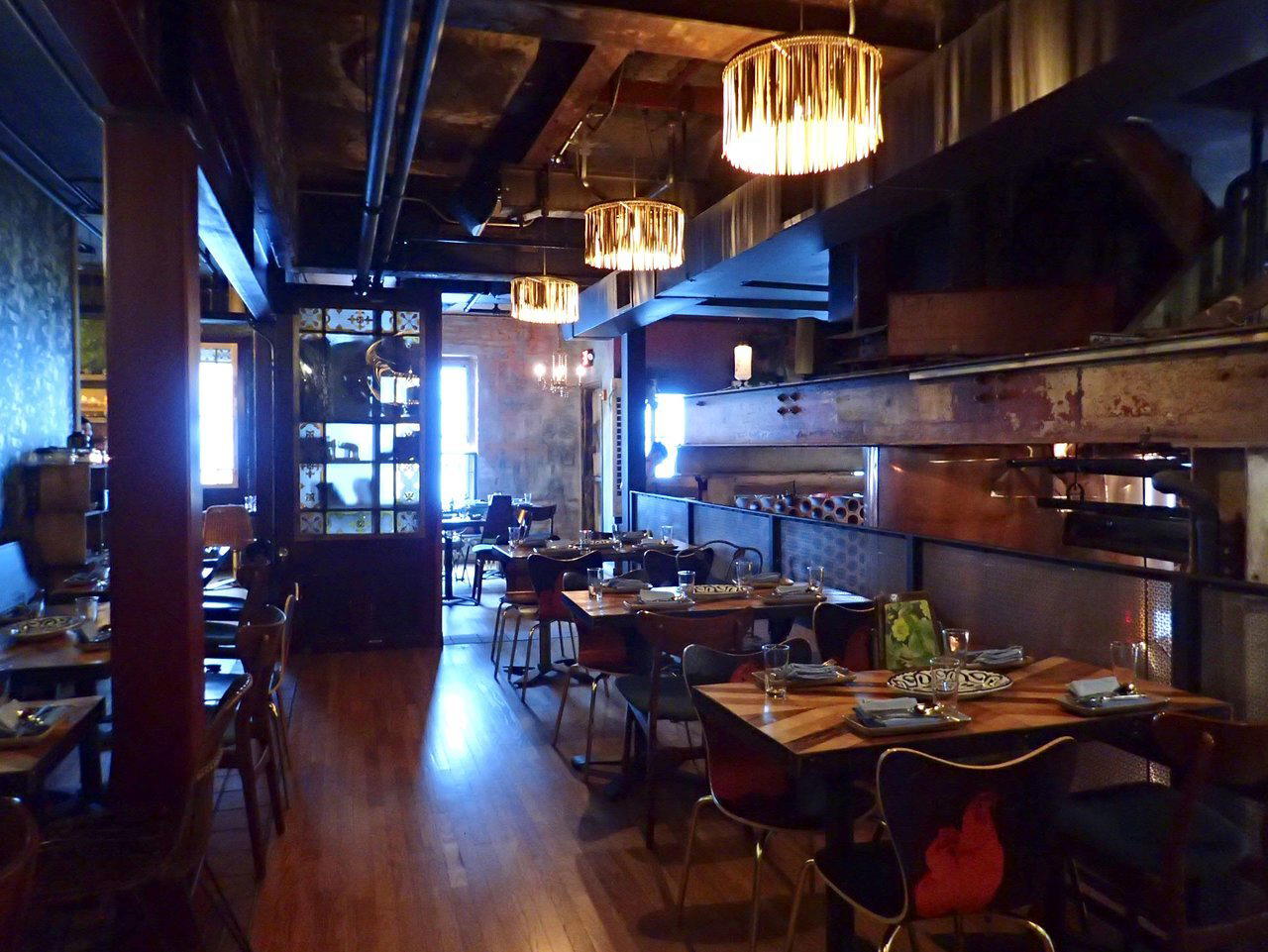
Fire as Method, Not Theater
Walking into Maydan on Florida Avenue NW, the first thing you register is heat. Not the ambient warmth of a full dining room, but the radiating, physical presence of a wood-fired hearth operating at a scale that most kitchens reserve for the grill station alone. The patterned woodwork and lofty ceilings of the space absorb and redirect that energy into something that feels less like a restaurant and more like a gathering around a common fire, which is precisely the register the kitchen works in. In a city where the dominant dining mode runs toward the cerebral, Maydan's commitment to elemental cooking over live fire represents a considered counter-position.
That fire-first approach carries its own sustainability logic. Wood-burning hearth cooking, when managed with precision, concentrates cooking functions into a single heat source rather than distributing energy across multiple gas burners, induction stations, and separate roasting ovens. The technique demands that the kitchen work with the fire's rhythms rather than override them, which tends to produce kitchens that are more attentive to timing, yield, and the full use of what they cook. The results at Maydan bear that out: the menu's architecture, moving from breads and spreads through vegetables and meats to a single focused dessert, leaves little room for waste and rewards disciplined sourcing over volume.
Where Maydan Sits in Washington's Middle Eastern Dining Scene
Washington D.C. has a more developed Middle Eastern dining culture than its reputation as a power-lunch city might suggest, shaped in part by the region's significant Lebanese, Yemeni, and Iranian communities. Within that context, the restaurant market has split between neighborhood spots operating on direct family-recipe traditions and a smaller tier of places attempting to bring the same level of culinary ambition to the cuisine that French or Japanese cooking regularly receives in the capital. Maydan occupies that second tier, sitting alongside Albi, the other significant flag-bearer for serious Middle Eastern cooking in D.C. though the two differ meaningfully in price point and format. Albi operates at the $$$$ tier; Maydan holds the $$$ position, making it slightly more accessible.
That price differential matters in context. At the $$$ level, Maydan competes not just within its cuisine category but across D.C.'s broader mid-to-upper dining tier, which includes places like Oyster Oyster, the sustainability-focused New American room that also holds the $$$ bracket. The comparison is useful: both restaurants demonstrate that serious culinary intent in Washington doesn't require the highest price point, and both use their format to make an argument about how ingredients should be treated. At Maydan, that argument is made through fire and fermentation; at Oyster Oyster, through hyper-local sourcing and vegetable-led plates.
The Menu's Structure and What It Signals
The prix-fixe format at Maydan moves through three distinct registers: bread and spreads, then vegetables and meats, then a dessert close. That architecture is not decorative. It maps directly onto the logic of mezze culture, where the table builds incrementally rather than pivoting to a single centerpiece. The flatbreads served with muhamarra, hummus, and smoked mutabal function as a course in themselves rather than a prelude, which means the kitchen's sourcing decisions for those spreads carry as much weight as the protein courses that follow.
Muhamarra, the Levantine red pepper and walnut paste, relies on the quality of its base ingredients in a way that leaves nowhere to hide. Smoked mutabal, the smoky eggplant variation on baba ghanoush, connects directly to the hearth cooking that defines the kitchen's method: the eggplant absorbs char from the fire rather than from added liquid smoke, which produces a cleaner, more integrated flavor. The tahini-coconut rice pudding with candied cardamom that closes the meal signals a kitchen attentive to the full geography of Middle Eastern culinary tradition, drawing on both Levantine and Gulf influences rather than collapsing everything into a single regional template. À la carte dining is available for guests who prefer to set their own pace, though the prix-fixe route is the more popular choice.
Chef Marcel Afram leads the kitchen. The cooking operates in a tradition that treats live fire not as a finishing technique but as the primary medium, a distinction that separates Maydan's method from the majority of wood-grill restaurants in the United States, where fire tends to be applied at the end of a longer prep chain rather than integrated from the start.
The Fire's Environmental Dimension
The sustainability angle at Maydan is structural rather than declarative. What the kitchen's format does, however, is consolidate energy consumption in a way that gas-heavy kitchen setups typically don't, and build a menu whose tight, graduated structure reduces the incentive for over-ordering and over-production. The single-source heat model and the ingredient-led spread format both point toward the same outcome: less waste per cover than a more sprawling à la carte operation would generate.
This approach places Maydan in a broader conversation happening across American fine dining about whether sustainability needs to be a stated program or whether it can be embedded in cooking methodology. Restaurants like Single Thread Farm in Healdsburg have made farm-to-table integration explicit and visible; Maydan makes it implicit through technique. For guests comparing across the D.C. scene, Oyster Oyster offers the more overtly sustainability-signposted experience, while Maydan's environmental logic lives inside the cooking itself.
Context Across the Wider Scene
Washington D.C.'s serious dining tier has expanded considerably in the past decade, with Michelin arriving in 2016 and reshaping the competitive reference points for the city's kitchens. Places like Jônt and Causa represent the upper reaches of that evolution, operating at price points and formality levels that place them in direct conversation with rooms like Alinea in Chicago or Le Bernardin in New York City. Maydan operates at a different register, more accessible in price but no less serious in culinary ambition, and its Michelin Plate recognition across two consecutive years confirms that the guide's inspectors read the kitchen's work as consistent and deliberate rather than intermittently impressive.
That breadth of appeal, combined with the Opinionated About Dining casual North America ranking at #725 in 2024, positions Maydan as a restaurant that functions well both as an entry point to serious Middle Eastern cooking and as a reference point for guests already familiar with the cuisine's range. For international context, Bait Maryam in Dubai and Baron in Doha represent the Gulf-anchored counterpart to Maydan's Levantine-leaning diaspora cooking.
Planning Your Visit
Maydan operates seven days a week, with dinner service running from 5 to 11 pm each evening. The restaurant is located at 1346 Florida Ave NW in the Shaw neighborhood, accessible from multiple Metro lines. The prix-fixe format is the more popular booking choice, and reservations are advisable given the volume of interest the room generates. The $$$ price point places it comfortably below the city's tasting-menu tier while still requiring some forward planning, particularly for weekend sittings. Guests looking for a companion dinner in the neighborhood might also consider Yellow, which operates in a different register but at a comparable level of seriousness.
Awards and Standing
Comparable venues nearby, for context on price, style, and recognition.
| Venue | Cuisine | Price | Awards | Notes |
|---|---|---|---|---|
| MaydanThis venue — the venue you are viewing | Modern Middle Eastern Fire Cooking | $$$ | Michelin Plate | Not listed |
| La’ Shukran | Levantine French Fusion Bistro | $$$ | Michelin Plate | Capital City Market |
| Ivy City Smokehouse | Smoked Seafood & BBQ | $$$ | Bib Gourmand | Ivy City |
| Lutèce | Modern French Bistro | $$$ | Michelin Plate | West Village Georgetown |
| Your Only Friend | Creative American sandwich bar & cocktails | $$ | Bib Gourmand | Shaw |
| Blue Duck Tavern | Contemporary American Farm-to-Table | $$$$ | Michelin Plate | West End |
Recognition history
Dated appearances from independent guides and award organizations, with the underlying list record or original source where available.
Michelin Plate
Michelin
Washingtonian 100 Very Best Restaurants #17
Washingtonian
Michelin Plate
Michelin
Michelin Plate
Michelin
Opinionated About Dining Casual in North America Ranked #725
Opinionated About Dining
Continue exploring
More in Washington DC
Restaurants in Washington DC
Browse all →
Bars in Washington DC
Browse all →
Hotels in Washington DC
Browse all →
At a Glance
- Lively
- Rustic
- Trendy
- Energetic
- Date Night
- Special Occasion
- Group Dining
- Open Kitchen
- Craft Cocktails
- Extensive Wine List
Current opening hours
- Monday
- 5–11 PM
- Tuesday
- 5–11 PM
- Wednesday
- 5–11 PM
- Thursday
- 5–11 PM
- Friday
- 5–11 PM
- Saturday
- 5–11 PM
- Sunday
- 5–11 PM
Hours can change for holidays and private events. Last verified .
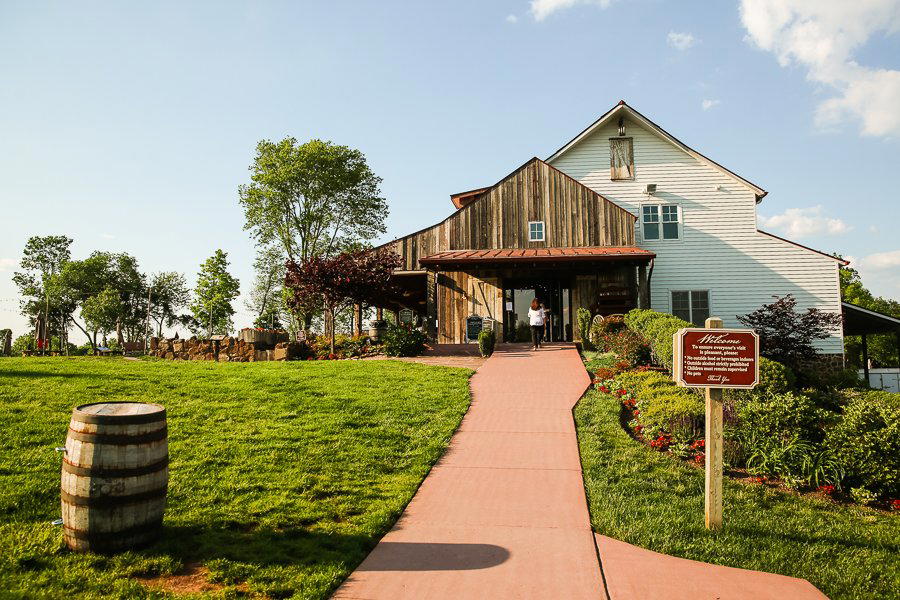
Dimly lit with a busy, transportive Middle Eastern atmosphere centered around a roaring central fire grill.