BOCADO
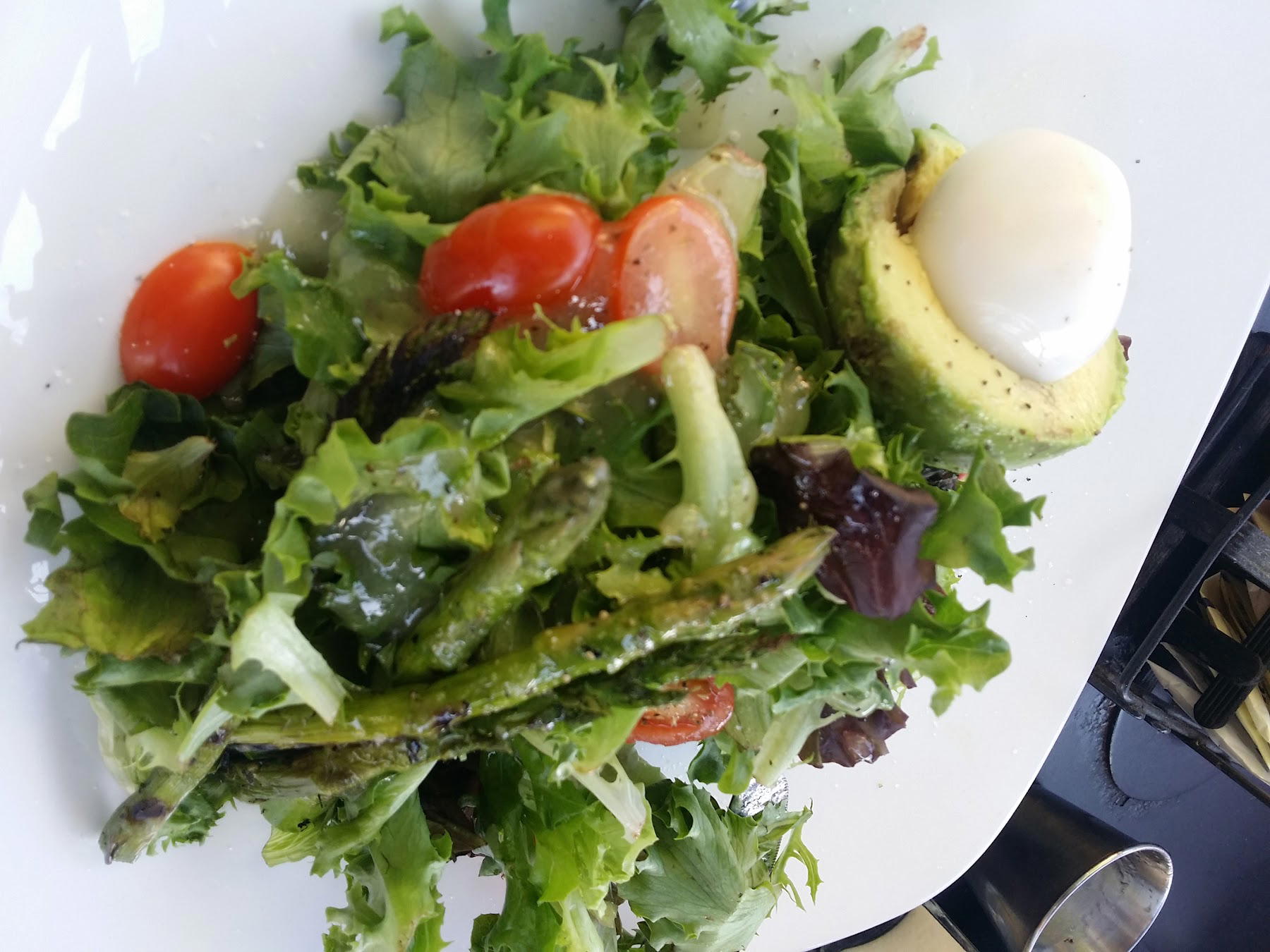
BOCADO serves Modern Mexican Tapas in Dallas with craft cocktails, an extensive wine list, and dishes like Hamachi Pink Panther and Fuego Esquite for dinner or late night.
Pearl is the En Primeur Club membership app — saves, bookings, and concierge access live there. Same editors, same standards.
- Address
- 3300 Ross Ave, Dallas, TX 75204
- Phone
- +14696770077
- Website
- bocadodallas.com
- Directions
- Get directions
 Saves & bookings on Pearl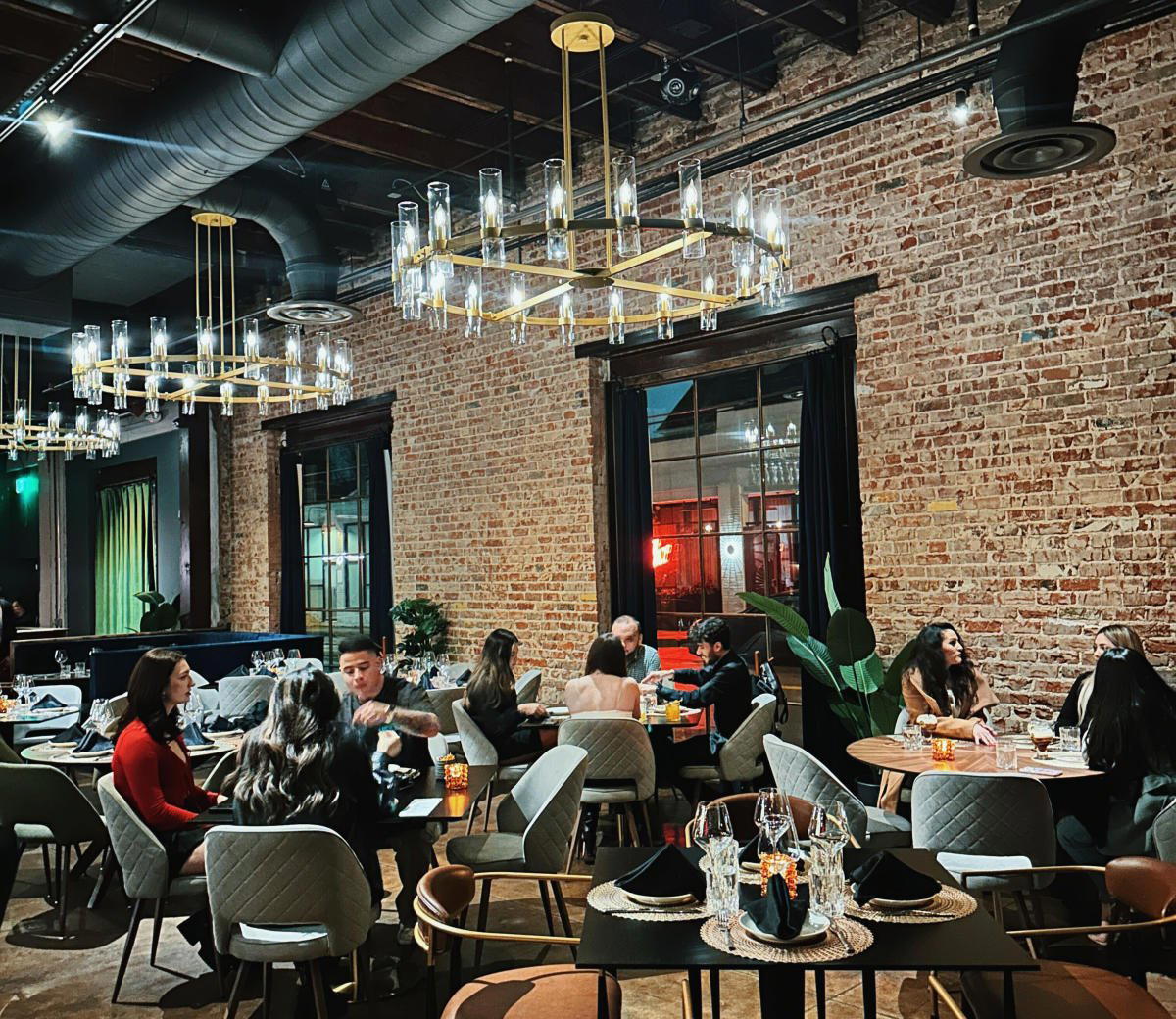
Ross Avenue and the Question of What Dallas Dining Is Becoming
The stretch of Ross Avenue running through Dallas's Cityplace neighborhood occupies an interesting position in the city's dining geography: close enough to Uptown's density to draw that crowd, far enough to develop its own character. BOCADO sits at 3300 Ross Ave, in a corridor that has seen independent operators plant flags alongside the usual retail anchors. In a city where the dining conversation frequently defaults to steakhouses and barbecue joints, restaurants like BOCADO point toward a different axis of ambition.
Dallas has been consolidating a more serious independent dining identity over the past decade, and the neighborhoods east of downtown have been part of that shift. The competitive set here includes operators who have chosen location partly for the lower cost-per-square-foot relative to the Park Cities or Knox-Henderson, and partly because the audience has followed. Understanding where BOCADO fits requires understanding that context first.
What the Cuisine Signals
Spanish and Latin American dining in the United States occupies a complicated critical space. On one end sits the Tex-Mex category, which in Dallas is practically its own civic institution, with deep roots and genuine regional variation. On the other end, you have restaurants attempting to represent Iberian or specific Latin American culinary traditions with the same seriousness that French or Japanese cuisine has historically commanded in fine dining. The middle ground is contested territory, and that is where independent Dallas operators with serious culinary intent increasingly work.
The word "bocado" is Spanish for a small bite, a mouthful, a morsel taken with intention. That etymology is worth holding onto as a frame. In Spanish culinary culture, the bocado idea connects to a broader tradition of eating in passes, in small plates, in dishes designed for sharing and tasting rather than for volumetric satisfaction. It is the logic behind pintxos in the Basque Country, behind tapas bars in Andalusia, and behind the kind of counter or bar dining that became a serious format across European cities long before it arrived with force in American restaurant culture.
That tradition has found increasingly serious expression in American cities over the past fifteen years. Restaurants like Atomix in New York City have demonstrated how small-format, intentional dining built around a specific cultural framework can achieve the highest levels of critical recognition. At the other end of the geographic spectrum, the farm-to-table precision of Blue Hill at Stone Barns in Tarrytown shows how a specific philosophy of sourcing and preparation can anchor a restaurant's entire identity. Neither model is defined by volume or spectacle. Both are defined by intentionality.
Dallas's Independent Restaurant Tier
Within Dallas, the restaurant market has historically been dominated by either national chains, large-format steakhouses, or a small number of high-profile chef-driven rooms at the top of the price range. What has been less prominent, relative to cities like Chicago or San Francisco, is a dense middle tier of independent operators working with serious culinary intent at accessible price points.
That gap has been narrowing. The Ross Avenue and Cityplace area is one of the zones where independent operators have been testing that thesis. For context, Dallas diners weighing their options in this part of the city might also consider Mamani, which operates in a different register, or 3Eleven Kitchen and Cocktails, which anchors its identity around the bar program as much as the kitchen. These venues collectively suggest a neighborhood developing genuine dining density rather than isolated outposts.
At higher price points and with more established track records, the Dallas comparison set includes Tatsu Dallas, which operates in the Japanese fine dining category at the top of the market, and Tei-An, the Izakaya and Japanese format that has held a consistent critical position in the city for years. Both represent what sustained commitment to a specific culinary tradition can produce in Dallas. The question for any newer entrant is whether it can build that kind of category clarity over time.
At the other end of the formality spectrum, Pecan Lodge has established that Dallas diners will seek out and queue for technically precise cooking in an informal setting when the product justifies it. That fact matters: it confirms the city's appetite for quality independent of format or price tier.
Placing BOCADO in the National Frame
For readers whose dining reference points extend beyond Texas, it is useful to understand where serious American restaurants operating in the Spanish or Latin-inflected space tend to sit in the national conversation. Le Bernardin in New York City and The French Laundry in Napa represent the apex of European-influenced American fine dining, defined by decades of sustained execution and institutional recognition. Lazy Bear in San Francisco and Smyth in Chicago represent a more contemporary model: technically serious, format-aware, and less reliant on classical European framing.
Regional serious dining has its own reference points too. Emeril's in New Orleans built a career on making Southern American ingredients the subject of serious culinary treatment. Providence in Los Angeles has done the same with Pacific seafood. Addison in San Diego operates at the intersection of California produce and French technical discipline. Single Thread Farm in Healdsburg and The Inn at Little Washington in Washington each represent distinct takes on what American fine dining can mean when it draws from a specific geography and tradition.
Against that national field, a Dallas restaurant working seriously in the Spanish bocado tradition is attempting to hold a position that remains relatively open in the Texas market. That openness is both the opportunity and the challenge. For international reference, the precision and restraint of Atelier Moessmer Norbert Niederkofler in Brunico shows what deep commitment to a single culinary philosophy can achieve at the highest level. Dallas has its own version of that ambition developing, at different price points and with different cultural materials.
For readers also exploring the broader Dallas restaurant scene, both 12 Cuts Brazilian Steakhouse and 360 Brunch House offer useful contrasts in format and ambition. The full picture of what Dallas dining looks like in 2024 is covered in our full Dallas restaurants guide.
Know Before You Go
Address: 3300 Ross Ave, Dallas, TX 75204
Neighborhood: Cityplace / Ross Avenue corridor, Dallas
Hours: Not confirmed; confirm current service hours before visiting
Dress code: Not specified
How BOCADO Dallas compares with similar nearby venues.
| Venue | Cuisine | Price |
|---|---|---|
| Tei-An | Izakaya, Japanese | $$$$ |
At a Glance
- Elegant
- Lively
- Trendy
- Sophisticated
- Date Night
- Business Dinner
- Group Dining
- Casual Hangout
- After Work
- Late Night
- Open Kitchen
- Standalone
- Craft Cocktails
- Extensive Wine List
Current opening hours
- Monday
- Closed
- Tuesday
- Closed
- Wednesday
- 5–10 PM
- Thursday
- 5–10 PM
- Friday
- 5 PM–2 AM
- Saturday
- 11 AM–2 AM
- Sunday
- 11 AM–8 PM
Hours can change for holidays and private events. Last verified .
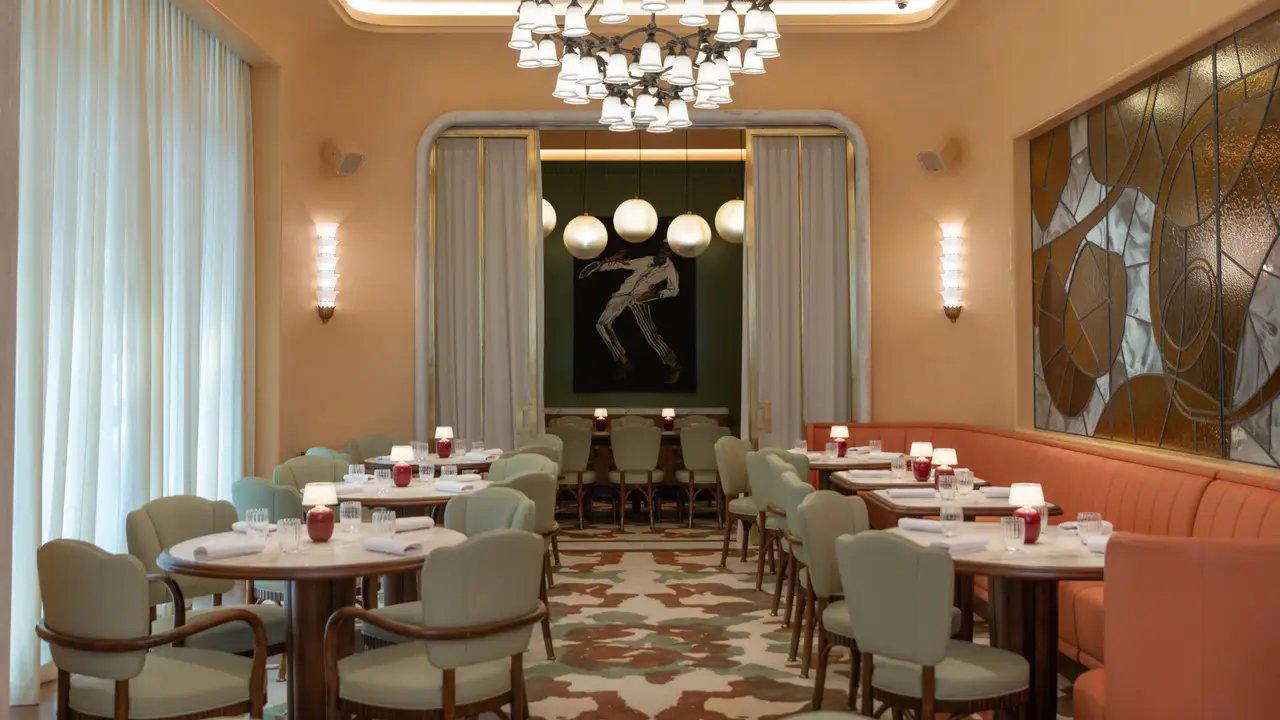
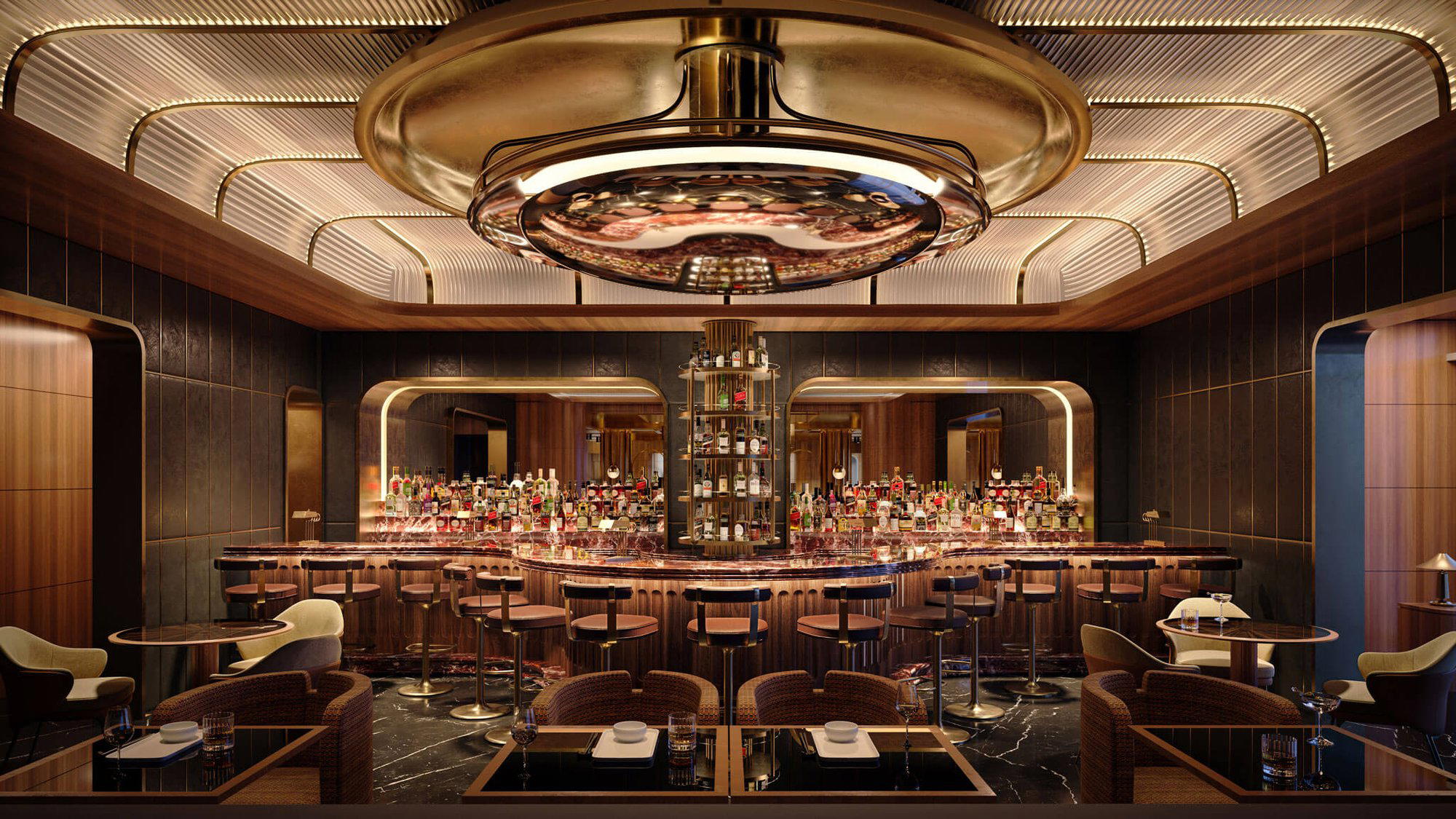
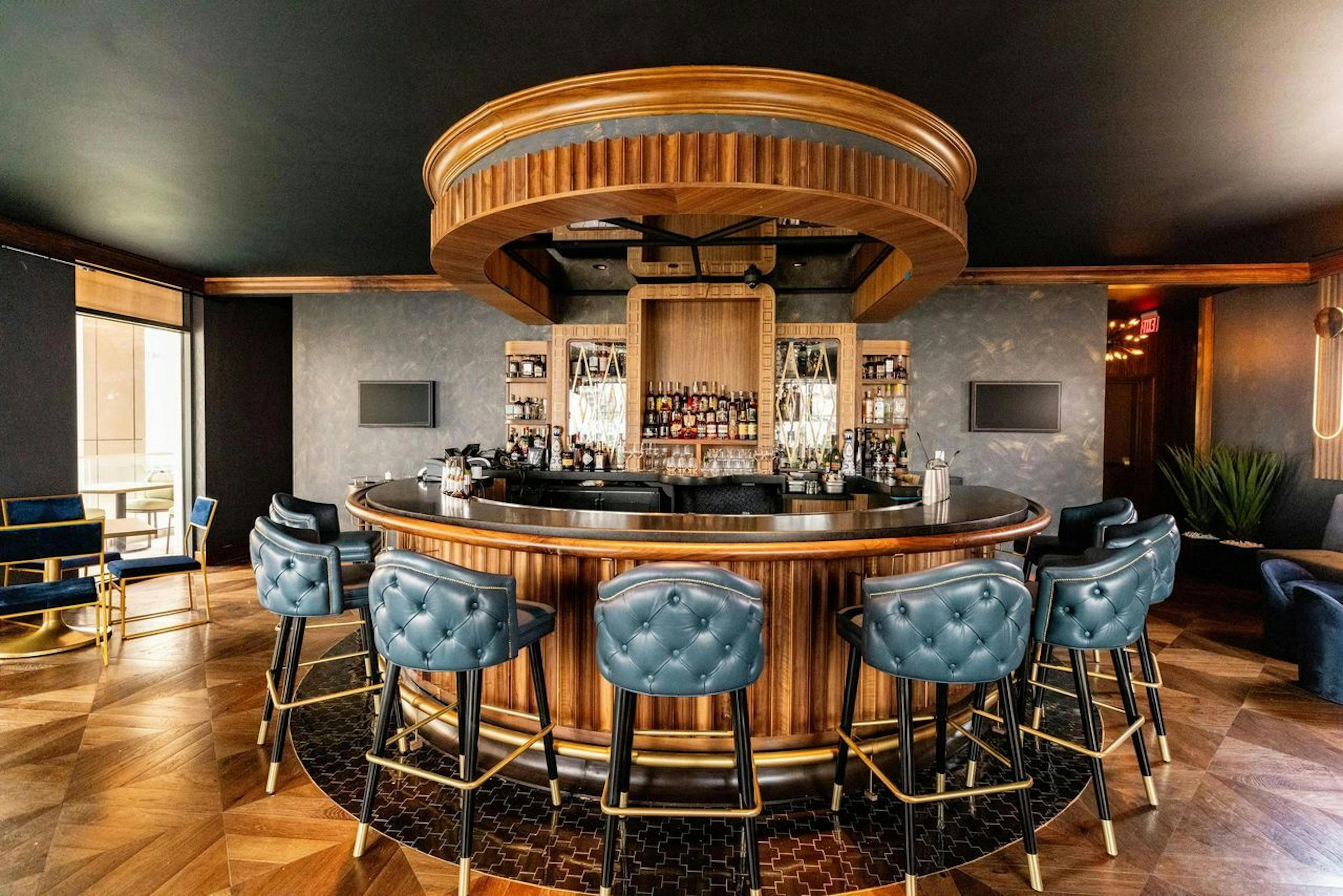
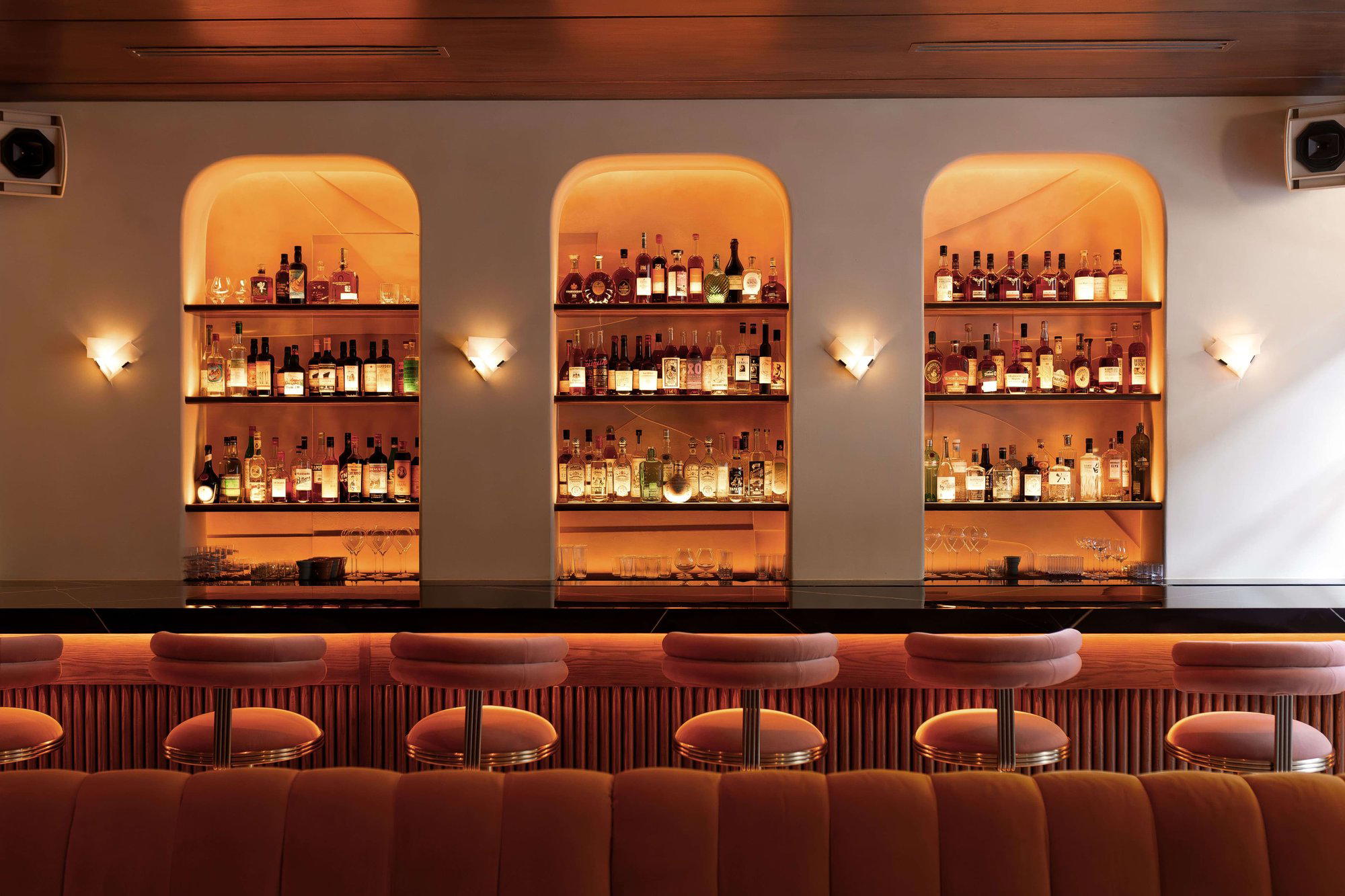
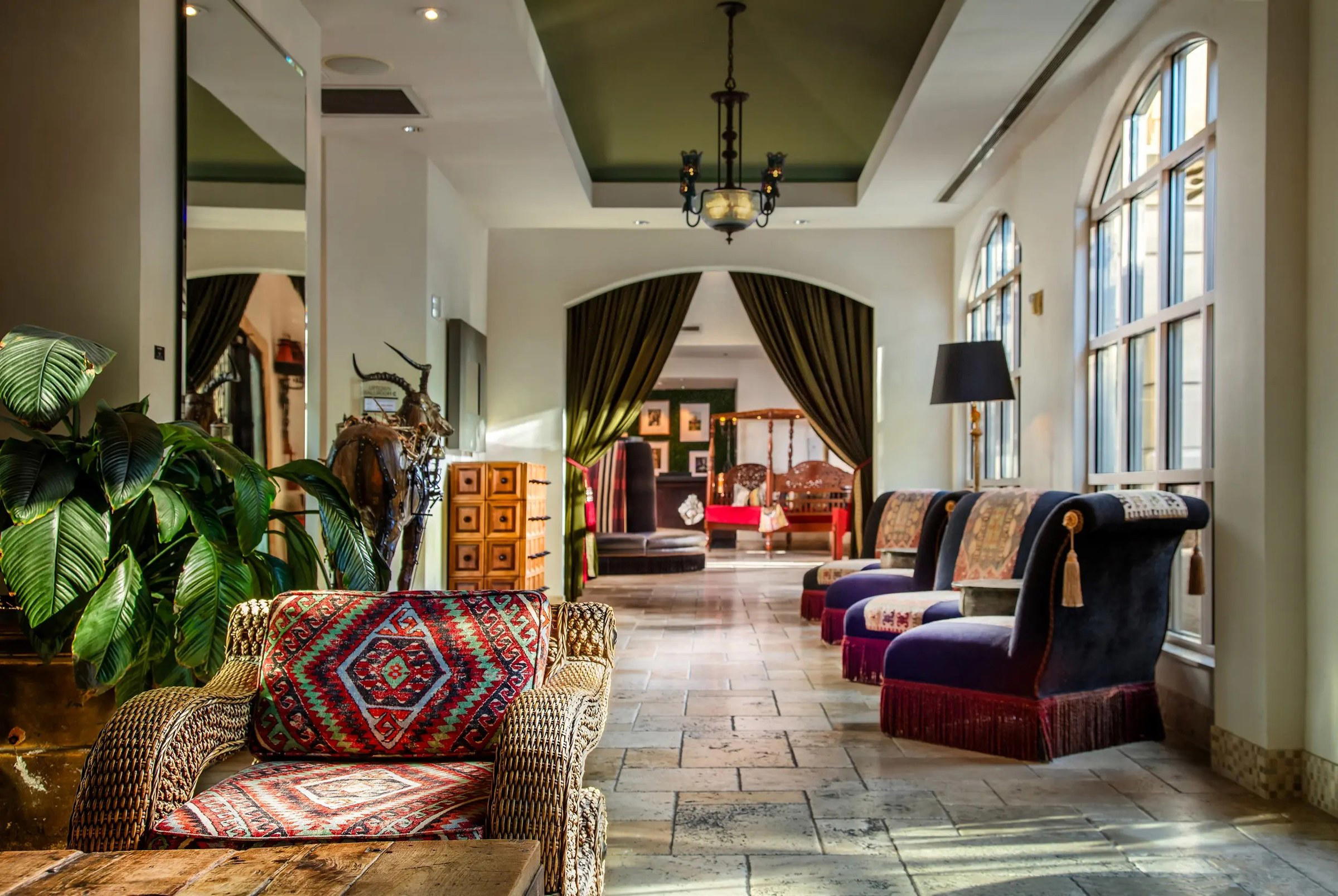
Modern lounge atmosphere with Mexico City-inspired design, featuring a speakeasy vibe that becomes lively late at night with craft cocktails and music.
Know Before You Go
- Getting there
- 3300 Ross Ave, Dallas, TX 75204