Lavendou Bistro Provencal

Lavendou brings French-inflected dining to north Dallas's Preston Road corridor, a pocket of the city where formal European traditions have found a durable foothold among the suburban fine-dining set. The restaurant operates in a price tier and register that positions it alongside the city's more considered sit-down options, distinct from the steakhouse-and-BBQ axis that dominates Dallas's national reputation.
Pearl is the En Primeur Club membership app — saves, bookings, and concierge access live there. Same editors, same standards.
- Address
- 19009 Preston Rd #200, Dallas, TX 75252
- Phone
- +19722481911
- Website
- lavendou.com
- Directions
- Get directions
 Saves & bookings on Pearl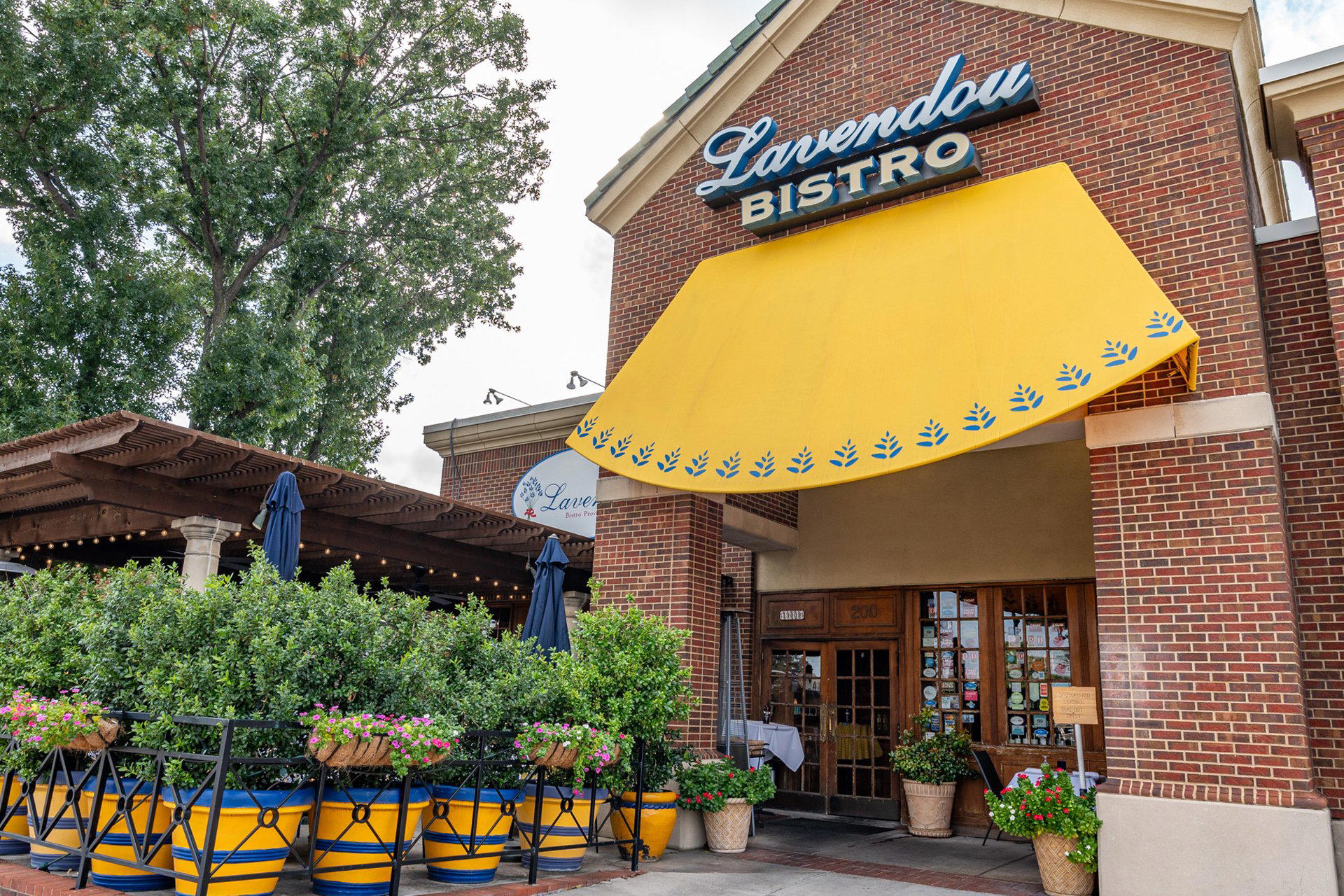
French Tradition on Preston Road
North Dallas's dining corridor along Preston Road has quietly sustained a category of restaurant that the city's louder culinary conversation tends to overlook: the neighborhood fine-dining room with a European backbone. These are not destination restaurants in the press-circuit sense. They do not generate the kind of social media velocity that Uptown's newer openings court, and they rarely appear in the round-up features that treat Dallas as a steakhouse-and-barbecue story. What they offer instead is consistency across years, a regulars-first operating philosophy, and a cuisine tradition that predates the current wave of chef-driven American concepts. Lavendou, at 19009 Preston Road, occupies this position in the north Dallas fabric.
The address places the restaurant in a mid-scale retail strip that is typical of the Preston Road corridor — not the kind of setting that signals ambition from the outside. French restaurants of this type have historically traded on interior warmth rather than exterior drama, and that dynamic holds in the suburban Dallas context. The dining room format, common to this tier of French-American establishment, tends toward warm lighting, cloth-covered tables, and a room that is sized for conversation rather than spectacle. Approaching Lavendou, the expectation is a room where the volume stays low enough to hear the person across the table without effort, which in a Dallas dining scene that skews louder remains a meaningful differentiator.
Where French Cooking Sits in Dallas
To understand what Lavendou represents, it helps to map the broader French-influence tier in Dallas. The city's fine-dining category is dominated at the leading end by American Southwestern concepts — Fearing's at the Ritz-Carlton operates at the prestige tier with a Texan ingredient focus, and by Italian rooms like Lucia, which has sustained critical attention through regional specificity. Japanese dining commands significant premium spend, with Tatsu Dallas operating at the upper end of the Japanese bracket. It is less fashionable than it was two decades ago nationally, and that unfashionability is precisely what gives it staying power in suburban contexts: the clientele it attracts is not chasing trend cycles.
Nationally, the French fine-dining conversation has contracted toward a handful of reference points. Le Bernardin in New York City defines the upper end of classical French seafood technique. The French Laundry in Napa represents the Californian interpretation of French formalism. At the more agriculturally grounded end, Blue Hill at Stone Barns in Tarrytown has redefined what French-rooted technique applied to local sourcing can look like at the fine-dining level. Lavendou operates at a different scale and ambition level from those reference points, but it draws on the same broad tradition: French method as a organizing grammar for the menu.
Sourcing, Sustainability, and the French Kitchen Tradition
The French culinary tradition, whatever its reputation for classical rigidity, has a long-standing relationship with seasonal and regional sourcing that predates the contemporary sustainability conversation. The brigade system and classical sauce-making were built around whole-animal utilization and the cooking-down of stocks and trimmings in ways that modern nose-to-tail movements have simply renamed and publicized. In a contemporary American dining context, that inheritance matters. Restaurants drawing on French technique have a ready framework for low-waste kitchen practice that more recent American comfort formats do not.
Across the broader fine-dining tier, the sourcing conversation has become central to how serious restaurants position themselves. Single Thread Farm in Healdsburg has built its entire identity around the farm-to-table integration made explicit in its name. Lazy Bear in San Francisco operates as a community-table format that reflects an ethos about collective experience as much as ingredient provenance. Addison in San Diego has used Southern California's agricultural depth to drive a French-influenced tasting menu format. At each of these properties, the sourcing story is front-of-house visible, part of how the restaurant communicates its values to guests. A neighborhood French room like Lavendou operates differently: the sourcing logic is embedded in the kitchen's daily purchasing rather than narrated at the table, which is consistent with how most serious French kitchens have always worked.
For the Dallas market specifically, the north Dallas corridor is well-positioned for this kind of operation. The proximity to DFW's regional produce networks, Texas's expanded artisan food production sector, and the growing number of Gulf Coast seafood suppliers with direct-to-restaurant relationships means that a kitchen with French technique and a sourcing-conscious purchasing approach has more local material to work with than it did a decade ago.
The Broader Dallas Dining Context
Dallas rewards visitors who look beyond the obvious categories. The barbecue tier is represented by operators like Cattleack Barbeque, which applies serious craft to the form at a very different price point. The Brazilian steakhouse format has its own foothold, with 12 Cuts Brazilian Steakhouse occupying the theatrical end of the meat-focused spectrum. More casual daytime dining finds its form at operations like 360 Brunch House. And cocktail-driven dining rooms like 3Eleven Kitchen and Cocktails represent the contemporary American hybrid format. Latin-influenced dining adds further range, with Mamani among the options in that register. The French-neighborhood-dining tier that Lavendou represents sits alongside all of these without competing directly with any of them. See our full Dallas restaurants guide for the complete picture across categories.
For context on what serious fine-dining ambition looks like at higher levels of investment, the national comparison set is instructive: Alinea in Chicago operates at the experimental edge of the American fine-dining spectrum, while The Inn at Little Washington in Washington and Atomix in New York City anchor different traditions at the prestige tier. Emeril's in New Orleans shows how French-rooted training translates into a regionally specific American expression. And internationally, 8 1/2 Otto e Mezzo Bombana in Hong Kong demonstrates the global reach of European fine-dining formats. Lavendou does not operate at those levels of recognition or investment, but it occupies a genuinely useful position in its own city and neighborhood.
Planning Your Visit
Lavendou is located at 19009 Preston Road, Suite 200, in north Dallas, a part of the city most easily reached by car. The Preston Road corridor is suburban in character, with parking available in the surrounding retail complex. Booking ahead is advisable for a restaurant of this type, particularly on weekend evenings when the local regular trade fills the room. For current hours, reservation availability, and any menu updates, contacting the restaurant directly or checking current online listings is the most reliable approach, as specific operational details were not confirmed at time of writing.
Recognition history
Dated appearances from independent guides and award organizations, with the underlying list record or original source where available.
Wine Spectator Award of Excellence
Wine Spectator
At a Glance
- Cozy
- Elegant
- Romantic
- Intimate
- Classic
- Date Night
- Special Occasion
- Brunch
- Historic Building
- Extensive Wine List
Current opening hours
- Monday
- Closed
- Tuesday
- 11:30 AM–2 PM, 5–9 PM
- Wednesday
- 11:30 AM–2 PM, 5–9 PM
- Thursday
- 11:30 AM–2 PM, 5–9 PM
- Friday
- 11:30 AM–2 PM, 5–9 PM
- Saturday
- 11:30 AM–2 PM, 5–9 PM
- Sunday
- Closed
Hours can change for holidays and private events. Last verified .
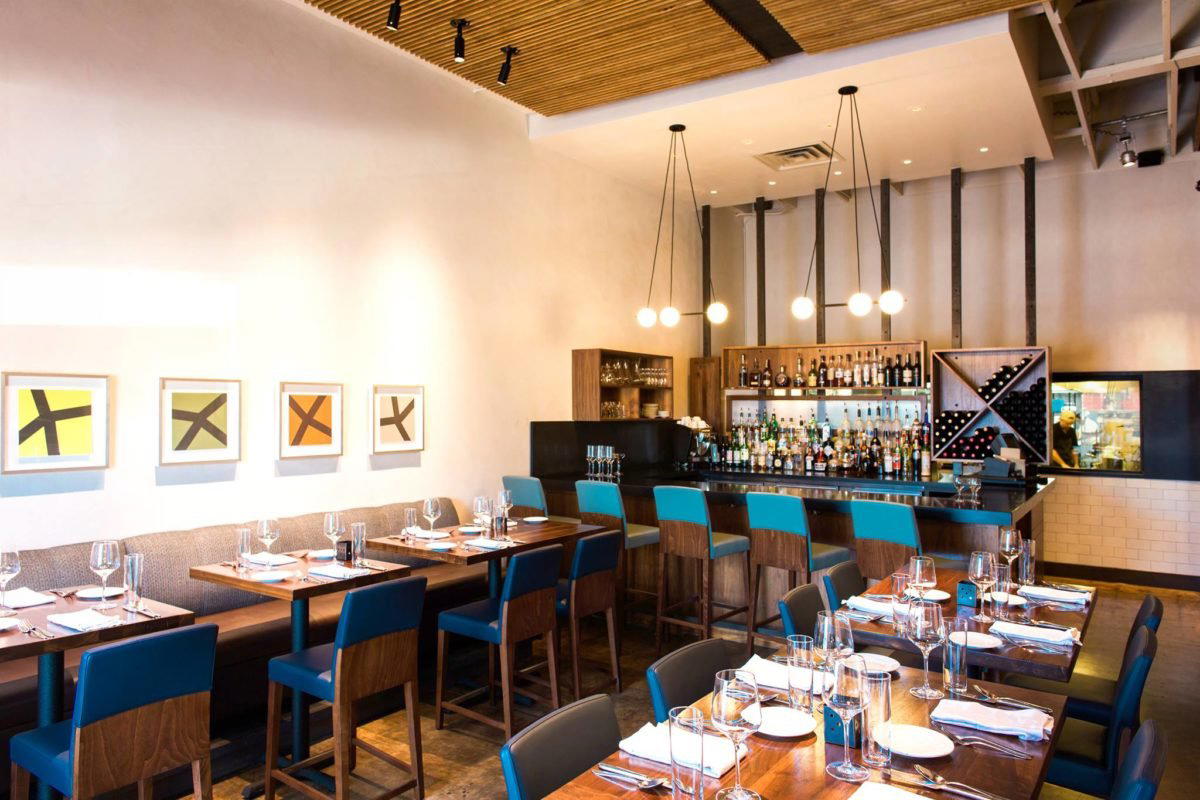
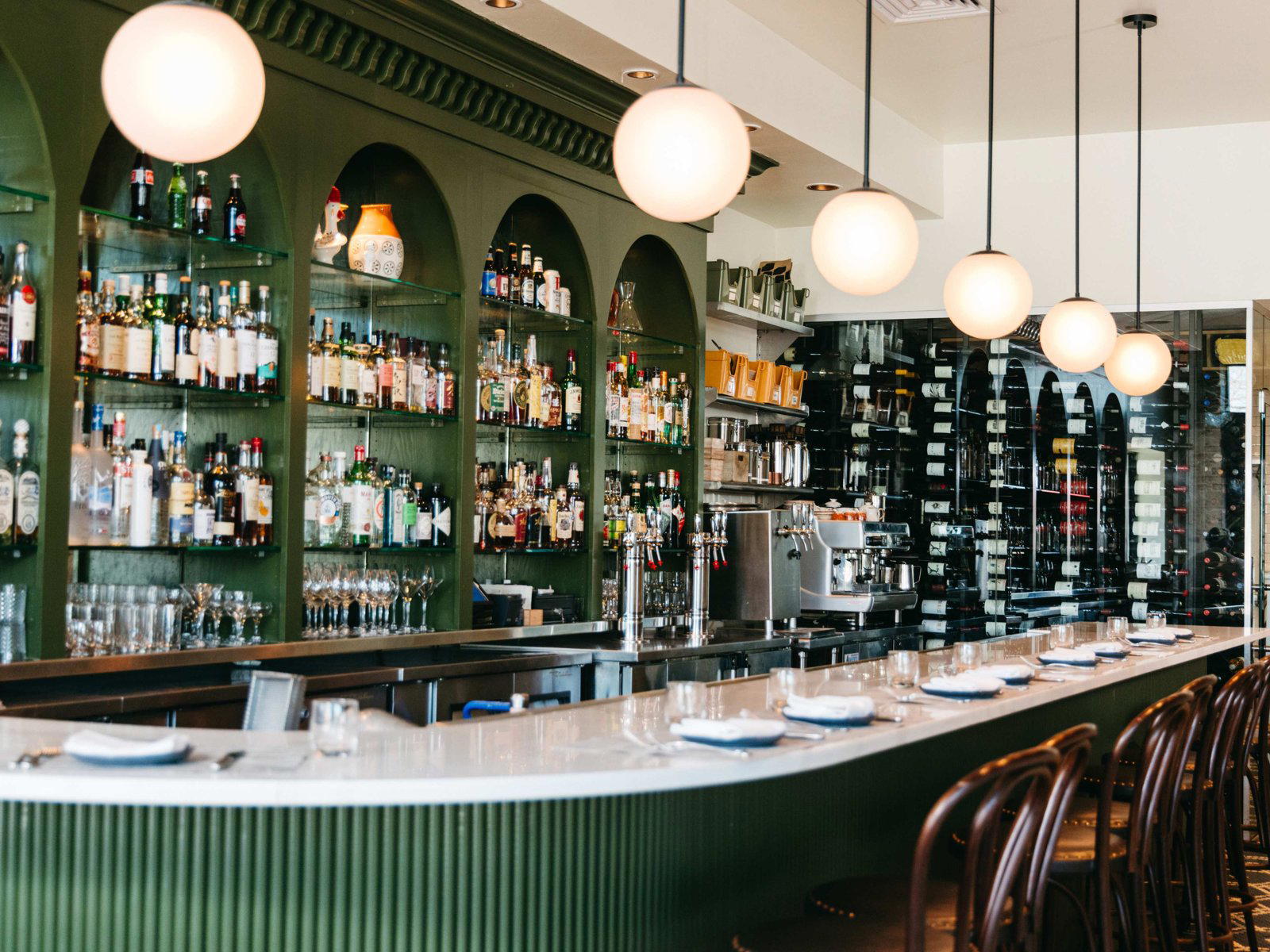
Cozy and inviting with Provence-inspired decor featuring blue and yellow themes, Pierre Deux fabrics, and a relaxed country-style atmosphere.
Know Before You Go
- Getting there
- 19009 Preston Rd #200, Dallas, TX 75252