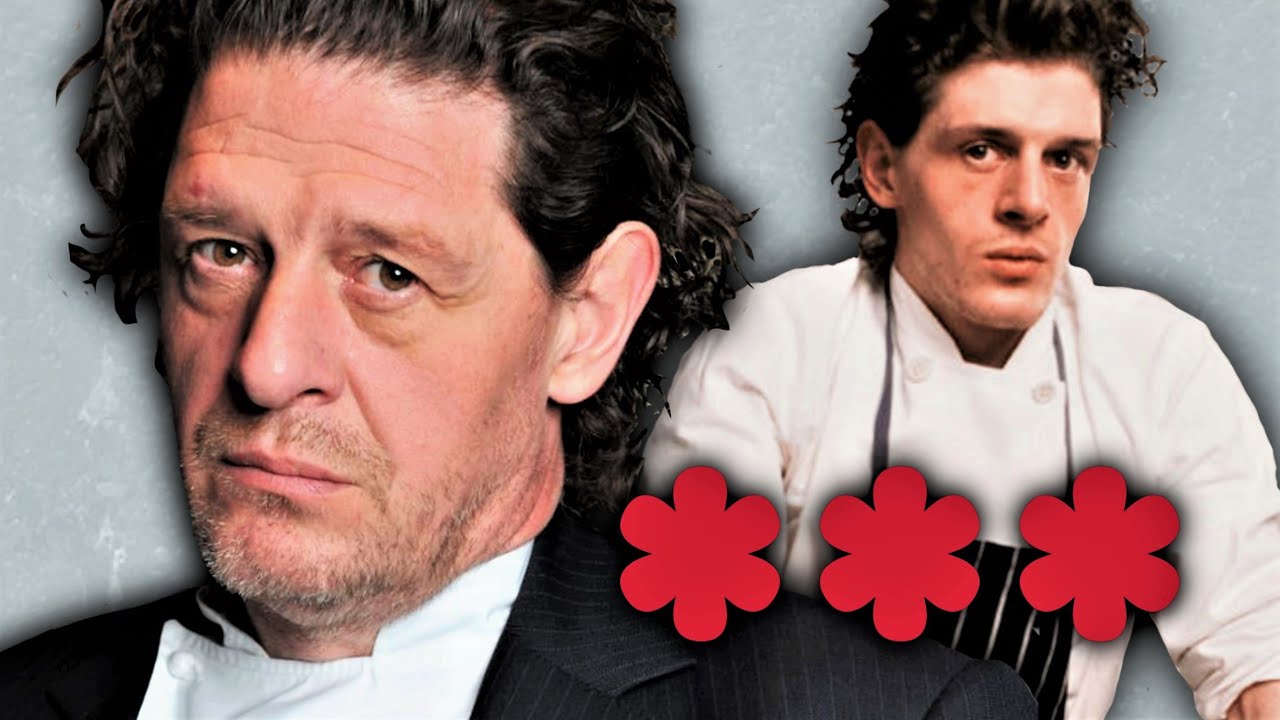
Masa, once a cornerstone of New York City's fine dining scene, has faced a significant shift in its reputation.
After holding three Michelin stars for 15 years, Masa was downgraded to two Michelin stars in November 2025. This change has raised questions about its relevance in a competitive market where diners increasingly prioritize value alongside luxury.
Here’s the core of the issue:
- Pricing Concerns: Masa’s omakase starts at $750 per person, with the counter experience reaching $950. After taxes and fees, the cost often exceeds $1,000 per diner - leading many to question whether the experience justifies the price.
- Increased Competition: New York now offers a growing number of high-quality omakase options at lower price points, challenging Masa's dominance.
- Mixed Reviews: While Masa's precision and use of premium ingredients remain praised, some find the service pace and overall experience lacking for the cost.
Michelin’s vague reasoning for the downgrade has left room for speculation, but the message is clear: consistent excellence is essential to maintain upper-tier status. Masa remains a destination for those seeking high-end Japanese cuisine, but its future depends on how well it aligns with changing diner expectations.
What to Expect at Masa
Dining at Masa is a carefully orchestrated experience that reflects the chef's unwavering focus on precision and flavor. The restaurant is open for lunch and dinner from Tuesday through Saturday, remaining closed on Sundays and Mondays. Reservations can be secured via Tock or email, ensuring your spot for this exclusive menu progression. Guests are encouraged to dress in "casual and comfortable" attire, with a request to avoid wearing strong fragrances to maintain the ambiance.
Menu Options and Prices
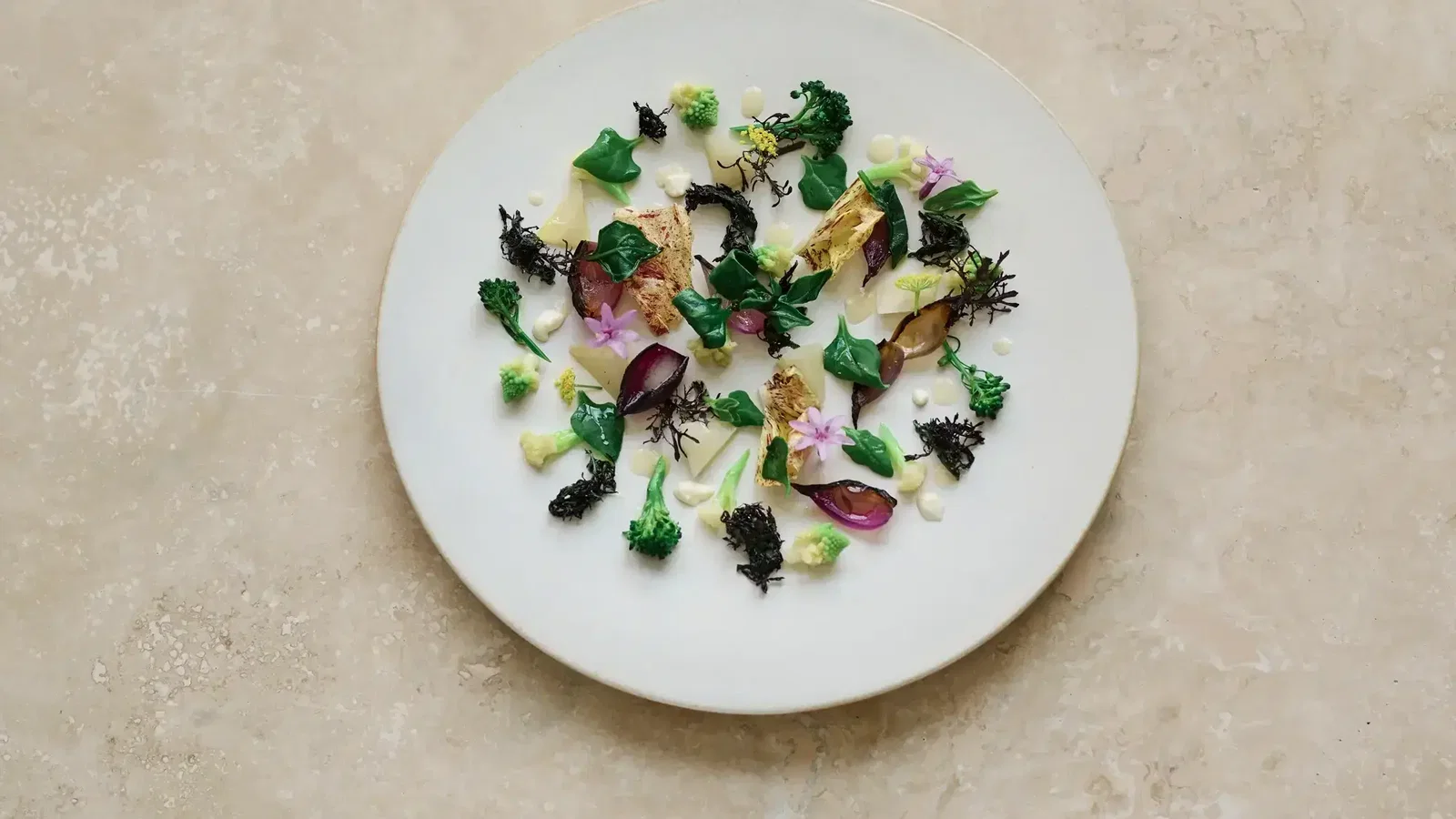
Masa features two distinct omakase options, each highlighting Chef Takayama's culinary expertise. The dinner omakase, priced at $750 per person, offers seating at cozy tables within the dining room. For those seeking a more immersive experience, the Hinoki Counter Experience is available for $950 per person, placing diners at the restaurant's signature hinoki counter for an intimate view of the chefs in action.
Keep in mind, beverages, tax, and service charges can bring the total cost above $1,000 per person. If you’d like to bring your own wine, a corkage fee of $300 per bottle applies, with a limit of two bottles per table. This pricing reflects the restaurant's dedication to delivering an unusual dining experience.
Setting and Service Style
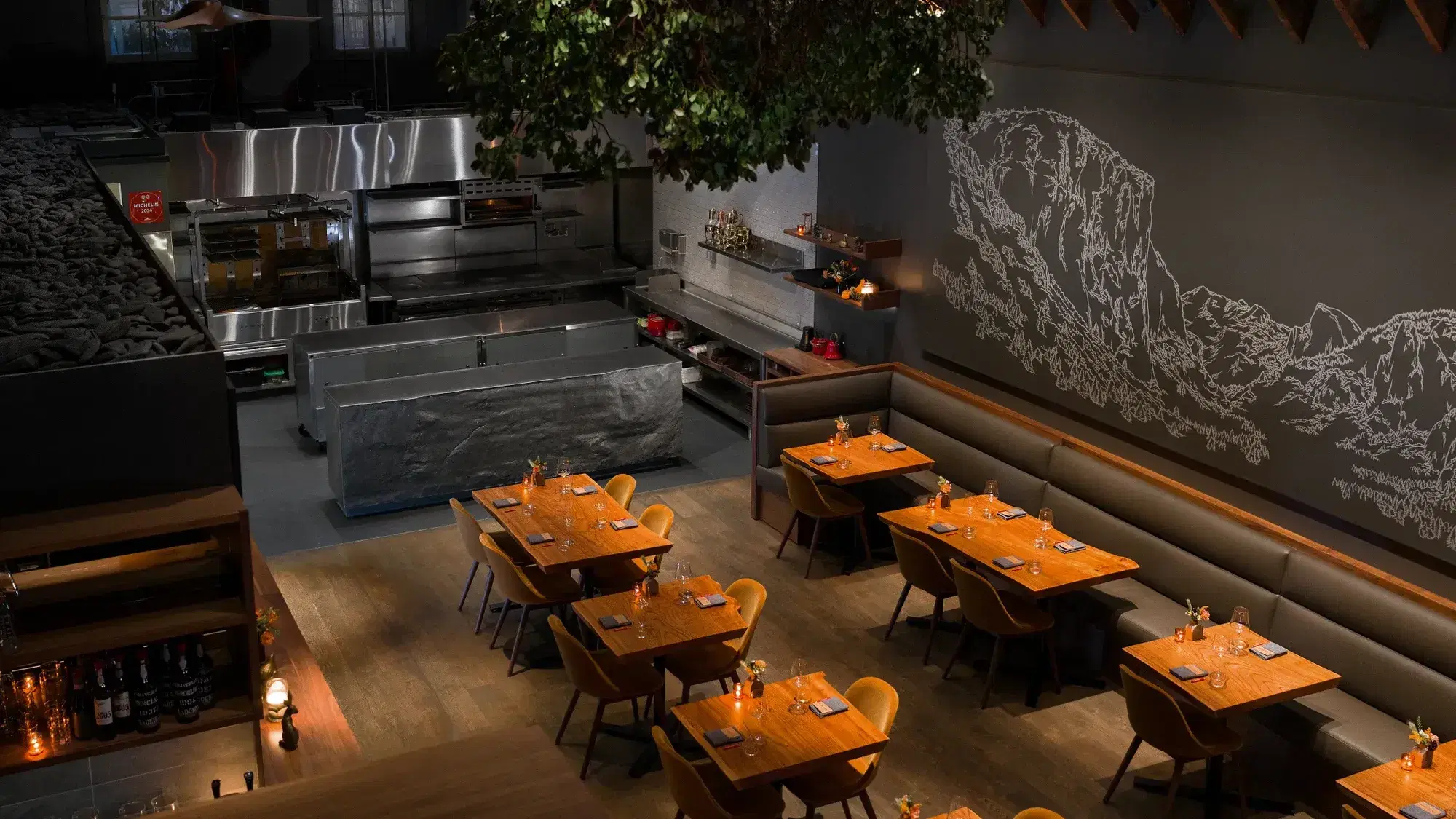
The atmosphere at Masa is serene and minimalist, designed to draw attention to the culinary craftsmanship on display. The focal point of the restaurant is its well-known hinoki sushi counter, offering diners a front-row seat to watch the chefs at work. Service is precise and attentive, paired with a quiet warmth that enhances the overall experience. While the counter seating is meant to be interactive, some guests note that the pacing can feel swift, underscoring the restaurant's commitment to precision and efficiency.
Why Masa Lost Its 3rd Michelin Star
Masa's fall from its three-star status in November 2025 marked the end of a 15-year era as one of the world's most celebrated dining destinations. The announcement, made just before the November 18 regional ceremony, left many wondering what led to this significant change.
Michelin's Official Statement
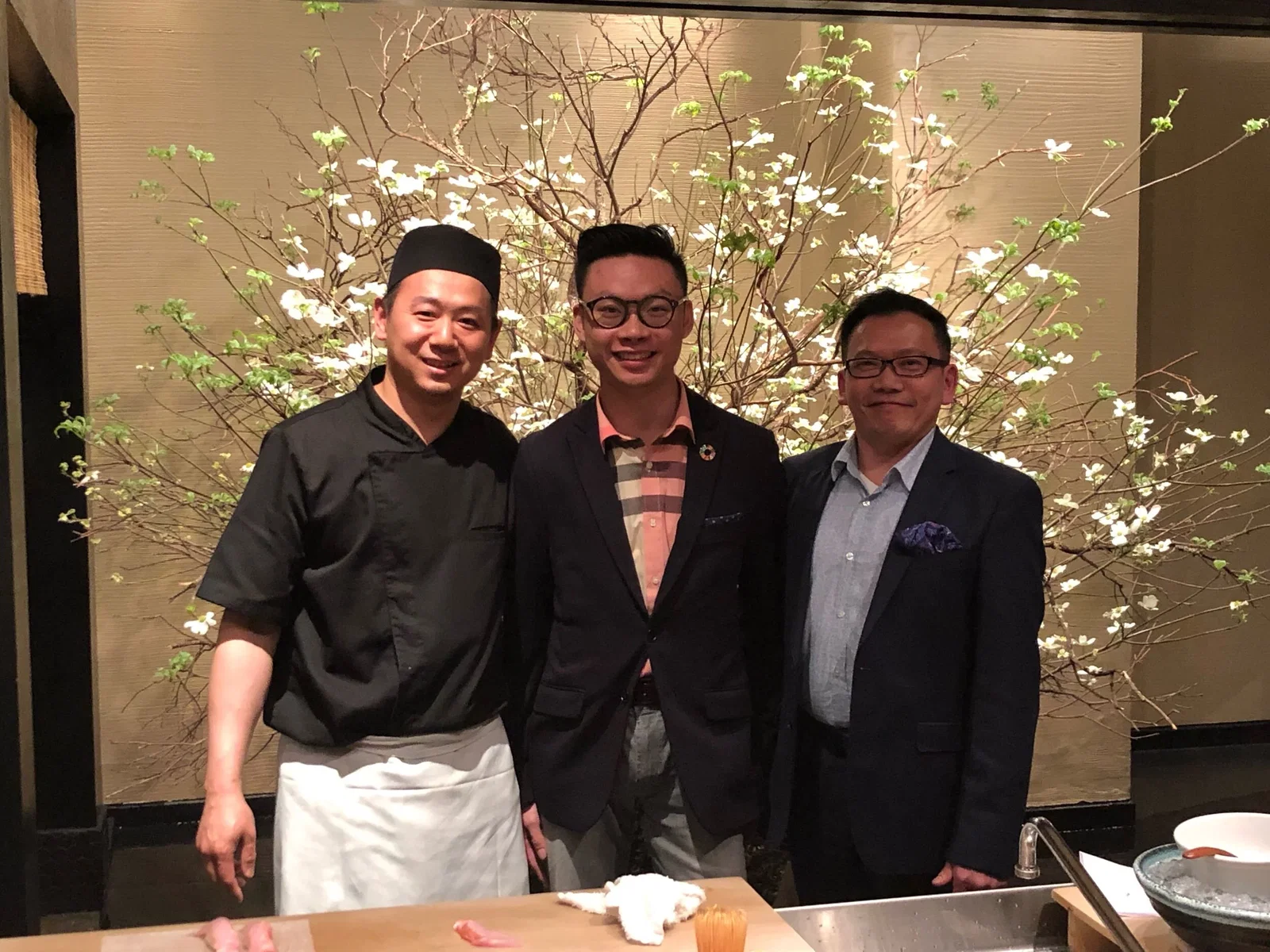
Michelin's reasoning for downgrading Masa was, as expected, shrouded in generalities. The guide refrained from providing specific details, instead issuing a standard statement emphasizing its commitment to impartial and consistent evaluations.
"The Michelin Guide maintains its role of providing fair and qualitative recommendations to consumers, with its team of expert Inspectors, following its global methodology. It fully acknowledges the impact of its decisions on the establishments it honors."
This lack of clarity has sparked discussions among food critics and diners alike. Melissa McCart, Lead Editor of the Northeast region for Eater, highlighted the ambiguity:
"The guide has not given a specific reason for the downgrades."
The message is clear: no matter how well-known, no restaurant is immune to scrutiny, and excellence must be continuously demonstrated.
Customer and Critic Reviews
The downgrade came at a time when Masa’s value proposition was already facing mounting criticism. With dinner omakase priced at $750 and the hinoki counter experience reaching $950 - often surpassing $1,000 after taxes and tips - many diners have begun questioning whether the experience justifies the cost.
Critics point to several factors contributing to this sentiment. New York City has seen a boom in high-quality omakase restaurants offering notable meals at more accessible price points, creating stiff competition. What was once seen as Masa’s hallmark - a serene, ceremonial dining pace - has drawn mixed reactions, with some guests feeling that the experience no longer aligns with the steep price tag.
Before and After the Downgrade
Losing the third Michelin star has brought more than just a loss of prestige; it has reshaped Masa's position in New York’s dining scene.
Despite these challenges, Masa continues to showcase its mastery of ultra-premium ingredients and meticulous technique. Signature dishes like foie gras nigiri and Masa Toro with caviar remain a testament to the skill that once earned the restaurant its upper-tier status. However, the downgrade serves as a wake-up call: even particularly revered establishments must adapt to changing diner expectations.
This shift underscores a broader trend in fine dining. Today’s diners are seeking more than luxury - they want a blend of creativity, accessibility, and value. For Masa, the path forward is both a challenge and an opportunity: to evolve while preserving the excellence that once made it well-known.
Masa's Position in New York's Fine Dining Market
Masa's recent drop from three to two Michelin stars has sparked conversations about its role in New York City's fine dining landscape. Known for its legacy in Japanese haute cuisine, the restaurant has long been a symbol of culinary excellence. However, this shift has led critics and diners alike to reassess its relevance and place in the city's competitive dining scene.
What Keeps Diners Coming Back
Despite the downgrade, Masa continues to appeal to those who appreciate its storied history and masterful execution of traditional Japanese techniques. For many, the restaurant remains a benchmark of precision and artistry in omakase dining.
The Challenge of Changing Expectations
Yet, the dining world is shifting. Modern patrons increasingly seek experiences that balance heritage with perceived value. Masa's counter omakase now surpasses $1,000 per person, a price tag some critics have labeled "absurd". In a market where diners are weighing cost against experience more than ever, such a steep price raises questions about whether the offering matches the expense.
What's Next for Masa
Main Points
Masa is at a crossroads in the world of fine dining following its recent Michelin downgrade. For years, the restaurant's three-star rating symbolized its standing as a sanctuary of traditional omakase craftsmanship, setting the gold standard for sushi in New York.
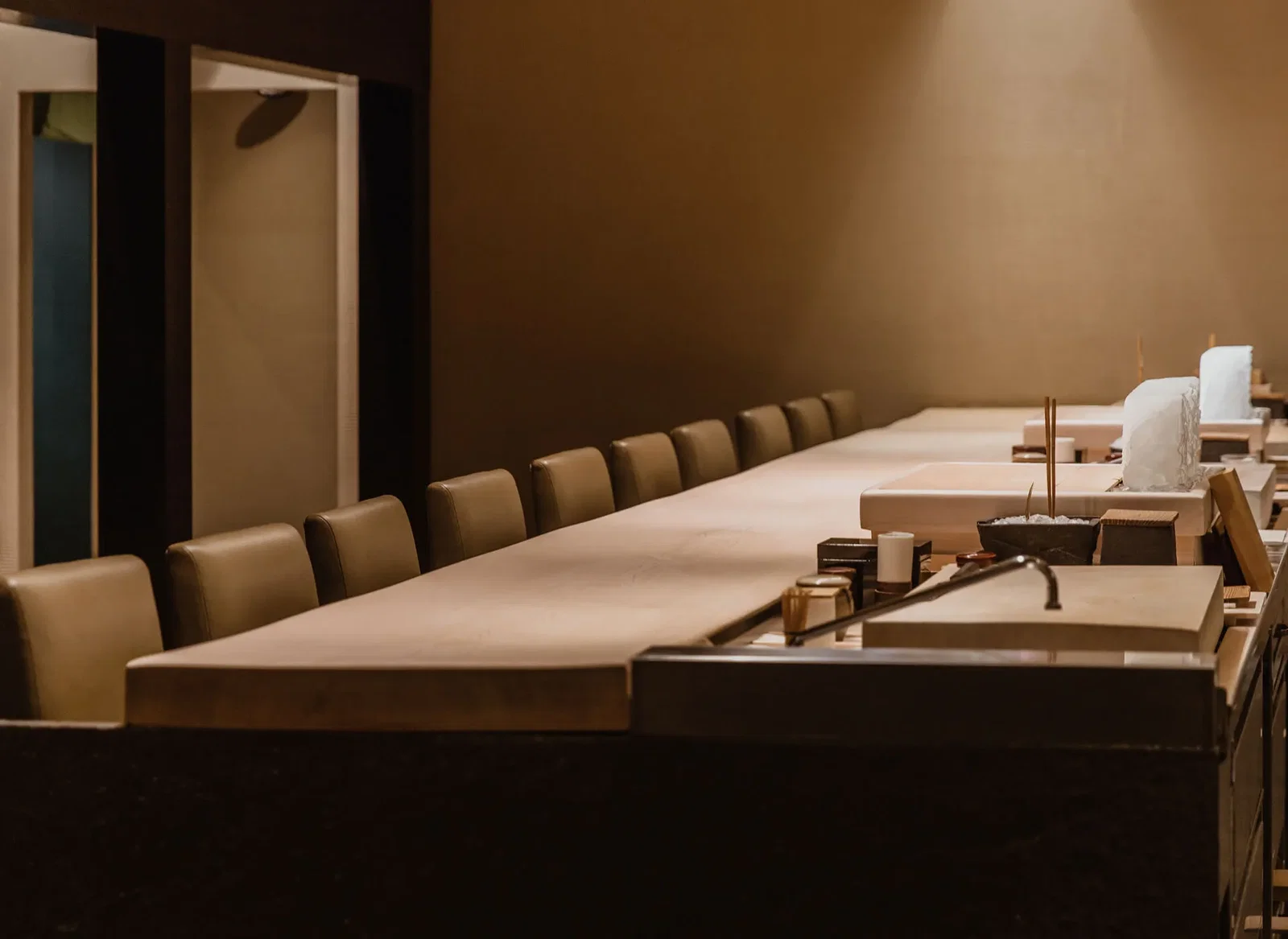
Though the November 2025 downgrade shifted its Michelin status, Masa's reputation as a culinary icon remains intact. The serene ambiance continues to captivate diners, while signature dishes like foie gras nigiri, Masa Toro topped with caviar, and expertly prepared abalone highlight a level of precision and artistry that's increasingly rare. The deliberate, almost ritualistic pace of service creates an experience that feels more like a meditative retreat than a simple meal.
However, the restaurant now faces a challenge: justifying its $950 per person price tag in a market where diners are gravitating toward notable omakase experiences at more accessible price points. As consumer expectations evolve, Masa must address the growing gap between its cost and perceived value.
Future Possibilities
To remain a leader in the fine dining world, Masa must adapt without losing the essence of what makes it special. The Michelin Guide considers not just technical skill but the overall experience relative to cost, meaning subtle yet impactful changes could pave the way for a return to three-star status.
Focusing on refined service details, introducing more dynamic seasonal menu offerings, and elevating the presentation of dishes could all help reestablish its value in the eyes of both diners and critics. These types of adjustments have proven successful for other restaurants in similar situations and could help Masa stay relevant in an evolving market.
Regaining its third star is certainly within reach - Michelin evaluations are ongoing, and several restaurants have reclaimed stars by demonstrating clear improvements. But Masa's future will also depend on broader dining trends. If ultra-luxury dining sees a resurgence, its timeless approach might once again earn universal acclaim. If not, Masa will need to innovate to maintain its position as one of New York's culinary landmarks.
FAQs
Why did Masa lose its third Michelin star after holding it for 15 years?
Michelin hasn’t shared specific reasons behind Masa's recent downgrade, but their evaluations generally focus on a few core criteria: quality of ingredients, expertise in flavors and cooking methods, the chef’s personal culinary style, value for money, and consistency over multiple visits.
Masa is still celebrated for its polished techniques and upper-tier ingredients. However, some critics have started to question if its steep prices justify the experience, especially with the rise of more budget-friendly omakase spots gaining traction in New York City.
How does Masa's pricing compare to other luxury omakase restaurants in New York City?
Masa's dinner omakase begins at $750 per person, with the exclusive hinoki counter omakase priced at $950 per person. Add wine pairings and service fees, and the total can quickly climb past $1,000 per guest.
This pricing firmly places Masa among New York City’s priciest dining experiences, especially when compared to the increasing availability of more budget-friendly omakase options. While some question whether the cost is justified, others point to the restaurant’s dedication to controlled technique, upper-tier ingredients, and its tranquil, minimalist setting as reasons for the premium.
What steps could Masa take to regain its third Michelin star?
Masa's journey to reclaim its third Michelin star could hinge on a few critical factors that Michelin inspectors hold in high regard. These include maintaining upper-tier ingredient quality, achieving perfection in dish execution, and creating a dining experience that feels distinctive and memorable.
To stand out further, Masa might explore adding creative twists to its menu or dish presentation, reflecting the latest trends in fine dining. On top of that, delivering flawless service and paying close attention to every detail of the dining experience could sharpen its reputation, making it irresistible to both Michelin inspectors and experienced guests.
Get the App
Keep the guide close to the booking moment.
Take the shortlist into the En Primeur Club app for concierge access, saved places, and the next step after discovery.
Get Exclusive AccessMore from the editors