Le Vivant
Our verdict
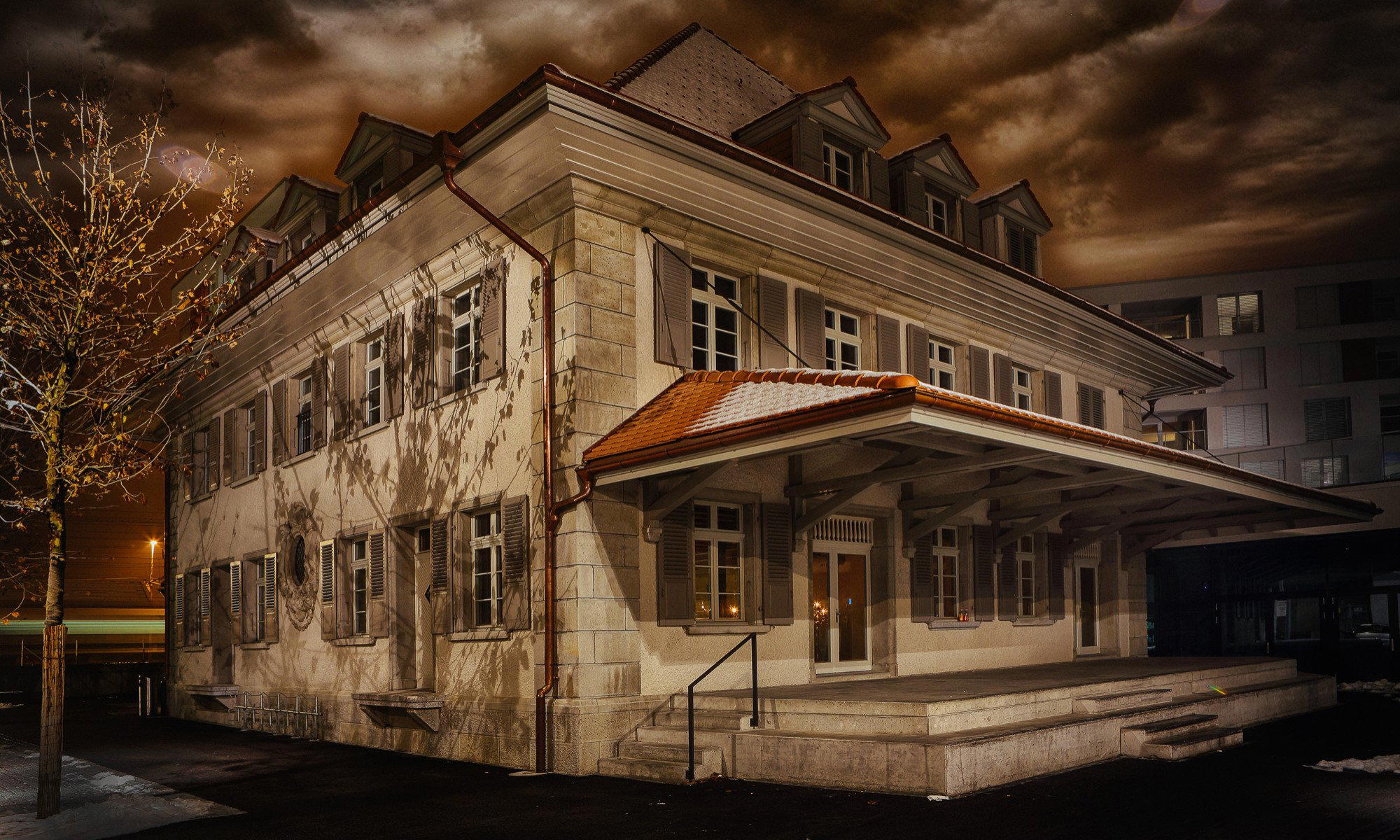
Le Vivant sits on Güterstrasse in Bern's Länggasse-Felsenau quarter, a neighbourhood where the city's dining scene has quietly matured beyond its federal-capital formality. The address places it within a compact cluster of restaurants that take wine as seriously as the kitchen, making it a reference point for those who approach the cellar and the plate with equal attention.

Pearl is the En Primeur Club membership app, where members save venues, book tables and use the concierge.

A Street That Takes Wine Seriously
Bern's dining identity has long been shaped by its role as Switzerland's administrative capital: conservative, well-resourced, and slow to chase trends. That conservatism has produced a restaurant culture where depth tends to outlast novelty, and where wine lists are built over years rather than assembled by committee. Le Vivant, at Güterstrasse 50 in the Länggasse-Felsenau district, sits squarely inside that tradition. The address is not a destination quarter in the way Zurich's Kreis 4 or Basel's Kleinbasel have become; it is a working neighbourhood, and restaurants here earn their regulars through consistency rather than spectacle.
That context matters when reading a wine-forward address like Le Vivant. In a city where the federal parliament draws a clientele with developed palates and limited patience for performative dining, the wine list functions as a primary signal of credibility. A cellar that skews toward grower Champagne, Swiss Pinot from Graubünden, and lesser-known Rhône appellations tells a more interesting story than one assembled from distributor allocations. The distinction between those two approaches is, in Bern more than most Swiss cities, immediately legible to the room.
Where Le Vivant Sits in Bern's Restaurant Tier
Bern's upper-middle dining bracket has consolidated around a handful of addresses that share a common posture: serious without being stiff, curated without being precious. Wein & Sein occupies the modern cuisine tier at the higher end of that range, while Steinhalle brings a creative format to the same price bracket. ZOE has carved a niche in vegetable-led cooking at a slightly lower price point. Le Vivant's position in that cluster is defined less by a single format or technique and more by the primacy it gives to the wine program, a restaurant where the cellar shapes the menu logic rather than the reverse.
That approach has precedent in Switzerland's broader fine dining conversation. At the top of the Swiss category, addresses like Hotel de Ville Crissier in Crissier and Schloss Schauenstein in Fürstenau have built their reputations on kitchen-cellar dialogue carried out over decades. Le Vivant operates at a different scale, but the underlying premise, that the sommelier and the chef are in active conversation, is the same. In a country where restaurants like Cheval Blanc by Peter Knogl in Basel and Memories in Bad Ragaz have made wine pairing depth a category-defining credential, Le Vivant's emphasis reads as a considered positioning choice rather than an accident.
The Wine List as Editorial Argument
A wine list that has genuine curation philosophy behind it is recognizable in specific ways: the presence of producers with small allocations, the inclusion of Swiss appellations beyond Valais Fendant and Chasselas, and a by-the-glass program that reflects actual cellar depth rather than distributor convenience. These are the signals that separate a list built for the room from one built for the invoice. In Bern, where a sophisticated civil-service clientele can identify the difference on inspection, those signals carry weight.
Swiss wine remains systematically underrepresented on international restaurant lists, even as the country's leading growers in Graubünden, Waadt, and the Valais have reached a level of technical precision that earns them placement alongside benchmark producers in Burgundy or the Northern Rhône. A Bern address with the confidence to feature Swiss Pinot Noir alongside Burgundy peers, or to place a Johannisberg from Valais next to a white Hermitage, is making an argument about parity. That argument resonates differently in a Swiss capital than it would in, say, a restaurant in New York's dining scene, where addresses like Le Bernardin and Atomix have built wine programs that lean outward toward the global rather than anchoring in domestic production.
The Room and Its Logic
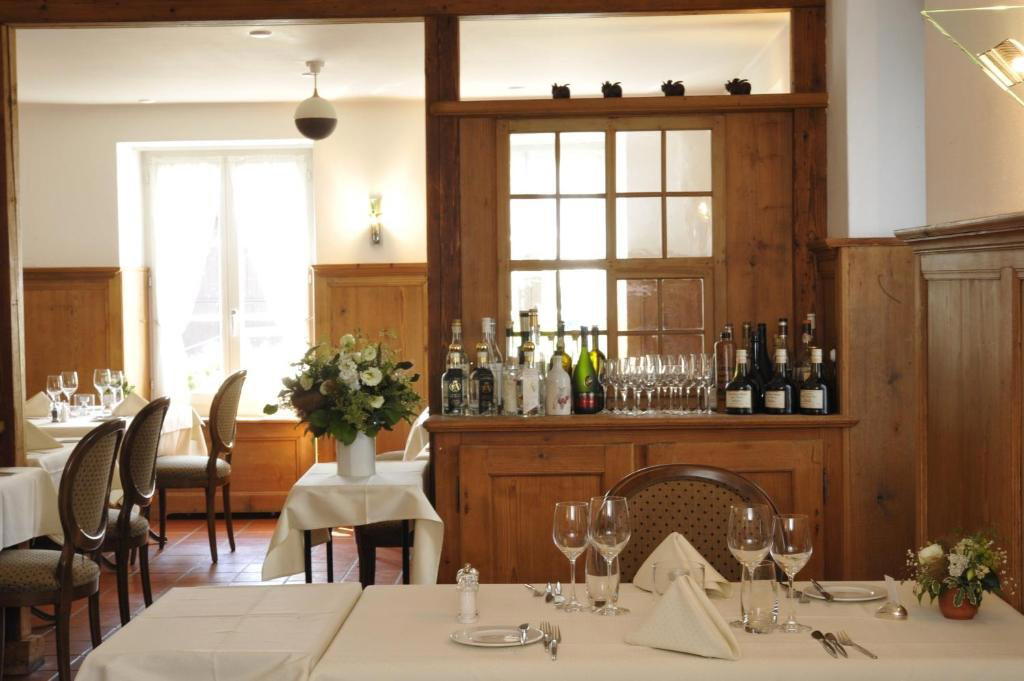
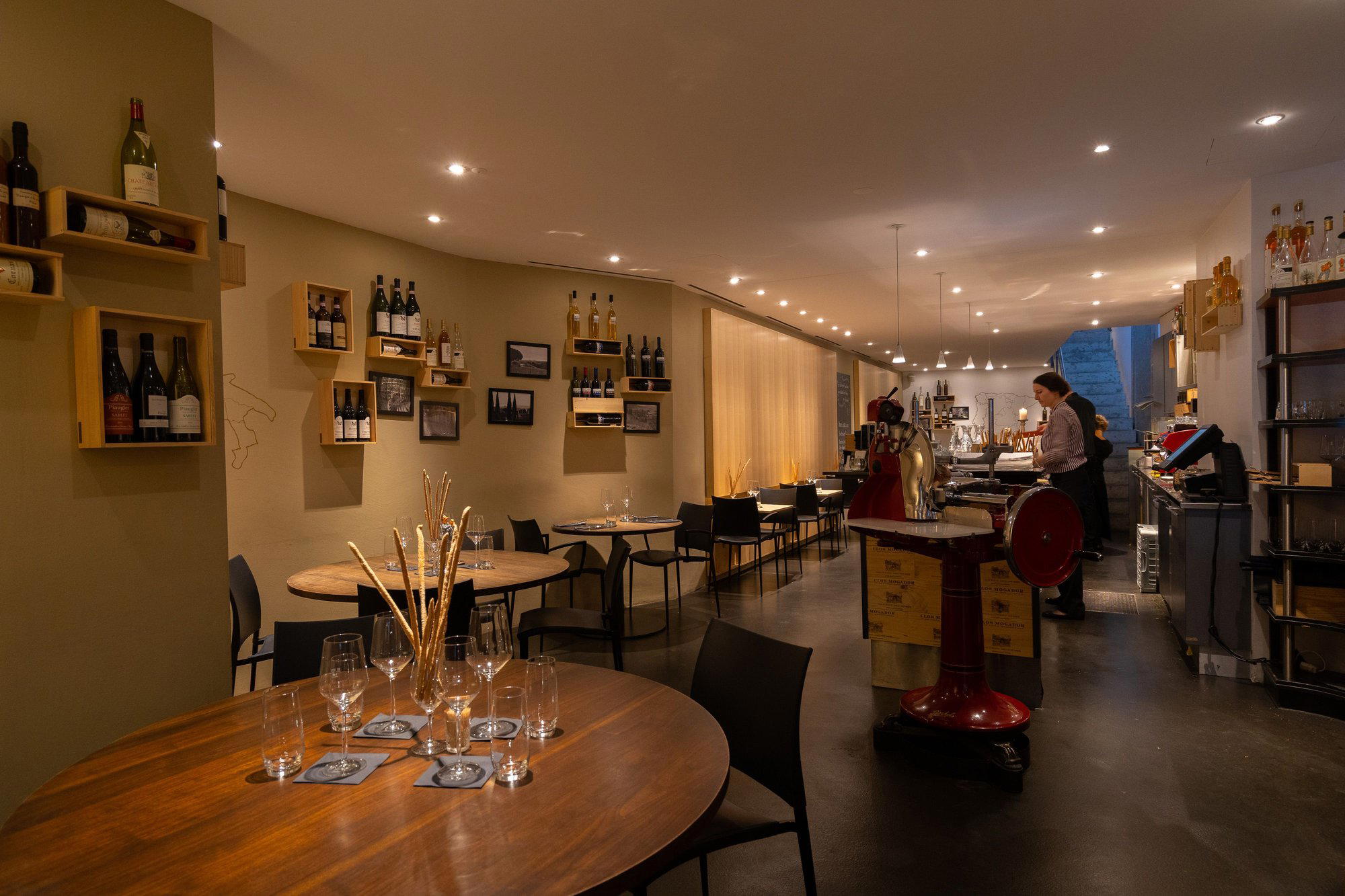
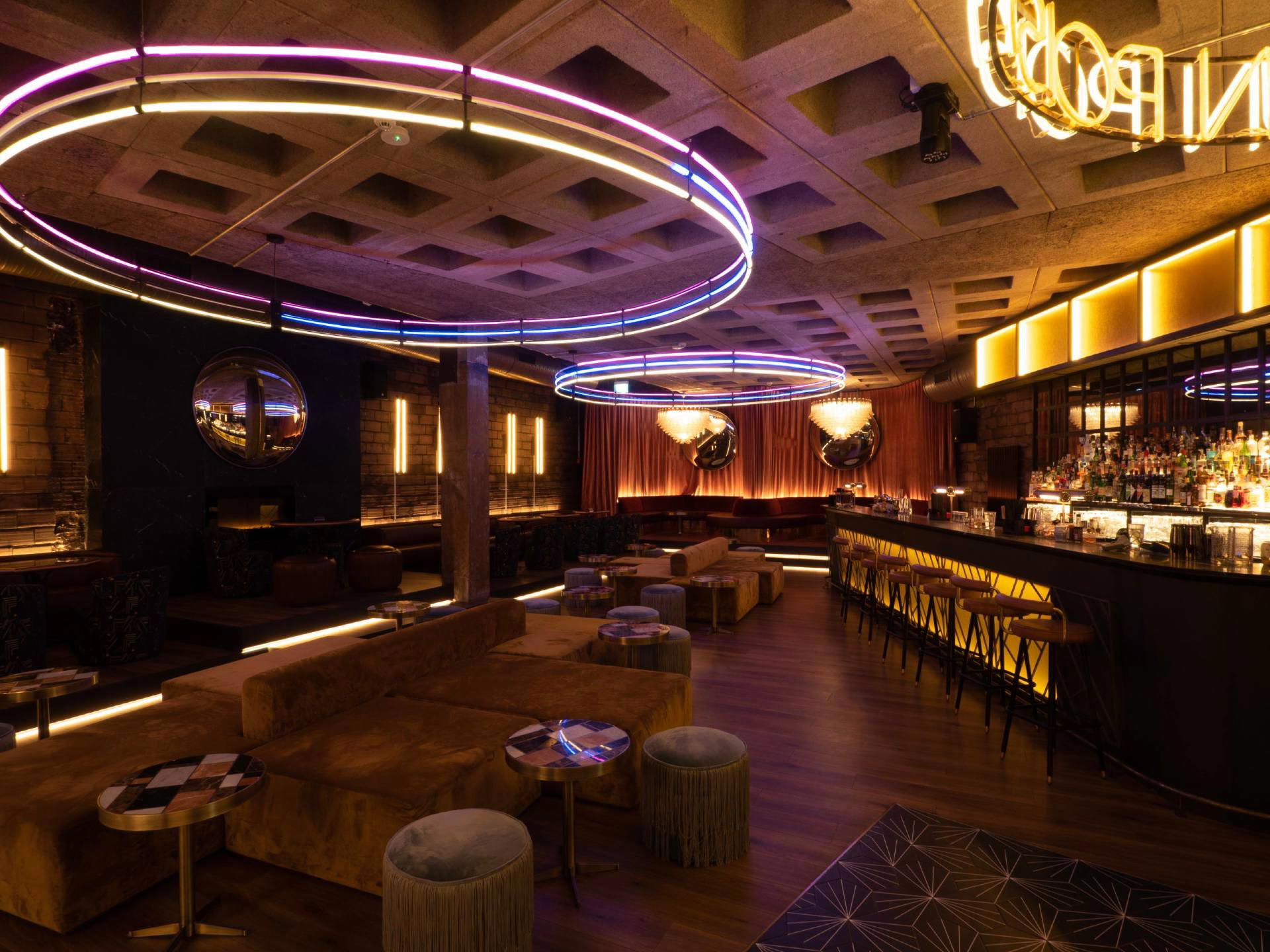
Güterstrasse is not a glamorous street. The approach to Le Vivant prepares you for a room that works through restraint rather than statement: the kind of interior where the light is warm but not theatrical, where the table spacing allows a conversation at normal volume, and where the absence of visual noise directs attention toward what is on the glass and the plate. That restraint is a deliberate register in Bern's better restaurants, where the federal-city formality of the 1990s has gradually been replaced by a quieter confidence. Al Toque and Azzurro – Terra e Mare represent adjacent points in this broader shift, each translating a specific culinary tradition through a similarly composed Bernese lens.
For the broader Swiss fine dining context, the range of approaches is visible across addresses from 7132 Silver in Vals to Colonnade in Lucerne, Da Vittorio in St. Moritz, Einstein Gourmet in Sankt Gallen, focus ATELIER in Vitznau, and IGNIV Zürich by Andreas Caminada in Zurich. Le Vivant's Bern address connects it to a specific civic register that none of those out-of-capital venues quite replicate.
Planning a Visit
Le Vivant is located at Güterstrasse 50, 3008 Bern. The address is reachable from Bern Hauptbahnhof by tram in under fifteen minutes, and street parking in Länggasse is available in the evening, though limited. Given the wine-forward positioning, arriving without a booking on a Friday or Saturday evening is a risk that most regulars avoid, the kind of room that fills through repeat visits rather than walk-in overflow. For broader planning across the city's restaurant options, the EP Club full Bern restaurants guide maps the full competitive set across cuisine types and price tiers.
Frequently asked questions
What's the address for Le Vivant?
Le Vivant is located at Güterstrasse 50, 3008 Bern, Switzerland, Bern.
Is Le Vivant in Bern a good choice for a wine-focused dinner without a deep Swiss wine background?
Bern's wine-serious restaurants are generally more accessible than their counterparts in Geneva or Zurich, and Le Vivant's position in the city's dining scene suggests a room that rewards curiosity rather than demanding prior expertise. The wine list's curation philosophy, as reflected in the restaurant's editorial approach, is designed to guide rather than gatekeep. Arriving without specialist knowledge is not a disadvantage; arriving without interest in the glass would be.
What do regulars order at Le Vivant?
Specific menu details for Le Vivant are not published in advance, which is consistent with a kitchen that adjusts its offer around the wine list rather than the reverse. Regulars at addresses like this in Bern tend to follow the server's lead and build the meal around whatever the cellar is currently pouring by the glass. The safest approach is to arrive with an open brief and let the wine selections shape the food choices.
Do they take walk-ins at Le Vivant?
Restaurants operating in Bern's upper-middle tier with a wine-led format typically run at capacity on weekday evenings and weekends, making advance contact advisable. Arriving without a reservation on a quiet Tuesday afternoon is a lower-risk approach if you're in the neighbourhood.
What makes Le Vivant worth seeking out?
In a city where Bern's restaurant identity leans toward conservative and well-resourced rather than experimental, Le Vivant occupies a specific gap: wine-serious without being exclusionary, and located on Güterstrasse rather than the more obvious central addresses. The Güterstrasse location signals that the room earns its reputation through the quality of what's on the table, not through foot-traffic positioning. That posture is relatively rare in the Swiss capital.
Do they accommodate allergies at Le Vivant?
No allergy or dietary accommodation policy is published for Le Vivant. The practical approach at any kitchen operating without a fixed published menu is to communicate requirements clearly at the time of booking or on arrival at Güterstrasse 50, Bern. Venues with shorter, market-driven menus often have more flexibility to adjust than large à la carte operations, but confirmation directly with the restaurant is the only reliable route.
At-a-Glance Comparison
Comparable venues nearby, for context on price, style, and recognition.
| Venue | Cuisine | Price | Awards | Notes |
|---|---|---|---|---|
| Le VivantThis venue (the venue you are viewing) | Swiss Seasonal Fine Dining | Not listed | Not listed | Not listed |
| Verdi | Traditional Emilia-Romagna Italian | $50–100 | Not listed | Weisses Quartier |
| Da Carlo | Traditional Italian restaurant with pasta, pizza, and live music | $30–50 | Gambero Rosso 1 Forchetta | Bern |
| Kurt&Kurt | American Bar Food | Not listed | Falstaff Bar - 90 Falstaff Points | Rotes Quartier |
| gurtners | Modern Swiss with panoramic views | $50–100 | Not listed | Gurten / Wabern bei Bern |
| Marzilibrücke | Swiss Fondue & European Bistro | $30–50 | Not listed | Sandrain |
Continue exploring
More in Bern
Restaurants in Bern
All restaurants in Bern →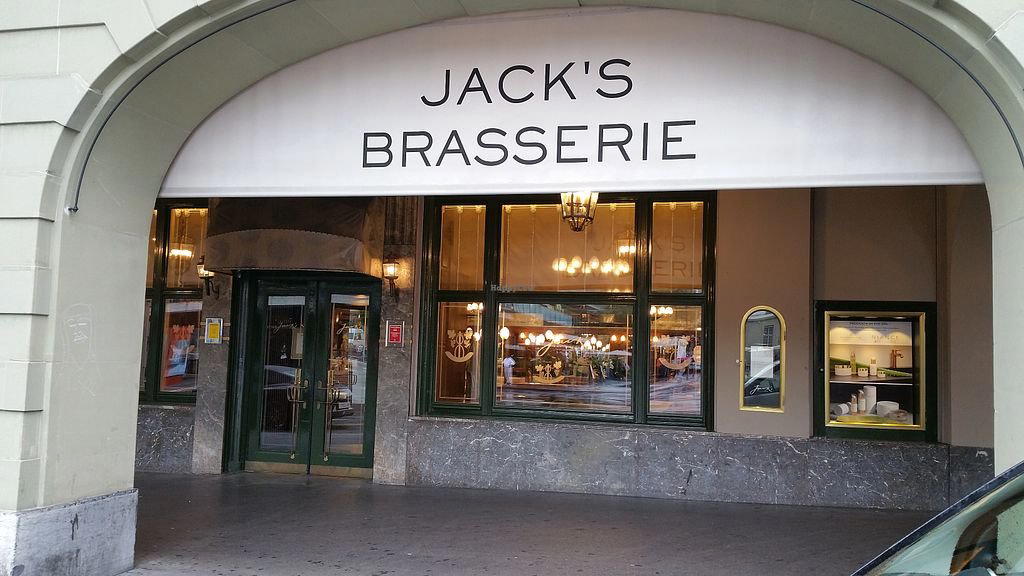
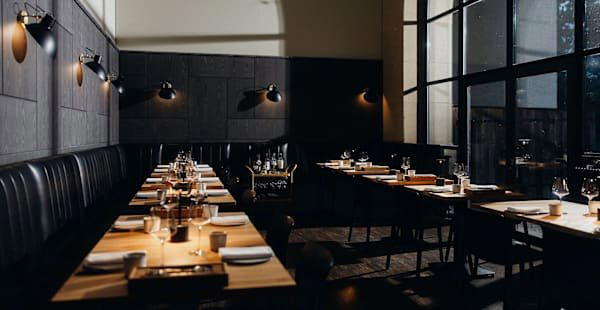
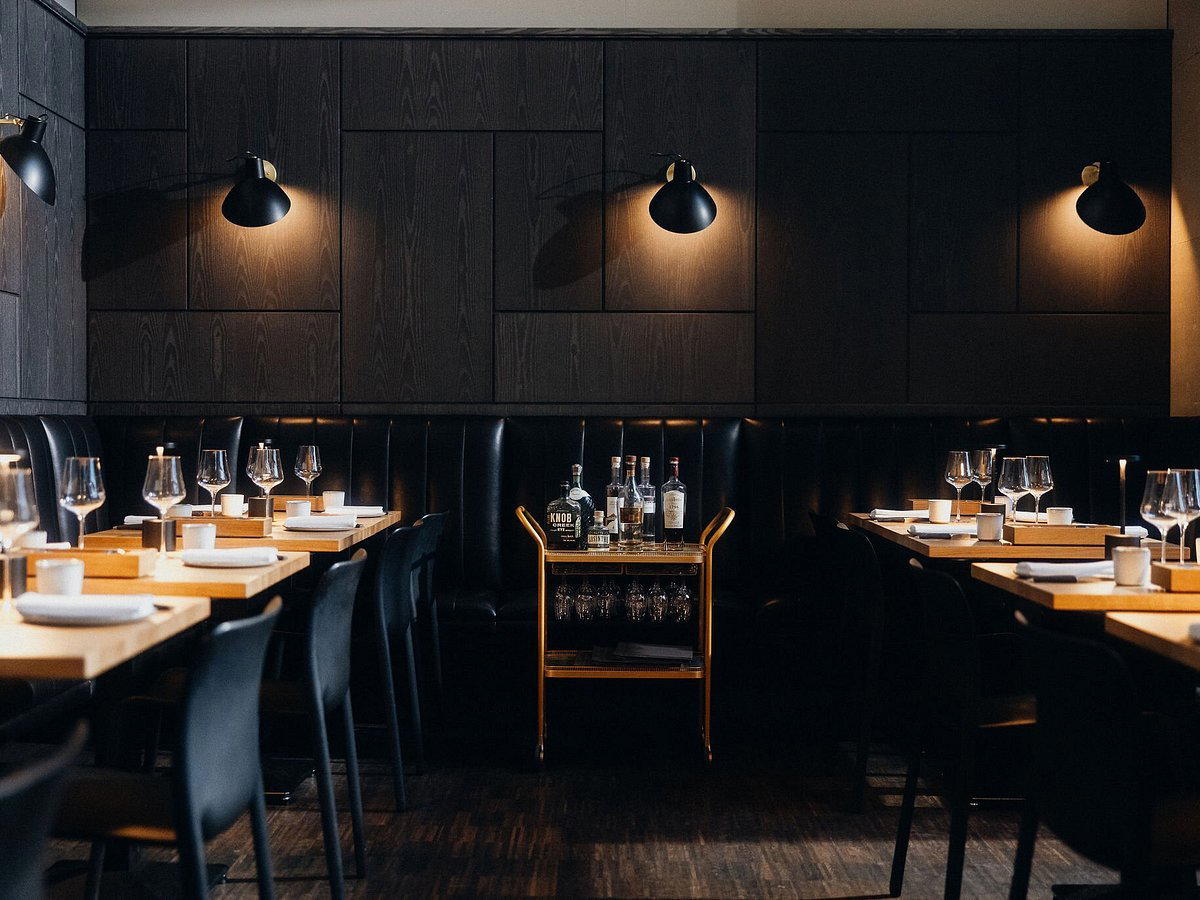
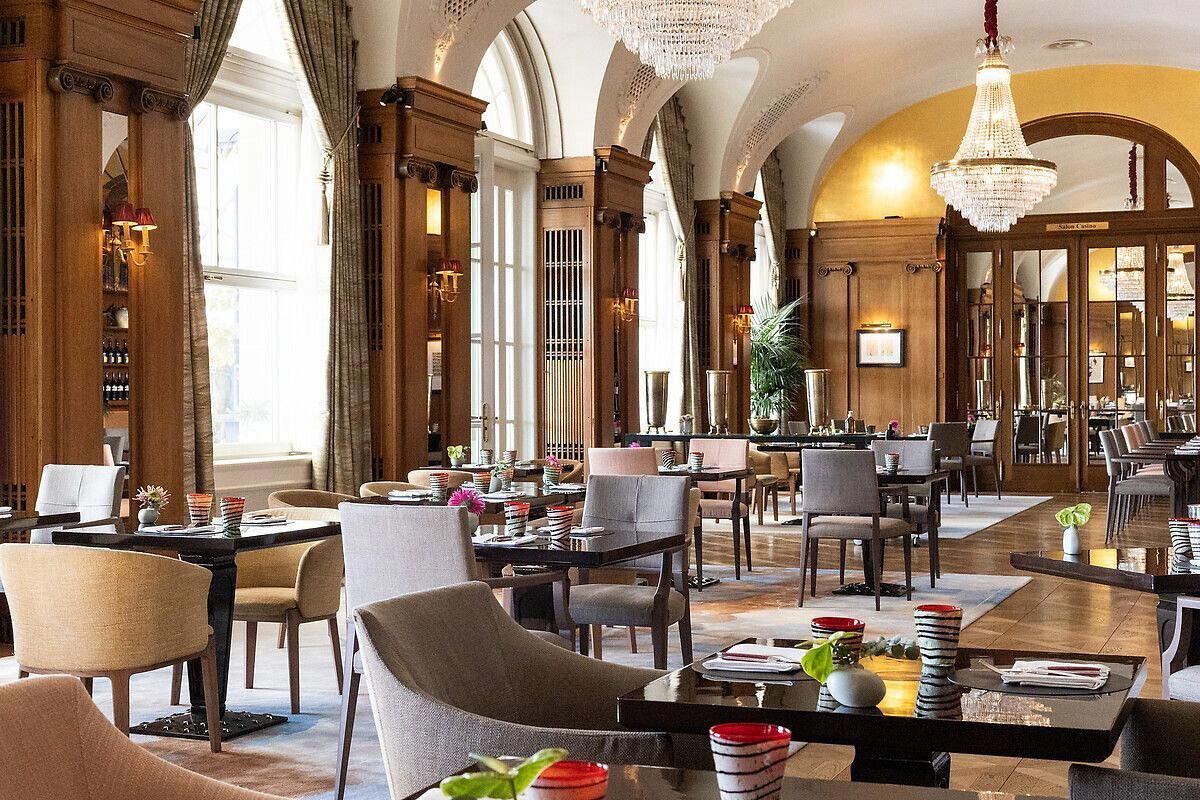
Bars in Bern
All bars in Bern →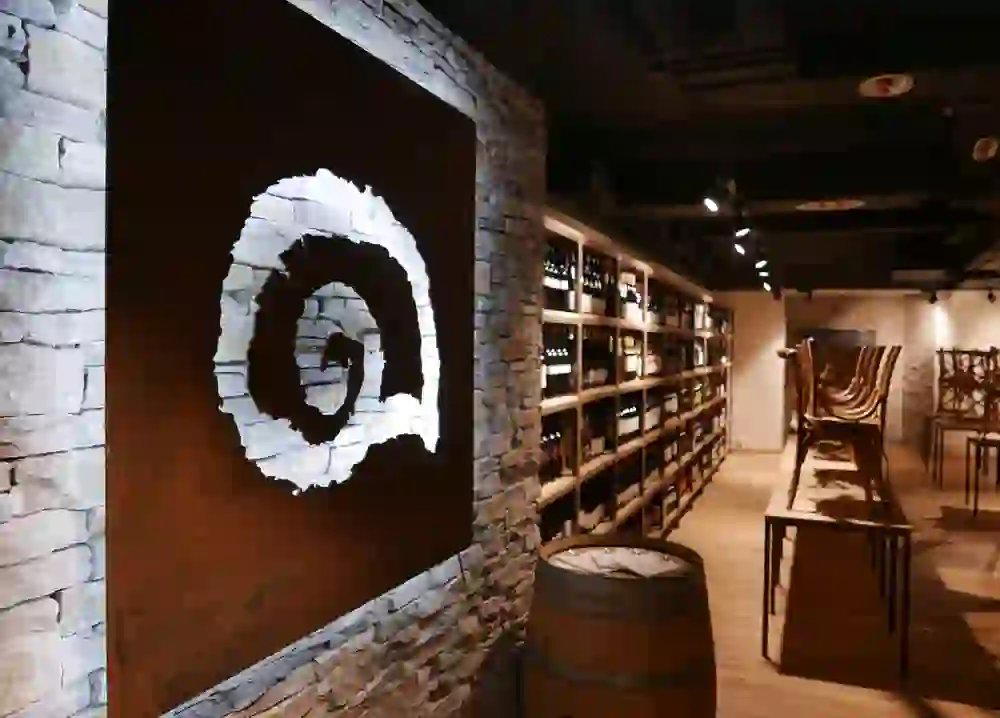


Details
- Cozy
- Intimate
- Elegant
- Date Night
- Special Occasion
- Wine Cellar
- Natural Wine
- Local Sourcing
- Sustainable Seafood
- Small Plates
- Natural Wine
- Vegetarian Friendly
Current opening hours
- Monday
- Closed
- Tuesday
- 6 PM–12 AM
- Wednesday
- 6 PM–12 AM
- Thursday
- 6 PM–12 AM
- Friday
- 6 PM–12 AM
- Saturday
- Closed
- Sunday
- Closed
Hours can change for holidays and private events. Hours as of .
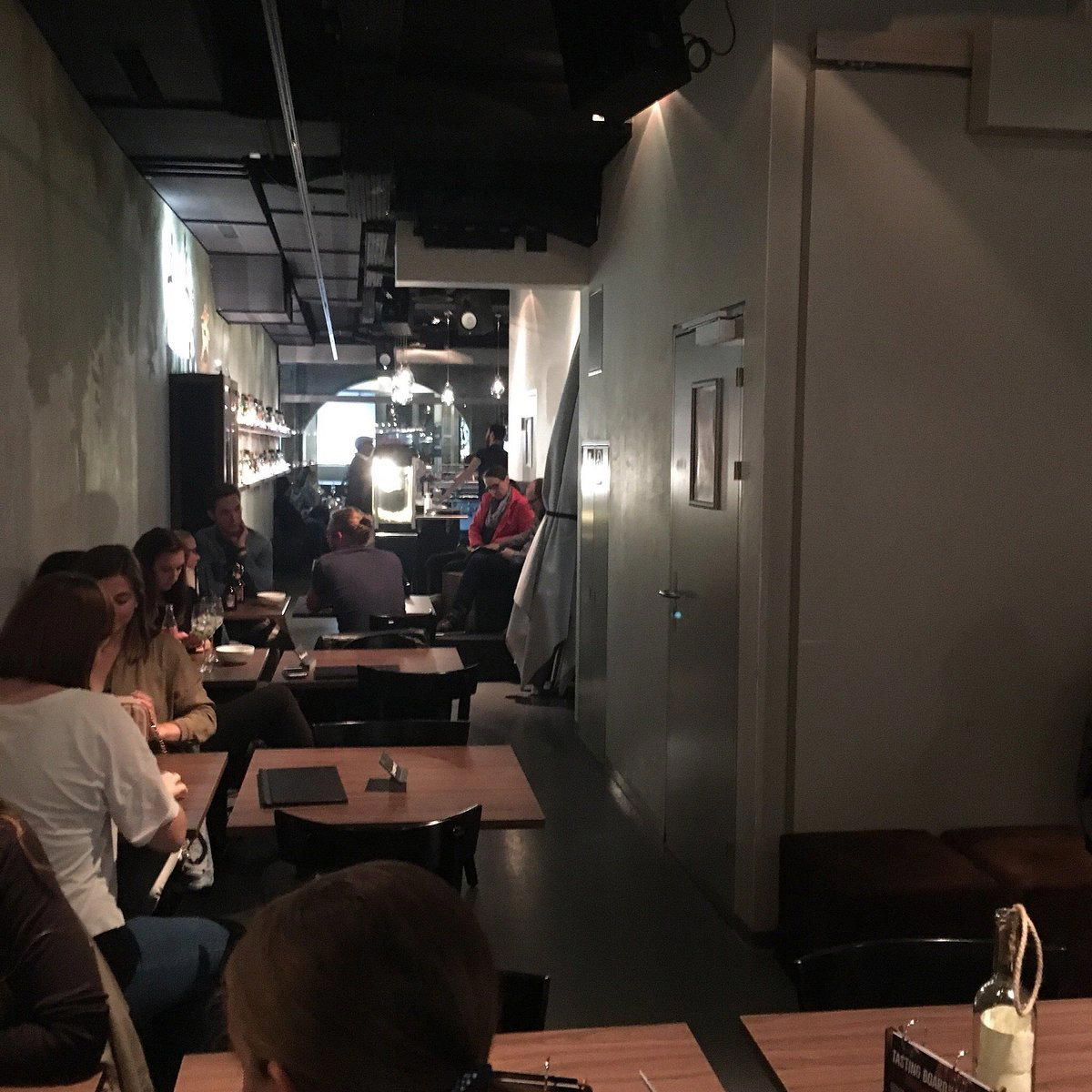
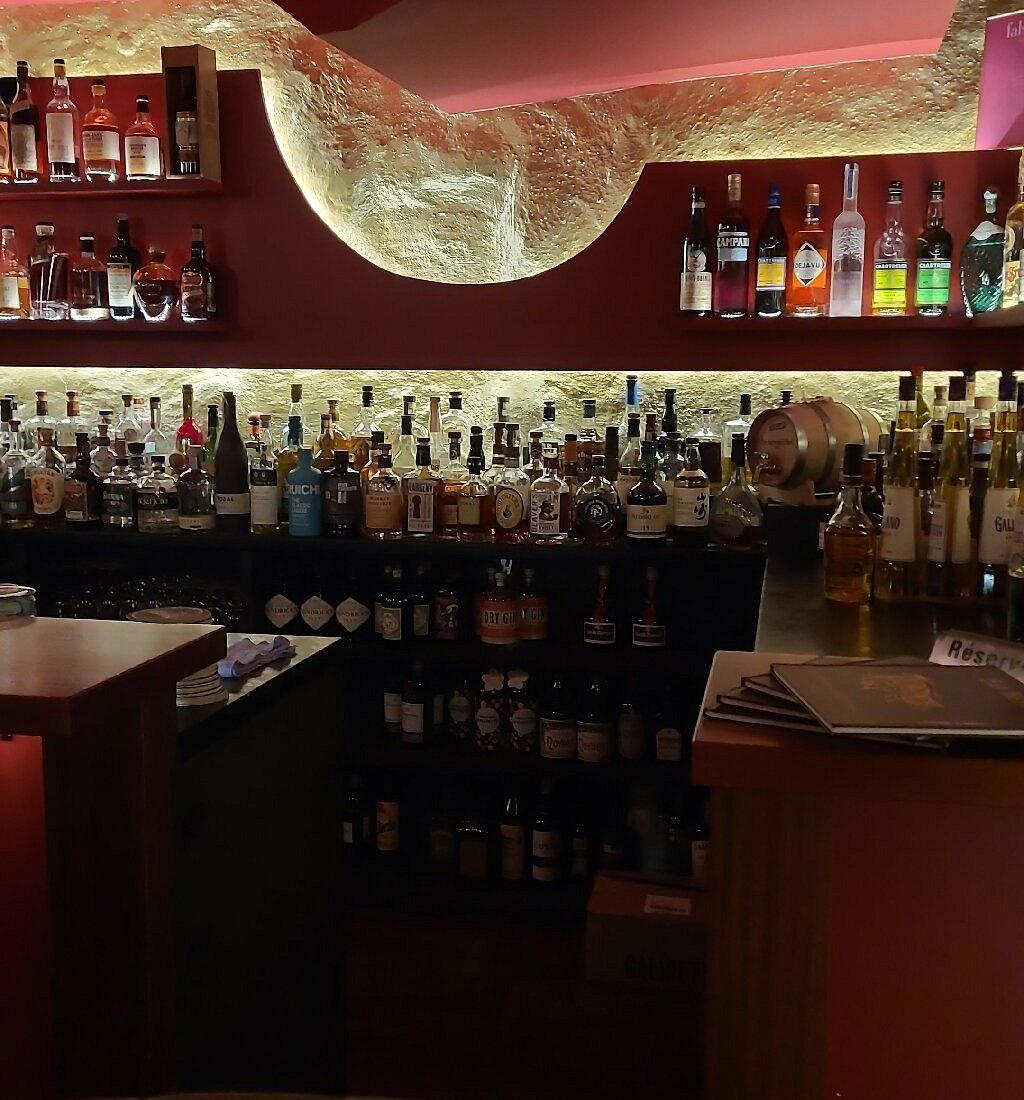
Cozy and relaxed atmosphere with pleasant service, not noisy despite popularity, featuring a glass wall of wines and wooden tables.