Marukou Ramen Center Kiyama honten

Marukou Ramen Center Kiyama honten puts Saga’s roadside tonkotsu tradition in a large-format setting rather than a hushed counter format. Its Tabelog Ramen WEST “Tabelog 100” selections from 2023 through 2025 signal serious local standing, while the menu frame stays close to Kyushu staples: ramen, dumplings, stir-fried noodles, and sake.
Pearl is the En Primeur Club membership app — saves, bookings, and concierge access live there. Same editors, same standards.
- Address
- 1642 Kokura, Kiyama, Miyaki District, Saga 841-0201, Japan
- Phone
- +81 942-92-2855
- Website
- marukoura-men.com
 Saves & bookings on Pearl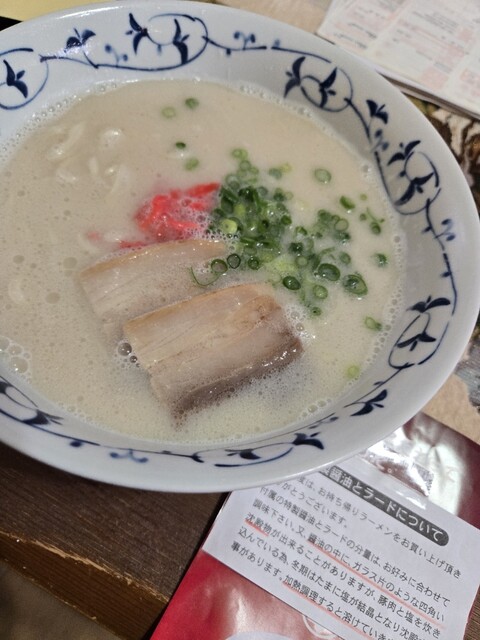
Approaching a Kyushu ramen center is different from arriving at a chef-led counter in Tokyo or Kyoto. The scale is part of the language: roadside access, steady turnover, families and solo diners sharing the same rhythm, and a room built for repetition rather than ceremony. In Miyaki-gun, that format matters because tonkotsu is not treated as a special-occasion cuisine. It is regional infrastructure, the kind of food that sits between commuter route, family meal, and late-morning appetite.
Marukou Ramen Center Kiyama honten belongs to that practical Kyushu lineage. The category here is not minimalist ramen-as-performance; it is the older ramen-center model, where pork-bone broth, gyoza, stir-fried noodles, counter seats, take-out, and parking all point to a dining culture designed around access. Its selection for Tabelog Ramen WEST “Tabelog 100” in 2023, 2024, and 2025 gives the place a useful critical marker, but the stronger story is how a large, everyday format can still carry enough regional identity to be noticed beyond its immediate trade area.
Roadside tonkotsu, not metropolitan ramen theatre
Kyushu’s ramen culture is often discussed through Hakata speed and Kurume depth, but Saga’s position between Fukuoka, Kurume, and Nagasaki gives its ramen rooms a more mixed, commuter-facing character. The point is not scarcity. The point is throughput, familiarity, and broth as a daily staple. A 150-seat ramen shop changes the psychology of the meal: this is not a six-stool counter where silence becomes part of the performance, nor a reservations-led tasting format. It is a high-capacity room where the food has to survive volume without losing its regional signal.
That distinction helps explain why the sourcing angle in a tonkotsu shop is less about named farms and more about the discipline of a broth tradition. Pork-bone ramen depends on extraction, fat management, aroma, noodle timing, and a kitchen’s ability to repeat the same base across service. When a shop at this scale is recognised in a western Japan ramen selection, the award suggests consistency as much as acclaim. For travellers used to premium dining rooms, that is the lesson: regional craft in Japan is not always small, quiet, or expensive.
The menu categories also place the shop in a broader Kyushu pattern. Ramen, dumplings, and stir-fried noodles form a working set rather than a long, trend-led list. Sake appears in the drinks frame, but this is not an izakaya pretending to be a ramen shop. It remains a ramen center first, with side dishes that support the main reason people come. In that sense, it is closer in spirit to Maruboshi Ramen, another low-price tonkotsu reference in the wider regional orbit, than to higher-spend out-of-metro dining rooms such as SANZO or Sumiyaki Hamburger Steak Gyusen, where the meal carries a different budget and pacing.
Why the format matters in Miyaki-gun
Miyaki-gun does not have the density of a major restaurant district, which makes route-based dining more important. In rural and suburban Japan, a strong roadside restaurant can function as a local utility: easy to enter alone, workable with children, and efficient enough for repeat use. This is where the ramen-center model has an advantage over smaller destination counters. It accepts ordinary dining patterns without forcing them into a luxury template.
The no-smoking policy, counter seating, spacious seating, children-welcome stance, and private-use option for groups of 20 to 50 between weekday afternoon hours all point to a venue built for different kinds of local use. Those details are not decorative; they explain why this category persists. A traveller looking for hushed precision may misread the room. A traveller interested in how Kyushu actually eats outside the major cities will understand the appeal quickly.
Reservations are not part of the normal meal pattern, which suits the genre. Ramen-center dining is about arrival and turnover, not calendar management. Payment is also conventional in a way that matters in Japan’s regional dining rooms: cash planning remains sensible where cards and digital payments are not part of the operating model. The practical advice is simple: treat this as a regional ramen stop, not a fine-dining booking, and let the format do what it was built to do.
How it fits into a wider Japan itinerary
For EP Club readers mapping food around Kyushu and western Japan, this is the kind of place that adds texture between headline meals. Miyaki-gun is not competing with Kyoto kaiseki or Tokyo omakase; it offers a different proof of seriousness, one rooted in repetition, road access, and a local broth tradition. That makes the Tabelog Ramen WEST recognition useful because it identifies a regional shop within a crowded ramen field without pretending the experience belongs to the luxury category.
Use it as a counterweight to more formal dining elsewhere in Japan. The same itinerary might include beef-focused rooms such as -Grilled beef Sukiyaki- KAMAKURA TANUKIAN 鎌倉 たぬき庵 in Kamakura, casual urban addresses like .cafe in Osaka, or regional specialists such as .know in Kumamoto and [ki:] in Kyoto. The comparison is not about hierarchy; it is about reading Japan through formats. A ramen center teaches a different lesson from a reservation-only counter.
For broader planning, start with our full Miyaki-gun restaurants guide, then layer the trip with our full Miyaki-gun hotels guide, our full Miyaki-gun bars guide, our full Miyaki-gun wineries guide, and our full Miyaki-gun experiences guide. Readers extending across Japan can also compare casual formats through. 鮪と炭火焼き うお炭 秋葉原店 in Tokyo, (Shoku) Vietnam in Kawasaki, [Curry Senmon Ten] Maruyama Kyoju. in Sapporo, #肉といえば松田 奈良本店 in Kashihara, 1/3 HAMBURGER FACTORY in Kanazawa, 1000 in Yokohama, and 1000mヒュッテ 1000m Hut in Kutchan. For a trans-Pacific contrast in Japanese casual formats, Jōdo Saké Bar in Los Angeles and Onigiri Time in Pasadena show how the language changes once it leaves Japan.
Comparable Spots, Quickly
Comparable venues by cuisine and price in the same metro.
| Venue | Cuisine | Price | Notes |
|---|---|---|---|
| Marukou Ramen Center Kiyama hontenThis venue — the venue you are viewing | Classic Japanese Ramen | $ | Not listed |
| 麺dining 月乃家 | Japanese Ramen | $ | 有田川町 |
| Koja Sobaya (古謝そば屋) | Traditional Miyako Soba | $ | Hirara, Miyakojima City |
| Jiyoken | Hakodate Shio Ramen | $ | Matsukaze-cho |
| ラーメン にっこう 本店 | Chicken Pottage Ramen | $ | 宇尾町 |
| こってり和歌山らーめん 清乃 | Wakayama Ramen | $ | Wakayama City Center |
Recognition history
Dated appearances from independent guides and award organizations, with the underlying list record or original source where available.
Tabelog 100 #29 · No. 29
Tabelog · Tabelog 100 - Ramen - WEST - 2025
Continue exploring
More in Miyaki-gun
Restaurants in Miyaki-gun
Browse all →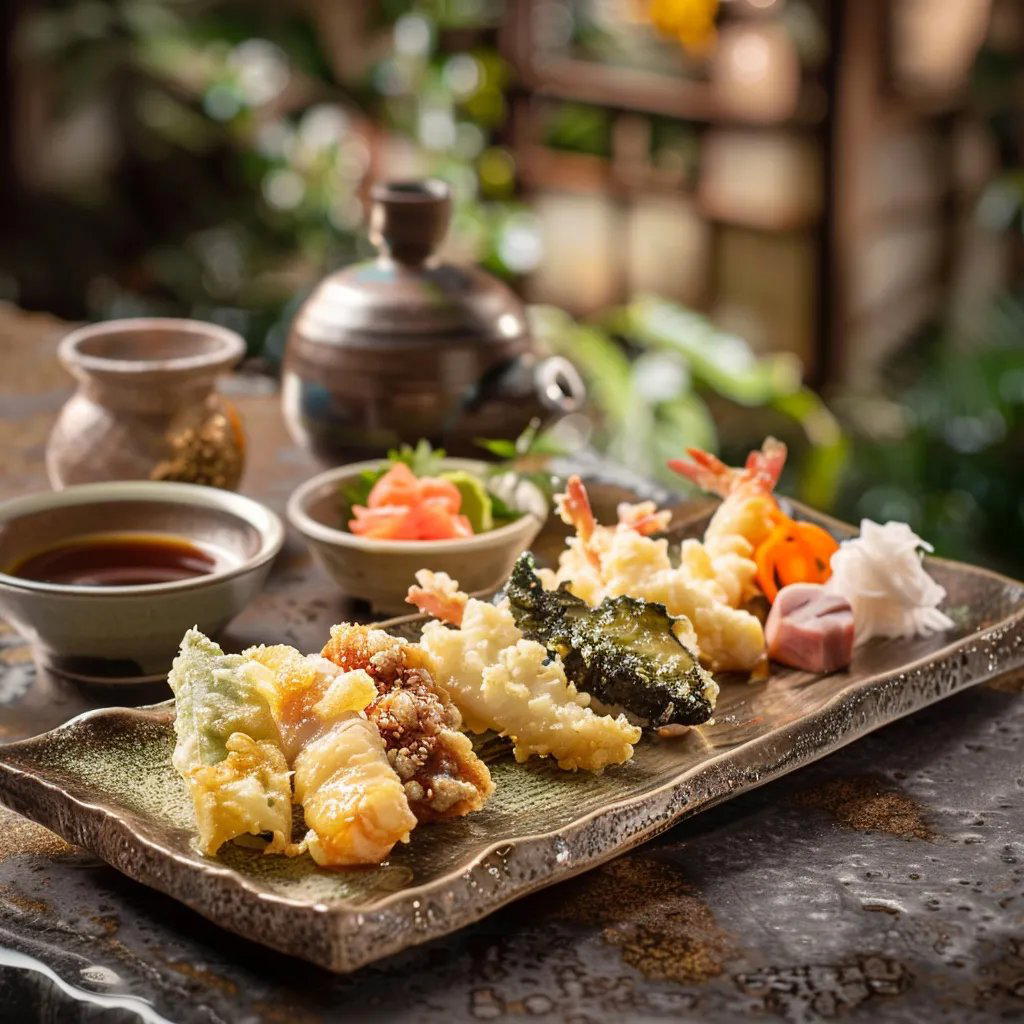
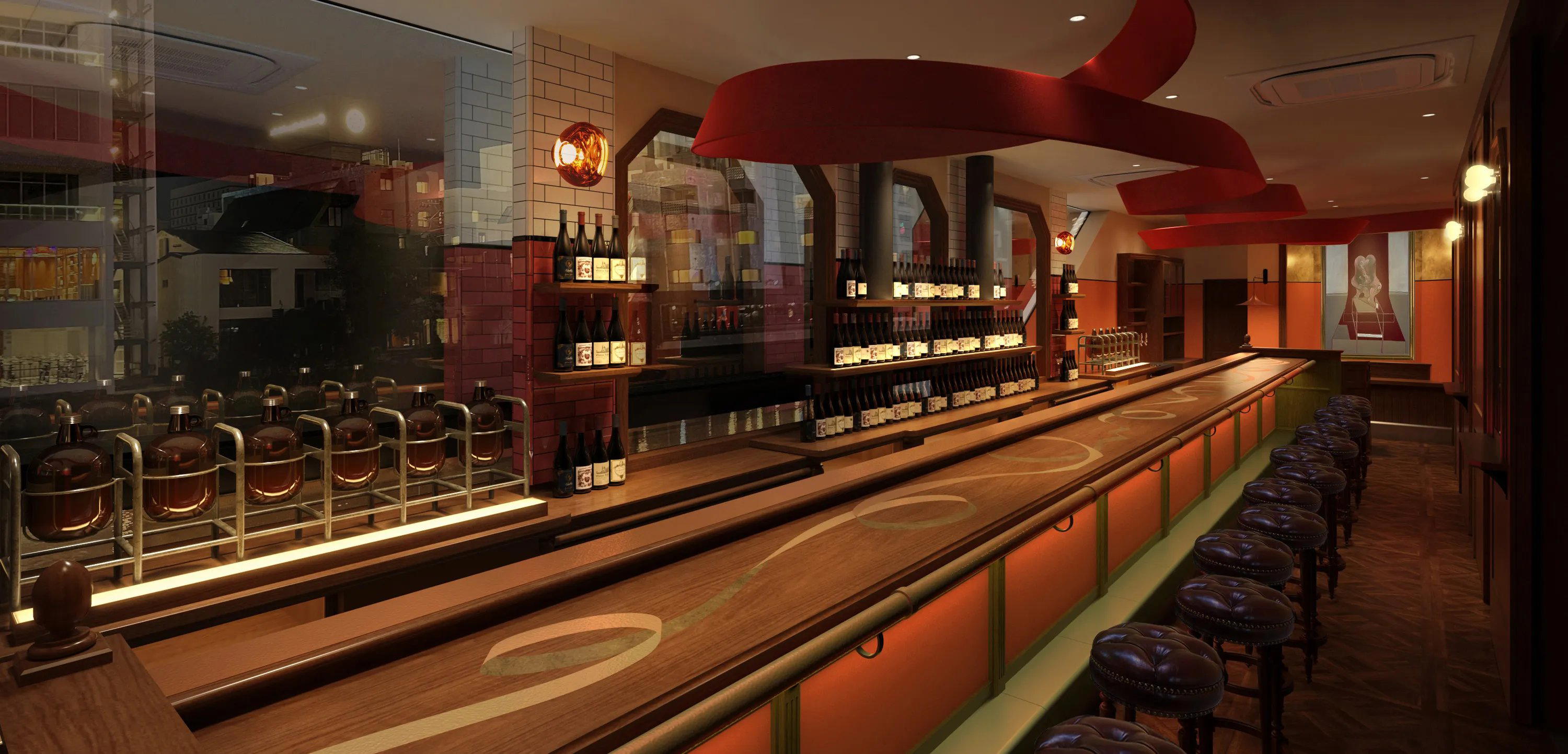
Bars in Miyaki-gun
Browse all →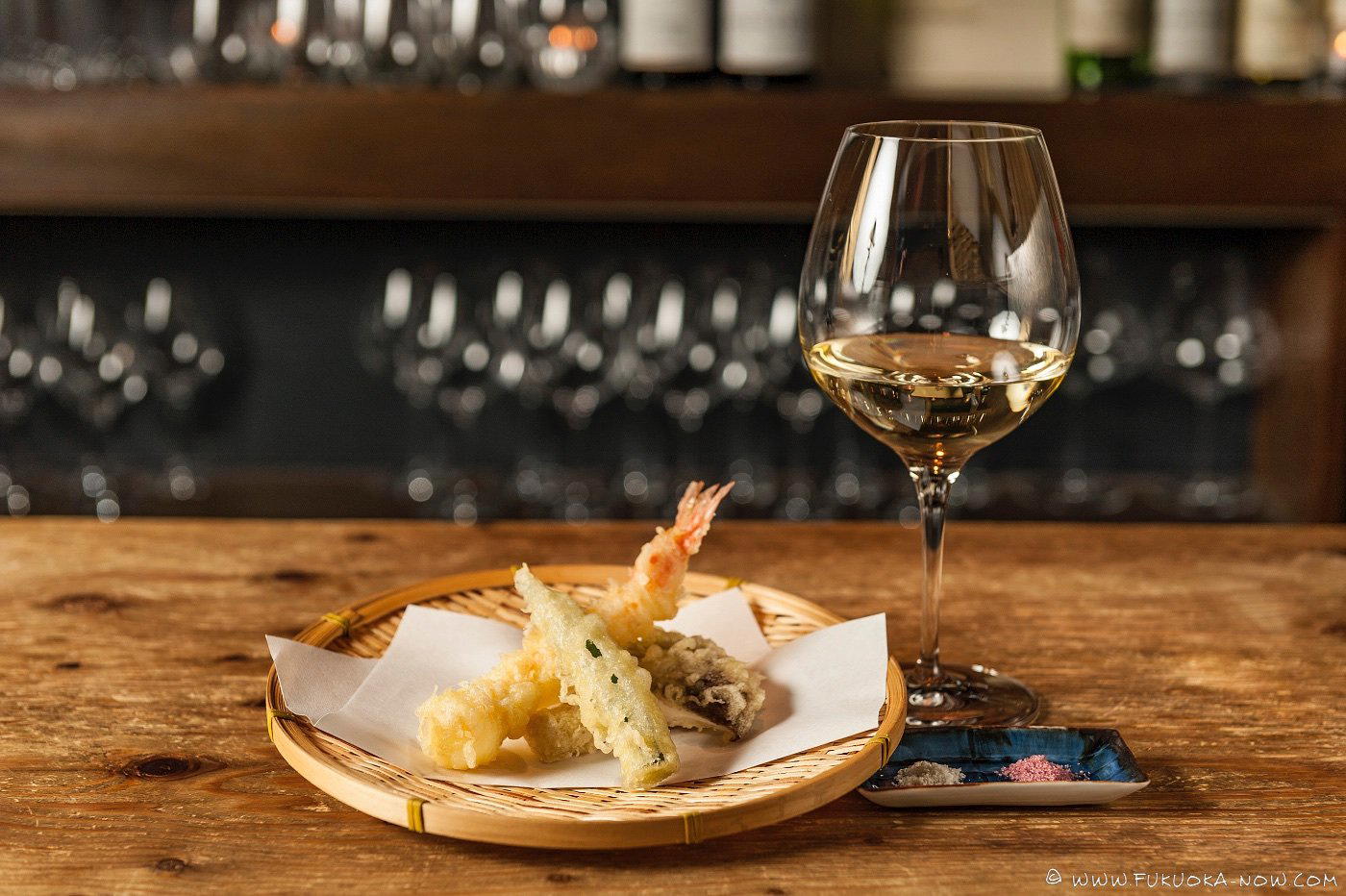
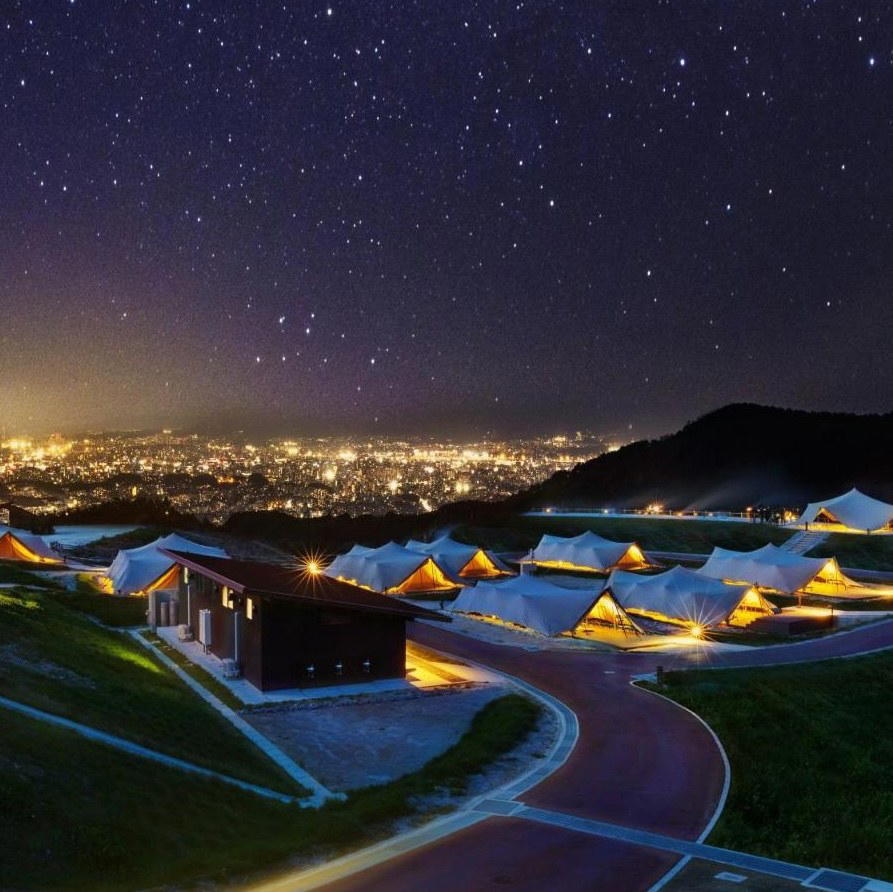
At a Glance
- Classic
- Casual
- Well Known
- Solo
- Family
- Group Dining
- Casual Hangout
- Standalone
- Beer Program
Current opening hours
- Monday
- 9 AM–9 PM
- Tuesday
- Closed
- Wednesday
- 9 AM–9 PM
- Thursday
- 9 AM–9 PM
- Friday
- 9 AM–9 PM
- Saturday
- 9 AM–9 PM
- Sunday
- 9 AM–9 PM
Hours can change for holidays and private events. Last verified .
A no-frills, long-running neighborhood ramen house with a busy, casual atmosphere focused on classic comfort food.