
Michelin Plate
Our verdict
A revived coastal villa on the Belgian North Sea coast, Marquize has returned as a notable address for pared-back cooking rooted in local seafood and polder produce. Kelly and Pieter's menu centres on North Sea crab, kohlrabi, and punchy consommés that speak directly to where the ingredients were caught or grown. A Michelin-recognised address that earns its place on any serious itinerary through the Flemish coast.

Pearl is the En Primeur Club membership app, where members save venues, book tables and use the concierge.
The menu
What to order
- Visfest menu
- Grilled sea bass
- Scallop
- Vitello tonnato
Where the North Sea Arrives on the Plate
The Belgian coast has long occupied an ambiguous place in the country's dining story. Seaside towns from De Panne to Knokke draw summer crowds, but serious restaurant cooking has historically concentrated further inland, in Ghent, Bruges, or the Flemish countryside. Westende sits on the quieter western stretch of that coast, a low-key resort town where Henri Jasparlaan runs parallel to the dunes and the architecture skews towards early-20th-century villas. It is not, on first impression, where you would expect to find cooking that holds up against Belgium's most decorated addresses. Marquize changes that equation.
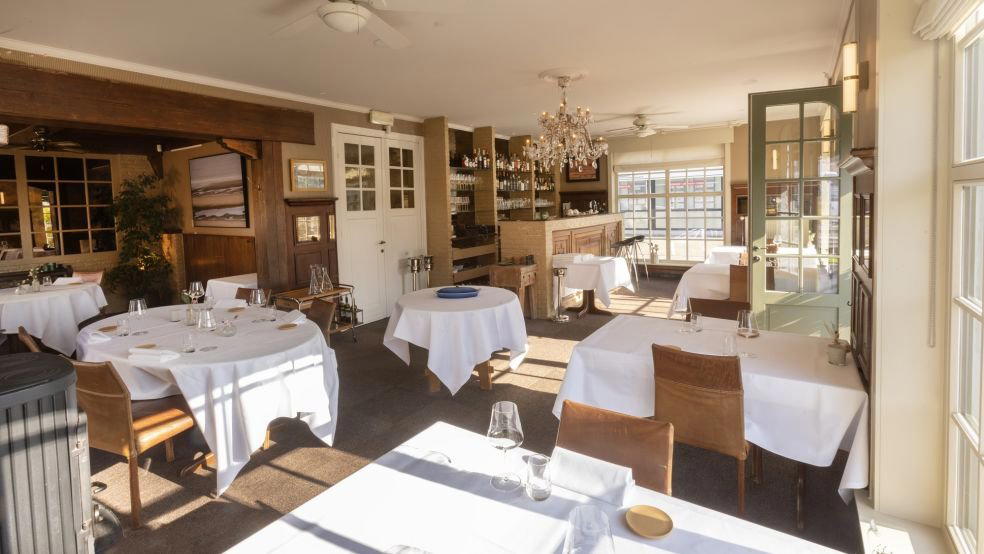
The setting is a refurbished villa that carries its age well. The building had already served as a local dining institution before Kelly and Pieter, returning after time spent cooking and travelling abroad, took it over and stripped it back to something more considered. What you find now is a room that feels like a private house in the leading sense: proportioned for intimacy rather than volume, with the kind of quiet confidence that comes from a space that knows what it is. The approach to the physical environment mirrors the approach to the food: nothing extraneous, everything purposeful.
The North Sea as a Sourcing Principle
Belgian coastal cooking has a reference point that goes well beyond regional pride. The southern North Sea fisheries, particularly those working out of Nieuwpoort, roughly ten kilometres from Westende, supply some of the most consistent shellfish and flatfish in northern Europe. Day-boat crab, grey shrimp, sole, and turbot move from the quay to restaurant kitchens along this stretch of coast faster than almost anywhere else on the continent. The question for any serious kitchen here is not whether to use this supply, that would be wilfully perverse, but what to do with it that reflects genuine skill rather than the easy proximity.
At Marquize, the answer leans hard toward restraint. The menu reads as a deliberate exercise in letting ingredients carry their own weight. North Sea crab arrives paired with crunchy kohlrabi, a vegetable that has become a reliable supporting player in modern northern European kitchens precisely because its texture holds against rich seafood, alongside oven-fresh bread and a tomato consommé with genuine acidity and backbone. The construction is simple in outline and demanding in execution. A consommé with that kind of clarity and punch requires precise technique; the bread's freshness is not incidental. Dishes like this are often described as pared-back, but the more honest framing is that they are concentrated: every element is load-bearing.
The polders, the low-lying agricultural land reclaimed from the sea that stretches behind the Belgian coast, contribute their own logic to the menu. Polder vegetables and herbs carry a minerality that reflects the saline soil, and cooking that draws on this supply tends to have a coherence of terroir, a word usually applied to wine but increasingly apt for coastal European kitchens working with genuinely local produce. Marquize's positioning at the junction of North Sea and polder supply gives it a sourcing story that is geographic rather than fashionable.
For a broader view of how Belgian fine dining handles coastal and marine produce from different angles, Bartholomeus in Heist and Willem Hiele in Oudenburg offer instructive comparisons, both are coastal addresses working similar raw material with distinct editorial perspectives. At the inland end of the spectrum, Boury in Roeselare and De Jonkman in Sint-Kruis represent what modern Flemish cooking looks like when the sourcing emphasis shifts from sea to land. Internationally, kitchens such as Le Bernardin in New York City have built their entire identity on the same principle of marine produce as the primary argument, a useful reference point for understanding what that kind of disciplined focus looks like at scale.
Recognition and Where Marquize Sits in the Belgian Picture
Belgium runs one of the densest concentrations of Michelin-recognised restaurants per capita in Europe. The country's culinary infrastructure, from its network of serious cooking schools to its proximity to French technique and Flemish produce traditions, has consistently produced kitchens that punch well above what the country's tourism profile might suggest. The Flemish coast, however, has historically been underrepresented in that tier. Marquize's return to attention, Michelin has noted the kitchen's focus on fresh North Sea crab and the duo's approach to showcasing main ingredients, places it within a small group of coastal Belgian addresses worth tracking seriously.
That recognition matters more in context than in isolation. Belgium's high-end dining tier, represented by addresses like Hof van Cleve in Kruishoutem, Zilte in Antwerp, and Castor in Beveren, tends to cluster around urban centres or the Flemish interior. A kitchen earning serious notice in Westende signals something about the quality floor of the regional supply chain and the ambition of the people working it. Bozar Restaurant in Brussels and Cuchara in Lommel represent different poles of the Belgian fine dining conversation, urban cultural institution versus regional destination, and Marquize occupies its own distinct position as a coastal address with a focused sourcing argument.
Planning a Visit
Westende sits on the Belgian tram line that runs the length of the coast, making it accessible from Bruges or Ostend without a car, though driving gives you more flexibility for the surrounding area. The address on Henri Jasparlaan is a villa rather than a signposted commercial block, so approach it as a residential street rather than a restaurant strip. Given the recognition Marquize has received and the limited scale of a villa dining room, booking ahead is strongly advised; walk-in availability on the Belgian coast outside the quiet shoulder season is unlikely at a kitchen with this kind of profile.
For the wider Westende area, our full Westende restaurants guide covers the broader local dining picture, alongside our Westende hotels guide, our Westende bars guide, our Westende wineries guide, and our Westende experiences guide for planning a longer stay along this stretch of the Flemish coast.
Frequently asked questions
Is Marquize okay with children?
Given the refined, ingredient-focused cooking and the intimate setting of a refurbished villa on Henri Jasparlaan 175, it is worth contacting the restaurant directly before arriving with young children.
What should I expect atmosphere-wise at Marquize?
Marquize occupies a refurbished villa on the Belgian coast, a setting that reads as composed and residential rather than formal. The duo behind it, Kelly and Pieter, brought energy to what had been a dormant local institution, so the room carries the feel of a revival with personal investment behind it.
Is Marquize award-winning?
Marquize has received recognition including: After globetrotting around the world, Kelly and Pieter have finally returned home. They have taken over and refurbished a pretty villa, breathing new life into what was something of a local institution. A quick glance at the menu reveals th….
What's the best thing to order at Marquize?
The crab dish is the clearest statement of what the kitchen does: North Sea crab paired with crunchy kohlrabi, oven-fresh bread, and a punchy tomato consommé. It illustrates the kitchen's approach of letting a single main ingredient carry the plate without obscuring it.
Where do I go for Marquize?
Marquize is located at Henri Jasparlaan 175, Westende.
Is Marquize reservation-only?
No booking details are publicly listed for Marquize at this time. Given its renewed profile as a returning local institution in Westende, contacting the restaurant ahead of a visit is advisable, particularly during the Belgian coast's busy summer season.
What is Marquize known for?
Marquize is known for pared-back North Sea and polder cooking served from a refurbished villa in Westende. After travelling abroad, owners Kelly and Pieter took over a former local institution and rebuilt its reputation around the produce directly off Belgium's southern North Sea coastline.
Comparable Spots, Quickly
Comparable venues nearby, for context on price, style, and recognition.
| Venue | Cuisine | Price | Awards | Notes |
|---|---|---|---|---|
| MarquizeThis venue (the venue you are viewing) | Modern European Seafood | $100–150 | Michelin Plate | Not listed |
| Subtiel | Classic Cuisine, Seafood | $50–100 | 1 Michelin Star | De Panne |
| Rock-Fort | Modern North Sea Seafood Bistro | $50–100 | Michelin Plate | St-anna |
| Auberge de Herborist | Creative Farm-to-Table Fine Dining | $100–150 | Michelin Plate | Sint-Andries |
| Bar Misera | Modern Seafood Fine Dining | $150–200 | Michelin Plate | Nieuw Zuid |
| De Huifkar | Belgian Seafood | Not listed | Michelin Plate | Koksijde |
Recognition history
Dated appearances from independent guides and award organizations, with the underlying list record or original source where available.
Michelin Plate
Michelin
Continue exploring
More in Westende
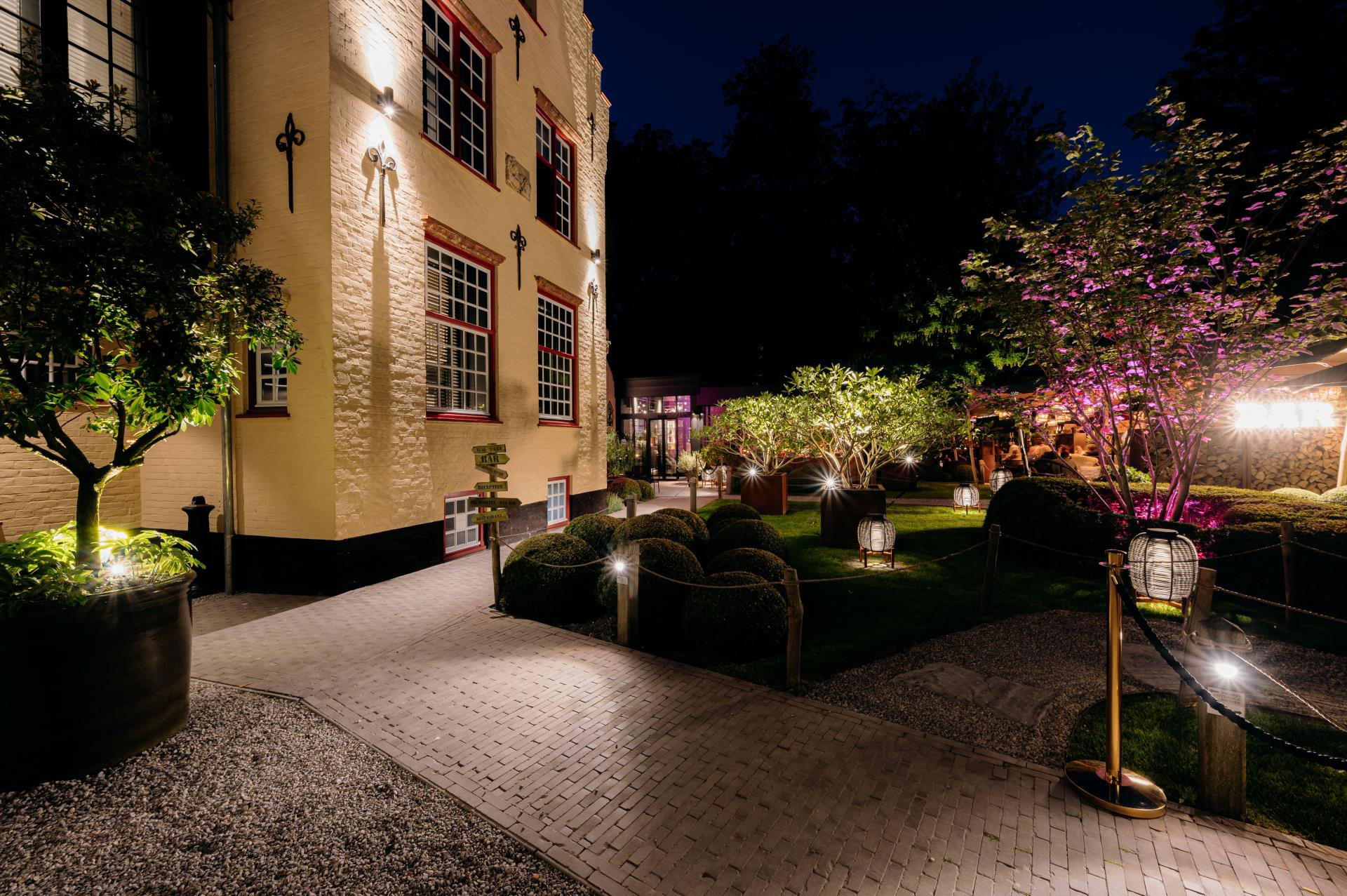
Restaurants in Westende
All restaurants in Westende →
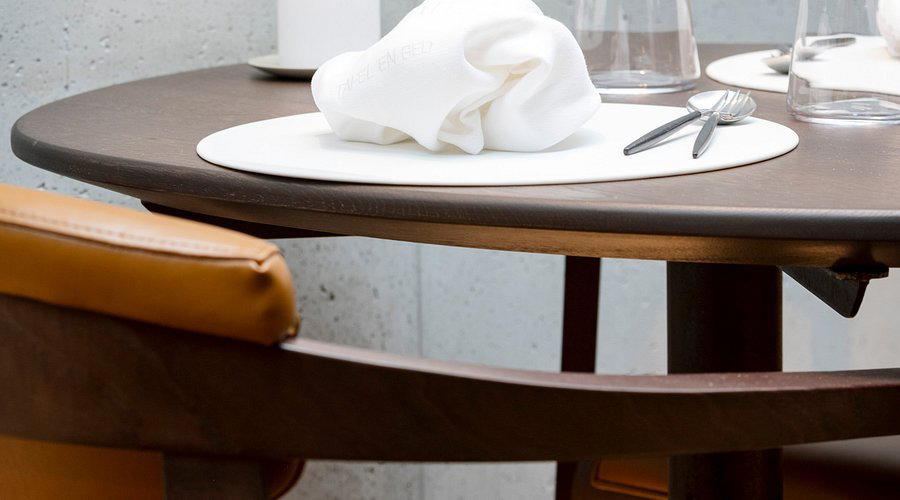
Bars in Westende
Browse all →
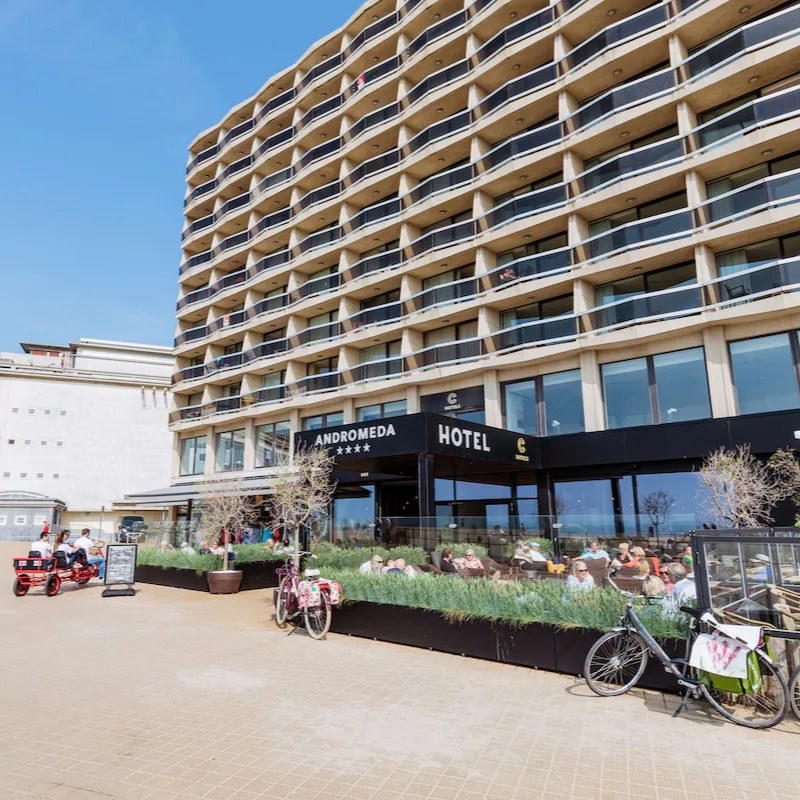
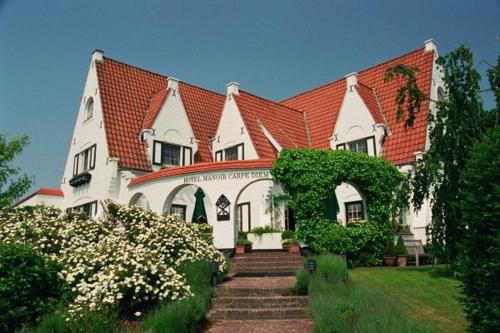
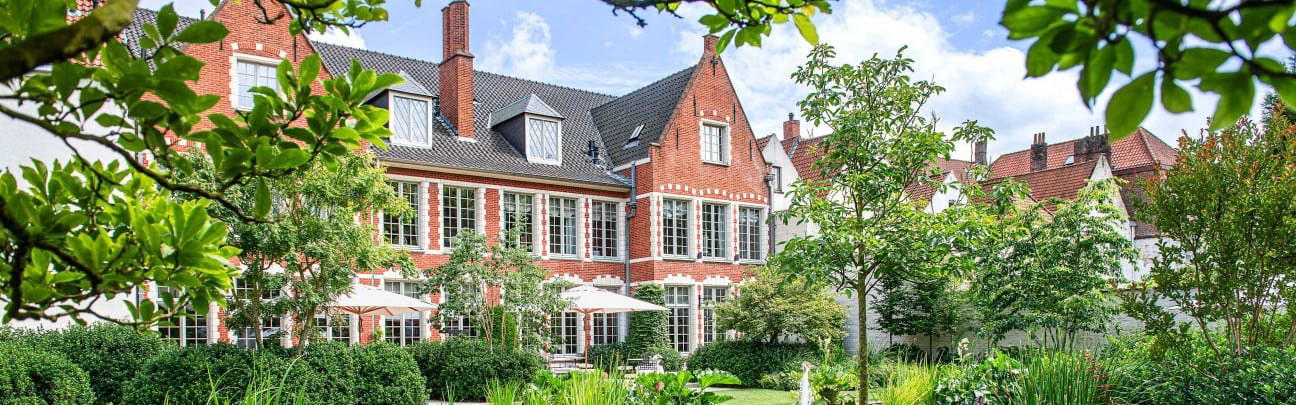
Hotels in Westende
Browse all →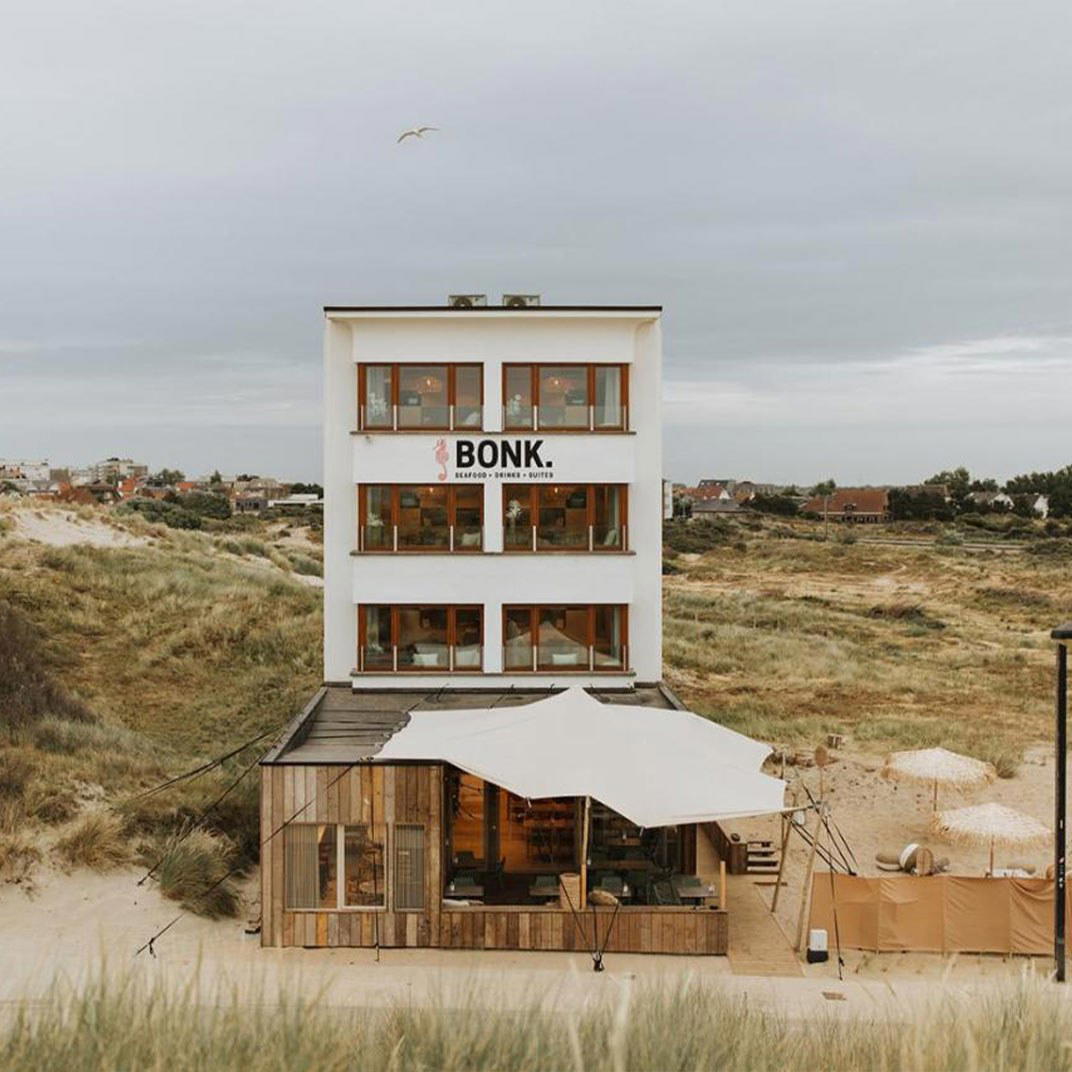
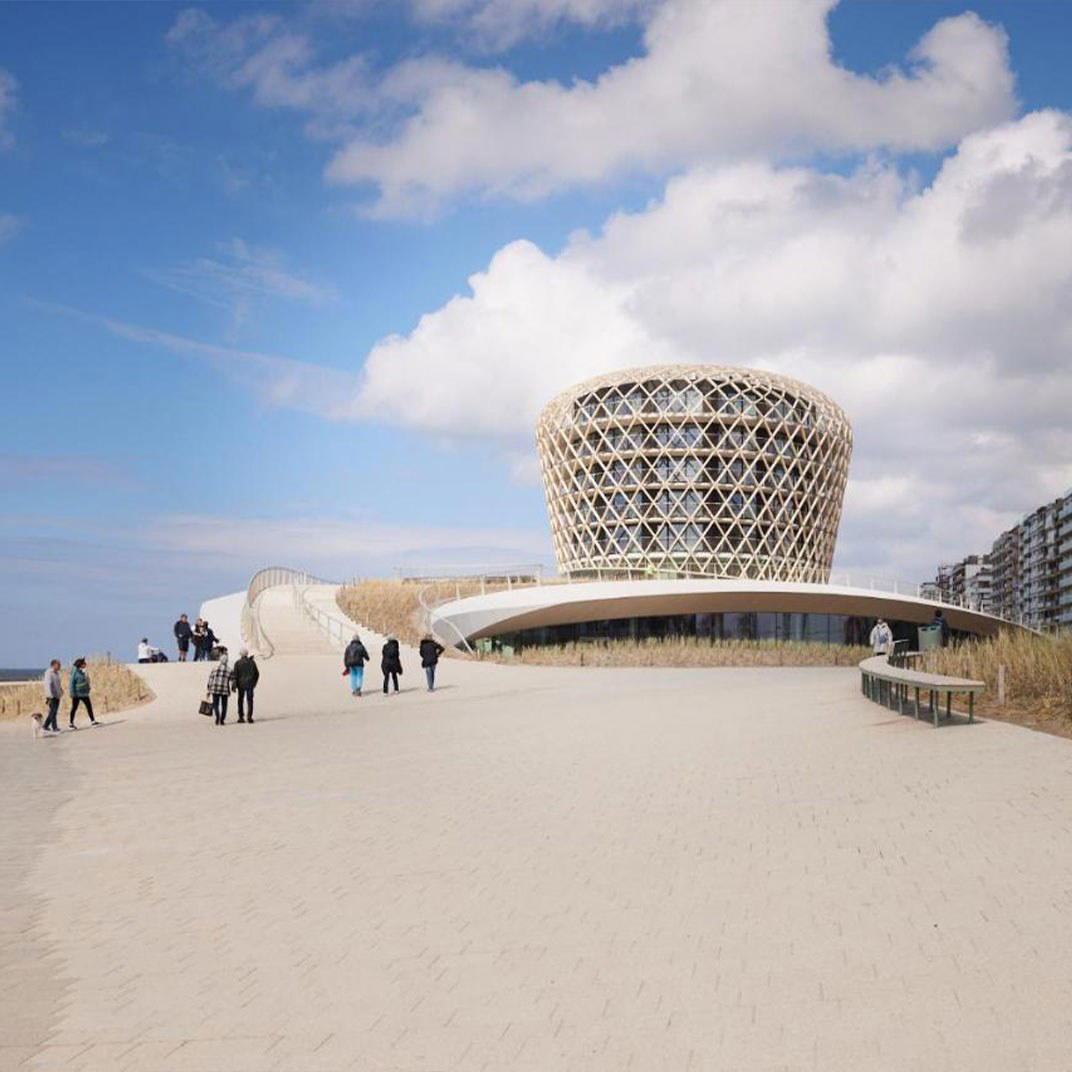
Wineries in Westende
Browse all →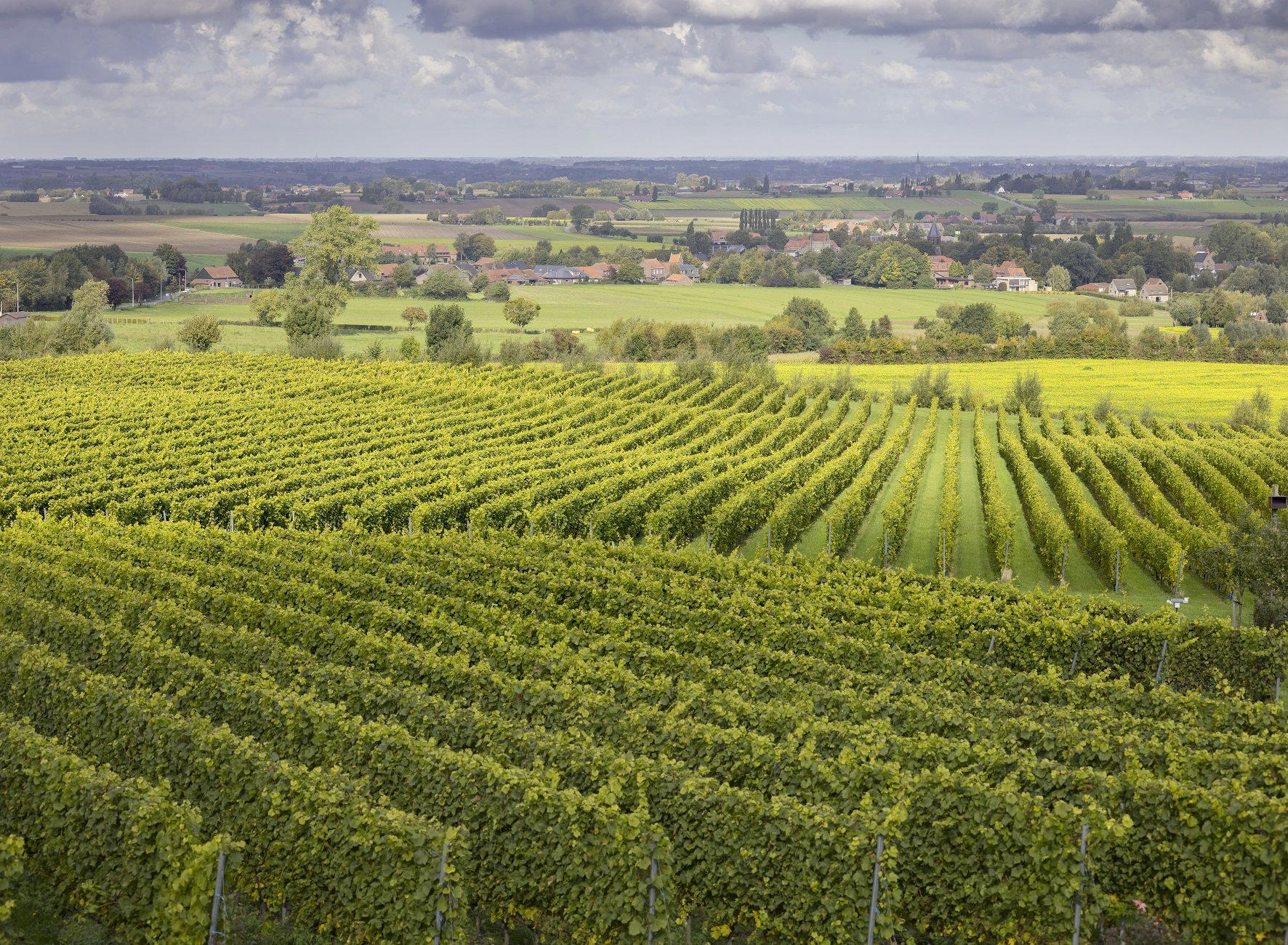
Marquize
The wine
- Wine program
- Deep wine list
- Extensive wine list
- Sommelier-led
Details
- Elegant
- Romantic
- Sophisticated
- Intimate
- Date Night
- Special Occasion
- Celebration
- Open Kitchen
- Standalone
- Terrace
- Extensive Wine List
- Sommelier Led
- Local Sourcing
- Farm To Table
- Tasting Menu
- A La Carte
- Wine
- Dessert Wines
- Vegetarian Friendly
Current opening hours
- Monday
- Closed
- Tuesday
- Closed
- Wednesday
- 7–8:15 PM
- Thursday
- 12–1:15 PM, 7–8:15 PM
- Friday
- 12–1:15 PM, 7–8:15 PM
- Saturday
- 12–1:15 PM, 7–8:15 PM
- Sunday
- 12–1:15 PM
Hours can change for holidays and private events. Hours as of .
Refined and intimate setting with pleasant decor; guests describe a welcoming, warm atmosphere enhanced by attentive personal service and chef presentations at the table.