
Tabelog 100 #83
Our verdict
Tokyo’s Asian and ethnic dining category is crowded with counter curry shops, late-night izakaya hybrids, and small-format specialists. Spice Bazaar Achakana sits in the serious end of that field, with Tabelog 100 recognition for Asian and ethnic cuisine in Tokyo across 2022, 2023, and 2024, plus a compact Indian, bar, and curry format in Nishishinjuku.

Pearl is the En Primeur Club membership app, where members save venues, book tables and use the concierge.
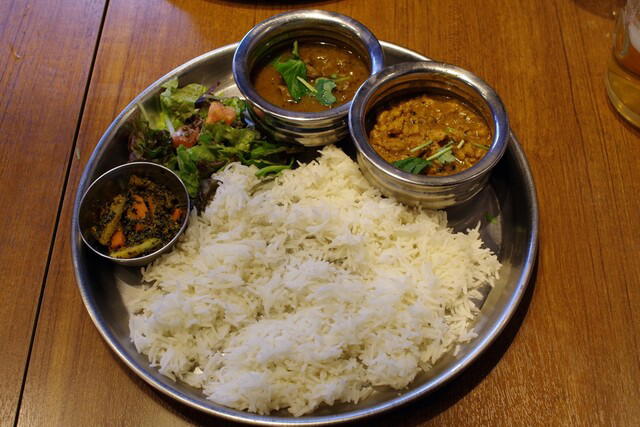
The menu
What to order
- Natural Yellowtail Curry
- Chicken Curry Roast Spice
- Coconut Seafood Curry
- Cheese Kulcha
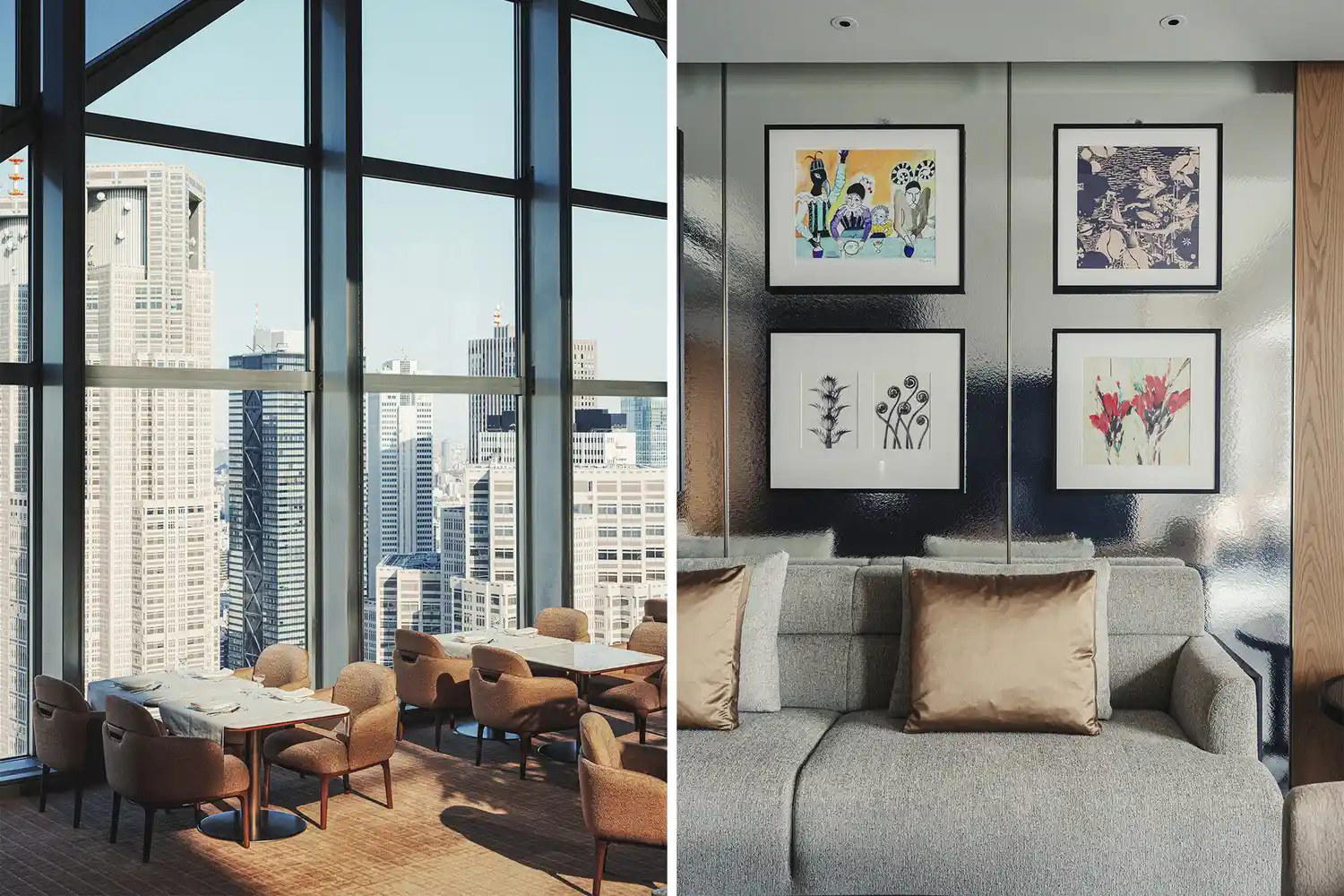
Tokyo changes character quickly around its busiest dining zones: office blocks give way to upper-floor addresses, small signs, and dining rooms built for regulars rather than spectacle. In that setting, a spice-led bar format makes sense. Tokyo has long treated curry as both everyday comfort and specialist obsession, but the sharper end of the category often sits in focused rooms where spice, drinks, and pacing carry more weight than décor.
Spice Bazaar Achakana belongs to that more focused tier. Its public identity is not built around a celebrity chef or a grand tasting-menu apparatus; it is built around a clearly framed proposition within the Indian, bar, and Indian curry categories. That matters in Tokyo, where curry can mean anything from quick everyday comfort to careful spice calibration. Here the category points toward a specialist curry-and-bar address without losing the accessibility that keeps curry culture democratic.
A compact spice bar inside Tokyo's serious ethnic dining conversation
Tabelog’s Hyakumeiten recognition gives this address its clearest critical signal. The restaurant was listed in 2024, a useful marker in a city where small restaurants often compete on consistency rather than media visibility. The 2024 listing places it among a defined Tokyo cohort rather than a vague popularity pool, and the published score of 3.70 points to a venue that has cleared the threshold for specialist attention.
The format is central to the appeal. The restaurant is publicly categorized not only as Indian and Indian curry, but also as a bar. That changes how to read the meal: lunch sits in a more modest published budget range, while dinner has a higher listed range and more room for the bar side of the identity. The combination of Indian curry and a bar category gives the restaurant a different register from curry shops built around speed alone.
Tokyo’s Indian dining scene is unusually fragmented. There are neighborhood curry specialists, broader Indian restaurants, casual curry houses, and bar-like rooms where spice can be part of a drinks-led outing. Spice Bazaar Achakana sits naturally in that last conversation. It is not competing with ramen counters such as Ramen Nagi or Menya Sho Honten on the same terms, nor with casual station-area dining such as Toki Ya Shinjuku odakyu haruku ten or Paul Bassett Shinjuku on convenience. Its sharper comparison is with Tokyo’s specialist restaurants, where focus and recognition signal a more intentional meal.
Why the recognition matters in Tokyo's crowded dining map
Tokyo rewards restaurants that understand their use case. The city has late-night chains, department-store dining floors, tiny bars, ramen queues, and business-lunch counters close to one another. In that environment, Tabelog Hyakumeiten recognition carries a different kind of weight from luxury accolades: it helps separate specialist cooking from the mass of casual options around the city. Spice Bazaar Achakana’s 2024 recognition makes the case for it as a category address, not just a convenient curry stop.
The food vocabulary also reflects how Tokyo diners approach spice. Curry is familiar, but a bar category asks for a broader reading: curry, small dishes, and drinks may share the same dining occasion without forcing a formal progression. The restaurant’s placement in Indian, bar, and Indian curry categories sits comfortably inside that Tokyo habit of hybridizing formats. A bar can be known for curry; a curry restaurant can carry a drinks-led identity; a focused room can operate with the selectiveness associated with specialist dining.
Price positioning reinforces that point. The published budgets place lunch in the JPY 1,000 to JPY 1,999 range and dinner in the JPY 3,000 to JPY 3,999 range, which is modest for a recognized Tokyo specialist. That gives the restaurant a different value equation from formal tasting-menu dining: the trust signal comes from category recognition and repeat local use, not from luxury pricing. For travelers, that is often where Tokyo is at its strongest: serious cooking in a focused room, priced for repeat local use rather than occasion spending.
How to read it against Tokyo's broader restaurant circuit
For an itinerary, this is the kind of address that works as a counterweight to sushi, yakitori, and kaiseki-heavy planning. Tokyo already has enough density to sustain several different eating strategies in a single stay, from curry specialists to neighborhood-format restaurants and visually driven café stops. Achakana’s value is that it adds a spice-and-drinks lens to that map, rather than another version of the same quick city meal.
Readers building a Tokyo list should treat it as part of the city’s specialist middle tier: critically noticed, clearly categorized, and more revealing of local dining habits than many higher-priced rooms. Pair it with other Tokyo dining rooms, or use it as a contrast to ramen counters such as Ramen Nagi and Menya Sho Honten, café-led stops such as Paul Bassett Shinjuku, casual dining such as Toki Ya Shinjuku odakyu haruku ten, or yakiniku such as 焼肉トラジ新宿西口店. For the surrounding trip architecture, the same city lens extends to Our full Tokyo restaurants guide, Our full Tokyo hotels guide, Our full Tokyo bars guide, Our full Tokyo wineries guide, and Our full Tokyo experiences guide.
Japan’s specialist dining culture also becomes clearer when viewed beyond a single category. Compare the curry focus here with other regional spice addresses, the beef-led framing of other Japanese dining rooms, the café register found in major cities, and the contemporary small-room feel of compact restaurants elsewhere in Japan. Even farther afield, Japanese dining categories travel widely, but Tokyo’s small specialist rooms remain the reference point for how tightly a format can be edited.
A Minimal
Side-by-side context: comparable cuisine and price.
| Venue | Cuisine | Price | Awards | Notes |
|---|---|---|---|---|
| Spice Bazaar AchakanaThis venue (the venue you are viewing) | Indian-based spice bar & curry house | $20–30 | Tabelog 100 #83 | Not listed |
| Ramen Nagi | Niboshi Ramen | $10–20 | Not listed | Ramen |
| Toki Ya Shinjuku odakyu haruku ten | Japanese sweets cafe | $1–10 | Tabelog 100 #33 | JPY 999 - JPY 999 |
| Paul Bassett Shinjuku | Specialty Coffee & Café | $10–20 | Tabelog 100 #63 | JPY 999 - JPY 999 |
| Menya Sho Honten | Chicken shio ramen shop | $10–20 | Tabelog 100 #73 | JPY 999 - JPY 999 |
| 焼肉トラジ新宿西口店 | Premium Yakiniku (Japanese Grilled Beef) | $50–100 | Not listed | Not listed |
Recognition history
Dated appearances from independent guides and award organizations, with the underlying list record or original source where available.
Tabelog 100 #83 · No. 83
Tabelog · Tabelog 100 - Asian cuisine / Ethnic cuisine - TOKYO - 2024
Continue exploring
More in Tokyo
Restaurants in Tokyo
All restaurants in Tokyo →



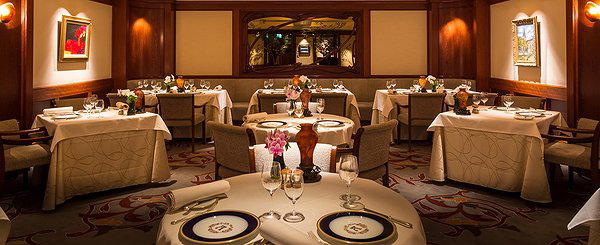
Bars in Tokyo
All bars in Tokyo →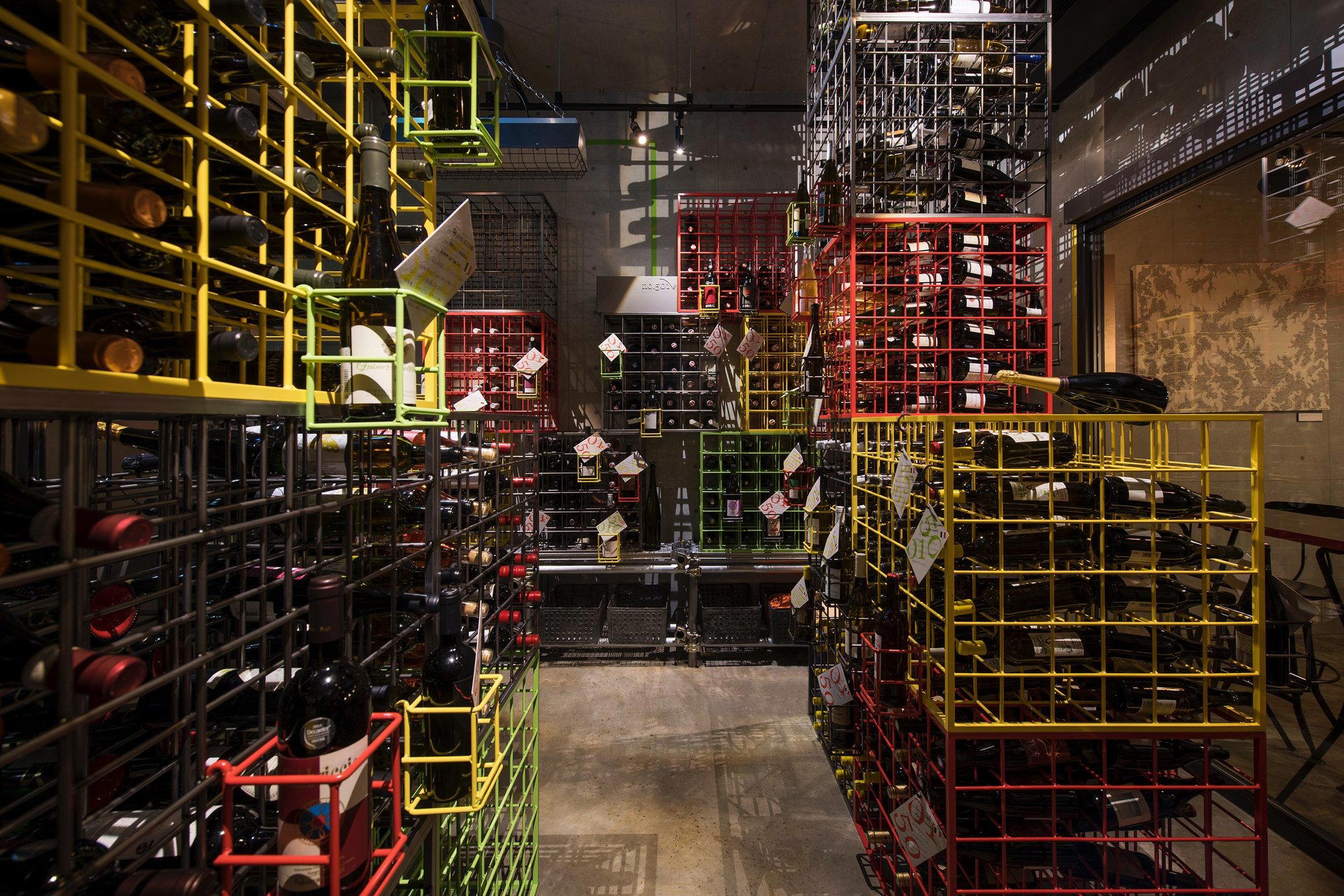


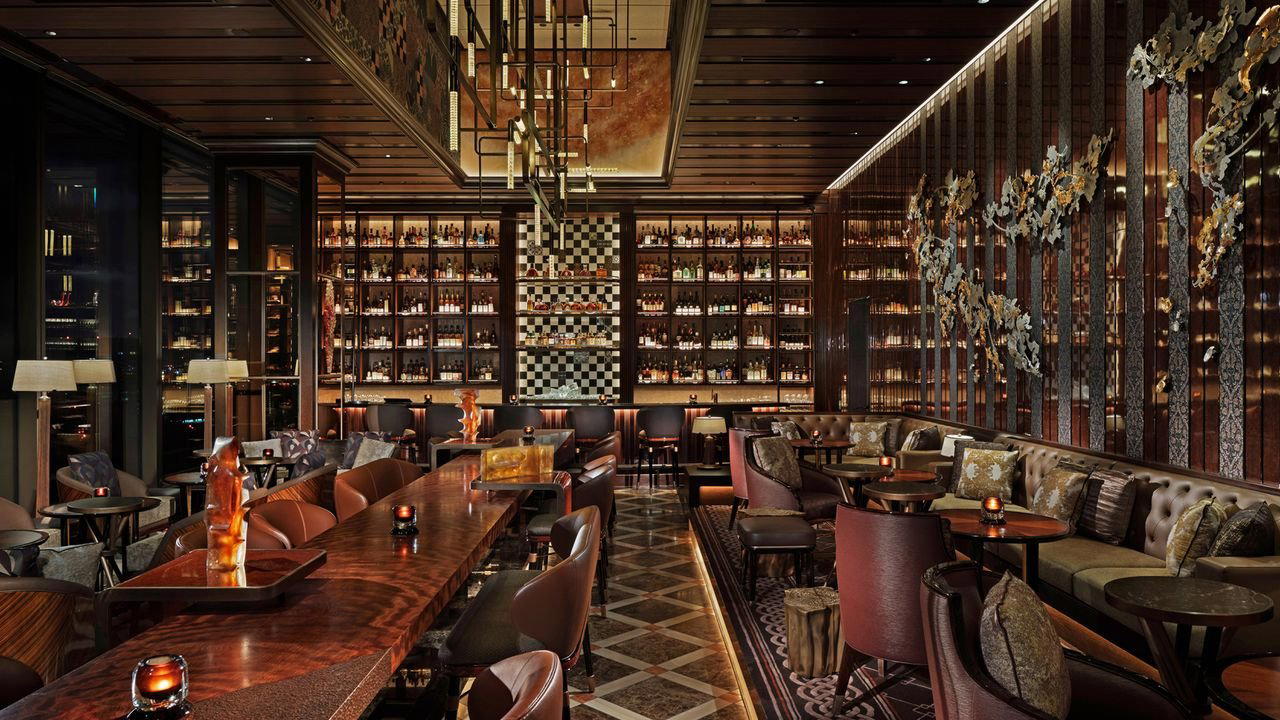



Details
- Cozy
- Lively
- Solo
- Casual Hangout
- After Work
- Group Dining
- Date Night
- Standalone
- Design Destination
- Beer Program
- A La Carte
- Small Plates
- Counter Dining
- Beer
- Whisky
- Wine
- Vegetarian Friendly
Current opening hours
- Monday
- Closed
- Tuesday
- 11:30 AM–2:30 PM, 5–10 PM
- Wednesday
- 11:30 AM–2:30 PM, 5–10 PM
- Thursday
- 11:30 AM–2:30 PM, 5–10 PM
- Friday
- 11:30 AM–2:30 PM, 5–10 PM
- Saturday
- 11:30 AM–2:30 PM, 5–10 PM
- Sunday
- Closed
Hours can change for holidays and private events. Hours as of .
A small hidden-gem curry bar with about 15 seats, warm and welcoming service, and a relaxed, cozy atmosphere that feels like a neighborhood spot for serious spice and curry fans.