Maris
Our verdict
Maris sits on West State Street in Media, Pennsylvania, a borough whose walkable downtown has quietly built one of Delaware County's more considered dining scenes. The address places it among a cluster of independent restaurants serving a community that skews toward quality over spectacle. For visitors coming from Philadelphia, Media is a straightforward regional rail ride southwest of the city.

Pearl is the En Primeur Club membership app — saves, bookings, and concierge access live there. Same editors, same standards.
- Address
- 214 W State St, Media, PA 19063
- Phone
- (267) 500-2979
- Hours
- Mon–Thu 4–9 PMFri–Sat 4–10 PMSun 4–9 PM
- Website
- marisseafood.com
- Directions
- Get directions
- Booking
- Book on OpenTable
The menu
What to order
- Whole branzino
- Seafood towers
- Cheese saganaki
Media, Pennsylvania and the Case for Small-Town Serious Dining
West State Street in Media, Pennsylvania runs through a borough that has spent the past decade becoming something rarer than its size suggests: a walkable downtown where independent restaurants set the terms rather than chain operators. The street functions as Delaware County's informal dining corridor, and Maris, at 214 W State St, occupies a position within that corridor that reflects the broader pattern shaping mid-sized American town dining scenes right now. Across the country, the most interesting food conversations are happening away from major metropolitan cores, in places where rents permit ambition and regulars provide the stability that allows kitchens to take risks.
That context matters when reading a restaurant in Media. The borough sits roughly eighteen miles southwest of Center City Philadelphia, accessible via the SEPTA Media/Wawa rail line from 30th Street Station. That proximity to a city with a deeply competitive dining culture sets a baseline expectation for anyone making the trip: places that survive here tend to do so because they offer something the city doesn't replicate at the same price point or with the same intimacy. The comparison venues that anchor the upper tier of American fine dining — Le Bernardin in New York City, Alinea in Chicago, The French Laundry in Napa — operate inside ecosystems of density, tourism, and critical infrastructure. A restaurant in Media operates by different logic entirely: community anchoring, neighborhood loyalty, and the kind of word-of-mouth that travels through a tight geography.
The Scene on West State Street
Media's downtown has the bones of a functioning restaurant district: a grid of streets dense enough for foot traffic, a local government that has historically protected the pedestrian character of the area, and a resident population that treats dining out as a regular habit rather than an occasion. The result is a street where a range of formats coexist, from casual Italian to more composed cooking. Casa Mia represents the longer-established Italian strand of that mix, while Margaret Kuo's Kitchen brings a different regional tradition to the same block. Maris enters a street that already has defined anchors, which means its position in the local dining conversation depends on what it adds that its neighbors don't cover.
This is the dynamic that shapes every small-city restaurant scene worth examining. The question is never whether a place exists in isolation but how it fits into and expands the range available to its community. In Media, the ceiling has been rising: diners who make regular trips into Philadelphia for higher-ambition cooking are increasingly finding reasons to stay local, and the restaurants that capture that loyalty tend to do so through format discipline, consistency, and a clear point of view on what they are and aren't trying to do.
American Dining Outside the Spotlight Cities
The broader American dining conversation has long been organized around a handful of cities, New York, Chicago, San Francisco, Los Angeles, and a secondary tier of destination restaurants that draw visitors willing to travel: Blue Hill at Stone Barns in Tarrytown, The Inn at Little Washington in Washington, Single Thread Farm in Healdsburg. Below that tier, and often invisible to national critics, sits a dense layer of regional cooking that sustains itself without awards infrastructure or tourist volume.
Media occupies that layer. Its restaurants don't compete with Atomix in New York City or Lazy Bear in San Francisco for the same guest, and they're not designed to. The more useful comparisons are internal: what does a restaurant in this borough offer relative to its immediate peers, and does it hold its ground against the pull of a city that is eighteen miles away and accessible by train in under forty minutes? The restaurants that answer that question well tend to be precise about their format and clear-eyed about their audience.
That pattern plays out in smaller dining scenes across the country. Bacchanalia in Atlanta, Brutø in Denver, and Causa in Washington, D.C. each operate in markets where the national critical apparatus has historically underinvested, yet each has built a loyal audience by being specific rather than generic. The same principle applies to a restaurant on West State Street in a Delaware County borough: specificity is the only defense against the gravitational pull of a larger market.
Cultural Roots and What They Signal
It suggests a kitchen that has not sought or received the kind of critical attention that generates public records, which in the context of a small Pennsylvania borough is neither unusual nor a negative signal. Most restaurants operating at the community level in mid-sized American towns are not in the business of press cycles. They are in the business of feeding a neighborhood consistently enough that the neighborhood comes back.
The cultural lineage of any kitchen, whether rooted in American regional tradition, European classical training, or a more contemporary cross-cultural approach, shapes the vocabulary the restaurant uses to communicate with its guests. In the absence of documented specifics for Maris, the relevant editorial context is the tradition that governs independent restaurants in the Delaware Valley more broadly: a mid-Atlantic sensibility that draws on Philadelphia's long history of serious cooking, its proximity to both New York influence and Chesapeake ingredient traditions, and a local palate that tends toward directness over theatrical presentation. That tradition has produced distinguished kitchens at every price point, from neighborhood BYOB spots to the kind of destination cooking that draws comparison to Emeril's in New Orleans or Providence in Los Angeles.
Planning a Visit to Media
For diners coming from outside Delaware County, the most practical approach is the SEPTA Media/Wawa line from Jefferson Station or 30th Street Station in Philadelphia, with the Media stop placing visitors within a short walk of West State Street. The borough's parking is also more forgiving than Center City, making it accessible by car from across the region. Our full Media restaurants guide covers the broader dining picture across the borough, including format and price range context for the West State Street corridor.
Diners choosing between a Philadelphia dinner and a Media evening should weigh what the city provides in density and variety against what a smaller scene provides in pace and accessibility. For a meal on West State Street, the calculation often favors those who want a more grounded evening, without the logistics overhead that comes with dining in a major urban core. Venues like Addison in San Diego and 8 1/2 Otto e Mezzo Bombana in Hong Kong demonstrate that serious cooking can exist at any scale, but the experience of eating in a small American town has its own distinct register, one that Media's dining scene delivers with increasing consistency.
Frequently asked questions
Is Maris child-friendly?
Maris is located at 214 W State St in Media, a walkable downtown borough where restaurants tend to serve a broad local crowd.
What's the vibe at Maris?
Media's West State Street corridor has developed into a functioning restaurant district with enough foot traffic to support a range of formats, from casual to deliberate sit-down dining. Maris sits within that context — a borough setting that tends toward neighborhood familiarity rather than destination formality.
Is Maris worth the trip from Philadelphia to Media, PA?
Media is accessible via the SEPTA Media/Wawa line from Jefferson Station or 30th Street Station, making it a realistic evening out from central Philadelphia without a car. The borough's West State Street has attracted enough serious dining interest over the past decade to justify the trip on its own terms, and Maris at 214 W State St sits at the center of that activity.
What should I eat at Maris?
For diners coming from outside Delaware County, calling ahead or checking the restaurant's current offerings directly will give the most accurate picture of what's on the menu.
What's the address for Maris?
Maris is located at 214 W State St, Media, PA 19063, Media.
Do they take walk-ins at Maris?
Walk-in policy for Maris has not been publicly documented. Given Media's status as a growing restaurant destination on West State Street, weekend evenings in particular tend to draw strong local turnout — calling ahead is the practical move.
A Pricing-First Comparison
Comparable venues nearby, for context on price, style, and recognition.
| Venue | Cuisine | Price | Awards | Notes |
|---|---|---|---|---|
| MarisThis venue — the venue you are viewing | Seafood-Forward Mediterranean | $30–50 | Not listed | Not listed |
| Casa Mia | Italian Bar & Grill with Wood-Fired Pizza | $20–30 | Not listed | Media, Italian Bar & Grill with Wood-Fired Pizza |
| Margaret Kuo's Kitchen | Modern Chinese & Sushi | $20–30 | Wine Spectator Award of Excellence | Granite Run Promenade, Modern Chinese & Sushi |
| Mish Mish | Modern Mediterranean Small Plates | Not listed | Michelin Plate | East Passyunk Crossing, Modern Mediterranean Small Plates |
| Alba | Rustic Italian Wood-Grilled Cuisine | $30–50 | Wine Spectator Award of Excellence | Malvern, Rustic Italian Wood-Grilled Cuisine |
| Neos Americana | Modern Mediterranean | Not listed | Not listed | Conshohocken, Modern Mediterranean |
Continue exploring
More in Media
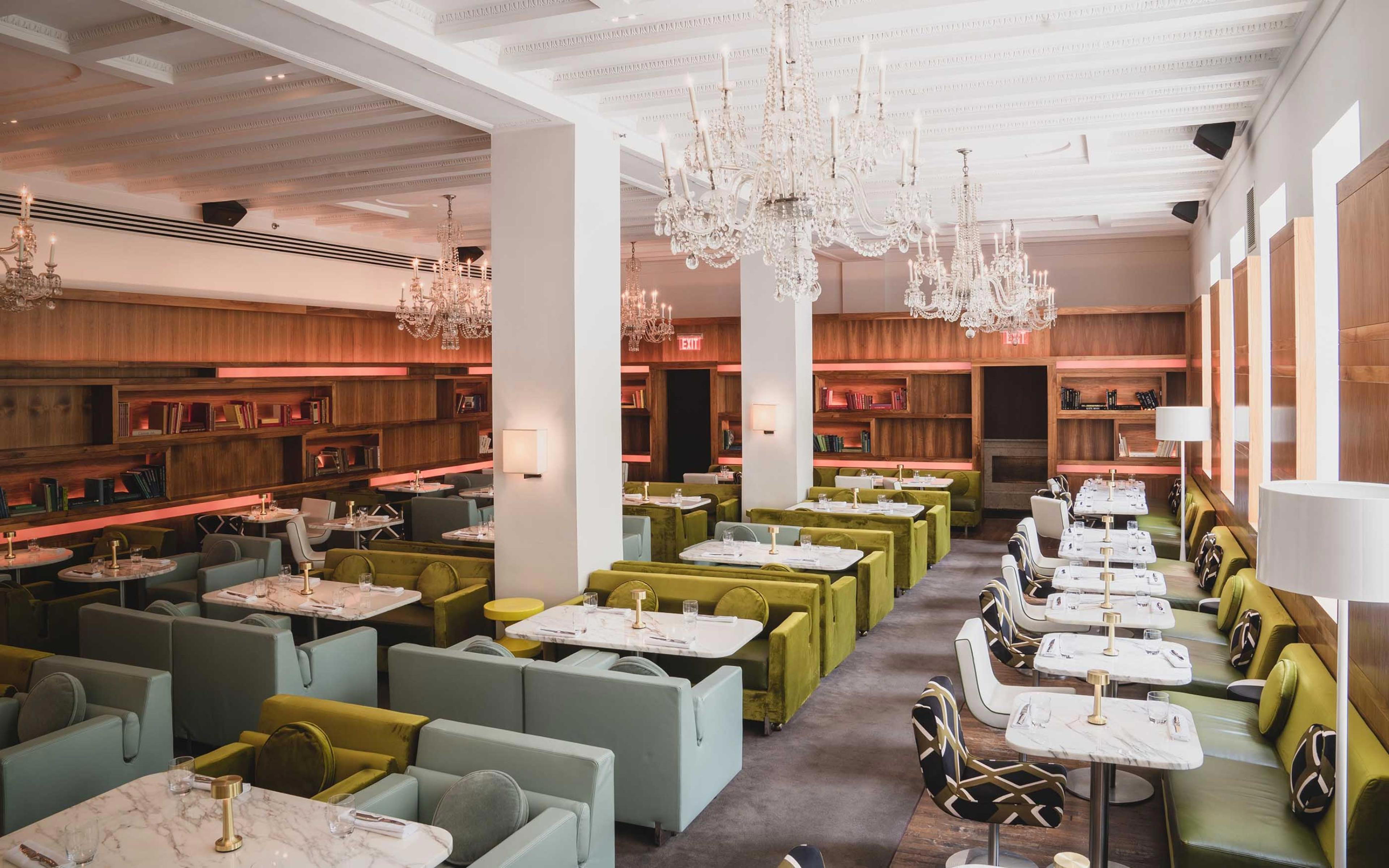
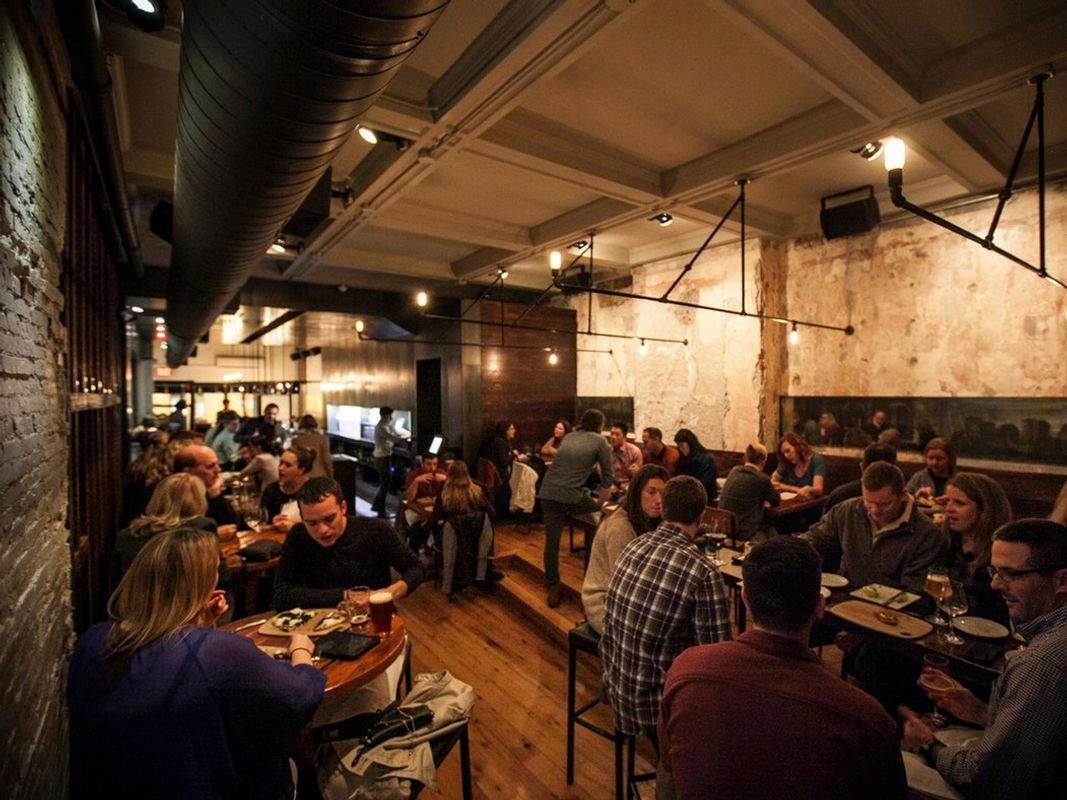
Restaurants in Media
Browse all →
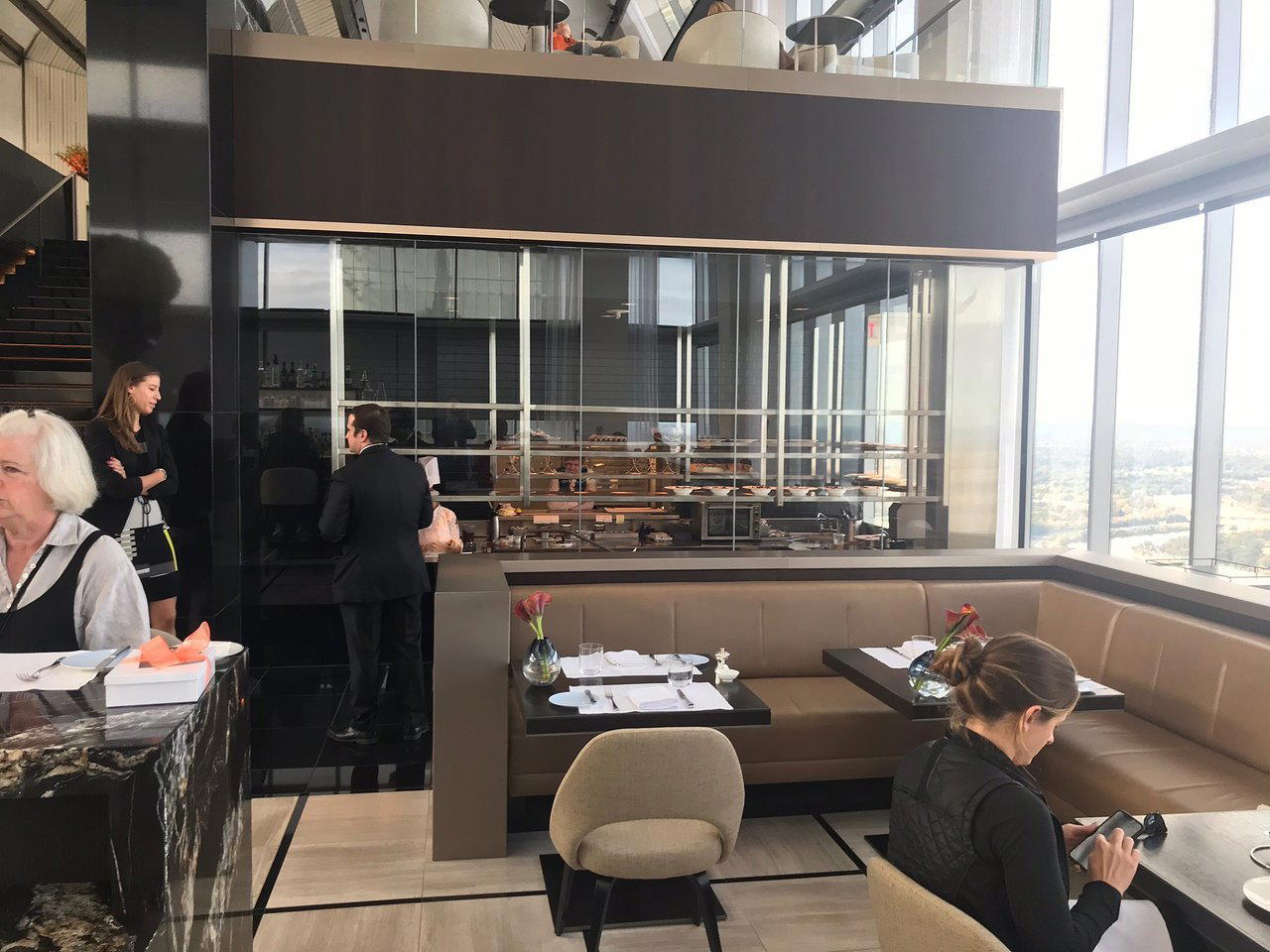
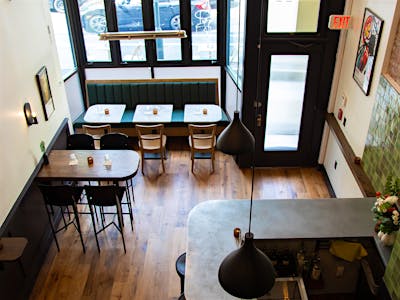
Bars in Media
Browse all →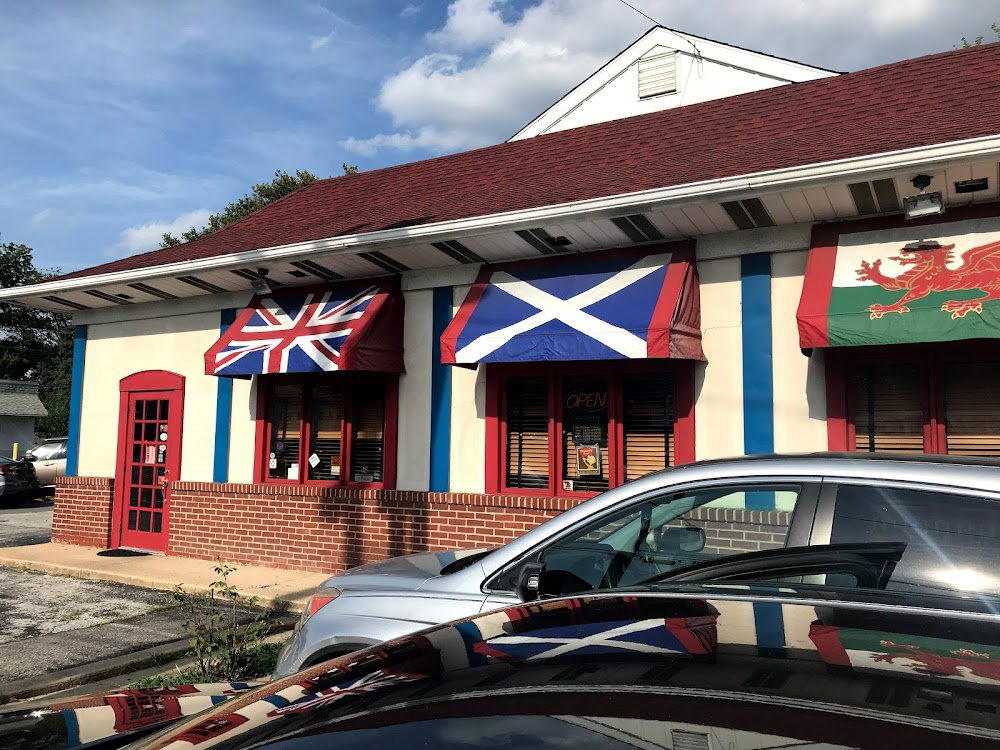
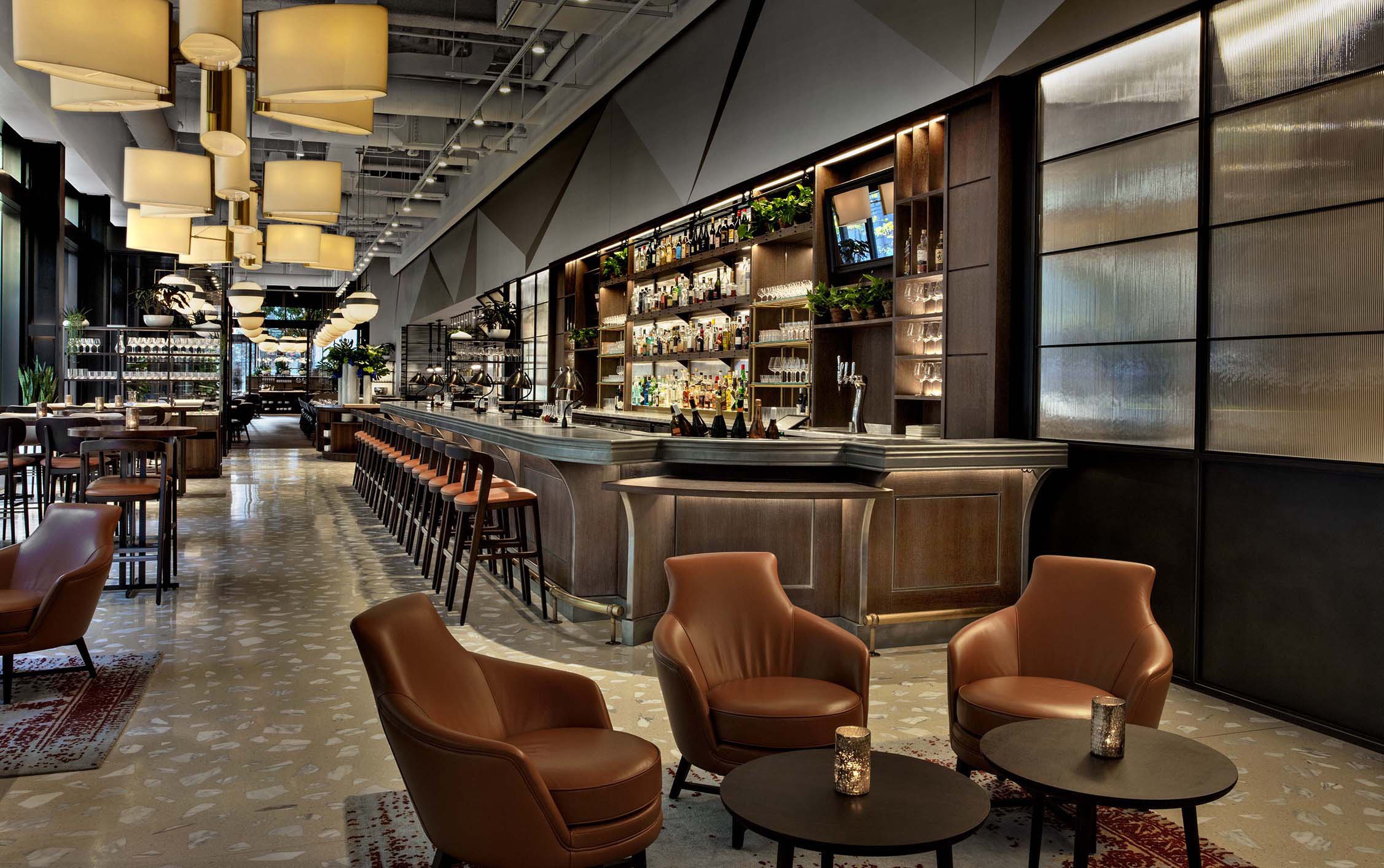
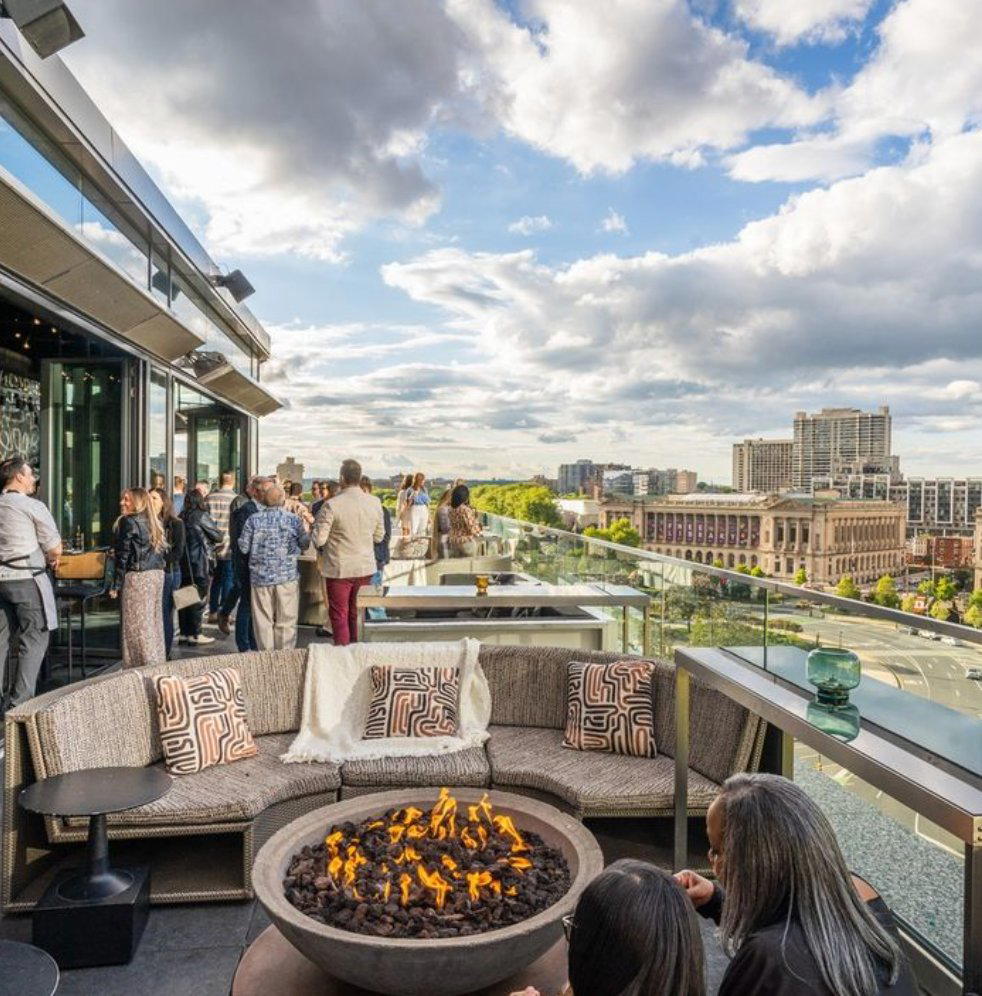
Hotels in Media
Browse all →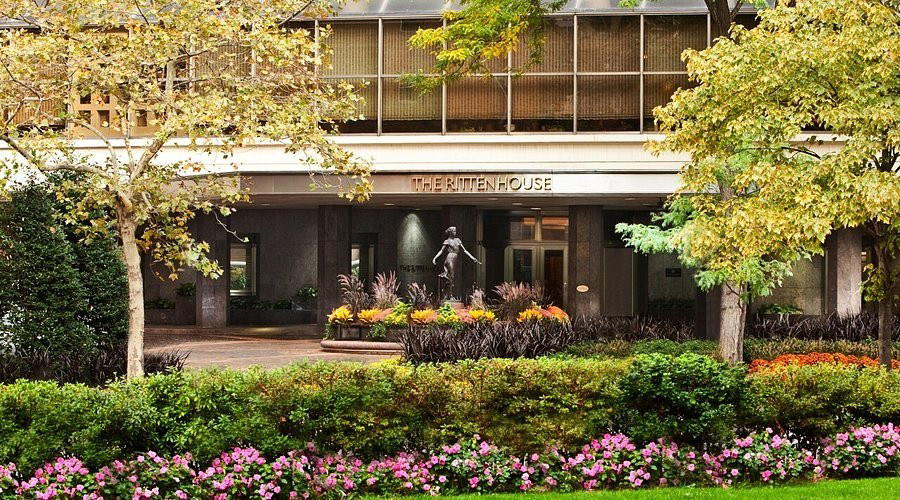
Wineries in Media
Browse all →
Details
- Cozy
- Elegant
- Modern
- Date Night
- Group Dining
- Special Occasion
- Open Kitchen
- Craft Cocktails
- A La Carte
- Small Plates
- Gluten Free Options
Current opening hours
- Monday
- 4–9 PM
- Tuesday
- 4–9 PM
- Wednesday
- 4–9 PM
- Thursday
- 4–9 PM
- Friday
- 4–10 PM
- Saturday
- 4–10 PM
- Sunday
- 4–9 PM
Hours can change for holidays and private events. Last verified .
Brighter feel with white and Mediterranean blue color scheme incorporating pink flowers reminiscent of Greek bougainvillea, offering refined-casual elegance.