Fresca
Our verdict
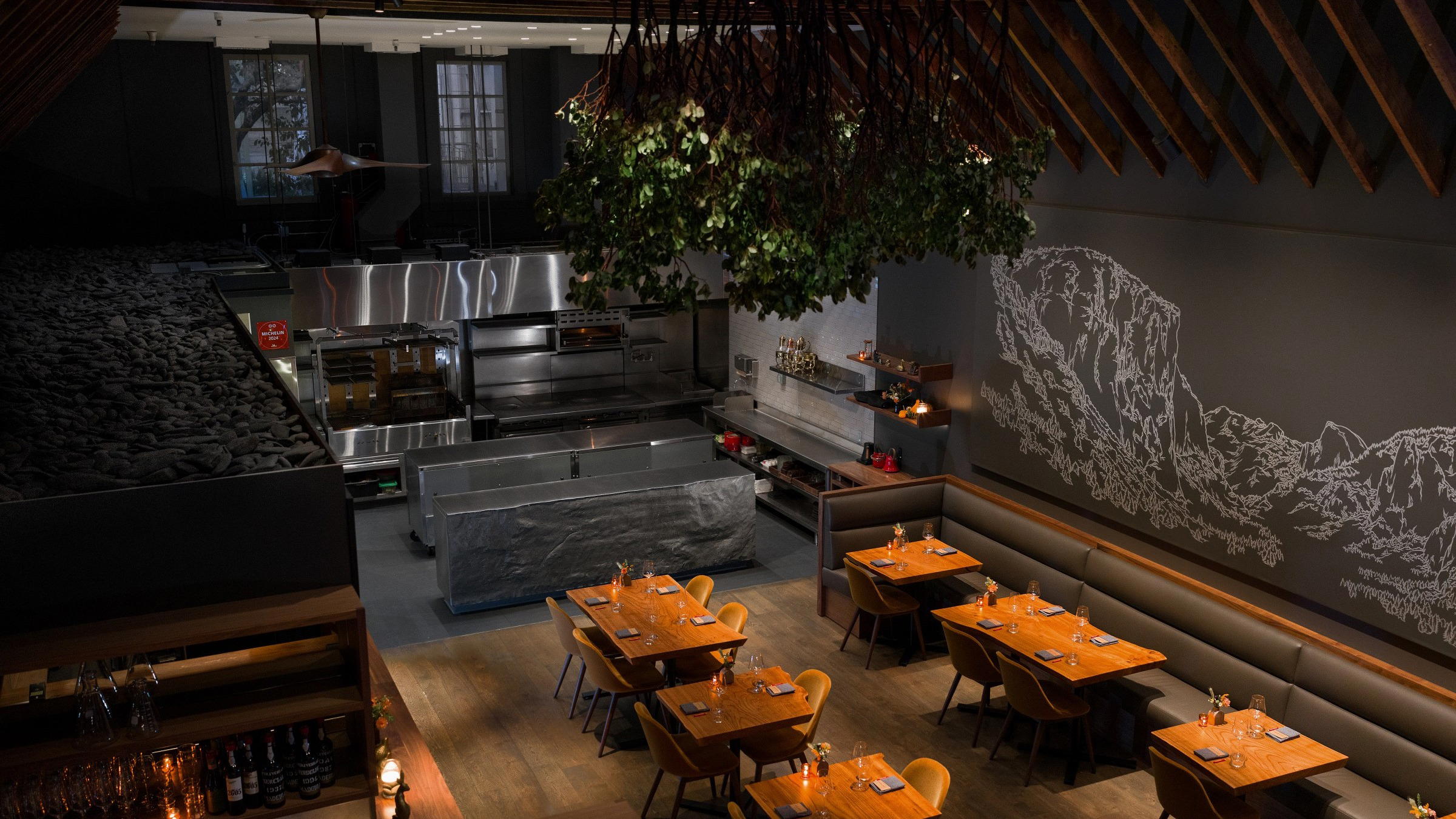
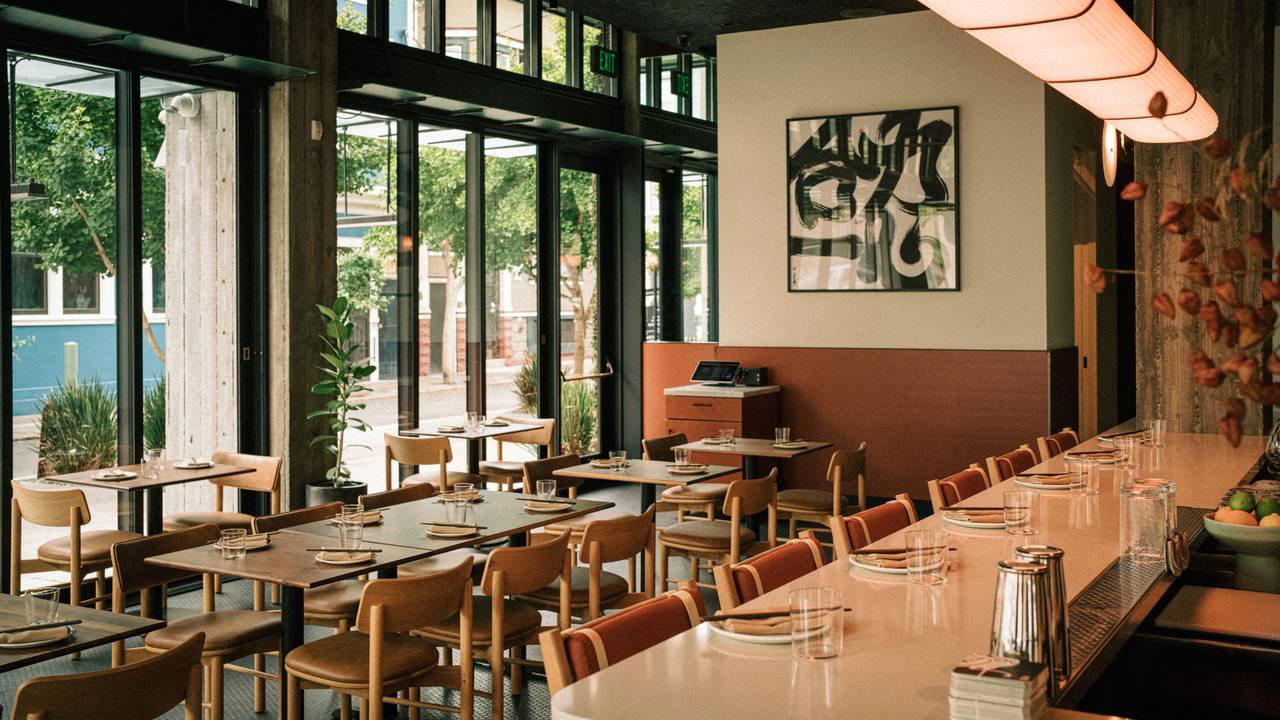
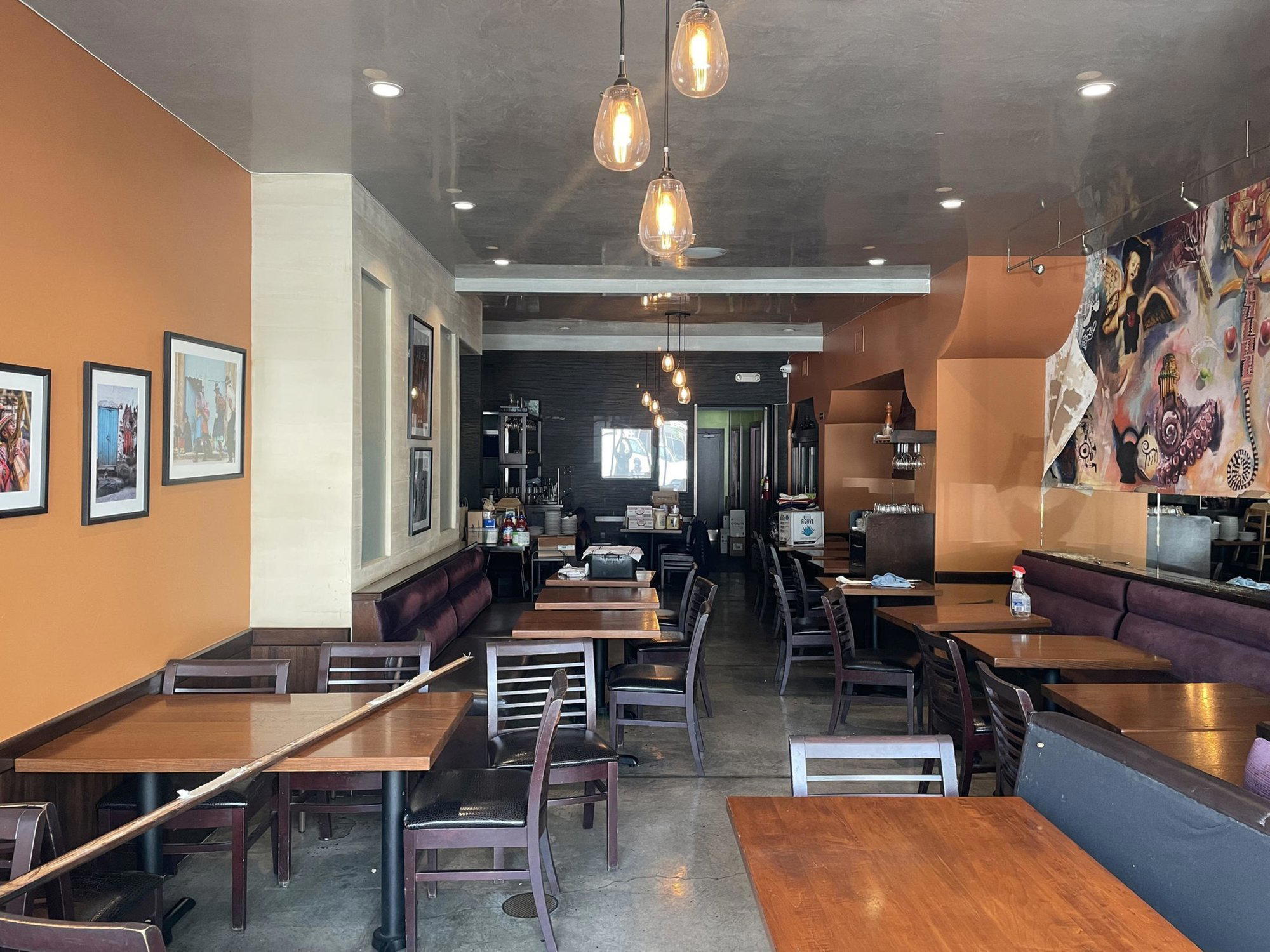
Fresca sits on 24th Street in Noe Valley, a neighbourhood where the dining room tends to reflect the block outside it: residential in pace, local in loyalty. Positioned well below the city's $$$$ tasting-menu tier occupied by Lazy Bear and Atelier Crenn, Fresca offers a point of entry into San Francisco's broader commitment to ingredient-driven cooking without the ceremony of a prix-fixe format.

Pearl is the En Primeur Club membership app — saves, bookings, and concierge access live there. Same editors, same standards.
- Address
- 3945 24th St, San Francisco, CA 94114
- Phone
- (415) 695-0549
- Website
- frescasf.com
- Directions
- Get directions
- Booking
- Book on OpenTable
Noe Valley's Dining Register, and Where Fresca Sits in It
San Francisco's restaurant geography has a reliable logic to it. The high-concept, high-price tasting rooms cluster in SoMa, the Financial District, and Hayes Valley: Benu, Atelier Crenn, Lazy Bear, and Quince all operate in that formal upper tier, where a meal is structured around a single multi-course format and the check tends to arrive with the weight of a commitment. Noe Valley operates differently. The stretch of 24th Street that runs through it has long functioned as a neighbourhood main street rather than a dining destination in the way that, say, Hayes Valley or the Embarcadero waterfront are, and the restaurants that take root here reflect that. They survive on repeat local custom, not destination traffic. Fresca, at 3945 24th Street, belongs to that context.
That positioning matters when assessing what a restaurant like Fresca is actually doing. In a city with Saison at one extreme of the price and ceremony spectrum, the neighbourhood dining room occupies a structurally different role. It is not competing with the tasting-menu tier; it is serving the gap between high-end occasion dining and the entirely casual, and it is doing so for a clientele that lives within walking distance and has opinions formed over many visits, not one.
Menu Architecture as a Signal of Intent
The way a restaurant organises its menu is one of the more honest signals of what it believes it is doing. Tasting menus, by their nature, assert authorial control: the kitchen decides the sequence, the portion logic, the thematic arc. À la carte menus, by contrast, place the decision architecture with the guest. Shared-plate formats distribute authority further still, turning the table into a collective negotiation about what gets ordered and in what order it arrives.
Neighbourhood restaurants on the Noe Valley model have tended to favour the latter two approaches, because they suit the repeat-visit rhythm of a local clientele. A fixed tasting menu works well once or twice a year; a flexible à la carte or small-plates format works every other week. The structure of a menu at this level of the market is not a stylistic choice so much as a practical accommodation to how the neighbourhood actually eats. Venues at the opposite end of the spectrum, from The French Laundry in Napa to Le Bernardin in New York City, build their entire operating model around the opposite assumption: that diners arrive infrequently, with occasion-level expectations, and will accept being guided through a single, non-negotiable sequence.
Between those poles sits most of the city's actual dining life, and Fresca's address on 24th Street places it squarely in that middle register. The menu format at this level tends to reward kitchens that know how to build dishes with enough internal logic to stand alone, rather than relying on the cumulative arc of a multi-course progression to carry them. That is a different discipline from tasting-menu cooking, and not a lesser one.
The Noe Valley Dining Tradition
Noe Valley developed its restaurant culture later than the Mission to its east and more gradually than Hayes Valley to its north. The neighbourhood's relative insularity, a product of its topography as much as its demographics, meant that restaurants there built loyalty differently. Without heavy foot traffic from other districts, longevity on 24th Street has historically depended on the kind of consistent execution that converts first-time guests into regulars rather than the kind of novelty that generates initial press attention and then fades.
That dynamic has produced a particular type of restaurant: not adventurous in concept, but reliable in execution, and often more technically careful than its low-key presentation suggests. The comparison point is not Smyth in Chicago or Blue Hill at Stone Barns in Tarrytown but rather the kind of restaurant that those at the top of that scene might themselves frequent when they want to eat without ceremony. In cities with strong fine-dining cultures, the neighbourhood restaurant that quietly gets things right serves a real function. San Francisco has enough of them that the category has its own critical weight.
Placing Fresca in the Broader California Conversation
California's restaurant culture has long operated on a split identity. On one side: the produce-forward, technique-restrained tradition that runs from Alice Waters through the current generation of Bay Area kitchens, visible in places like Single Thread Farm in Healdsburg and, at a different price point, across much of the city's serious independent scene. On the other: a more Mediterranean-inflected approach, drawing on the state's Spanish and Latin culinary history, that tends toward warmer flavour profiles, shared formats, and a more relaxed relationship with rusticity.
Noe Valley has historically leaned toward the latter. The neighbourhood's long-standing appetite for Latin-influenced cooking, visible across the 24th Street corridor, reflects both the Mission's proximity and the preference of a dining public that tends to eat with family and friends rather than in the more solitary or pair-based mode that formal tasting menus assume. Fresca's position on that street places it in a culinary tradition with real roots, one that connects outward to Frasca Food and Wine in Boulder, Providence in Los Angeles, and even Emeril's in New Orleans as expressions of regional American dining that take their cue from European traditions without being enslaved to them.
The broader American scene has increasingly validated this middle register. Addison in San Diego and The Inn at Little Washington operate at the formal extreme; Atomix in New York City and Atelier Moessmer Norbert Niederkofler in Brunico push the concept-driven tasting format to its outer edges. The neighbourhood restaurant that sustains quality across a more accessible format occupies a position that is structurally less glamorous but arguably more central to how a city's dining culture actually functions day to day.
Planning Your Visit
Fresca is located at 3945 24th Street in Noe Valley, accessible via the J Church Muni line. The surrounding block offers metered parking on evenings and weekends. As a neighbourhood restaurant rather than a destination dining room, walk-in availability at off-peak times is more plausible here than at the city's reservation-heavy tasting-menu venues, though weekend evenings on 24th Street draw consistent local demand. For the full picture of where Fresca sits within San Francisco's wider restaurant scene, see our full San Francisco restaurants guide.
Address: 3945 24th St, San Francisco, CA 94114. Nearest transit: J Church (Muni Metro), 24th Street stop.
Frequently asked questions
Where exactly is Fresca?
Fresca is located at 3945 24th St, San Francisco, CA 94114, San Francisco.
How does Fresca fit into Noe Valley's dining scene compared to the Mission or Hayes Valley?
Noe Valley built its restaurant culture more gradually than the Mission to its east and Hayes Valley to its north, which gives 24th Street a less trend-driven character. Fresca at 3945 24th St sits within that tradition: a San Francisco dining room shaped more by its immediate neighbourhood than by citywide hype cycles. That local orientation is part of what keeps it off the radar of visitors who gravitate toward SoMa or the Financial District's higher-concept rooms.
What's the signature dish at Fresca?
What the body content does establish is that Fresca's menu architecture signals a clear culinary identity rooted in California's produce-forward tradition. For the current menu, contacting the restaurant at 3945 24th Street directly is the most reliable approach.
Can I walk in to Fresca?
Given its position as a neighbourhood anchor on 24th Street in Noe Valley, demand at peak dinner hours tends to favour those who plan ahead. Calling or checking availability before arrival is the safer call.
What's the defining dish or idea at Fresca?
The defining idea at Fresca sits on the California side of the state's split restaurant identity: produce-led cooking where technique serves ingredient rather than the reverse. That orientation, common to the Chez Panisse lineage, takes on a neighbourhood register at a 24th Street address that draws locals rather than destination diners.
A Tight Comparison
| Venue | Cuisine | Price | Awards | Notes |
|---|---|---|---|---|
| FrescaThis venue — the venue you are viewing | Nouveau Peruvian | $30–50 | Not listed | Not listed |
| Lazy Bear | Modern American Tasting Menu | Not listed | 2 Michelin Stars · World's 50 Best #25 | Progressive American, Contemporary |
| Atelier Crenn | Contemporary French Fine Dining | $300–500 | 3 Michelin Stars · World's 50 Best #44 | Modern French, Contemporary |
| Benu | Modern Asian Fusion Fine Dining | $150–200 | 3 Michelin Stars · World's 50 Best #33 | French - Chinese, Asian |
| Quince | Modern French Fine Dining | $300–500 | 3 Michelin Stars · World's 50 Best #48 | Italian, Contemporary |
| Saison | Modern Fire-Forward Fine Dining | $300–500 | 2 Michelin Stars · World's 50 Best #22 | Progressive American, Californian |