Manzanita Restaurant
Manzanita Restaurant sits along Cornville Road in the Verde Valley, one of Arizona's quieter agricultural corridors, where the emphasis is on what grows and raises close to the restaurant rather than on importing prestige ingredients from elsewhere. The setting trades urban polish for something more grounded: red rock country, working farms, and a regional food culture that remains largely off the radar of the national dining press.
Pearl is the En Primeur Club membership app — saves, bookings, and concierge access live there. Same editors, same standards.
- Address
- Manzanita Restaurant, 11425 E Cornville Rd, Cornville, AZ 86325
- Phone
- +19286348851
- Website
- themanzanitarestaurant.com
- Directions
- Get directions
 Saves & bookings on Pearl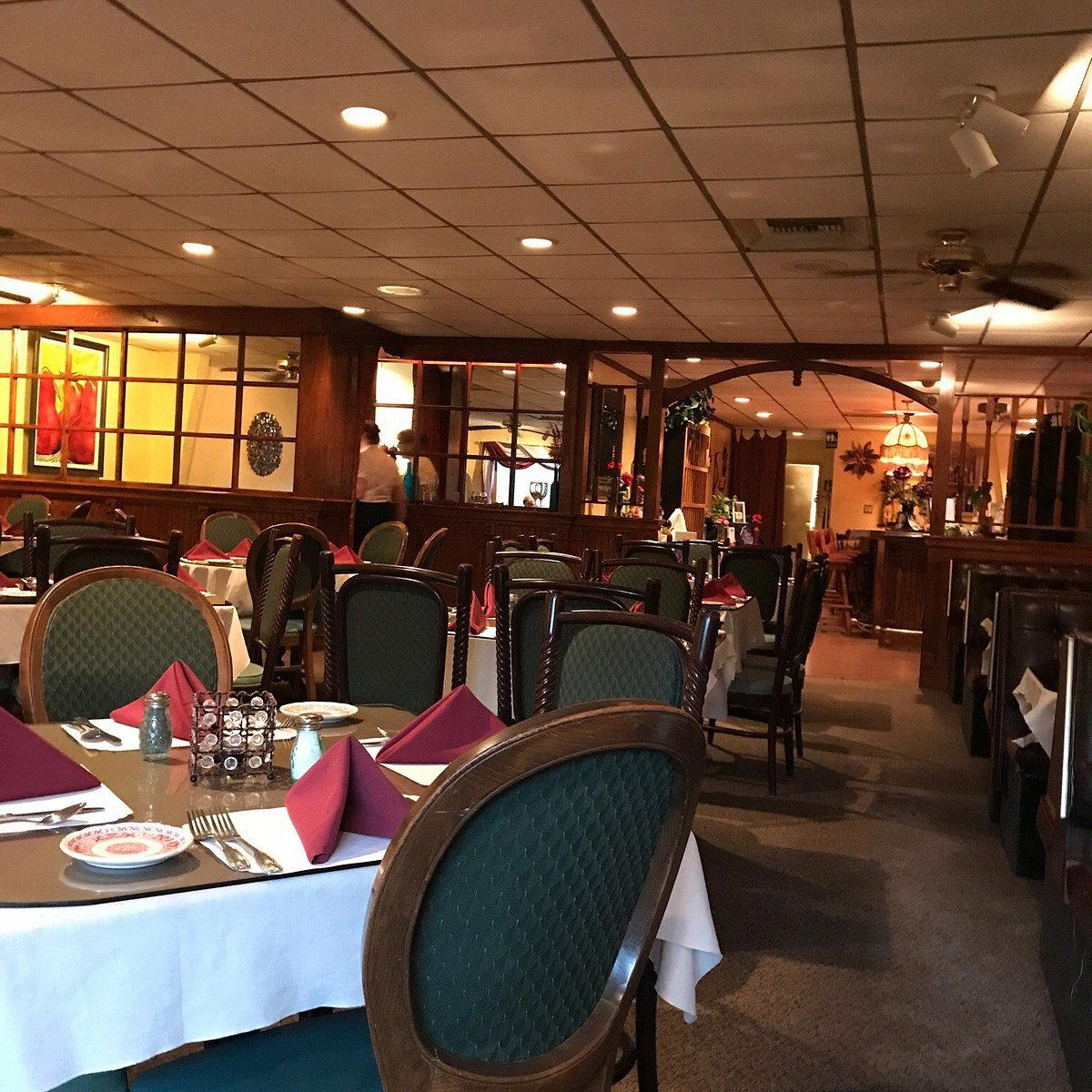
Where the Verde Valley Puts Food on the Table
The stretch of highway between Cottonwood and Sedona passes through a version of Arizona that most visitors never slow down to notice. Cornville Road cuts through that corridor, flanked by small farms, vineyards, and the kind of working land that has quietly supplied kitchens in the region for decades. Manzanita Restaurant sits along this road at 11425 E Cornville Rd, and the address itself is part of the point: this is not a destination that borrowed its identity from a city. It drew it from the ground outside.
The Verde Valley has developed a regional food identity built around proximity. Growers here operate at a scale that makes direct relationships with kitchens practical, and the altitude and climate produce ingredients with enough character to justify that model. A restaurant positioned in this environment carries a built-in editorial argument about sourcing: the distance from field to plate is measurably short, and that compression affects what ends up on the table in ways that menus at remove from their supply chains cannot replicate. For context on how farm-proximity shapes a dining program at a more documented scale, Blue Hill at Stone Barns in Tarrytown and Single Thread Farm in Healdsburg have built national reputations on exactly this logic, though both operate in far more trafficked markets with correspondingly higher price points and media exposure.
The Ingredient Argument in Rural Arizona
Sourcing-led restaurants in secondary and tertiary markets face a structural tension that their urban counterparts do not. When a kitchen in New York or Los Angeles commits to local supply, it can draw on an established network of premium producers accustomed to restaurant-grade specifications. In a place like Cornville, the network is smaller and the relationships more informal, but the tradeoff is directness. The producer answering the phone is often the one who planted the crop.
Arizona's agricultural calendar works differently from the coasts. The Verde Valley's elevation, sitting roughly 3,000 feet above sea level, moderates the desert heat enough to support growing seasons that would surprise visitors who associate the state only with summer extremes. Stone fruit, heritage grains, and cool-season vegetables all find footing here. A kitchen that chooses to work with this geography rather than import around it is making a specific editorial choice about what regional cooking means in the American Southwest, a conversation happening simultaneously at places like Brutø in Denver and Frasca Food and Wine in Boulder, where the Rocky Mountain West is developing its own producer-kitchen vocabulary.
That conversation is less advanced in Arizona than in Colorado, partly because the restaurant infrastructure is thinner and partly because the state's culinary identity has historically defaulted to Southwestern genre markers rather than building upward from the specific terroir of individual valleys. Manzanita's location in Cornville places it outside the Scottsdale and Phoenix orbit where Arizona's dining press concentrates, which means it operates with less institutional support but also with less pressure to perform for an audience that already knows what it expects.
What the Setting Does to the Experience
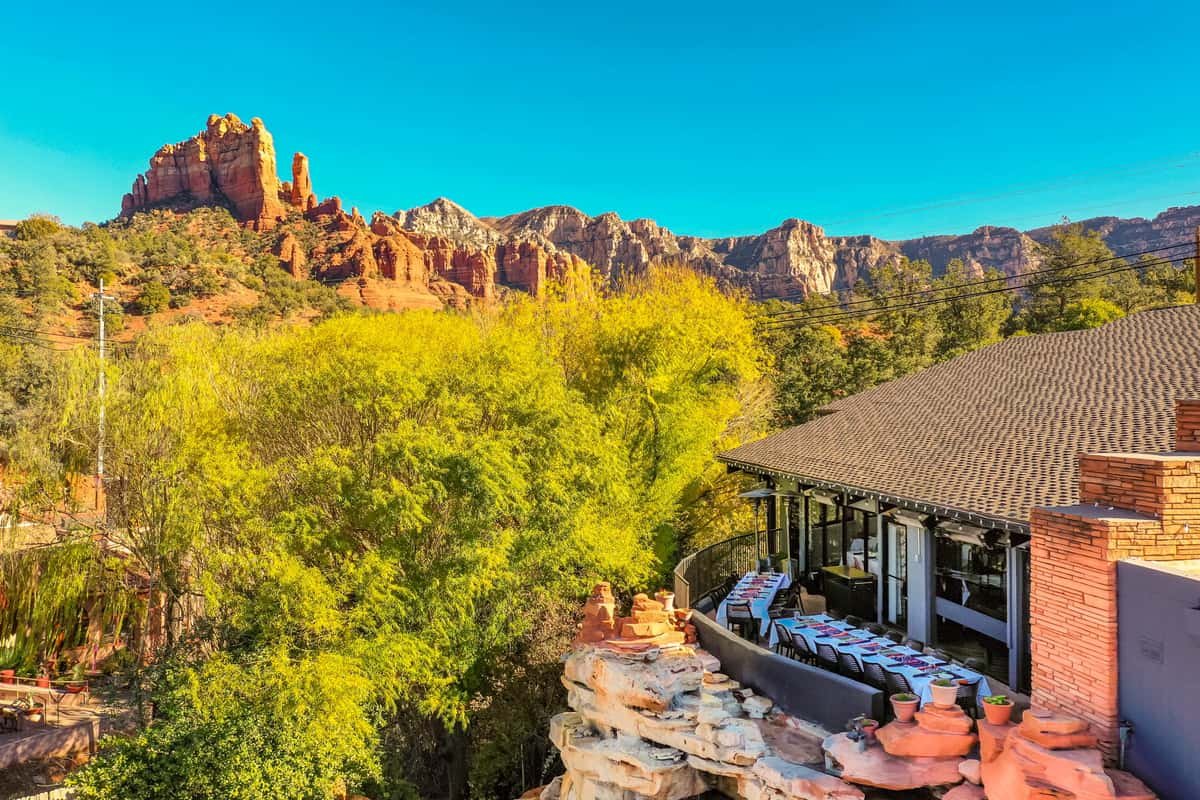
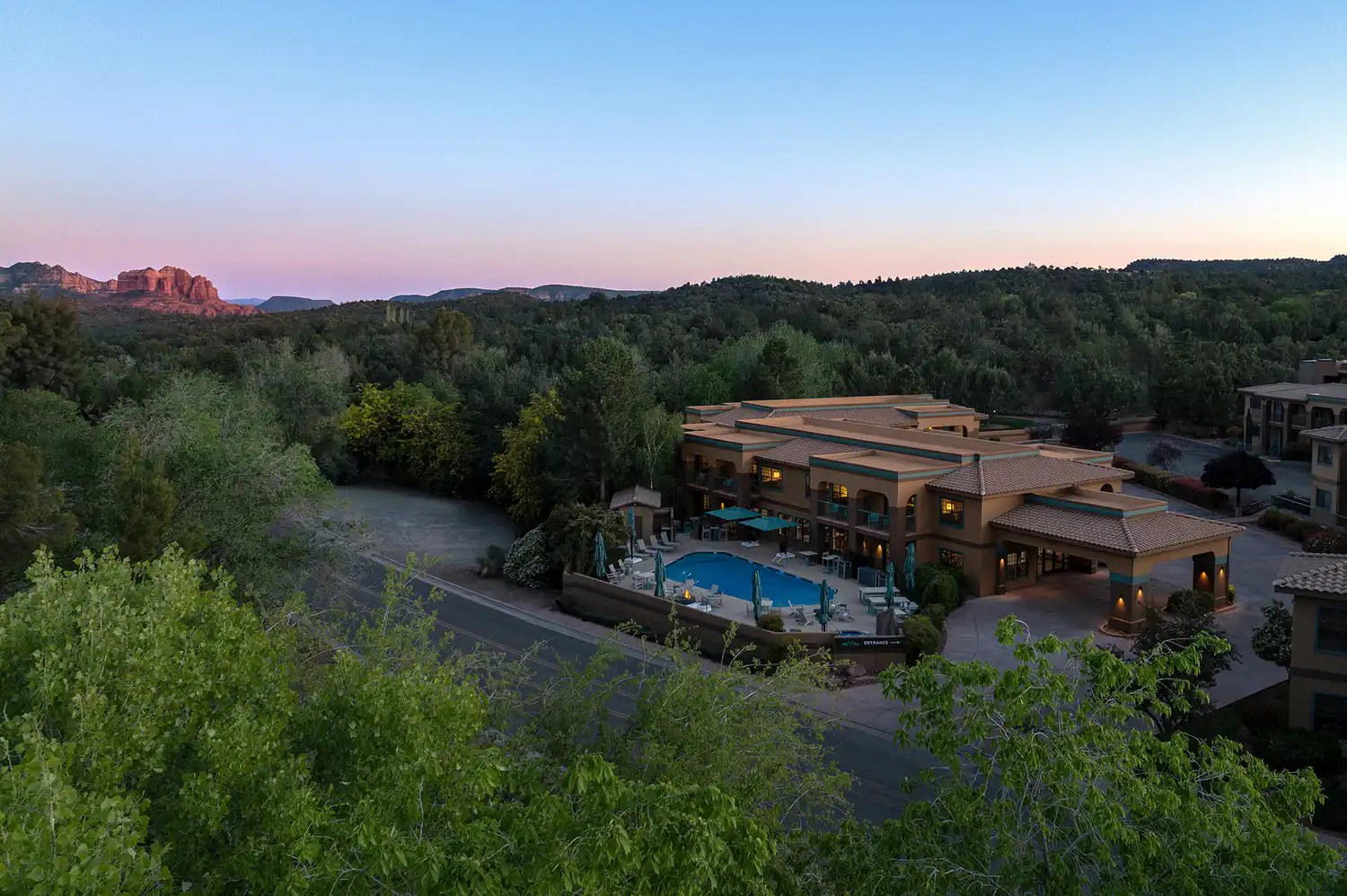
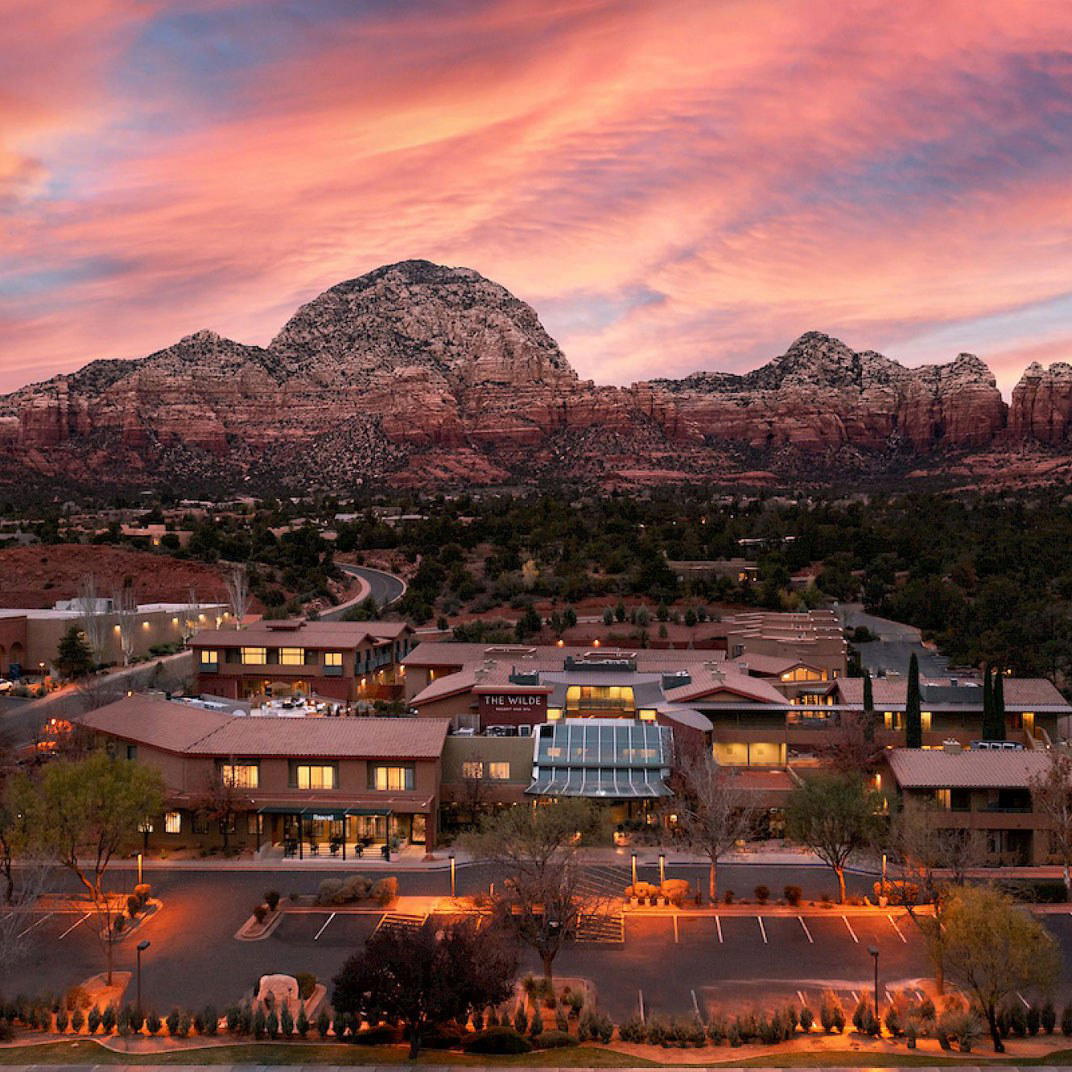
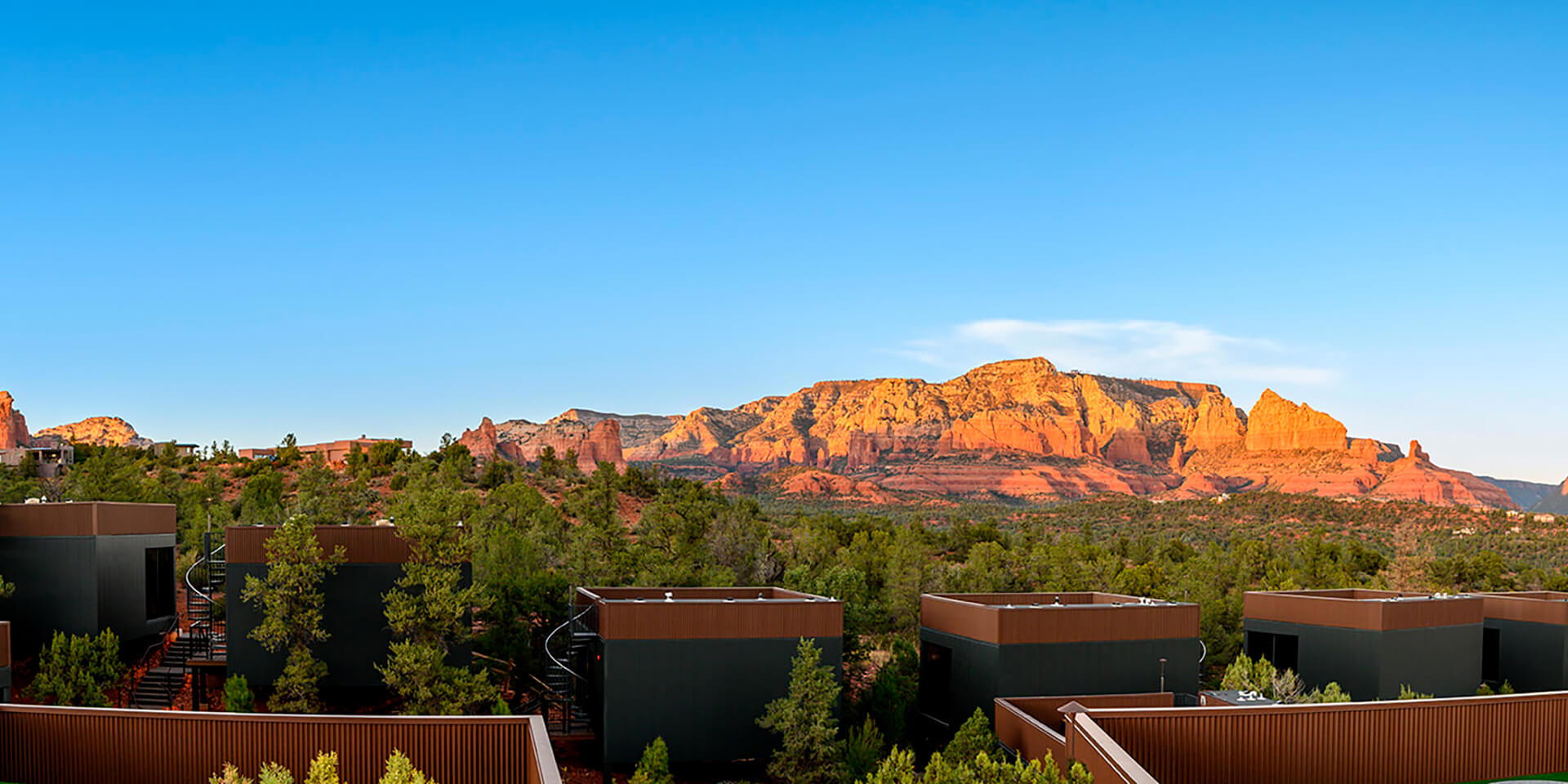
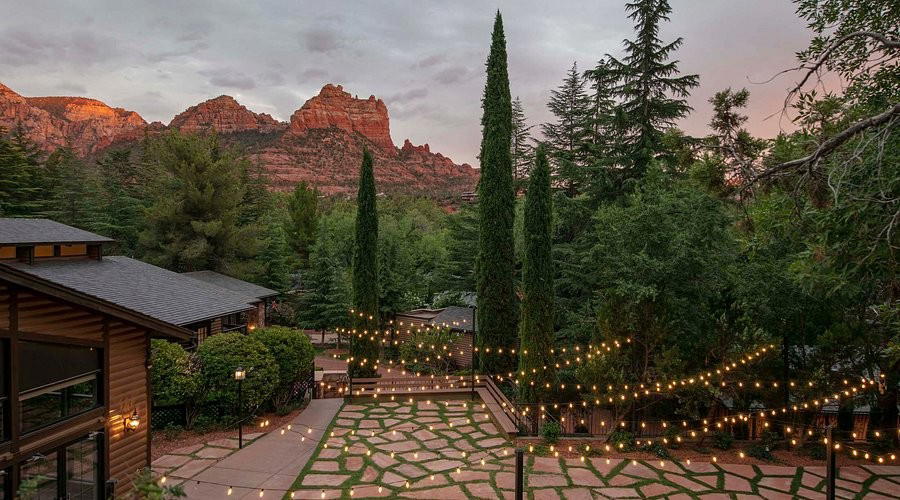
Arriving along Cornville Road, the landscape does the first work. The red rock formations that define the Sedona approach are visible to the north, and the Verde River basin spreads to the south, flat and agricultural. The physical environment is not incidental to a meal here; it is the context that makes the sourcing argument legible. Restaurants that claim local provenance in urban settings ask diners to take that claim on faith. Here, the farms are visible from the road.
This kind of setting has a functional effect on pacing. Dining in a rural corridor, away from the ambient noise and density of a city restaurant, tends to slow the meal down. That is not a liability at a place where ingredient sourcing is the organizing principle; it is the condition that allows the food to be read rather than consumed. The experience sits in a different register from tasting-menu destinations like Alinea in Chicago or The French Laundry in Napa, where the architecture of the meal is the primary communication. Here, if the sourcing argument holds, the ingredients do that work themselves.
Positioning Within the Broader Southwest Dining Scene
Arizona has a small but developing cohort of restaurants that take regional supply seriously. Cornville itself is not a dining destination in the way Sedona has positioned itself, which means Manzanita draws a different visitor: someone who made a deliberate decision to come to this address rather than someone who wandered in from a hotel concierge list. That self-selecting audience is one reason sourcing-led programs in rural settings can maintain a certain integrity that urban counterparts sometimes lose when volume pressure increases.
Nationally, the sourcing-first framework has become established enough that its absence is now the notable position. Restaurants at the level of Providence in Los Angeles, Le Bernardin in New York City, and Addison in San Diego all foreground ingredient provenance as a central credential. In smaller markets, the practice is less formalized but often more direct. The Verde Valley's proximity to both Mexican agricultural traditions and Native American food systems adds layers of regional specificity that coastal kitchens cannot authentically access regardless of budget. For reference on how regional specificity is driving program development elsewhere in the country, Bacchanalia in Atlanta and Lazy Bear in San Francisco both illustrate how a clear sourcing identity translates into sustained critical recognition over time.
Planning a Visit
Cornville sits roughly 15 miles southwest of Sedona and about 100 miles north of Phoenix, making it a practical detour for anyone already moving through the Verde Valley rather than a standalone urban destination. The town has no significant hotel infrastructure, so most visitors staying overnight base themselves in Cottonwood, Sedona, or Jerome, all within a short drive. Reaching Manzanita Restaurant requires a car; there is no public transit serving Cornville Road.
At-a-Glance Comparison
Comparable venues nearby, for context on price, style, and recognition.
| Venue | Cuisine | Price | Notes |
|---|---|---|---|
| Manzanita RestaurantThis venue — the venue you are viewing | American Steakhouse with German and Wild Game | $$$ | Not listed |
| Tinderbox Kitchen | Progressive American High Desert Cuisine | $$$ | Downtown Flagstaff |
| Jacy & Dakota's | Modern American | $$$ | Copper Square |
| Ko'sin | Native American & Southwestern Comfort Cuisine | $$$ | Gila River Indian Community |
| Lincoln Restaurant | Modern American Steakhouse | $$$ | Paradise Valley |
Continue exploring
More in Cornville
Restaurants in Cornville
Browse all →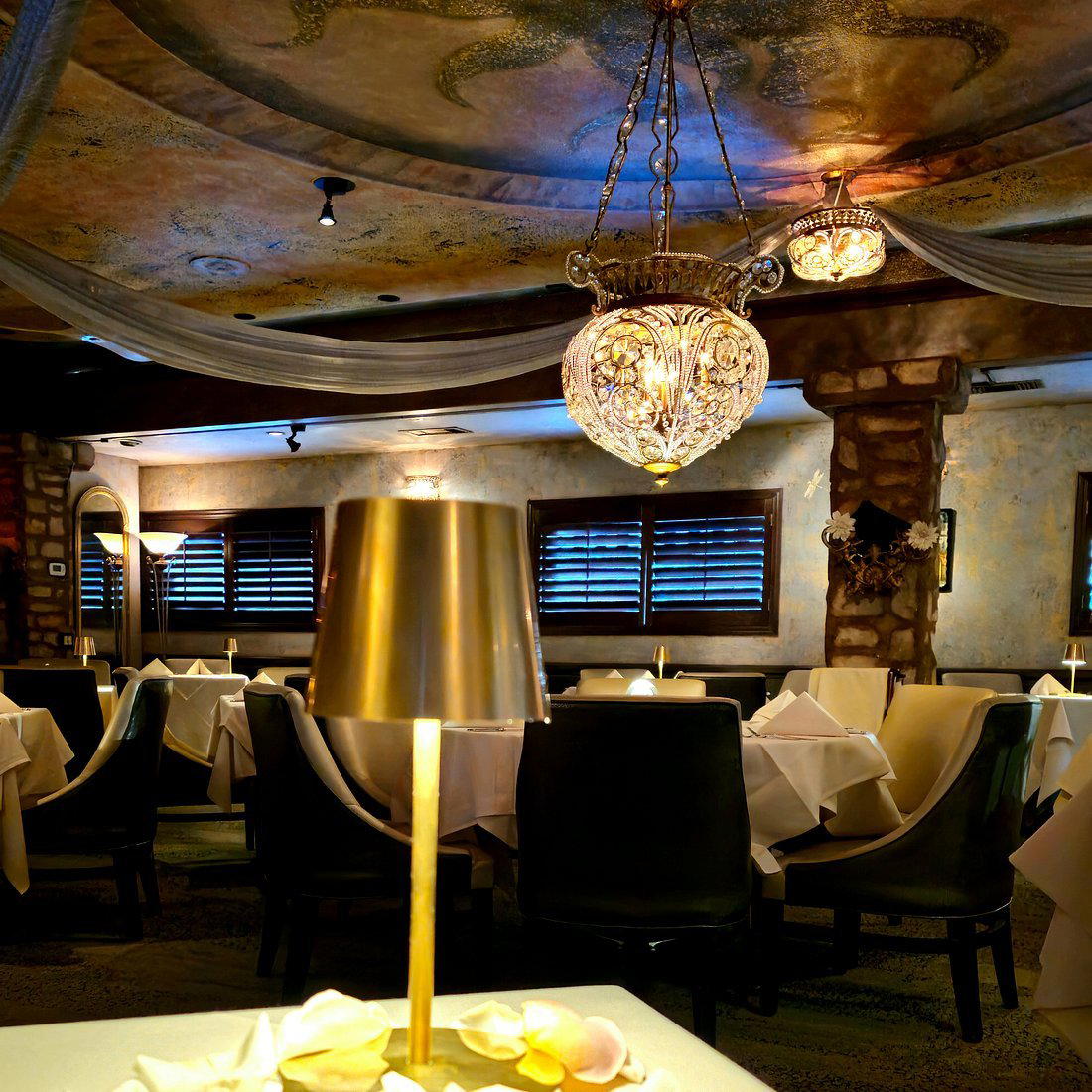
Bars in Cornville
Browse all →

At a Glance
- Rustic
- Cozy
- Classic
- Date Night
- Special Occasion
- Family
- Standalone
- Organic
Current opening hours
- Monday
- Closed
- Tuesday
- Closed
- Wednesday
- 4–8 PM
- Thursday
- 4–8 PM
- Friday
- 4–8 PM
- Saturday
- 4–8 PM
- Sunday
- 4–8 PM
Hours can change for holidays and private events. Last verified .