Ko'sin
Our verdict
Ko'sin occupies a distinct address on Wild Horse Pass Boulevard in Chandler, Arizona, placing it within a corridor that draws on the cultural weight of the Gila River Indian Community. For visitors tracing the Southwest's deeper culinary and cultural geography, the location alone signals an experience tied to indigenous heritage and regional identity rather than standard suburban dining.

Pearl is the En Primeur Club membership app — saves, bookings, and concierge access live there. Same editors, same standards.
- Address
- 5594 W Wild Horse Pass Blvd, Chandler, AZ 85226
- Phone
- (602) 385-5726
- Hours
- Daily 6:30 AM–2 PM, 5–10 PM
- Website
- marriott.com
- Directions
- Get directions
- Booking
- Book on OpenTable
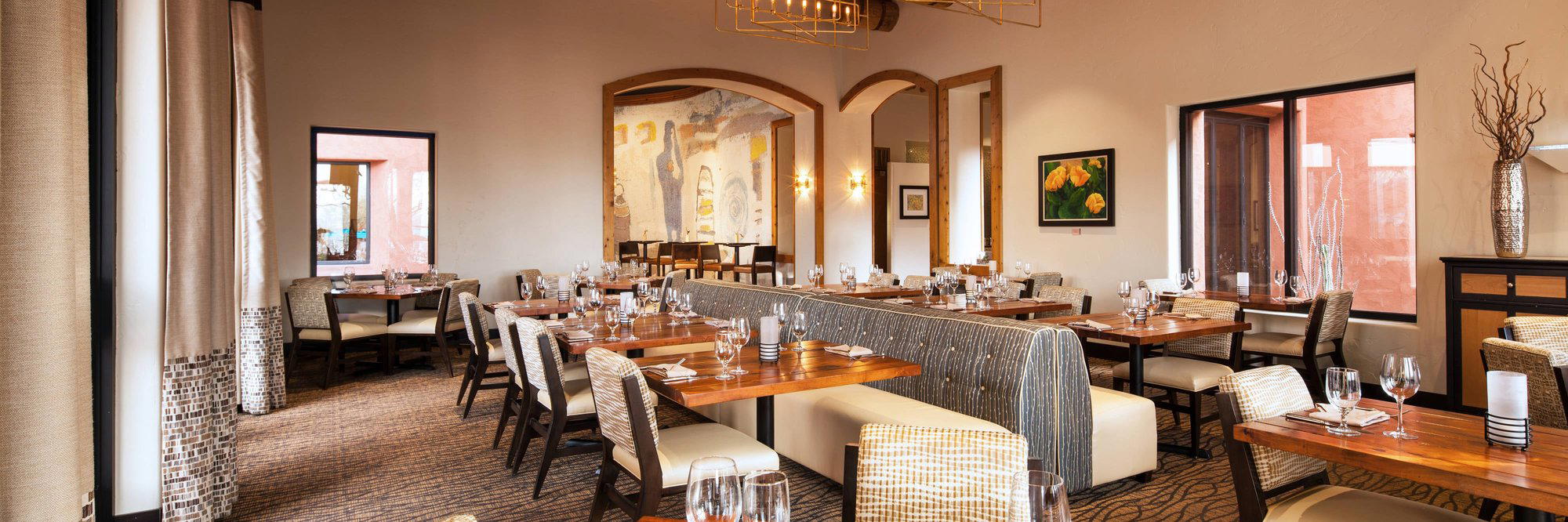
The menu
What to order
- Chicken pot pie
- Buffalo meatloaf
- Garlic glazed salmon
- Bison bourguignon
Where the Sonoran Desert Meets the Plate
The stretch of Wild Horse Pass Boulevard running through Chandler's southwestern edge carries more cultural freight than its commercial exterior suggests. The Gila River Indian Community's territory frames this corridor, and the hospitality venues that have grown up along it — including Ko'sin at 5594 W Wild Horse Pass Blvd — sit within a context that most Phoenix-area dining rooms cannot claim: a direct, geographic relationship to the Indigenous peoples whose agricultural and culinary traditions shaped the Sonoran Desert long before European settlement. That context is not incidental to understanding Ko'sin. It is the operative frame.
In the broader American Southwest, indigenous-influenced dining has moved through several phases in recent decades. An early period of novelty gave way to more considered approaches, with chefs and restaurateurs working to ground menus in verifiable tradition rather than surface aesthetics. The result, in the leading cases, is food that functions as cultural testimony rather than cultural decoration. Ko'sin's placement within the Wild Horse Pass development, which is operated by the Gila River Indian Community and includes the Sheraton Grand at Wild Horse Pass, situates it inside that more serious strand of indigenous hospitality, where the institution behind the dining room carries sovereign authority over its own cultural narrative.
The Wild Horse Pass Corridor in Chandler's Dining Scene
Chandler's dining geography has expanded considerably over the past decade, with a range of independent and chef-led rooms joining the suburban restaurant stock. Along the Price Road corridor and in the downtown core, rooms like Born & Bred by Aftermath, Cuisine & Wine Bistro, and George & Gather address a range of occasions, from casual to event dining. Steakhouse formats remain a consistent presence, with DC Steak House and Elliott's Steakhouse anchoring that tier.
Ko'sin operates in a separate register from all of these. Its location within a resort complex on tribal land marks it as a destination in its own right rather than a neighborhood drop-in. Guests arriving here are not passing through on the way somewhere else. The drive along Wild Horse Pass Boulevard, with the Sierra Estrella mountains visible to the southwest and the desert scrub pressing close to the road's edge, functions as a kind of decompression, a physical transition that resets expectations before the meal begins. That deliberate geography is among the more effective forms of atmospheric stage-setting available to any dining room in the greater Phoenix area.
For a fuller map of where Ko'sin fits within Chandler's evolving restaurant picture, our full Chandler restaurants guide covers the range of options across neighborhoods and price tiers.
Indigenous Cuisine and the Southwest's Culinary Heritage
The Pima people, the contemporary O'odham, whose territory includes the Gila River Indian Community lands, developed one of the most sophisticated agricultural systems in pre-Columbian North America. The Akimel O'odham (River People) cultivated tepary beans, Pima cotton, squash, and a diversity of corn varieties in the Sonoran Desert using irrigation systems that fed communities for centuries. That agricultural legacy is not merely historical. It represents a living body of knowledge about which ingredients thrive in extreme heat, which plants hold nutritional density through dry seasons, and how flavor relationships were constructed in a landscape where resources demanded precision.
Restaurants that engage seriously with this tradition, as Ko'sin does by virtue of its institutional setting, operate in a category distinct from Southwest-influenced menus that borrow chile peppers and prickly pear as accent ingredients. The difference is between using a landscape's pantry as decoration versus treating it as the primary vocabulary. Nationally, this distinction has become more legible to diners over the past several years, with indigenous-led dining projects attracting attention from publications and award bodies that previously had no framework for evaluating them. Rooms like Atomix in New York City demonstrate how a cuisine rooted in specific cultural lineage can operate at the highest tier of American fine dining, a standard that the Southwest's indigenous food traditions are well-positioned to reach given the depth of their agricultural and culinary history.
The challenge for any dining room in this space is maintaining that seriousness across the full operation: sourcing, technique, service framing, and menu description. When a restaurant is embedded within an institution governed by the community whose cuisine it serves, the accountability structures are different from those in place at a chef-driven room inspired by indigenous ingredients. Ko'sin benefits from that institutional accountability in ways that most Southwest restaurants cannot replicate.
Placing Ko'sin in a National Frame
American fine dining has become increasingly attentive to place-specific culinary identity over the past decade. Rooms like Single Thread Farm in Healdsburg and Blue Hill at Stone Barns in Tarrytown built reputations on the argument that geography and seasonal specificity are the most durable foundations for a menu. The French Laundry in Napa, Providence in Los Angeles, and Addison in San Diego each ground their programs in regional identity even when the technique is classical. What makes Ko'sin's position interesting is that its version of place-specificity runs deeper than most: the land, the agricultural history, and the community are continuous rather than curated.
That said, specific details about Ko'sin's current menu format, chef, pricing, and booking structure are not available in verified form at time of writing. Readers planning a visit should confirm current hours, reservation availability, and menu offerings directly with the Wild Horse Pass resort property, as these details are subject to change and cannot be responsibly stated here without confirmation.
Planning a Visit
Ko'sin sits within the Wild Horse Pass resort corridor roughly 25 minutes southwest of downtown Phoenix, making it accessible as an evening destination from central Phoenix or Scottsdale, and a natural dinner option for guests staying at the Sheraton Grand at Wild Horse Pass. The surrounding property includes a spa, golf, and cultural programming tied to the Gila River Indian Community, which means a visit to Ko'sin can anchor a longer stay rather than functioning as a standalone meal stop. For comparison, restaurants at a similar positioning within resort properties, such as Le Bernardin in New York City or The Inn at Little Washington in Washington, tend to require advance reservations, particularly on weekends and during peak travel periods. The same logic applies here: arriving without a booking on a Friday or Saturday evening in the autumn travel season is inadvisable.
Frequently asked questions
Where do I go for Ko'sin?
Ko'sin is located at 5594 W Wild Horse Pass Blvd, Chandler, AZ 85226, Chandler.
Is Ko'sin connected to the Gila River Indian Community, and does that affect the dining experience?
Ko'sin sits within the Wild Horse Pass resort corridor in Chandler, a development on Gila River Indian Community land, which gives the restaurant a direct cultural and geographic relationship to the O'odham heritage it draws from. That proximity is not incidental: the sourcing, conceptual framing, and culinary references reflect a specific Indigenous tradition rather than a generalised Southwest aesthetic. Few restaurants in the Phoenix area operate from that kind of rooted, place-anchored premise.
What dish is Ko'sin famous for?
Ko'sin draws on the culinary traditions of the O'odham people and the broader Sonoran Desert, so the kitchen anchors its menu in ingredients and techniques native to the Gila River Indian Community lands surrounding Chandler.
What's the best way to book Ko'sin?
Ko'sin is located at 5594 W Wild Horse Pass Blvd, Chandler, AZ 85226, within the Wild Horse Pass resort corridor.
What's Ko'sin best at?
The kitchen's clearest strength is its grounding in Indigenous Sonoran culinary heritage, a category where very few Arizona restaurants operate with comparable cultural specificity. Sitting on the Wild Horse Pass corridor adjacent to Gila River Indian Community land, the restaurant has a geographic and cultural context that informs the food directly rather than symbolically.
Is Ko'sin good for vegetarians?
The O'odham agricultural tradition is rooted in desert-adapted crops — tepary beans, cholla buds, saguaro fruit, and cultivated corn among them — which means plant-based ingredients carry genuine culinary weight at Ko'sin rather than serving as menu afterthoughts.
Budget Reality Check
Comparable venues nearby, for context on price, style, and recognition.
| Venue | Cuisine | Price | Notes |
|---|---|---|---|
| Ko'sinThis venue — the venue you are viewing | Native American & Southwestern Comfort Cuisine | $50–100 | Not listed |
| The Hidden House | New American Gastropub with Global Influences | $30–50 | Downtown Chandler, New American Gastropub with Global Influences |
| Hop Social Grill | Modern American Grill | $20–30 | near Chandler Fashion Center, Modern American Grill |
| Perfect Pear Bistro | Modern American Bistro | $20–30 | null, Modern American Bistro |
| St Amand Kitchen & Cocktails | Modern American with International Flair | $30–50 | Ocotillo, Modern American with International Flair |
| Cuisine & Wine Bistro | French Steakhouse & Wine Bistro | $50–100 | Chandler, French Steakhouse & Wine Bistro |
Details
- Scenic
- Elegant
- Sophisticated
- Rustic
- Date Night
- Business Dinner
- Group Dining
- Family
- Celebration
- Brunch
- Hotel Restaurant
- Terrace
- Panoramic View
- Craft Cocktails
- Mountain
- A La Carte
- Craft Cocktails
- Wine
- Vegetarian Friendly
- Vegan Options
- Gluten Free Options
- Allergy Accommodating
Current opening hours
- Monday
- 6:30 AM–2 PM, 5–10 PM
- Tuesday
- 6:30 AM–2 PM, 5–10 PM
- Wednesday
- 6:30 AM–2 PM, 5–10 PM
- Thursday
- 6:30 AM–2 PM, 5–10 PM
- Friday
- 6:30 AM–2 PM, 5–10 PM
- Saturday
- 6:30 AM–2 PM, 5–10 PM
- Sunday
- 6:30 AM–2 PM, 5–10 PM
Hours can change for holidays and private events. Last verified .
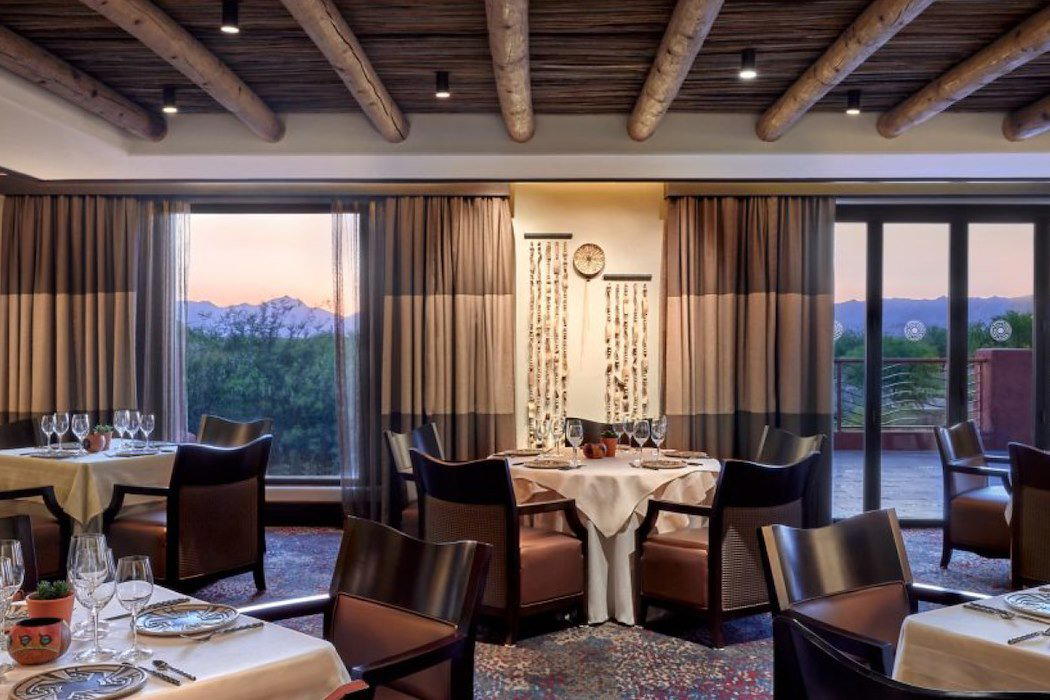
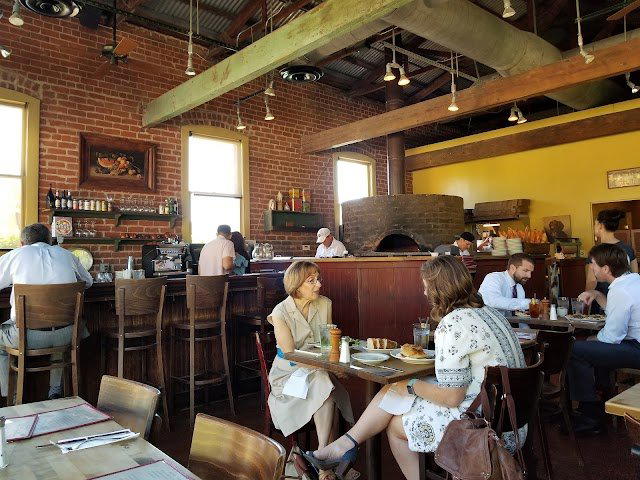
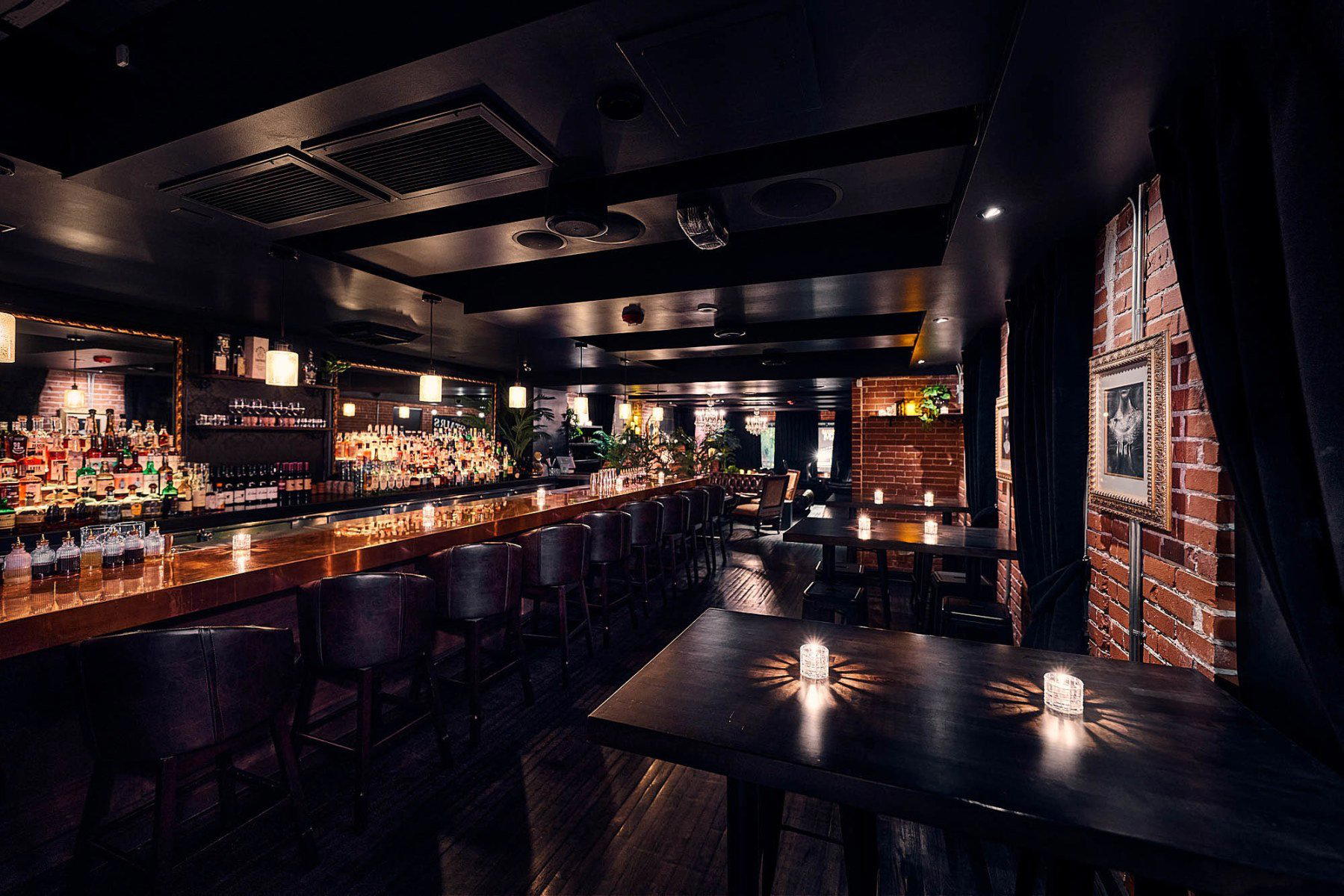
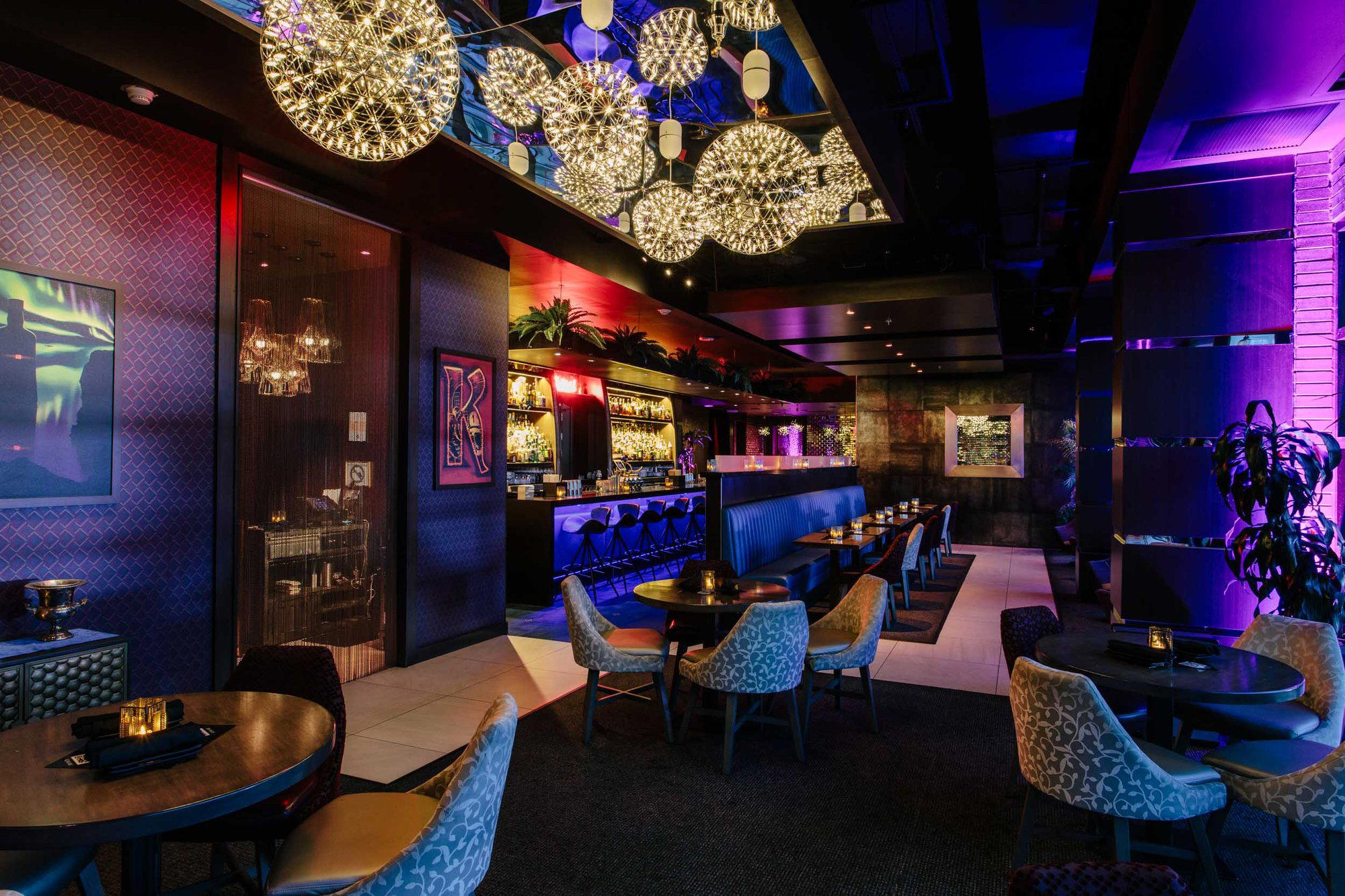
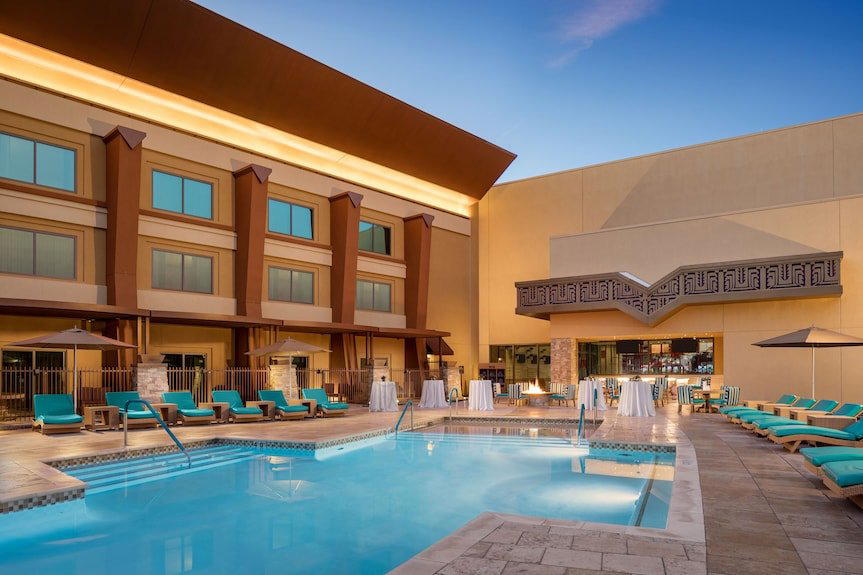
Elegant yet relaxed atmosphere with beautiful natural lighting from mountain views; both indoor and outdoor patio seating available with warm, welcoming service.