Mallard Cottage
Our verdict
Mallard Cottage sits in the historic district of Quidi Vidi in St. John's, Newfoundland, occupying a restored nineteenth-century cottage that frames local, seasonal cooking against one of Atlantic Canada's most characterful settings. The kitchen draws on the province's fishing and foraging traditions, placing it among the restaurants that have pushed Newfoundland dining into national conversation alongside peers like Raymonds and the Fogo Island Inn Dining Room.

Pearl is the En Primeur Club membership app, where members save venues, book tables and use the concierge.
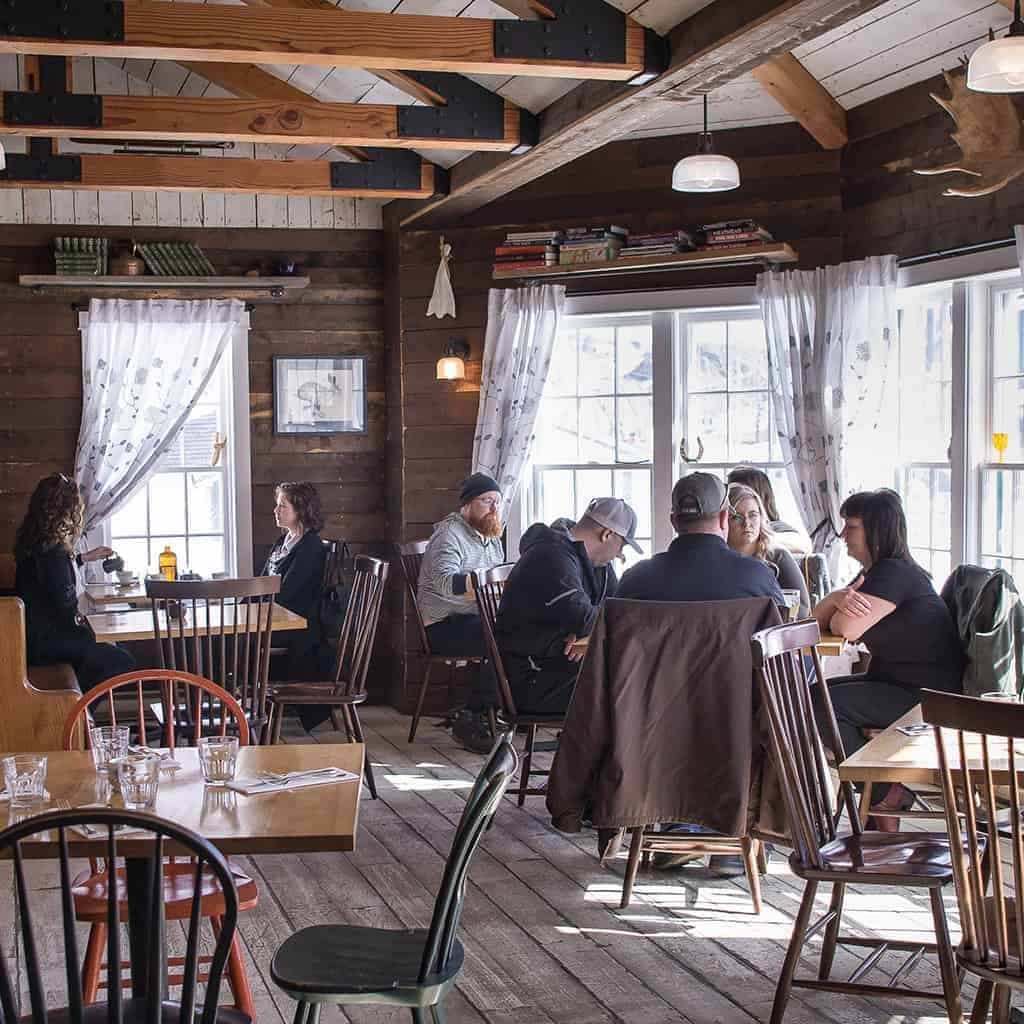
Where the Shoreline Meets the Table
Approach Mallard Cottage along the edge of Quidi Vidi Lake and the building announces itself before you reach the door: a low, weathered structure with the proportions and material honesty of a working outport building, transplanted into the city's oldest fishing village. The surrounding neighbourhood, one of St. John's most historically dense pockets, sets the terms of the dining experience before a single dish arrives. This is not a restaurant performing rustic authenticity; it sits inside the actual thing, which changes what you expect of the food and what the food is able to say.
Newfoundland's culinary tradition is rooted in necessity and geography rather than in fine-dining aspiration. Centuries of salt cod, preserved berries, root vegetables, and game shaped a diet determined by what the North Atlantic and the boreal interior could yield. What has happened in St. John's over the past fifteen years is a gradual, serious reappraisal of that tradition by a generation of cooks unwilling to treat local ingredients as inferior to imported ones.
What Newfoundland Puts on the Plate
The logic of the province's ingredient culture is specific. Cod, crab, shrimp, and seal are not exotic choices here; they are the baseline, the same proteins that sustained outport communities for generations. What changes at restaurants like Mallard Cottage is the technique applied and the framing offered. Foraged greens, preserved cloudberries, partridgeberry, and salt-cured fish appear alongside preparations that reference contemporary Canadian cooking without abandoning the material realities of the province.
That combination places the restaurant in a broader national conversation about what regional Canadian cooking can accomplish when it refuses to defer to imported ingredients or European templates. The comparison extends well beyond Newfoundland. Tanière³ in Quebec City operates on similar principles, grounding a technically sophisticated menu in hyper-local foraged and preserved produce. Eigensinn Farm in Singhampton takes the idea further, treating the farm itself as the kitchen's primary supplier. In each case, the discipline is the same: the geography sets the menu's limits, and those limits produce identity rather than constraint.
Closer to home, Chafe's Landing Restaurant in the same area draws on comparable local seafood traditions, while The Big R Restaurant represents a different tier of the St. John's dining offer. The range across these three venues illustrates how St. John's has developed a layered dining culture rather than a single dominant style.
The Building as an Argument
Restored nineteenth-century vernacular architecture carries an argument in Atlantic Canada that it does not carry elsewhere. Here, the built environment is fragile: outport communities emptied through resettlement programs in the 1960s and 1970s, and the buildings that remain carry the weight of a culture that nearly disappeared. A dining room inside a properly restored cottage is not merely atmospheric; it positions the restaurant inside a particular kind of historical recovery. The physical space does editorial work.
That is not a quality every restaurant can claim. Among Canadian restaurants engaged in regional identity, few have a setting that reinforces the menu's argument as directly as this one. Restaurant Pearl Morissette in Lincoln uses its winery setting to connect the table to the land; AnnaLena in Vancouver and Alo in Toronto operate in urban spaces where the architecture is neutral. At Mallard Cottage, the building and the kitchen are making the same point.
St. John's in the Atlantic Canada Context
Atlantic Canada's restaurant geography is wide and uneven. Moncton's Catch22 Lobster Bar leans into shellfish as a regional calling card. In Quebec, Narval in Rimouski occupies a similar position to Mallard Cottage in terms of geography and ambition, working with St. Lawrence seafood and boreal foraged ingredients in a city not typically on the fine-dining map. The thread connecting these restaurants is a refusal to treat geographic remoteness as a disadvantage. Distance from major urban supply chains forces reliance on local producers and fishers, which produces a specificity of flavour and ingredient that restaurants in Toronto or Montreal cannot simply import.
St. John's has benefited from that logic more visibly than most Atlantic cities. Its dining scene punches above its population size, supported by a local food culture that values the province's own larder and a tourism draw built partly on culinary reputation. For readers mapping Canadian regional cooking, a visit to St. John's without covering both Mallard Cottage and Raymonds misses the core of what the city's kitchen culture has become. Our full Division No 1 restaurants guide covers the broader offer across the area.
Where This Fits in Canadian Cooking
Canadian restaurants that ground themselves in hyper-regional sourcing now attract the same level of critical attention that similar projects receive in Scandinavia or coastal Spain. The frame has shifted: cooking from a specific place, with ingredients that cannot be sourced anywhere else, is now a mark of seriousness rather than limitation. Cafe Brio in Victoria and The Pine in Creemore occupy analogous positions in their own regional contexts, demonstrating that this approach is a national pattern rather than a local anomaly.
For the reader comparing Mallard Cottage against restaurants at a different scale or in a different tradition, the useful reference points are not Le Bernardin in New York City or Lazy Bear in San Francisco, where technical ambition and production values operate at a different register. The relevant comparison is with restaurants like Jérôme Ferrer - Europea in Montréal or Busters Barbeque in Kenora: places where a strong regional identity and a specific relationship to local ingredients define the offer, and where the dining experience carries weight because it could not be reproduced somewhere else.
Planning a Visit
Mallard Cottage is located at 8 Barrows Road in Quidi Vidi, St. John's, Newfoundland, within walking distance of the lake and the village's small brewery. Quidi Vidi is a short drive from downtown St. John's and sits inside a neighbourhood where the setting alone justifies arriving before your reservation to explore on foot. Given the restaurant's profile within the city and the relatively limited capacity typical of restored heritage buildings, booking ahead is advisable, particularly during summer when St. John's draws visitors from across Canada and internationally. Visitors also planning broader Atlantic itineraries should cross-reference the Fogo Island Inn Dining Room, which requires a separate overnight stay on the island and represents a different but complementary interpretation of Newfoundland's ingredient culture.
Frequently asked questions
What part of town is Mallard Cottage in?
Mallard Cottage is located at 8 Barrows Rd, St. John's, NL A1A 0J9, Canada, Division No 1.
Is Mallard Cottage a good restaurant for experiencing traditional Newfoundland cuisine near Quidi Vidi?
Mallard Cottage at 8 Barrows Road sits directly on the edge of Quidi Vidi village, one of the oldest fishing settlements in North America, which gives its Newfoundland-sourced cooking a geographic credibility few St. John's restaurants can claim. The menu draws on cod, crab, and other provincial staples as baseline ingredients rather than heritage showpieces. For visitors seeking grounding in what Atlantic Canadian cooking actually looks like in practice, the Quidi Vidi address is a meaningful part of the answer.
What should I eat at Mallard Cottage?
The kitchen works from Newfoundland's foundational ingredient list: cod, crab, shrimp, and seal are recurring references rather than novelty items. The menu is anchored to what the province's fisheries and land actually produce, so the most honest choices are whatever reflects the current season. Given the Quidi Vidi location, expect the seafood-led dishes to carry the most editorial weight.
What's the best way to book Mallard Cottage?
Mallard Cottage is located at 8 Barrows Road in Quidi Vidi, St. John's, NL. Quidi Vidi is a small village, and the cottage's profile means tables during peak season move quickly.
What's the standout thing about Mallard Cottage?
The building itself makes an argument. A restored nineteenth-century vernacular structure beside Quidi Vidi Lake, it situates the cooking inside a material history that most Atlantic Canadian restaurants have long since demolished or renovated away. The combination of architecture and hyper-local sourcing gives the place a coherence that is harder to achieve than either element alone.
How does Mallard Cottage handle allergies?
Given the kitchen's strong focus on local Newfoundland seafood, guests with shellfish or fish allergies should check the venue's official channels at 8 Barrows Road, Quidi Vidi, St. John's before visiting to confirm what the menu can accommodate on a given service.
Is Mallard Cottage overpriced or worth every penny?
What the restaurant offers contextually is a combination of nineteenth-century vernacular architecture, a lake-edge setting in Quidi Vidi, and cooking rooted in Newfoundland's specific ingredient culture. In the Atlantic Canada restaurant geography, that proposition sits well above the regional average in terms of concept coherence, which typically justifies a corresponding price point.
Pricing, Compared
| Venue | Cuisine | Price |
|---|---|---|
| Mallard CottageThis venue (the venue you are viewing) | Modern Newfoundland Seafood | $30–50 |
| Chafe's Landing Restaurant | Traditional Newfoundland Seafood | $20–30 |
| Raymonds Restaurant | Canadian | Not listed |
Continue exploring
More in Division No 1
Restaurants in Division No 1
All restaurants in Division No 1 →

Bars in Division No 1
All bars in Division No 1 →
Details
- Cozy
- Rustic
- Classic
- Well Known
- Intimate
- Date Night
- Special Occasion
- Celebration
- Brunch
- Historic Building
- Standalone
- Waterfront
- Craft Cocktails
- Local Sourcing
- Farm To Table
- Waterfront
- A La Carte
- Craft Beer
- Gluten Free Options
Warm, cozy, and rustic, with weathered wood, old floors, fireside glow, harbour air, and the atmosphere of a storied Newfoundland cottage.